
 MONA OS 2.0


 Tự động hoá doanh nghiệp
 Cẩm nang SEO
 Digital Marketing
 Kinh nghiệm thiết kế website
 Hạ Tầng Server
 Giáo dục



 VI
 EN






Message us on
Zalo Official


 ProductsNew

 ProductsProducts
 Mới ra mắtKHA AI 2027App tự edit video, tự đăng mọi mạng xã hội, 2 phút mỗi ngày










 Website designLooks good and wins customers over.
SEO servicesBrings in customers searching for exactly what you sell.
 Tư vấn digital marketingKéo khách từ nhiều kênh, đo bằng số thật.
Corporate video productionVideos introducing your company, factory and team.
 NewAI video productionCompany story films made with AI.
 Custom software developmentCRM, ERP and HRM built for your business.
 Viết AI Agent theo yêu cầuĐặt riêng một trợ lý AI cho đúng việc của mình.
 Tư vấn chuyển đổi AIĐưa AI vào vận hành của cả công ty.
NewMONA LMSManagement for centers and schools.
MONA SkillHubInternal training for company staff.
 NHTQ systemEnd-to-end China–Vietnam shipping operations.
MONA JMSManagement for gold, diamond and pawn shops.
 MONA E-LearningA website with every feature you need to sell courses.
 How to sell online courses (course)More than 30 free lessons on selling courses on autopilot.
 MONA Cloudmonacloud.vnServers to get your apps and websites running.
 MONA Basemonabase.vnPostgres database, sign-in and file storage.
 MONA Mailmonamail.vnSend OTP, order and invoice emails from your software.
 MONA Paymonapay.vnAccept bank transfers via VietQR and notify your software when the money arrives.
 MONA eInvoiceComing soonIssue e-invoices that meet tax standards.
Gấu CườiTrả lời khách 24/7 trên web, Fanpage, Zalo và thu lead cho sale.
 Gấu TeleSalesGọi điện tư vấn, chăm khách như tổng đài viên thật.
Dê CườiTư vấn và chốt đơn cho shop ngay trong khung chat.
Gấu WebmasterNhắn nhóm Zalo là website được sửa xong.
 Gấu Pháp ChếSoạn hợp đồng, rà điều khoản trong vài phút.
 Gấu Báo GiáLên báo giá đúng mẫu và gửi khách ngay.
 AI chăm sóc khách hàngTheo dõi và giữ chân khách hàng cũ.
 Gấu Tuyển DụngLọc hồ sơ, hẹn lịch, phỏng vấn ứng viên.
 Mới ra mắt
KHA AI 2027
Xây kênh chuyên gia 2 phút mỗi ngày
Quay bằng điện thoại, AI tự edit video, tự đăng lên 16 nền tảng và tự trả lời bình luận, tin nhắn.
310.136lượt xem trên kênh CEO MONA sau 17 ngày
 Anh Khánh HùngCEO MONA đang dùng mỗi ngày
Xem app làm được gì
 AI
Gấu Cười MONA ĐANG TỰ XÀITrả lời khách 24/7 trên website, Zalo OA, Messenger và thu lead về cho sale.
Dê CườiChốt đơn bán lẻ và sàn: Shopee, TikTok Shop, web. Chăm cả khách sỉ, đại lý.
Gấu WebmasterCập nhật nội dung, tối ưu SEO website mỗi ngày.
Gấu TeleSalesGọi điện tư vấn, chăm khách như tổng đài viên thật.
Gấu Tuyển DụngLọc hồ sơ, hẹn lịch, phỏng vấn ứng viên tự động.
AI chăm sóc khách hàngGiữ khách cũ, cứu lead đã rớt cho phòng kinh doanh.
Gấu Pháp ChếSoạn hợp đồng, rà điều khoản trong vài phút.
Gấu Báo GiáLên báo giá đúng mẫu, gửi khách ngay khi có yêu cầu.
 Chuyển đổi AI toàn phầnGiải pháp tổng cho doanh nghiệp, 3 lớp triển khai.
 Viết AI Agent theo yêu cầuĐặt riêng một con AI gánh đúng nghiệp vụ của bạn.
 Custom softwareCRM, ERP and HRM with built-in AI automation.
 SEO & AEO thời đại AIĐược Google lẫn AI trích dẫn, không chỉ xếp hạng.
 Kiến thức AI cho doanh nghiệpBài phân tích, hướng dẫn ứng dụng AI vào vận hành.
 Free AI courses
 AI tools at work
App mới · KHA AI 2027
Xây kênh 2 phút mỗi ngày
AI tự edit video, tự đăng mọi mạng xã hội
Free consultation, 8am–10pm every day

18 June, 2023
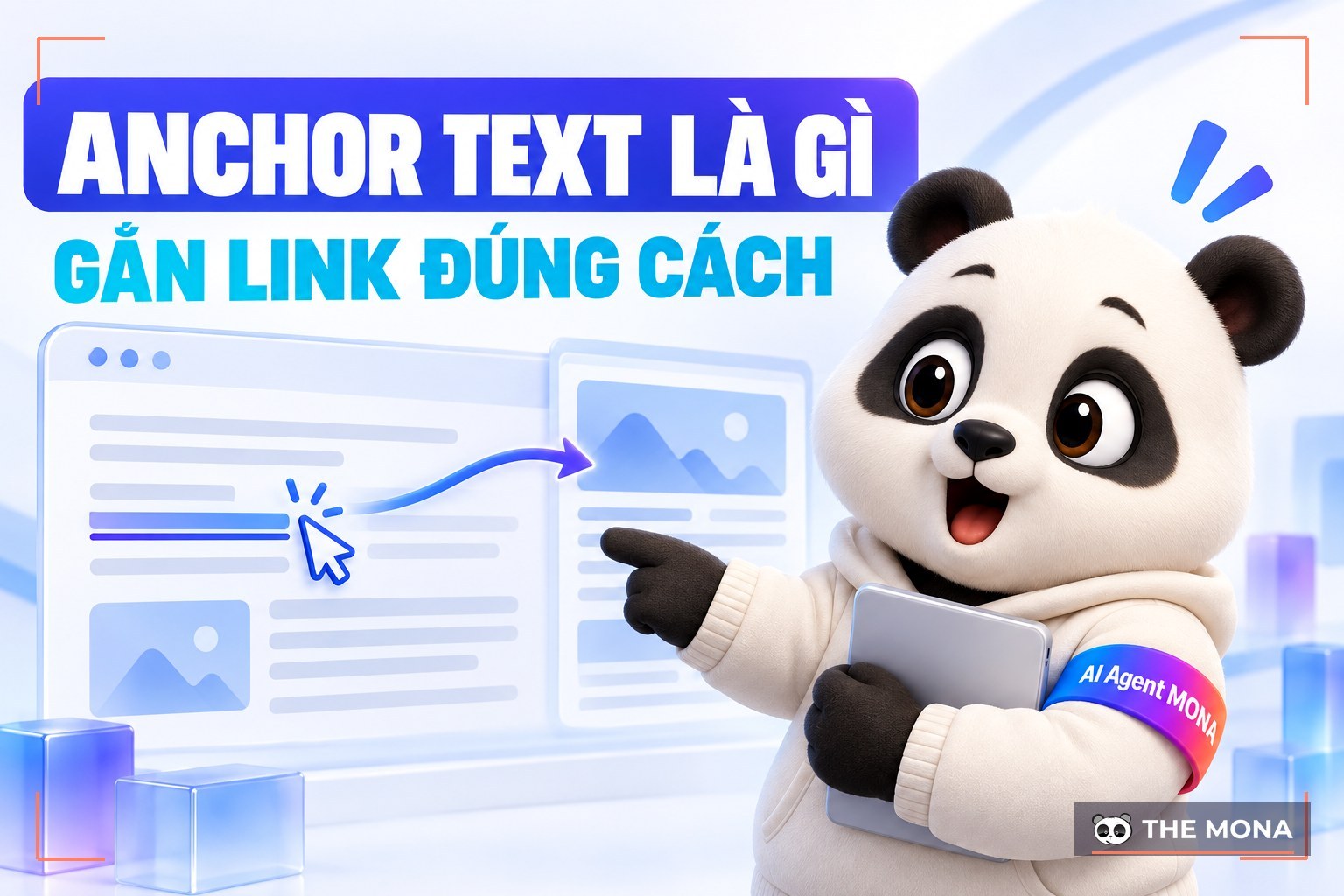
For SEOers, the idea of what anchor text is is no longer unfamiliar. But getting the best results from anchor text is not something everyone who does SEO also works. Many people still assume that all you need is to build a large number of links keyword anchor text links to climb Google's rankings. But spamming too many links can earn you a Google warning or even a penalty. In this article, MONA Media shares how to use SEO anchor text most effectively. Let's get into it.
Anchor Text is also known as Anchor Link, Link Label, Link Text or Link Title. It is the visible text of a hyperlink: when you click it, you go straight to another web page or a URL new one. Used well, it helps you raise your CTR and guide users through to conversion in a subtle way.
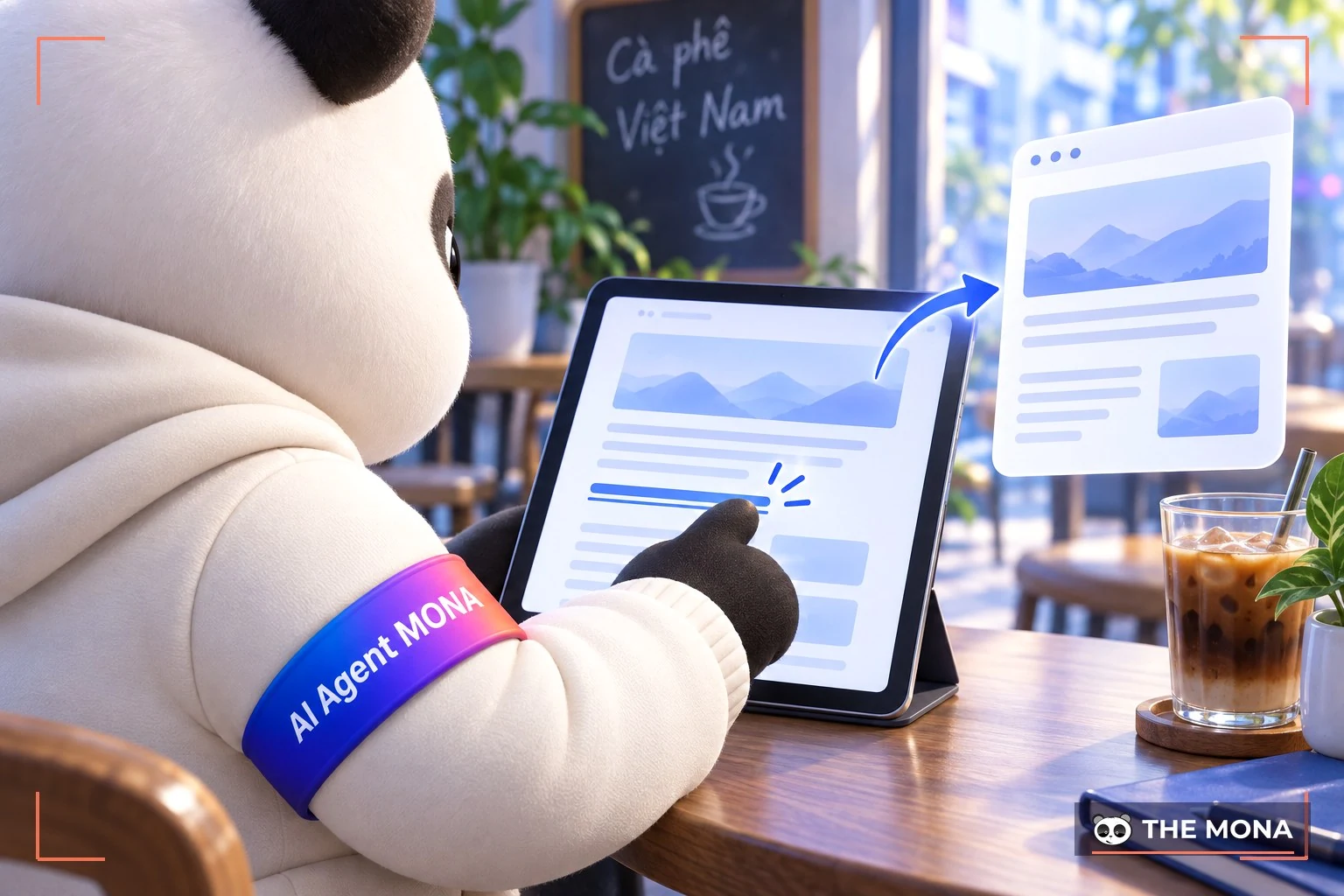
Normally you can't tell which page or URL a link will take you to. Anchor text tells you what the page or URL is about. It is usually styled differently from the surrounding text, typically blue and underlined.
For example: MONA Media
Some SEOs hide that visual cue, so the color only changes when you hover over the phrase. Anchor text plays a major role in website SEO. Every site that wants to optimize for search and grow its views uses link text.
Before Google Penguin algorithm updates, anchor text is still one of the simplest ways for Google to understand how relevant a websiteis. Webmasters can also use anchor links to improve SERPs.
Google Search Console, for example, lets you see the link labels most widely used in links pointing to your site, which helps you optimize. But many people abused this, forcing Google to update its algorithm, so anchor text can now be penalized when it is spammy or over-optimized.
Don't worry, though: link titles are still useful, even more than before. All you need to do is use anchor links correctly.
To do that, you first need to understand the types of anchor text so you can apply each one properly.
Anchor text matters a lot in SEO. Used with a sensible density and in the right situations, it brings several benefits, such as:
All these benefits support higher rankings. Visitors stay on your site longer and follow your anchor links to other URLs willingly. It also helps reduce bounce rate. Combined with in-depth content and a strong CTA, it makes it easier to turn visitors into buyers.
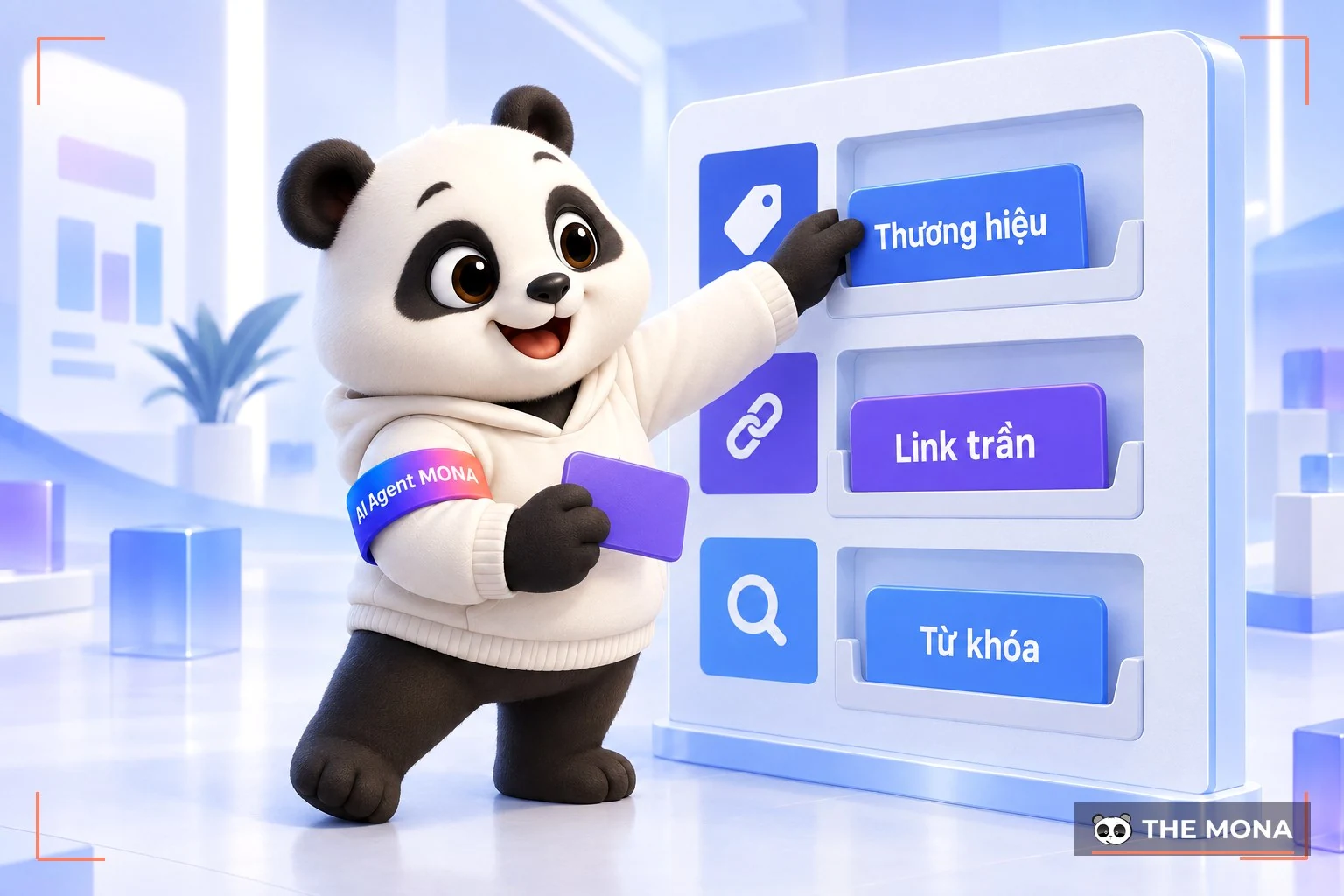
Before learning how to use anchor text, you need to know all its types so your text links look natural. MONA has put together a list of 12 common types. Let's go through them.
As the name suggests, brand anchor text is a link title containing your brand name. It is one of the safest anchors you can use, as long as your website is not an exact-match domain.n canonicals.
Example:
As you can see, most large websites use brand anchor text to build brand awareness.
Generic Anchors is the most widely used type of anchor text, found on almost any website. Generic link text looks like this:
Put simply, this type of anchor text works like a call to action (CTA).
What is naked link anchor text? Known in English as Naked Link Anchors or URL anchor text, this type uses the full URL as the anchor text and contains the link itself. Google rates this way of placing anchor links highly.
Example: https://mona.media/
No Anchor Trick means using no text. The simplest way is to attach the link to an image in the article. It is a small trick that many SEO specialists and large websites use when optimizing website content.
Image anchor text or Image Anchor, is an HTML element used to embed images in websites. The <img> tag is the most common way to add images to a website and customize them with various attributes.
Note: Google uses the “ALT” attribute as the link title for an image. So if you leave it empty, your link title will be “no Text”.
→ See more: What is the Alt tag? A guide to optimizing image Alt tags for SEO
This type of SEO anchor text includes both the brand name and the main keyword, so it is fairly safe and effective. It feels natural and many people use it.
Example: MONA Media is the brand name and Content Marketing services is the target keyword. The brand plus keyword anchor text would then be: “MONA Media Content Marketing Services”.
|
If you are running a content campaign on your website without results, or want to do Content Marketing to promote your brand but don't know where to start, take a look at content marketing services at MONA Media today. 
|
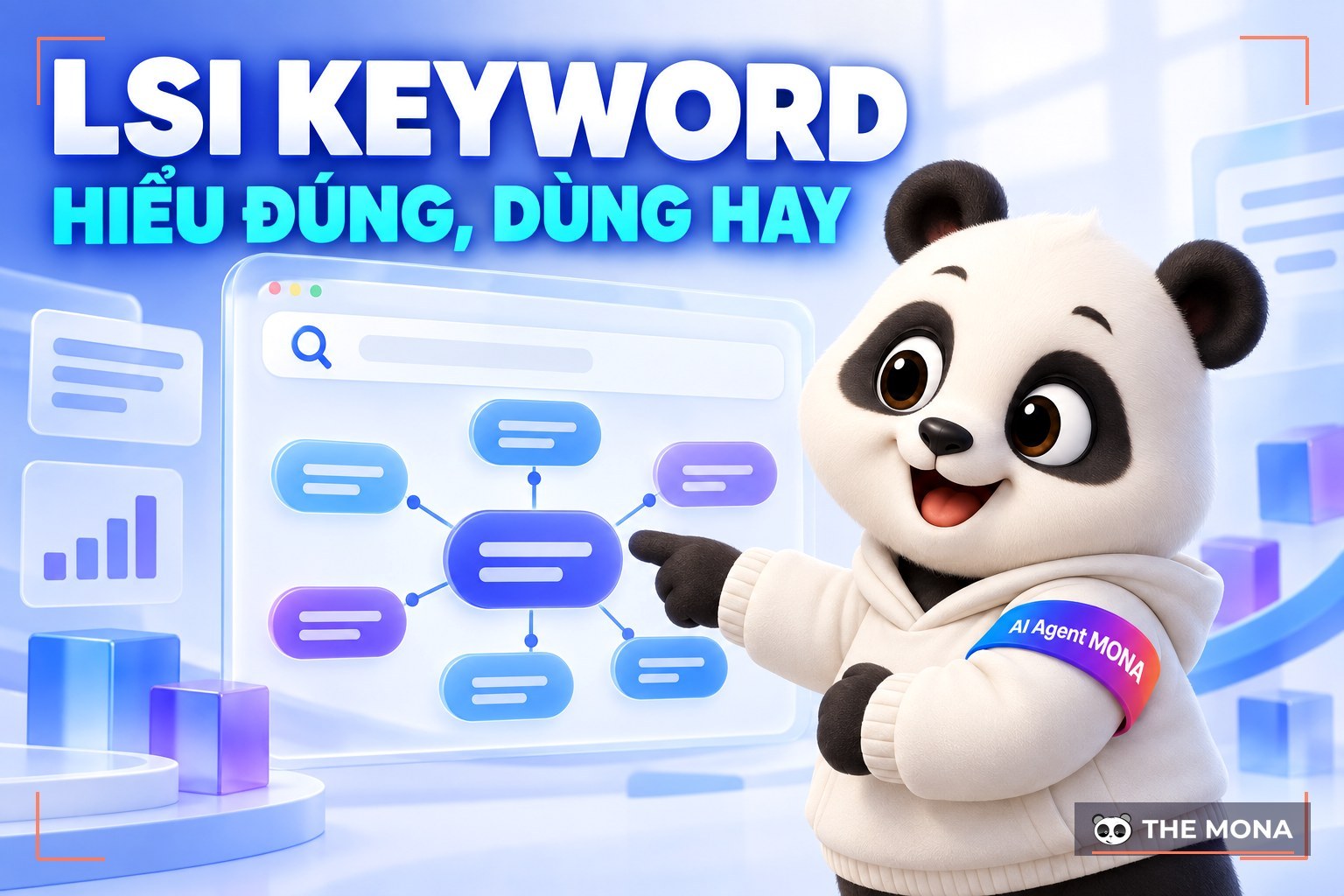
LSI stands for Latent Semantic Indexing, meaning the related keywords, also called variations of the main keyword, such as synonyms and terms related to the keyword's meaning and content.
To find LSI keywords, you can use Google's suggestions or Google Keyword Planner. Or you can run search engine on your industry or service, and Google will automatically suggest related keywords people often search for.
Long anchor text ? This is essentially a longer, extended version of partial match anchor text. Long-tail keywords, a long phrase reads more naturally and draws more attention.
Example: Full-scope SEO services are services that…
What is exact match anchor? Exact match anchor text is simply your keyword. It has a big effect on boosting keyword rankings. However, it needs a sensible anchor density or Google may penalize you.
Example: If the main keyword is “full-scope SEO services” then the exact match anchor is also “full-scope SEO services”.
-> Read next: What keyword density is good for website SEO
What is partial match anchor? This anchor text contains the keyword but not in exact form. It is also seen as a natural way to link to another website.
Example: If your main keyword is "dịch vụ SEO" (SEO services), your partial match anchor could be "dịch vụ SEO tổng thể" (full-scope SEO services) or "dịch vụ SEO uy tín" (reliable SEO services).
These anchors are synonym anchors that do not contain the exact keyword you are optimizing for. They help prevent over-optimization and strengthen your exact match anchors.
Simply put, this anchor text points to the field you work in, creating a close relevance that makes Google think more highly of your site.
Uses of industry keyword anchor text project:
Example: If the main keyword is "SEO services", you can use broader industry keywords such as Marketing, SEO, search engine optimization, or more specific industry keywords such as: SEO Onpage, Backlinks, Internal Link,…
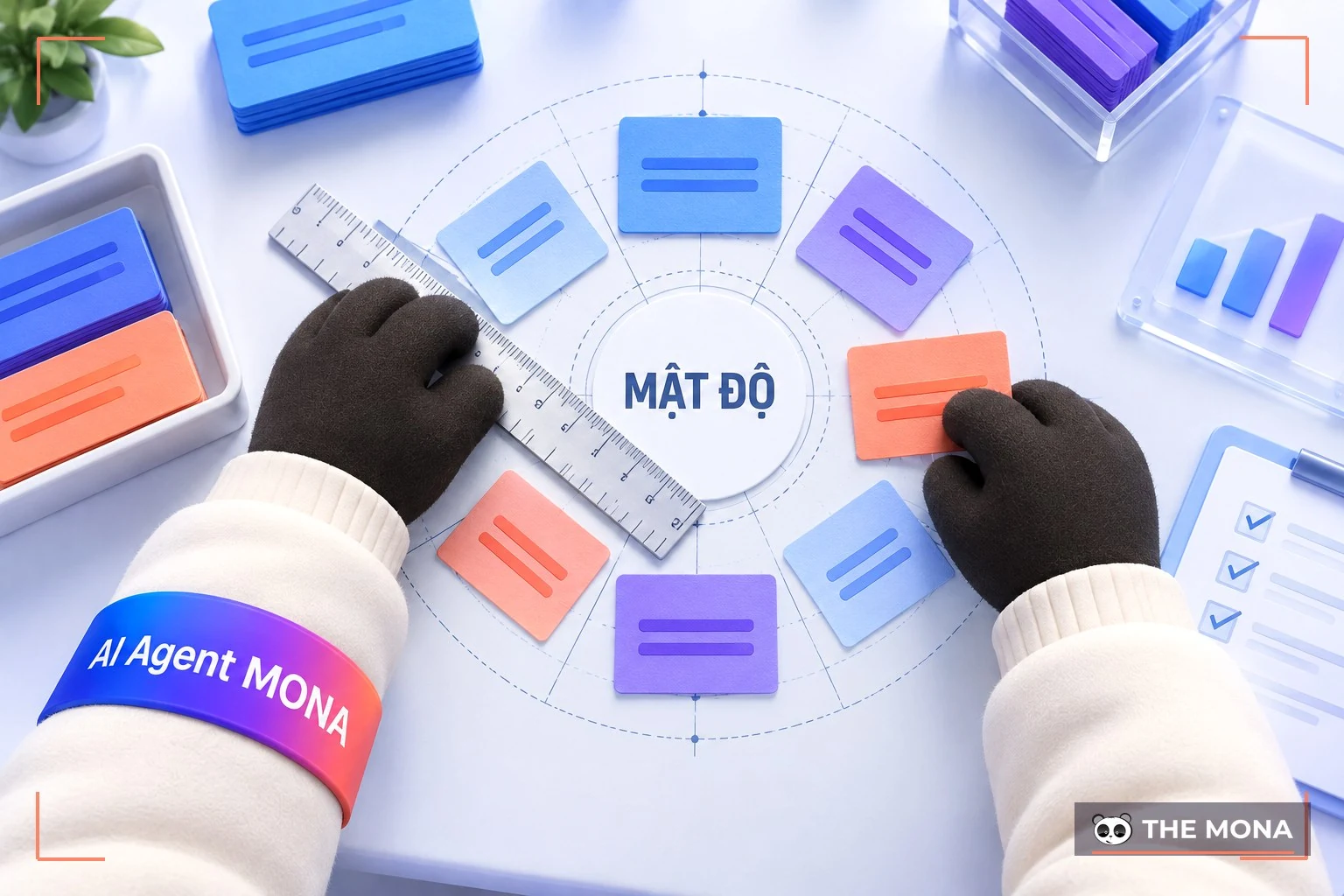
Above, MONA walked you through the types of anchor text. Each type needs a different level of visibility.
So here is our research on the recommended anchor text density for each article, for your reference:
Study each type of anchor link and how to set the right density for each case. To know whether your density is right, check the state of your anchor text. One of the core techniques of anchor text is adjusting it to keep the density reasonable.
As noted, anchor density matters a great deal in SEO. Besides placing link titles sensibly, check your density regularly to see whether it is still appropriate so you can fix problems early. So which tools can check anchor text?
There are many tools for checking anchor text ratios. We suggest you pick well-known tools such as Ahrefs, moz, semrush… to check anchor link density for your website.
Then open the tool and enter the website address or URL you want to check. The tool shows the full anchor text data. These SEO tools will also send a report with the percentage of each anchor text and related information.
Some tools are free and some anchor text checkers are paid. SEOs can choose whichever suits them.

How do you create anchor text in SEO? To use varied anchor text, first build a set of keywords related to the main keyword. You can use keyword research tools such as:
Once you have a list of related keywords, split them into specific groups:
Finally, to create anchor text, just remember this simple HTML:
<a href=”Link to the page you want to send visitors to”> Your anchor text</a>
In WordPress, to create an anchor link, just highlight the text and click the link button on the toolbar, or press Ctrl+K and paste the link.
SEO experts recommend optimizing anchor text sensibly for the best results. Below is our guide to optimizing anchor text and raising its CTR.
Keyword research to insert anchor text. Besides searching on Google, you can also use tools such as Keywordtool.io, Ahrefs or LSI. You will find many groups of synonym, modifier, related and long-tail keywords to use in your anchor text.
Use the right link text for each purpose. Whatever technique you use, keep anchor text short, concise and precise. Readers should know at a glance what the link is about. This helps raise conversion rate and makes your URL navigation look more professional.
Anchor text unrelated to anything on the page or in the article is a no-go. Users almost never click these anchors. Neither users nor Google will think well of anchor text placed so carelessly.
As we know, Google is strict about links. If you link to a harmful or untrustworthy website, a Google penalty is hard to avoid, because you have sent users to a low-quality site.
So research any site thoroughly before linking to it. If you do link to an untrustworthy page by mistake, remove the link at once and check its ranking and traffic. Our advice is to link only to pages with a score of ≤100k.
If you must link to another website for extra information but don't want the link to count toward your SEO, use the feature nofollow.
→ See also: An effective link building strategy for your website
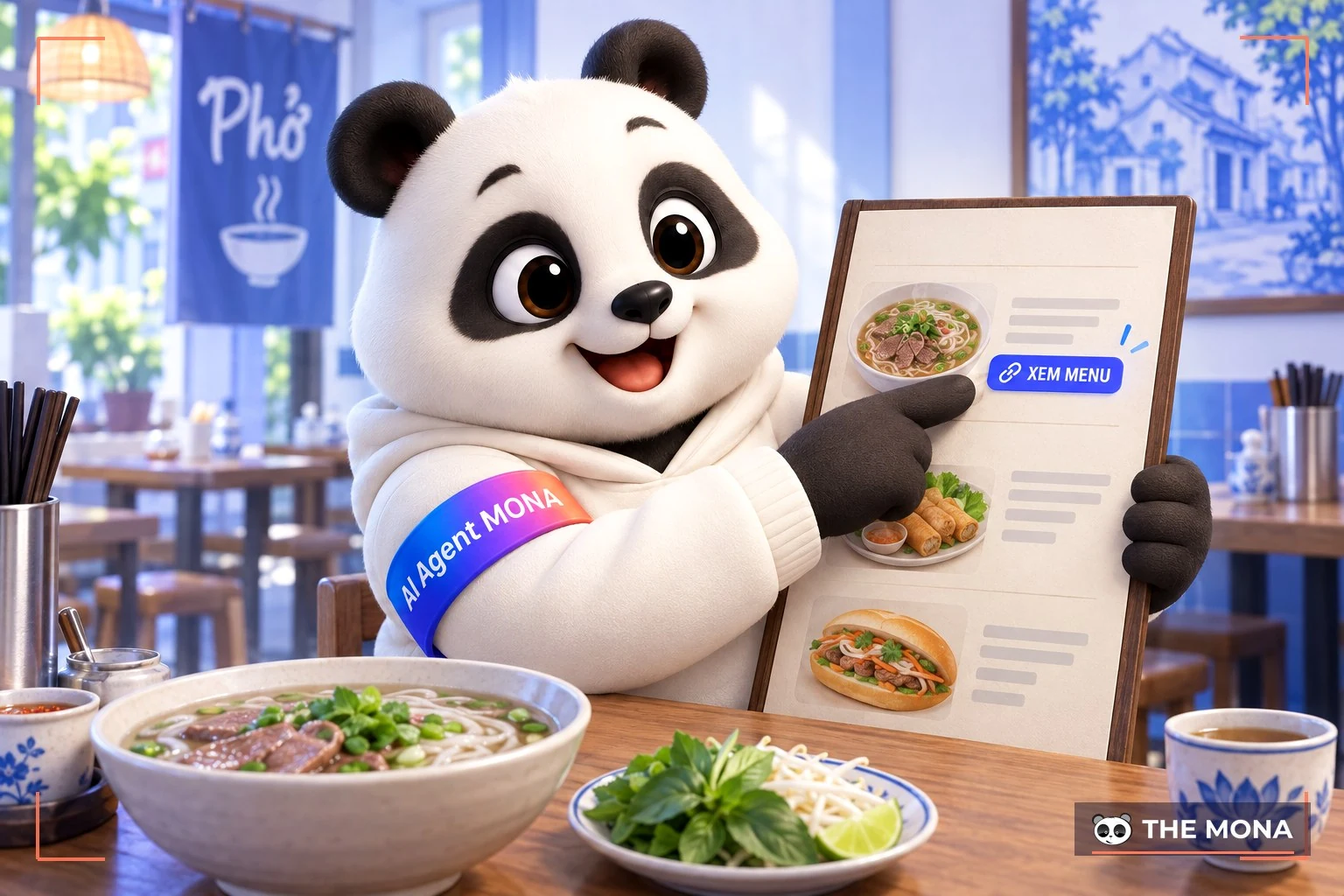
Anchor text must fit the context of the article and the section where you place it. That is what sparks the reader's curiosity and helps them find further information on what they are searching for. Anchor text that doesn't match the context or content may be seen as spam.
Say you have the text link “skin care”. The linked site should then focus on skin care methods and tips.
Don't use anchor text with the same keyword everywhere. Use a range of keywords and meanings to enrich your articles. Readers find it more interesting, and Google also thinks well of how you place anchor text and use SEO keywords.
What is anchor text density? By now you should know. Above, we covered in detail the density to use for each type of anchor. Go over the allowed percentage and Google will see it as spam. In serious cases your website may be penalized by Google.
Optimizing the tags that describe images helps Google understand what each image is about. You can also use an image as anchor text.
To optimize ALT tags well, choose one main keyword and combine it with a specific description of the image. Make sure the ALT text also reads as a natural description.
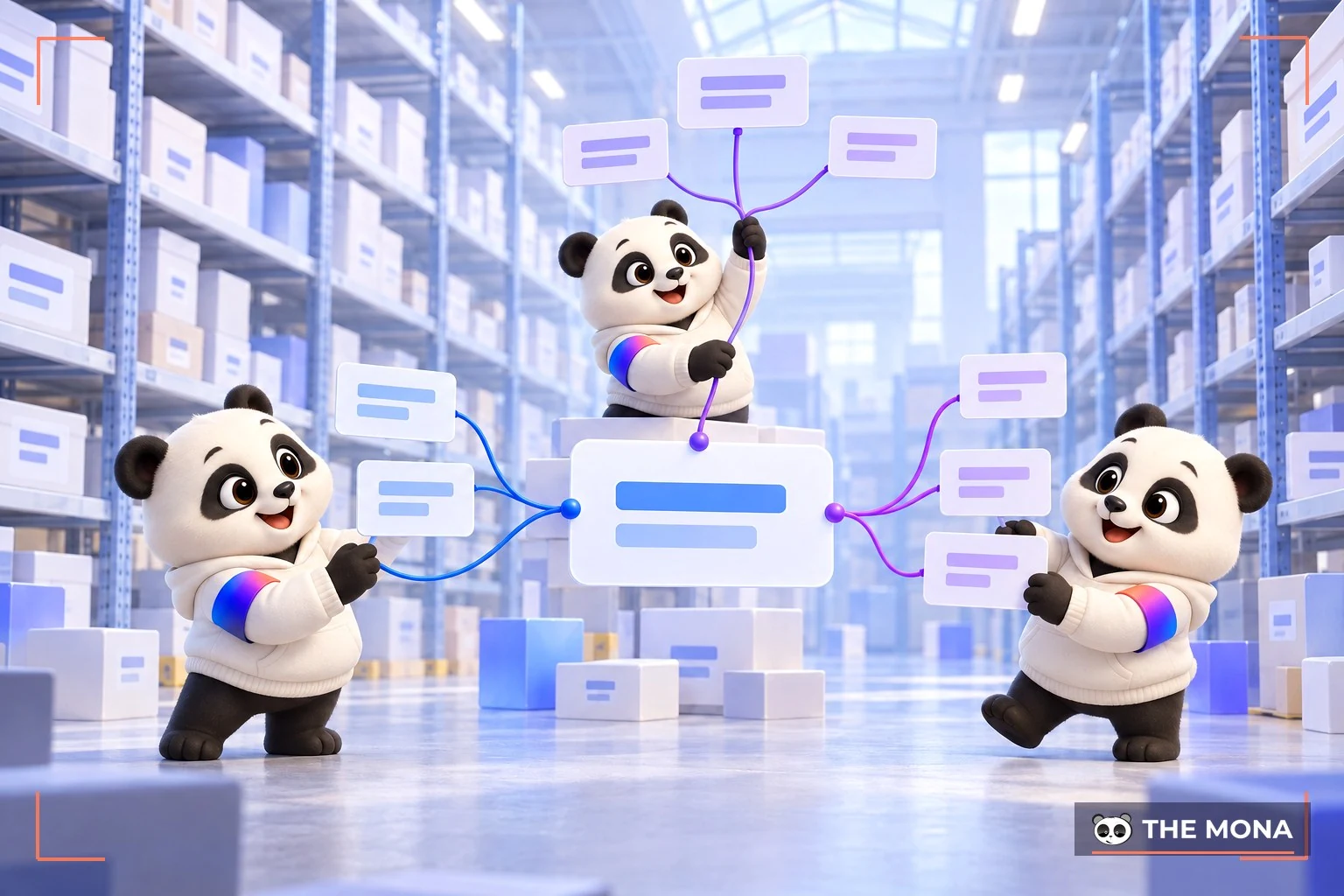
Building LSI anchor text is an effective SEO technique for increasing your site's credibility and relevance to search engines. LSI anchor text consists of keywords related to the main topic of the content, used to link to other pages on your site or to external websites.
Below are three common types of anchor text and how to use them effectively in your SEO strategy:
Anchor Text chung are general keywords with no direct link to the topic of the content. Generic anchor text is usually used to encourage readers to take an action but gives little information about the destination page.
Say the target keyword is “SEO services” and the link title is “here”. You need to choose relevant, appealing link titles to attract clicks. But don't overuse a dull link title such as “here”. Vary it with other wording such as “see details”, “we look at”, “sign up now” and so on to keep things fresh and interesting for readers.
Brand anchor text uses keywords that carry the name of a brand, business or organization. For example “Google“, “Facebook“, “UNICEF”,… Brand anchor text is usually used to build credibility and brand recognition for a website.
Example: If the target keyword is “full-scope SEO services” then the link title would be “Full-scope SEO services by MONA SEO”
-> Tips: To get better results from anchor text, learn about Topic Cluster and effective image SEO tips.
Naked link anchor text uses the URL, or part of the URL, of the destination page as the keyword.
Example: For the target keyword “SEO services” the anchor text is “mona.media“, which gives: “At mona.media, with our SEO services, we create real business results for companies”
Using co-occurrence is a must for any link title, even an exact match one. Naked link anchor text also gets better quality when the link title matches the article content, because Google can tell how well a link fits without you giving its bot many link titles.
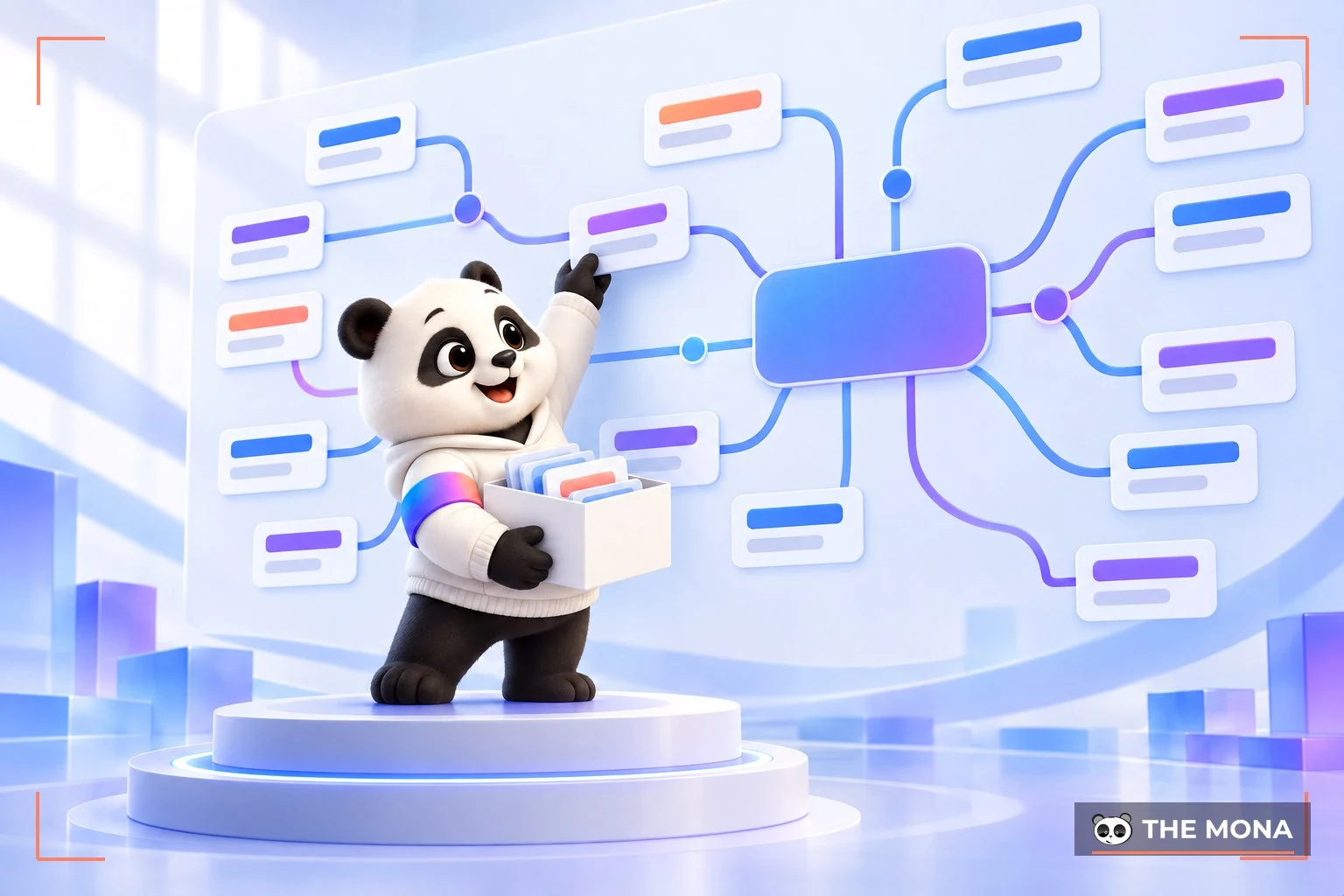
Anchor text is an important SEO factor, but do you know how to use it well? Below are strategies for using anchor text that have been shown to deliver good results:
You can create backlinks by registering accounts on well-known social networks and placing backlink to your target website, for example the MONA Media Facebook page.
Using these social sites with a URL, brand or generic anchor text spreads your anchor tags more evenly, and also helps your SEO dominate on Google Maps.
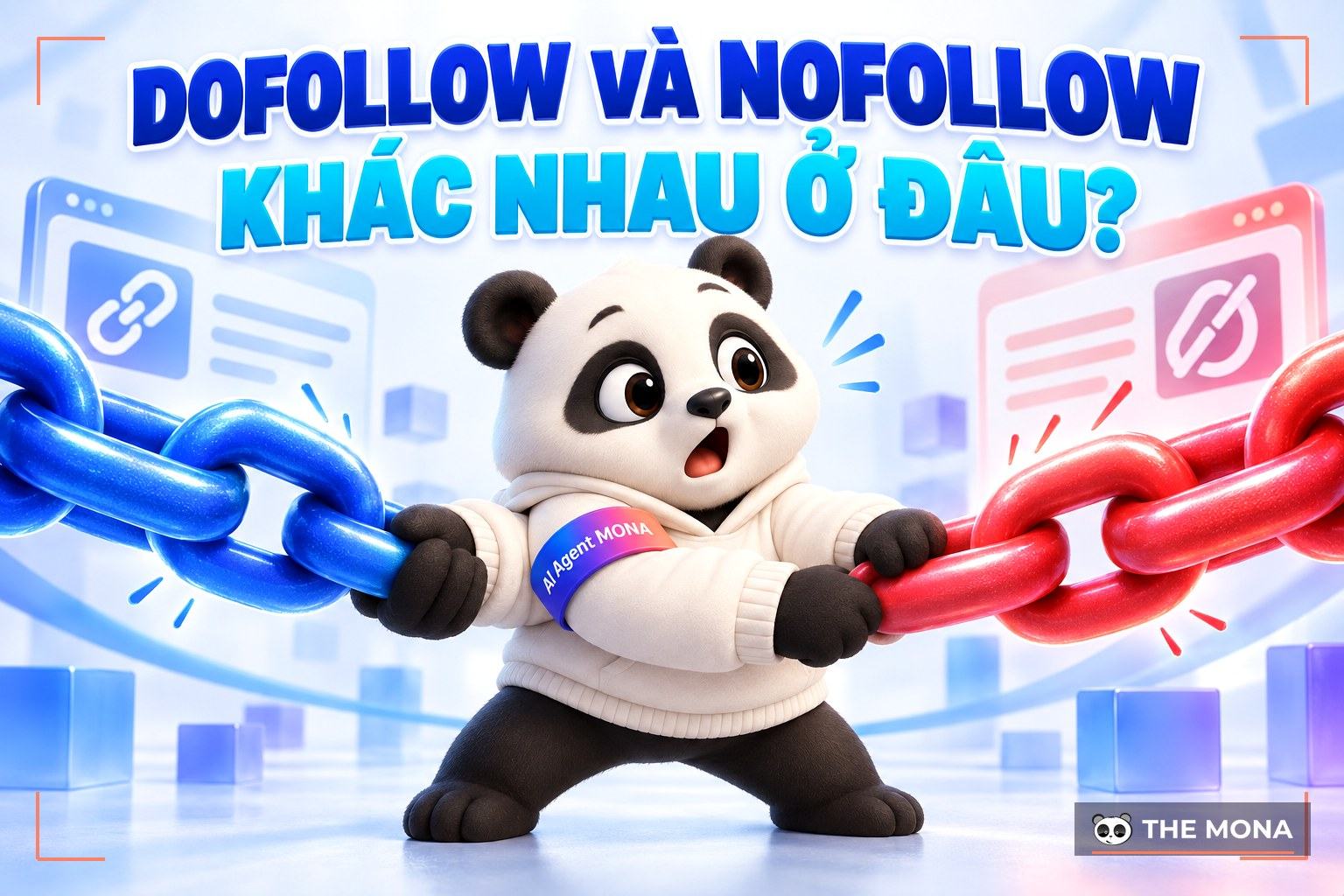
In addition, most of these social media backlinks are nofollow, which also helps balance your dofollow and nofollow ratio.
Backlink forum are backlinks created on online forums. You can join forums related to your field or industry and place a link to your website in your signature, posts or profile. These forum backlinks help Googlebot see that you are trying to be part of the community.
To use forum backlinks effectively, follow these principles:
One way to create backlinks is to comment on blogs related to your website's topic. You can use anchor text in comments to link to your site, but keep these points in mind:
Web 2.0 sites let users create and share personal content, such as Blogspot, WordPress, Tumblr and Medium. You can create Web 2.0 sites, publish content related to your website's topic under a personal brand, and then use anchor text to link to your website.
Some points to note when using Web 2.0 backlinks:
PBN is a network of websites created to build backlinks for a main site. PBN domains are often bought from sites Google has removed from search results or that have stopped operating. PBNs are considered a high-risk SEO strategy, because Google can detect them and penalize your website if you use them carelessly.
Some points to note when using a PBN:
1- What is an anchor link?
It is a link attached to anchor text that sends users to another website or another URL.
2- When you use a 301 redirect, does anchor text pass over too?
The answer is Have. That also means that when you redirect 301 a website that has spammy anchor text, that spam passes to your new website too. And if anchor text is over-optimized, Google can penalize your website.
3- How do you avoid over-optimization when redirecting an old site to a new one?
There are two ways to avoid a Google over-optimization penalty when using 301 anchor text:
|
Building a set of related keywords, varied content and fitting anchor text is the most important thing to do when using anchor text for SEO. 
For the most reliable results, you can also consider the SEO services from MONA Media. We have a professional SEO team that thoroughly solves SEO problems, including anchor text issues. In detail, MONA's SEO service offers these benefits:
And there is much more waiting for you to discover. MONA's SEO service is rated the number 1 SEO service on the market, and has helped more than 12,000 clients businesses in Vietnam and abroad increase revenue by more than 300 times with SEO alone. Your business can achieve this too. Please CONTACT US us on the hotline 1900 636 648 for website SEO quote and get advice on the most effective SEO strategies. Contact information:
|
Above, MONA has given you detailed information on what anchor text is and how to create and use it sensibly for strong SEO results. We hope this helps you understand how to do SEO and succeed on your SEO path.

CEO & Founder · The MONA
Founder of The MONA, who built a services company of 200+ staff with 14,000+ projects delivered. Khánh Hùng shares how he thinks about building systems that run themselves, automating a business, and the real lessons from delivering projects at MONA.
 1,7K


Professional website
design services
Own a website with a beautiful, 100% exclusive design and a lifetime warranty, with the ability
to expand features flexibly as your business grows, starting today!



NHẬN TƯ VẤN SEO MIỄN PHÍ !






 MONA will never sell your information or send you spam


 MONA will never sell your information or send you spam
