
 MONA OS 2.0


 Tự động hoá doanh nghiệp
 Cẩm nang SEO
 Digital Marketing
 Kinh nghiệm thiết kế website
 Hạ Tầng Server
 Giáo dục



 VI
 EN










Message us on
Zalo Official


 ProductsNew

 ProductsProducts
 Mới ra mắtKHA AI 2027App tự edit video, tự đăng mọi mạng xã hội, 2 phút mỗi ngày










 Website designLooks good and wins customers over.
SEO servicesBrings in customers searching for exactly what you sell.
 Tư vấn digital marketingKéo khách từ nhiều kênh, đo bằng số thật.
Corporate video productionVideos introducing your company, factory and team.
 NewAI video productionCompany story films made with AI.
 Custom software developmentCRM, ERP and HRM built for your business.
 Viết AI Agent theo yêu cầuĐặt riêng một trợ lý AI cho đúng việc của mình.
 Tư vấn chuyển đổi AIĐưa AI vào vận hành của cả công ty.
NewMONA LMSManagement for centers and schools.
MONA SkillHubInternal training for company staff.
 NHTQ systemEnd-to-end China–Vietnam shipping operations.
MONA JMSManagement for gold, diamond and pawn shops.
 MONA E-LearningA website with every feature you need to sell courses.
 How to sell online courses (course)More than 30 free lessons on selling courses on autopilot.
 MONA Cloudmonacloud.vnServers to get your apps and websites running.
 MONA Basemonabase.vnPostgres database, sign-in and file storage.
 MONA Mailmonamail.vnSend OTP, order and invoice emails from your software.
 MONA Paymonapay.vnAccept bank transfers via VietQR and notify your software when the money arrives.
 MONA eInvoiceComing soonIssue e-invoices that meet tax standards.
Gấu CườiTrả lời khách 24/7 trên web, Fanpage, Zalo và thu lead cho sale.
 Gấu TeleSalesGọi điện tư vấn, chăm khách như tổng đài viên thật.
Dê CườiTư vấn và chốt đơn cho shop ngay trong khung chat.
Gấu WebmasterNhắn nhóm Zalo là website được sửa xong.
 Gấu Pháp ChếSoạn hợp đồng, rà điều khoản trong vài phút.
 Gấu Báo GiáLên báo giá đúng mẫu và gửi khách ngay.
 AI chăm sóc khách hàngTheo dõi và giữ chân khách hàng cũ.
 Gấu Tuyển DụngLọc hồ sơ, hẹn lịch, phỏng vấn ứng viên.
 Mới ra mắt
KHA AI 2027
Xây kênh chuyên gia 2 phút mỗi ngày
Quay bằng điện thoại, AI tự edit video, tự đăng lên 16 nền tảng và tự trả lời bình luận, tin nhắn.
352.433lượt xem trên kênh CEO MONA sau 20 ngày
 Anh Khánh HùngCEO MONA đang dùng mỗi ngày
Xem app làm được gì
 AI
Gấu Cười MONA ĐANG TỰ XÀITrả lời khách 24/7 trên website, Zalo OA, Messenger và thu lead về cho sale.
Dê CườiChốt đơn bán lẻ và sàn: Shopee, TikTok Shop, web. Chăm cả khách sỉ, đại lý.
Gấu WebmasterCập nhật nội dung, tối ưu SEO website mỗi ngày.
Gấu TeleSalesGọi điện tư vấn, chăm khách như tổng đài viên thật.
Gấu Tuyển DụngLọc hồ sơ, hẹn lịch, phỏng vấn ứng viên tự động.
AI chăm sóc khách hàngGiữ khách cũ, cứu lead đã rớt cho phòng kinh doanh.
Gấu Pháp ChếSoạn hợp đồng, rà điều khoản trong vài phút.
Gấu Báo GiáLên báo giá đúng mẫu, gửi khách ngay khi có yêu cầu.
 Chuyển đổi AI toàn phầnGiải pháp tổng cho doanh nghiệp, 3 lớp triển khai.
 Viết AI Agent theo yêu cầuĐặt riêng một con AI gánh đúng nghiệp vụ của bạn.
 Custom softwareCRM, ERP and HRM with built-in AI automation.
 SEO & AEO thời đại AIĐược Google lẫn AI trích dẫn, không chỉ xếp hạng.
 Kiến thức AI cho doanh nghiệpBài phân tích, hướng dẫn ứng dụng AI vào vận hành.
 Free AI courses
 AI tools at work
App mới · KHA AI 2027
Xây kênh 2 phút mỗi ngày
AI tự edit video, tự đăng mọi mạng xã hội
Free consultation, 8am–10pm every day

18 March, 2023
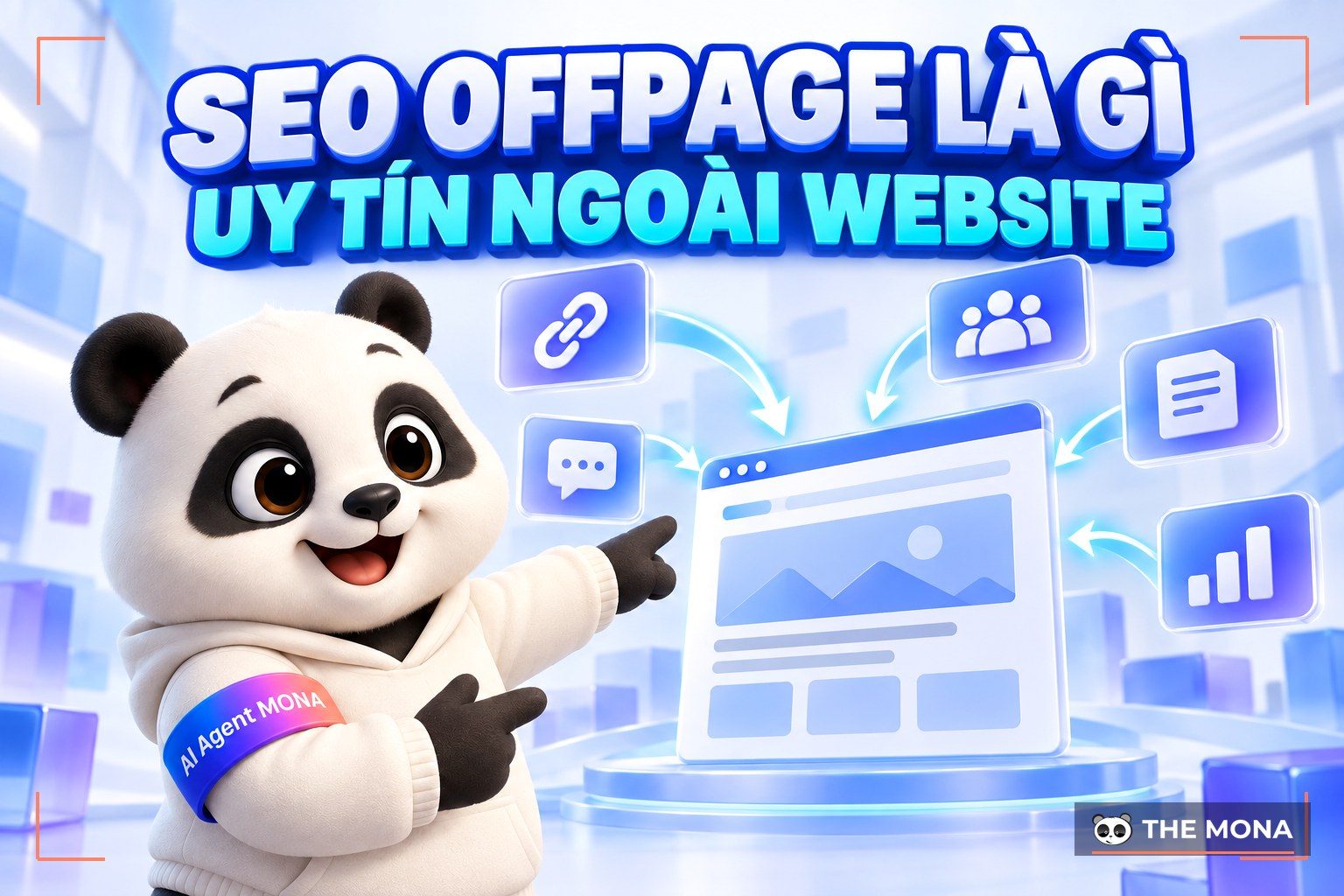
When people talk about SEO, many SEOers focus on on-page optimisation so the website runs smoothly and satisfies Google's algorithm. But an equally important part is often overlooked: off-page SEO. It is the part that “lays the foundation” for a site, a solid base so keywords can reach the top and hold their rankings for the long term. Off-page leans toward technique and strategy, but done right, it brings big benefits to a website.
So what exactly is off-page SEO, and how do you optimise it effectively? Find out with MONA Media Read on to find out.
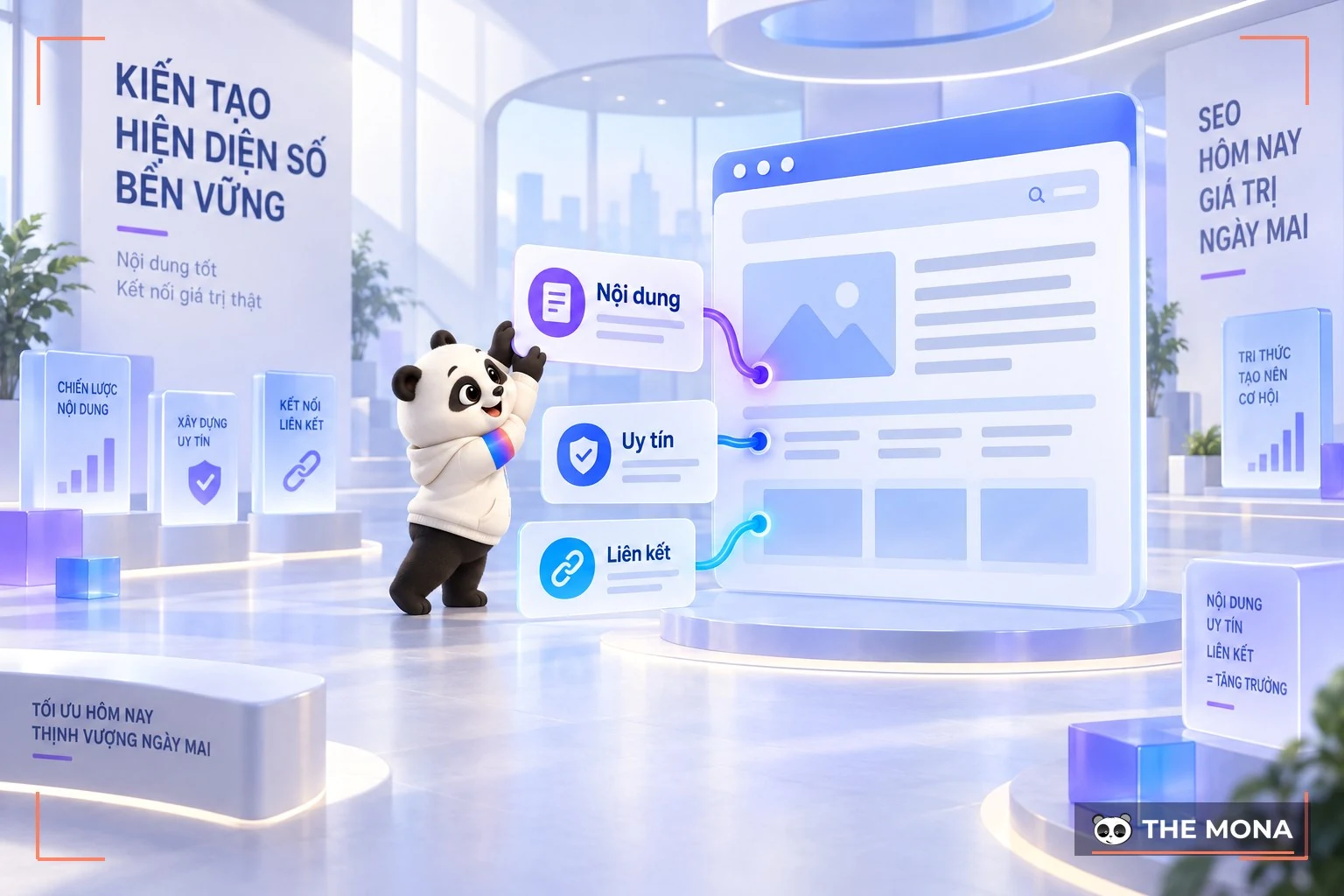
SEO Offpage is part of a search engine optimisation strategy, focused on activities outside your website to raise your ranking in search results. Its main activities are building links (backlinks), promoting on social media and social bookmarking. Off-page SEO increases a website's credibility and authority in the eyes of search engines.
When combined effectively with SEO Technical and on-page SEO, off-page SEO not only makes it easier for search engines to crawl and index your posts, it also noticeably improves traffic and conversion rate. In particular, off-page SEO raises a site's recognition and reputation through factors such as:
As you can see, with these characteristics it is hard to deny the importance of off-page SEO in a search engine optimisation strategy. And that's not all; an effective off-page SEO strategy also brings other benefits such as:
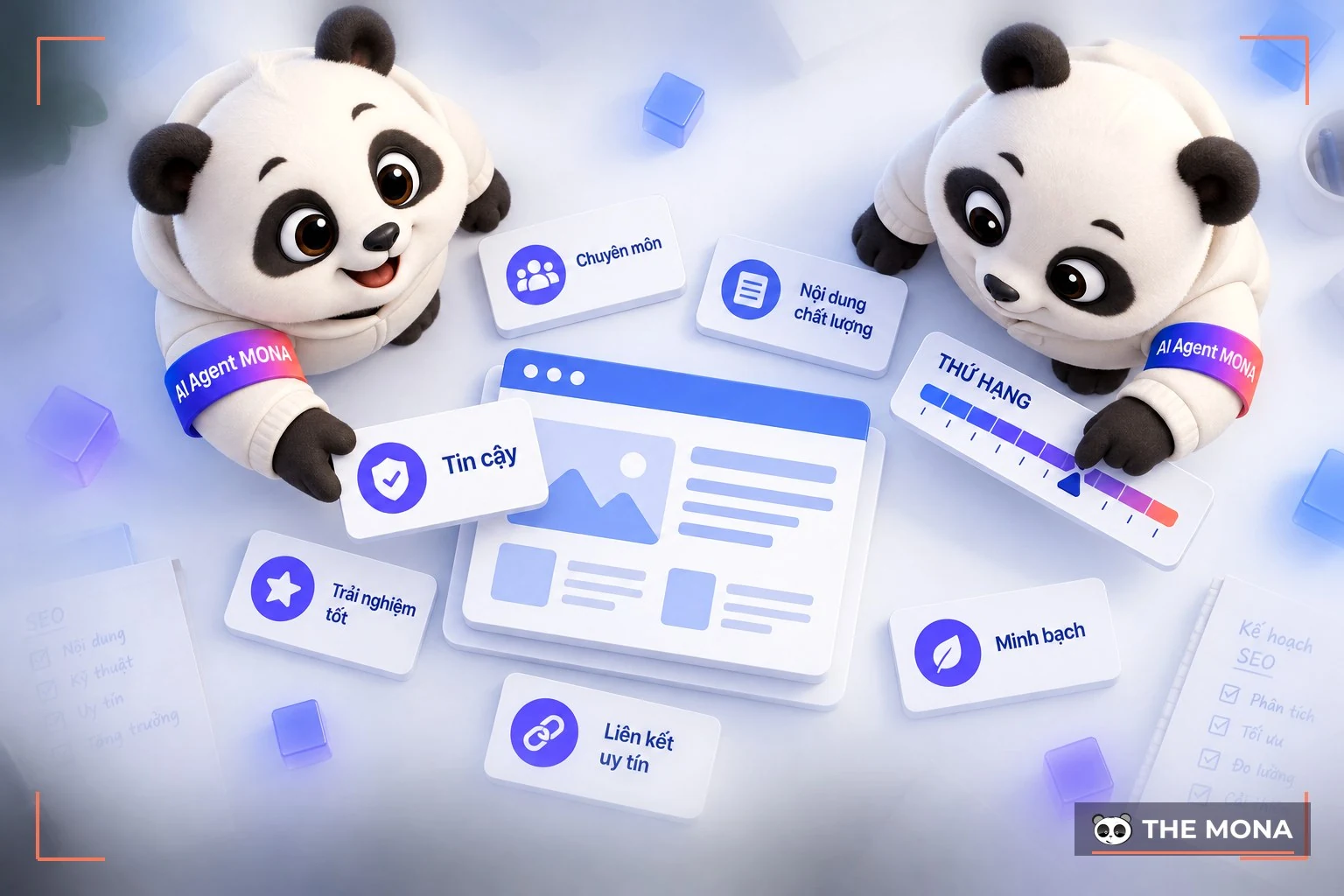
Off-page SEO plays a vital part in any complete SEO strategy. To picture it, think of off-page SEO as building your brand into a “well-known expert” in the eyes of Google and your users.
Off-page SEO activities raise your site's visibility and reputation through several key factors E-E-A-T (Experience, Expertise, Authoritativeness, Trustworthiness). MONA breaks these down in the sections below:
How do you do SEO for a website that actually reaches the TOP? By building links from reputable, relevant sites, off-site SEO improves the user experience. When visitors arrive on your site and see that your content is linked from many trustworthy sources, they feel more confident about the quality of the information they are reading.
This not only increases the time they spend on your site and lowers your bounce rate, it also helps your search rankings. It creates a positive loop too: when users have a good experience, they tend to come back and recommend your site to others.
Building links from highly reputable, specialist websites is one of the main jobs in off-page SEO. It helps readers pick up more accurate knowledge. As a result, your site is rated higher for expertise and has a better chance of climbing the search results.
Off-page SEO techniques also connect you with quality sources of information, showing Google that your website is a reliable source of knowledge.
When your site earns links from reputable pages, your authority grows in the eyes of both users and Google. These links signal that many trustworthy sources reference your site, which increases search interest and the trust people place in your content. In turn, Google rates your authority higher in your specific field.
Off-page SEO also helps build and reinforce your website's trustworthiness. Links from reliable sites add to your credibility with both Google and users. Google rates sites more highly when they are cited and linked by highly trusted sources.
LAN Perfume is a premium perfume brand with a wide range of products from many well-known houses, helping customers express their own style and personality through scent. Beyond product quality, LAN Perfume invests heavily in the shopping experience so that people can easily find and choose fragrances that suit their taste.
On this project, MONA worked with LAN Perfume on a full-scope SEO strategy combined with AI SEO, aiming to win search rankings and expand the brand's reach.
Our team optimized everything in step, from on-page and technical SEO to off-page SEO, improving the website's foundation while growing brand awareness and traffic organically. After 10 months, LAN Perfume's brand reach grew by 1000%, far beyond the original target, making it a standout case study of what full-scope SEO can do when it is done right.

Many people new to SEO ask: What is the difference between on-page and off-page SEO? Put simply, on-page SEO helps your website send Google the right signals about what your content is about, which decides the keywords you can rank for.
Off-page SEO, on the other hand, builds your website's credibility and popularity, and it is a key factor in deciding where you land in the search rankings.
The two strategies always run side by side and support each other. Without one of them, SEO results are hard to maximize.

Comparison of on-page SEO and off-page SEO
| Criterion | SEO Onpage | SEO Offpage |
| Scope | Inside your website (content, technical setup, URLs, title tags, heading tags, images, load speed) | Outside your website (backlinks, social signals, guest posts, PBN, and so on) |
| Level of control | Fully in your hands, easy to edit directly | Depends on third parties, harder to control |
| Main goal | Improve user experience and rank the website with keyword SEO | Build authority, credibility and referral traffic |
| Time to results | Short term, quick results if the content is good | Long term, needs high-quality links to build up |
There are many techniques in off-site SEO. Any off-page method can work, but you need solid fundamentals and some deeper study to put together a sound SEO strategy..
Below, MONA rounds up several link building techniques for effective off-site SEO:
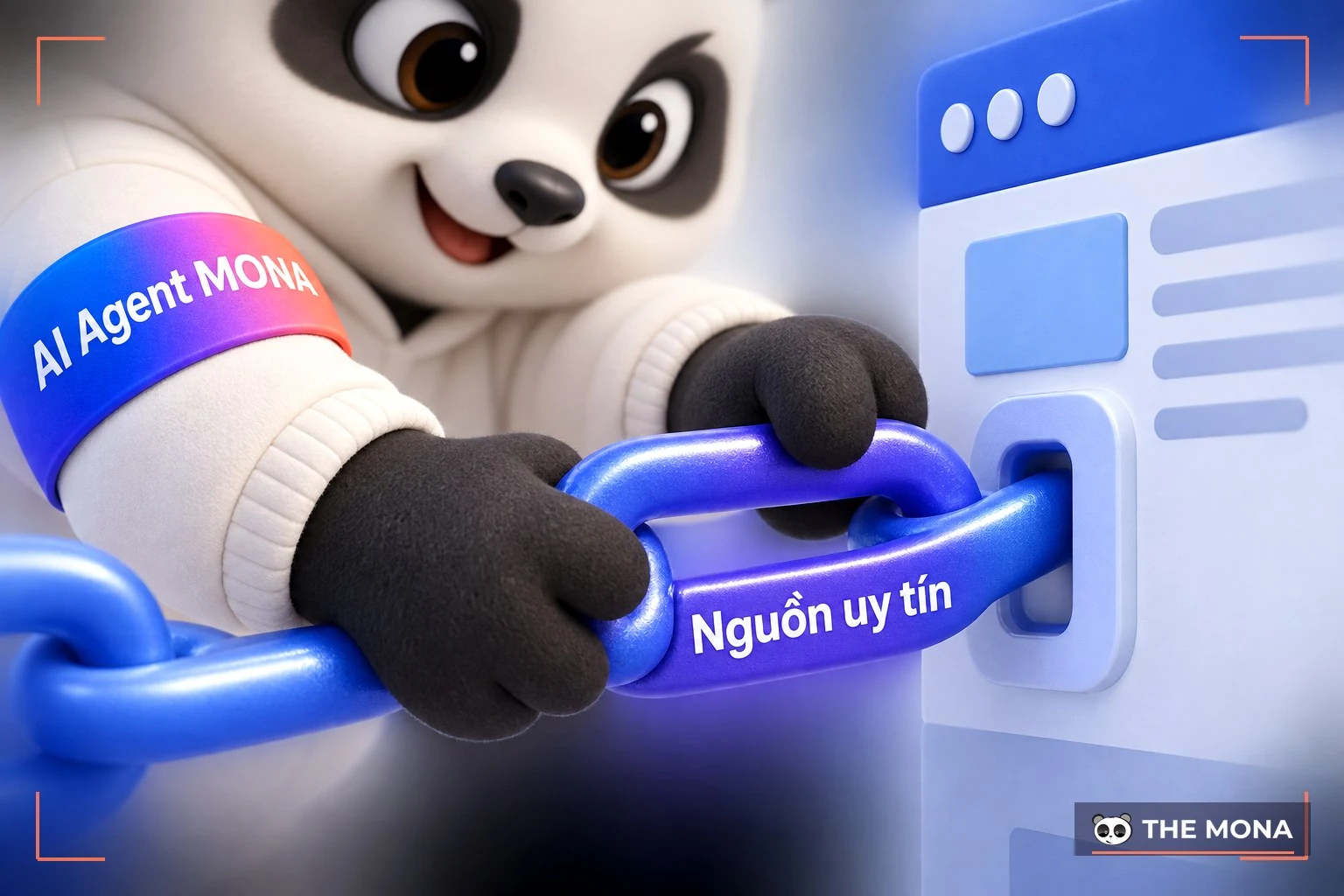
Backlinks are central to off-page SEO for raising a website's credibility and rankings. Link building means getting links from other websites pointing to yours, which helps Google judge the quality and reliability of your content. Instead of resorting to manipulative tricks, focus on building natural, lasting backlinks. Some types of links you can build include
Forums are places where communities exchange information and opinions, and where you can join discussions and build relationships with other users. Using forums as an off-page SEO tool not only builds links, it also strengthens your site's reputation and credibility.

To use this off-page method, you can follow these steps:
Guest posting is a form of link exchange. It means you can place a link to your site on another website. With this off-page SEO method your site gets extra visitors, and you will also pay the site that hosts your link. It helps you build lasting backlinks and raise your site's credibility.

There are a few ways to place backlinks as guest posts:
This means building independent websites that link to each other to form your own network. Building backlinks on a PBN PBN takes a lot of budget and effort. However, the results from this form of off-site SEO are very good.

A skilled SEO makes full use of this source of backlinks to get the best results for an SEO plan. If PBN interests you, here are the steps to consider:
This is the type of backlink many businesses and SEOers choose for off-page SEO, because the traffic that press backlinks bring is extremely large.

However, to get this result you have to spend quite a lot. Even so, it remains a top choice today because it helps a business extend its reach and build brand recognition. This form of link building also boosts SEO rankings very well.
Common press backlinks include backlinks from articles, interviews, news sites, experts and so on.
Besides the methods above, building Web 2.0 sites is also an effective way to get backlinks for off-page SEO. These sites let you build a body of quality content completely free, and they can also grow a very good backlink network.
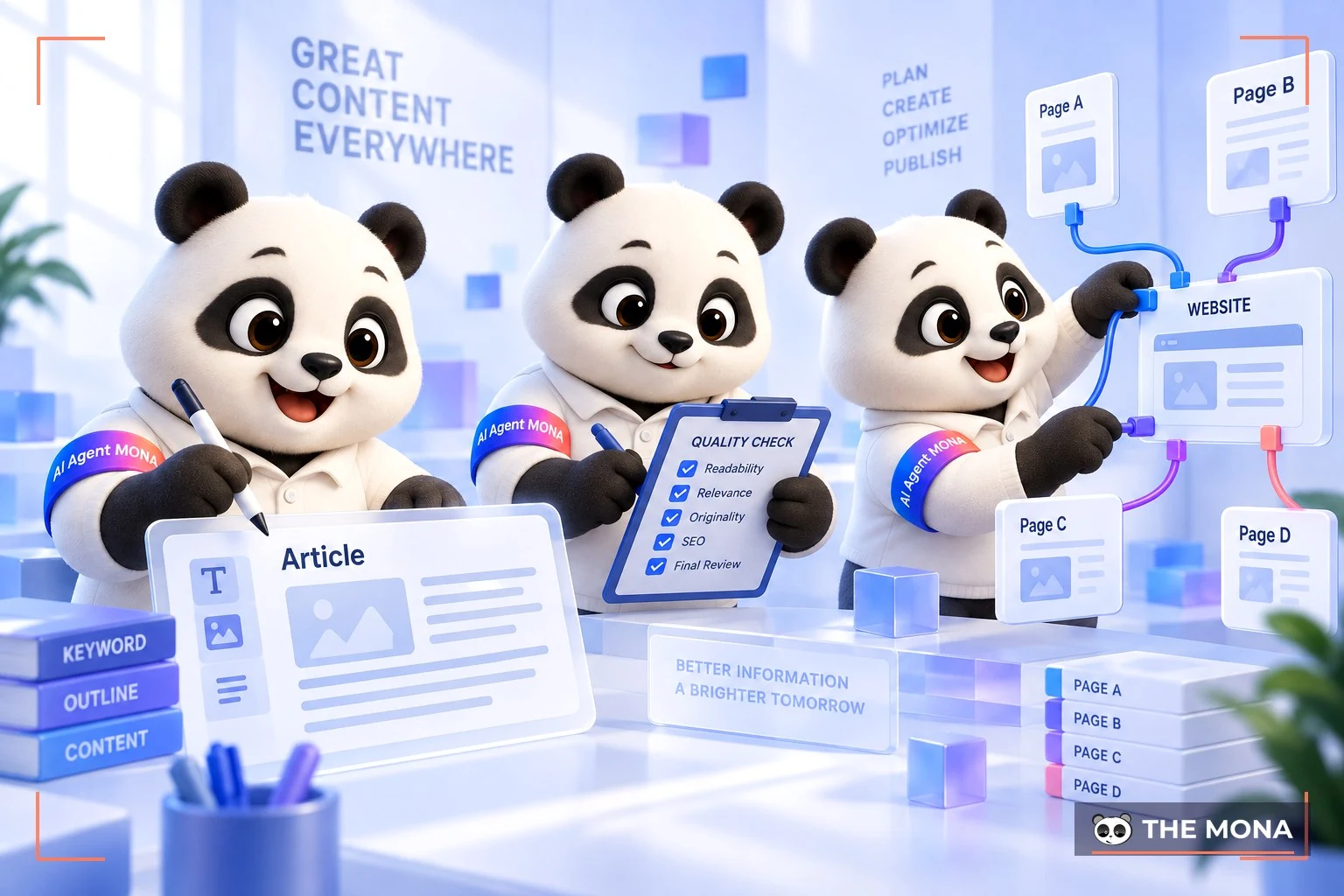
Build a simple network of sites with the steps below:
Social Entity is an effective off-page SEO method in which a business builds and completes its profiles on social media platforms and actively shares its activities and key events.
This not only increases brand awareness, it also sends Google a positive signal about the authenticity and credibility of your website.
When Google sees a consistent, professional presence for the business across social channels, its algorithm rates the business as more trustworthy, which helps improve the organic rankings of your website and articles in the search results.
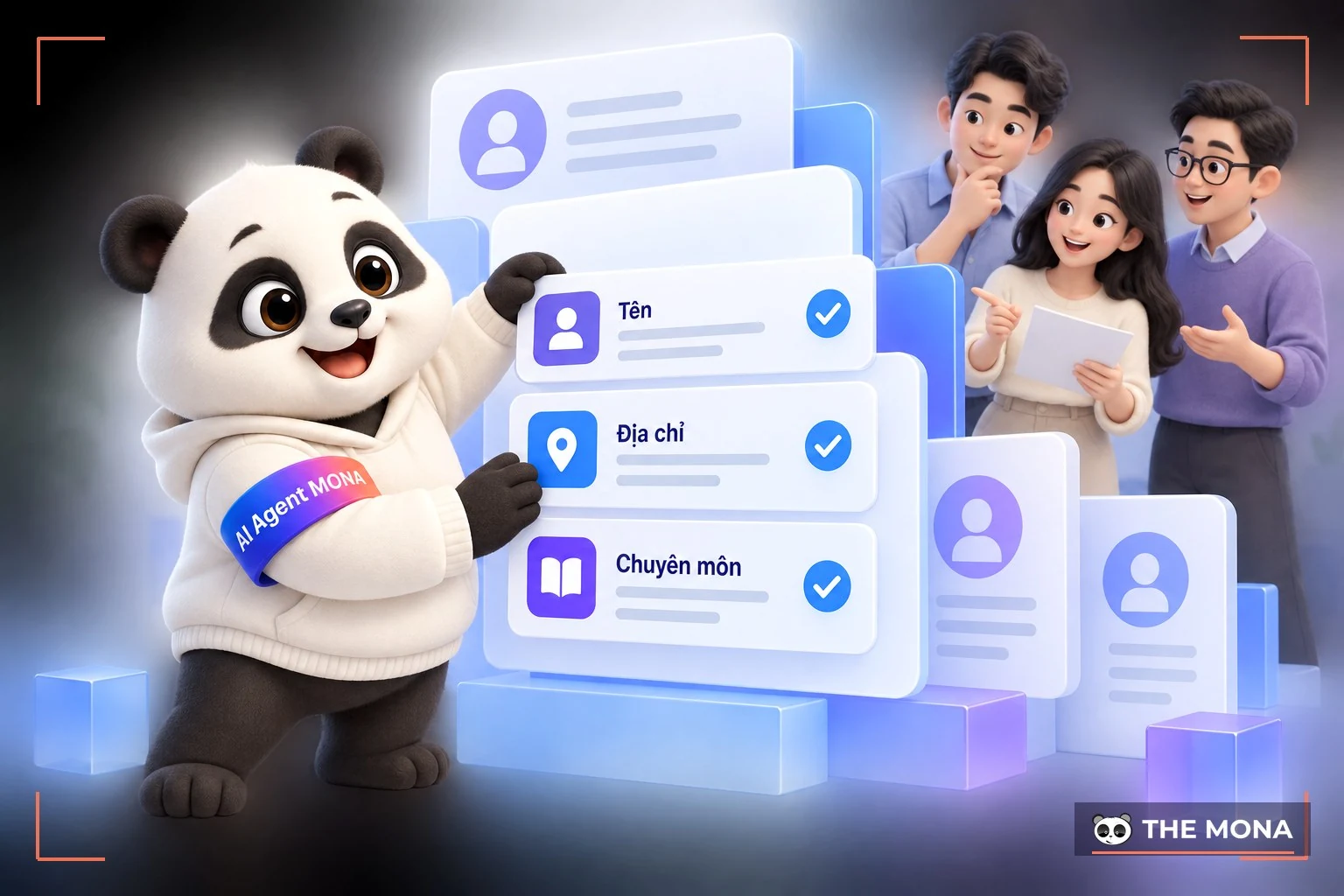
Social Entity Sharing is the process of sharing information about a business on social networks and other online channels. It raises brand recognition and improves the site's search rankings. When a business builds and shares brand-related content on these platforms, it strengthens its credibility and reputation in the eyes of search engines.
Choose the right social platforms carefully, though, so that your campaign works. To run Social Entity Sharing successfully, you can follow these steps:
Applying these methods correctly and flexibly SEO Social in your off-page SEO strategy helps a business build credibility, draw steady traffic and improve business results online.
Social bookmarking is an online service that lets users add, annotate, edit and share links to web documents. Although it is not as popular as it used to be, it is still a useful tool for drawing organic visits to a website.
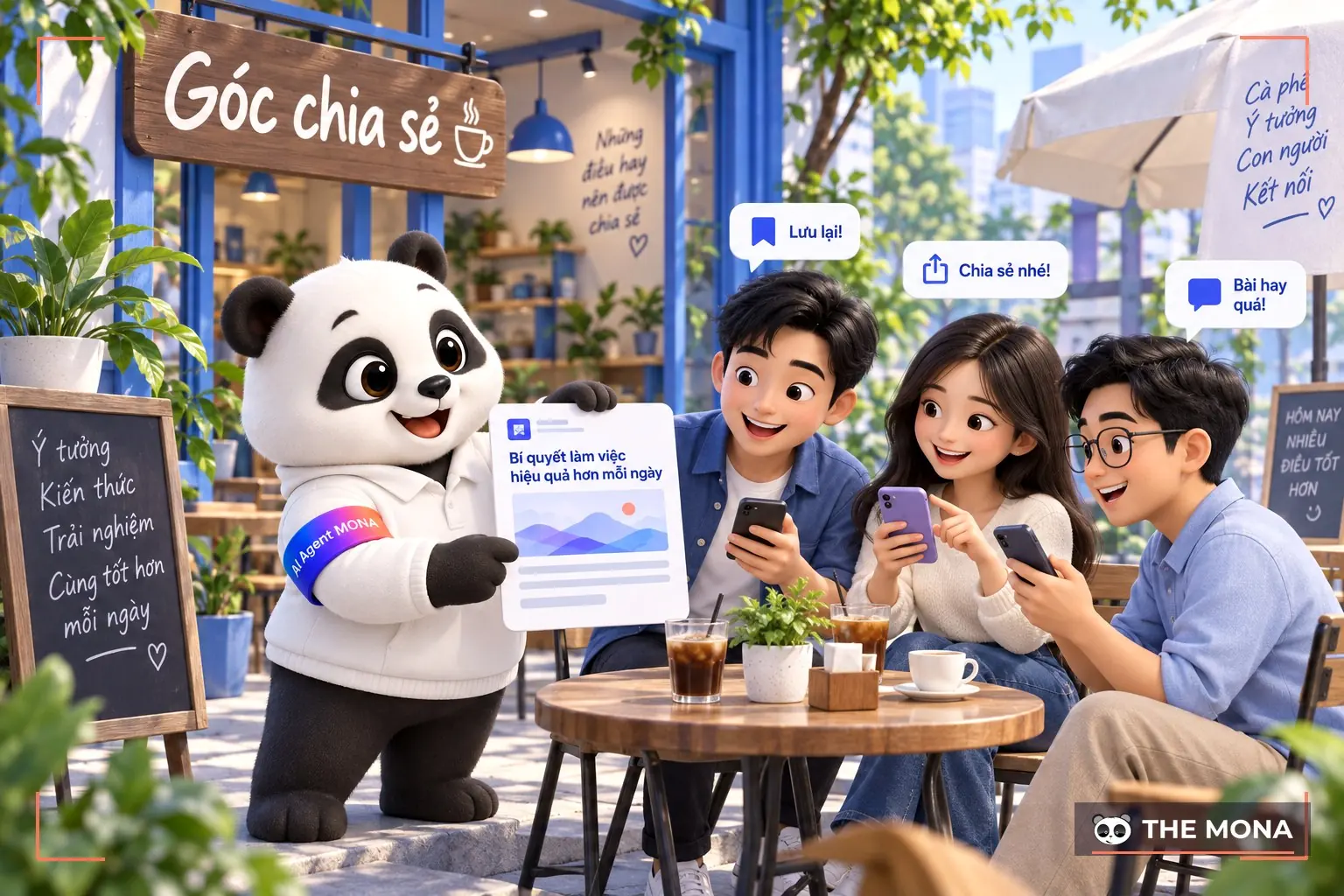
To make social bookmarking work, follow these steps:
Step 1: Choose the right platform
Sign up on high-traffic social bookmarking sites such as reddit.com, stumbleupon.com, scoop.it or delicious.com. Picking the right platform helps your content reach more people.
Step 2: Optimize your post
Enter the article URL, an engaging title, a short description and related keywords, then click “Submit” to publish.
When your content is genuinely good and valuable, it is likely to be widely shared by the community, which builds momentum for your site's organic search rankings.
Another effective off-page method is quality content marketing that gets your content spread widely beyond your website, building credibility and search rankings. Specifically, you can do the following:
Running social content is an effective off-page SEO method that builds your brand and creates quality content on social media.
The steps are:
Step 1: Build a professional profile
Create profiles on platforms like Facebook, Instagram, LinkedIn and so on, with consistent, keyword-optimized information.
Step 2: Create engaging content
Develop varied content (articles, videos, images) that is valuable, suits your target audience and encourages sharing.
Step 3: Nurture your community
Interact regularly, reply to comments, hold online events and build a loyal community of fans.
The SEO technique of Content Syndication Content Syndication means distributing your content across different platforms to improve your website's rankings and traffic. Content Syndication Content syndication can help your website reach a larger audience, build your brand and attract email subscribers. It can also earn you quality backlinks from highly authoritative sites in the same field.
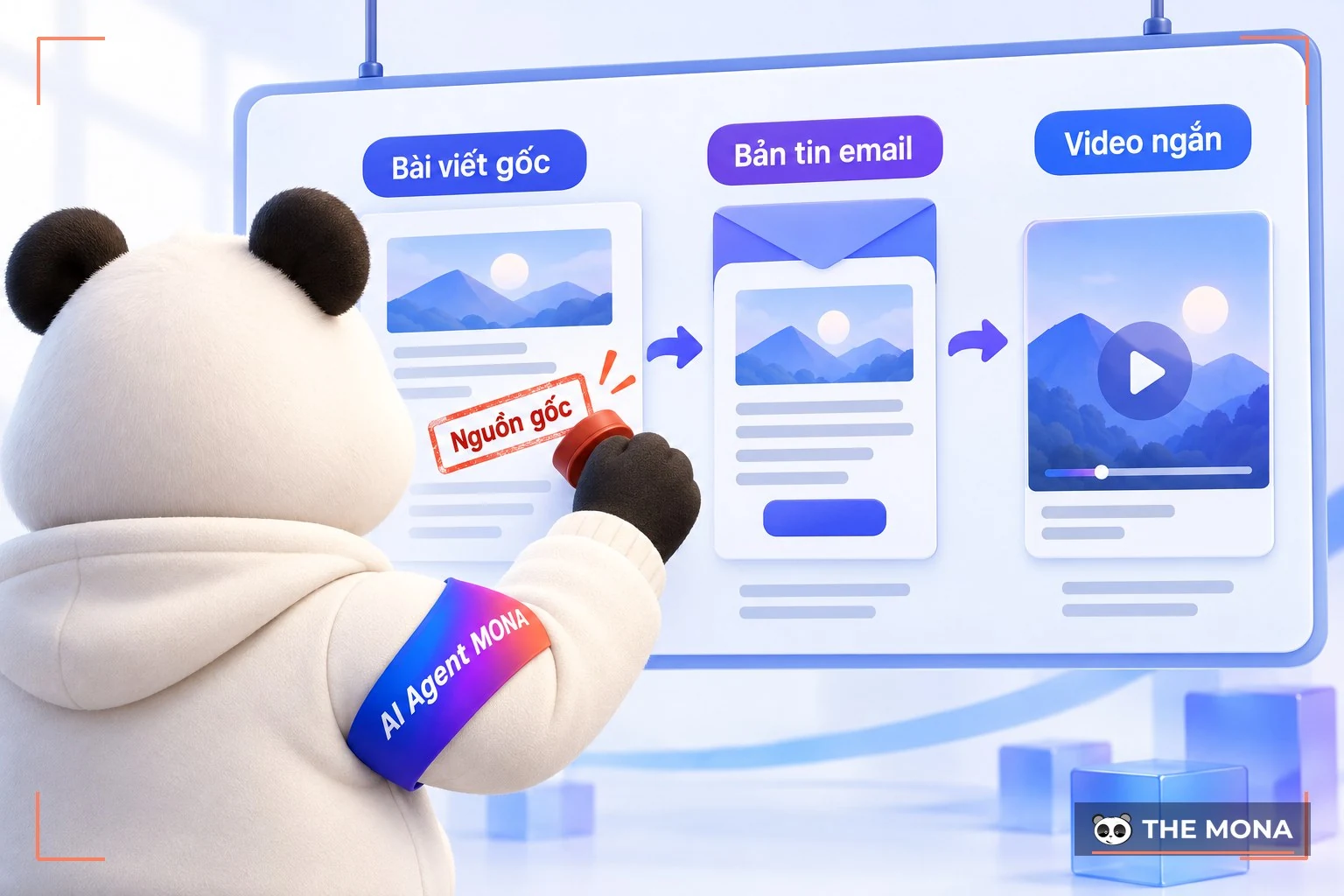
Off-page SEO with Content Syndication has three main steps:
You can also syndicate your own content on platforms like Medium, LinkedIn and Reddit. To do it well, you need to control the strategy, make sure links are complete, and keep the momentum going.
You can work with influencers who share and introduce your products or services. This not only brings more visits to your site, it also builds credibility through quality backlinks from influential channels. For the best results, prioritize people with a real voice in your field, since what they share reaches the right customers and earns more trust from viewers.
Doing off-page SEO through local SEO means optimizing factors outside your website to build credibility, authority and presence in local search results. Local SEO focuses on helping a business show up at the top when users search for a specific area or locality.
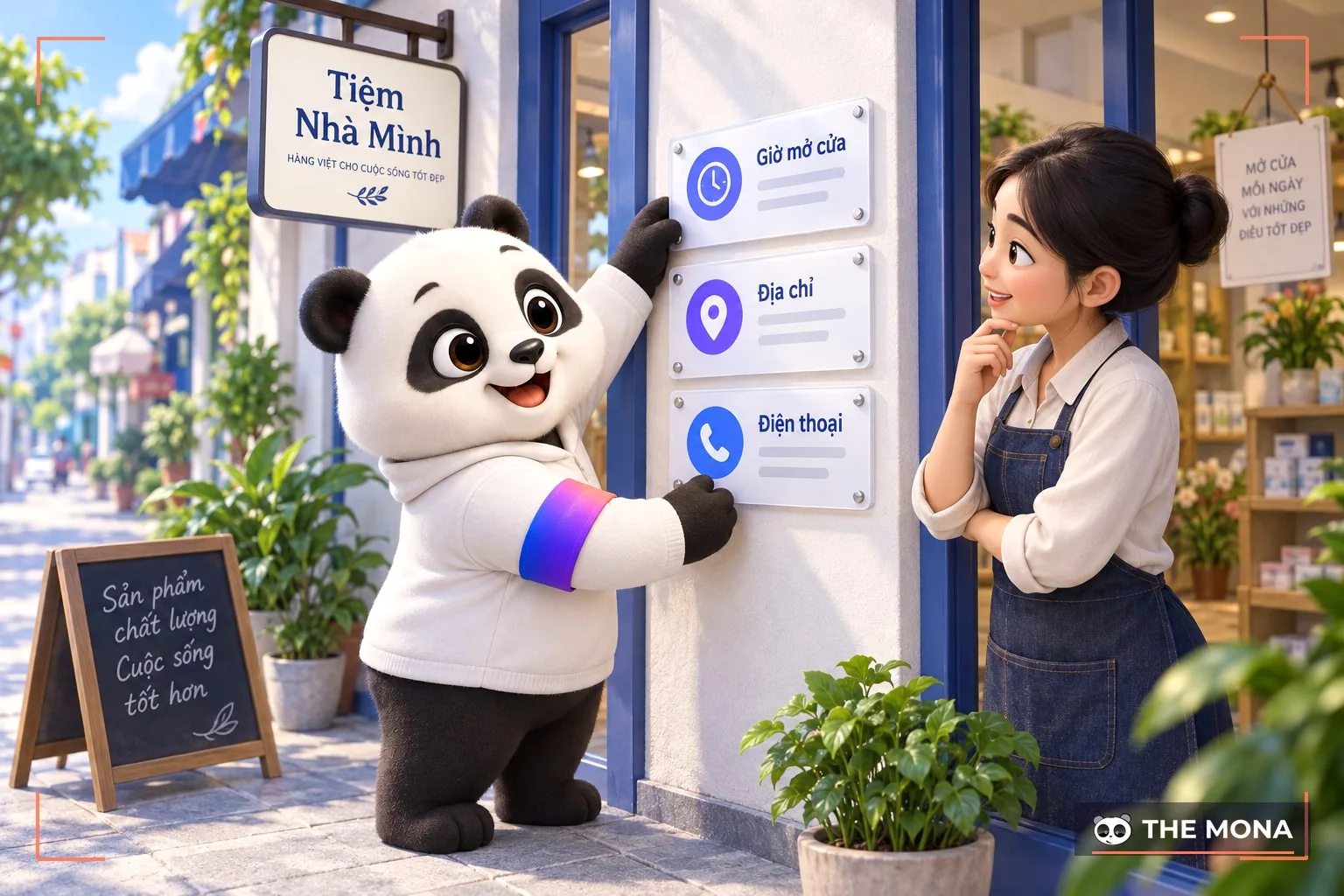
Google My Business is an important tool for creating an online presence for a business. It gives users information about the business, including address, opening hours, phone number and a map with directions. Google My Business also lets you publish posts and promotions, update business details, and manage customer reviews and replies.
Using Google My Business in your off-site SEO strategy makes your business more visible in local search results and draws new customers. By providing accurate and complete information on Google My Business, your business can rank higher on Google Maps and Google Search, which brings more traffic to your website. Engaging with customers on Google My Business also builds your business's engagement and reputation online.
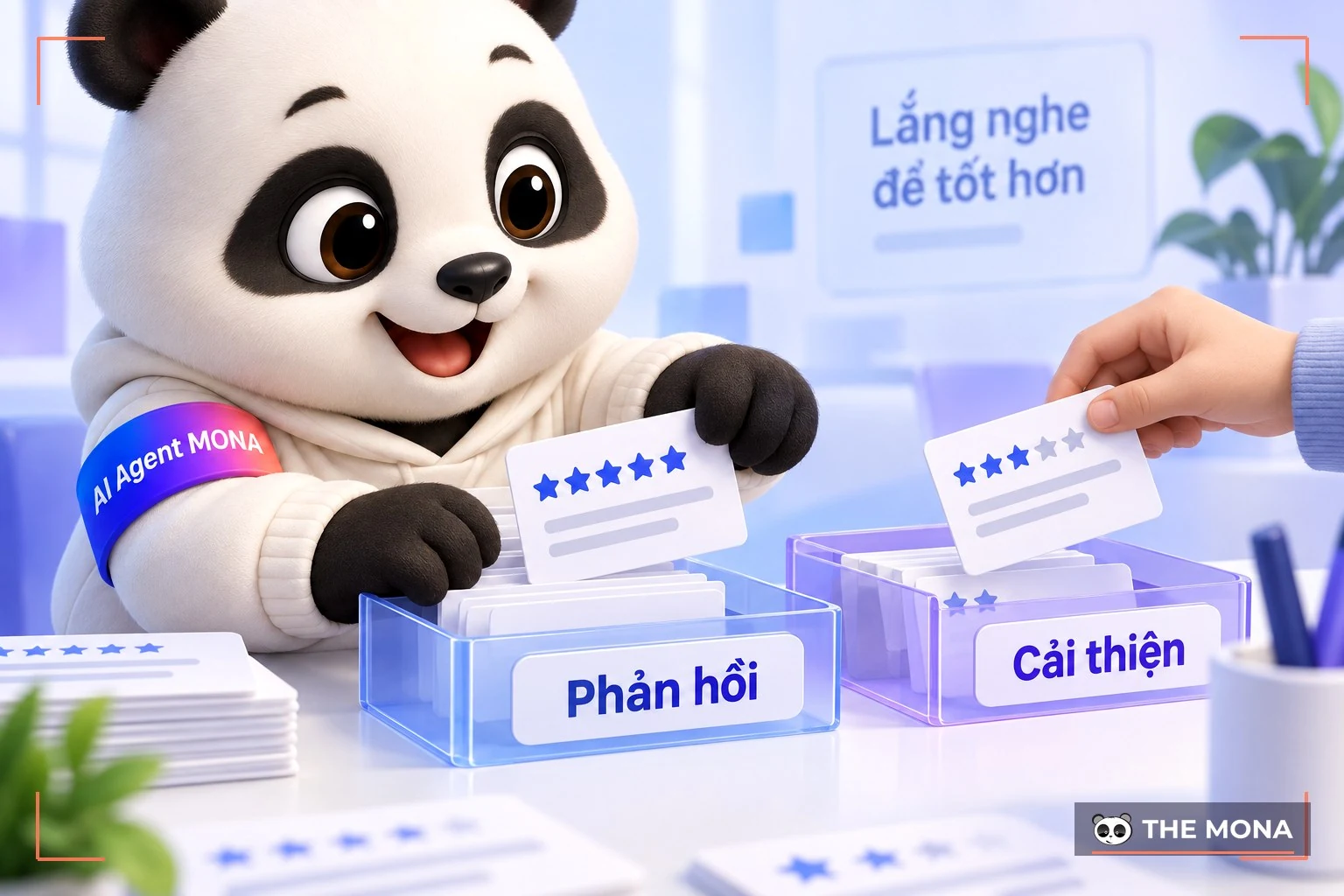
Google Review My Maps is a powerful tool in Google's ecosystem, useful for planning routes and valuable for off-page SEO. Its main purpose is to help businesses mark locations, share geographic information and attract potential customers.
When a business uses My Maps to create maps showing its stores, offices or branches, those maps can be integrated directly into Google Search and Google Maps, which improves its chances of appearing in local search results. To get the most from reviews on Google My Maps, you should:
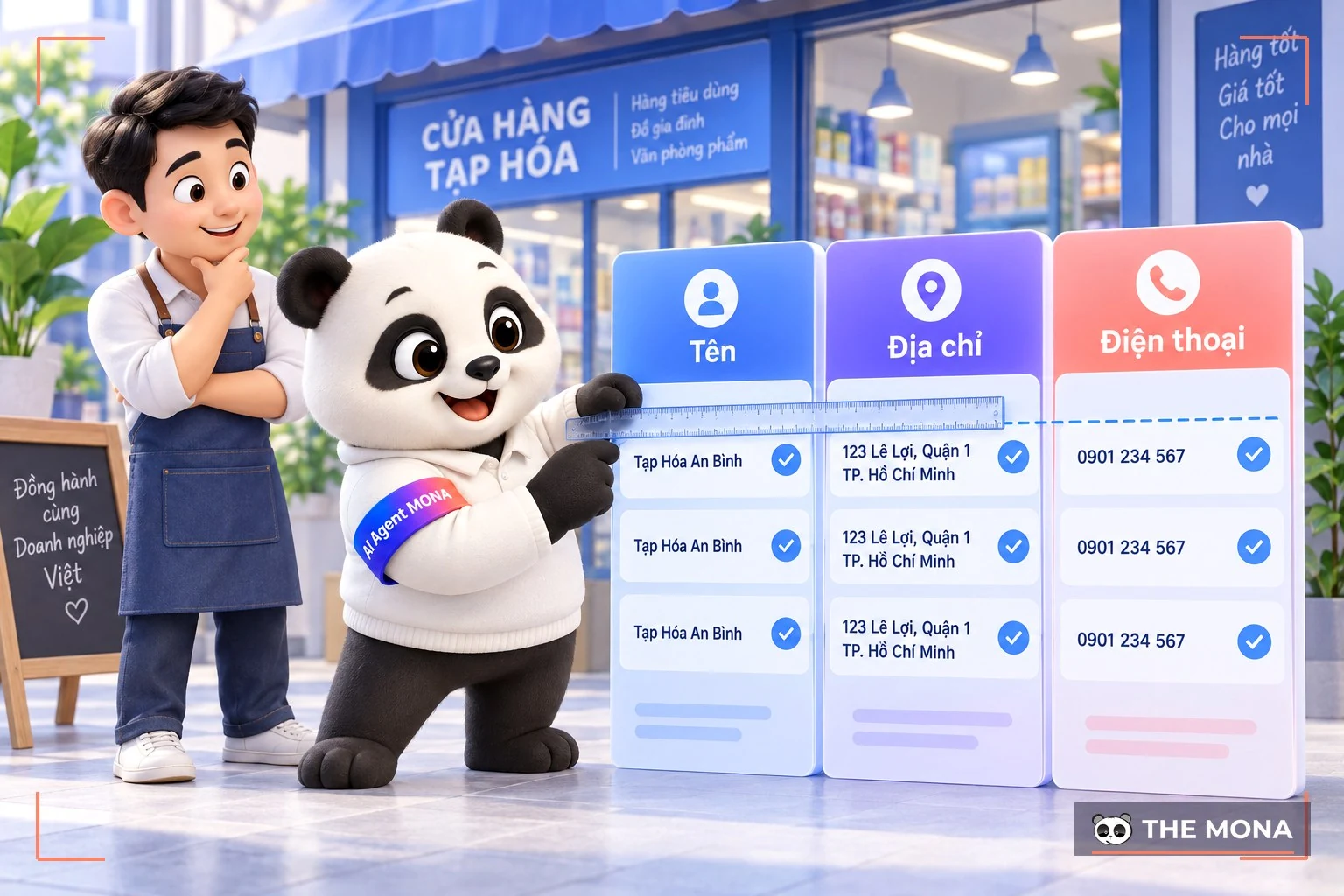
NAP Citations (Name, Address, Phone Number) is an important factor in off-page SEO. It means listing your business information, including name, address and phone number, on other websites. Google uses this information to judge how trustworthy and relevant a business is, especially in local search results. To optimize off-page SEO with NAP citations, follow these steps:
Off-page SEO is no longer a race for the highest number of backlinks. As Google and AI tools increasingly prioritize E-E-A-T, trust and context, any strategy that forces links or builds unnatural ones can be risky and can hurt your SEO plan.
Knowing that concern, MONA runs full-scope SEO services combined with SEO AI off-page SEO in a sustainable way, built on quality content and a natural, quality link profile. Rather than optimizing only for algorithms, MONA builds a full-scope SEO strategy so that Google and AI understand the real value and expertise of your website, leading to steady, safe, long-term growth across search platforms. Contact MONA to get detailed SEO advice and a quote.

How do you optimize off-page SEO techniques effectively for a website? To do so, focus on the steps below, updated for current SEO trends.
Before running off-page SEO for a website, set clear goals, such as when to start (early or mid-project), the main purpose (push rankings to the top or build trust), the scope (a specific keyword group or the whole site), and the level of brand awareness growth you want.
Goals should follow the SMART principle so they are specific and measurable.
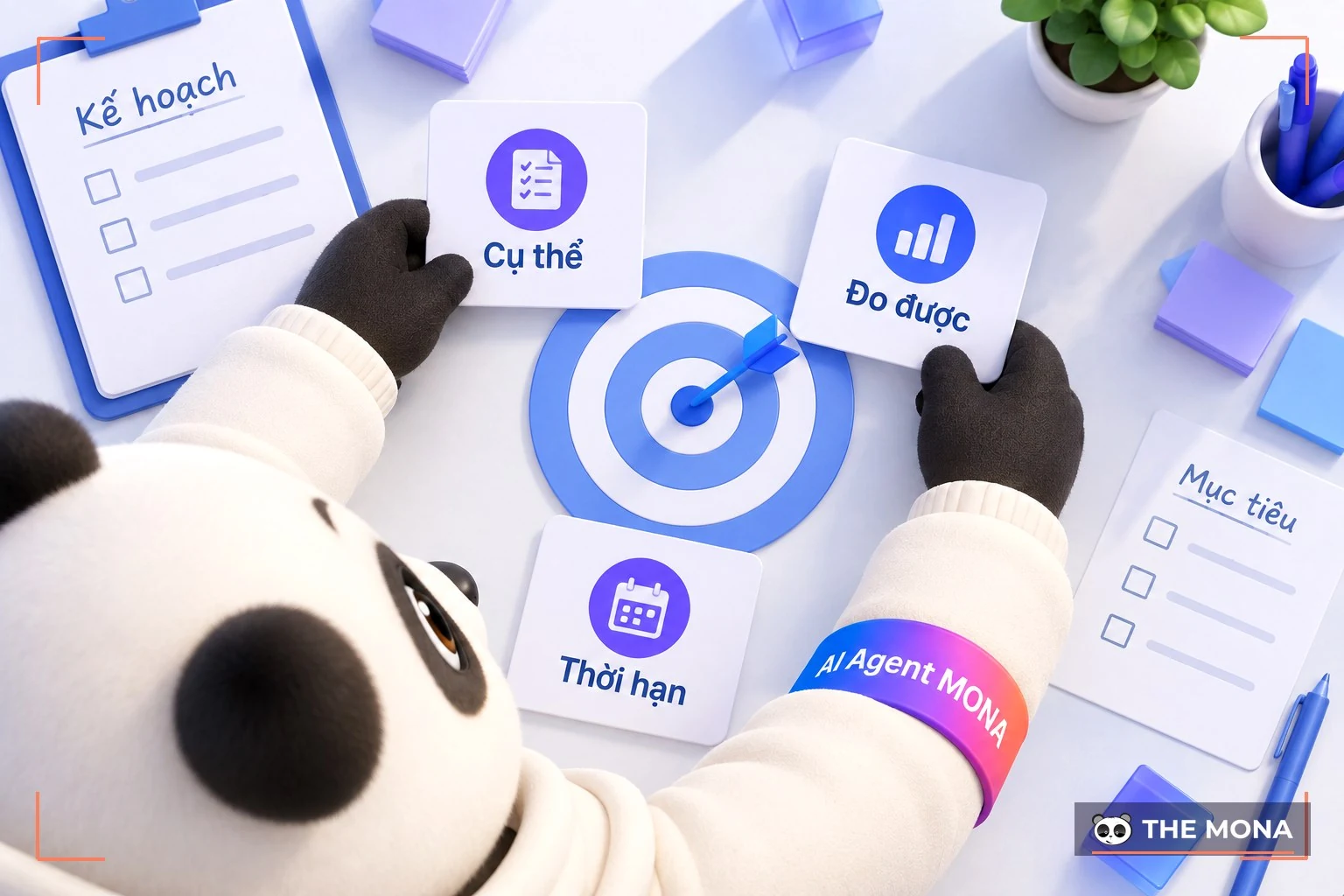
Example: within 6 months, push the core keyword “website design service” into the top 5 and raise traffic from the core keyword set by 15%. Setting precise goals guides an effective off-page strategy and lets you judge the campaign objectively.
Analyzing the results of your current off-page SEO audit is an important step that gives a full picture of your website's state and lets you build a suitable SEO plan. The work includes:
Based on your goals and the analysis of the website, the off-page SEO plan needs to be built in a structured and detailed way. A concrete plan includes:

The plan should be reviewed and adjusted regularly based on actual results and changes in search algorithms.
Running off-page SEO is about using anchor text that suits each type of backlink. For example:
The process needs to stay natural, use a variety of backlink sources and follow Google's guidelines to avoid penalties. At the same time, keep a close eye on how each type of backlink performs so you can adjust in time.
After running your off-site SEO strategy, tracking and evaluating results is an essential step to make sure the campaign hits its goals.
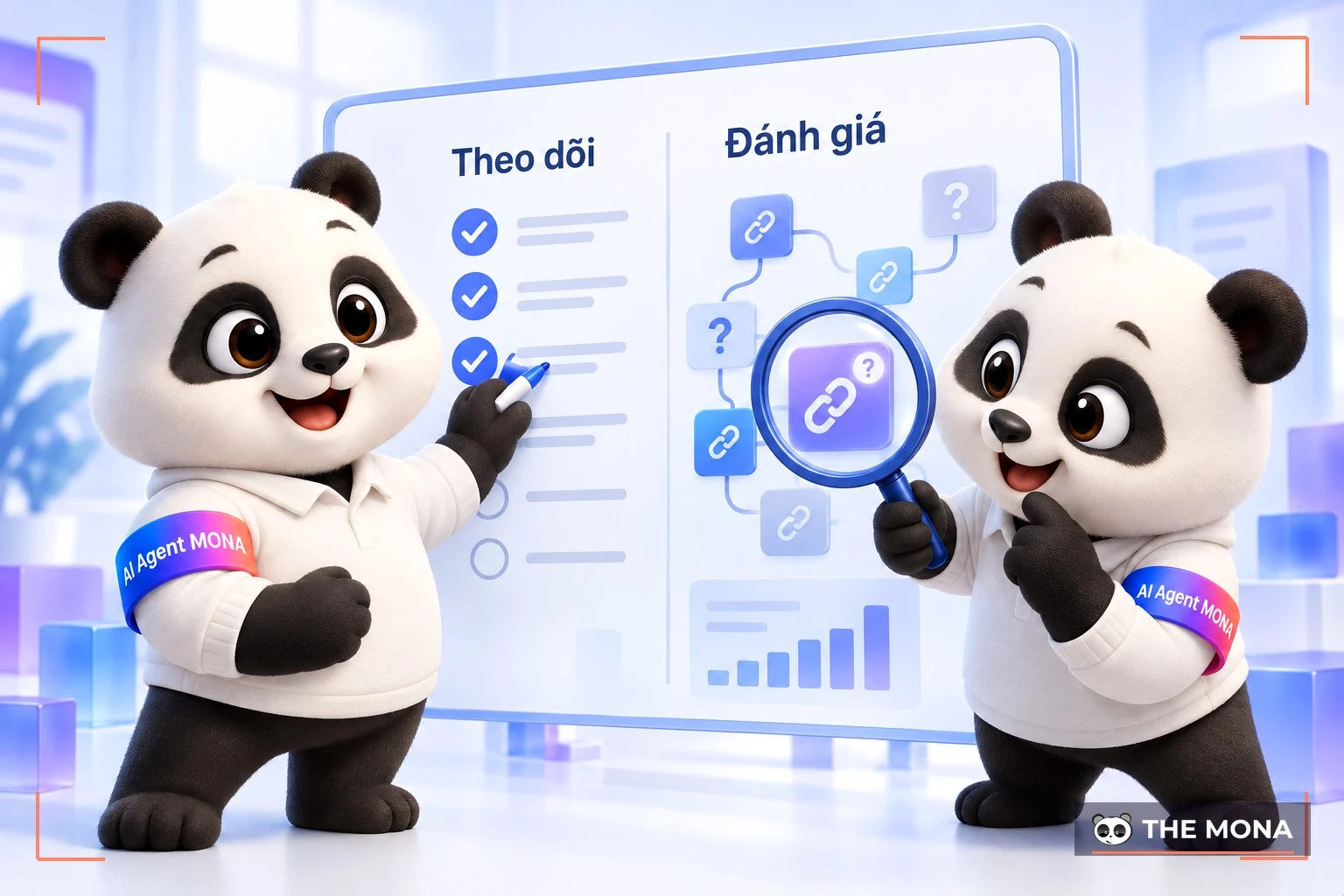
Things to track:
To do off-page SEO well, take a look at these 3 important notes from MONA:
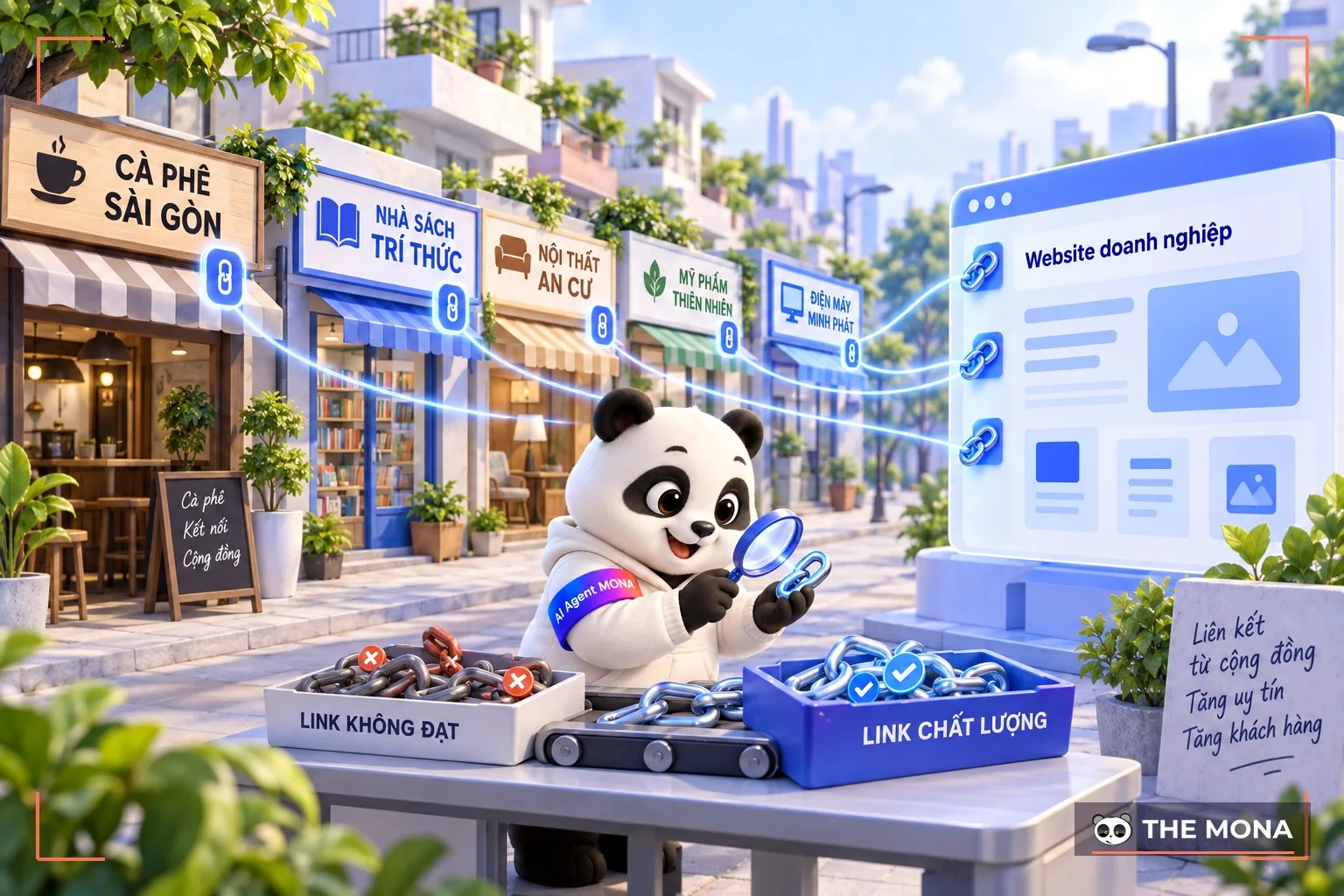
As MONA mentioned above, the number and quality of backlinks matter a great deal in off-page SEO and directly affect how Google evaluates and ranks your website. So, to build quality backlinks, keep these points in mind:
You should also pay attention to what a quality backlink needs, such as:
In SEO, optimizing Anchor Text can bring a big lift in conversions. Anchor text is a piece of text that contains a link. If users find that text appealing and click it, your site is rated higher.

Some notes on using anchor text:
This backlink strategy takes a lot of effort and time. However, the payoff of this link building approach in SEO is very large. Several popular link models today are:
Optimizing nonstop but still not reaching the top? Not sure where to start? Watch the video “4 core factors that get a website to the top of Google”, where Huy shares all his hands-on experience so you can optimize in the right places and get real results.
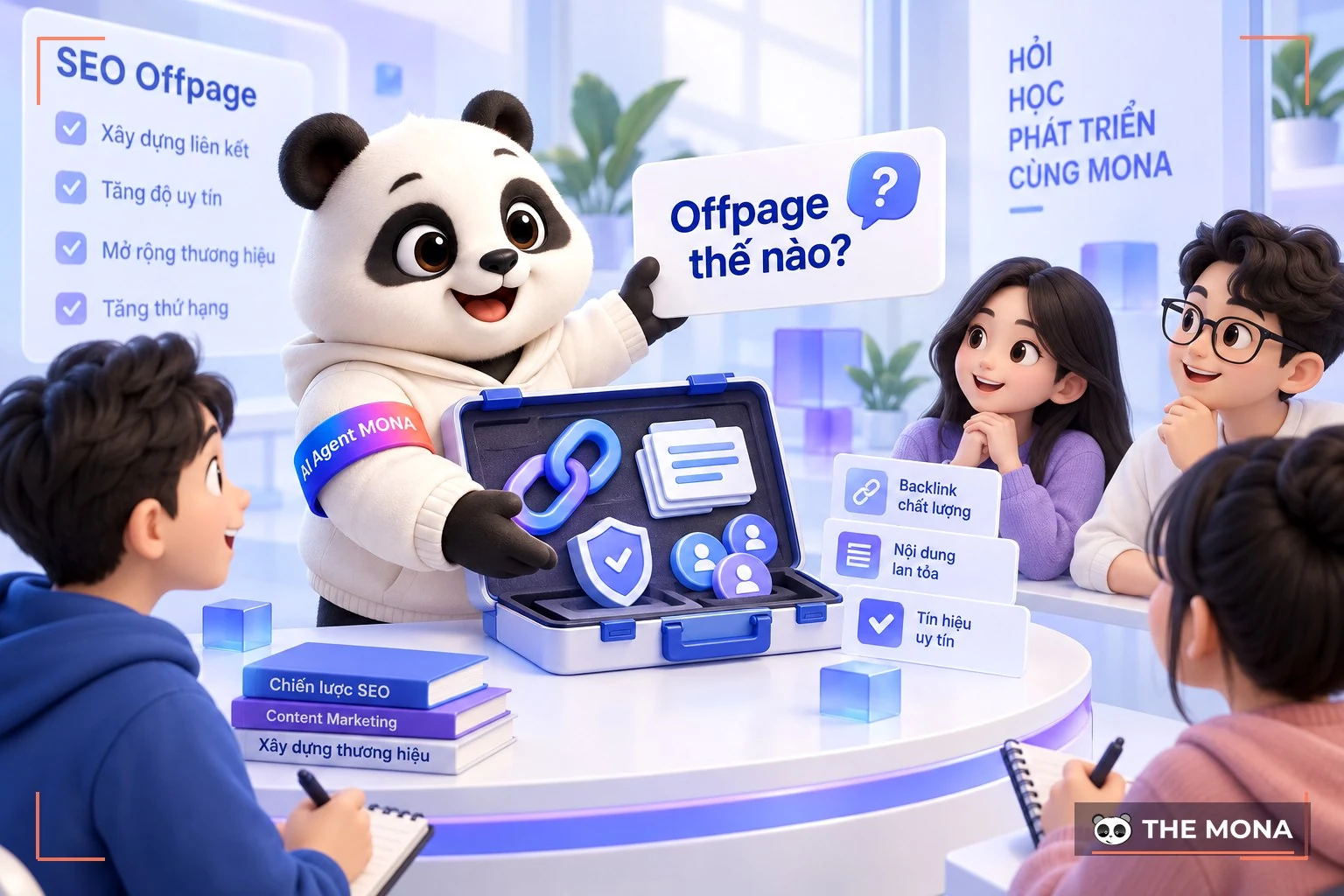
1. Why do you need off-page SEO?
To rank a website at the top you need both on-page and off-page SEO techniques, and you need to do them audit website regularly. Get on-page right first, then run sustainable off-page work to build backlinks. A good backlink system sends a lot of traffic to your site, raises its credibility and makes keyword rankings easier to win.
2. Why is building backlinks so important in off-page SEO?
Because Google rates websites highly when many links across the internet point to them.
3. How long does it take to see results from an off-page SEO strategy?
Results from off-page SEO usually take 3 to 6 months, or even longer, to show clearly. It depends on factors such as the quality of the links, how competitive the target keywords are, and the specific industry. Because off-page SEO is a long-term strategy, you need patience to see real changes in your website's rankings.
4. Which off-page SEO tools help optimize a website effectively?
To do off-page SEO well, you need some supporting tools. They help you check your link profile, analyze keywords, track competitors and assess website quality. Popular tools that many specialists rate highly include Ahrefs, SEMrush, Majestic, Google Search Console and Google Analytics.
5. Should you invest in off-page SEO for every project?
Off-page SEO investment should fit each project. The level of investment should depend on keyword difficulty and your goals. For projects with easy keywords and simple goals, putting on-page SEO first gives better results at lower cost. For projects with highly competitive keywords and ambitious goals, off-page SEO is the key to raising a website's credibility and improving its search rankings.
This article has shared information about What is off-page SEO and the best ways to optimize off-page SEO. We hope the content just MONA Media shared gives you useful knowledge and helps you run your SEO plan better.

CEO & Founder · The MONA
Founder of The MONA, who built a services company of 200+ staff with 14,000+ projects delivered. Khánh Hùng shares how he thinks about building systems that run themselves, automating a business, and the real lessons from delivering projects at MONA.
 1,6K




Professional website
design services
Own a website with a beautiful, 100% exclusive design and a lifetime warranty, with the ability
to expand features flexibly as your business grows, starting today!



NHẬN TƯ VẤN SEO MIỄN PHÍ !






 MONA will never sell your information or send you spam


 MONA will never sell your information or send you spam
