
 MONA OS 2.0


 Tự động hoá doanh nghiệp
 Cẩm nang SEO
 Digital Marketing
 Kinh nghiệm thiết kế website
 Hạ Tầng Server
 Giáo dục



 VI
 EN















Message us on
Zalo Official


 Products

 ProductsProducts










 Website designLooks good and convinces your customers.
SEO servicesBrings in customers searching for exactly what you sell.
 Tư vấn digital marketingKéo khách từ nhiều kênh, đo bằng số thật.
Corporate video productionVideos introducing your company, factory and team.
 NewAI video productionCompany story films made with AI.
 Custom software developmentCRM, ERP and HRM built for your business.
 Viết AI Agent theo yêu cầuĐặt riêng một trợ lý AI cho đúng việc của mình.
 Tư vấn chuyển đổi AIĐưa AI vào vận hành của cả công ty.
NewMONA LMSManagement for centers and schools.
MONA SkillHubInternal training for company staff.
 NHTQ systemEnd-to-end China–Vietnam shipping operations.
MONA JMSManagement for gold, diamond and pawn shops.
 MONA E-LearningA website with every feature you need to sell courses.
 Course on selling online coursesMore than 30 free lessons on selling courses automatically.
 MONA Cloudmonacloud.vnServers to get your apps and websites running.
 MONA Basemonabase.vnPostgres database, sign-in and file storage.
 MONA Mailmonamail.vnSend OTP, order and invoice emails from your software.
 MONA Paymonapay.vnReceive bank transfers via VietQR, with payment alerts sent to your software.
 MONA eInvoiceComing soonIssue e-invoices that meet tax standards.
Gấu CườiTrả lời khách 24/7 trên web, Fanpage, Zalo và thu lead cho sale.
 Gấu TeleSalesGọi điện tư vấn, chăm khách như tổng đài viên thật.
Dê CườiTư vấn và chốt đơn cho shop ngay trong khung chat.
Gấu WebmasterNhắn nhóm Zalo là website được sửa xong.
 Gấu Pháp ChếSoạn hợp đồng, rà điều khoản trong vài phút.
 Gấu Báo GiáLên báo giá đúng mẫu và gửi khách ngay.
 AI chăm sóc khách hàngTheo dõi và giữ chân khách hàng cũ.
 Gấu Tuyển DụngLọc hồ sơ, hẹn lịch, phỏng vấn ứng viên.
 AI
Gấu Cười MONA ĐANG TỰ XÀITrả lời khách 24/7 trên website, Zalo OA, Messenger và thu lead về cho sale.
Dê CườiChốt đơn bán lẻ và sàn: Shopee, TikTok Shop, web. Chăm cả khách sỉ, đại lý.
Gấu WebmasterCập nhật nội dung, tối ưu SEO website mỗi ngày.
Gấu TeleSalesGọi điện tư vấn, chăm khách như tổng đài viên thật.
Gấu Tuyển DụngLọc hồ sơ, hẹn lịch, phỏng vấn ứng viên tự động.
AI chăm sóc khách hàngGiữ khách cũ, cứu lead đã rớt cho phòng kinh doanh.
Gấu Pháp ChếSoạn hợp đồng, rà điều khoản trong vài phút.
Gấu Báo GiáLên báo giá đúng mẫu, gửi khách ngay khi có yêu cầu.
 Chuyển đổi AI toàn phầnGiải pháp tổng cho doanh nghiệp, 3 lớp triển khai.
 Viết AI Agent theo yêu cầuĐặt riêng một con AI gánh đúng nghiệp vụ của bạn.
 Custom softwareCRM, ERP and HRM with built-in AI automation.
 SEO & AEO thời đại AIĐược Google lẫn AI trích dẫn, không chỉ xếp hạng.
 Kiến thức AI cho doanh nghiệpBài phân tích, hướng dẫn ứng dụng AI vào vận hành.
 Free AI courses
 AI tools at work

01 January, 2025
A business without a website still gets searched every day: customers type your company name into Google, and what shows up is a competitor’s page, a few old news articles and a fanpage nobody answers. A website is a collection of content pages under its own domain, running 24 hours a day on the internet, where you have full control to tell your story and bring customers in. The definition takes one sentence, but understanding it as a business machine takes more, and that is what this article is for: what a website is made of, how many types there are, where the money goes after handover, and how to make it win customers instead of sitting there for show. We write this having built more than 14,000 web projects since 2016. About a 12-minute read.
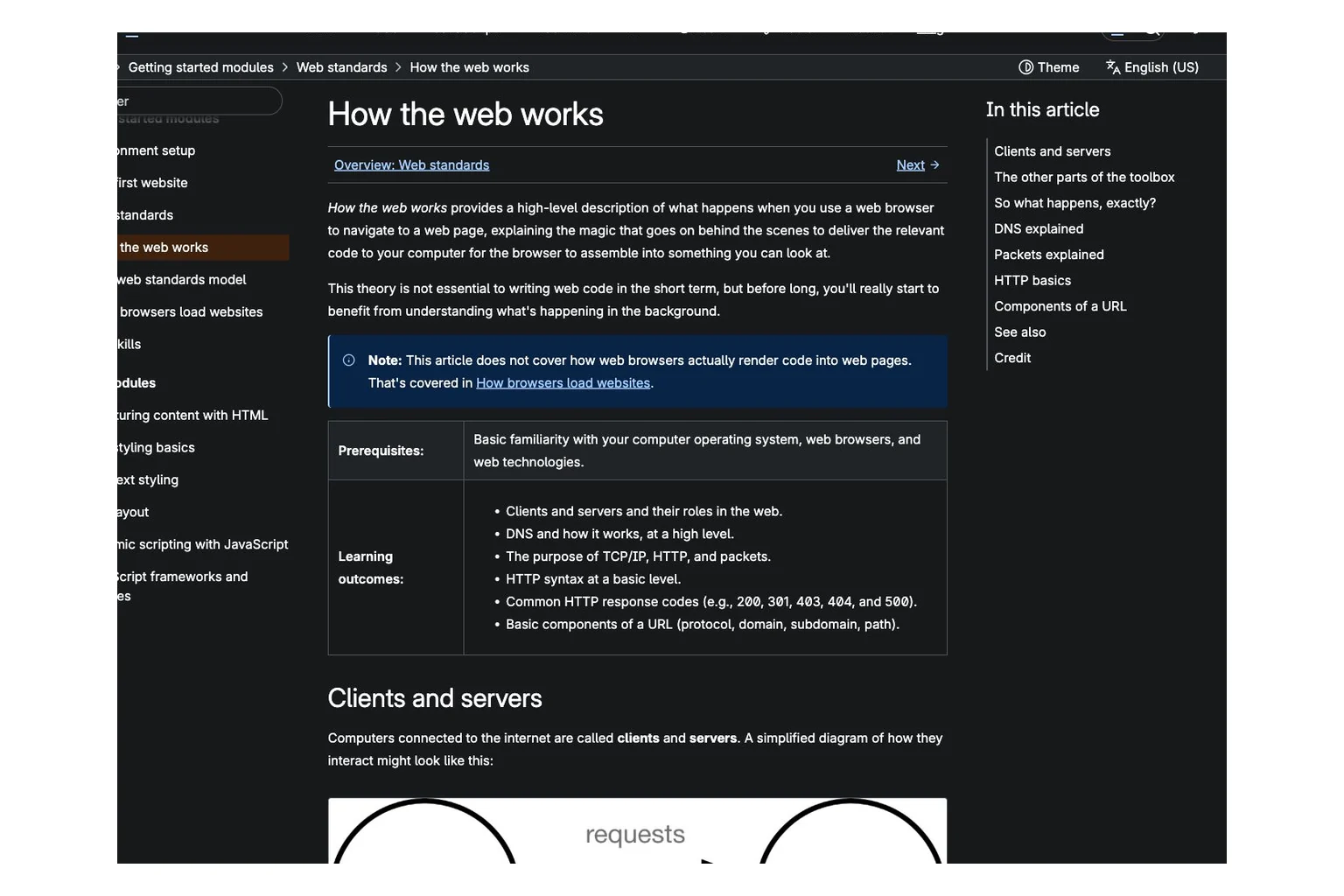
First, let’s untangle two words that often get mixed up. A website is the whole house: all the pages under one domain, for example mona.media. A web page is each room in that house: the homepage, the about page, a specific article. Our website currently has more than 1,700 pages, meaning more than 1,700 web pages under one domain roof. The foundational documentation from MDN makes the same distinction.
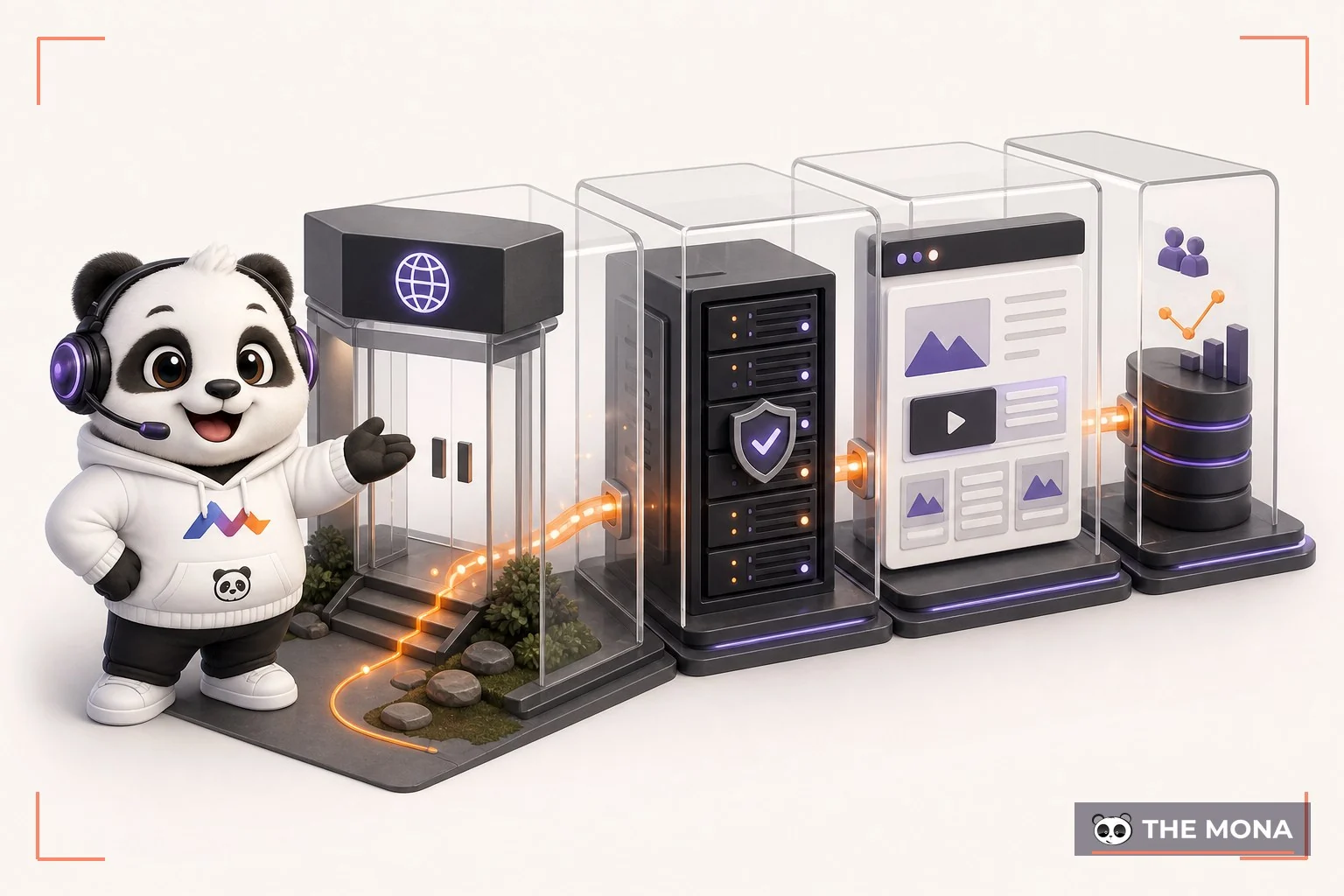
A website stands on the internet thanks to 4 stacked layers: domains is the house address, hosting is the plot of land the house sits on, the source code is the building structure, and the content is the furniture inside. Renting the address is the cheapest part: a .com domain is about 400,000 VND a year, a .vn about 700,000 VND. The other three layers are where prices differ by millions to tens of millions of VND, and also where a decent website differs from one built just to tick a box. Remember all 4 layers and no quote will dazzle you again. Missing any layer, the whole thing collapses.
It all happens in about 1 to 3 seconds, across 4 stages: the browser asks the domain name resolution system which server this address points to; the connection is encrypted via HTTPS so data can’t be read along the way; the web server returns the requested page; the browser assembles HTML, images and effects into a complete page in front of the visitor.
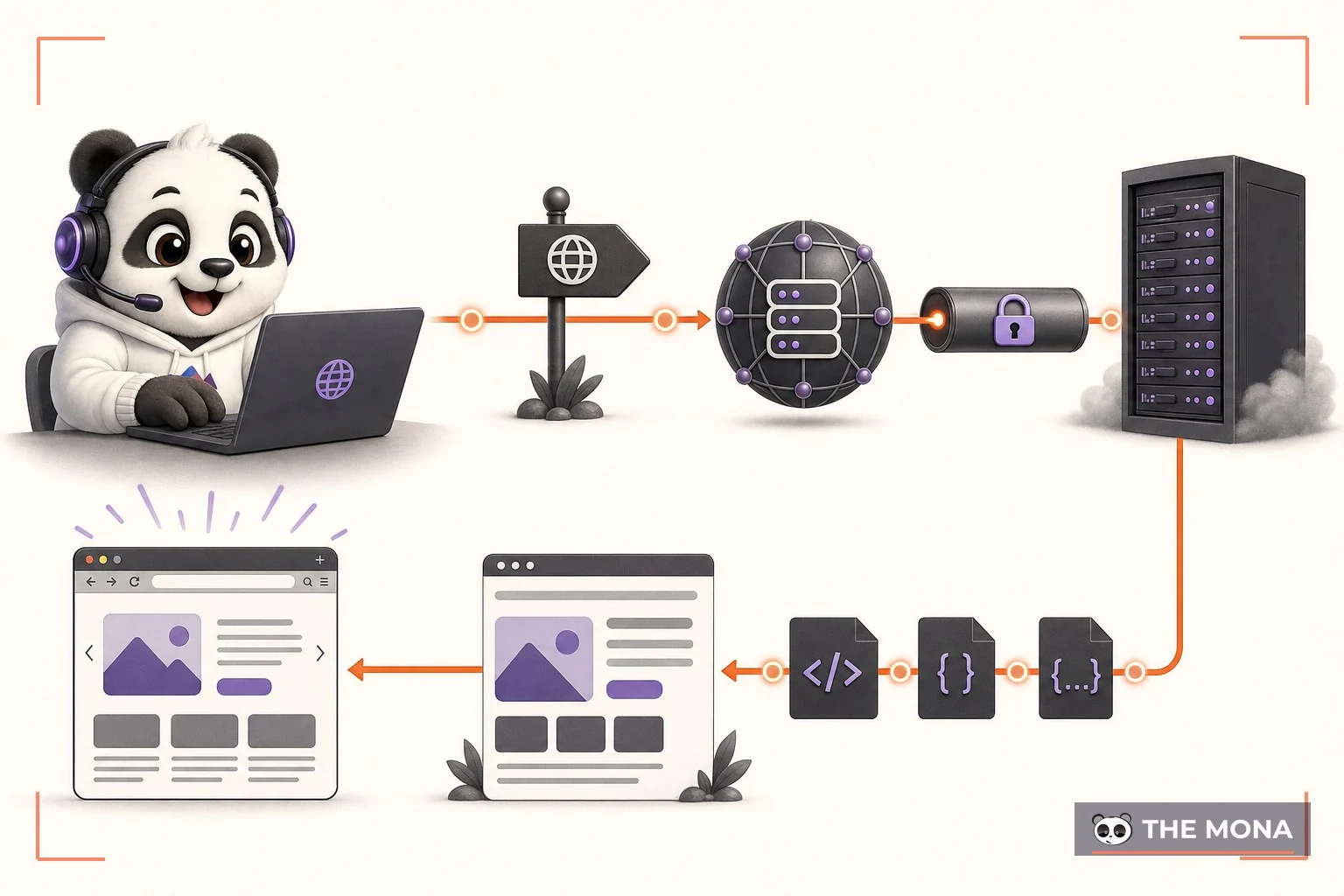
Business owners don’t need to know the technical side, but they should take one thing away: every stage can make the visitor wait. A misconfigured domain, an expired certificate, a weak server, image-heavy pages: whichever stage breaks, visitors leave before they see the product. Speed is the sum of all 4 stages, and visitors on mobile usually only wait 3 to 5 seconds before scrolling away. Wherever it’s slow, that’s where you lose customers.
A lean business website needs exactly 5 core pages, and each page has a measurable job:
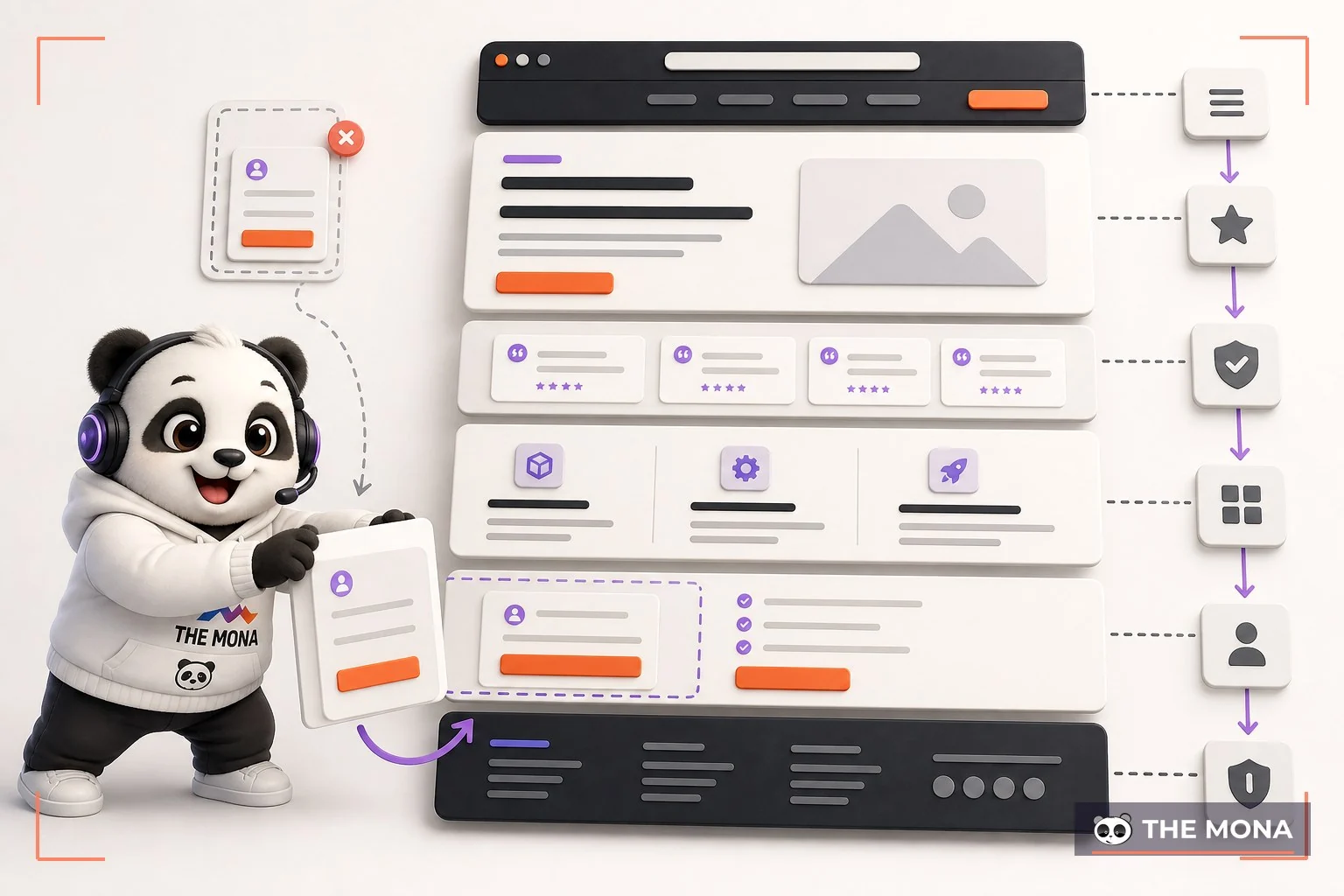

Running across all 5 pages are the navigation components: a compact menu of fewer than 7 items, breadcrumbs showing visitors where they are, a footer with legal information, and closing points such as call buttons, forms and chat boxes placed right where the visitor has just read a reason to trust you. The general principle we apply when building: one job per page, one main action per screen. A page that tries to do 3 things usually fails at all 3. One page, one job.
Classified by what it does for you, without long-winded theory:
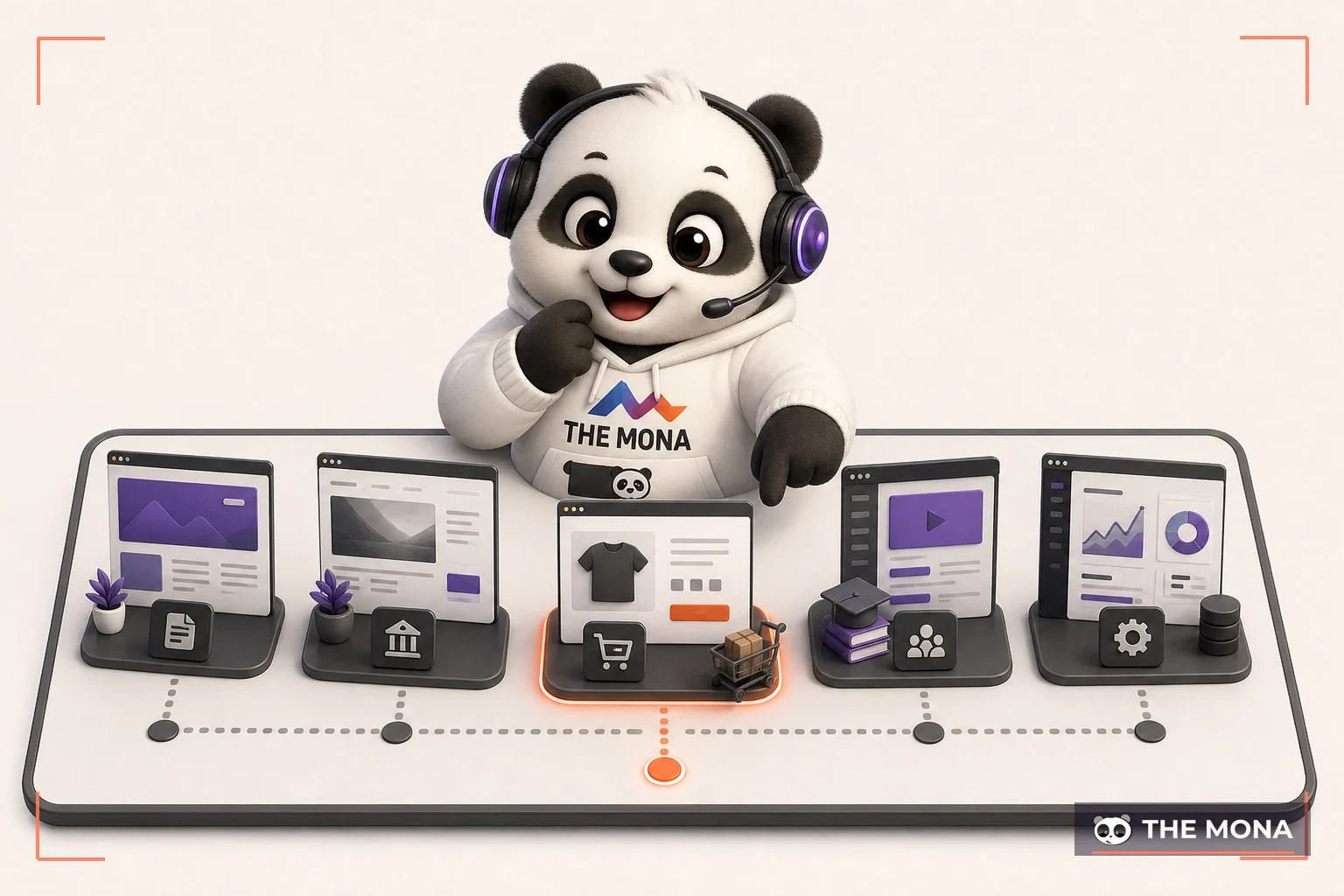
| Type | Job | Things to note |
|---|---|---|
| Company profile website | Build credibility, collect inquiries | The most common type; built properly once, it lasts 5 to 10 years |
| Sales and e-commerce website | Close orders and take payment on the site | Needs a cart, a payment gateway and inventory sync |
| Landing page | A single page for a single campaign | Made to measure conversions; it can’t replace the main website |
| News and content website | Draws large readership, lives on ads and reputation | Competes on speed and category structure |
| Web application or system | Lets users log in and carry out business tasks | It is real software and needs a software team not just a design team |
Technically, websites are also split into static and dynamic websites: static means fixed content, light and safe, good for profile pages that rarely change; dynamic means content generated from data, required for sales sites and systems. Choose the type based on your needs for the next 2 to 3 years, not on what a competitor just showed off, because switching types halfway is almost a rebuild from scratch, costing an extra 20 to 50 million VND for the second build. The problem first, the type second.
We have heard this question for 10 years, and the answer lies in the word ownership. Fanpages, TikTok channels and marketplace stores are all borrowed land: when the algorithm changes, customers disappear; when an account is wrongly locked, the customer base built over years is gone, and that happens every day. A website is your own land: the domain is in your name, the customer data is yours, the search rankings build up for you, and nobody can lock it.
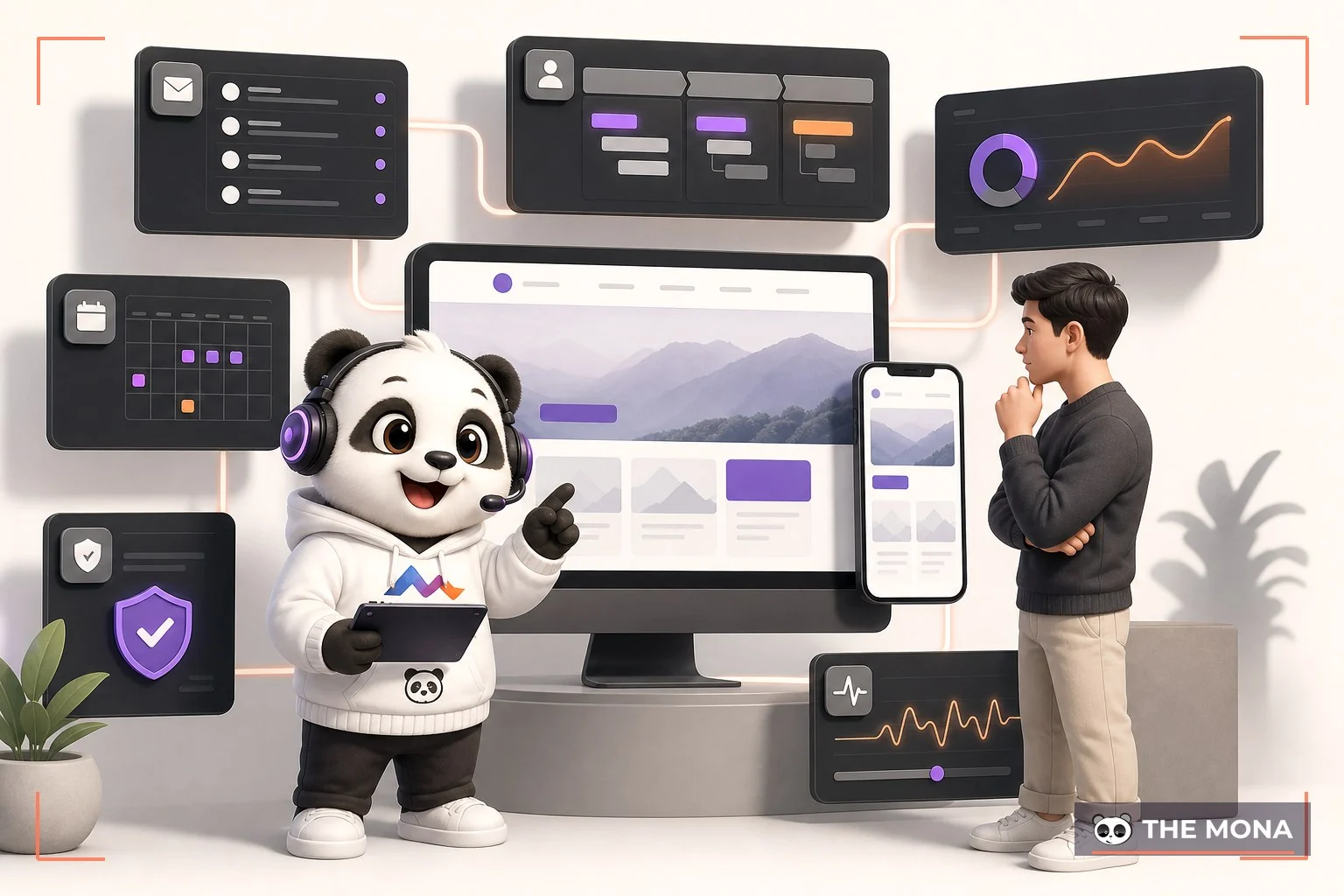
On top of that, there are 3 things only a website does completely: one, it receives customers from Google, where people actively search to buy rather than casually scroll; two, it is the place to verify credibility, since Vietnamese customers almost always look up the company name before transferring a large sum; three, it is a data warehouse, where every form submission is a row of data that belongs to you, and after 12 months you have a customer list that tens of millions of VND in ads might not buy. Social media is still needed, but it is the loudspeaker, while the website is the house. A broken loudspeaker can be replaced. The house has to be yours.
Web design quotes usually only cover the build cost, and few list the full running costs, so we list them for you. Recurring yearly costs: a domain at 400,000 to 700,000 VND, hosting from a few hundred thousand to a few million VND depending on traffic, a security certificate if it isn’t included, and renewal fees for the paid software built into the site.

The cost that is easier to forget is patching: a website left for 2 years without updates starts to show security holes and broken features in new browsers, and when it breaks badly, the repair can cost half the price of a new build. Here is our tip for reading quotes: make the web builder list 3 lines clearly, the one-time build cost, the yearly recurring cost, and how many months of bug-fix warranty. A quote missing any of those 3 lines hasn’t told you the whole story. Ask for everything before you sign.
Three objective measures you can’t argue with by gut feeling:
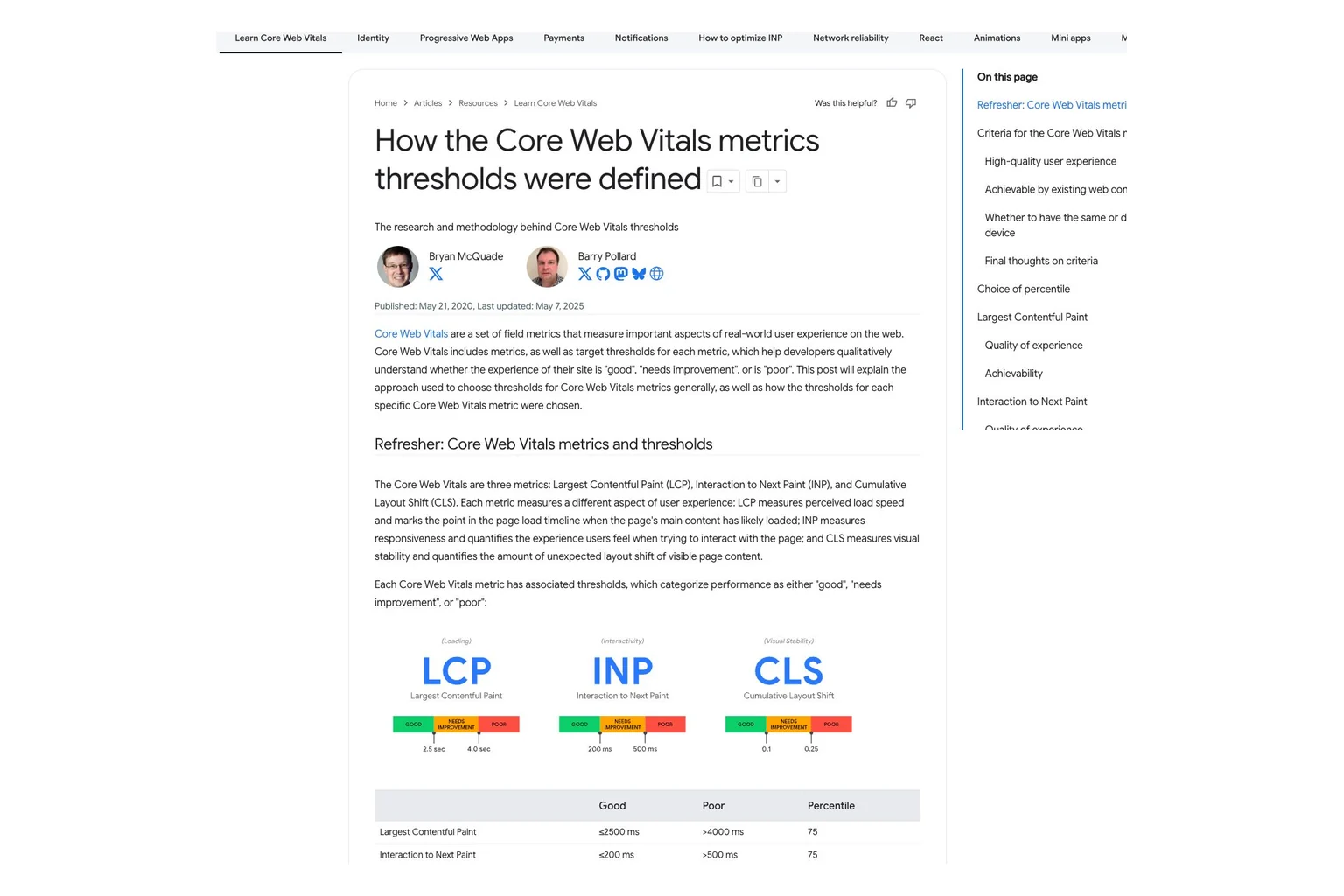
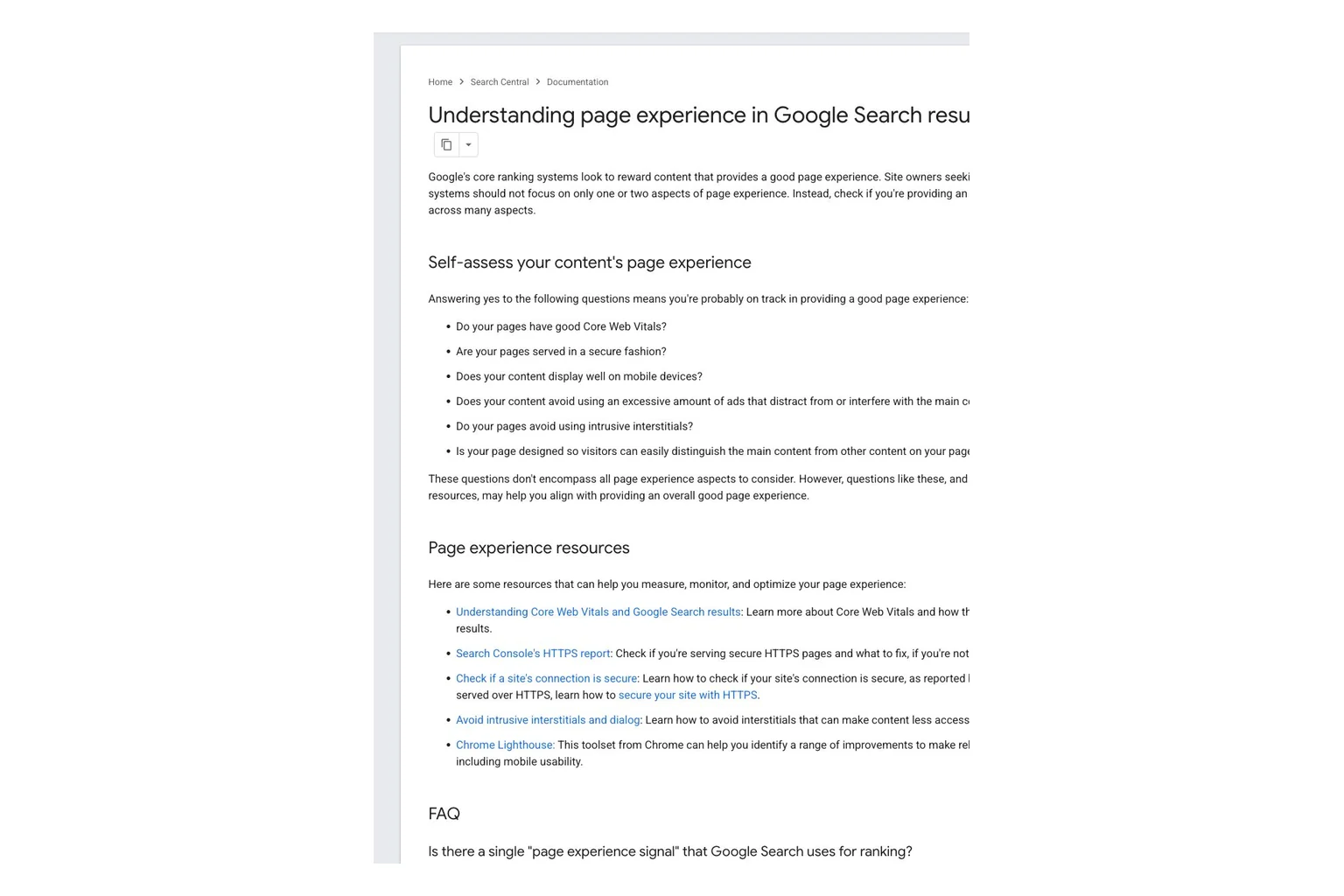
Google also puts page experience among its ranking signals, which means a website that shows content slower than 2.5 seconds both frustrates visitors and gets pushed down in search results. A test with PageSpeed only takes 2 minutes. Technical standards are now a revenue matter. The days when a pretty website was enough are over.
A website that just sits there is a liability, so the way we build websites for clients revolves around one axis: every page must give the visitor a next step. Service pages have a booking button, articles have a form that fits the context, every submission goes straight to where the sales team receives it the same day, and a dashboard shows the business owner how many inquiries the website generated this month compared with last month. mona.media itself runs on exactly that model: more than 1,700 content pages working like a silent sales team, day and night.

From 2016 until now, across more than 14,000 projects, we have packaged our process: design based on your own brand identity, clean source code handed over with full rights, SEO built into the structure, measurement installed from day one, and a layer of AI-assisted management for new-generation websites, including AI-powered website design that answers customers in place of staff on duty. MONA’s websites are built to win customers from the very first month after handover. Websites just for show are not something we do.
A profile website on a ready-made theme: 1 to 2 weeks. Custom design based on your brand identity: 3 to 6 weeks. A sales website or a system with custom features: measured in months, depending on scope. Slow delivery of your content also extends the timeline, so factor that in.
The range is very wide: a few million VND for a template website, a few tens of millions of VND for a custom SEO-ready design, and more for systems with specialized functions. What matters is asking for all 3 cost lines as described above so you compare correctly.
You need both, each with its own role: the website is the main house holding your credibility and data, social media is the loudspeaker pulling people to the house. Drop either one and you’re missing a leg.
Look at the source code and structure: if the foundation is still clean, upgrading the interface and speed is enough; if it has been patched together by many generations of developers, rebuilding is usually cheaper than the total cost of patching. Bring us your website, we’ll take a look and tell you straight which case it is.
Yes, for personal websites or small projects: drag-and-drop platforms and WordPress let you build one yourself in a few evenings. For a website tied to company revenue, build it properly from the start, because rebuilding halfway costs many times more than doing it right the first time. That tuition fee isn’t worth paying.
The first sentence of this article already answered what a website is. What’s worth taking away is the perspective: it is the only digital asset you fully own on the internet, with its own address and its own data, built right once it lasts 5 to 10 years, and it costs only 1 to 3 million VND a year for the domain and hosting. Build it right, maintain it steadily, put it to work. That’s it.
If you are planning a new website, or have one sitting idle that can’t even generate one inquiry a week, call 1900 636 648 or visit website design service of ours. Send us your current web address if you have one, and we’ll measure its speed metrics, review its customer-capture structure, and give you a straight answer within 1 session: whether the website is worth upgrading or worth rebuilding, with a cost table listing all 3 lines as in this article so you can decide for yourself. Your house should look like a proper house.

CEO & Founder · The MONA
Founder of The MONA, who built a services company of 200+ staff with 14,000+ projects delivered. Khánh Hùng shares how he thinks about building systems that run themselves, automating a business, and the real lessons from delivering projects at MONA.
 4,4K




Professional website
design services
Own a website with a beautiful, 100% exclusive design and a lifetime warranty, with the ability
to expand features flexibly as your business grows, starting today!












 MONA promises never to use your information for sale or SPAM


 MONA promises never to use your information for sale or SPAM
