
 MONA OS 2.0
 Partner with MONA


 Tự động hoá doanh nghiệp
 Cẩm nang SEO
 Digital Marketing
 Kinh nghiệm thiết kế website
 Hạ Tầng Server
 Giáo dục


 VI
 EN










Message us on
Zalo Official


 ProductsNew

 ProductsProducts
 Mới ra mắtKHA AI 2027App tự edit video, tự đăng mọi mạng xã hội, 2 phút mỗi ngày










 Website designLooks good and wins customers over.
SEO servicesBrings in customers searching for exactly what you sell.
 Tư vấn digital marketingKéo khách từ nhiều kênh, đo bằng số thật.
Corporate video productionVideos introducing your company, factory and team.
 NewAI video productionCompany story films made with AI.
 Custom software developmentCRM, ERP and HRM built for your business.
 Viết AI Agent theo yêu cầuĐặt riêng một trợ lý AI cho đúng việc của mình.
 Tư vấn chuyển đổi AIĐưa AI vào vận hành của cả công ty.
NewMONA LMSManagement for centers and schools.
MONA SkillHubInternal training for company staff.
 NHTQ systemEnd-to-end China–Vietnam shipping operations.
MONA JMSManagement for gold, diamond and pawn shops.
 MONA E-LearningA website with every feature you need to sell courses.
 How to sell online courses (course)More than 30 free lessons on selling courses on autopilot.
 MONA Cloudmonacloud.vnServers to get your apps and websites running.
 MONA Basemonabase.vnPostgres database, sign-in and file storage.
 MONA Mailmonamail.vnSend OTP, order and invoice emails from your software.
 MONA Paymonapay.vnAccept bank transfers via VietQR and notify your software when the money arrives.
 MONA eInvoiceComing soonIssue e-invoices that meet tax standards.
Gấu CườiTrả lời khách 24/7 trên web, Fanpage, Zalo và thu lead cho sale.
 Gấu TeleSalesGọi điện tư vấn, chăm khách như tổng đài viên thật.
Dê CườiTư vấn và chốt đơn cho shop ngay trong khung chat.
Gấu WebmasterNhắn nhóm Zalo là website được sửa xong.
 Gấu Pháp ChếSoạn hợp đồng, rà điều khoản trong vài phút.
 Gấu Báo GiáLên báo giá đúng mẫu và gửi khách ngay.
 AI chăm sóc khách hàngTheo dõi và giữ chân khách hàng cũ.
 Gấu Tuyển DụngLọc hồ sơ, hẹn lịch, phỏng vấn ứng viên.
 Mới ra mắt
KHA AI 2027
Xây kênh chuyên gia 2 phút mỗi ngày
Quay bằng điện thoại, AI tự edit video, tự đăng lên 16 nền tảng và tự trả lời bình luận, tin nhắn.
835.333lượt xem trên kênh CEO MONA sau 27 ngày
 Anh Khánh HùngCEO MONA đang dùng mỗi ngày
Xem app làm được gì
 AI
Gấu Cười MONA ĐANG TỰ XÀITrả lời khách 24/7 trên website, Zalo OA, Messenger và thu lead về cho sale.
Dê CườiChốt đơn bán lẻ và sàn: Shopee, TikTok Shop, web. Chăm cả khách sỉ, đại lý.
Gấu WebmasterCập nhật nội dung, tối ưu SEO website mỗi ngày.
Gấu TeleSalesGọi điện tư vấn, chăm khách như tổng đài viên thật.
Gấu Tuyển DụngLọc hồ sơ, hẹn lịch, phỏng vấn ứng viên tự động.
AI chăm sóc khách hàngGiữ khách cũ, cứu lead đã rớt cho phòng kinh doanh.
Gấu Pháp ChếSoạn hợp đồng, rà điều khoản trong vài phút.
Gấu Báo GiáLên báo giá đúng mẫu, gửi khách ngay khi có yêu cầu.
 Chuyển đổi AI toàn phầnGiải pháp tổng cho doanh nghiệp, 3 lớp triển khai.
 Viết AI Agent theo yêu cầuĐặt riêng một con AI gánh đúng nghiệp vụ của bạn.
 Custom softwareCRM, ERP and HRM with built-in AI automation.
 SEO & AEO thời đại AIĐược Google lẫn AI trích dẫn, không chỉ xếp hạng.
 Kiến thức AI cho doanh nghiệpBài phân tích, hướng dẫn ứng dụng AI vào vận hành.
 Free AI courses
 AI tools at work
App mới · KHA AI 2027
Xây kênh 2 phút mỗi ngày
AI tự edit video, tự đăng mọi mạng xã hội
Free consultation, 8am–10pm every day

18 March, 2023
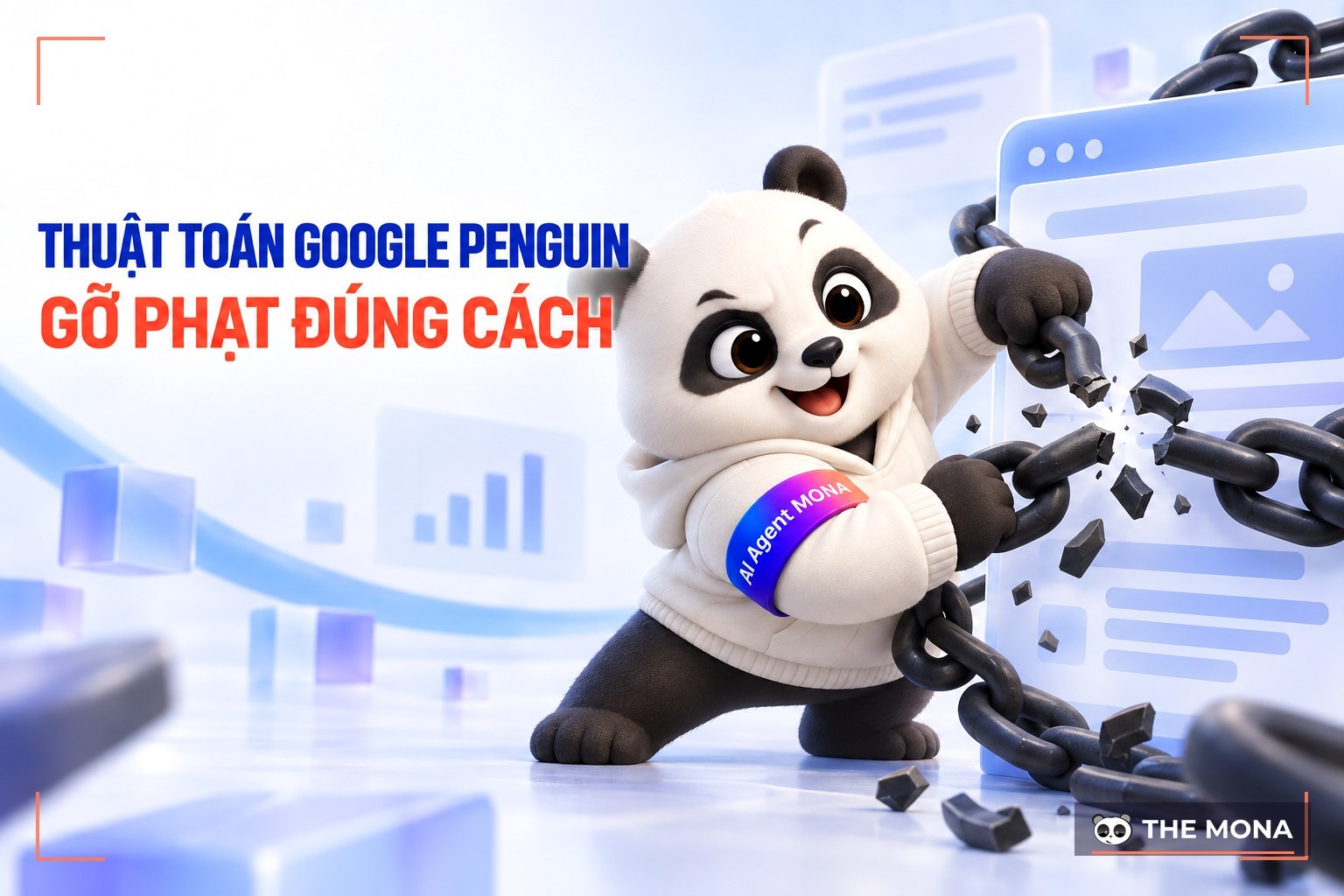
Alongside Google Panda, Google Penguin algorithm is used to fight low-quality content as well as black-hat SEO tactics. Knowing what the Google Penguin algorithm is has become essential knowledge. For SEOers, understanding Google's algorithms makes SEO more precise and gives the control needed to improve a website's quality. Let's go through MONA Media look at how to recover when your website is penalized by the Google Penguin algorithm in the article below.
Google Penguin is an Google's algorithms developed and applied mainly to fight link spam and keyword stuffing used to boost rankings. Penguin also targets link-spam schemes, automated tactics and low-quality link building carried out on websites.
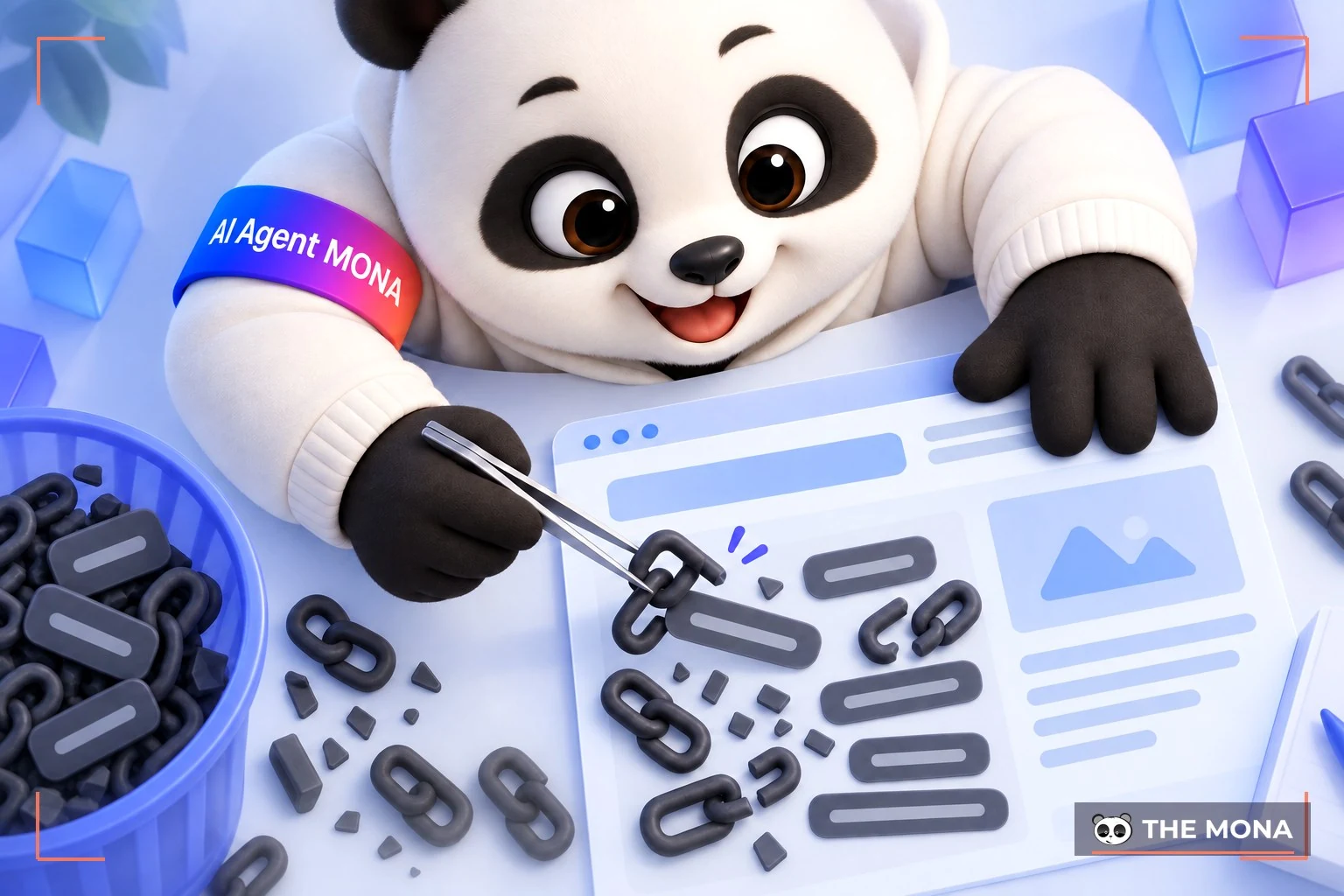
This algorithm counters tactics such as blog comment spam, directory spam, bought links and article spam. It also works in several other ways to quickly demote websites with low-quality links or activities that violate the webmaster guidelines Google has set.
In general, once the Google Penguin algorithm is in use, it directly affects a website's ranking to a certain extent. Penguin deducts points for negative factors, which in turn affects the ranking of the websites we build and develop.
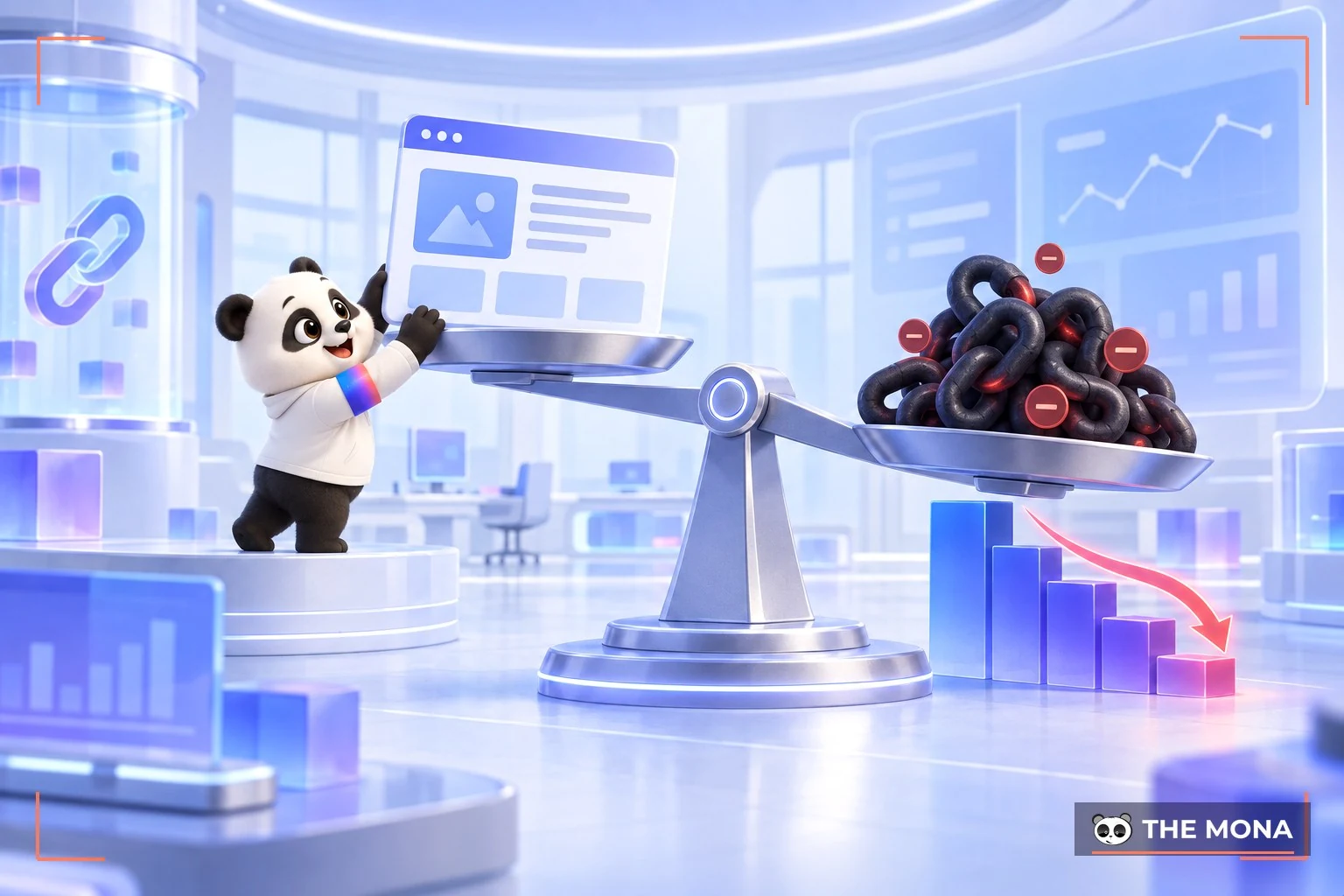
So if you want your website to be rated highly, rank well and stay clear of the algorithm's effects, following Google's guidelines is mandatory. Put more effort into complete content and into building a quality backlink system, so that the website is high quality and works effectively.
Until before 2012, links were a major ranking factor with a strong influence on a website's ranking in Google's algorithms. That held until SEOers kept creating huge numbers of links using dubious, non-transparent tactics. In response, Google developed the Penguin algorithm, which mainly targets specific groups such as:
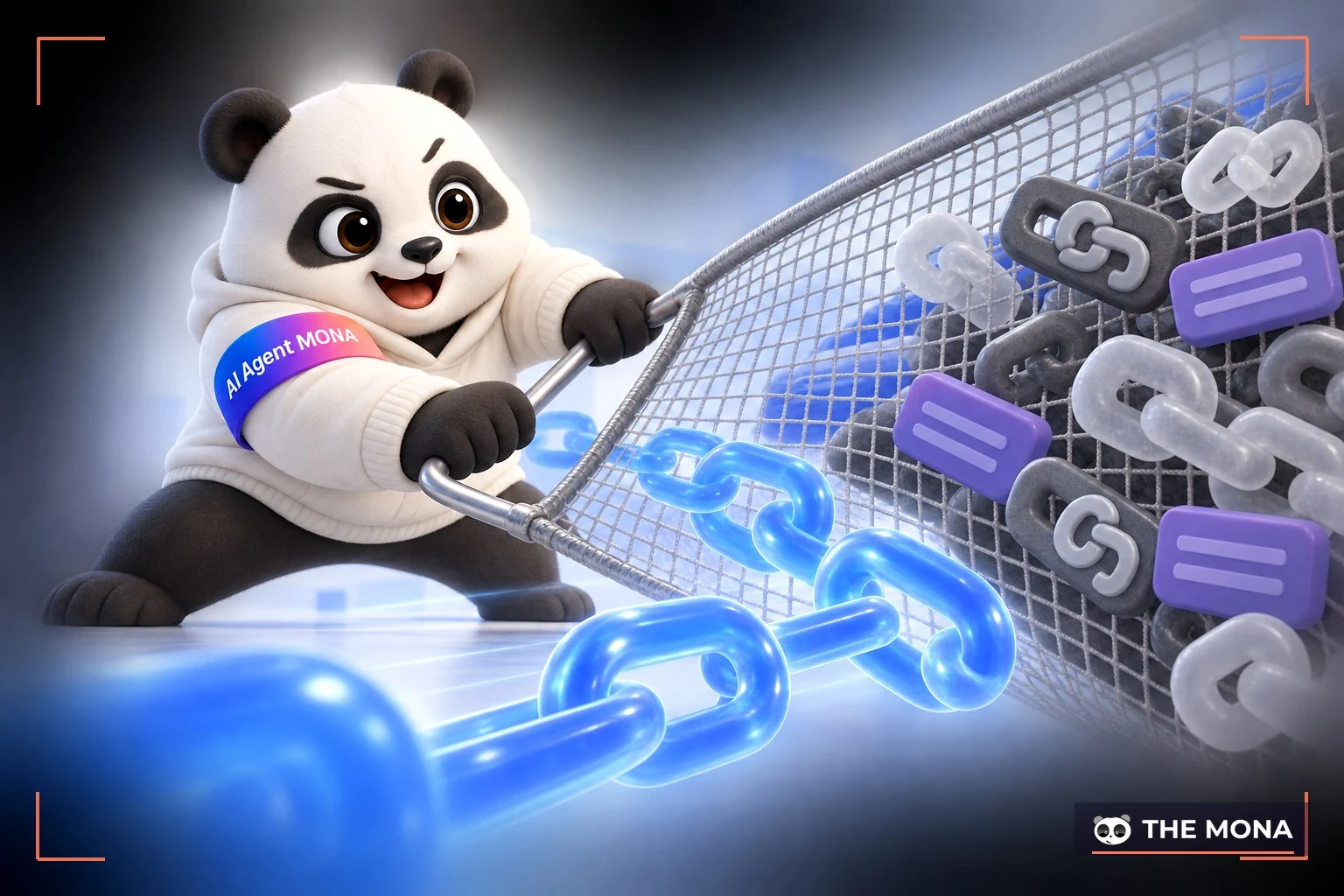
In essence, the Google Penguin algorithm simply ignores unnatural websites or lowers their ranking in Google's ranking calculations. Knowing who Penguin targets helps us take the initiative in building and developing our how to improve SEO for your website of your own.
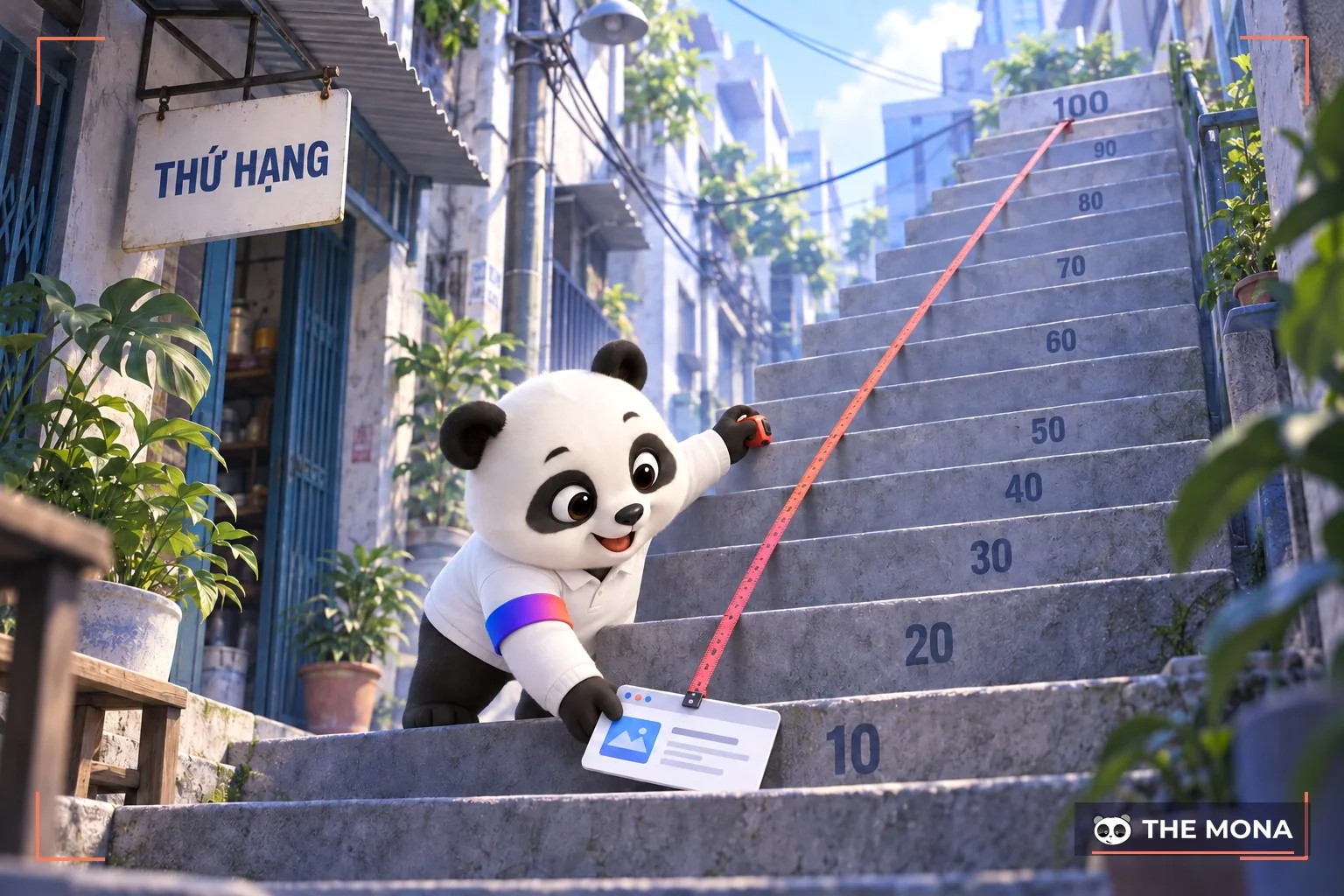
Google Penguin is a Google algorithm designed to detect and handle backlink spam used to manipulate search rankings. When your website breaks the standards for link quality, you may well have been hit by Penguin. The clearest sign is a sharp drop in keyword rankings, especially if your keywords suddenly fall out of the top 100 results. Here are some signs that your website is being penalized.
I see many people new to SEO chasing tricks, while Google keeps getting smarter. In this video I share how Google's algorithms came about and why the old ways of doing SEO no longer work.
Google Penguin is one of Google's important algorithms, aimed at unnatural backlink building used to manipulate search rankings. When a website is hit by Penguin, recovery takes not only effort but also the right strategy. Here are some effective ways to deal with the penalty.
First, check your entire backlink profile. Links from spam, low-quality or unrelated sources seriously damage a site's reputation. Use tools such as Google Search Console, Ahrefs or SEMrush to analyze and filter out toxic backlinks. Evaluation should look beyond quantity to the quality and naturalness of each link.
When you have identified low-quality backlinks that you cannot remove at the source, use the Disavow Link tool in Google Search Console to remove spam links that hurt your website.

This tells Google to ignore unwanted links when evaluating your website. Be careful when using it, though, so you do not disavow good links on your site by mistake.
Rather than removing backlinks one by one, it is better to disavow domains that contain many toxic links. This saves time and makes sure no bad backlink from that domain can still hurt your website.
Not every backlink from a big site is trustworthy. Some large websites are abused to place paid backlinks or rent out posting slots. So even when you get a link from sites like VnExpress, Medium or BBC, check the content and the context of the link before treating it as a quality backlink.

Using too many ad links or unnatural links (spam links) can seriously damage website quality, user experience and, above all, your ranking on Google. Google's Penguin algorithm values transparent and natural backlinks, so keeping these links to a minimum is key to SEO strategy over the long term.
To avoid a Google penalty, do not put too many ads on one page, or it may be treated as spam. Links should fit the content, give readers value and not distract them. Also, work only with reputable sources and remove backlinks from careless forums, blog comments and link farms to keep your link profile clean and safe.
After removing the bad backlinks, the next task is to rebuild a quality backlink profile to recover your rankings. Focus on natural backlink sources such as high-quality content, guest post from reputable sites, or legitimate PR campaigns.
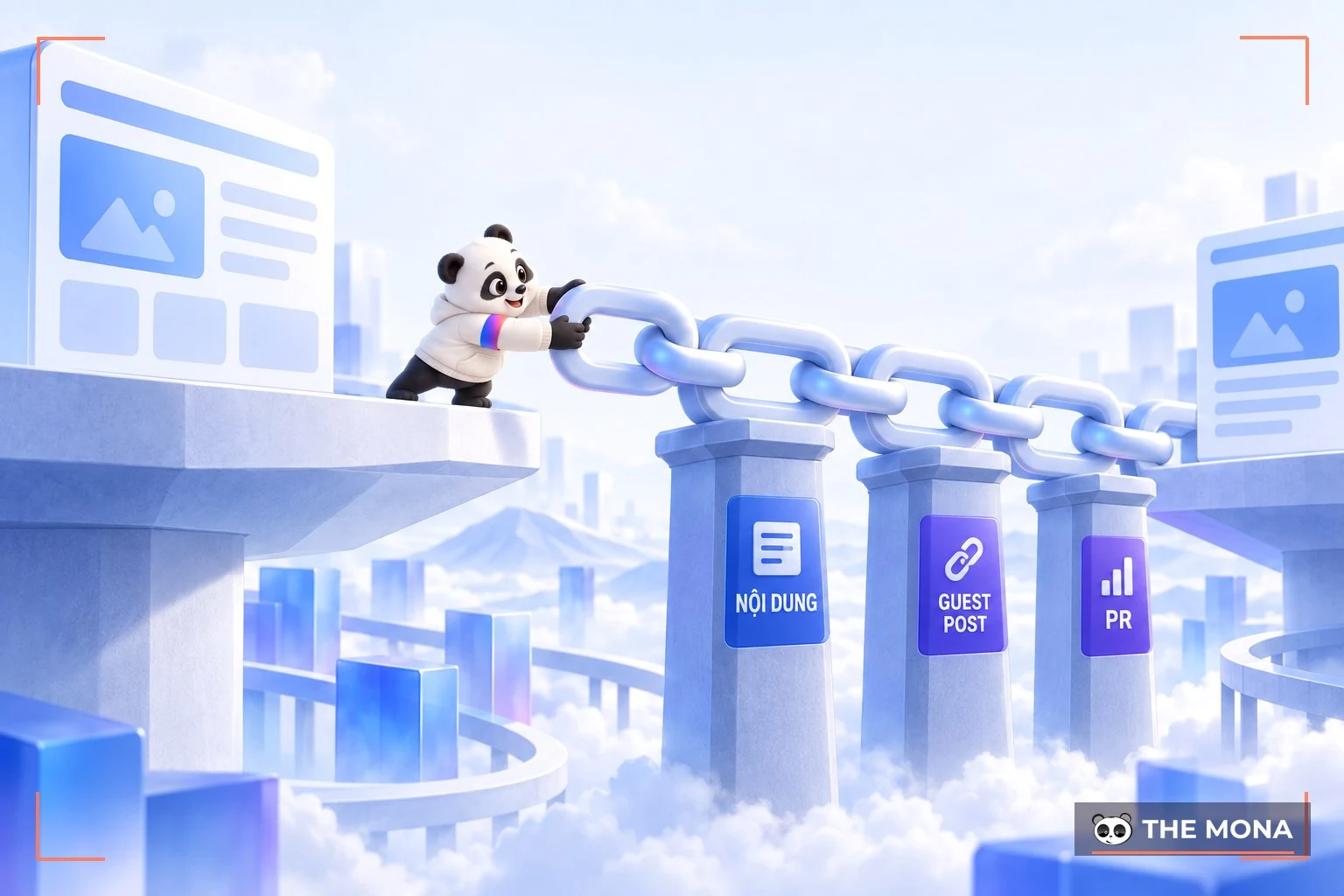
Also optimize internal links by linking articles on the same topic together in a topic cluster model. This helps users reach information easily and helps Googlebot better understand your site's structure and content. In addition, your external backlink strategy should pay attention to the credibility of the sites and to topics related to your field.
Although Penguin focuses on backlinks, maintaining content quality and a user experience smooth experience is always the foundation for a quick recovery. Useful, regularly updated and readable content attracts organic traffic, which makes it easier to build quality backlinks.
Although Google Penguin mainly evaluates and handles unnatural backlinks, maintaining content quality and a smooth user experience remains an important foundation for recovering quickly after a penalty. Useful, regularly updated content not only attracts organic traffic but also makes other reputable sites want to link to your website.
When content quality is maintained, users have a better experience, stay on the page longer and bounce less, which indirectly raises your site's standing with Google.
Black-hat SEO refers to cheating tricks used to raise a website's search ranking. These practices not only violate Google's guidelines but also risk serious penalties for your site, even removal from search results.

Buying and selling backlinks or building link farms to deliberately fool the algorithm are typical examples of black-hat SEO and will almost certainly be detected and punished. To build a sustainable link-building strategy, proactively disavow toxic or untrustworthy backlinks pointing to your website.
Google applies the Penguin algorithm mainly to assess websites more fully and accurately when ranking them. Google's algorithms make SEOers and site owners more aware of the need to build a healthy website, so they can control quality, work effectively and rank better in search. For more detailed advice, or if you want to order SEO website at MONA, contact us to get SEO quote .

CEO & Founder · The MONA
Founder of The MONA, who built a services company of 200+ staff with 14,000+ projects delivered. Khánh Hùng shares how he thinks about building systems that run themselves, automating a business, and the real lessons from delivering projects at MONA.
 1,5K




Professional website
design services
Own a website with a beautiful, 100% exclusive design and a lifetime warranty, with the ability
to expand features flexibly as your business grows, starting today!






 MONA will never sell your information or send you spam


 MONA will never sell your information or send you spam
