
 MONA OS 2.0


 Tự động hoá doanh nghiệp
 Cẩm nang SEO
 Digital Marketing
 Kinh nghiệm thiết kế website
 Hạ Tầng Server
 Giáo dục



 VI
 EN















Message us on
Zalo Official


 Products

 ProductsProducts










 Website designLooks good and convinces your customers.
SEO servicesBrings in customers searching for exactly what you sell.
 Tư vấn digital marketingKéo khách từ nhiều kênh, đo bằng số thật.
Corporate video productionVideos introducing your company, factory and team.
 NewAI video productionCompany story films made with AI.
 Custom software developmentCRM, ERP and HRM built for your business.
 Viết AI Agent theo yêu cầuĐặt riêng một trợ lý AI cho đúng việc của mình.
 Tư vấn chuyển đổi AIĐưa AI vào vận hành của cả công ty.
NewMONA LMSManagement for centers and schools.
MONA SkillHubInternal training for company staff.
 NHTQ systemEnd-to-end China–Vietnam shipping operations.
MONA JMSManagement for gold, diamond and pawn shops.
 MONA E-LearningA website with every feature you need to sell courses.
 Course on selling online coursesMore than 30 free lessons on selling courses automatically.
 MONA Cloudmonacloud.vnServers to get your apps and websites running.
 MONA Basemonabase.vnPostgres database, sign-in and file storage.
 MONA Mailmonamail.vnSend OTP, order and invoice emails from your software.
 MONA Paymonapay.vnReceive bank transfers via VietQR, with payment alerts sent to your software.
 MONA eInvoiceComing soonIssue e-invoices that meet tax standards.
Gấu CườiTrả lời khách 24/7 trên web, Fanpage, Zalo và thu lead cho sale.
 Gấu TeleSalesGọi điện tư vấn, chăm khách như tổng đài viên thật.
Dê CườiTư vấn và chốt đơn cho shop ngay trong khung chat.
Gấu WebmasterNhắn nhóm Zalo là website được sửa xong.
 Gấu Pháp ChếSoạn hợp đồng, rà điều khoản trong vài phút.
 Gấu Báo GiáLên báo giá đúng mẫu và gửi khách ngay.
 AI chăm sóc khách hàngTheo dõi và giữ chân khách hàng cũ.
 Gấu Tuyển DụngLọc hồ sơ, hẹn lịch, phỏng vấn ứng viên.
 AI
Gấu Cười MONA ĐANG TỰ XÀITrả lời khách 24/7 trên website, Zalo OA, Messenger và thu lead về cho sale.
Dê CườiChốt đơn bán lẻ và sàn: Shopee, TikTok Shop, web. Chăm cả khách sỉ, đại lý.
Gấu WebmasterCập nhật nội dung, tối ưu SEO website mỗi ngày.
Gấu TeleSalesGọi điện tư vấn, chăm khách như tổng đài viên thật.
Gấu Tuyển DụngLọc hồ sơ, hẹn lịch, phỏng vấn ứng viên tự động.
AI chăm sóc khách hàngGiữ khách cũ, cứu lead đã rớt cho phòng kinh doanh.
Gấu Pháp ChếSoạn hợp đồng, rà điều khoản trong vài phút.
Gấu Báo GiáLên báo giá đúng mẫu, gửi khách ngay khi có yêu cầu.
 Chuyển đổi AI toàn phầnGiải pháp tổng cho doanh nghiệp, 3 lớp triển khai.
 Viết AI Agent theo yêu cầuĐặt riêng một con AI gánh đúng nghiệp vụ của bạn.
 Custom softwareCRM, ERP and HRM with built-in AI automation.
 SEO & AEO thời đại AIĐược Google lẫn AI trích dẫn, không chỉ xếp hạng.
 Kiến thức AI cho doanh nghiệpBài phân tích, hướng dẫn ứng dụng AI vào vận hành.
 Free AI courses
 AI tools at work

11 September, 2023
With digital marketing changing fast, SEO no longer works the old way either. The growth of AI is clearly changing search behavior, how content is created and how Google evaluates websites. According to HubSpot data, about 8 out of 10 marketers believe generative AI will change how they produce content, 85% say the technology helps improve content quality, and 61% see AI as the biggest wave of change in marketing in the past 20 years.
Meanwhile, Google has expanded AI Overviews to more than 100 countries and more than 1 billion users per month, showing that SEO today is not just a keyword race but also a race on content quality, usefulness and how well you meet search needs. So with the market constantly changing, what is the secret to getting a website to the top of Google effectively and sustainably? Let's MONA Media explore an effective website SEO guide in this article!
SEO is an essential part of a Digital Marketing strategy. It is the process of optimizing a website to improve its rankings on search engines and increase brand visibility online. Before answering the question “how do you do website SEO effectively?” and how to learn website SEO properly on your own and practice advanced techniques, mastering the basics of SEO is very important for building a solid foundation.
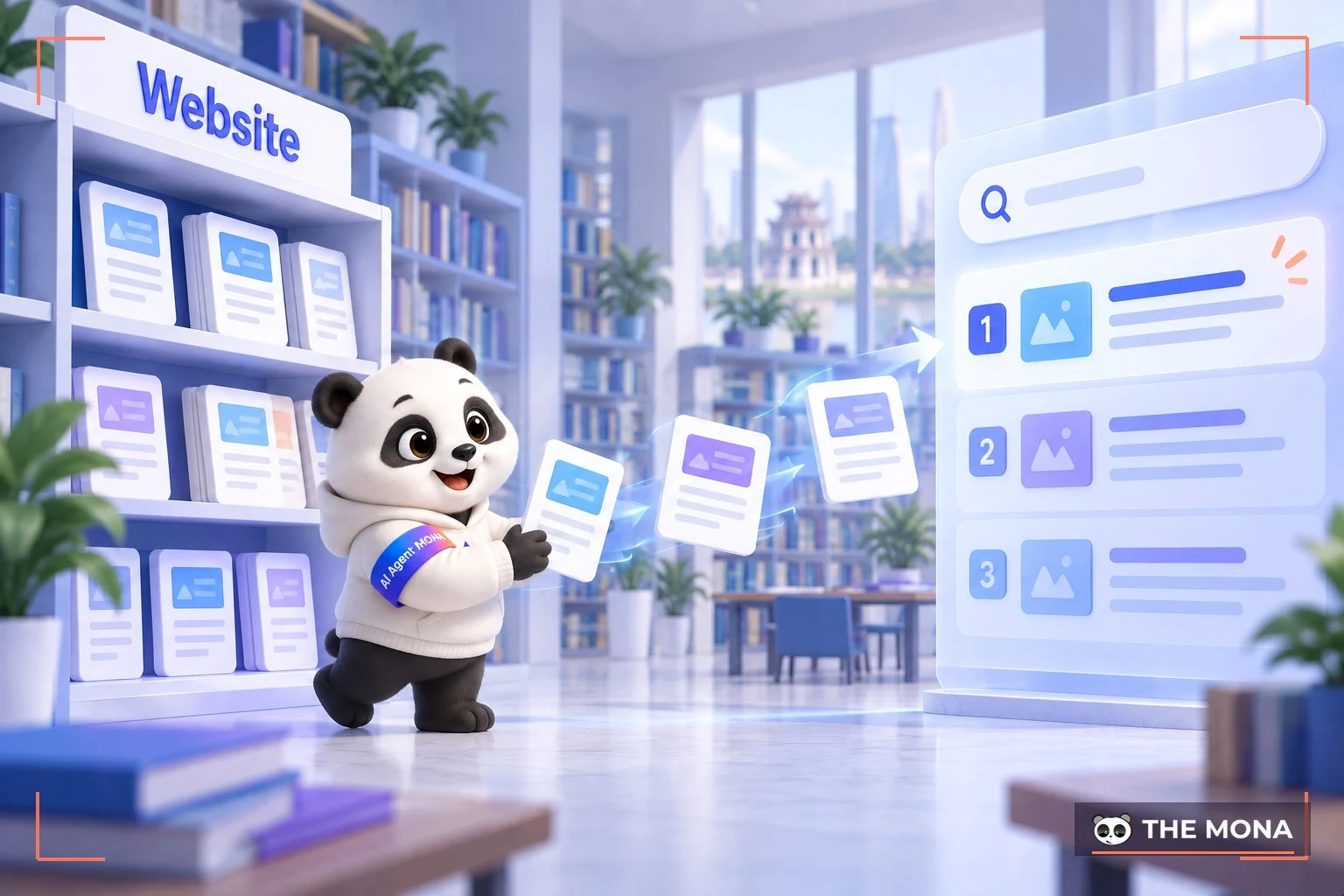
SEO là gì (What is SEO)? (Search Engine Optimization) is the process of optimizing a website to appear in high positions on the results pages (SERPs – Search Engine Results Page) of search engines such as Google, Bing and Yahoo. For each specific keyword, the goal of the SEO process is to make sure your website appears as high as possible, attracting quality traffic and increasing the chance of conversion.
Today, SEO has become a fast-growing industry within online marketing, requiring creativity, in-depth technical skills and data analysis to carry out effective optimization strategies. But when doing SEO on a new website yourself, not everyone gets it to the top of Google with the results they hoped for.

Is website SEO hard? The answer depends on how you approach it. Search engines like Google rank websites on the SERP (Search Engine Results Page) based on many complex SEO algorithms , which can sometimes make SEO hard for beginners. However, with help from Google's SEO documentation and detailed website SEO guides from many reputable sources, you can quickly get a firm grasp of how the SEO process works.
To get keywords to the top of Google and optimize effectively, you need to focus on key factors such as building quality backlinks, developing engaging content and optimizing your website's technical elements. By following these strategies, you can not only build your own SEO campaign that reaches the top and attracts potential customers, but also improve your chances of success in online business.
SEO does not just get your website to the top of Google; it is also an important strategy for attracting customers for free. In fact, MONA started doing SEO to get its website to the top of Google in 2018-2019 and still keeps a steady flow of leads today, with 70+ leads/day from the SEO site, far more effective than paid ads. So how do you do website SEO effectively? The video below will help!
To learn how to build an SEO campaign that gets a website to the top, the most important thing is to understand clearly how search engines work and how they rank websites. Even small, basic optimization changes can make a big difference in improving a website's position on search engines.
When you want to get your website to the top of Google effectively on your own, lots of research and practice is the best way. The internet can give you a huge amount of free Google SEO tips, but you have to review and filter that information wisely. Joining SEO training courses at reputable centers is also a good way to keep up with the latest knowledge and to exchange ideas with and learn from leading experts in the field.
| ✅SEO OnPage | ⭐️On-page factors |
| ✅SEO OffPage | ⭐️Off-page factors |
| ✅SEO Local | ⭐️Local visibility optimization |
| ✅SEO Technical | ⭐️Better experience |
| ✅SEO Content | ⭐️Content optimization |
| ✅SEO Mobile | ⭐️Mobile experience |
To become an SEO expert, you need to take in a huge amount of knowledge. For a beginner learning how to get a website to the top of Google, there are some basic areas you must master to get the best results, specifically:

To get a website to the top 1 of Google effectively, applying a keyword SEO strategy together with the right overall strategy is key, helping you make the most of your resources and time. Below are some ways to do SEO yourself and reach the top of Google that MONA has put together to help you optimize your website:
By applying these methods deliberately and patiently, you will gradually see positive changes as you work to get your website to the top of Google.
You guys think top 1 is as high as it gets, right? Nope, above top 1 there's still a “throne” called Top 0. In this video Huy breaks down why it matters and how your website can grab that spot. Go watch the video, guys!

Google Search normally works fully automatically, in three main steps:
Understanding how Google's search engine works helps you know how to get your website onto Google fastest, so your new website quickly gains recognition and a higher conversion rate.
Exactly how long it takes to see results from SEO work is something many people want to know. In reality, each change made on a website takes a different amount of time to be reflected by Google in search results. Some changes can show results within a few hours, but bigger changes or changes related to a website's ranking can take a few weeks or even a few months.
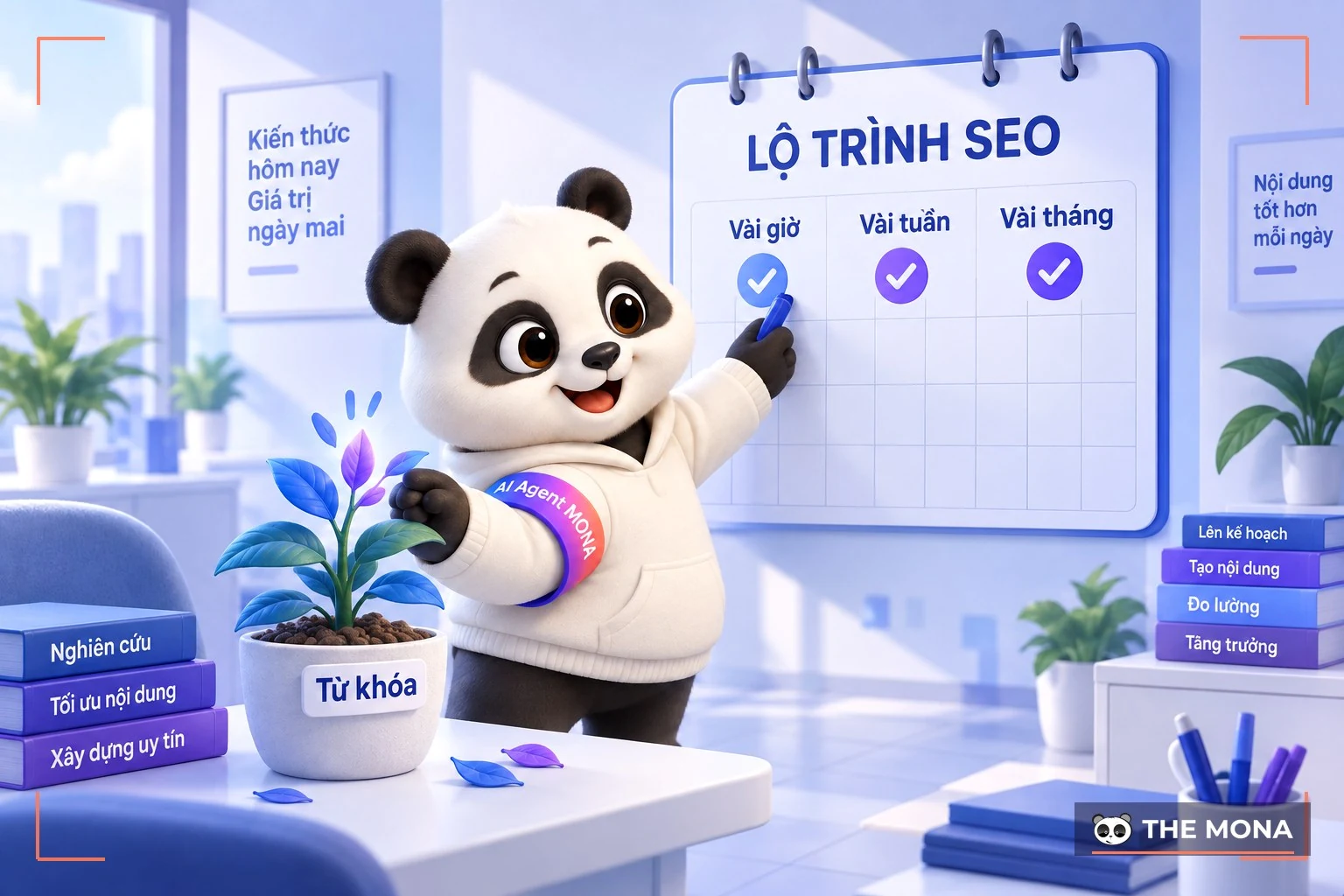
You need to wait at least a few weeks before evaluating the results of your SEO strategy. Tracking metrics and changes in your website's search engine rankings at the same time is also the fastest way to get your website to the top of Google. Not every change has a noticeable impact on search results, so adjusting and testing different strategies is also an effective way to learn SEO on your own.
Many service companies never manage to grow just because they quote prices wrong from the start. Lots of work, lots of exhaustion, but not enough money to grow. Watch this video to see how Hùng thinks about pricing in B2B.
Getting a website to the top of Google starts with keyword research, then content optimization, link building and performance tracking. Following the beginner SEO steps below will help you understand and do website SEO effectively.

How do you do SEO and where do you start? The answer is that in website SEO, keyword research and analysis is extremely important. You need to identify the potential keywords for your website.
To do that, you can apply the following ways to get your website onto Google:
Say you offer SEO services; you could make a keyword list like this:

Before rolling out any website SEO approach, auditing and analyzing the website is very important to make sure the strategy works. You need to check the following:
From the keyword set you researched earlier, you need to build a detailed content plan for your website to optimize your strategy for getting keywords to the top. This plan includes deciding how many articles to publish each month, keeping to schedule and achieving the SEO results you want.

Managing the quality of incoming content is also key: make sure content meets SEO standards while being engaging and memorable for readers. Content needs to be high quality and engaging, and it must also accurately reflect the important keywords related to your business, improving results during on-page optimization and publishing.
On-page optimization is an essential part of the website SEO guidance that the reputable SEO agency MONA wants to share with you. To do it, focus on factors such as:

For example, if your website is about Marketing and you need to optimize for the keyword “SEO services”, you can follow the website SEO guide below:
By following the steps above and optimizing keywords for your website, you can get your website to the top of the related search results and attract users interested in your products or services. Always remember the SEO terms and apply these SEO guidelines to your website to get the best results.
No guide to getting a website to the top would be complete without link building. This is an important part of raising a website's credibility and its rankings on search engines. There are 3 types of links you can build for a website:

To know whether your approach to getting your website to the top of Google is working, checking, tracking and evaluating performance is an essential step. To get your website to the top of Google effectively, you need to manage the whole picture and keep up the following tasks regularly:
Some SEO tools that can help measure results and identify opportunities and gaps in your SEO strategy include Google Search Console, Ahrefs, SEMrush, Moz Pro, SERP Watcher,…
So what does SEO cost? Exactly which costs you have to cover to run SEO that works: the video below answers all of these questions in detail.
CLICK the video to watch now!
SEO is no longer simply stuffing keywords or building links at random. With the rapid progress of artificial intelligence, Google keeps getting smarter and keeps updating its algorithms to prioritize user experience. As AI plays an increasingly important role, website SEO needs to be done more methodically, combining many complex factors to achieve lasting rankings.
For new websites to reach many potential customers, the website has to appear in every “corner” where users can easily see it. And to get a website to the top of Google search, doing SEO for the website is one of the most effective ways to increase brand coverage on the internet.
However, instead of rushing to compete for keywords with high difficulty (Keyword Difficulty – KD), start by researching and developing content around keywords with low KD. This is the smarter and more practical choice.
Why is that? Today you can see that highly competitive keywords are usually “monopolized” by big brands with plenty of resources, which makes your chances of reaching the top slim. Instead of trying to go “head to head” with the “big players”, focus on niche keywords or long-tail keywords, where there are fewer competitors and ranking high is within reach.

This step not only helps the website quickly gain steady traffic but also lays a solid foundation for winning harder keywords later on. Do the easy things first – Simple but effective!
Internal links (Internal link) means linking from one page to another within the same website. This is an important step that makes your website stronger and helps it reach the top of Google more easily. When you link pages together, users find the information they need more easily, and Google also better understands the content on your website. It also lets SEO “strength” (called PageRank) pass from strong pages to weaker pages, so the whole website performs better.

For example, suppose you have a website about the restaurant business with the following 4 articles:
You can link the pages as follows:
From page A, link to page B with the phrase “See the detailed list of restaurant opening costs to prepare well.”
From page C, link to page D with the sentence “Using restaurant management software helps streamline operations and save costs.”
When you do this, Google rates pages B and D higher because they receive more incoming links, which improves their rankings. Users can also easily discover more related content, so they stay on the website longer. At the same time, Google better understands how the pages relate to each other, which helps the website get indexed faster. As a result, each page gradually becomes stronger and the whole website is better optimized.
Long-tail keywords (long-tail keywords) play an increasingly important role in SEO because they target specific user needs and face less competition. However, working these keywords into an article naturally can be quite difficult, because if you force them in, the content loses its coherence.
One SEO tip MONA has used to fit long-tail keywords into an article is to create a separate heading for an FAQ section, then turn the long-tail keywords into questions.
For example, instead of trying to squeeze in the keyword “Cách SEO website bán hàng lên top Google hiệu quả (how to get an e-commerce website to the top of Google effectively)“, you can ask the question: “Làm sao để SEO website bán hàng lên top Google một cách hiệu quả? (How do you get an e-commerce website to the top of Google effectively?)” or “cách SEO website hiệu quả cho kênh bán hàng (effective website SEO for a sales channel)“. Using frequently asked questions (FAQs) is a smart way to rank for long-tail keywords with clear intent.
Featured Snippet (Featured Snippet) is one of the “golden” positions on Google's search results page (SERP), showing your website right at the top of the page, even above the number 1 result. It is a short piece of content Google automatically extracts from pages in the top 10 to give users the fastest and most accurate answer. So optimizing content to win the Featured Snippet not only increases your chances of reaching the top but also brings in a large amount of quality traffic.

How do you optimize content in SEO to win the Featured Snippet? One effective way is to format the article as questions and answers. Ask specific questions that users often search for, then give short, concise and easy-to-understand answers. This is what draws Google to choose your content to display in the featured position on the search results.
Next, use formats like bullet lists, data tables or clearly structured paragraphs so Google can easily recognize and select your content. Finally, make sure the content you provide is short, easy to understand and directly solves the problem users are searching for. Besides optimizing content quality, don't forget to research and analyze the keywords your website does not cover yet.
404 links appear when a specific page no longer exists or its URL has changed without a proper redirect. These error pages not only hurt user experience but also have a negative effect on how Google crawls the site. Checking, fixing or redirecting them (301 redirect) to a page with related content is an important step in website SEO optimization, helping maintain the flow of traffic, avoid losing backlinks and protect the website's reputation.
Meta title is the first thing users see when searching on Google. A compelling title increases the click-through rate (CTR), which in turn improves the page's ranking. The title should contain the main keyword while staying natural, easy to understand and attractive. In addition, the optimal title length is usually 50-60 characters so it displays in full in the search results.

Adding new content is not the only way to improve website performance. Sometimes updating and re-optimizing old articles brings better results than expected. You can audit content articles that used to get traffic by: adding new information, optimizing keywords to match current search trends, or improving the article structure to make it easier to read and more engaging.
This website SEO tip not only saves time but also makes the most of your existing content while improving SEO rankings in a lasting way.
Core Web Vitals are an important set of metrics that measure the quality of experience on a website. Metrics such as page load speed (LCP), website response time (FID) and layout stability (CLS) all directly affect user experience.
Optimizing website speed, reducing page load time, optimizing images and using quality hosting is one of the effective ways to get a website to the top of Google, not only because they directly affect rankings but also because they clearly improve user experience.

Core Web Vitals are an important set of metrics developed by Google to evaluate user experience on a website. They focus on three main factors: page load speed (LCP), interaction response time (FID) and layout stability (CLS). These metrics not only measure website performance but are also used by Google as part of its SEO ranking signals. If your Core Web Vitals are poor, your website's ranking on Google can be significantly affected.
To improve these metrics, you need to focus on optimizing page load speed by reducing load time, compressing and optimizing images, and using web hosting with a powerful configuration.
Using statistics from reliable sources in your articles not only increases credibility but also helps persuade readers more effectively. Specific numbers make the content more authentic, replacing vague statements with clear, accessible information.
Moreover, presenting data as charts, infographics or visual lists not only makes the content livelier and more engaging but also improves user experience. When readers can easily grasp information through visual elements, they spend more time on the page and value the quality of your content more.
Redirect is the process of redirecting an old URL to a new URL to consolidate content, avoid duplication and optimize landing page SEO.

When your website has many articles on the same topic, even if each one differs slightly, Google will not know which one is the most important and should be shown first. This can lower the rankings of both pages. The online website SEO solution here is to pick the article with the best content and 301 redirect the other pages to the page with the most complete, high-quality content to improve rankings on search engines.
Quoting information or opinions from experts in your articles is a way to improve your EEAT score (Experience, Expertise, Authoritativeness, Trustworthiness). An article that cites organizations or individuals with deep experience or expertise in the field not only builds credibility and trust but also leads Google to rate the article's quality highly, which boosts the website's SEO.
For example, a health article on an official medical website (such as Vinmec, Mayo Clinic) will be rated higher by Google than an article from a personal blog without expertise.

Slug (the URL path) plays an important role in helping search engines understand a page's content. One way to boost a website's SEO is to put the main keyword or related phrase into the slug of the URL. However, also make sure the URL is short, easy to read and accurately describes the page's content.
For example, instead of using a long URL like: example.com/cach-seo-website-len-top-google-moi-nhat-2026
You can shorten it to: example.com/seo-website-top-google
A clear, well-structured slug also helps increase the click-through rate from search results.
Also, Google AI has changed, and so has SEO in 2026 – watch the video below so you don't get left behind!
With search behavior changing fast, doing SEO only the traditional way is not enough. If a website is not optimized so AI can read, understand and correctly evaluate its content, the brand can easily fade in the new search results and miss many potential customers.
That is why building an AIO SEO strategy is becoming an important competitive advantage, helping businesses increase their chances of appearing in AI-generated answers while reaching users in a more natural and lasting way.
When a website's content is clearly organized, highly trustworthy and offers real value, search engines and large language models such as ChatGPT or Gemini can more easily crawl the data, understand the context in depth and recommend your brand more often.
Applying effective ways to reach the top of Google not only improves rankings on the SERP but also improves user experience. From optimizing page load speed and clear content structure to mobile-friendly design, these basic SEO steps boost rankings and improve UX/UI at the same time in a lasting way.
Take a look at the guide to SEO for Google and improving UX/UI that MONA has put together in the following 10 ways to boost your website's SEO.
Content that is easy to read and understand not only makes users enjoy it more but is also an important SEO factor. When you make useful articles clear and coherent, readers stay on the page longer and interact more, which also helps get the website to the top of Google in a lasting way.

Here are some ways to make your content easier to read and more engaging:
In addition, make sure your articles are long enough to give readers useful information without being spammy or pointless. Usually a useful blog post should be at least 1,000 words long, ideally 1,500 – 2,000 words. Along with that, include at least 3 illustrative images for every article longer than 1,000 words to improve the reading experience and make the content more engaging.

Readers tend to skim, so you only have a few seconds to hold them. That is why most website SEO guides mention optimizing content with the inverted pyramid structure.
This approach to SEO for new websites ensures readers get value from the article from the very first lines. Less important information goes at the end. This increases engagement and reach for the target keyword, improves the website's SEO performance and creates a positive user experience.
Using copywriting bucket phrases can help you capture readers' attention and spark curiosity. This SEO tip is quite simple: start with a short teaser paragraph or ask a question, then end it with a colon. Finally, just deliver the main point clearly and compellingly. Here are some phrases you can apply to your content:
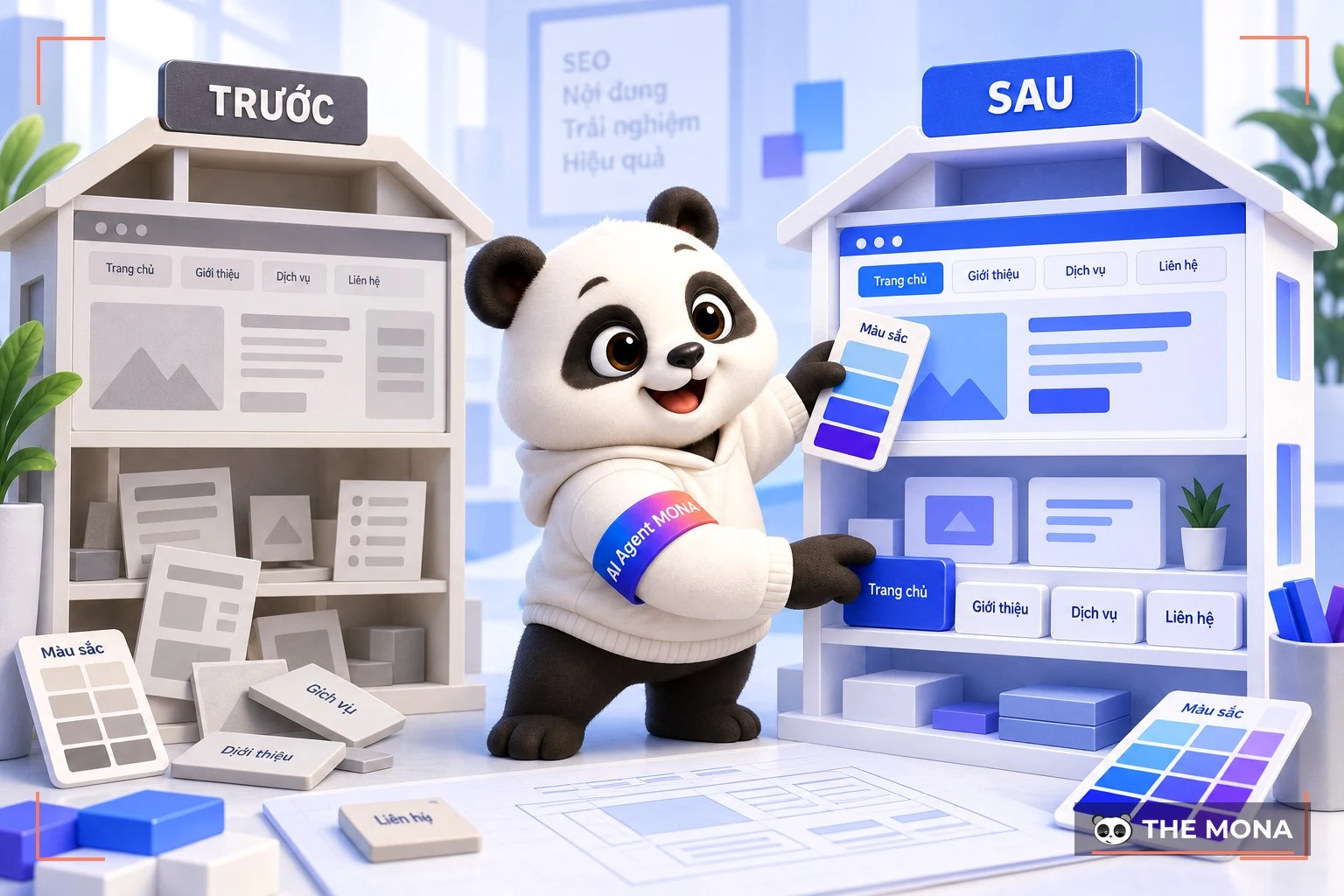
Improving website design not only enhances user experience but also improves the website's SEO performance. A website with a high bounce rate usually suffers from poor user experience. To solve this, use user testing tools such as Google Analytics or Crazy Egg to analyze how people interact with your website, find the problems and fix them.

Optimizing page load speed is an important factor if you want to reach the top of Google Search. Users don't like waiting long for a page to load. Faster pages not only improve user experience but also increase conversions. It is also an important factor Google evaluates when ranking websites. Here are some basic SEO tricks you can use to improve page load speed:
These keywords are usually longer than 3 words and have few competitors. They reflect the user's buying journey from searching for information to deciding to buy a product or service. By optimizing your website's SEO with long-tail keywords, you can attract many potential customers without having to compete too hard with big rivals.
When looking into how to make a new website more visible on Google, don't overlook Schema Markup. It is not only a tool that helps you “explain” your website's content to search engines clearly and accurately, but also a competitive advantage in full-scope SEO optimization.
Identifying the right target audience is an important step in an online website SEO strategy. By building out information such as status, age, occupation, interests and habits, you can better understand your target audience and create content that suits them. This increases your chances of attracting quality traffic and raises the conversion rate on your website.

On the other hand, if you don't understand your target audience well, you may end up creating content that not only fails to attract but also bores viewers.
Content with correct spelling and grammar not only helps readers take in information easily but also shows the professionalism and credibility of a website. On the other hand, a website with too many grammatical errors is easily judged as careless and low quality, which can lead to a significant loss of traffic.
One of the SEO guidelines for reaching the top of Google Search that you need to focus on is researching your competitors. By analyzing your competitors' activities from many angles, you can grasp the trends and strategies they use to improve their positions on search engines. This helps you understand the market better and compete better.
Many people often ask: “How long does it take to learn SEO on your own?”. There is no fixed answer, because the time it takes to learn SEO on your own and do SEO for a real project depends on many factors such as your budget, passion and approach. To master website SEO, the key is to keep learning and especially to practice on many real projects to build experience. Learning SEO is not just about knowing the theory; it also takes persistence and a strong drive to teach yourself.
People on a limited budget usually learn from free online sources. However, progress is slow because you have no clear direction or cannot find reliable sources. On the other hand, investing in in-depth courses and practicing what you learn can shorten your learning time significantly.

SEO for a new website takes patience, focus and a long time of continuous learning and practice. In addition, how passionate you are about SEO and how much you enjoy it also play an important role in teaching yourself to do website SEO effectively.
≫ See our: Keyword SEO services in Ho Chi Minh City increase conversions
Beginners often wonder how website SEO works and whether they can do SEO themselves. Getting a website to the top is not simple at all and can take a considerable amount of time. To master the necessary knowledge and skills, having your own effective website SEO guide is essential.

At the same time, to succeed in learning SEO online, you need:

When teaching yourself SEO, reliable materials are a big concern. Today there are many free online SEO learning materials from reliable sources that you can use as an effective website SEO guide, such as:
Using free online SEO learning materials is an effective way to master SEO knowledge and develop skills in the field. Teaching yourself SEO not only saves you time and money but also helps you understand more deeply how search engines work and how to optimize your own website.
Above is a detailed walkthrough of the fastest way to get your website to the top of Google with SEO. As you can see, SEO is an important factor that helps you carry out SEO strategy effectively. However, teaching yourself SEO at home is a long process that takes patience and effort. We hope the steps for doing SEO on a website in this article from MONA Media will help you as you “tinker” your way through learning SEO. If you want to turn your website into an effective customer magnet and hold your place in Google's rankings with effective website SEO methods, feel free to contact MONA. We will give you detailed advice and a SEO service costs well-optimized quote, helping your business keep growing.

CEO & Founder · The MONA
Founder of The MONA, who built a services company of 200+ staff with 14,000+ projects delivered. Khánh Hùng shares how he thinks about building systems that run themselves, automating a business, and the real lessons from delivering projects at MONA.
 1,9K





Professional website
design services
Own a website with a beautiful, 100% exclusive design and a lifetime warranty, with the ability
to expand features flexibly as your business grows, starting today!








 MONA promises never to use your information for sale or SPAM


 MONA promises never to use your information for sale or SPAM
