
 MONA OS 2.0


 Tự động hoá doanh nghiệp
 Cẩm nang SEO
 Digital Marketing
 Kinh nghiệm thiết kế website
 Hạ Tầng Server
 Giáo dục



 VI
 EN









Message us on
Zalo Official


 Products

 ProductsProducts










 Website designLooks good and wins customers over.
SEO servicesBrings in customers searching for exactly what you sell.
 Tư vấn digital marketingKéo khách từ nhiều kênh, đo bằng số thật.
Corporate video productionVideos introducing your company, factory and team.
 NewAI video productionCompany story films made with AI.
 Custom software developmentCRM, ERP and HRM built for your business.
 Viết AI Agent theo yêu cầuĐặt riêng một trợ lý AI cho đúng việc của mình.
 Tư vấn chuyển đổi AIĐưa AI vào vận hành của cả công ty.
NewMONA LMSManagement for centers and schools.
MONA SkillHubInternal training for company staff.
 NHTQ systemEnd-to-end China–Vietnam shipping operations.
MONA JMSManagement for gold, diamond and pawn shops.
 MONA E-LearningA website with every feature you need to sell courses.
 How to sell online courses (course)More than 30 free lessons on selling courses on autopilot.
 MONA Cloudmonacloud.vnServers to get your apps and websites running.
 MONA Basemonabase.vnPostgres database, sign-in and file storage.
 MONA Mailmonamail.vnSend OTP, order and invoice emails from your software.
 MONA Paymonapay.vnAccept bank transfers via VietQR and notify your software when the money arrives.
 MONA eInvoiceComing soonIssue e-invoices that meet tax standards.
Gấu CườiTrả lời khách 24/7 trên web, Fanpage, Zalo và thu lead cho sale.
 Gấu TeleSalesGọi điện tư vấn, chăm khách như tổng đài viên thật.
Dê CườiTư vấn và chốt đơn cho shop ngay trong khung chat.
Gấu WebmasterNhắn nhóm Zalo là website được sửa xong.
 Gấu Pháp ChếSoạn hợp đồng, rà điều khoản trong vài phút.
 Gấu Báo GiáLên báo giá đúng mẫu và gửi khách ngay.
 AI chăm sóc khách hàngTheo dõi và giữ chân khách hàng cũ.
 Gấu Tuyển DụngLọc hồ sơ, hẹn lịch, phỏng vấn ứng viên.
 KHA AI 2027
Xây kênh chuyên gia 2 phút mỗi ngày
Quay bằng điện thoại, AI tự edit video, tự đăng lên 16 nền tảng và tự trả lời bình luận, tin nhắn.
288.374lượt xem trên kênh CEO MONA sau 17 ngày
 Anh Khánh HùngCEO MONA đang dùng mỗi ngày
Xem app làm được gì
 AI
Gấu Cười MONA ĐANG TỰ XÀITrả lời khách 24/7 trên website, Zalo OA, Messenger và thu lead về cho sale.
Dê CườiChốt đơn bán lẻ và sàn: Shopee, TikTok Shop, web. Chăm cả khách sỉ, đại lý.
Gấu WebmasterCập nhật nội dung, tối ưu SEO website mỗi ngày.
Gấu TeleSalesGọi điện tư vấn, chăm khách như tổng đài viên thật.
Gấu Tuyển DụngLọc hồ sơ, hẹn lịch, phỏng vấn ứng viên tự động.
AI chăm sóc khách hàngGiữ khách cũ, cứu lead đã rớt cho phòng kinh doanh.
Gấu Pháp ChếSoạn hợp đồng, rà điều khoản trong vài phút.
Gấu Báo GiáLên báo giá đúng mẫu, gửi khách ngay khi có yêu cầu.
 Chuyển đổi AI toàn phầnGiải pháp tổng cho doanh nghiệp, 3 lớp triển khai.
 Viết AI Agent theo yêu cầuĐặt riêng một con AI gánh đúng nghiệp vụ của bạn.
 Custom softwareCRM, ERP and HRM with built-in AI automation.
 SEO & AEO thời đại AIĐược Google lẫn AI trích dẫn, không chỉ xếp hạng.
 Kiến thức AI cho doanh nghiệpBài phân tích, hướng dẫn ứng dụng AI vào vận hành.
 Free AI courses
 AI tools at work
 App mới · KHA AI 2027
Xây kênh 2 phút mỗi ngày
AI tự edit video, tự đăng mọi mạng xã hội
Free consultation, 8am–10pm every day

19 May, 2023
Anyone who has built a product knows this frustrating truth: A good product alone is never enough. You invest in quality, think through every detail, and set a fair price so everyone can afford it. Yet customers scroll right past. It isn't that they don't need it. They don't understand it yet, they don't trust it yet, and above all they haven't felt that "this is exactly what I'm looking for". This is where content marketing comes in. It doesn't push "buy now before it's gone". It tells a story that is real and thoughtful enough for customers to see themselves in it.
Once you get this right, you no longer have to shout about price or list features. People don't buy a product, they buy trust and a sense that you get them. So what is content marketing, really? And how do you run it well, so it attracts the right people and also leads to buying decisions? Let's MONA Media find out in this article.
Content marketing is a marketing strategy built on content. It focuses on creating and distributing valuable, relevant and consistent content to attract the right target audience. Instead of selling directly, content marketing offers useful information through blogs, videos, infographics, guides and more. It helps customers understand their own problem, gradually trust the brand, and see the value of the product or service for themselves. When people get real benefit from your content, they engage more and are ready to buy and try it.

A content marketer's job covers the following:
Watch the video below to see why authentic, valuable content is the "key" to standing out and attracting customers:
≫ See more: 9 Types of content most commonly used. How to invest in content marketing effectively
Many people confuse content marketing with ordinary "content writing", but the difference lies in the goal.
The table below compares the two types of content:
| Difference | Content Marketing | Ordinary content |
|
Purpose |
|
No specific goal, usually general information or knowledge |
|
Audience |
A specific customer group or industry | Everyone |
| Marketing strategy | Usually has a clear, specific approach | Usually has no specific strategy |
| Distribution plan | Planned distribution across specific target channels | Usually distributed at random across platforms |
| SEO optimization | Prioritized and always included | Not necessarily included |
| Intended result |
|
Usually no clear goal |
Content marketing is more than "one part of a marketing strategy". It has become a pillar of building a brand, earning trust and driving steady growth in the digital age. A solid content marketing strategy helps a business:
Customers rarely believe what a brand says about itself. They believe what they find and check on their own. A well-built content marketing strategy raises awareness in a "soft" way that lasts.

If your business keeps showing up at the right time and place with useful content, answers to questions, expert views and clear guides, customers gradually remember you as a trusted companion rather than "someone trying to sell". Once trust is there, they decide faster, compare less, and tend to stay with your brand longer.
When you have a clear content marketing plan and keep it up consistently, with genuinely useful content, a steady message and focus on your goals, your pull grows naturally over time. Not only potential customers and partners take notice. Even people with no immediate need stop to read, watch and follow. The reason is simple: they sense you are sharing value rather than pushing to sell at all costs. That curiosity and goodwill may not bring an order right away, but it lays the ground for trust and later buying decisions.
Bill Gates once said something that still holds true today: "Content is King" and in modern business that is truer than ever.
No matter how good a product is, it may not sell if you can't tell customers what it solves for them. Content marketing is that bridge. Its job isn't to pour information into the reader, but to help them realize: "This is the solution I've been looking for!"
When customers feel you understand their pain and your product meets their need, choosing you becomes a natural result rather than forced "persuasion".

Many products on the market look alike, with similar quality and little difference in price. What makes customers remember and trust you is the way you tell your story, the tone you use and the feeling your content creates.
Done well, content marketing helps a business build its own identity and show clearly that it understands its customers. When readers feel "this brand gets me" and speaks with depth, they see you as more credible and more professional, and will choose you even when cheaper options exist.
Instead of making content that "everyone has seen" and that converts poorly, effective content marketing targets the right audience from the start. You speak to the issues your target customers care about, use the language they are used to, and follow how they search.

When content goes in the right direction, it pulls in the most suitable people on its own, without chasing views for show. Because they find you exactly when they have a real need, conversion rates are higher, the cost of persuasion drops, and returns are fewer. More importantly, these customers tend to stay long, buy again and bring long-term value to the business.
In a marketing campaign, content often takes a large share of the budget, because it carries the message and persuades customers. In the past, businesses relied on traditional marketing such as flyers, newspaper ads and TV commercials, which were costly and hard to measure.

Today, a business can spread its content through Digital Marketing on digital platforms, so distribution and upkeep usually cost less and stay more flexible. In return, the content has to be good enough, different enough and relevant enough to hold attention and earn trust.
Combined with full-scope SEO, content marketing also brings steady, lasting organic traffic over time. For highly competitive industries or hard-to-sell products in particular, it is a path worth considering for long-term growth without relying too heavily on ads.
≫ See more: What is Email Marketing? The best way to do email marketing
In an age of information overload, content marketing is no longer limited to a few types of articles. To reach the right people at the right time and in the right mood, a business needs a mix of content types, each serving a different goal in the customer journey. Here are the most common and effective forms of content marketing today:
Blogs are a very common form of content marketing because a business can share knowledge, experience and useful information with customers on a regular basis. Many companies start with easy, low-cost platforms such as WordPress or Blogger to keep setup costs down.

The nice thing about a blog is that upkeep is usually cheap while the payoff lasts. If the content is high quality and matches what people search for, a blog supports SEO strategy better and helps your website rank higher on Google. That brings in more potential customers, builds trust and gradually creates a credible brand image.
Content video usually work very well as media because viewers take them in easily, engage with them, and grasp the message faster than from a long article. In a time when everyone wants to "watch fast and get it fast", video is one of the most effective content marketing formats.

Put video in the right place, such as on a landing page, and its power to persuade and convert goes up noticeably. According to HubSpot research, landing pages with video can lift conversion rates by up to 80%.
Social content means posts on platforms such as Facebook, Instagram and LinkedIn that connect a business directly with users every day. With frequent posting and fast reach, social content builds brand awareness well and creates instant engagement through likes, comments, shares and inbox messages.
If the content hits the right insight and keeps a consistent tone, social channels also become a place to nurture customers, bring them back again and again, and lead them to specific actions such as signing up, buying or leaving their details.
According to IFVP, the human brain processes images up to 60,000 times faster than text, and about 90% of the information that reaches the brain is visual.
So one well-chosen image can grab attention and leave a strong impression without much writing. Image-based content marketing delivers a message and a product's value through photos, designs, banners, posters, albums or illustrations. It is commonly used on social media, in emails, on websites or in printed materials, so the brand communicates faster, more visually, and is easier for customers to remember.

Review content shares real experience of using a product or service. Instead of listing features like an ad, a review covers impressions, pros and cons, what is worth the money, and who it suits.
This helps viewers picture how the product works "in real life" and decide with more confidence. Reviews now appear mostly as videos on YouTube, Facebook and elsewhere, because people can see the product, judge it in detail and do so more accurately.
Infographic content marketing presents information visually, combining figures, charts, icons and a clear layout so viewers get the point within seconds. Businesses often use infographics to sum up a product's highlights, explain a process, or walk through how to use something step by step.

With lively colors and an easy-to-scan layout, infographics make information less dry, easier to remember and easier to share. Published on a website, they also improve the reading experience and help your SEO plan perform better over time.
≫ See more: What is SEO content? Steps to do SEO content professionally
Content marketing is more than "posting regularly". It is purposeful storytelling built on understanding and aimed at results. A good content strategy doesn't just grab attention. It leads people from "curious" to "trusting" and finally to "acting".
Here are the steps to build a content marketing strategy that connects emotionally and also drives conversions:
To get closer to success, content has to follow the customer from awareness all the way to conversion.

Every content strategy needs specific goals. Don't start with "what should we write?". Ask: "What should this content help the business achieve?"
Clear goals let you measure results and optimize in the right direction.
You don't need to write for "everyone". Write for one specific person, and know their:
The more specific your customer profile, the better your content lands.
Content is your brand's voice, so be clear on these:
A consistent voice across every platform builds credibility and professionalism in customers' eyes.
| Phase | Content goal | Suitable content types |
| Awareness | Address pain points, awaken the need | SEO blogs, short videos, infographics, social insights |
| Consideration | Compare, answer doubts, build trust | Case studies, real reviews, Q&A, webinars |
| Decision | Drive action, lower barriers | Product demos, meaningful offers, testimonials |
| Loyalty | Keep the connection, turn customers into advocates | Valuable emails, UGC, community, after-sales care |
Writing well is no longer enough. Readers need pages that are easy to understand and quick to scan, and they only stay and convert when they see their own problem addressed. AI and search engines, in turn, need clearly structured pages that answer the search intent so they can understand, evaluate and rank them. Optimize for both and your content keeps real readers while also having a better chance of reaching the top and being cited by AI.

Tips to optimize SEO-standard content for AI and quality:

For content to work, writing it and posting in one place isn't enough. A business needs to distribute content on a plan across several channels, widening reach while getting the right message to the right people. It is important to track results regularly and adjust posting frequency and times. You also need to tailor content to each channel, such as the website, social media or email, to target the right audience and raise conversions.
Once content is out, the next step is just as important: keep tracking, measuring and optimizing. Regularly check metrics such as traffic, engagement, time on page, sign-ups, and orders generated by each article.
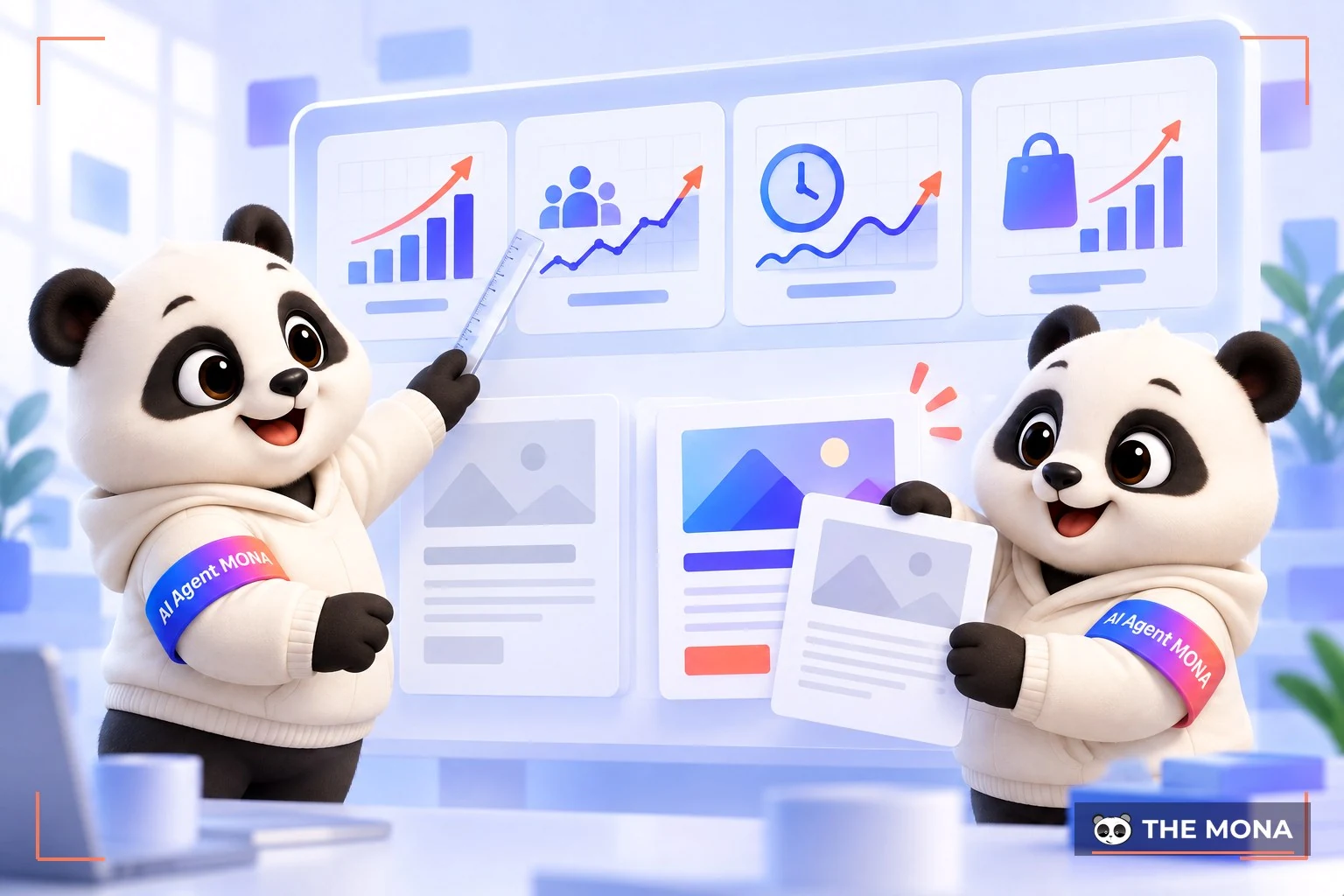
This data shows you which content works and which misses the audience or the message, so you can adjust the writing, format, channel and frequency. Regular measurement also gives you clear lessons and a better strategy for your next content marketing campaigns.
Many businesses keep doing content marketing yet get no leads or orders, and the cause isn't always weak writing. It is a lack of empathy. The content keeps talking about the brand, achievements and features, while customers are confused and only want their worry answered. If you open with "we are the leader", customers will ask at once, "what does that have to do with my problem?" Effective content starts from the customer's point of view, from the pain and barriers that keep them from deciding.

At MONA Media, when we deliver content marketing services, our team builds content around the customer experience. We don't write articles just to hit a quota. We start with insight, search behavior and the language customers use, then produce structured content aimed at conversion and suited to each channel and goal. If you already have content that isn't landing, MONA can help you rework it from the ground up, so it says what customers need to hear and delivers clear business results. Contact MONA and our team will work with you to build a professional marketing strategy today.

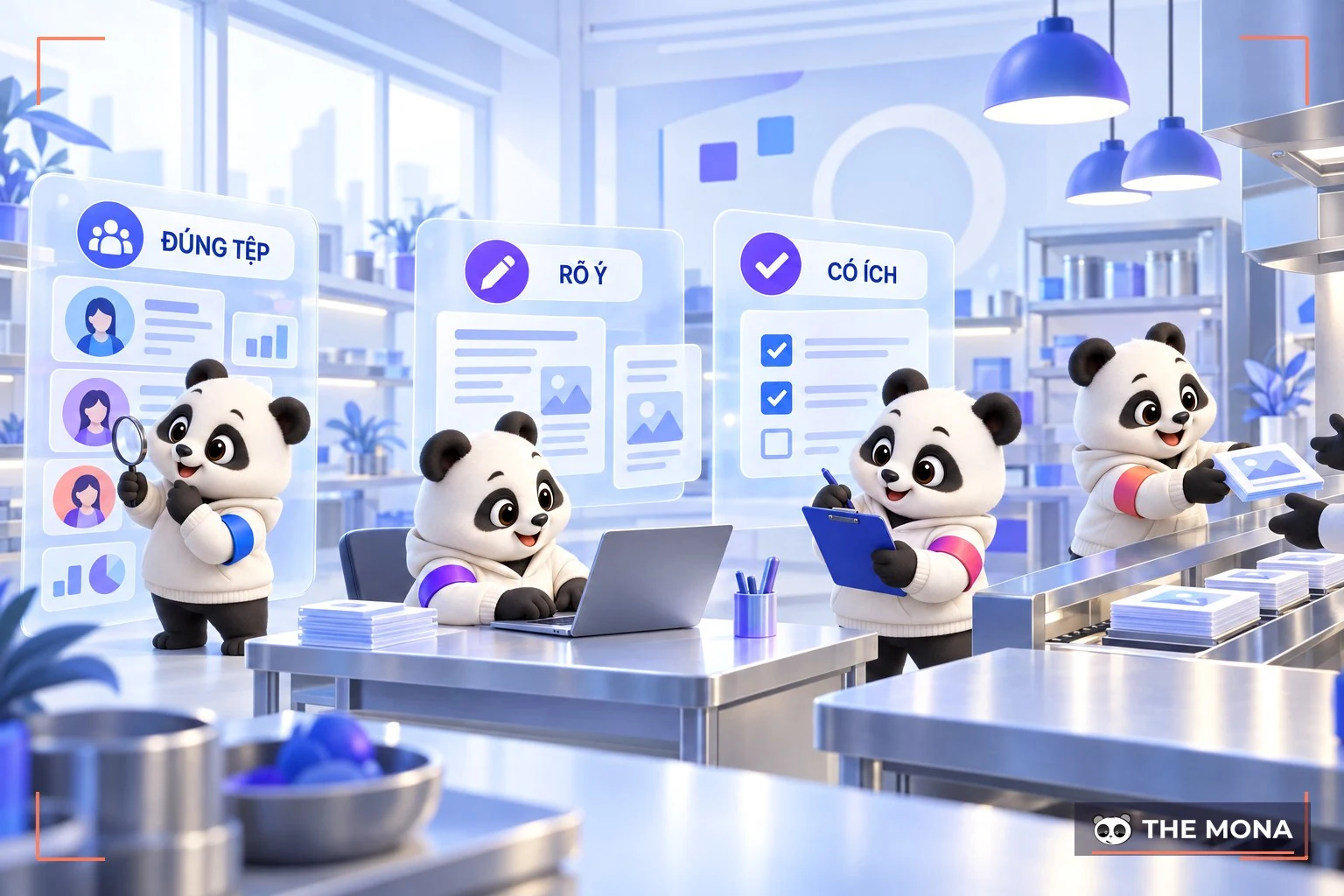
Several factors make content marketing good and high quality. Here are the key ones to consider:
That is the answer to the question what content marketing is and how to run an effective content marketing strategy in detail.. MONA Media We hope this article helps you get a broader view and build good content that attracts customers. Good luck!

CEO & Founder · The MONA
Founder of The MONA, who built a services company of 200+ staff with 14,000+ projects delivered. Khánh Hùng shares how he thinks about building systems that run themselves, automating a business, and the real lessons from delivering projects at MONA.
 1,5K




Professional website
design services
Own a website with a beautiful, 100% exclusive design and a lifetime warranty, with the ability
to expand features flexibly as your business grows, starting today!



NHẬN TƯ VẤN SEO MIỄN PHÍ !






 MONA will never sell your information or send you spam


 MONA will never sell your information or send you spam
