
 MONA OS 2.0


 Tự động hoá doanh nghiệp
 Cẩm nang SEO
 Digital Marketing
 Kinh nghiệm thiết kế website
 Hạ Tầng Server
 Giáo dục



 VI
 EN































Message us on
Zalo Official


 ProductsNew

 ProductsProducts
 Mới ra mắtKHA AI 2027App tự edit video, tự đăng mọi mạng xã hội, 2 phút mỗi ngày










 Website designLooks good and wins customers over.
SEO servicesBrings in customers searching for exactly what you sell.
 Tư vấn digital marketingKéo khách từ nhiều kênh, đo bằng số thật.
Corporate video productionVideos introducing your company, factory and team.
 NewAI video productionCompany story films made with AI.
 Custom software developmentCRM, ERP and HRM built for your business.
 Viết AI Agent theo yêu cầuĐặt riêng một trợ lý AI cho đúng việc của mình.
 Tư vấn chuyển đổi AIĐưa AI vào vận hành của cả công ty.
NewMONA LMSManagement for centers and schools.
MONA SkillHubInternal training for company staff.
 NHTQ systemEnd-to-end China–Vietnam shipping operations.
MONA JMSManagement for gold, diamond and pawn shops.
 MONA E-LearningA website with every feature you need to sell courses.
 How to sell online courses (course)More than 30 free lessons on selling courses on autopilot.
 MONA Cloudmonacloud.vnServers to get your apps and websites running.
 MONA Basemonabase.vnPostgres database, sign-in and file storage.
 MONA Mailmonamail.vnSend OTP, order and invoice emails from your software.
 MONA Paymonapay.vnAccept bank transfers via VietQR and notify your software when the money arrives.
 MONA eInvoiceComing soonIssue e-invoices that meet tax standards.
Gấu CườiTrả lời khách 24/7 trên web, Fanpage, Zalo và thu lead cho sale.
 Gấu TeleSalesGọi điện tư vấn, chăm khách như tổng đài viên thật.
Dê CườiTư vấn và chốt đơn cho shop ngay trong khung chat.
Gấu WebmasterNhắn nhóm Zalo là website được sửa xong.
 Gấu Pháp ChếSoạn hợp đồng, rà điều khoản trong vài phút.
 Gấu Báo GiáLên báo giá đúng mẫu và gửi khách ngay.
 AI chăm sóc khách hàngTheo dõi và giữ chân khách hàng cũ.
 Gấu Tuyển DụngLọc hồ sơ, hẹn lịch, phỏng vấn ứng viên.
 Mới ra mắt
KHA AI 2027
Xây kênh chuyên gia 2 phút mỗi ngày
Quay bằng điện thoại, AI tự edit video, tự đăng lên 16 nền tảng và tự trả lời bình luận, tin nhắn.
310.136lượt xem trên kênh CEO MONA sau 17 ngày
 Anh Khánh HùngCEO MONA đang dùng mỗi ngày
Xem app làm được gì
 AI
Gấu Cười MONA ĐANG TỰ XÀITrả lời khách 24/7 trên website, Zalo OA, Messenger và thu lead về cho sale.
Dê CườiChốt đơn bán lẻ và sàn: Shopee, TikTok Shop, web. Chăm cả khách sỉ, đại lý.
Gấu WebmasterCập nhật nội dung, tối ưu SEO website mỗi ngày.
Gấu TeleSalesGọi điện tư vấn, chăm khách như tổng đài viên thật.
Gấu Tuyển DụngLọc hồ sơ, hẹn lịch, phỏng vấn ứng viên tự động.
AI chăm sóc khách hàngGiữ khách cũ, cứu lead đã rớt cho phòng kinh doanh.
Gấu Pháp ChếSoạn hợp đồng, rà điều khoản trong vài phút.
Gấu Báo GiáLên báo giá đúng mẫu, gửi khách ngay khi có yêu cầu.
 Chuyển đổi AI toàn phầnGiải pháp tổng cho doanh nghiệp, 3 lớp triển khai.
 Viết AI Agent theo yêu cầuĐặt riêng một con AI gánh đúng nghiệp vụ của bạn.
 Custom softwareCRM, ERP and HRM with built-in AI automation.
 SEO & AEO thời đại AIĐược Google lẫn AI trích dẫn, không chỉ xếp hạng.
 Kiến thức AI cho doanh nghiệpBài phân tích, hướng dẫn ứng dụng AI vào vận hành.
 Free AI courses
 AI tools at work
App mới · KHA AI 2027
Xây kênh 2 phút mỗi ngày
AI tự edit video, tự đăng mọi mạng xã hội
Free consultation, 8am–10pm every day

18 March, 2023

What is a Content Pillar? This concept is familiar to marketers, especially those working in SEO. Implementing Content Pillars is fairly simple and helps you build a content marketing strategy that brings real value to your website and social channels. In this article, MONA Media will help you understand the concept of Content Pillars in marketing better. We will also guide you through the 6 most effective steps to implement pillar content. Let's get started!
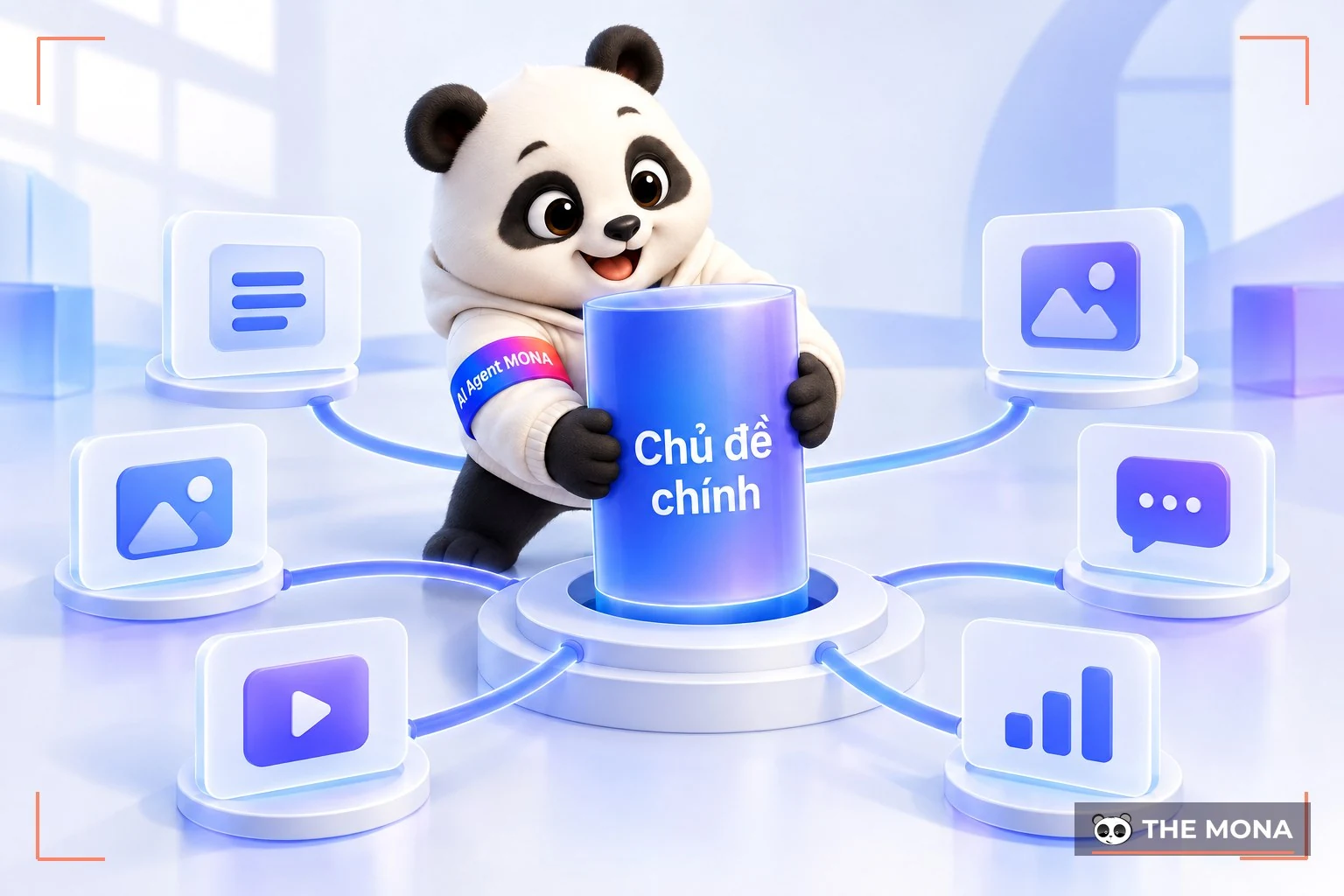
Content Pillars also goes by other names such as pillar content or pillar page. It is a broad topic page used to lay the foundation of a specific content strategy, and it covers all the content you will publish on your website or social media. Pillar Content can also be understood as the main topic group developed from big ideas.
Example: If your website focuses on Digital Marketing then your subtopics will be services such as: Facebook Ads, Google Ads, Tik Tok Ads,.. and other platforms. In this case, the large circle is the Pillar Page (pillar page), and the small circles around it are the Subtopic, developed through Topic Clusters and hyperlinks.
These main pillar pages let a business show its expertise in its field through a niche site. With Content Pillars, a business gets an overview of its articles and can quickly plan how to deliver on its goals. This builds a deep, high-quality content system that gives users useful information.
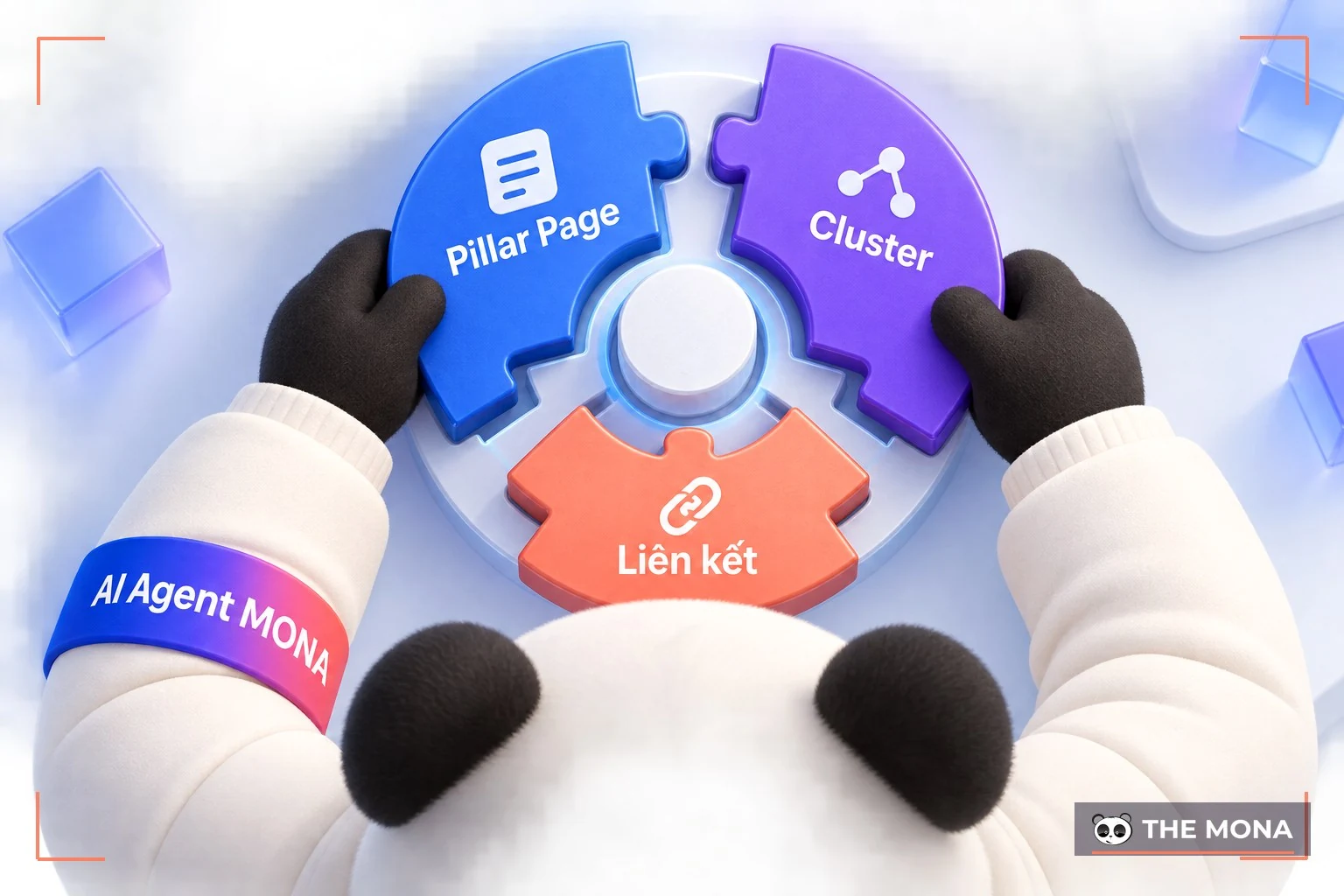
There are two terms related to Topic Cluster and Subtopic. Topic Cluster means a group of topics that forms Content Pillars: one pillar page linked to a set of different subtopics with in-depth, specific content on the same website.
So far, Content Pillars look like the future of content marketing, making it easy to build content for a website.
Have 3 forms of Content Pillars in marketing are the most common today. Depending on your business's needs, you can choose different types. Let's Agency SEO look at the 3 types of Pillar Content with MONA in detail below:
Content 10X means content 10 times better than the pages that rank highly for certain keywords searches. Professional Content Pillars with 10X content let you research a topic more deeply. You can also target many related keywords within the same topic.
Use these criteria to check that a Pillar Page has 10X content:

Subtopic Pillar Page are pillar pages for secondary topics that help readers understand the whole subject. When building a Subtopic Pillar Page, make sure it is comprehensive and solves the problem your customers face.
Resource Pillar Page is understood as a pillar page of resources, arranged in a set order by SEOers. A Resource Pillar Page lets readers reach information easily through tightly linked content, so users can quickly find the answer to a question. That is why resource pillar pages affect traffic as well as the level of interaction on the page.
From this, it is easy to see why Content Pillar matters to a business. Specifically:
Bringing real, relatable value to customers quickly is one of the standout advantages of Content Pillar. Content in this format needs high accuracy and should be concise and clear so readers find it easy to understand and use.
However, not every SEOer can communicate clearly. At MONA, we build SEO content with optimized quality, real images, and answers that address customers' actual questions. With the Full-scope SEO servicesplan, we will design a complete plan from A to Z for each stage. MONA also researches customer behavior and user preferences to bring quality content closer to readers.
100% of clients who have used Full-scope SEO at MONA have all given us satisfied and positive feedback. CONTACT US with MONA via hotline 1900 636 648 for advice on raise SEO performance for your business's website, and receive SEO price list accurate advice.
In practice, building Content Pillars brings certain values and benefits. The main practical ones are:
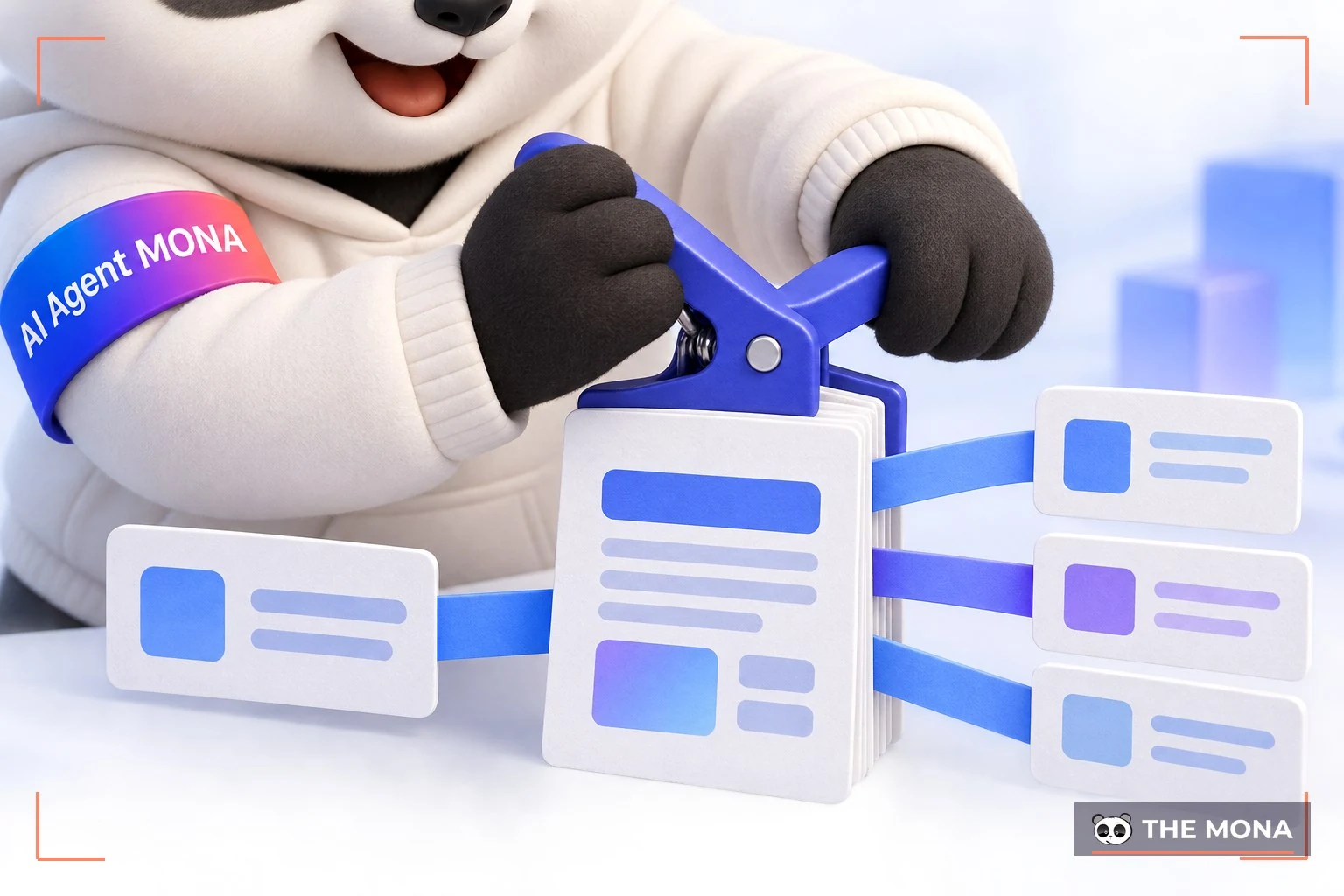
Google's search engine algorithm follows a consistent principle of valuing informative content. Content created only for a business's own benefit usually doesn't rank or get valued. A website's ranking mainly depends on what users are searching for, and Content Pillar fits that well. It is a useful tool for improving website ranking and drawing traffic effectively.
-> Read more: Guide How to improve website SEO Reach #1 on Google
Content Pillar content gives users quality, in-depth, trustworthy information, which helps a business build trust with potential customers. Valuable content on the pillar page and related subtopics also positions your brand in the field it is investing in.
Developing a website is how a company shows customers it offers far more value than its competitors through a digital platform. Creating a dedicated Pillar Content page is the core of that. It is the base topic for developing the website effectively, producing quality that helps each business achieve its set goals.

In particular, Content Pillar makes it possible to give readers real value by sharing your own experience, knowledge and skills. Using Content Pillar well helps users feel satisfied and value what we share.
Content Pillars are a tool for adding real information that is truly valuable to readers. So it is likely they will share it across social channels. More shares increase brand recognition, boost traffic to your website considerably. Reaching more potential customers also becomes easier.
Content Pillar is not just an option but a necessity for standing out in your customers' minds. To make it happen, follow these steps to carry it out in a distinctive and effective way:
Choose the main topic carefully so it is broad enough and has lasting value. A good topic also fits your field and can be split into different sub-contents, so you reach the right target customers.
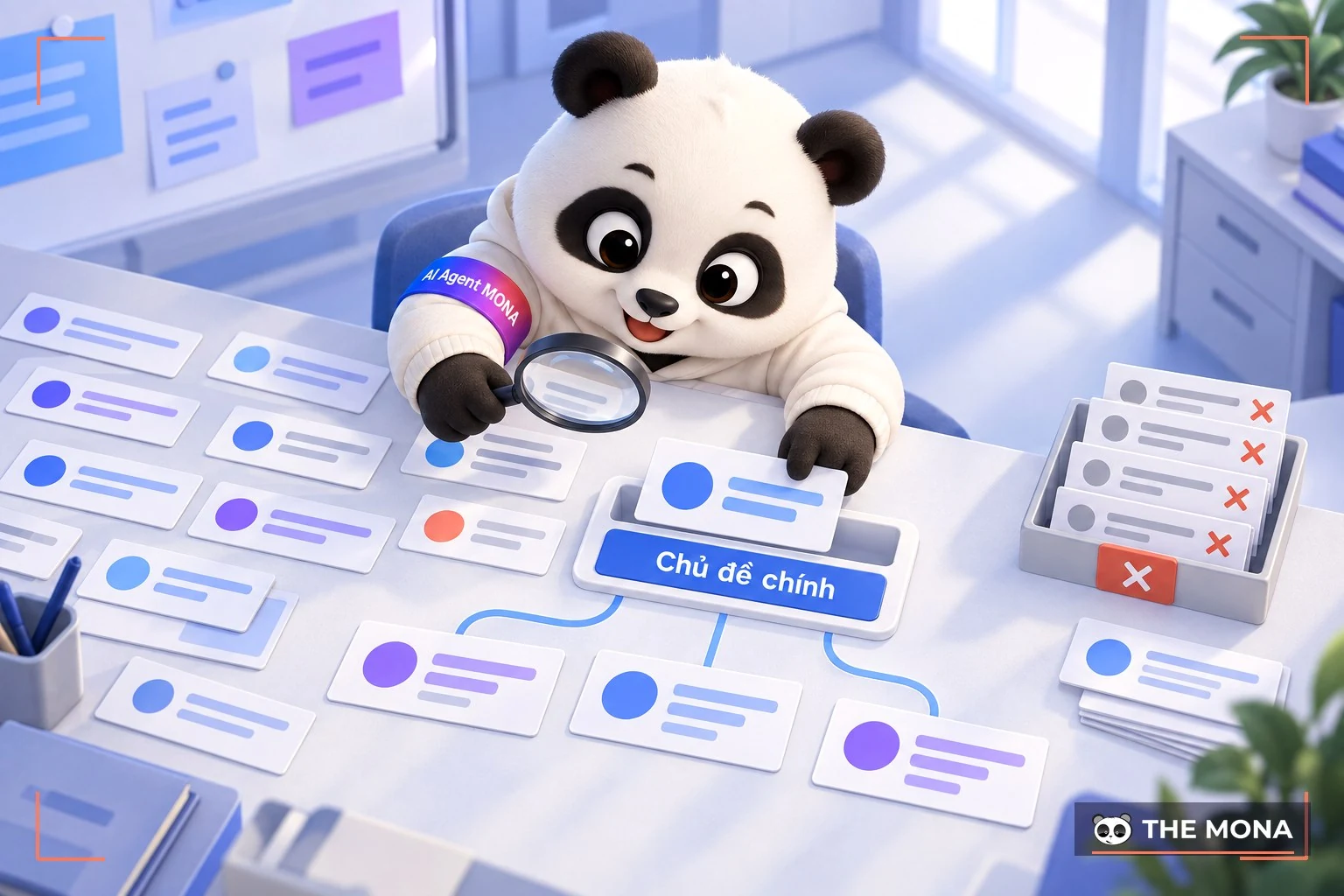
To choose a main topic, start by identifying main keywords that are popular and closely related to your products or services. Avoid choosing long-tail keywords as the main topic because it is too narrow and hard to split into subtopics. An ideal topic should include about 2-3 words that summarize the main content so it is easy to split into supporting articles.
You also need to understand the problems your customers face and what they care about when looking for information on your website. This is an effective tip for creating content that is truly useful and meets their needs.
You can pin down the topic for each Pillar Page by answering these specific questions:
To create Topic Cluster and Subtopics to complete your website's content system is an important step to optimize content structure and improve SEO. A Topic Cluster consists of one main topic (Pillar Page) and related articles (Subtopic) linked to each other.
To create a Topic Cluster, do keyword research with tools such as Keyword Planner, Ahrefs, SEMrush, or Keywordtool.io to find suitable keywords for subtopics. Choosing the right keywords helps you shape the content structure effectively.
Besides using keyword research tools, also look at how competitors structure their content, or at search results related to the main topic.
For example, to find Subtopics for a Pillar Page, follow these steps:

Next comes building and designing the Pillar Page, the page that organizes and optimizes content on the website. Your Pillar Page should be clear, coherent and easy for readers to navigate.
When building a Pillar Page, pay attention to the following to make your page effective and user-friendly:
Writing a Content Pillar is not very different from writing regular SEO-standard articles articles, but it demands careful investment in content and image quality. The goal of a Content Pillar is to cover a specific topic comprehensively, giving readers both an overview and the details.

Content should be coherent, logical and easy to follow so readers can find information quickly. A Content Pillar should introduce the topic and give an overview right from the start so readers know what they will get from the article. Then go deeper into each smaller aspect of the topic, focusing on answering the questions and solving the problems readers care about.
You can link related articles with internal links to give readers more information, increase time on site, and improve full-scope SEO of the website.
When writing a Content Pillar, keep these points in mind to ensure quality:
Once the Pillar Page is done, you can promote the latest pillar content article to different audiences in several ways:
Every successful Content Pillars article gives readers useful information and plenty of value. That is why promotion is needed: it reaches more users and increases traffic to the website, which helps improve rankings on Google.
-> Read more:
By refreshing content continually, you keep information fresh and engaging and make sure your article always gives readers the most value. Regular checks and additions also help you spot and fix hidden problems and improve the user experience on the website.
Moreover, articles that are updated often and on time not only improve their position in search results but also help keep users and encourage them to share your content on social platforms.
-> Read more: What is an SEO audit? How is an SEO audit done?
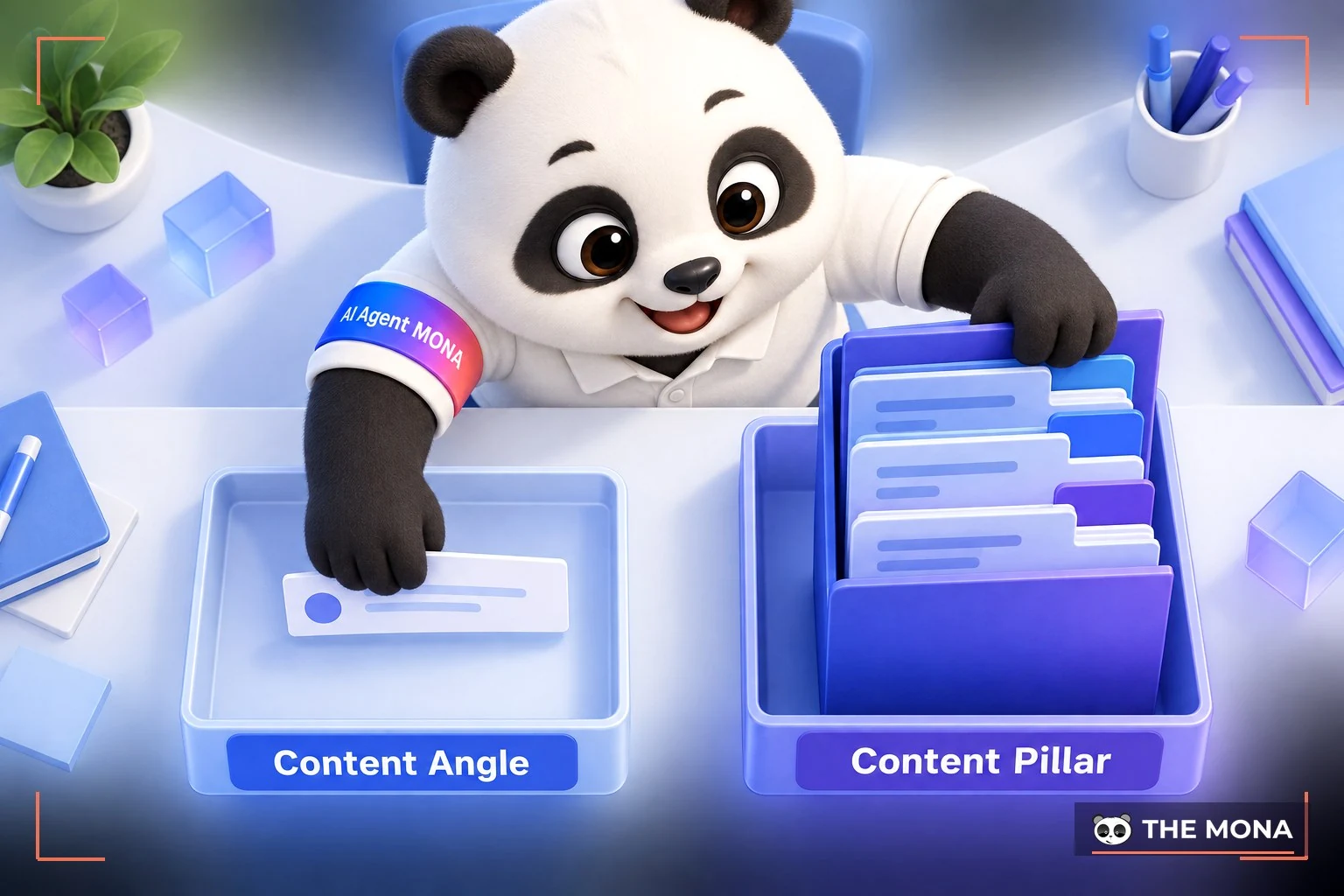
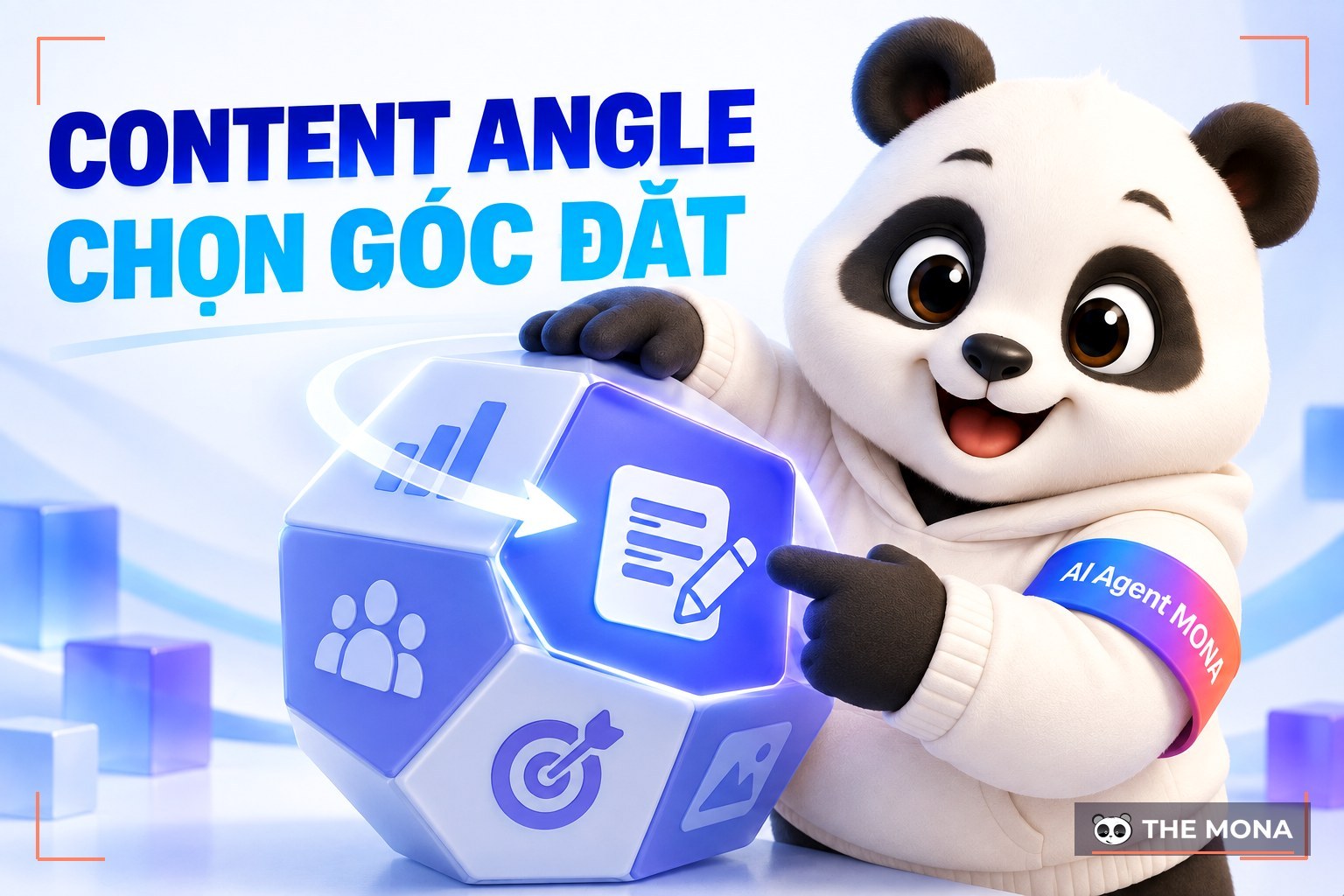
Basically, the difference between these two kinds of content lies in how you implement Content Pillar and Content Angle are:
-> Read more: The 9 most common types of content. How to invest in content marketing effectively
1- What is Page Pillar Content?
It is a main topic page containing the general content of a Topic Cluster.
2- How do you get a quality Content Pillar?
To get quality Content Pillars, a business should build content based on the development process of content marketing. That runs from finding ideas, keyword research and content planning to writing and optimizing against checklists.
3- Why do you need a Content Pillar for a Topic Cluster?
Building Pillar Content for a Topic Cluster makes website content consistent and more complete than your competitors'.
4- Is Content Pillar important in marketing?
Pillar Content is very important for building a website's content strategy. It provides the general content of a topic. A pillar page not only gives readers the fullest and most detailed information but also helps raise the website's ranking in search results.
That is a detailed answer to the question What is a Content Pillar, along with related knowledge about Content Pillar for every content creator and SEOer. With it, developing website content becomes more accurate and fitting, and delivering valuable information and improving website ranking becomes easier. We hope that, with the information that has been newly MONA Media shared above, you will know how to implement an effective Content Pillar strategy for your website!

CEO & Founder · The MONA
Founder of The MONA, who built a services company of 200+ staff with 14,000+ projects delivered. Khánh Hùng shares how he thinks about building systems that run themselves, automating a business, and the real lessons from delivering projects at MONA.
 1,6K




Professional website
design services
Own a website with a beautiful, 100% exclusive design and a lifetime warranty, with the ability
to expand features flexibly as your business grows, starting today!



NHẬN TƯ VẤN SEO MIỄN PHÍ !






 MONA will never sell your information or send you spam


 MONA will never sell your information or send you spam
