
 MONA OS 2.0


 Tự động hoá doanh nghiệp
 Cẩm nang SEO
 Digital Marketing
 Kinh nghiệm thiết kế website
 Hạ Tầng Server
 Giáo dục



 VI
 EN












Message us on
Zalo Official


 ProductsNew

 ProductsProducts
 Mới ra mắtKHA AI 2027App tự edit video, tự đăng mọi mạng xã hội, 2 phút mỗi ngày










 Website designLooks good and wins customers over.
SEO servicesBrings in customers searching for exactly what you sell.
 Tư vấn digital marketingKéo khách từ nhiều kênh, đo bằng số thật.
Corporate video productionVideos introducing your company, factory and team.
 NewAI video productionCompany story films made with AI.
 Custom software developmentCRM, ERP and HRM built for your business.
 Viết AI Agent theo yêu cầuĐặt riêng một trợ lý AI cho đúng việc của mình.
 Tư vấn chuyển đổi AIĐưa AI vào vận hành của cả công ty.
NewMONA LMSManagement for centers and schools.
MONA SkillHubInternal training for company staff.
 NHTQ systemEnd-to-end China–Vietnam shipping operations.
MONA JMSManagement for gold, diamond and pawn shops.
 MONA E-LearningA website with every feature you need to sell courses.
 How to sell online courses (course)More than 30 free lessons on selling courses on autopilot.
 MONA Cloudmonacloud.vnServers to get your apps and websites running.
 MONA Basemonabase.vnPostgres database, sign-in and file storage.
 MONA Mailmonamail.vnSend OTP, order and invoice emails from your software.
 MONA Paymonapay.vnAccept bank transfers via VietQR and notify your software when the money arrives.
 MONA eInvoiceComing soonIssue e-invoices that meet tax standards.
Gấu CườiTrả lời khách 24/7 trên web, Fanpage, Zalo và thu lead cho sale.
 Gấu TeleSalesGọi điện tư vấn, chăm khách như tổng đài viên thật.
Dê CườiTư vấn và chốt đơn cho shop ngay trong khung chat.
Gấu WebmasterNhắn nhóm Zalo là website được sửa xong.
 Gấu Pháp ChếSoạn hợp đồng, rà điều khoản trong vài phút.
 Gấu Báo GiáLên báo giá đúng mẫu và gửi khách ngay.
 AI chăm sóc khách hàngTheo dõi và giữ chân khách hàng cũ.
 Gấu Tuyển DụngLọc hồ sơ, hẹn lịch, phỏng vấn ứng viên.
 Mới ra mắt
KHA AI 2027
Xây kênh chuyên gia 2 phút mỗi ngày
Quay bằng điện thoại, AI tự edit video, tự đăng lên 16 nền tảng và tự trả lời bình luận, tin nhắn.
355.527lượt xem trên kênh CEO MONA sau 21 ngày
 Anh Khánh HùngCEO MONA đang dùng mỗi ngày
Xem app làm được gì
 AI
Gấu Cười MONA ĐANG TỰ XÀITrả lời khách 24/7 trên website, Zalo OA, Messenger và thu lead về cho sale.
Dê CườiChốt đơn bán lẻ và sàn: Shopee, TikTok Shop, web. Chăm cả khách sỉ, đại lý.
Gấu WebmasterCập nhật nội dung, tối ưu SEO website mỗi ngày.
Gấu TeleSalesGọi điện tư vấn, chăm khách như tổng đài viên thật.
Gấu Tuyển DụngLọc hồ sơ, hẹn lịch, phỏng vấn ứng viên tự động.
AI chăm sóc khách hàngGiữ khách cũ, cứu lead đã rớt cho phòng kinh doanh.
Gấu Pháp ChếSoạn hợp đồng, rà điều khoản trong vài phút.
Gấu Báo GiáLên báo giá đúng mẫu, gửi khách ngay khi có yêu cầu.
 Chuyển đổi AI toàn phầnGiải pháp tổng cho doanh nghiệp, 3 lớp triển khai.
 Viết AI Agent theo yêu cầuĐặt riêng một con AI gánh đúng nghiệp vụ của bạn.
 Custom softwareCRM, ERP and HRM with built-in AI automation.
 SEO & AEO thời đại AIĐược Google lẫn AI trích dẫn, không chỉ xếp hạng.
 Kiến thức AI cho doanh nghiệpBài phân tích, hướng dẫn ứng dụng AI vào vận hành.
 Free AI courses
 AI tools at work
App mới · KHA AI 2027
Xây kênh 2 phút mỗi ngày
AI tự edit video, tự đăng mọi mạng xã hội
Free consultation, 8am–10pm every day

18 March, 2023
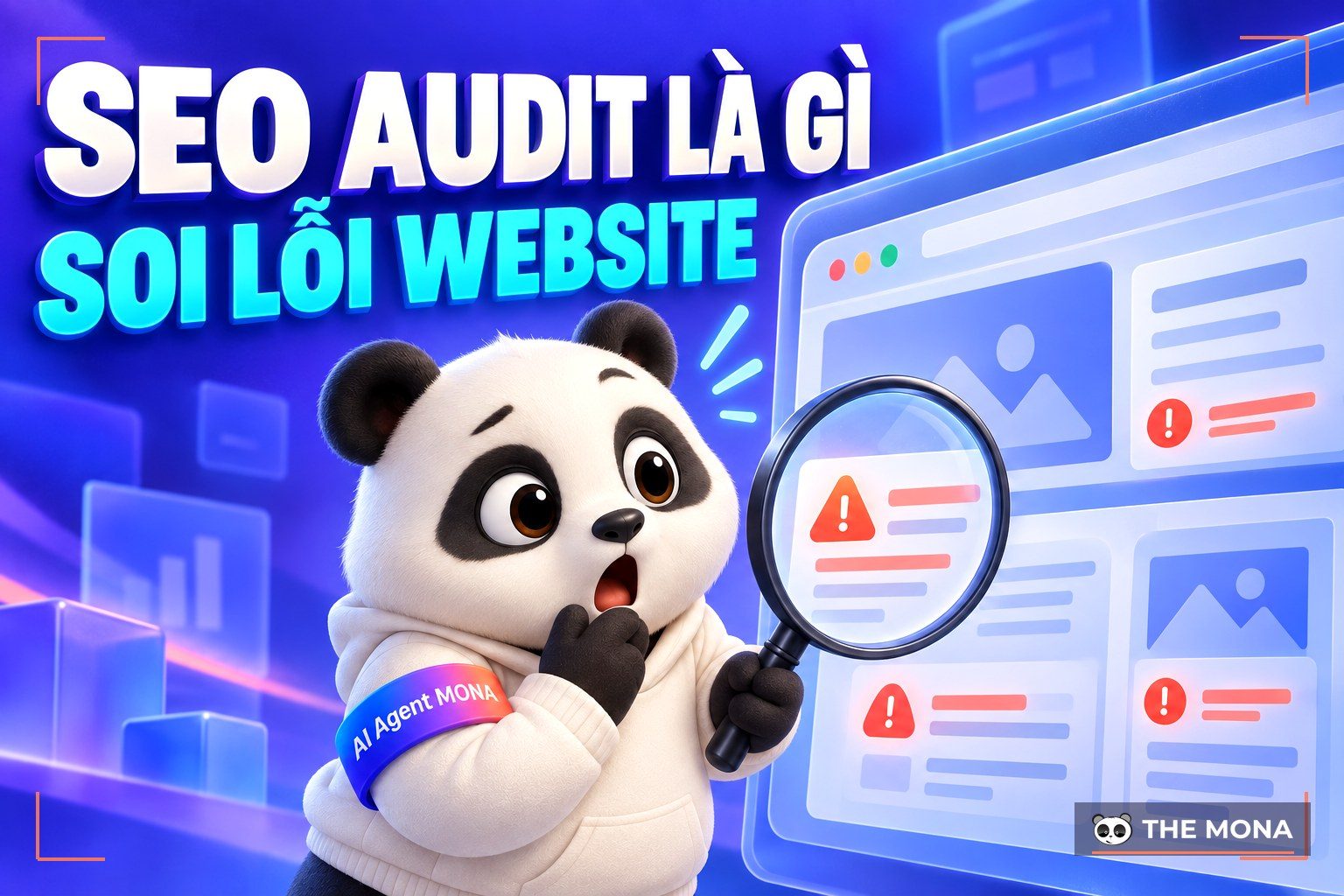
Lately, the question "What is an SEO audit?" and questions about techniques for SEO have drawn more and more interest. Every factor in that affects the quality and performance of a website needs to be understood in detail to protect your site's performance and rankings. In this article, MONA Media answers what a website SEO audit is and how to carry out this technique in detail.
SEO Audit is the process of checking and evaluating a website against the factors related to search engine optimization. The goal of an SEO audit is to identify problems, then plan how to improve the site's position in the results of Google, Bing, Cốc Cốc and others.
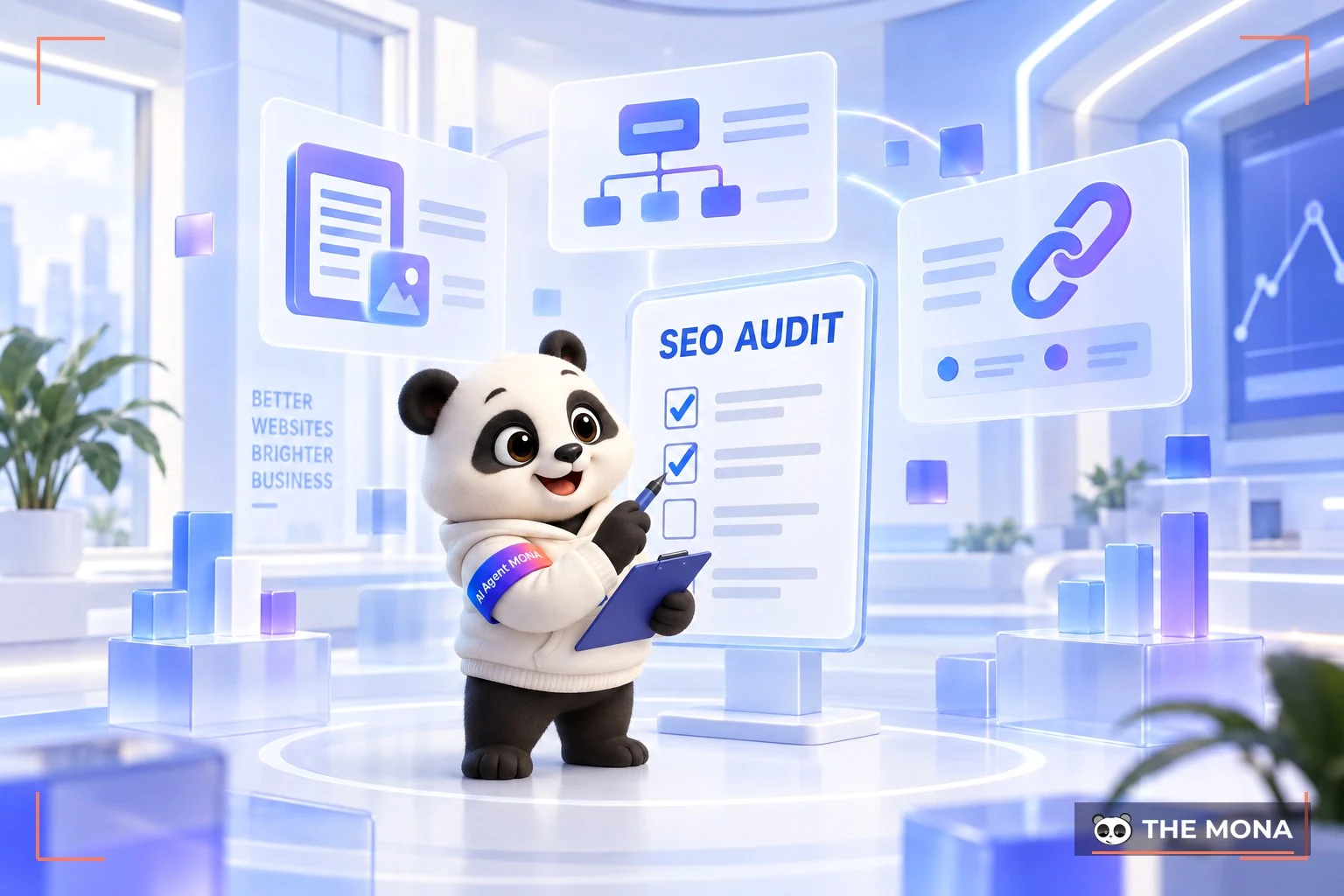
A full website audit is an important process in order to evaluate and optimize how a website performs. So what is a website audit? It is the work an SEO auditor does: reviewing every SEO-related factor against a checklist set up beforehand. During the check they collect and analyze data to find what falls short of the standard or needs improvement. They then make recommendations to fix existing errors and propose the changes needed to improve the site's visibility and search performance on search engines.
Today many tools have been developed and are widely used for a full website audit. Even so, the approach that gets the best results still comes from people. Using the knowledge and experience of SEO specialists to analyze and propose suitable solutions makes an audit most effective. Instead of web audit tools that only give generic results, people analyze the site and give more detailed, objective assessments.
A full website audit is an essential step in an SEO strategy, but not everyone knows how to audit the SEO of each part of a website so that the site works well and is optimized for search engines. The process includes many checks and analyses, from technical and content to off-site factors.
Here are the main components you can't skip when carrying out SEO Audit Checklist. Here they are:
What is a technical SEO audit? Technical SEO is considered an important step to make sure your website performs well and follows search engine guidelines, in particular by checking and evaluating the site's technical factors. A technical SEO audit helps you find issues that affect your site's visibility in search engines and improve user experience.

Accessibility means making sure both Google and users can reach your website easily. To do this, check the following:
Indexability is whether the pages on your site can appear in Google's search results. Factors to watch include:
After the technical SEO audit, your website has a solid foundation: it runs smoothly and is easy to access. But to rank high on search engines, you also need an on-page SEO audit, which shows you how to improve your content and page structure to raise overall SEO performance.

In an on-page SEO audit, the first step is to check content issues across the whole website. Content must be useful and relevant to the site's main topic and follow search engine optimization principles.
Besides general content, check and optimize each specific page on the site. This covers how each page is written, presented and structured, and other technical factors that affect SEO Onpage.
The next step in the SEO page audit process is technical analysis SEO Offpage. This is an important stage for assessing your website's success and credibility online. Off-page analysis evaluates the site's popularity and reputation through external factors.

Main factors to review in an off-page SEO audit:
Competitor analysis should not be skipped in an SEO audit. It is an essential step for understanding how competitors operate and adjusting your strategy to get better results in a fiercely competitive market.
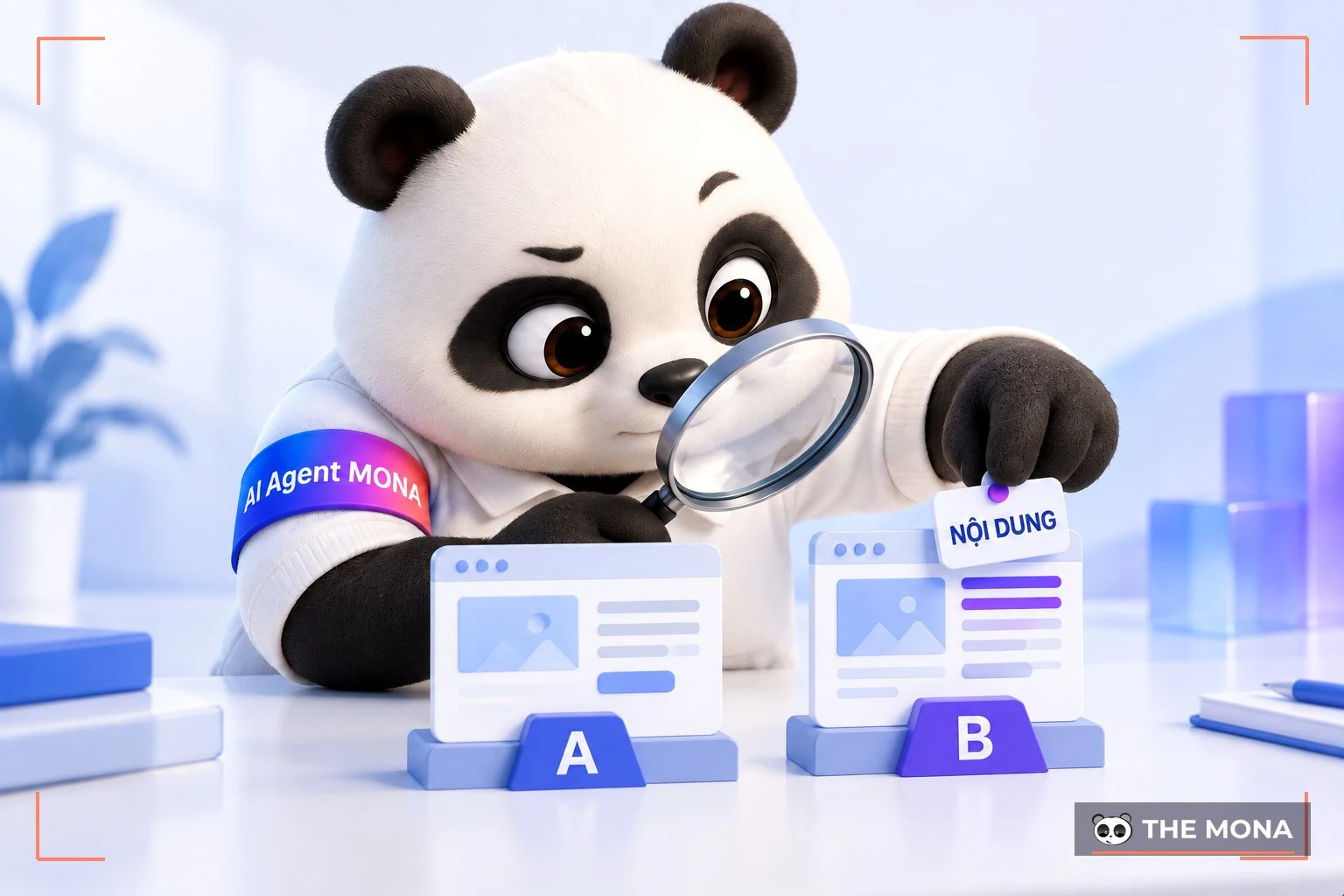
When analyzing competitors, focus on key factors such as the keywords they use, their content strategy and their backlinks. This helps you identify important keywords and lets you spot opportunities competitors may be using.
Auditing a website will bring plenty of free traffic to your website , because search engines love user-friendly sites. Sites that load fast get priority in the rankings. A Google SEO audit helps you find site-related errors so you can fix them.
|
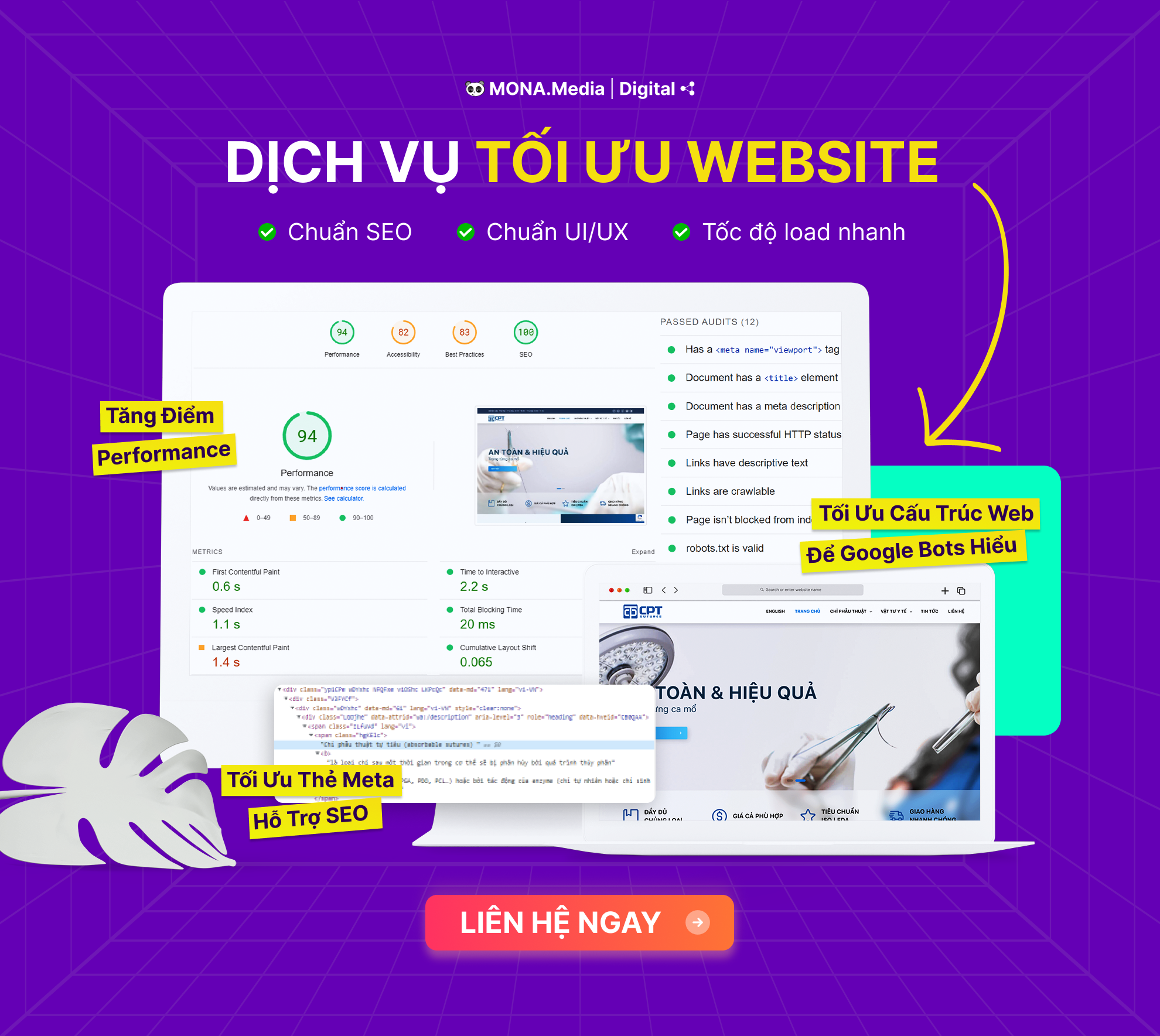
SEO Audit A website audit is often compared to a "health check" for your site. If you are investing a lot of time and money without getting the traffic you want, or you don't know what is "holding back" your site, an SEO-standard website audit gives you a clearer overall picture of your site. If you want to move faster, you can use SEO SERVICES highly effective at MONA Media: 
|
SEOers can run a full website audit at many points in time. For an effective audit, though, audit a website at the following stages:
New and old websites alike usually have common SEO errors, such as:
Having a full website audit plan is essential to make sure the basic configuration and SEO fundamentals are right from the start.
If your site's traffic, conversion rate or search engine rankings keep dropping sharply, it is time for an SEO audit. An audit at this point helps you find the problem quickly and fix it in time.
If your website has had major changes such as new URLs, a new template or a new platform, an SEO audit is also necessary to make sure the changes don't hurt your rankings on search engines.
An SEO audit is how we check the specific condition of a website, so it should be done regularly. You don't need to audit a website every day, but a full audit every 6 to 12 months is reasonable.
- MONA's Marketing team
For a trusted SEO provider looking after clients' websites, regularly updating and editing content on time is a given. Any remaining weaknesses on the site are found this way, which keeps them from getting in the way of optimization.
For signed contracts, regular periodic SEO audits should also be a priority. It is a form of prevention that keeps errors affecting site quality to a minimum.
An SEO audit is necessary for every website in use. So learning how to audit a website for SEO is useful knowledge worth getting clear on. The basic steps are:
Strategic goals are the long-term goals in a business's and website's specific SEO plan. Use the SMART framework to define them so they can be set and measured in detail, effectively and accurately. Only with a clear strategic goal can the next steps go well and the set criteria be met.

This step is important in an SEO audit. It evaluates whether the keywords currently in use are worth it and suitable, and finds the most promising quality keywords. It helps shorten the time it takes each business to reach potential customers.
Think of the ideal keyword you want as a small goal, then plan how to reach it using the SMART framework. Each keyword is a small goal to aim for, which helps the SEO campaign succeed and deliver the results required.

Analyzing competitive factors confirms whether the keywords you plan to use are really suitable, and can turn up link opportunities you had missed. Competitor analysis also gives you useful information such as new keywords, new resources and new quality content.
The main task of technical analysis is to pinpoint technical issues that are unknowingly reducing search performance significantly. This keeps the harm and negative impact on the user experience to a minimum. For this step you can consider using tools such as Screaming Frog SEO Spider.
To make sure every page aims at the strategic goal, don't skip level analysis. It evaluates content quality and how effective the optimizations already applied to each page have been.
With a level analysis, you can easily see what your site is missing and which problems haven't been optimized, and build the most effective improvement strategy.
And if you are struggling to find ways to fix these problems, try website SEO audit service from MONA Media.
Please contact with MONA Media qua hotline 1900 636 648 or CLICK the button below to get website SEO quote detailed advice and quickly get the most complete service, helping your business succeed in the digital era.
Content analysis shows how well your current strategy fits. Quality content that matches the campaign improves optimization results and your rankings on search engines.
Points to watch in content analysis:
User experience analysis shows how users actually interact with your content and with the website itself. Many tools support this analysis, but the standout is still Google Analytics - a comprehensive analytics tool that gives a full overall picture.

Analyzing external and internal links is very important for evaluating and improving your site's performance on search engines. Link analysis covers:
Many SEO tools make a full website audit faster and more effective. The standouts are the tools below:
Depending on your purpose, you can choose one of these 4 most popular tools to run your SEO audit quickly and effectively.
When running a website SEO audit, it is important to know the key points so you don't waste resources and get the best results. Here are the points to keep in mind for a successful website audit that improves your rankings and grows your revenue.

When you start a full website audit, first check the site as a whole: site structure, article content, on-page SEO and off-page SEO. One bad apple spoils the barrel, so pay attention even to the smallest components to protect your site's visibility on search engines. A comprehensive audit shows you the current state of your website and the problems it faces.
In an SEO audit, connect the issues to understand the SEO problems that are hurting your site. Pinning down the causes lets you apply effective fixes.
This includes analyzing factors such as backlinks, page load speed, duplicate content and other technical errors. Finding the right cause lets you apply accurate, effective solutions, improve the situation and reach your SEO goals.
The plan should include the steps to fix problems, a clear timeline and metrics to measure results. This gives you a clear, workable direction for handling issues and optimizing the website.
Take time to check each aspect of the site carefully to find the root causes of problems. A full website audit usually takes 2 to 6 weeks, depending on the size and complexity of the site. Once you have identified the problems, set out specific solutions. Before making changes, send a detailed report to the site owner to get their input and make sure the solutions are agreed.
Every website has its own characteristics, so applying the same audit standard to all websites is not effective. Adjust the audit process to the site's size, purpose and field to get the best results.
That is the answer to the question What is a website SEO audit and a detailed guide to carrying out SEO audits effectively. Making quick, regular changes and adjustments improves quality and the user experience, and also helps your site's rankings on search engines. We hope the new information MONA Media shared above is useful to you.

CEO & Founder · The MONA
Founder of The MONA, who built a services company of 200+ staff with 14,000+ projects delivered. Khánh Hùng shares how he thinks about building systems that run themselves, automating a business, and the real lessons from delivering projects at MONA.
 1,5K




Professional website
design services
Own a website with a beautiful, 100% exclusive design and a lifetime warranty, with the ability
to expand features flexibly as your business grows, starting today!



NHẬN TƯ VẤN SEO MIỄN PHÍ !






 MONA will never sell your information or send you spam


 MONA will never sell your information or send you spam
