
 MONA OS 2.0


 Tự động hoá doanh nghiệp
 Cẩm nang SEO
 Digital Marketing
 Kinh nghiệm thiết kế website
 Hạ Tầng Server
 Giáo dục



 VI
 EN











Message us on
Zalo Official


 ProductsNew

 ProductsProducts
 Mới ra mắtKHA AI 2027App tự edit video, tự đăng mọi mạng xã hội, 2 phút mỗi ngày










 Website designLooks good and wins customers over.
SEO servicesBrings in customers searching for exactly what you sell.
 Tư vấn digital marketingKéo khách từ nhiều kênh, đo bằng số thật.
Corporate video productionVideos introducing your company, factory and team.
 NewAI video productionCompany story films made with AI.
 Custom software developmentCRM, ERP and HRM built for your business.
 Viết AI Agent theo yêu cầuĐặt riêng một trợ lý AI cho đúng việc của mình.
 Tư vấn chuyển đổi AIĐưa AI vào vận hành của cả công ty.
NewMONA LMSManagement for centers and schools.
MONA SkillHubInternal training for company staff.
 NHTQ systemEnd-to-end China–Vietnam shipping operations.
MONA JMSManagement for gold, diamond and pawn shops.
 MONA E-LearningA website with every feature you need to sell courses.
 How to sell online courses (course)More than 30 free lessons on selling courses on autopilot.
 MONA Cloudmonacloud.vnServers to get your apps and websites running.
 MONA Basemonabase.vnPostgres database, sign-in and file storage.
 MONA Mailmonamail.vnSend OTP, order and invoice emails from your software.
 MONA Paymonapay.vnAccept bank transfers via VietQR and notify your software when the money arrives.
 MONA eInvoiceComing soonIssue e-invoices that meet tax standards.
Gấu CườiTrả lời khách 24/7 trên web, Fanpage, Zalo và thu lead cho sale.
 Gấu TeleSalesGọi điện tư vấn, chăm khách như tổng đài viên thật.
Dê CườiTư vấn và chốt đơn cho shop ngay trong khung chat.
Gấu WebmasterNhắn nhóm Zalo là website được sửa xong.
 Gấu Pháp ChếSoạn hợp đồng, rà điều khoản trong vài phút.
 Gấu Báo GiáLên báo giá đúng mẫu và gửi khách ngay.
 AI chăm sóc khách hàngTheo dõi và giữ chân khách hàng cũ.
 Gấu Tuyển DụngLọc hồ sơ, hẹn lịch, phỏng vấn ứng viên.
 Mới ra mắt
KHA AI 2027
Xây kênh chuyên gia 2 phút mỗi ngày
Quay bằng điện thoại, AI tự edit video, tự đăng lên 16 nền tảng và tự trả lời bình luận, tin nhắn.
310.136lượt xem trên kênh CEO MONA sau 17 ngày
 Anh Khánh HùngCEO MONA đang dùng mỗi ngày
Xem app làm được gì
 AI
Gấu Cười MONA ĐANG TỰ XÀITrả lời khách 24/7 trên website, Zalo OA, Messenger và thu lead về cho sale.
Dê CườiChốt đơn bán lẻ và sàn: Shopee, TikTok Shop, web. Chăm cả khách sỉ, đại lý.
Gấu WebmasterCập nhật nội dung, tối ưu SEO website mỗi ngày.
Gấu TeleSalesGọi điện tư vấn, chăm khách như tổng đài viên thật.
Gấu Tuyển DụngLọc hồ sơ, hẹn lịch, phỏng vấn ứng viên tự động.
AI chăm sóc khách hàngGiữ khách cũ, cứu lead đã rớt cho phòng kinh doanh.
Gấu Pháp ChếSoạn hợp đồng, rà điều khoản trong vài phút.
Gấu Báo GiáLên báo giá đúng mẫu, gửi khách ngay khi có yêu cầu.
 Chuyển đổi AI toàn phầnGiải pháp tổng cho doanh nghiệp, 3 lớp triển khai.
 Viết AI Agent theo yêu cầuĐặt riêng một con AI gánh đúng nghiệp vụ của bạn.
 Custom softwareCRM, ERP and HRM with built-in AI automation.
 SEO & AEO thời đại AIĐược Google lẫn AI trích dẫn, không chỉ xếp hạng.
 Kiến thức AI cho doanh nghiệpBài phân tích, hướng dẫn ứng dụng AI vào vận hành.
 Free AI courses
 AI tools at work
App mới · KHA AI 2027
Xây kênh 2 phút mỗi ngày
AI tự edit video, tự đăng mọi mạng xã hội
Free consultation, 8am–10pm every day

18 March, 2023

“The customer is king”. It is no exaggeration: in every line of business, customers are the core. To survive and grow over the long term, improving product quality matters, and identifying potential customers matters just as much and needs to be done well to sell your products.
To build an effective business strategy, you need the basics: what is a potential customer? How do you increase the number of potential customers? Only then can a business sell its products and grow revenue quickly. In this article, Mona Media will help you dig deeper into what potential customers are and how to grow their number effectively.
A potential customer is someone who needs or wants to own your product now or in the future. Unlike people who have already bought or used the product, potential customers are those who are not yet ready to accept it, or who need more time to learn about the product or customer care services from the business before making a buying decision.

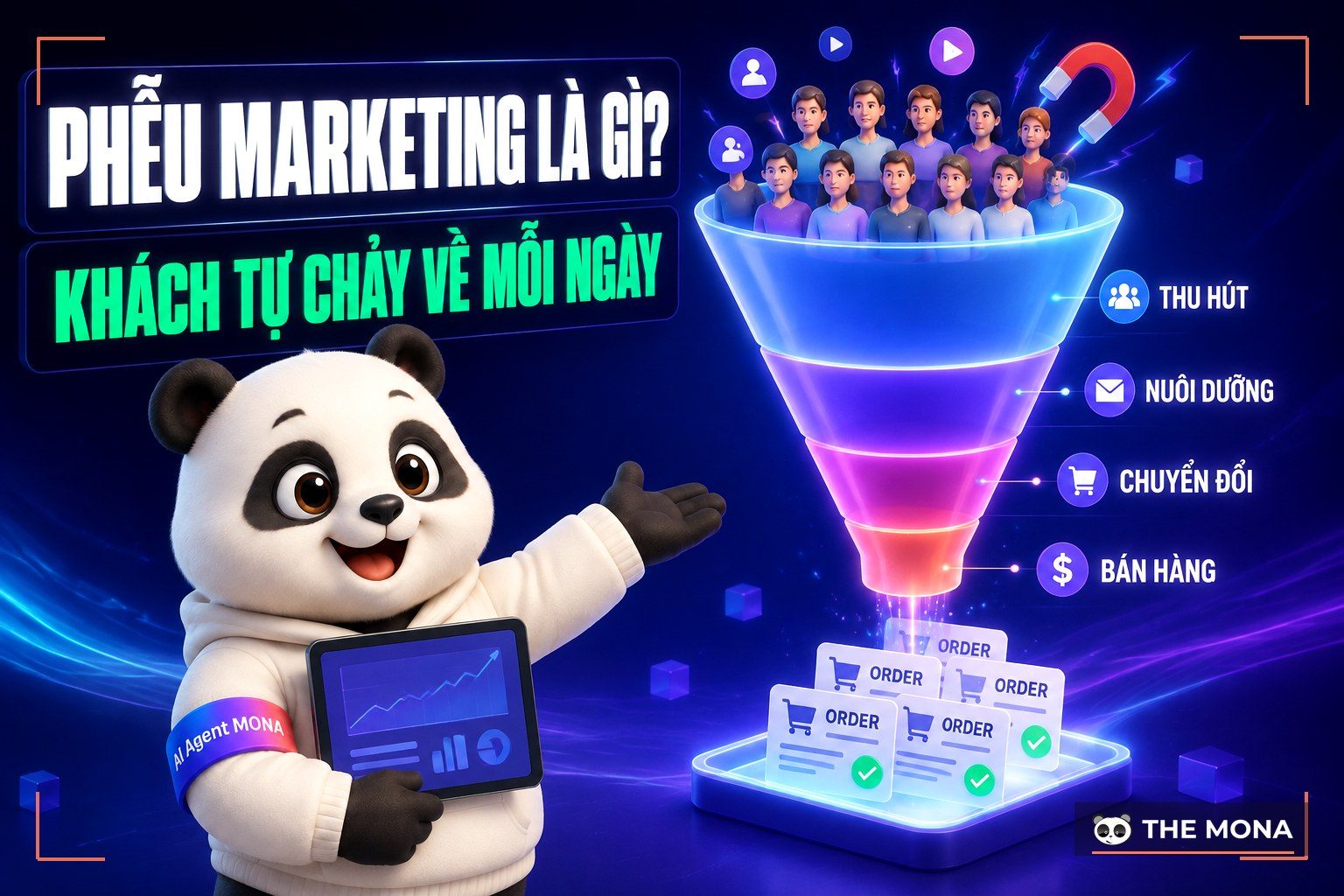
Not everyone who shows interest in a product or service counts as a potential customer. Based on the marketing funnel model they can fall into these groups:
Because there are different groups of potential customers, you need a specific strategy to turn them into target customers.
See more: 7 factors that influence a customer’s buying decision
For any business, growing the number of potential customers is always a top priority. To help you understand better, here are a few ways to attract more potential customers quickly and effectively.
Social media is a great channel that anyone can use to find customers effectively. Here are a few quick suggestions you can apply on your own Facebook.

See more: How to drive traffic from Instagram
Build a close relationship with your current customers, thank them for choosing your product or service, and tactfully ask them to refer your brand to any friends who are interested, so you gain more potential customers.
Referrals from past customers work quite well, but there are reasons why they are not easy to get. So you can try the steps below:

Personal relationships are easy to forget, even though they are among the easiest to tap, especially when you are just starting your own business. Today, classmates, colleagues, partners, neighbors and others, or their friends, may well need your product or service.
The key to this approach is fairly simple. When you talk about business, speak with the authority of a product expert and share it with the people you know. Identify your customer groups by age, region, income and so on, then send them personalized emails, or ask them to pass your message along to build connections.
Mixing the personal with the professional demands care and respect for your relationships. But if you can pull it off, it is a great way to widen your reach and grow your list of potential customers.
Try using the wealth of information online to learn more about buyers and potential customers. Searching for potential customer groups is very different from searching for products. To get good results, a sales team can pair it with free lead-scanning tools such as Google Alerts. This helps narrow down the audiences that match your business strategy.
Using terms such as forum or community will also help you find websites where your potential customers gather to share and chat
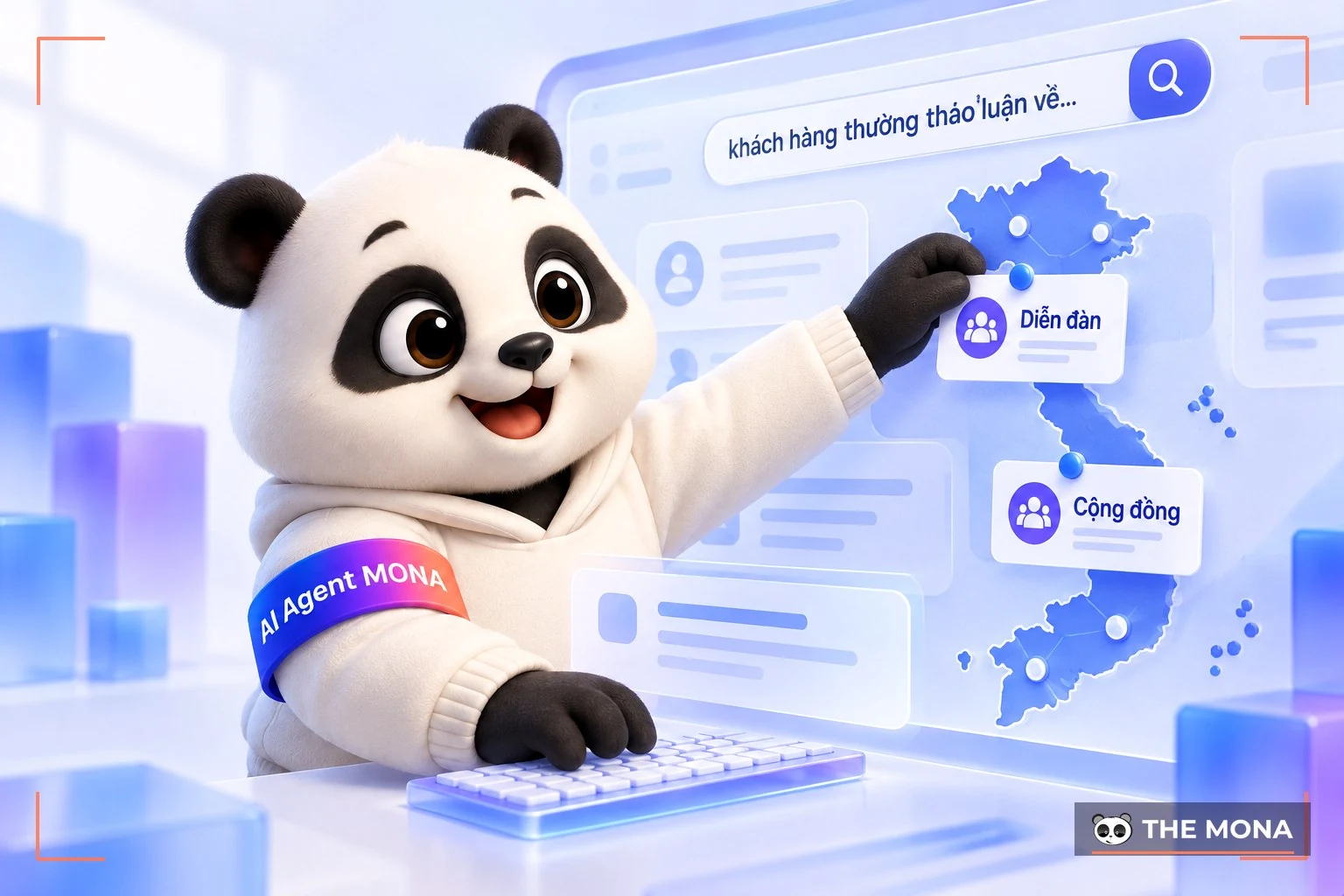
Taking an active part in community events, industry events, product training or leadership courses should be part of your routine, because it is an effective way to build your personal influence and your business relationships.
Here are a few basics to keep in mind before attending networking events:
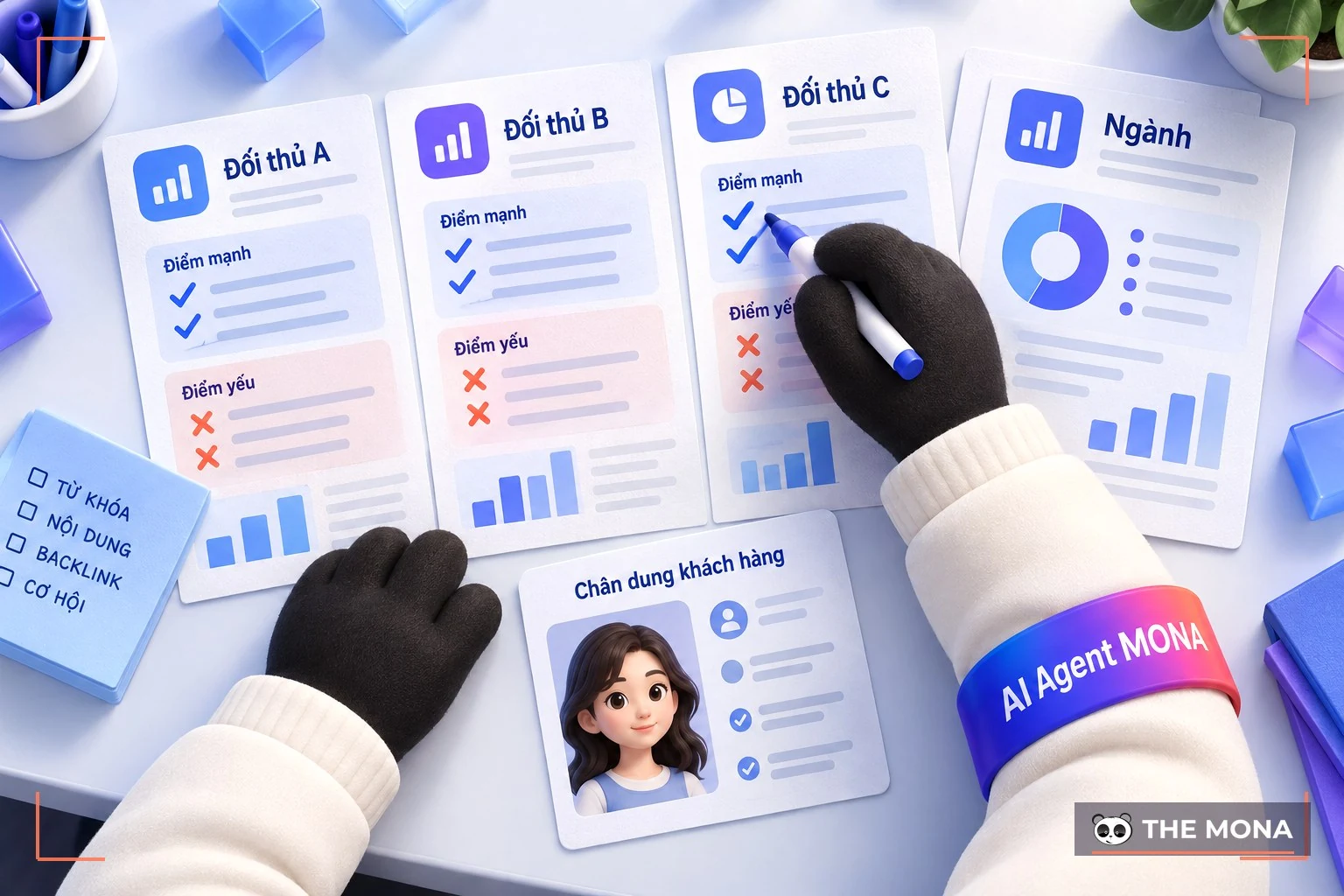
One way to get a deeper understanding of buyers is to research your competitors . Look through their case studies to quickly get a feel for potential customers and see why they chose your competitors in the past.
Besides watching competitors, follow industry blogs and analyst reports too. This helps you find your strengths, shape a business strategy that fits, and make sure every potential customer can find information about your products or services.
Some customers may have watched a product demo or contacted your business to learn more, but did not need to buy at that moment.
Follow up with these leads every 2 months and ask how their needs and wishes have changed, and whether they still have the problem they described earlier.
Put your marketing budget into this group, because they convert at a higher rate than completely new customers. Add them to your email marketing with relevant content and send related blog posts to keep the relationship personal. The first few times may not be the right moment, but by the fifth contact they will remember your brand, and when the need arises you will be the first they call.
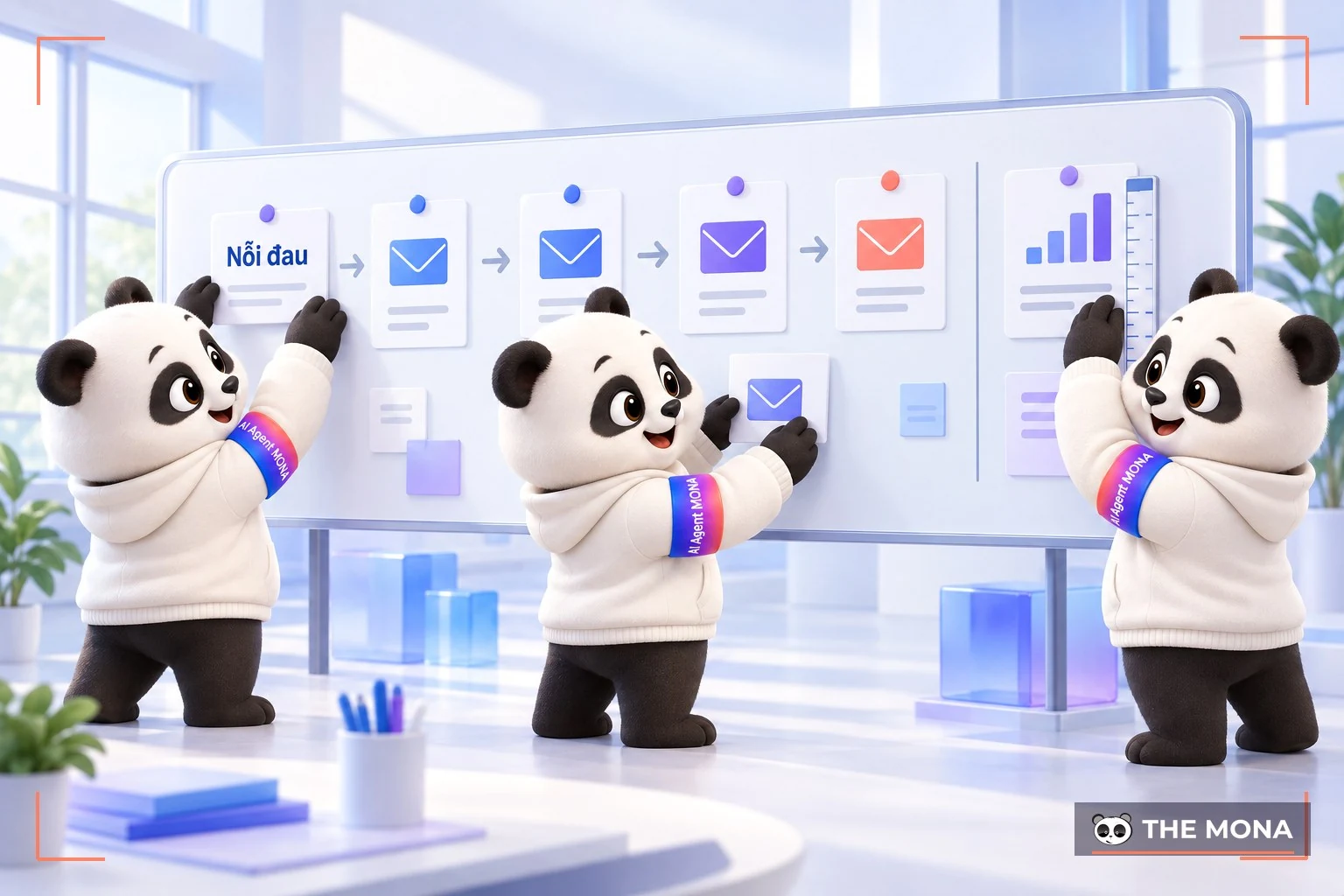
Decide how you will approach potential customers, and get creative with email templates email marketing that are smart enough to catch their attention. To send a successful email sequence, set a clear purpose for each customer group, for example:
Run a complete, purposeful email sequence, check how well each email performs, and adjust it for each customer group.
See also:
If you do not blog regularly, start with a topic you know inside out, as an expert would. It could be marketing, or an in-depth introduction to your products and services. Start writing and share it on your company blog or website or your personal social page, polishing the wording before it goes to customers.
What matters is building your image as an expert in the field, showing strong expertise while giving potential customers useful information, so that when they have a need they remember you right away.
Beyond the methods above, businesses have many other ways and sources to find potential customers. Try the tactics shared in this article and get creative in how you generate more leads for your business. We hope the information above gives you the direction and strategy to find and reach customers, fix weak points and grow your leads effectively, while building a list of loyal customers.
See more:

CEO & Founder · The MONA
Founder of The MONA, who built a services company of 200+ staff with 14,000+ projects delivered. Khánh Hùng shares how he thinks about building systems that run themselves, automating a business, and the real lessons from delivering projects at MONA.
 1,5K




Professional website
design services
Own a website with a beautiful, 100% exclusive design and a lifetime warranty, with the ability
to expand features flexibly as your business grows, starting today!






 MONA will never sell your information or send you spam


 MONA will never sell your information or send you spam
