
 MONA OS 2.0


 Tự động hoá doanh nghiệp
 Cẩm nang SEO
 Digital Marketing
 Kinh nghiệm thiết kế website
 Hạ Tầng Server
 Giáo dục



 VI
 EN






Message us on
Zalo Official


 Products

 ProductsProducts










 Website designLooks good and convinces your customers.
SEO servicesBrings in customers searching for exactly what you sell.
 Tư vấn digital marketingKéo khách từ nhiều kênh, đo bằng số thật.
Corporate video productionVideos introducing your company, factory and team.
 NewAI video productionCompany story films made with AI.
 Custom software developmentCRM, ERP and HRM built for your business.
 Viết AI Agent theo yêu cầuĐặt riêng một trợ lý AI cho đúng việc của mình.
 Tư vấn chuyển đổi AIĐưa AI vào vận hành của cả công ty.
NewMONA LMSManagement for centers and schools.
MONA SkillHubInternal training for company staff.
 NHTQ systemEnd-to-end China–Vietnam shipping operations.
MONA JMSManagement for gold, diamond and pawn shops.
 MONA E-LearningA website with every feature you need to sell courses.
 Course on selling online coursesMore than 30 free lessons on selling courses automatically.
 MONA Cloudmonacloud.vnServers to get your apps and websites running.
 MONA Basemonabase.vnPostgres database, sign-in and file storage.
 MONA Mailmonamail.vnSend OTP, order and invoice emails from your software.
 MONA Paymonapay.vnReceive bank transfers via VietQR, with payment alerts sent to your software.
 MONA eInvoiceComing soonIssue e-invoices that meet tax standards.
Gấu CườiTrả lời khách 24/7 trên web, Fanpage, Zalo và thu lead cho sale.
 Gấu TeleSalesGọi điện tư vấn, chăm khách như tổng đài viên thật.
Dê CườiTư vấn và chốt đơn cho shop ngay trong khung chat.
Gấu WebmasterNhắn nhóm Zalo là website được sửa xong.
 Gấu Pháp ChếSoạn hợp đồng, rà điều khoản trong vài phút.
 Gấu Báo GiáLên báo giá đúng mẫu và gửi khách ngay.
 AI chăm sóc khách hàngTheo dõi và giữ chân khách hàng cũ.
 Gấu Tuyển DụngLọc hồ sơ, hẹn lịch, phỏng vấn ứng viên.
 AI
Gấu Cười MONA ĐANG TỰ XÀITrả lời khách 24/7 trên website, Zalo OA, Messenger và thu lead về cho sale.
Dê CườiChốt đơn bán lẻ và sàn: Shopee, TikTok Shop, web. Chăm cả khách sỉ, đại lý.
Gấu WebmasterCập nhật nội dung, tối ưu SEO website mỗi ngày.
Gấu TeleSalesGọi điện tư vấn, chăm khách như tổng đài viên thật.
Gấu Tuyển DụngLọc hồ sơ, hẹn lịch, phỏng vấn ứng viên tự động.
AI chăm sóc khách hàngGiữ khách cũ, cứu lead đã rớt cho phòng kinh doanh.
Gấu Pháp ChếSoạn hợp đồng, rà điều khoản trong vài phút.
Gấu Báo GiáLên báo giá đúng mẫu, gửi khách ngay khi có yêu cầu.
 Chuyển đổi AI toàn phầnGiải pháp tổng cho doanh nghiệp, 3 lớp triển khai.
 Viết AI Agent theo yêu cầuĐặt riêng một con AI gánh đúng nghiệp vụ của bạn.
 Custom softwareCRM, ERP and HRM with built-in AI automation.
 SEO & AEO thời đại AIĐược Google lẫn AI trích dẫn, không chỉ xếp hạng.
 Kiến thức AI cho doanh nghiệpBài phân tích, hướng dẫn ứng dụng AI vào vận hành.
 Free AI courses
 AI tools at work

16 May, 2023
What is Email Marketing? Why use Email Marketing to reach customers? Email marketing has become a top-priority advertising tool at a reasonable cost and plays an important part in promoting products and services. In the article below, MONA Media will give you the most complete overview of a campaign Email Marketing.
Email Marketing, also called marketing by email (electronic mail), is a form of direct marketing that uses email as a vehicle to carry information and messages to advertise to customers. It may be information about sales, marketing or product introductions sent to a target audience planned in advance.

It is the opposite of “spam email”, meaning the same email sent in bulk to any customer at all. That is what we all hate and find annoying, to the point of refusing the mail, or the emails go straight to the spam folder before the customer ever sees them. However, Marketing qua Email is planned with a clear, specific purpose for both content and target audience.
Beyond that, The return on investment (ROI) this strategy brings is rated very highly (about 3600%, meaning every 1 USD a business spends brings back 36 USD in revenue). That is why advertisers keep trusting and investing in Email Marketing strategies.
Now that you know what Email Marketing is, how many types are there? Below are the 8 most common types of Email Marketing for your reference.
Email sale is considered the type businesses use most. It is a form of direct selling that uses email as a means of communicating with and reaching customers. To increase revenue and turn potential customers into real customers, sales email is a direct sales tool that businesses favour.
Example:

Grab sends a promotional email introducing offers to customers
When sales emails work well:
This type of email is sent to customers after they complete a transaction. The content usually guides customers through completing the purchase of a product or service, or confirms the transaction with the sender. Examples include order confirmations, electronic receipts,…
Example:

Shopee sends an email confirming successful delivery
Here are some tips you need to know to create a transactional email:
Welcome email is the first email customers receive after signing up on a business's website to get the latest information on products or services, including promotions. A welcome email usually includes a thank-you, the sign-up password, a link to the official website, an email address for questions, how to unsubscribe or how to update user information.
It is also seen as the first step in building trust between a business and its customers. Statistics show this type of email has the highest open rate of all Email Marketing types.
Example:

Duolingo sends a welcome Email Marketing message confirming successful sign-up
Here are some points to understand when creating a welcome Email Marketing message:
Email is not the only place to publish product promotions, blog posts or newsletters. A website does a good job of delivering useful knowledge to users. Each tool has its own forms of promotion, but the website is what builds solid trust with customers.
Newsletter email, also known as an Email Newsletter, means using email to deliver product information and promote your brand and sales. Most customers who receive newsletters have provided their email and information to the business themselves (mainly through website sign-ups). Because of this, the email newsletter is a challenge: the content has to live up to customers' expectations to keep their interest.
Example:

A training centre sends an email introducing a course with clear content
A few tips for Email Newsletters: The content shouldn't revolve only around product and service information, as that gets very boring for readers. What you need is a complete, appealing message to deliver product information to customers.
Example: Say a customer loves perfume and is happy to give the business their email so they can follow promotions on upcoming perfume lines. Instead of constantly receiving emails saying “Buy Now” , which would wear them out and bore them, try to weave in useful information so customers look forward to your emails. The content could be about the most anticipated perfume, how to tell real perfume from fakes, or even tips for choosing a scent for different occasions,…

Newsletter Email Marketing example
Customer care email is a form of communication between a business and its customers by email to resolve issues related to the products or services the business provides. Through email, customers can send questions, complaints, support requests or feedback on the business's products/services.
When planning a customer care email, keep the following in mind:
Product and service introduction emails are very common today. With this format, the business presents content and images of new products or products and services customers may be interested in. With product and service introduction emails, businesses need to:
For customers who rarely engage, you need a separate email strategy to win them over. The subject line needs to be attractive and spark curiosity. In addition, to retain customers and raise conversion rates, study their habits, behaviour and interests carefully to come up with the most suitable Email Marketing content ideas.
Information-sharing email is a type of Email Marketing that sends information customers are likely to care about. It is a way to help a business build brand recognition and increase customer trust. To write an information-sharing email, the writer needs to understand customers' concerns and know what they need and want in order to provide the most accurate information.
The number of email users worldwide reached about 4.5 billion people by 2025 (according to OptinMonster) and is estimated to reach about 4.73 billion by 2026 (according to Statista). In addition, more than 59% of consumers say Email Marketing has directly influenced their purchase decisions.
The potential of this form of advertising is clearly huge. So what are the benefits of running an Email Marketing campaign ? Let's look at them with MONA below.

In Marketing, there are many channels for promotion and communication plans, such as Google Ads, Facebook Ads, advertising on other media,… Varied as they are, these marketing channels are often quite expensive. Email marketing is different: cost is no longer an issue, and you don't need to worry much because it costs very little compared with other channels.
Most Email Marketing campaigns run for a short time (weeks or months), so when you see a campaign has little potential and poor results, you can change or redirect it in time and learn lessons for the next plan and for future campaigns. Email marketing is an ideal strategy for businesses with a moderate budget to deliver information and reach potential customers effectively in the shortest time.
If you know how to use Email Marketing, you can measure campaign results immediately without waiting. Measurement tools provide details such as inbox placement rate, open rate, click rate and conversion rate (conversion rate). This makes it easy to track customer engagement closely and in detail. And once you have the figures, you can evaluate customers' behaviour and shopping habits.

When users agree to receive emails, it shows they are interested in the product or service and have become your potential customers. An Email Marketing system is the bridge that helps a business quickly turn that interest into a purchase.
Since almost everyone today has at least one email address, this approach is seen as the fastest way to reach customers. More importantly, correctly identifying your target customers helps optimise the conversion rate and improve business results.
→ Read more: 5 Steps to define your customer persona
Successful Email Marketing campaigns need appealing content and a strong call to action. Most promotional emails send readers to the business's website to learn everything about the products and services they are interested in. This is currently rated as the best way to increase organic traffic.
Email marketing can send hundreds of thousands of emails to target customers in just a few minutes. You can also automate the campaign by scheduling emails to customers. Automated sending suits weekly or monthly customer care emails.
This form of marketing is also easy to customise when needed. You can always adjust the content, images and videos to suit each target customer group. As a result, a business can tailor each email to the customer's experience, helping increase the conversion rate.

Email Marketing is also a strategy building an online sales brand for optimising costs that many businesses use today. Besides encouraging users to buy products and services, Email Marketing also helps a business build a credible brand with its customers.
By sending emails regularly with a detailed plan, current and potential customers get a better view of the business. Appearing repeatedly and consistently also makes the brand recognisable in customers' minds and helps build their loyalty to it.
The effectiveness of a communication campaign depends heavily on speed and on the message going out at the right moment while an event is happening. The strength of online Email Marketing, which no other marketing channel can match for speed, is that it can deliver your message to thousands or millions of customers at once.

On top of that, the Autoresponder feature lets you plan a content strategy prepared in advance and schedule automatic emails to each customer right after they fill in your form. It is really convenient: the feature works exactly as you set it up, so you don't have to worry about it!
How do you build an Email Marketing campaign? In the next section, MONA walks you through in detail the 6-step process for building effective Email Marketing, the easiest to apply.
To send emails to customers, the first thing to do is put together a list of customer emails you consider a good fit for the business or for the products and services it wants to offer.

Here are some ways to build a list of promising customer emails:
Email Marketing templates that are clearly planned, specific and targeted perform over 90% better than mass emails sent without any rules or purpose.
So to build marketing email content that actually reaches customers, you should:
Once you have prepared a list of potential customers and finished email content, the next step is to create a campaign to send to users.

Here are the steps you need to prepare and check to build the most effective Email Marketing campaign:
A few things you should know:
Don't use overly complex email layouts: they take time without improving results, and they annoy users and look cluttered. Keep your emails simple with more text than images, and edit images to fit. Using links to insert images into emails is another option, using design techniques so readers can focus on the highlights you most want them to notice.

What you need to track to understand how the campaign is performing:
Finally, review and filter your database list to remove low-potential data and save time and money on the next campaigns.
Also don't forget to refresh your data list regularly by:
Even if you follow every step of the Email Marketing process above, the success rate will still only be 70%. So what does the other 30% depend on?
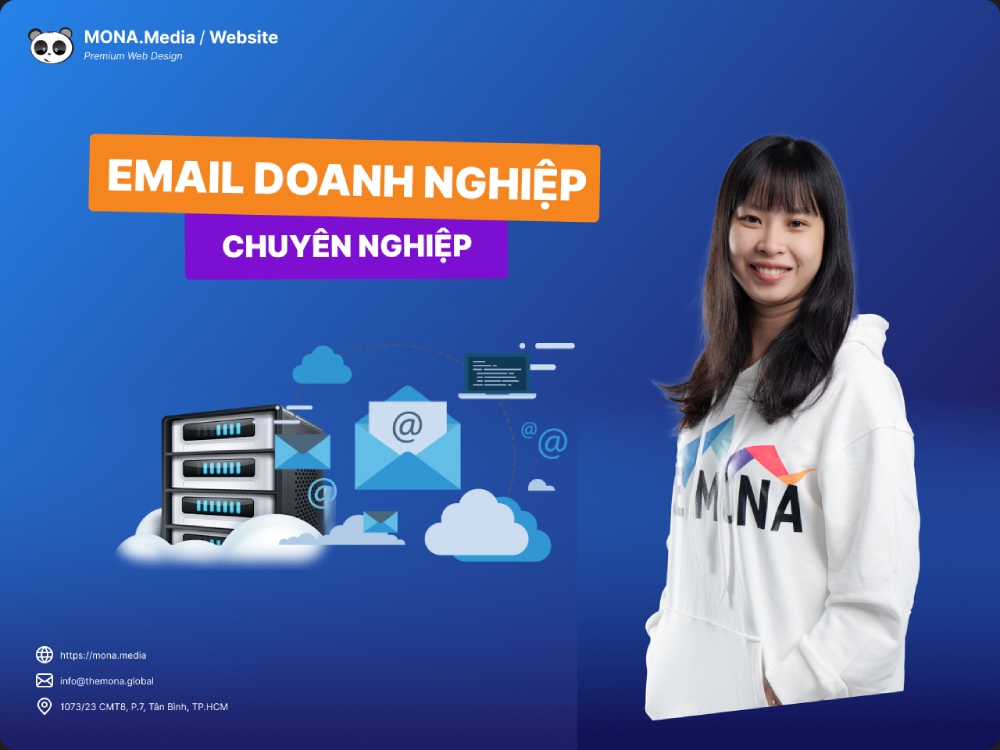
To avoid mistakes in email marketing, you should work with a reputable Email Marketing service provider. MONA Media is confident in introducing an effective Email Marketing solution for businesses, which helps businesses connect strongly with their customers to grow sales quickly.

In detail, MONA's Email Marketing service brings you the following “benefits”:
Work with MONA to win the market, increase engagement and reach the right customers with professional Email Marketing services. Don't wait, call HOTLINE 1900 636 648 or contact our team directly below!

When learning what Email Marketing is, you may still wonder about the principles for doing this kind of marketing. Below are the principles of using Email Marketing you should pay attention to
The “4 YES” principle in email marketing strategy includes:
What is the “5 NO” principle in Email Marketing? Points to note:
Email Marketing is a very promising form of email marketing for promoting your brand and products that you can put to use. It isn't hard to roll out and doesn't cost much, which makes email marketing the right choice for every industry. MONA hopes this article has helped you understand what Email Marketing is and how to market effectively in your own campaigns.

CEO & Founder · The MONA
Founder of The MONA, who built a services company of 200+ staff with 14,000+ projects delivered. Khánh Hùng shares how he thinks about building systems that run themselves, automating a business, and the real lessons from delivering projects at MONA.
 1,7K




Professional website
design services
Own a website with a beautiful, 100% exclusive design and a lifetime warranty, with the ability
to expand features flexibly as your business grows, starting today!






 MONA promises never to use your information for sale or SPAM


 MONA promises never to use your information for sale or SPAM
