
 MONA OS 2.0


 Tự động hoá doanh nghiệp
 Cẩm nang SEO
 Digital Marketing
 Kinh nghiệm thiết kế website
 Hạ Tầng Server
 Giáo dục



 VI
 EN








Message us on
Zalo Official


 ProductsNew

 ProductsProducts
 Mới ra mắtKHA AI 2027App tự edit video, tự đăng mọi mạng xã hội, 2 phút mỗi ngày










 Website designLooks good and wins customers over.
SEO servicesBrings in customers searching for exactly what you sell.
 Tư vấn digital marketingKéo khách từ nhiều kênh, đo bằng số thật.
Corporate video productionVideos introducing your company, factory and team.
 NewAI video productionCompany story films made with AI.
 Custom software developmentCRM, ERP and HRM built for your business.
 Viết AI Agent theo yêu cầuĐặt riêng một trợ lý AI cho đúng việc của mình.
 Tư vấn chuyển đổi AIĐưa AI vào vận hành của cả công ty.
NewMONA LMSManagement for centers and schools.
MONA SkillHubInternal training for company staff.
 NHTQ systemEnd-to-end China–Vietnam shipping operations.
MONA JMSManagement for gold, diamond and pawn shops.
 MONA E-LearningA website with every feature you need to sell courses.
 How to sell online courses (course)More than 30 free lessons on selling courses on autopilot.
 MONA Cloudmonacloud.vnServers to get your apps and websites running.
 MONA Basemonabase.vnPostgres database, sign-in and file storage.
 MONA Mailmonamail.vnSend OTP, order and invoice emails from your software.
 MONA Paymonapay.vnAccept bank transfers via VietQR and notify your software when the money arrives.
 MONA eInvoiceComing soonIssue e-invoices that meet tax standards.
Gấu CườiTrả lời khách 24/7 trên web, Fanpage, Zalo và thu lead cho sale.
 Gấu TeleSalesGọi điện tư vấn, chăm khách như tổng đài viên thật.
Dê CườiTư vấn và chốt đơn cho shop ngay trong khung chat.
Gấu WebmasterNhắn nhóm Zalo là website được sửa xong.
 Gấu Pháp ChếSoạn hợp đồng, rà điều khoản trong vài phút.
 Gấu Báo GiáLên báo giá đúng mẫu và gửi khách ngay.
 AI chăm sóc khách hàngTheo dõi và giữ chân khách hàng cũ.
 Gấu Tuyển DụngLọc hồ sơ, hẹn lịch, phỏng vấn ứng viên.
 Mới ra mắt
KHA AI 2027
Xây kênh chuyên gia 2 phút mỗi ngày
Quay bằng điện thoại, AI tự edit video, tự đăng lên 16 nền tảng và tự trả lời bình luận, tin nhắn.
356.373lượt xem trên kênh CEO MONA sau 21 ngày
 Anh Khánh HùngCEO MONA đang dùng mỗi ngày
Xem app làm được gì
 AI
Gấu Cười MONA ĐANG TỰ XÀITrả lời khách 24/7 trên website, Zalo OA, Messenger và thu lead về cho sale.
Dê CườiChốt đơn bán lẻ và sàn: Shopee, TikTok Shop, web. Chăm cả khách sỉ, đại lý.
Gấu WebmasterCập nhật nội dung, tối ưu SEO website mỗi ngày.
Gấu TeleSalesGọi điện tư vấn, chăm khách như tổng đài viên thật.
Gấu Tuyển DụngLọc hồ sơ, hẹn lịch, phỏng vấn ứng viên tự động.
AI chăm sóc khách hàngGiữ khách cũ, cứu lead đã rớt cho phòng kinh doanh.
Gấu Pháp ChếSoạn hợp đồng, rà điều khoản trong vài phút.
Gấu Báo GiáLên báo giá đúng mẫu, gửi khách ngay khi có yêu cầu.
 Chuyển đổi AI toàn phầnGiải pháp tổng cho doanh nghiệp, 3 lớp triển khai.
 Viết AI Agent theo yêu cầuĐặt riêng một con AI gánh đúng nghiệp vụ của bạn.
 Custom softwareCRM, ERP and HRM with built-in AI automation.
 SEO & AEO thời đại AIĐược Google lẫn AI trích dẫn, không chỉ xếp hạng.
 Kiến thức AI cho doanh nghiệpBài phân tích, hướng dẫn ứng dụng AI vào vận hành.
 Free AI courses
 AI tools at work
App mới · KHA AI 2027
Xây kênh 2 phút mỗi ngày
AI tự edit video, tự đăng mọi mạng xã hội
Free consultation, 8am–10pm every day

04 June, 2023
Inbound Marketing is still quite new and unfamiliar to many people. But it is an ideal, highly rated trend that many people trust when building a marketing strategy. Learning what Inbound Marketing is, along with related knowledge about Inbound Marketing helps us understand it fully and apply it effectively and accurately. Read on with Mona Media in the article below.
Inbound Marketing is a strategy that draws customers to your business on their own through useful content and valuable experiences, which generates leads and drives conversion. Unlike Outbound, which “goes looking” for customers, Inbound makes customers find the brand themselves, contributing to sustainable growth.
Today, Inbound Marketing uses many forms of marketing, the most typical being blogs, events or SEO, Content Marketing, or social media. Every activity aims at the same end goal: building awareness and understanding of the brand, which makes it easier for each business to attract potential customers.
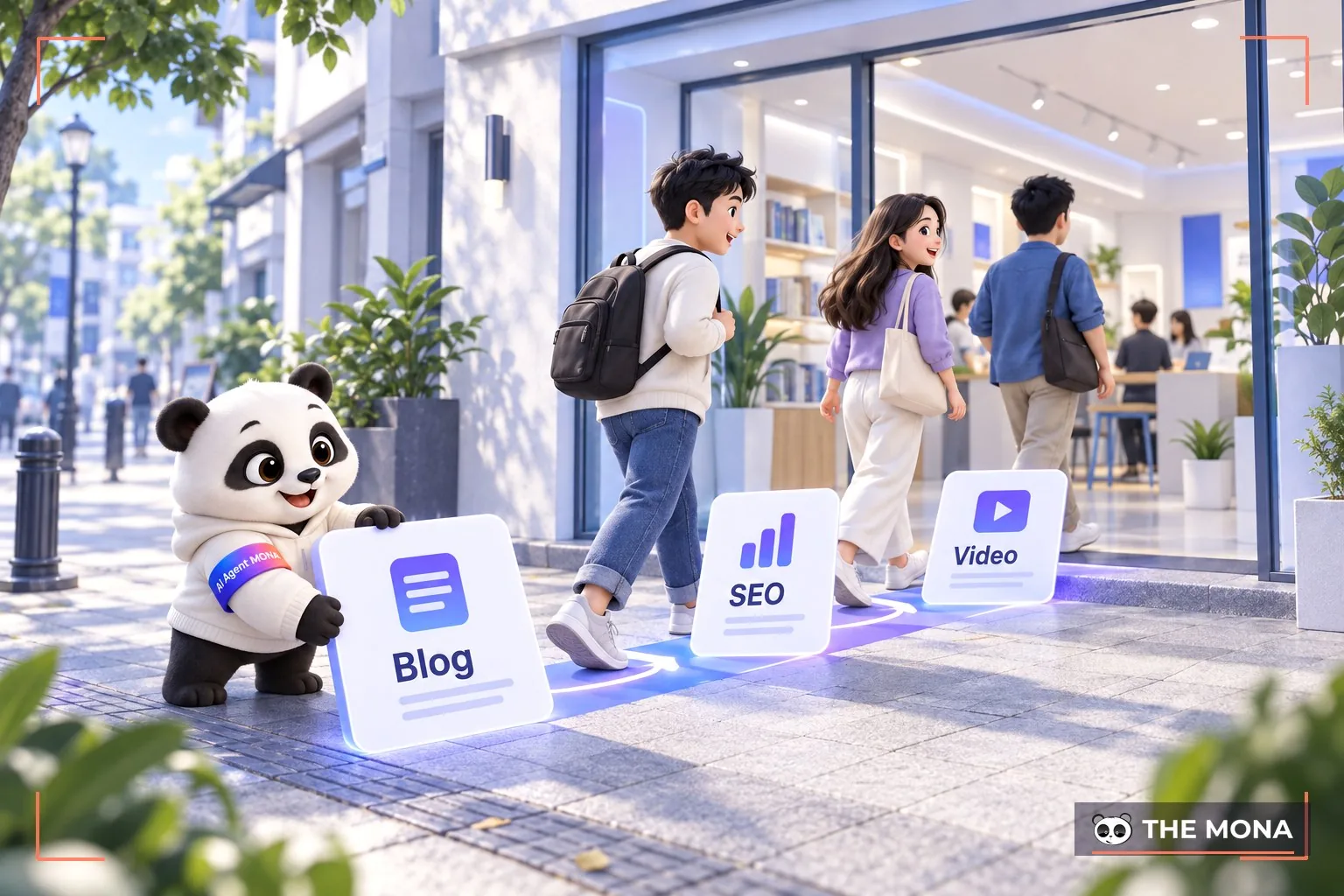
As many as 90% of businesses choose SEO as their form of Marketing online to grow Traffic, build brand awareness and convert revenue sustainably. With this approach, a business spends no money on advertising yet can reach more than 80% of the world's internet users through Google.
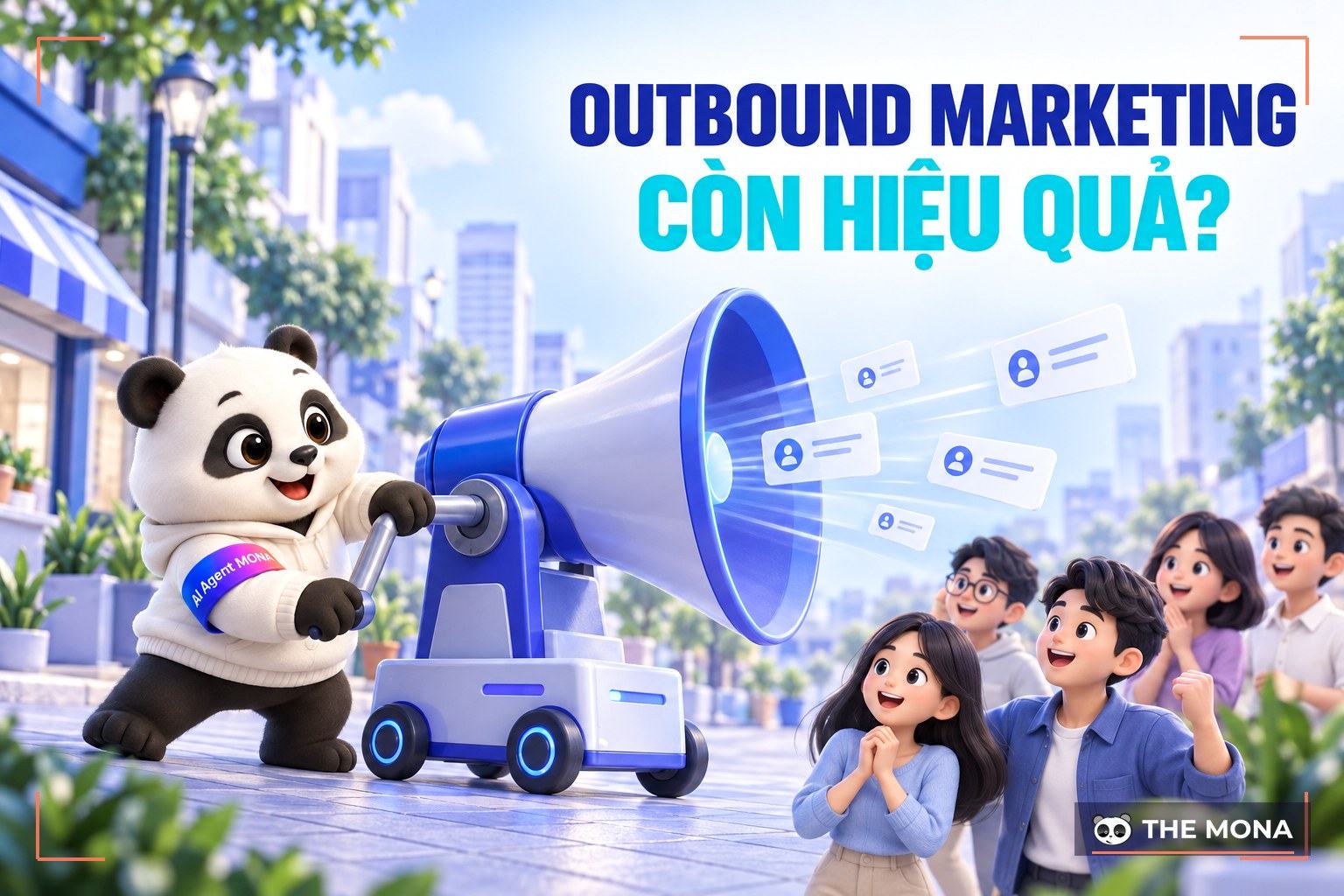
Outbound Marketing is a marketing strategy in which a business actively reaches out and “pushes” its message to potential customers rather than waiting for them to come. When running Outbound Marketing, advertisers use traditional channels such as TV, newspapers, magazines and other media to reach and attract potential customers. With the growth of the internet, though, Outbound Marketing has become more widespread through email marketing, social media ads and website ads.
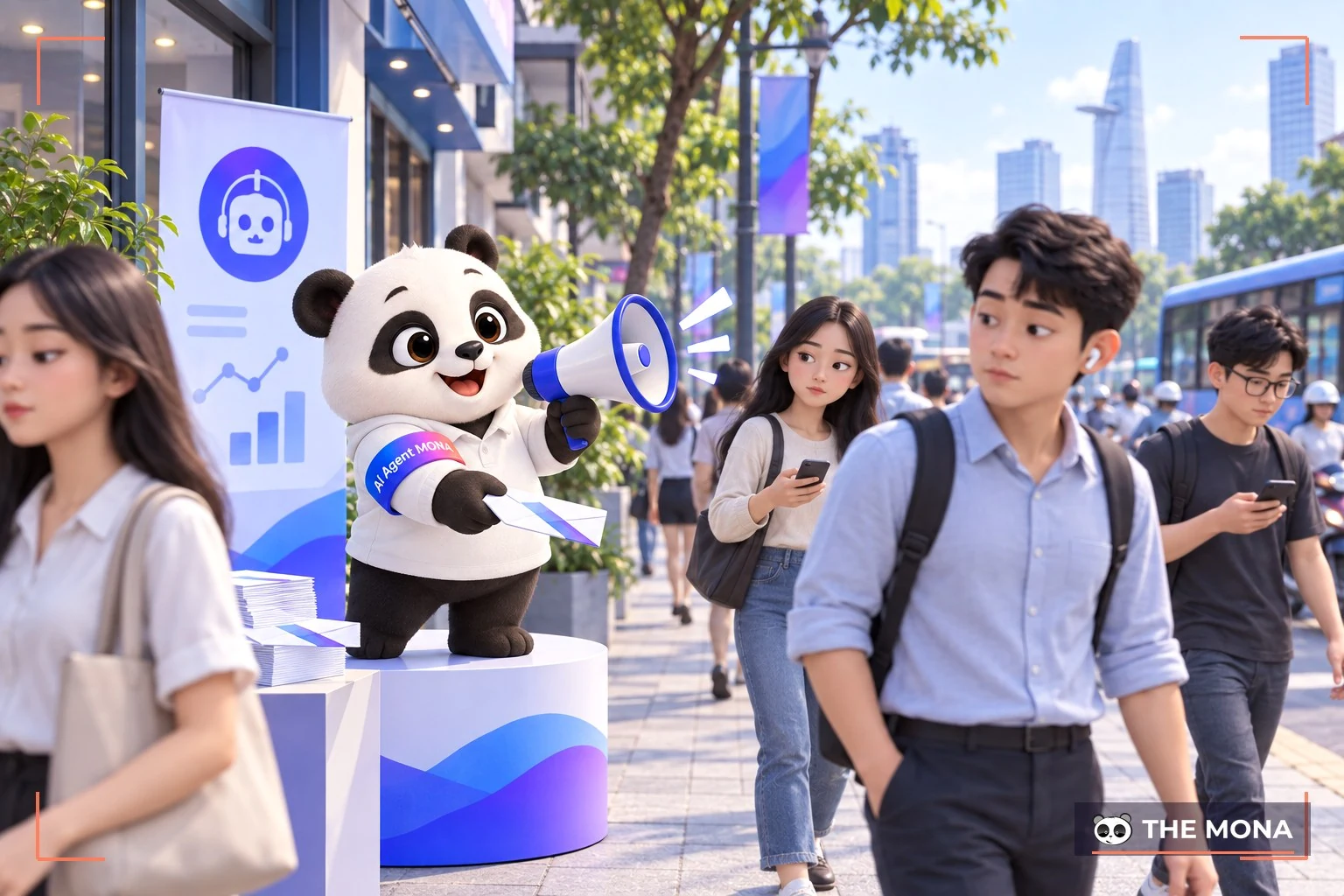
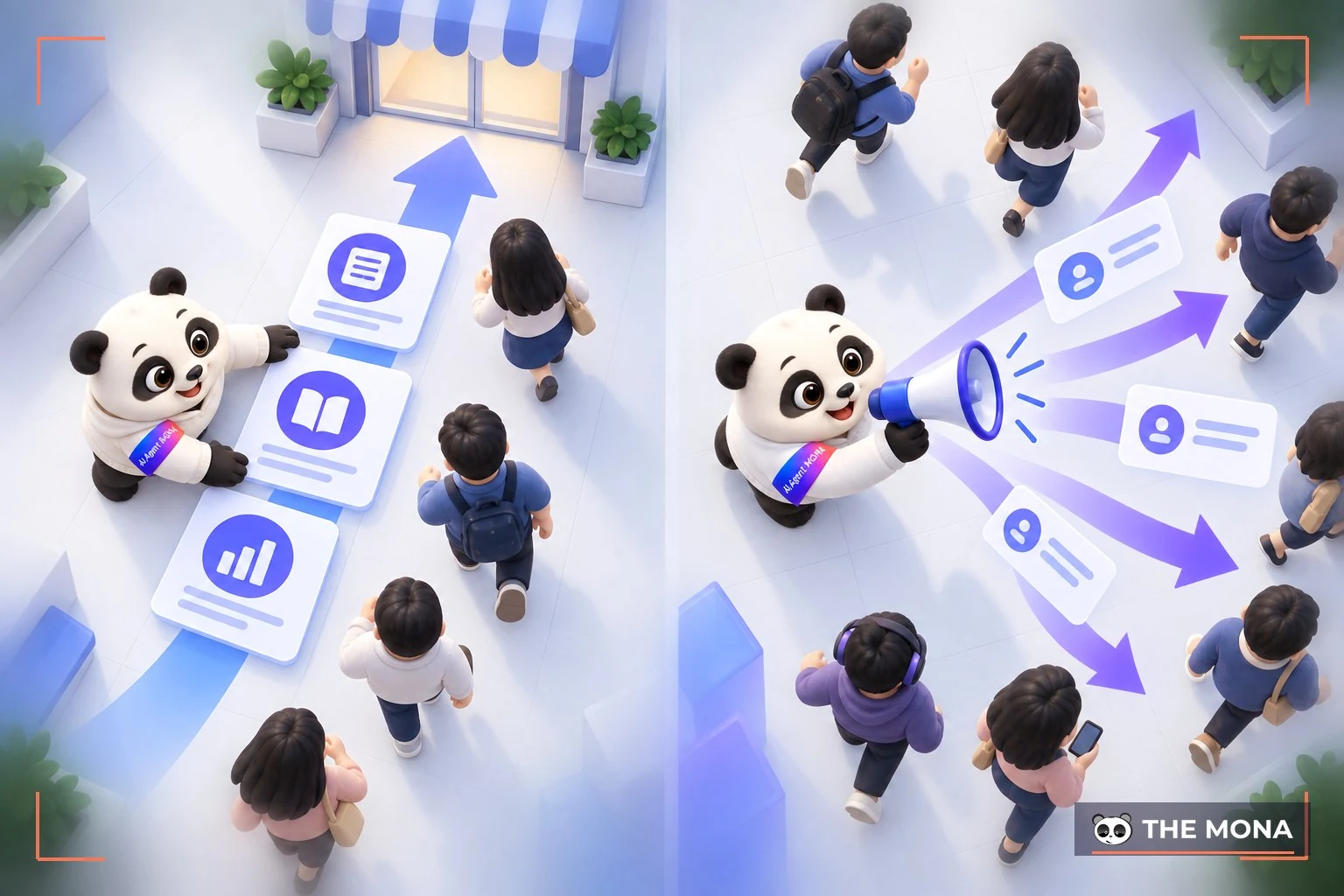
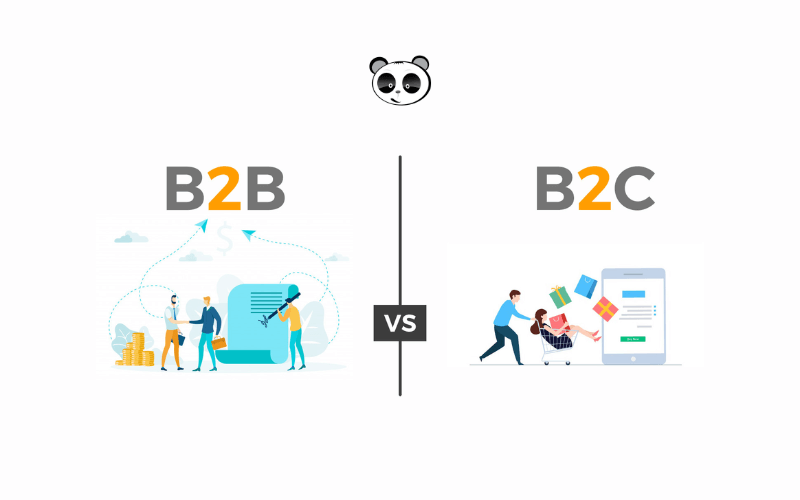
Inbound Marketing focuses on getting customers to learn about the business through engaging content. Outbound Marketing, in contrast, actively appears in front of customers even when they haven't searched for information about the brand's products or services. Outbound Marketing also covers many traditional forms of advertising, such as ads on TV, in newspapers and magazines, and direct outreach to customers by phone calls or email marketing. Inbound Marketing generally uses online tools such as SEO, blogs, social media and email to create engaging content for potential customers more naturally, and helps you increase interaction and convert conversion rate customers.

Example: Ads that appear in the middle of a TV show or film. This can annoy viewers, who have to take in information they aren't interested in. Worse, viewers switch channels or turn off the TV whenever ads come on.
Outbound marketing puts about 80% of its information directly on the product and only 20% on useful content. Inbound marketing does the opposite: it builds useful content on many topics in your industry, to look after and nurture potential customers.
In other words, besides the basic product information (10 – 20% of all content website), inbound marketing adds related content that covers more ground. This content is not tied directly to your sales goals, yet it helps you reach and nurture potential customers.
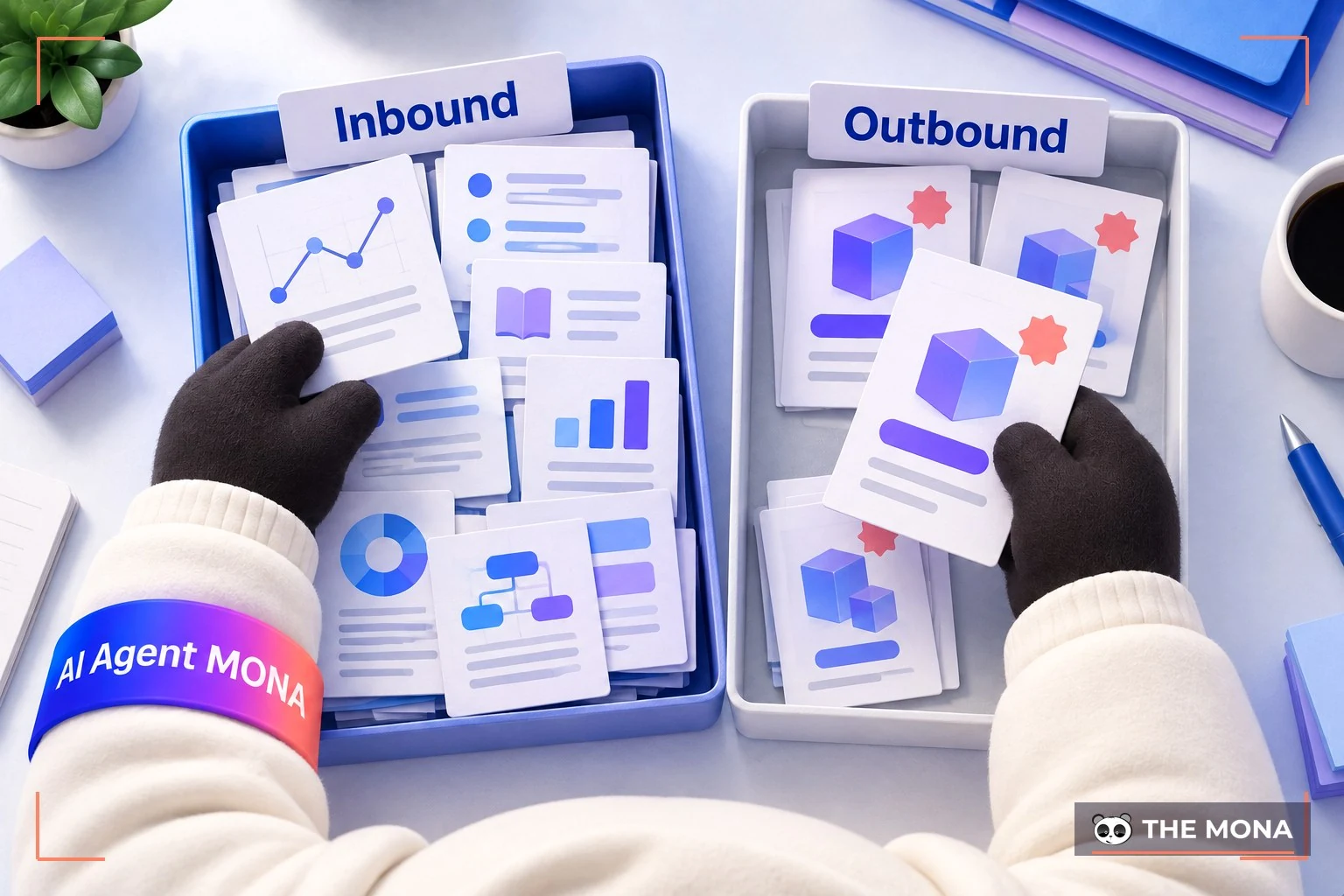
Example: Say your business sells air fryers. With inbound marketing, you could publish a series of related articles like these to win more attention from readers:
Inbound and outbound marketing share the same goal: driving business activity and bringing in customers.
Outbound Marketing uses every method to push as much information as possible at users to get their attention and turn them into leads. The weakness is that it does not target the people who actually want the product, and advertising campaigns cost a lot.
Example: A company buys a list of about 100 phone numbers from a third party for an outbound campaign. Calling each person to pitch the product is very hard, because there is no way to know who actually needs it. The outbound effort goes to waste, and the company can only hope that at least one person on the list is interested.

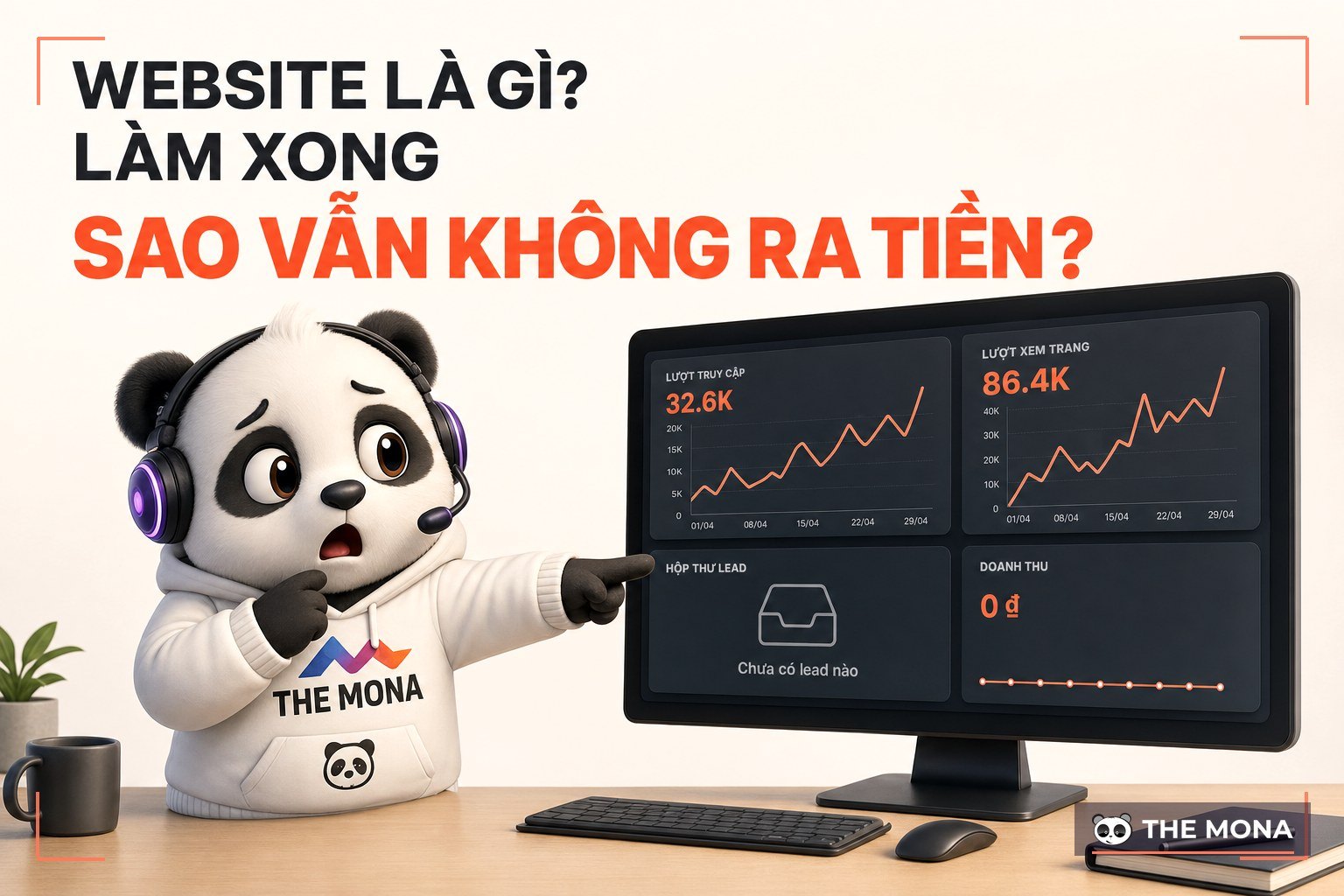
A website, on the other hand, is Inbound Marketing focuses on providing useful information to attract people who already need the product or service. This saves you advertising costs while still bringing in good leads and sales.
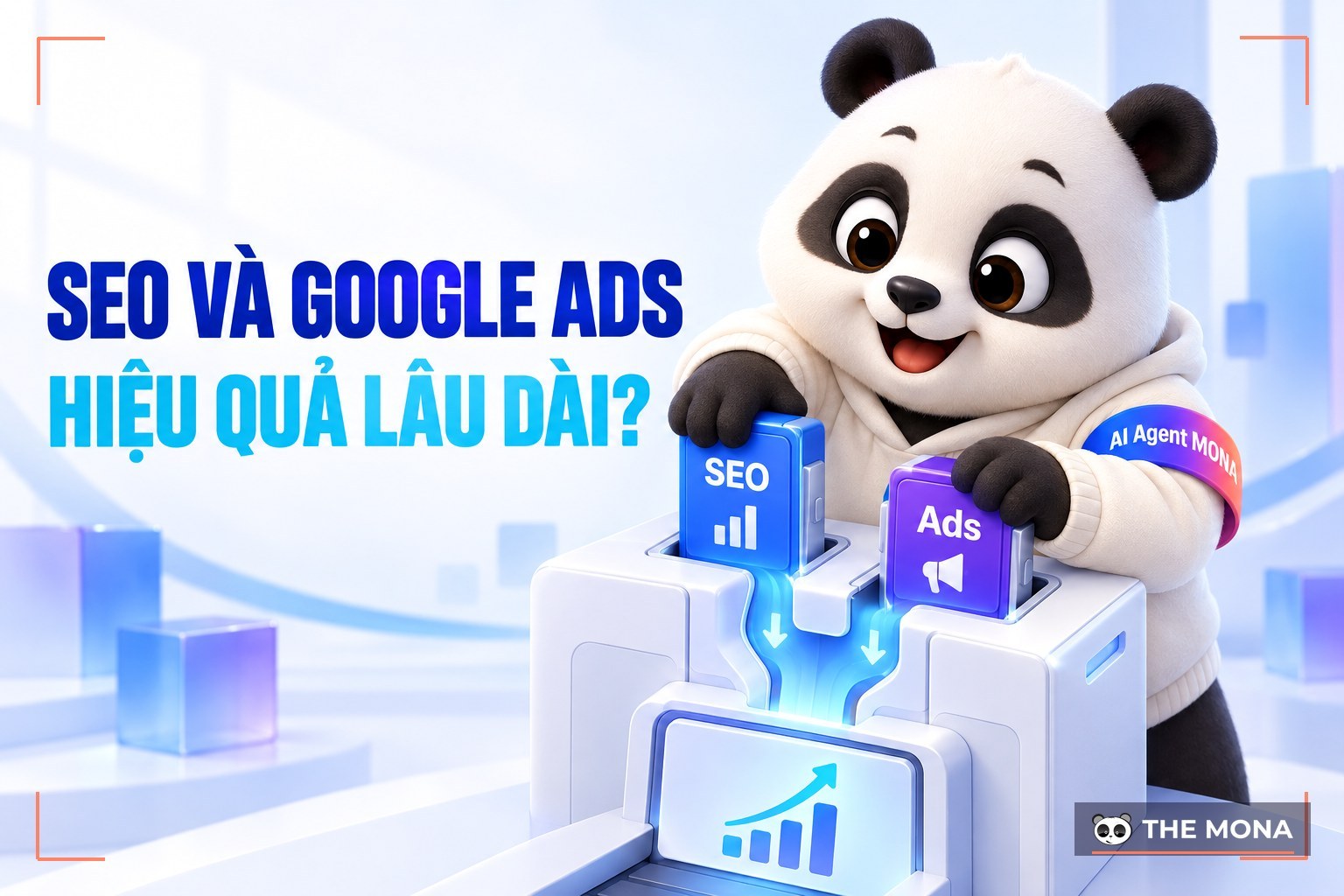
SEO is an inbound marketing method that reaches customers effectively without costing much. SEO finds potential customers through a list of keywords. Compared with Google Ads, you do not pay for every click on an ad. Many clients switched to SEO after 5-6 months of Google Ads to save money.
→ See more: SEO or Google Ads: which advertising method works best?
There was a period when Hùng only focused on doing good work for existing clients and waited for them to refer new ones. After a while it became clear that this was not enough for the company to grow steadily. Watch the video to see the 7 ways MONA has used to find clients more reliably.
Inbound marketing is well regarded because it helps a business look more attractive, credible and respected. Customers do not feel they are being sold to; they take in information about your business, products or services naturally. People trust inbound marketing for the benefits it brings:
Inbound marketing is known as an online marketing strategy that draws in a large audience at a reasonable cost, and more businesses trust it every year. It links your marketing activities through channels and tools that carry information well, such as video, your website and social media.
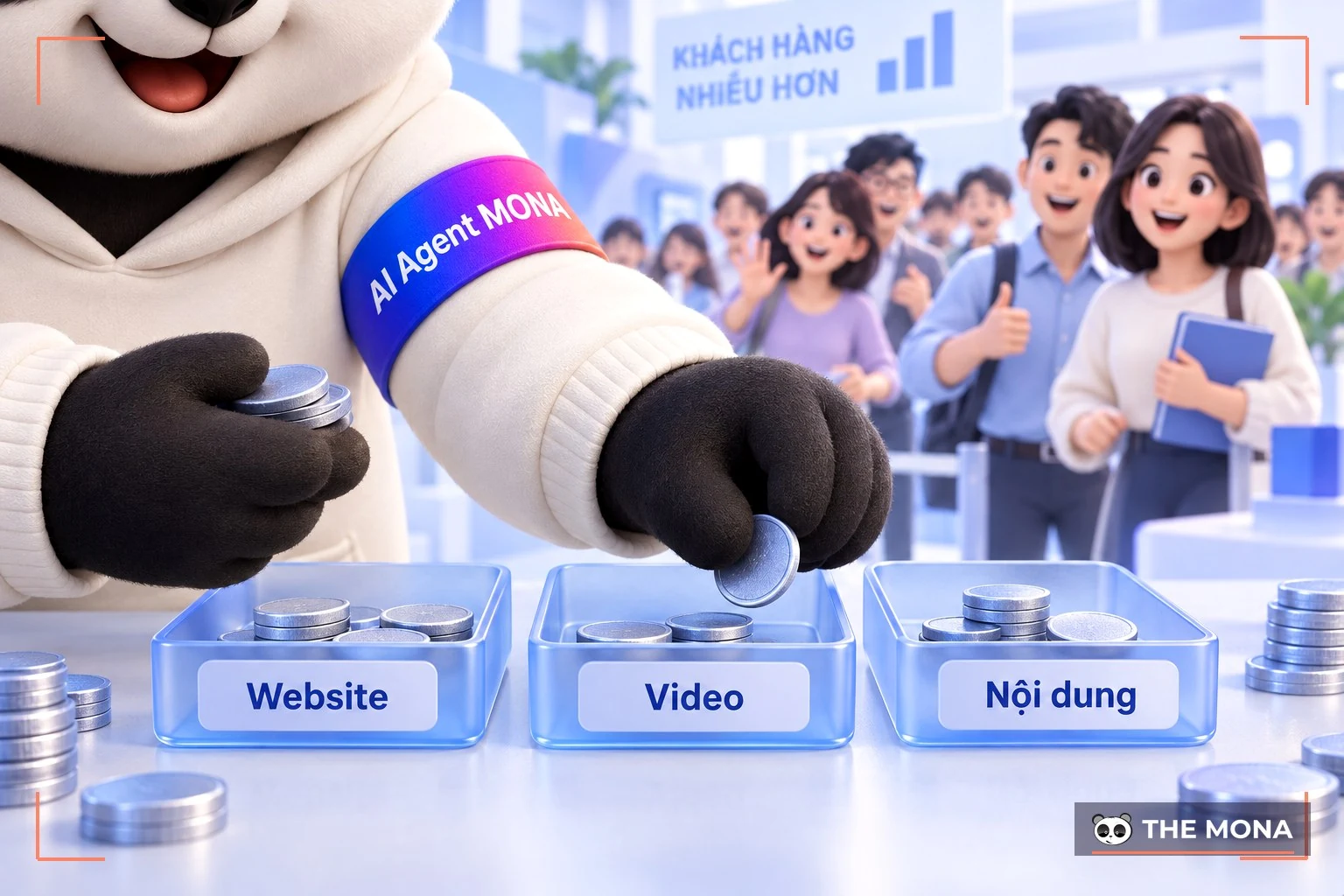
By combining content creation, search engine optimization of your website, advertising and more, inbound marketing widens your reach and attracts people interested in your product. Using several channels together also lets you spend each campaign budget better. And do not forget to invest in skilled, professional people so your campaigns get the best results.
Outbound marketing reaches customers in a scattered, uncontrolled way and wastes resources. Inbound marketing solves this. By focusing on a specific group of potential customers, your advertising attracts users better and avoids waste.
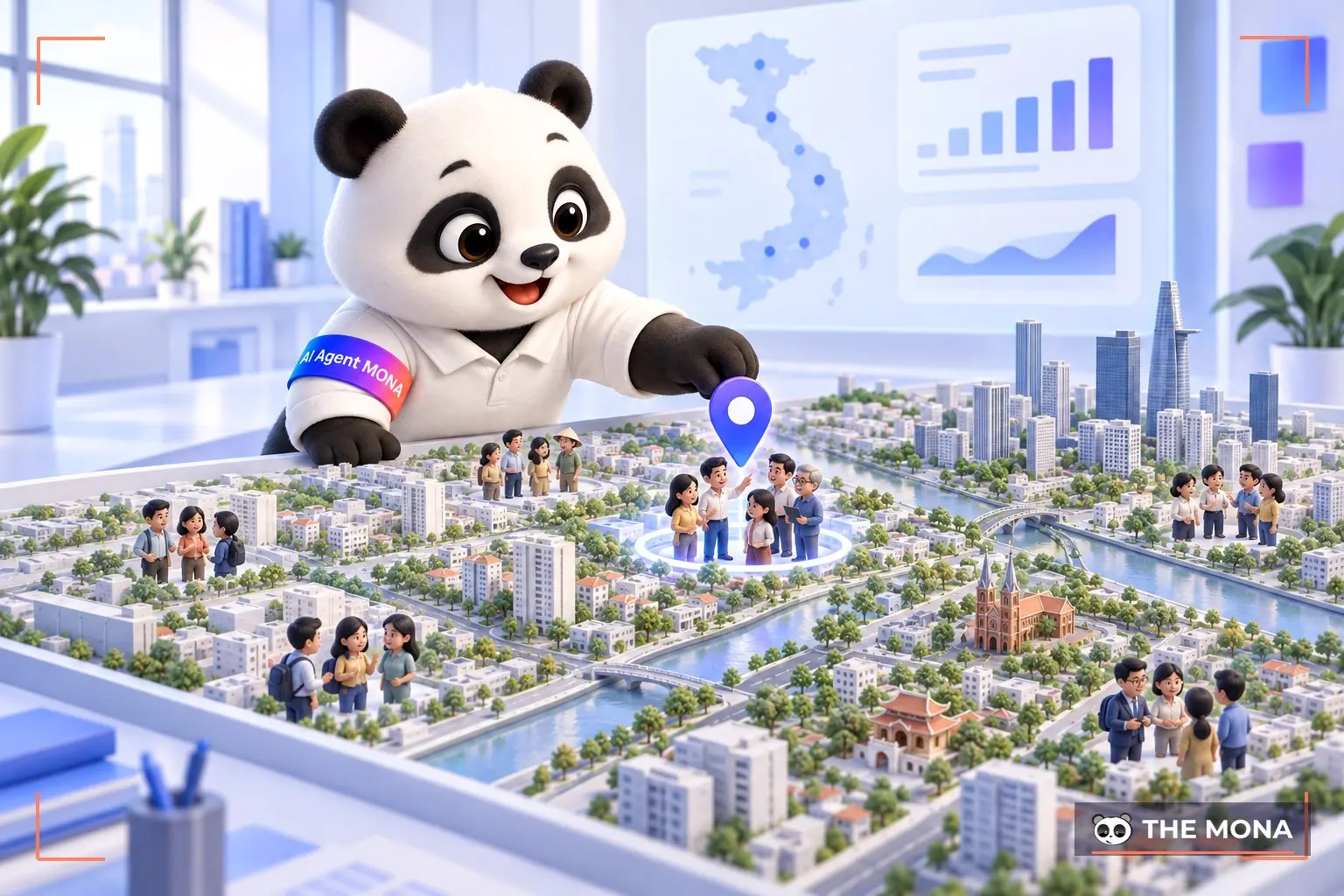
Inbound marketing is flexible and does not force information on anyone. Customers choose for themselves whether to read what you publish. This changes how people experience advertising and sets a new direction for content marketing: ads that do not irritate or put people off, and that reach customers naturally, effectively and with focus.
SEO and inbound marketing together can bring a project results beyond what you expected.
By nature, inbound marketing does not deliver results right away; it delivers them gradually and for a long time. When people find quality content that fits their real needs and interests, they are more likely to take action.
Combined well with other marketing tools, inbound marketing brings strong, lasting results and clear benefits to your business.
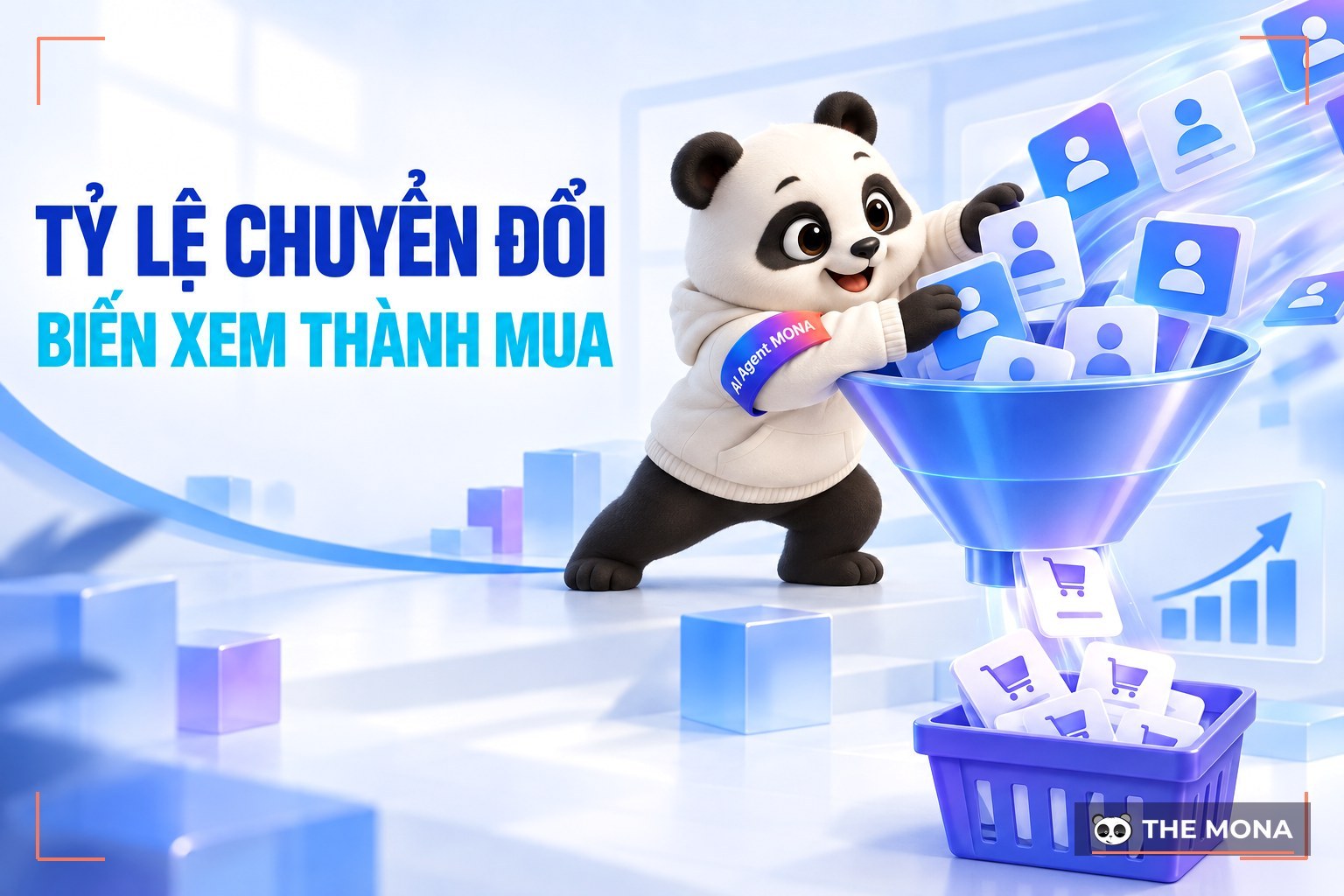
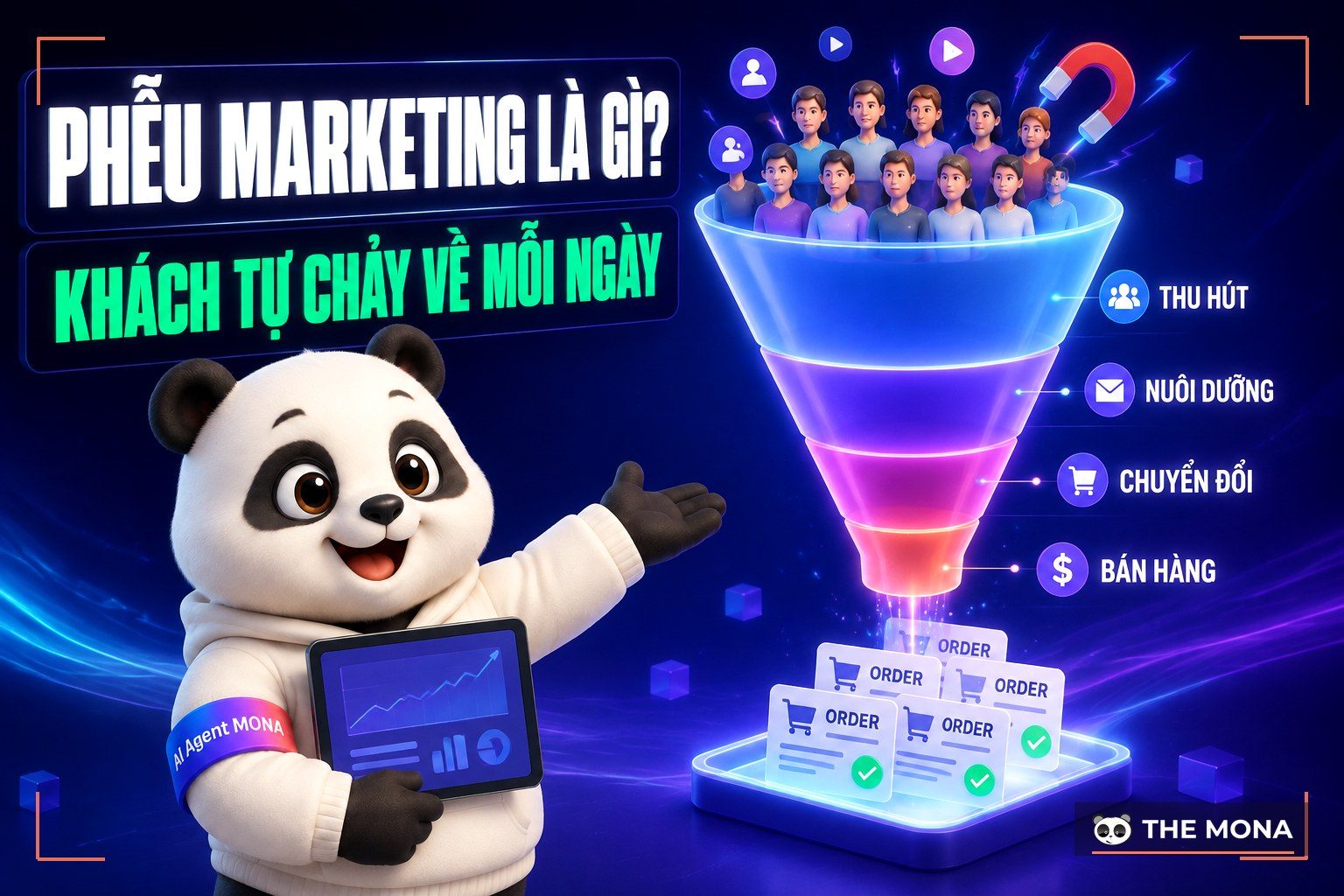
→ See more: What is a marketing funnel? How to build a marketing funnel for your business
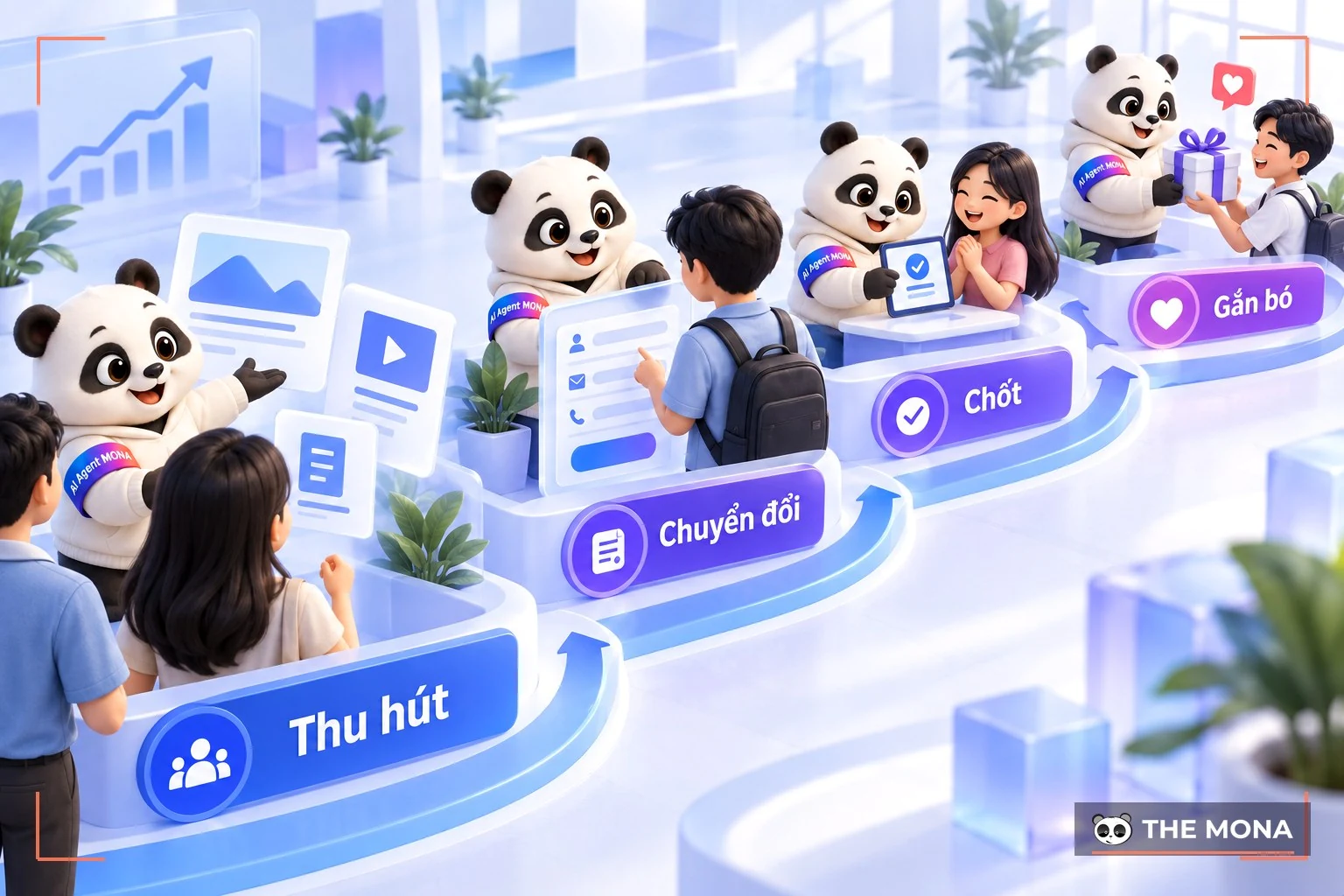
To make your Inbound Marketing campaign a success, the first step is to become “visible” to potential customers on online channels like Google and social media. To attract customers from the first look, take these steps:
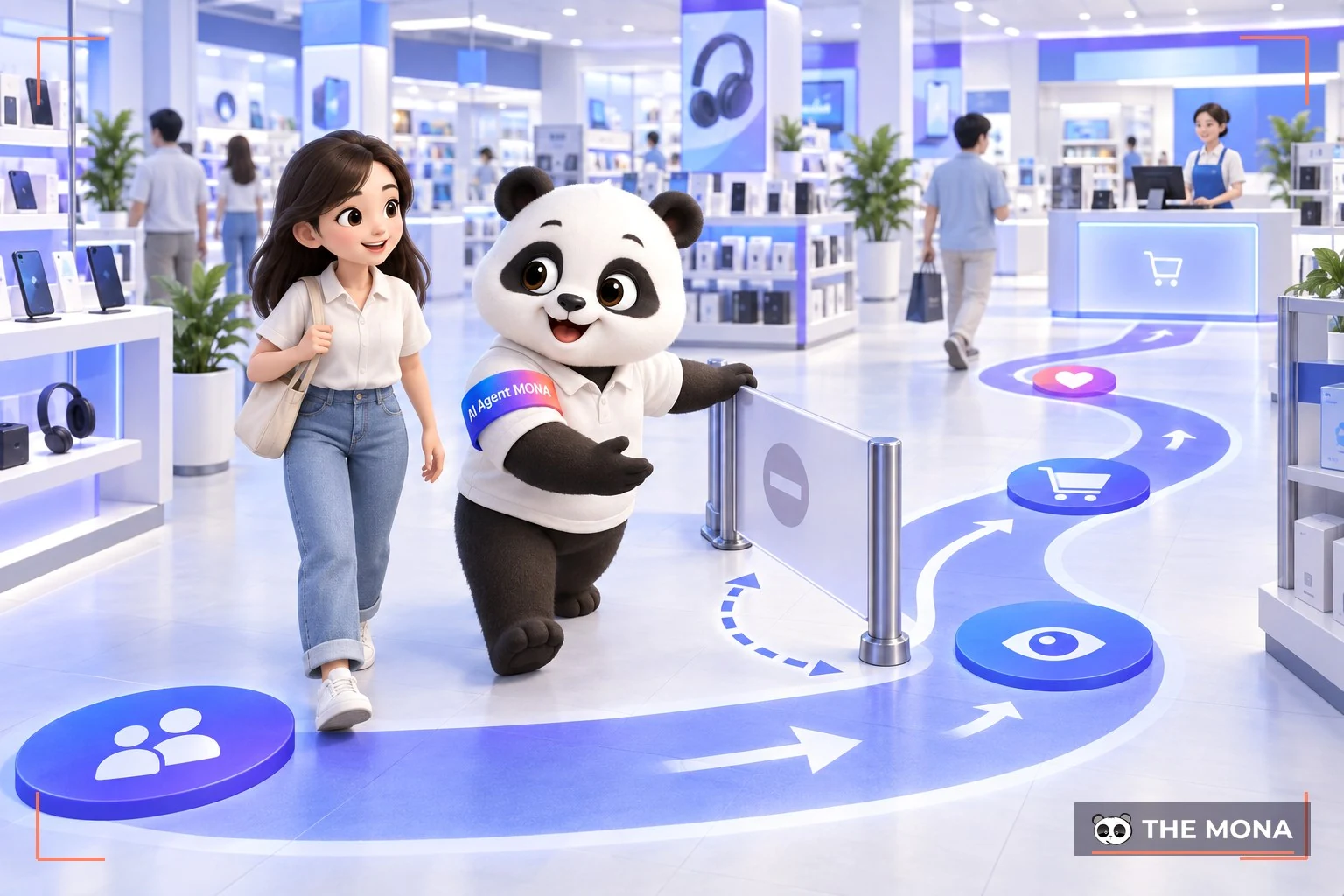
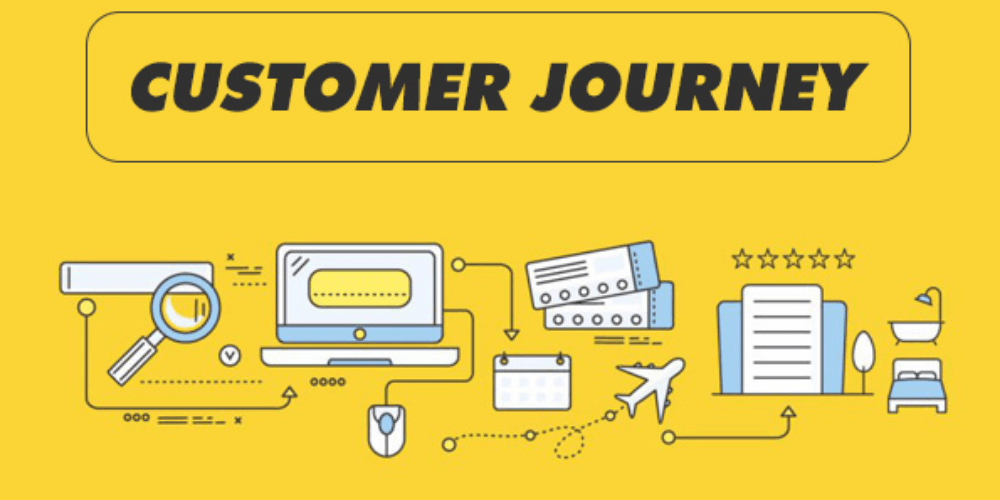
Once you have your customer persona and understand customer behavior, look for the right touchpoints for that “first meeting” with customers. Consider these main activities:
Build a blog on your website to put useful information in front of potential customers:
Do SEO for your website so search engines bring people to it naturally, which also builds credibility:
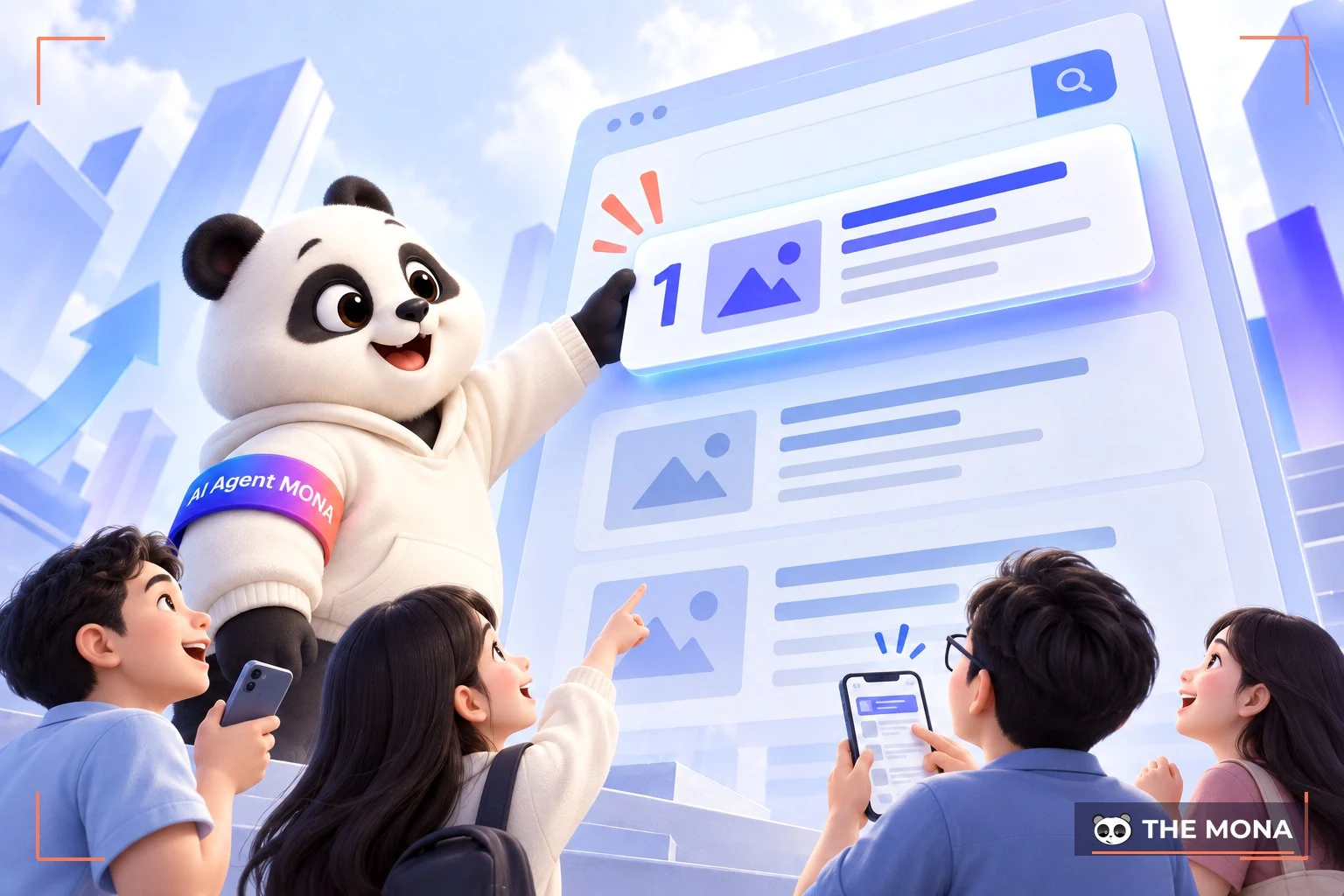
Mona Media ranks #1 for the Vietnamese keyword “thiết kế website” (website design)
If you are interested in SEO services take a look at Mona Media. We are proud to be a leading agency in in website SEO. MONA has delivered 300+ projects successfully for clients. Call HOTLINE 1900 636 648 for SEO strategy consulting that fits them for free, 24/7.

Build content about your business on social networks to reach a large number of potential customers:
To get potential customers to leave their contact details, plant a seed of curiosity about the benefits of your product or service. For proactive prospects, this may be the moment to close the sale. For more passive customers, offer useful solutions and information in exchange for their contact details. For example: documents, reports, guides, webinar sign-ups, webinar or a free demo trial.
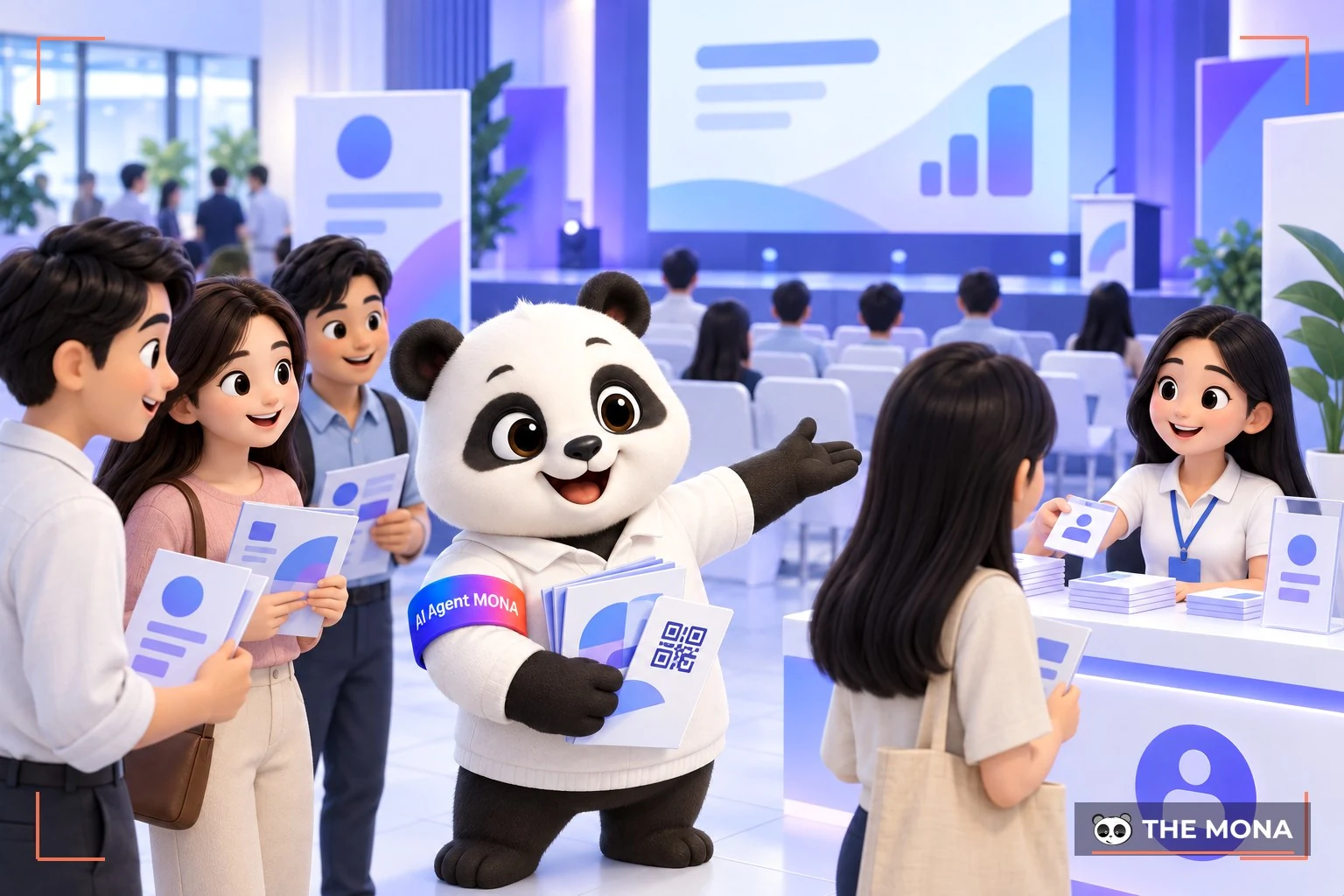
To succeed at this stage, pay attention to these key factors:
Collecting customer details is one of the most important steps. It helps a lot in later stages, such as customer care, maintaining relationships and turning leads into loyal customers.
By the end of stage 2, you have built a list of quality leads, but to turn them into real buyers, you need to build trust with customers through free trials where they can check product quality, and equip yourself with the following tools to close the sale at the right moment:
CRM can be seen as a data management and customer care system. A CRM works like this:
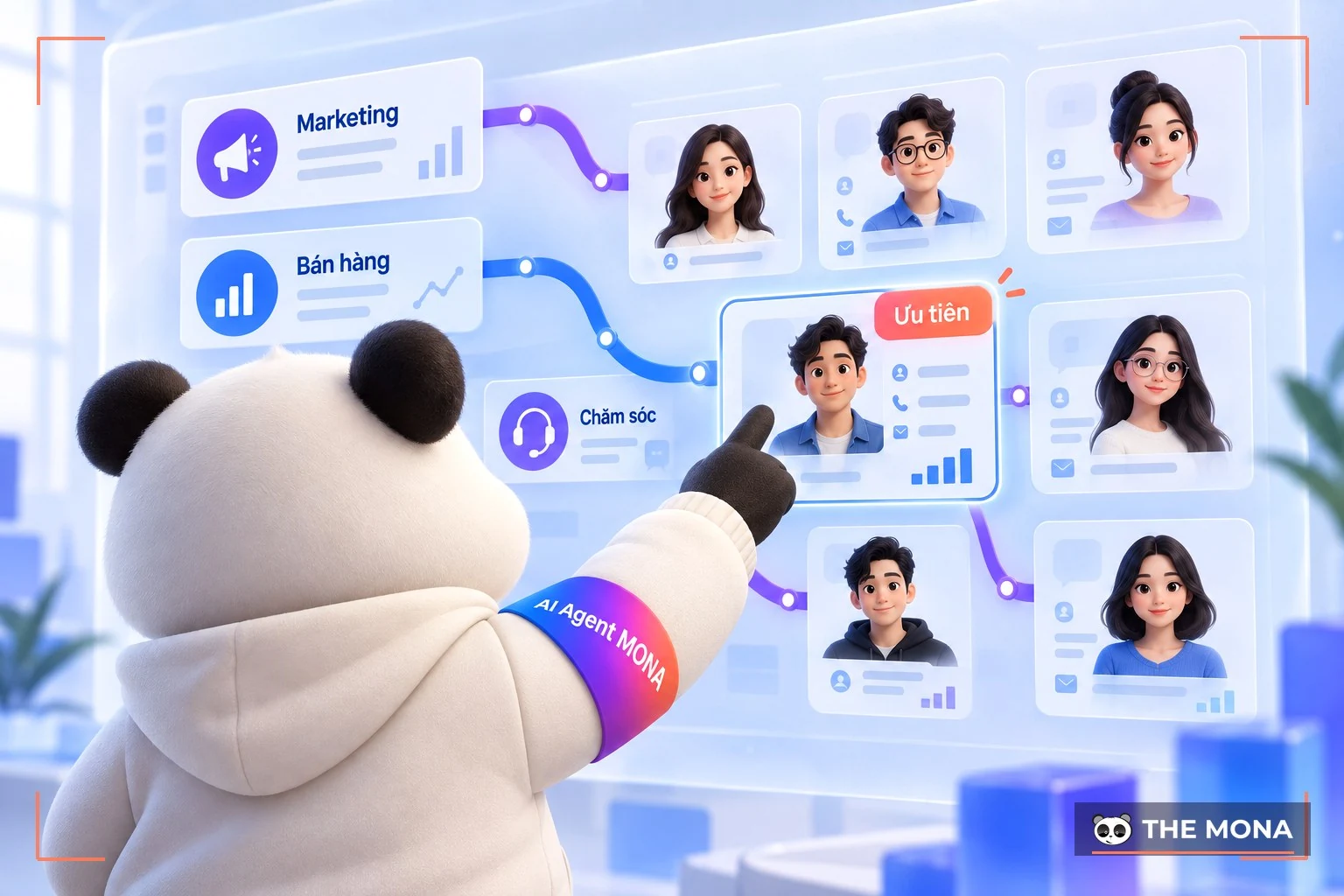
The Marketing Automation saves time and effort in managing customers by sending emails automatically and nurturing leads at each stage. It also improves your marketing strategy by automating processes from email to Remarketing, based on analytics from the CRM about personas, customer journeys and how customers interact.
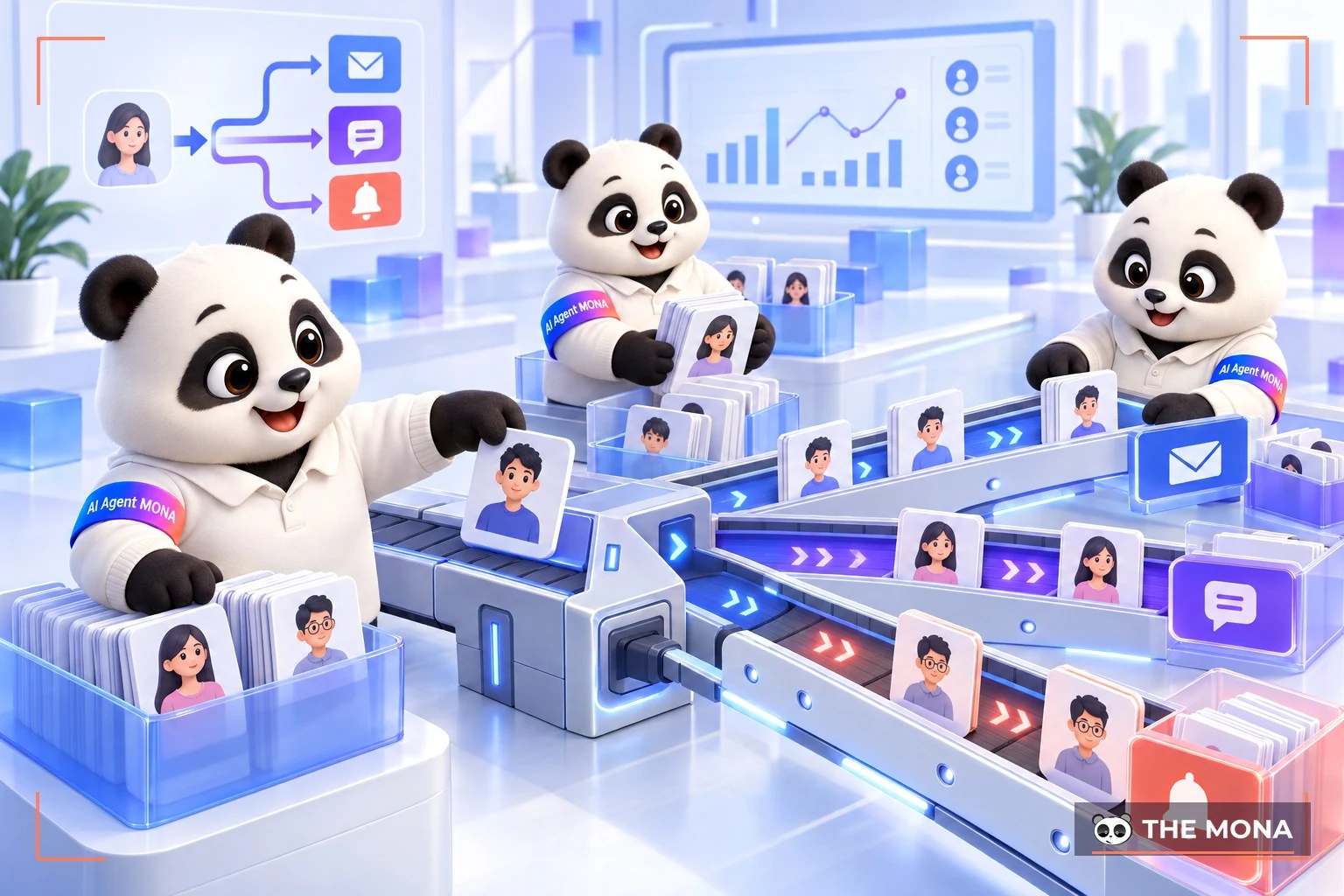
4 main types of marketing automation scenarios in the Close stage:
Using lead information from stage 2, you can identify where each customer is in the buying process and run inbound marketing more effectively. From there you build closing, nurturing and care strategies based on how customers convert along the way.
To close sales from the contact details on sign-up forms or social channels, you need to:
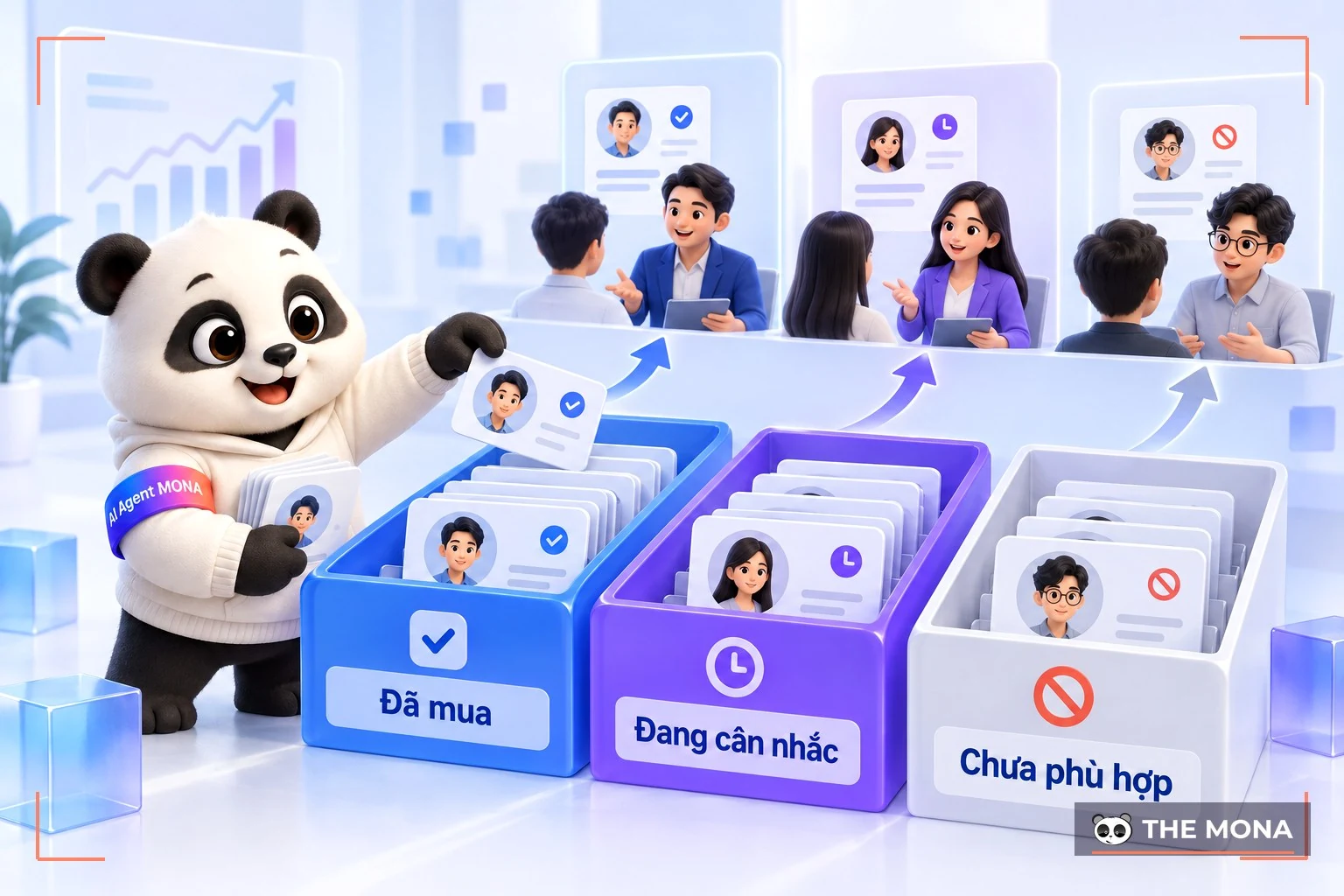
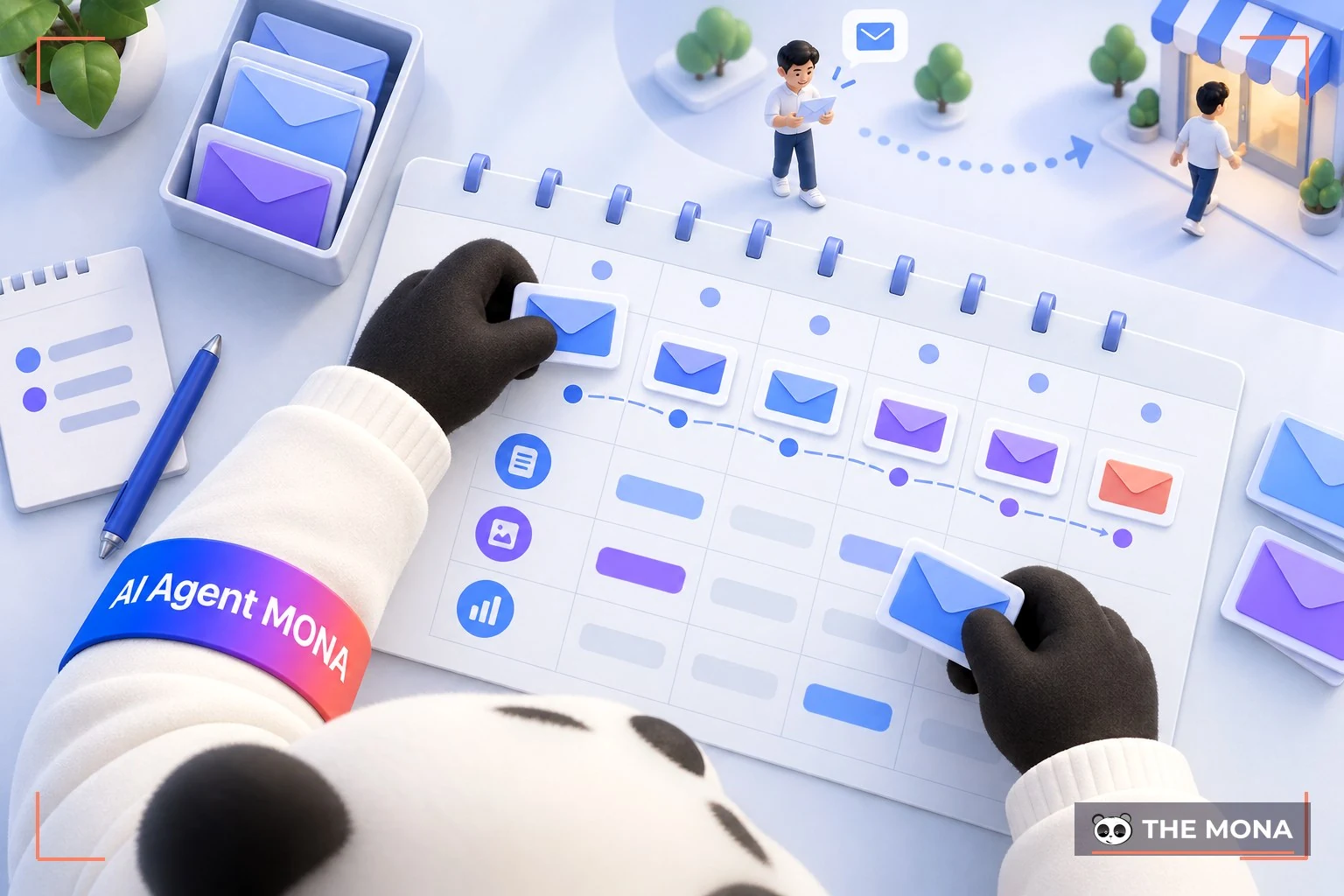
The group that needs long-term nurturing includes customers whose details you have collected but who did not buy during the closing stage. It also includes people who signed up for free documents or webinars. To nurture this group, use several channels, such as:
In an inbound marketing strategy, customer care is essential. Once leads have become customers, the goal is not only to help them use your product but also to build a long-term relationship. What customers say and feel will influence the buying decisions of the people after them. Ways to look after customers include:
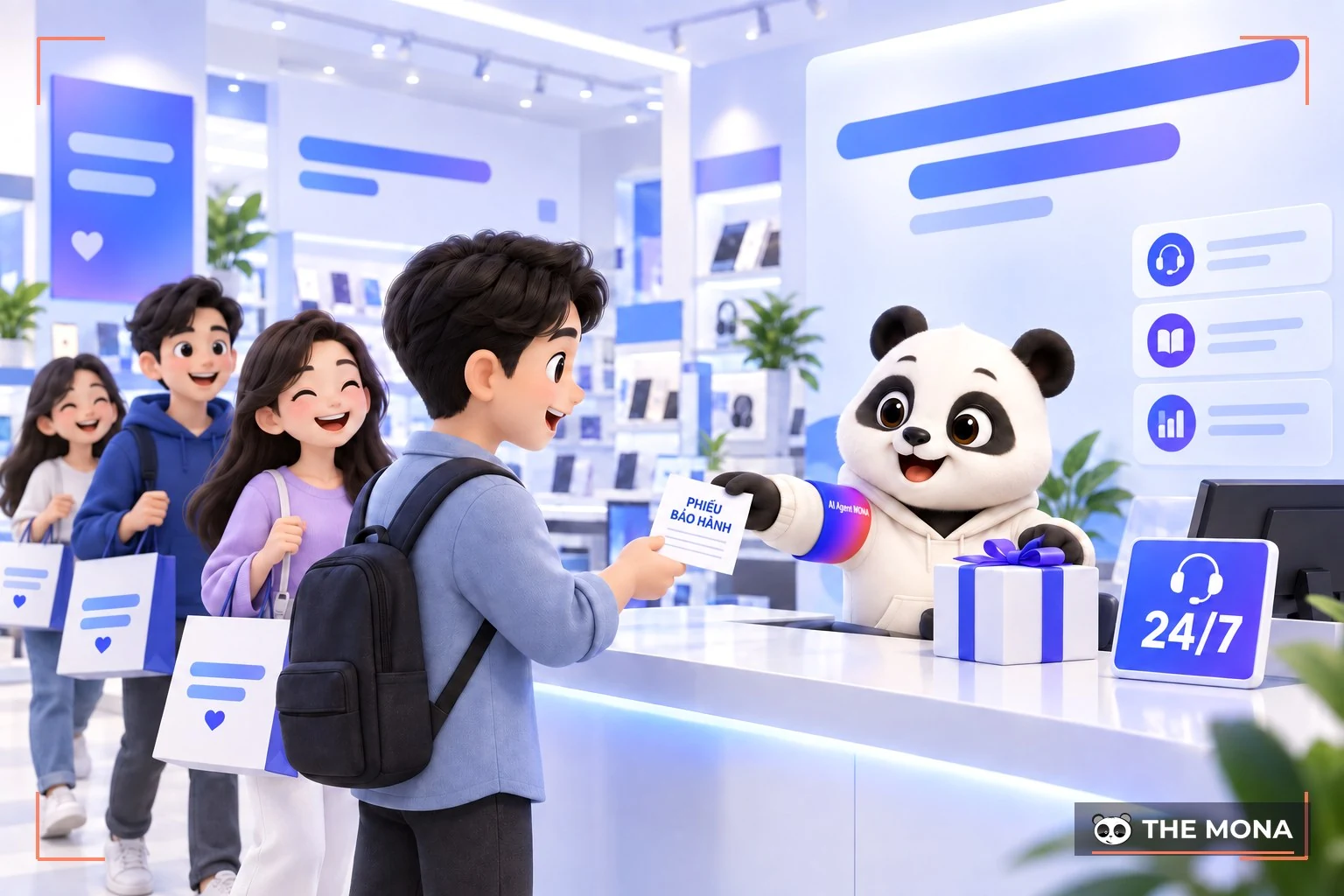
With these approaches to customer care, you can build a long-term relationship with customers and raise their satisfaction with your products and services.
To run an effective inbound marketing campaign, follow every step and requirement. This is how you get quality campaigns, and quality campaigns are what produce the best marketing results.
Defining the target audience is the most basic and most important step in marketing strategy. Your strategy and plans must fit the audience you have defined. A target audience profile should cover basics such as:
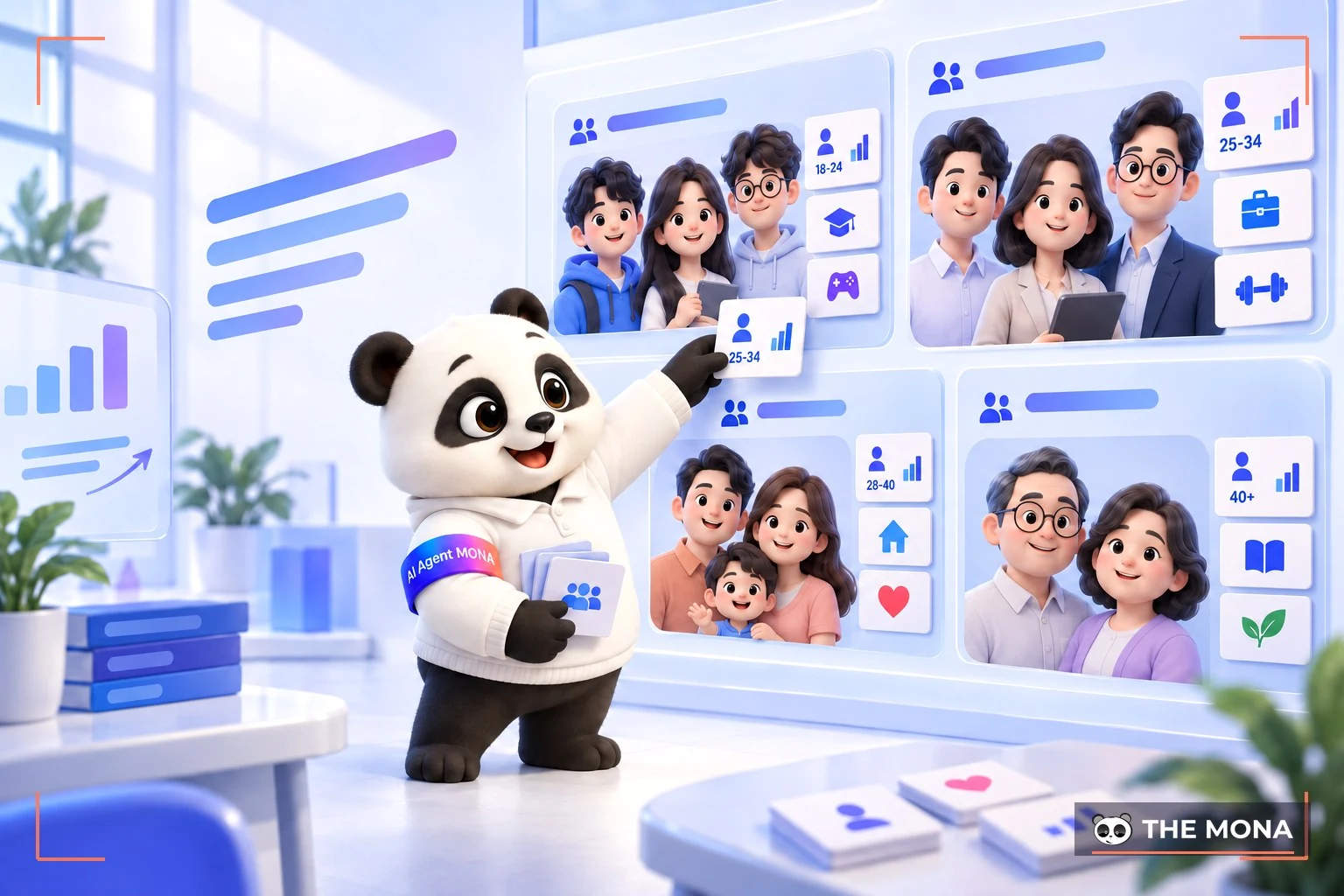
Once you know where your business stands today, you can set goals that are more accurate and realistic. So before launching a campaign, review your current website traffic, your leads and the customers generated by similar campaigns in the past. This information becomes the baseline for the goals of the campaign you are building.

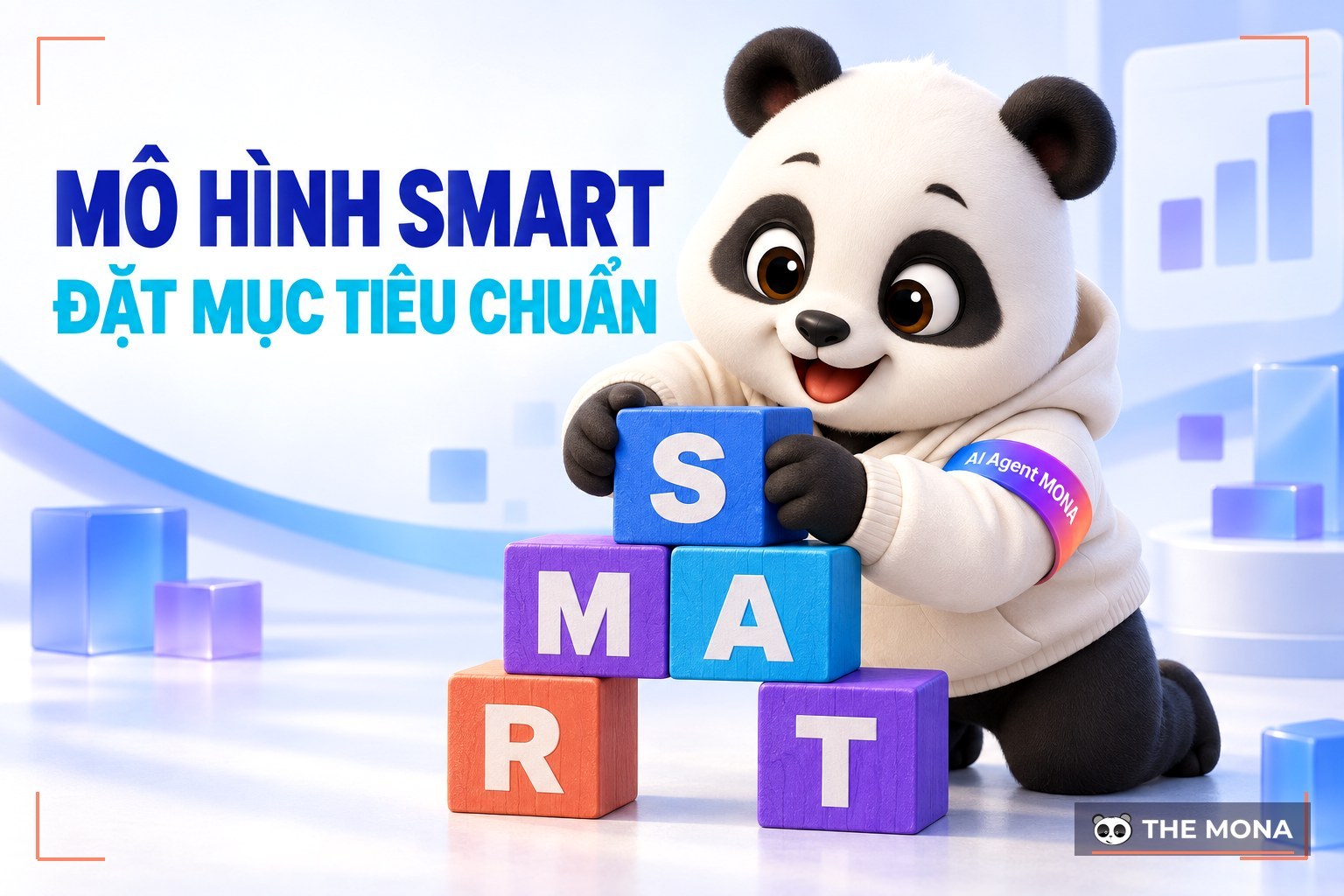
When setting goals for an inbound marketing campaign, the basics are raising brand awareness and growing sales. A method you can use is the SMART COALS:
Setting benchmarks and goals gives you a clear overall picture of the campaign. From there you can evaluate it and make changes where needed to match the market and your business as they really are.
At this step, choose the search keywords that will make your inbound marketing campaign accurate and effective. These are the keywords you give priority in titles and throughout your content. Do not just stuff keywords; keep your terminology consistent and use keywords in a way that reads naturally.
Once the basics of the campaign are settled, you need content that attracts potential customers, and a landing page. The main purpose is to turn visitors into real customers, the ones most likely to buy.

Landing page for website design service from Mona Media
Make sure the main elements of the landing page, such as the headline and meta tags, are in place. They should include the keywords you chose to optimize for.
You can introduce products, services or a CTA to a large number of potential customers on your list with email marketing. Also add social sharing buttons, and connect URL to your reports so you can track the metrics easily.
In an inbound campaign, useful content published on your blog directly affects your CTA and also leads customers to the landing page. Complete, engaging content for potential customers, and knowledge shared on topics related to your product or service, is another way to attract them.

Mona Media SEO knowledge blog
Plan to post about your offers on social networks throughout the campaign. Make sure you post regularly on each network and mix content types (images, video, text and so on) so customers get a richer experience, which raises the conversion rate.
Once lead magnets and landing pages bring in a large number of leads, the inbound campaign is not over. To get leads to convert, attach a nurturing campaign, or a follow-up email tied directly to the offer. Each email should point the lead to the next step they should take in their decision process.
After an inbound marketing campaign is built and launched, it is very important to compare real performance with the goals you set at the start. Track and measure results regularly and continuously. This shows whether the campaign is running well, accurate and delivering strong results, and whether you should adjust anything along the way to improve them.
→ See more: Marketing performance metrics every business should know
Businesses need to think carefully before choosing inbound, outbound or both together to get the best results. These strategies can be combined into a Marketing complete campaign, with fast growth and maximum economic return.
When customers respond to your outbound marketing, use inbound email to build the relationship. Set up email lists for events or display ads to engage customers and give them details about the event. If customers respond well and engage, send more useful content such as ebooks, blog lists and articles that analyze the problems they face, and introduce your business's solutions to boost engagement.
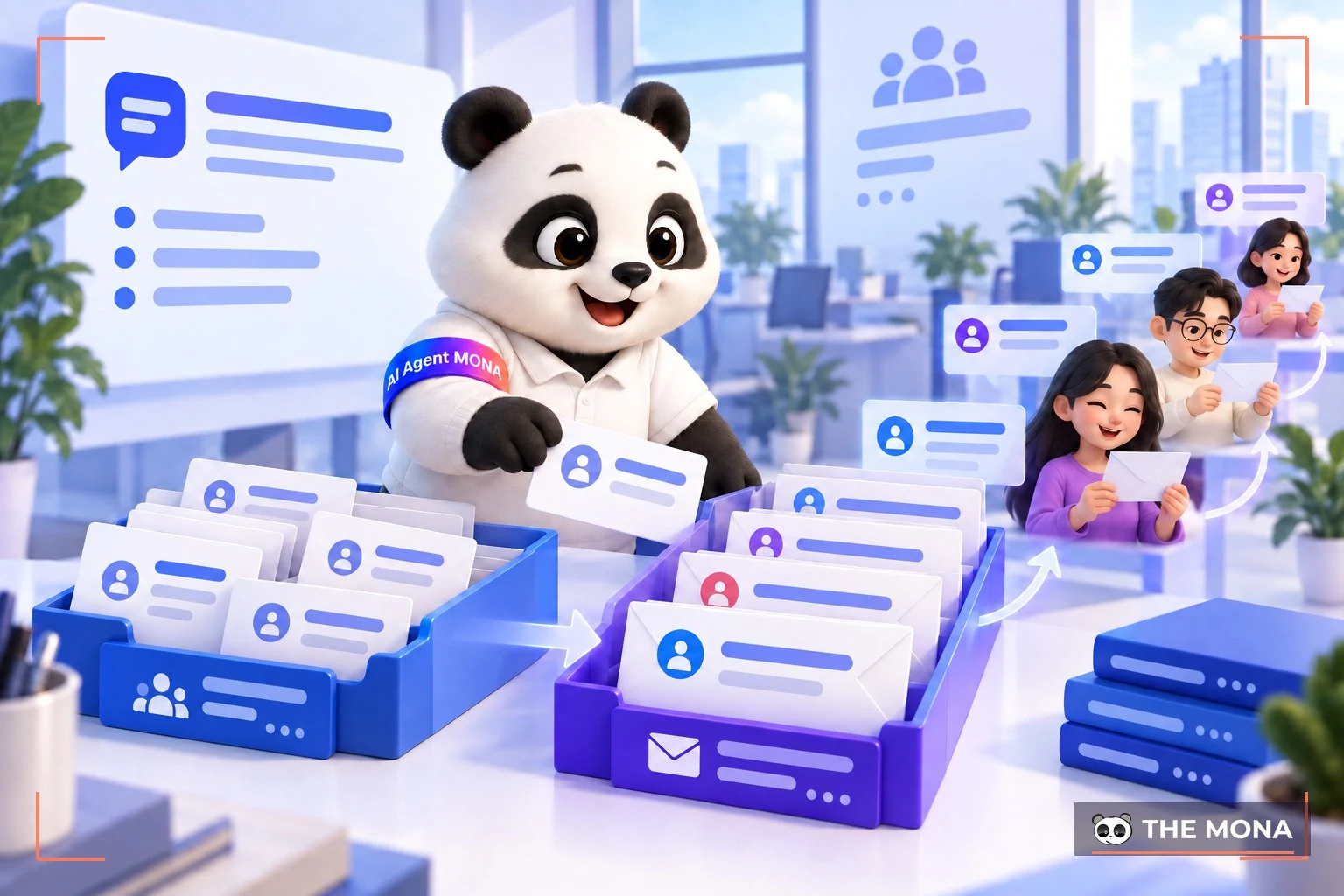
Account-based marketing (ABM) is a marketing strategy that focuses on the most promising groups of potential customers and adjusts the message to fit each group's specific needs. Content topics are also designed to meet the different needs and problems at each stage of each group's buying journey. This way, a brand can win over potential customers and push them to convert faster.
SEO increases your traffic. However, some visitors do not buy on their first visit. Remarketing ads remind people who have visited your website and push them to buy. You can run remarketing ads on different platforms such as social networks and mobile apps. Use CTAs that remind and spark curiosity, such as “the item in your cart is now 20% off” or “we have added new features that fit your business needs”.
Ad formats such as outdoor banners, Google Display and Facebook Ads raise brand awareness but struggle to reach the right customers. To get qualified leads, combine advertising with website SEO, which is the most accurate and lasting way to reach potential customers.
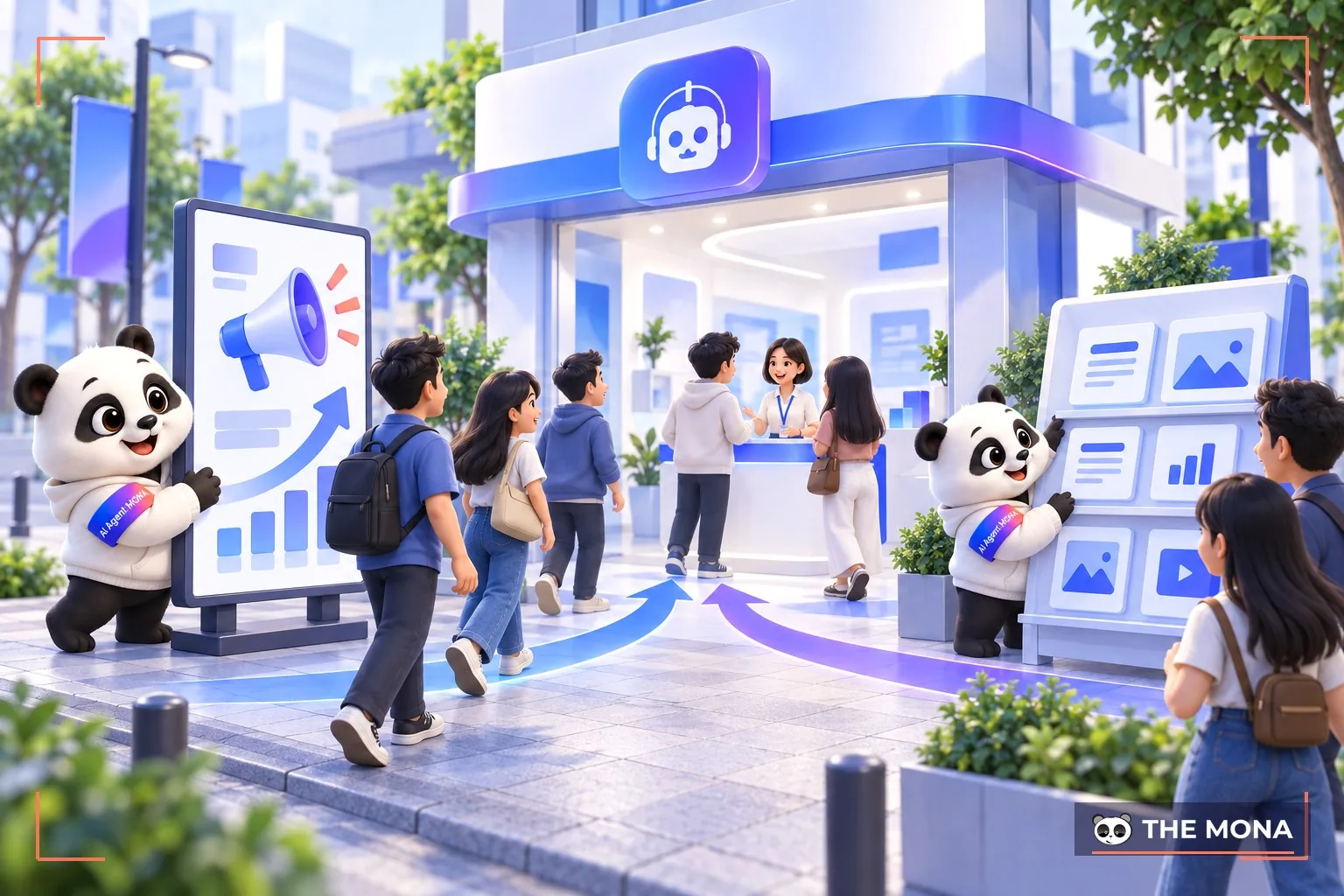
SEO puts your website among the first results on Google, so it quickly reaches the right customers. When people have already seen your brand, SEO makes it easier to win their click. Engaging, valuable content keeps them on the page and leads to conversions on your website.
Combining inbound and outbound marketing makes your marketing campaign more complete, builds a strong brand and attracts many high-quality potential customers.
To build a good inbound marketing campaign that brings in the number of leads you want, many requirements and standards must be met. Among them, the tools below are essential.
HubSpot helps you create and promote quality content, collect information on potential customers, automate inbound marketing campaigns and measure their results. HubSpot's lead funnel tool helps you nurture leads until they are ready to buy your product or service.

HubSpot CRM is an important customer relationship management tool for businesses. With its strong features, it helps you manage customer interactions easily and accurately. You can log interactions, track the sales process and manage customer information to build your sales strategy and reach customers more precisely.
GatherContent helps you manage and organize content marketing better. Analyzing and reviewing content leads to better campaigns. A repeatable process supports long-term, sustainable campaigns. The tool improves collaboration and coordination between team members for more efficient content management.

The landing page is one of the “key pieces” in turning users into potential customers. Use Unbounce to build and optimize landing pages faster and more effectively. Unbounce offers many optimized landing page templates that make advertising easier. This raises your site's conversion rate and attracts customers effectively. Unbounce also tracks landing page performance in more detail, so you can improve it to fit customer needs.
Not every business has the people and time to produce professional eGuide content. Beacon is a smart, well-rated choice because it helps you design eGuides with a range of images, attractive fonts and ready-made layouts in just a few simple steps. This produces higher-quality, more professional content that attracts more potential customers.

Video marketing is growing faster than almost anything else right now. Wistia is an essential tool for it, offering good video hosting, useful features and analytics built for inbound marketing, so you can optimize your strategy. Wistia gives statistics on how your audience engages with your videos, plus tools to test your content, helping you measure how well your marketing campaign performs.
Using email to nurture leads, schedule meetings or send product demos in advance can take a lot of time. HubSpot Sales solves this by personalizing emails quickly, showing when customers open emails and attachments, and scheduling meetings with one click. HubSpot Sales also brings direct email marketing into the CRM so you can manage customers more effectively.
Talking directly with customers is an important part of inbound marketing. UberConference is a convenient way to connect with customers anywhere, with smart, advanced meeting management tools. It lets you talk and engage with customers quickly and easily by phone or video call.

Organic search is a key part of inbound marketing, and it is more than a short-term tactic; it is a long-term way to build your brand. With its focus on keywords and backlinks, Ahrefs gives you a full picture of your website and your competitors, and helps you shape your strategy from that information.
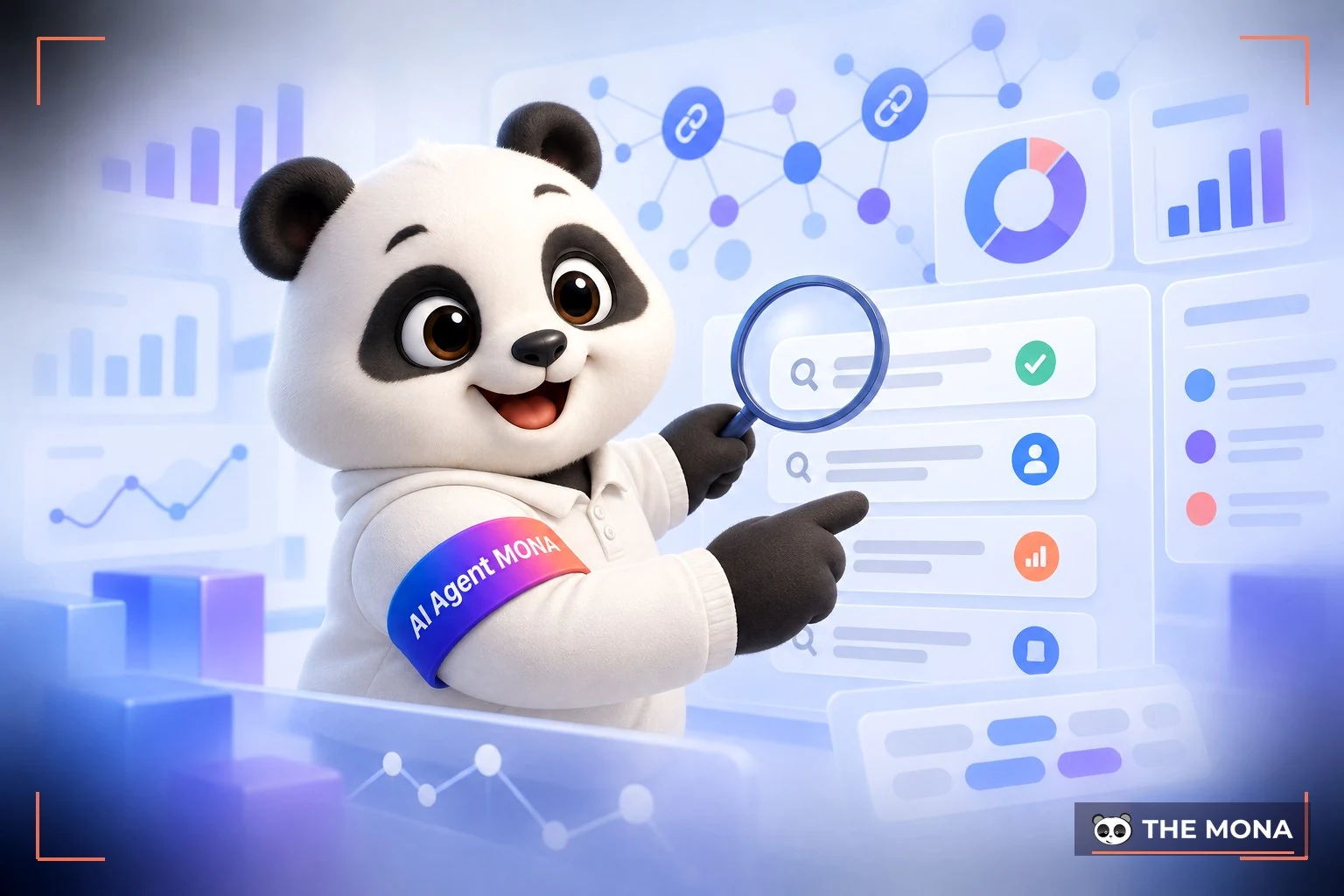
Using Google Analytics (GA) to track website performance is one of the most effective ways to analyze and improve your marketing campaigns. With Google Analytics, you can easily learn about the customers visiting your website, then choose the best ways to increase engagement and sales.
In this article, Mona Media we have covered everything about Inbound Marketing including what it is, how it works and the basic steps needed to build an inbound marketing strategy. With a few suitable support tools, you can run a successful inbound campaign, attract more potential customers, and advertise as effectively as you need to.

CEO & Founder · The MONA
Founder of The MONA, who built a services company of 200+ staff with 14,000+ projects delivered. Khánh Hùng shares how he thinks about building systems that run themselves, automating a business, and the real lessons from delivering projects at MONA.
 1,5K




Professional website
design services
Own a website with a beautiful, 100% exclusive design and a lifetime warranty, with the ability
to expand features flexibly as your business grows, starting today!






 MONA will never sell your information or send you spam


 MONA will never sell your information or send you spam
