
 MONA OS 2.0
 Partner with MONA


 Tự động hoá doanh nghiệp
 Cẩm nang SEO
 Digital Marketing
 Kinh nghiệm thiết kế website
 Hạ Tầng Server
 Giáo dục


 VI
 EN









Message us on
Zalo Official


 ProductsNew

 ProductsProducts
 Mới ra mắtKHA AI 2027App tự edit video, tự đăng mọi mạng xã hội, 2 phút mỗi ngày










 Website designLooks good and wins customers over.
SEO servicesBrings in customers searching for exactly what you sell.
 Tư vấn digital marketingKéo khách từ nhiều kênh, đo bằng số thật.
Corporate video productionVideos introducing your company, factory and team.
 NewAI video productionCompany story films made with AI.
 Custom software developmentCRM, ERP and HRM built for your business.
 Viết AI Agent theo yêu cầuĐặt riêng một trợ lý AI cho đúng việc của mình.
 Tư vấn chuyển đổi AIĐưa AI vào vận hành của cả công ty.
NewMONA LMSManagement for centers and schools.
MONA SkillHubInternal training for company staff.
 NHTQ systemEnd-to-end China–Vietnam shipping operations.
MONA JMSManagement for gold, diamond and pawn shops.
 MONA E-LearningA website with every feature you need to sell courses.
 How to sell online courses (course)More than 30 free lessons on selling courses on autopilot.
 MONA Cloudmonacloud.vnServers to get your apps and websites running.
 MONA Basemonabase.vnPostgres database, sign-in and file storage.
 MONA Mailmonamail.vnSend OTP, order and invoice emails from your software.
 MONA Paymonapay.vnAccept bank transfers via VietQR and notify your software when the money arrives.
 MONA eInvoiceComing soonIssue e-invoices that meet tax standards.
Gấu CườiTrả lời khách 24/7 trên web, Fanpage, Zalo và thu lead cho sale.
 Gấu TeleSalesGọi điện tư vấn, chăm khách như tổng đài viên thật.
Dê CườiTư vấn và chốt đơn cho shop ngay trong khung chat.
Gấu WebmasterNhắn nhóm Zalo là website được sửa xong.
 Gấu Pháp ChếSoạn hợp đồng, rà điều khoản trong vài phút.
 Gấu Báo GiáLên báo giá đúng mẫu và gửi khách ngay.
 AI chăm sóc khách hàngTheo dõi và giữ chân khách hàng cũ.
 Gấu Tuyển DụngLọc hồ sơ, hẹn lịch, phỏng vấn ứng viên.
 Mới ra mắt
KHA AI 2027
Xây kênh chuyên gia 2 phút mỗi ngày
Quay bằng điện thoại, AI tự edit video, tự đăng lên 16 nền tảng và tự trả lời bình luận, tin nhắn.
835.465lượt xem trên kênh CEO MONA sau 27 ngày
 Anh Khánh HùngCEO MONA đang dùng mỗi ngày
Xem app làm được gì
 AI
Gấu Cười MONA ĐANG TỰ XÀITrả lời khách 24/7 trên website, Zalo OA, Messenger và thu lead về cho sale.
Dê CườiChốt đơn bán lẻ và sàn: Shopee, TikTok Shop, web. Chăm cả khách sỉ, đại lý.
Gấu WebmasterCập nhật nội dung, tối ưu SEO website mỗi ngày.
Gấu TeleSalesGọi điện tư vấn, chăm khách như tổng đài viên thật.
Gấu Tuyển DụngLọc hồ sơ, hẹn lịch, phỏng vấn ứng viên tự động.
AI chăm sóc khách hàngGiữ khách cũ, cứu lead đã rớt cho phòng kinh doanh.
Gấu Pháp ChếSoạn hợp đồng, rà điều khoản trong vài phút.
Gấu Báo GiáLên báo giá đúng mẫu, gửi khách ngay khi có yêu cầu.
 Chuyển đổi AI toàn phầnGiải pháp tổng cho doanh nghiệp, 3 lớp triển khai.
 Viết AI Agent theo yêu cầuĐặt riêng một con AI gánh đúng nghiệp vụ của bạn.
 Custom softwareCRM, ERP and HRM with built-in AI automation.
 SEO & AEO thời đại AIĐược Google lẫn AI trích dẫn, không chỉ xếp hạng.
 Kiến thức AI cho doanh nghiệpBài phân tích, hướng dẫn ứng dụng AI vào vận hành.
 Free AI courses
 AI tools at work
App mới · KHA AI 2027
Xây kênh 2 phút mỗi ngày
AI tự edit video, tự đăng mọi mạng xã hội
Free consultation, 8am–10pm every day

18 March, 2023
After marketing automation, the next step many businesses take is Automate customer care with AI to nurture and close customers automatically.
Marketing Automation is the use of software to automate marketing activities such as segmenting customers into groups, collecting and syncing data, and running automated nurturing campaigns on predefined scripts.

This approach helps businesses widen their reach, increase engagement with the brand, and improve conversion rate and customer value. The built-in performance measurement tools also let you evaluate, analyze and keep improving your marketing campaigns.
With competition getting tougher, businesses can't rely on traditional marketing alone to gain an edge. To increase brand reach and improve operating efficiency, marketing automation is a smart solution. Below are its main benefits, which can help your business grow faster than competitors.
Marketing automation helps you stay in touch with leads automatically instead of contacting each person by hand. With automated systems you can send emails, messages or notifications at preset times, which improves customer care and retention.
These platforms not only collect key data such as name, phone number, email and visit frequency, but also analyze customer behavior. This lets you personalize marketing content and reach the right audience from the first interaction.

In addition, when a customer contacts you through your website or fanpage, the automation marketing system can send an instant reply before a staff member takes over, making support faster and more professional.
Marketing is not only about promoting products but also the process of build trust with customers. With marketing automation, you can personalize the customer experience through campaigns that fit each audience group.
Automation lets you update information and send offers or reminders on time, so customers feel looked after. The system also helps sales staff understand customers' needs and preferences better, and so make a good impression from the very first interactions.
Instead of cold-calling from a rigid script, you can run data-driven marketing campaigns that deliver useful content and catch customers' attention more naturally.
Driving revenue and profit is every business's top goal, and marketing automation helps you streamline operations. By automating marketing and customer care, you can cut operating costs while converting more leads into actual sales.

Personalizing content and engaging at the right moment not only improves the customer experience but also stimulates purchase demand, creating steady and sustainable income. With accurate data analysis, marketing automation helps you make smart decisions and make the most of market opportunities to grow profit.
Marketing automation provides key information that helps you understand your customers better. It tells you who is most likely to convert and the right time to reach them.
There are two key points to work on: finding where customers are in the buyer's journey and which call to action (CTA) works best. Used properly, this data lets you place attractive CTAs on high-traffic pages, which in turn can raise and turn more visitors significantly.
One of the biggest values of marketing automation is saving time and cutting costs. According to research from SoftwareAdvice, businesses that apply marketing automation to their customer care process can see up to a 451% increase in qualified leads.

The system stores all customer information and interaction history, so the sales team can easily segment and focus on the customers most likely to convert. Instead of spending time on customers who are not ready, you can use resources wisely and focus on those who bring real revenue.
Besides opening up revenue growth, marketing automation also helps businesses measuring results of their marketing strategy. The system gives detailed reports on each marketing channel's performance, giving a clear view of campaign results. You can then analyze, adjust and optimize your strategy to reach ROI as well as possible.
Marketing automation in B2B and B2C takes different approaches to suit the buying journey of each model.
The table below compares marketing automation in B2B and B2C:
|
Element |
Marketing automation in B2B |
Marketing automation in B2C |
|
Buying cycle |
Usually long, with several stages of consideration and approval. |
Short; customers decide based on emotion and immediate need. |
|
Focus |
Nurturing leads and building lasting relationships. |
Personalizing content to attract customers and drive immediate purchases. |
|
Lead Scoring |
Plays an important role in assessing how ready a customer is to buy. |
Used less because buying happens quickly. |
|
Content |
In-depth content that provides useful information to help customers decide. |
Short, appealing messages that encourage immediate action. |
|
Engagement |
Focuses on email, webinars and professional documents. |
More varied, with email, messaging, ads and push notifications. |
Because it can automate many tasks, marketing automation is widely used in CRM, email marketing and social media management. Below are its most common applications that businesses should take advantage of.
CRM (Customer Relationship Management) is a tool that stores customer information and tracks interaction history. With the data collected and analyzed, you can personalize the experience, suggest suitable products and build stronger relationships with customers.

Combined with marketing automation, CRM automates the customer care process and reduces the workload for the sales team while keeping outreach effective.
For example, an online fashion store uses CRM marketing automation to record customers' purchase history. When a customer has bought a shirt, the system automatically sends an email or message suggesting matching trousers, which raises the order close rate.
Email Marketing is one of the most common applications of marketing automation, letting businesses send emails to customers automatically on preset scripts. These marketing automation tools help you plan, run and track the metrics of email campaigns.
For example, an online learning platform can automatically email reminders to students who left a course unfinished, with a discount to encourage them to come back. And if a customer has just bought a graphic design course, the system can suggest advanced UI/UX or Photoshop courses.

Social Media Marketing helps you manage content and posting schedules across social platforms efficiently. It lets you schedule posts, track engagement and measure campaign performance. Social media marketing cannot fully replace personal interaction, but automating some processes helps you save time and work more effectively. to reach customers.
For example, a cosmetics brand can schedule a new product post for the prime time when its target customers are most active. A Facebook chatbot can also automatically answer common questions about prices, return policy or how to use a product.

Marketing automation optimizes campaigns by automating many important processes. Here are the basic steps to implement an automation marketing system effectively:

Before you start, define your target customers, analyze user behavior, decide which products/services to market and set a suitable pricing strategy.
Depending on your goals and customers, choose tools for email marketing, chatbots, CRM, or automated campaign management platforms that fit.
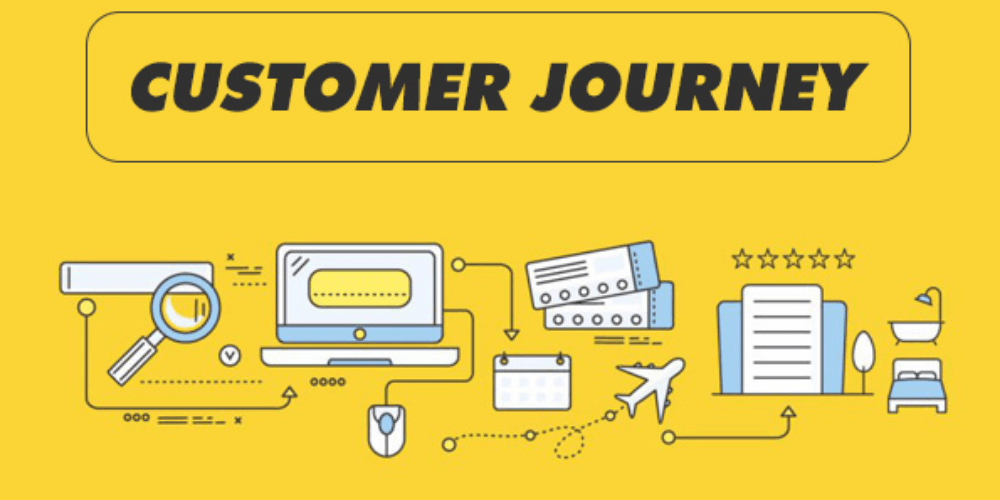
Engaging content aimed at the right audience raises the conversion rate. Make sure the content fits each stage of the customer journey.
Optimize content, set up ads and track performance across digital channels such as your website, email and social media to reach customers most effectively.
When customers interact, the system records their information automatically and classifies leads by behavior and level of interest.
Send emails, useful information or suitable offers based on customers' interests and behavior to stay connected.
The most promising leads are passed to the sales team to advise, persuade and complete the transaction.
Applying marketing automation workflows can save time and improve operating efficiency, but without proper research you may run into many problems. To avoid costly mistakes, consider the following factors before choosing an automation marketing system.
The level of support from the marketing automation platform provider matters, especially when technical problems come up. Because automation algorithms are fairly complex, you need a skilled support team to keep the system stable.

Before deciding, check the provider's support policy. Do they offer guides through ebooks, webinars or forums? Do they respond quickly? Ideally, the support team can resolve an issue within 8 hours to avoid disrupting your work.
Most marketing automation platforms offer a trial of 7 to 60 days. Use this time to judge whether the software is friendly, easy to use and fits your real needs. If the interface is complicated or falls short of expectations, consider another option to avoid wasting resources.
The cost of an automation marketing system goes beyond the listed price. Some platforms charge extra for advanced features or technical support. To avoid unexpected costs, look closely at each of the provider's plans. It is best to choose platforms with transparent pricing from the start so you can manage your budget well.

Many marketing automation platforms limit the number of emails sent or the number of users in the system, and some charge extra when you exceed the limit. To avoid being held back as you grow, prefer platforms with flexible policies or no limits on sends and users.
However many powerful features a system has, it is useless if it is too hard to use. Before deciding, check how friendly the interface is and whether operations are simple. Watch tutorial videos or sign up for a trial to get a real feel for it.

Another important factor is the platform's reporting. Check which analytics metrics the tool supports, how often reports update and what export formats are available (Excel, PDF, CSV…). Make sure the platform provides reports that are clear, easy to understand and suited to how you track your business.
There is no denying that marketing automation has changed how businesses operate and reach customers. Instead of spending time on repetitive tasks, much of it can now be optimized automatically, so you can focus on long-term strategy. If you haven't yet taken full advantage of marketing automation, now is a good time to start. In a fiercely competitive market, whoever uses technology better has the better chance to lead.
You may also be interested in:

CEO & Founder · The MONA
Founder of The MONA, who built a services company of 200+ staff with 14,000+ projects delivered. Khánh Hùng shares how he thinks about building systems that run themselves, automating a business, and the real lessons from delivering projects at MONA.
 1,5K



Professional website
design services
Own a website with a beautiful, 100% exclusive design and a lifetime warranty, with the ability
to expand features flexibly as your business grows, starting today!












 MONA will never sell your information or send you spam


 MONA will never sell your information or send you spam
