
 MONA OS 2.0


 Tự động hoá doanh nghiệp
 Cẩm nang SEO
 Digital Marketing
 Kinh nghiệm thiết kế website
 Hạ Tầng Server
 Giáo dục



 VI
 EN














Message us on
Zalo Official


 ProductsNew

 ProductsProducts
 Mới ra mắtKHA AI 2027App tự edit video, tự đăng mọi mạng xã hội, 2 phút mỗi ngày










 Website designLooks good and wins customers over.
SEO servicesBrings in customers searching for exactly what you sell.
 Tư vấn digital marketingKéo khách từ nhiều kênh, đo bằng số thật.
Corporate video productionVideos introducing your company, factory and team.
 NewAI video productionCompany story films made with AI.
 Custom software developmentCRM, ERP and HRM built for your business.
 Viết AI Agent theo yêu cầuĐặt riêng một trợ lý AI cho đúng việc của mình.
 Tư vấn chuyển đổi AIĐưa AI vào vận hành của cả công ty.
NewMONA LMSManagement for centers and schools.
MONA SkillHubInternal training for company staff.
 NHTQ systemEnd-to-end China–Vietnam shipping operations.
MONA JMSManagement for gold, diamond and pawn shops.
 MONA E-LearningA website with every feature you need to sell courses.
 How to sell online courses (course)More than 30 free lessons on selling courses on autopilot.
 MONA Cloudmonacloud.vnServers to get your apps and websites running.
 MONA Basemonabase.vnPostgres database, sign-in and file storage.
 MONA Mailmonamail.vnSend OTP, order and invoice emails from your software.
 MONA Paymonapay.vnAccept bank transfers via VietQR and notify your software when the money arrives.
 MONA eInvoiceComing soonIssue e-invoices that meet tax standards.
Gấu CườiTrả lời khách 24/7 trên web, Fanpage, Zalo và thu lead cho sale.
 Gấu TeleSalesGọi điện tư vấn, chăm khách như tổng đài viên thật.
Dê CườiTư vấn và chốt đơn cho shop ngay trong khung chat.
Gấu WebmasterNhắn nhóm Zalo là website được sửa xong.
 Gấu Pháp ChếSoạn hợp đồng, rà điều khoản trong vài phút.
 Gấu Báo GiáLên báo giá đúng mẫu và gửi khách ngay.
 AI chăm sóc khách hàngTheo dõi và giữ chân khách hàng cũ.
 Gấu Tuyển DụngLọc hồ sơ, hẹn lịch, phỏng vấn ứng viên.
 Mới ra mắt
KHA AI 2027
Xây kênh chuyên gia 2 phút mỗi ngày
Quay bằng điện thoại, AI tự edit video, tự đăng lên 16 nền tảng và tự trả lời bình luận, tin nhắn.
356.373lượt xem trên kênh CEO MONA sau 21 ngày
 Anh Khánh HùngCEO MONA đang dùng mỗi ngày
Xem app làm được gì
 AI
Gấu Cười MONA ĐANG TỰ XÀITrả lời khách 24/7 trên website, Zalo OA, Messenger và thu lead về cho sale.
Dê CườiChốt đơn bán lẻ và sàn: Shopee, TikTok Shop, web. Chăm cả khách sỉ, đại lý.
Gấu WebmasterCập nhật nội dung, tối ưu SEO website mỗi ngày.
Gấu TeleSalesGọi điện tư vấn, chăm khách như tổng đài viên thật.
Gấu Tuyển DụngLọc hồ sơ, hẹn lịch, phỏng vấn ứng viên tự động.
AI chăm sóc khách hàngGiữ khách cũ, cứu lead đã rớt cho phòng kinh doanh.
Gấu Pháp ChếSoạn hợp đồng, rà điều khoản trong vài phút.
Gấu Báo GiáLên báo giá đúng mẫu, gửi khách ngay khi có yêu cầu.
 Chuyển đổi AI toàn phầnGiải pháp tổng cho doanh nghiệp, 3 lớp triển khai.
 Viết AI Agent theo yêu cầuĐặt riêng một con AI gánh đúng nghiệp vụ của bạn.
 Custom softwareCRM, ERP and HRM with built-in AI automation.
 SEO & AEO thời đại AIĐược Google lẫn AI trích dẫn, không chỉ xếp hạng.
 Kiến thức AI cho doanh nghiệpBài phân tích, hướng dẫn ứng dụng AI vào vận hành.
 Free AI courses
 AI tools at work
App mới · KHA AI 2027
Xây kênh 2 phút mỗi ngày
AI tự edit video, tự đăng mọi mạng xã hội
Free consultation, 8am–10pm every day

18 March, 2023
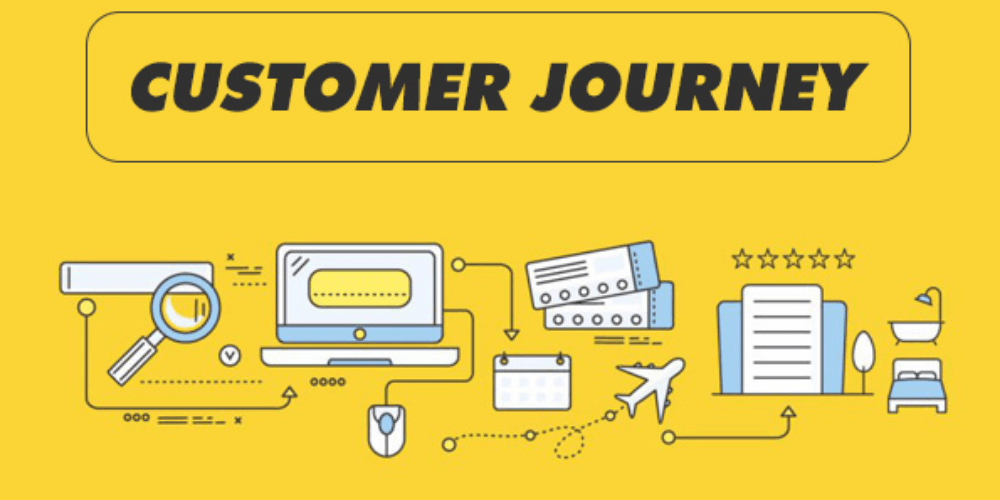
Customer Journey (the customer journey) is a way of describing how a business and its customers interact. Let's ask: What is a customer journeya customer journey? Is the process of drawing customer journey maps complicated? In this article, MONA helps you understand the customer journey in depth. Once you grasp this term and apply it in practice, you can run your business better.
Customer Journey in Vietnamese is called: “Hành trình khách hàng” (customer journey). It is a diagram showing how a customer interacts with a seller on the way to a particular goal or need.
Studying the customer journey shows you how customers find businesses, whether through referrals, search engine optimization, social media and so on.
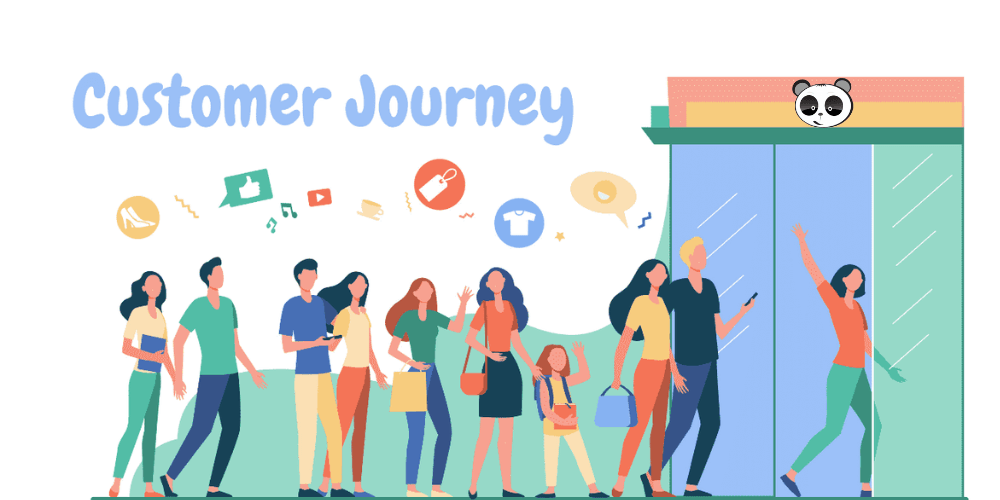
The better you understand the the customer journey the more deeply you can understand your customers and give them the best experience. This process of interacting with and learning about customers is currently divided into 2 stages:
When the categories are clearly divided, it is easier to sketch Customer Journey Map that fit your strategy.
Because analyzing the customer journey matters so much, many models have been developed and applied in practice. Below are the 4 most widely used.
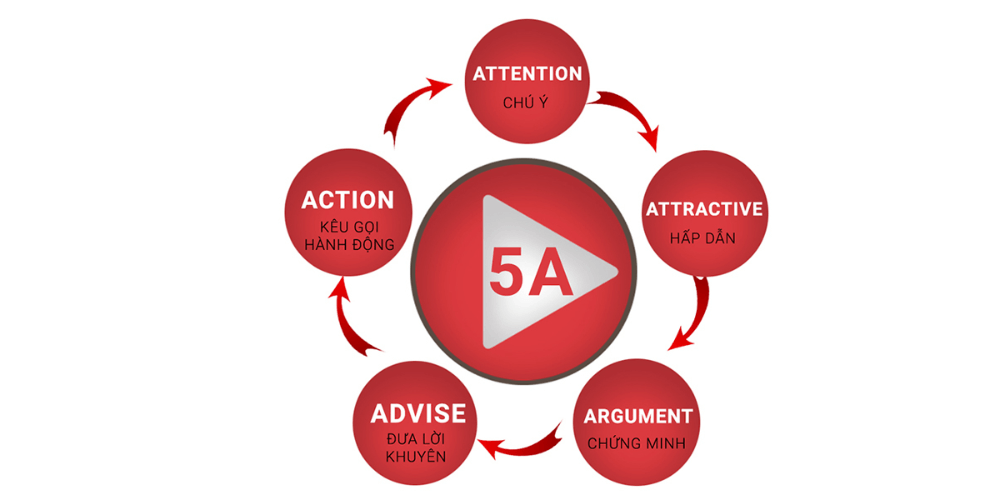
This model focuses on 5 main stages of the customer's journey, including Awareness (awareness), Appeal (appeal), Ask (ask), Act (act) and Advocate (advocate). The 5A model helps businesses identify touchpoints and give customers a better experience, from first awareness to becoming advocates of the product. Specifically, the 5A model covers:
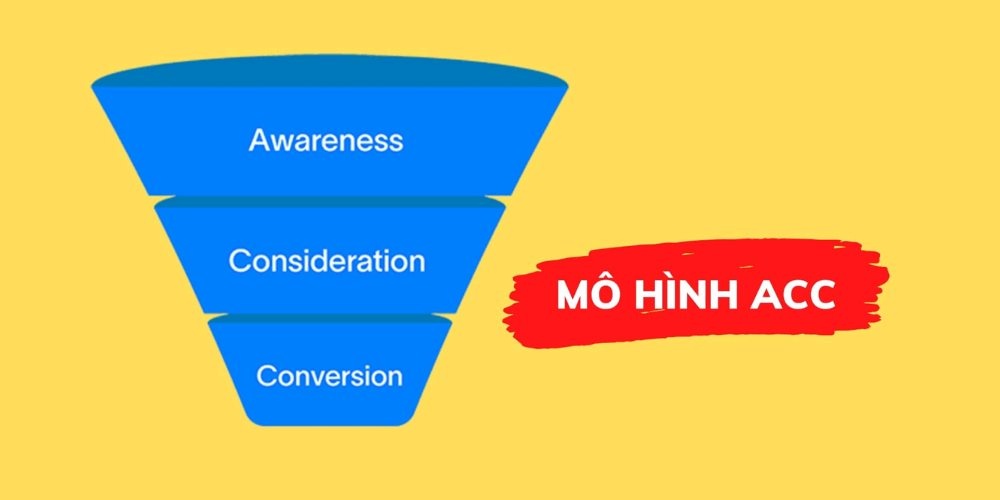
ACC stands for Awareness (awareness), Consideration (consideration) and Conversion (conversion). This model covers the process from the moment a customer becomes aware of a product until they make a purchase.
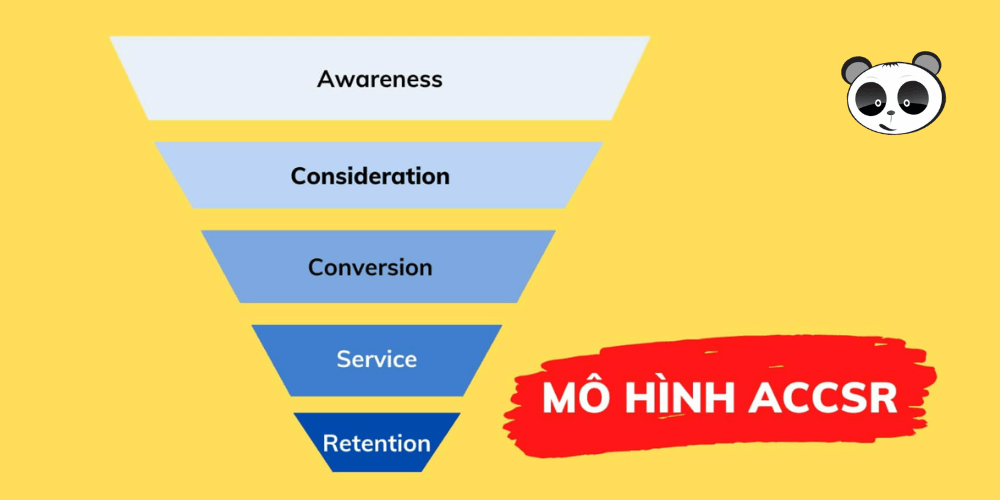
ACCSR stands for Awareness (awareness), Consideration (consideration), Conversion (conversion), Service (service) and Retention (retention). This model includes the stage after the customer has bought, focusing on good service and a long-term relationship with the customer.
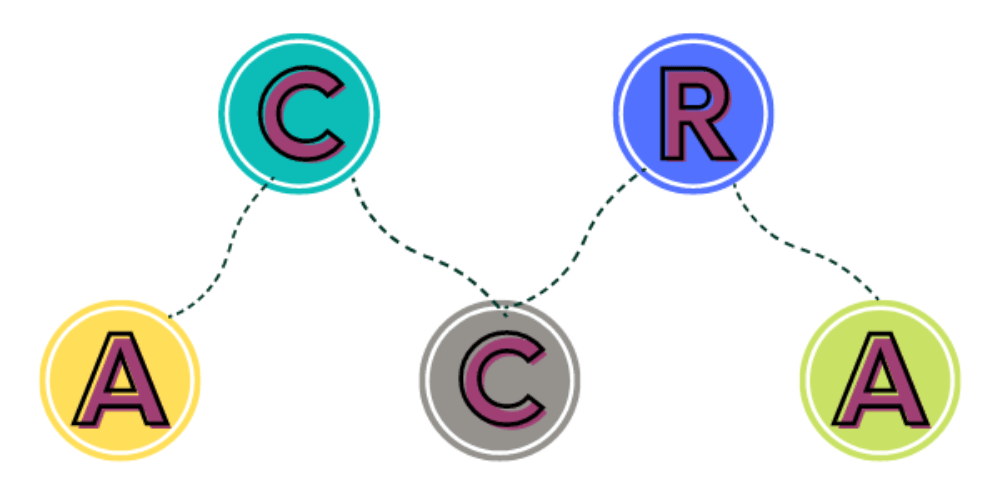
The ACCRA/ACPRA customer journey model is a customer journey analysis model extended from the ACCSR model. It adds two important stages to the customer's interaction, which are “Advocacy” (Advocate) and “Retention” (Repurchase, renewal). ACCRA/ACPRA covers the whole process from first awareness of the product to becoming an advocate who contributes to brand building.
|
If you are researching the customer journey, contact Mona Media to get advice on the SEO services which covers the customer journey and strategies for attracting target customers online. With more than 10+ years of experience in building marketing strategies across many industries. We will advise in detail on strategy, and research competitors and customers to help your business reach customers as easily as possible. This also raises your brand's credibility with users. Please CLICK THE BUTTON BELOW Work with MONA Media to build an SEO campaign that delivers the best results. 
|
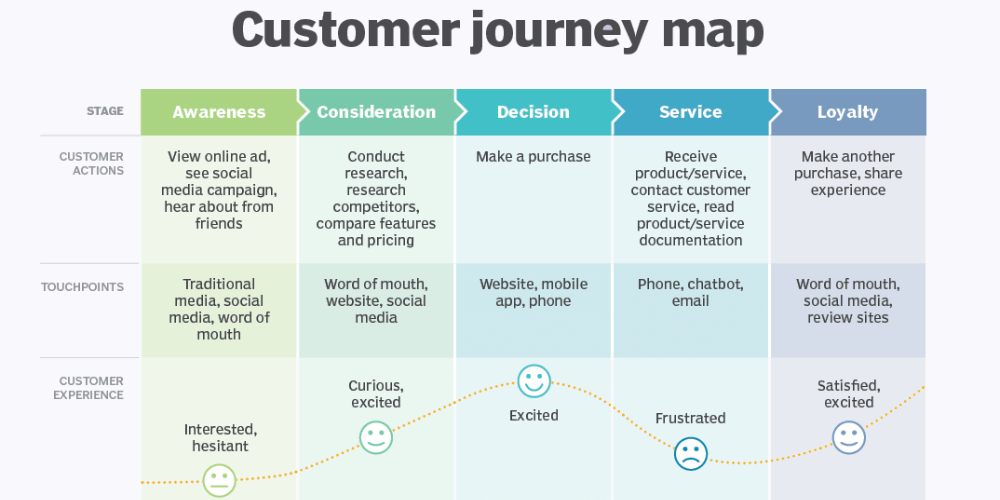
Customer Journey Map is, in plain terms, a map the customer journey. This map visualizes the customer's experiences with a business. Everything from the first interaction to the long-term relationship is captured in the customer journey.
-> See also: 7 steps to analyzing competitors made easy
Today, to take advantage of Customer Journey Map you will need many channels such as TV, social media, media marketing and more. “Hành trình khách hàng” (customer journey) is very important for businesses. This journey has a direct effect on business strategy.
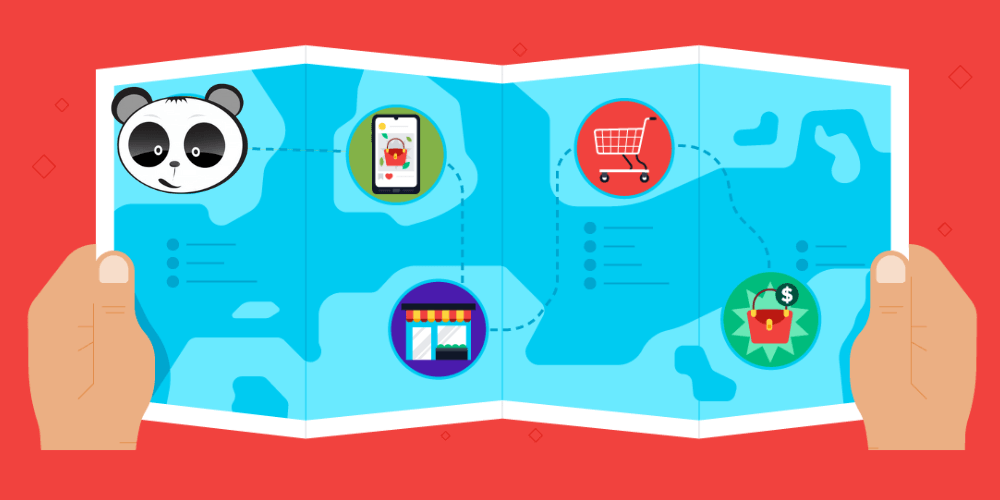
Building an the customer journey map helps a business understand customer experience better, learn the touchpoints and capture key information. This improves service, raises conversion and builds customer loyalty.
In addition, Customer Journey Map helps a business see the steps needed to complete a successful transaction. That lets it streamline business processes, save time and resources, and so work more effectively.
See also: Is it hard to increase online revenue? What ways are there to increase it?

A customer journey map is drawn up in an Excel sheet. It sketches the key events and motivations of customers as they interact with your business, products and services. Below is the 8-step process for understanding customers and improving their experience through a customer journey map:
First, work out who the “passenger” on this journey is. This is a prerequisite for building a customer journey map. From data and customer survey results, you will get a detailed and realistic view of your customers: behavior, psychology, problems, motivations, demographics and so on.
Identifying the target customer also helps you define what goes into the map: the motivations, emotions and behavior of customers throughout their experience with your service or product.
Customer profiles cover things like what catches customers' attention on your website, where they first heard of your brand, and how long they stay on your site to look at information, products and services. Build a diagram around these questions to understand customer needs better. That makes it easier to support customers when you care for and advise them.
A customer journey map helps you gather the target customer portrait. Customers' pain points, needs, behavior and psychology are all fully reflected. This gives you a complete portrait for choosing the most suitable business strategies.
|
Reaching the right customers is the best way to keep marketing costs down. The client E-Talk of Mona Media was previously a brand few students knew. The approach MONA proposed was website design and carrying out SEO services. CLICK as shown in the image below for reference Case Study E-talk. The team at Mona Media is always ready to advise customers wholeheartedly and deliver the best solution for the website, raising conversion rate and growing revenue effectively. 
|
A touchpoint is any place on your website that customers have visited, are visiting or will visit and interact with. The information, Call to Action, and links overlap and are closely related.
List the touchpoints and make use of them on your website. You can also design sharing features for social networks. Paid ads or Email marketing, and customer reviews on the site are also touchpoints that help you reach your goal faster.
There are currently 4 types of customer journey map:
Choosing the right type of the customer journey map makes it easier to see the whole picture and set a good business strategy.
Every business strategy plan needs resources to carry it out. Use those resources to deploy and act. This is how you make your customer journey maps real.
In this step you carry out the real strategies set out in the customer journey map. You can analyze the actual situation and adjust the strategy accordingly.
Creating a customer journey map is not a one-time job. You need to monitor and update it regularly. When the customer's journey changes, your map and your efforts have to change with it.
See also: How to harness the power of the crowd effect in selling

To analyze data from a customer journey map, you can take these steps:
A complete customer journey map has to follow certain principles. Here are the 4 basic principles:

Customer journey map should be built from the customer's perspective and experience. Understanding customers' needs, goals and expectations makes the journey accurate and relevant.
Use visual tools such as diagrams, charts or mind maps to show the customer journey clearly and simply. This helps people across the business understand and apply the information in the customer journey map.
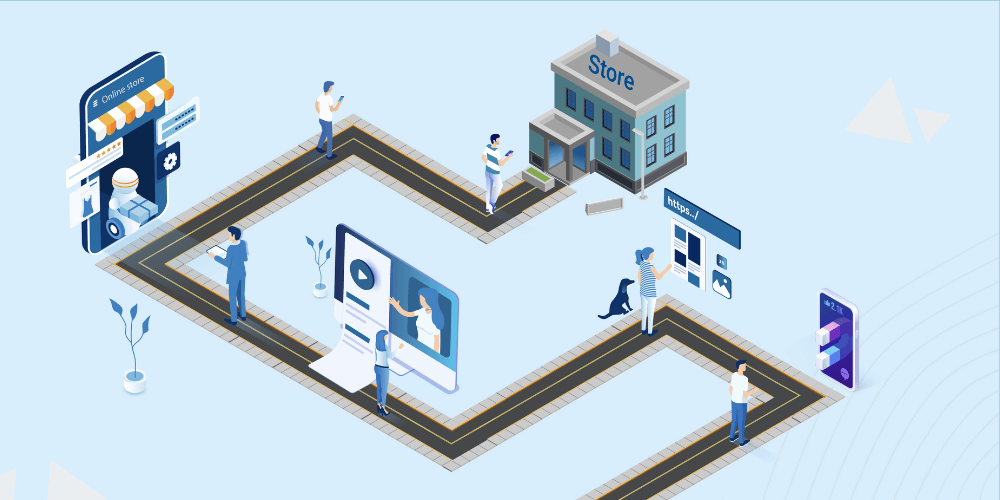
Customers interact with a brand or product through many channels: website, social media, email, phone and in person. Recording all these touchpoints in the customer journey map helps you understand the interaction process and create a smooth experience for customers
Customer experience is not only about actions and interactions, but also about the customer's emotions and state of mind. A customer journey map should clearly reflect how experience and emotion combine, helping the business create good experiences that build engagement with customers.
Here are some models of the customer journey that you can use as reference:
When learning about and building a customer journey, students often have questions. Here are the 3 most common ones we have collected:
1. Is the customer journey important for a business?
The customer journey is an important tool that helps a business better understand customer experience and make significant improvements. It gives a full view of customers' touchpoints with the brand and creates chances to improve service, raise satisfaction and build customer loyalty.
2. What should you do after building a customer journey map?
After building a customer journey map, you can use it to:
3. When should you build a customer journey map?
You can build a customer journey map in many situations, including:
In this article, Mona Media This article has explained Customer Journey what it is, and walked you through the detailed process of creating a customer journey map. We hope you apply it well and succeed in business.
You may also be interested in:

CEO & Founder · The MONA
Founder of The MONA, who built a services company of 200+ staff with 14,000+ projects delivered. Khánh Hùng shares how he thinks about building systems that run themselves, automating a business, and the real lessons from delivering projects at MONA.
 1,5K




Professional website
design services
Own a website with a beautiful, 100% exclusive design and a lifetime warranty, with the ability
to expand features flexibly as your business grows, starting today!






 MONA will never sell your information or send you spam


 MONA will never sell your information or send you spam
