
 MONA OS 2.0
 Partner with MONA


 Tự động hoá doanh nghiệp
 Cẩm nang SEO
 Digital Marketing
 Kinh nghiệm thiết kế website
 Hạ Tầng Server
 Giáo dục


 VI
 EN










Message us on
Zalo Official


 ProductsNew

 ProductsProducts
 Mới ra mắtKHA AI 2027App tự edit video, tự đăng mọi mạng xã hội, 2 phút mỗi ngày










 Website designLooks good and wins customers over.
SEO servicesBrings in customers searching for exactly what you sell.
 Tư vấn digital marketingKéo khách từ nhiều kênh, đo bằng số thật.
Corporate video productionVideos introducing your company, factory and team.
 NewAI video productionCompany story films made with AI.
 Custom software developmentCRM, ERP and HRM built for your business.
 Viết AI Agent theo yêu cầuĐặt riêng một trợ lý AI cho đúng việc của mình.
 Tư vấn chuyển đổi AIĐưa AI vào vận hành của cả công ty.
NewMONA LMSManagement for centers and schools.
MONA SkillHubInternal training for company staff.
 NHTQ systemEnd-to-end China–Vietnam shipping operations.
MONA JMSManagement for gold, diamond and pawn shops.
 MONA E-LearningA website with every feature you need to sell courses.
 How to sell online courses (course)More than 30 free lessons on selling courses on autopilot.
 MONA Cloudmonacloud.vnServers to get your apps and websites running.
 MONA Basemonabase.vnPostgres database, sign-in and file storage.
 MONA Mailmonamail.vnSend OTP, order and invoice emails from your software.
 MONA Paymonapay.vnAccept bank transfers via VietQR and notify your software when the money arrives.
 MONA eInvoiceComing soonIssue e-invoices that meet tax standards.
Gấu CườiTrả lời khách 24/7 trên web, Fanpage, Zalo và thu lead cho sale.
 Gấu TeleSalesGọi điện tư vấn, chăm khách như tổng đài viên thật.
Dê CườiTư vấn và chốt đơn cho shop ngay trong khung chat.
Gấu WebmasterNhắn nhóm Zalo là website được sửa xong.
 Gấu Pháp ChếSoạn hợp đồng, rà điều khoản trong vài phút.
 Gấu Báo GiáLên báo giá đúng mẫu và gửi khách ngay.
 AI chăm sóc khách hàngTheo dõi và giữ chân khách hàng cũ.
 Gấu Tuyển DụngLọc hồ sơ, hẹn lịch, phỏng vấn ứng viên.
 Mới ra mắt
KHA AI 2027
Xây kênh chuyên gia 2 phút mỗi ngày
Quay bằng điện thoại, AI tự edit video, tự đăng lên 16 nền tảng và tự trả lời bình luận, tin nhắn.
882.681lượt xem trên kênh CEO MONA sau 36 ngày
 Anh Khánh HùngCEO MONA đang dùng mỗi ngày
Xem app làm được gì
 AI
Gấu Cười MONA ĐANG TỰ XÀITrả lời khách 24/7 trên website, Zalo OA, Messenger và thu lead về cho sale.
Dê CườiChốt đơn bán lẻ và sàn: Shopee, TikTok Shop, web. Chăm cả khách sỉ, đại lý.
Gấu WebmasterCập nhật nội dung, tối ưu SEO website mỗi ngày.
Gấu TeleSalesGọi điện tư vấn, chăm khách như tổng đài viên thật.
Gấu Tuyển DụngLọc hồ sơ, hẹn lịch, phỏng vấn ứng viên tự động.
AI chăm sóc khách hàngGiữ khách cũ, cứu lead đã rớt cho phòng kinh doanh.
Gấu Pháp ChếSoạn hợp đồng, rà điều khoản trong vài phút.
Gấu Báo GiáLên báo giá đúng mẫu, gửi khách ngay khi có yêu cầu.
 Chuyển đổi AI toàn phầnGiải pháp tổng cho doanh nghiệp, 3 lớp triển khai.
 Viết AI Agent theo yêu cầuĐặt riêng một con AI gánh đúng nghiệp vụ của bạn.
 Custom softwareCRM, ERP and HRM with built-in AI automation.
 SEO & AEO thời đại AIĐược Google lẫn AI trích dẫn, không chỉ xếp hạng.
 Kiến thức AI cho doanh nghiệpBài phân tích, hướng dẫn ứng dụng AI vào vận hành.
 Free AI courses
 AI tools at work
App mới · KHA AI 2027
Xây kênh 2 phút mỗi ngày
AI tự edit video, tự đăng mọi mạng xã hội
Free consultation, 8am–10pm every day

18 March, 2025

As technology advances, interacting with machines is no longer a dull one-way exchange. Conversational AI, one of the breakthroughs in artificial intelligence, has changed that completely. No more dry answers like before. This technology can analyze context, understand intent and respond to users more naturally. So what is Conversational AI and why does it play such an important role in the digital era?? Let's MONA Media Let’s dig deeper in the article below.
Interested in
AI & Vibe Coding?
A community group for sharing experience and turning ideas into electronic products that actually earn money with AI

Conversational AI, also known as dialogue AI, is a applied technology artificial intelligence that creates natural conversations between people and machines. What sets Conversational Artificial Intelligence apart is its ability to understand context, analyze natural language and respond in a way that fits each specific situation.
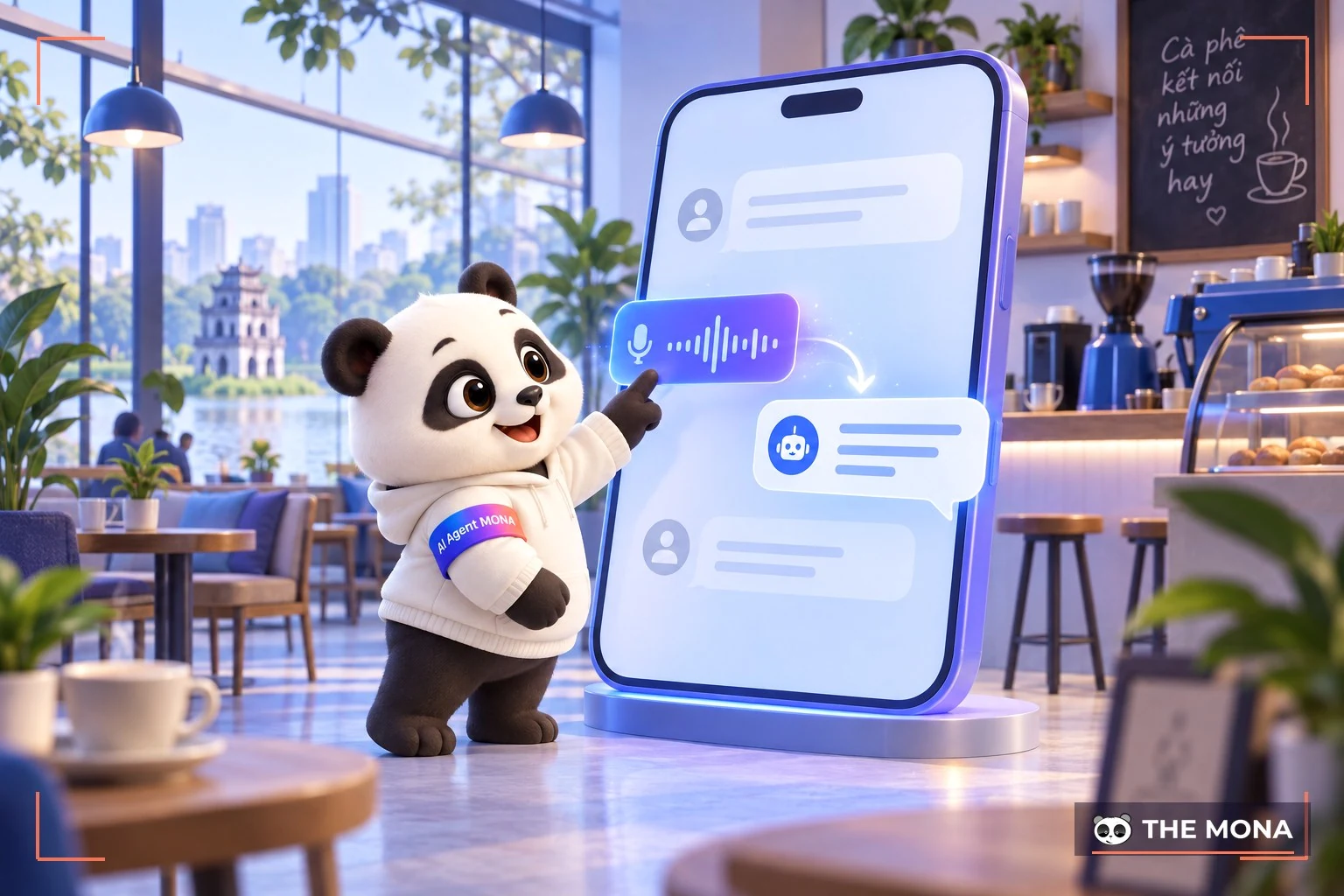
For example, when you ask: “How long do I have to return a product?”, conversational AI doesn’t just give accurate information about the return policy. It can also walk you through the process, making the experience more convenient.
Conversational AI is a complex system made of several technology components working together to simulate natural conversations between people and machines. The core components that make conversational AI work well include:
Natural language processing (NLP) plays the core role in conversational AI. This is the technology that lets the system “understand” human language, from text to speech, through complex analysis steps such as semantics, grammar and context. In particular, NLP helps the system analyze user requests accurately and respond appropriately.
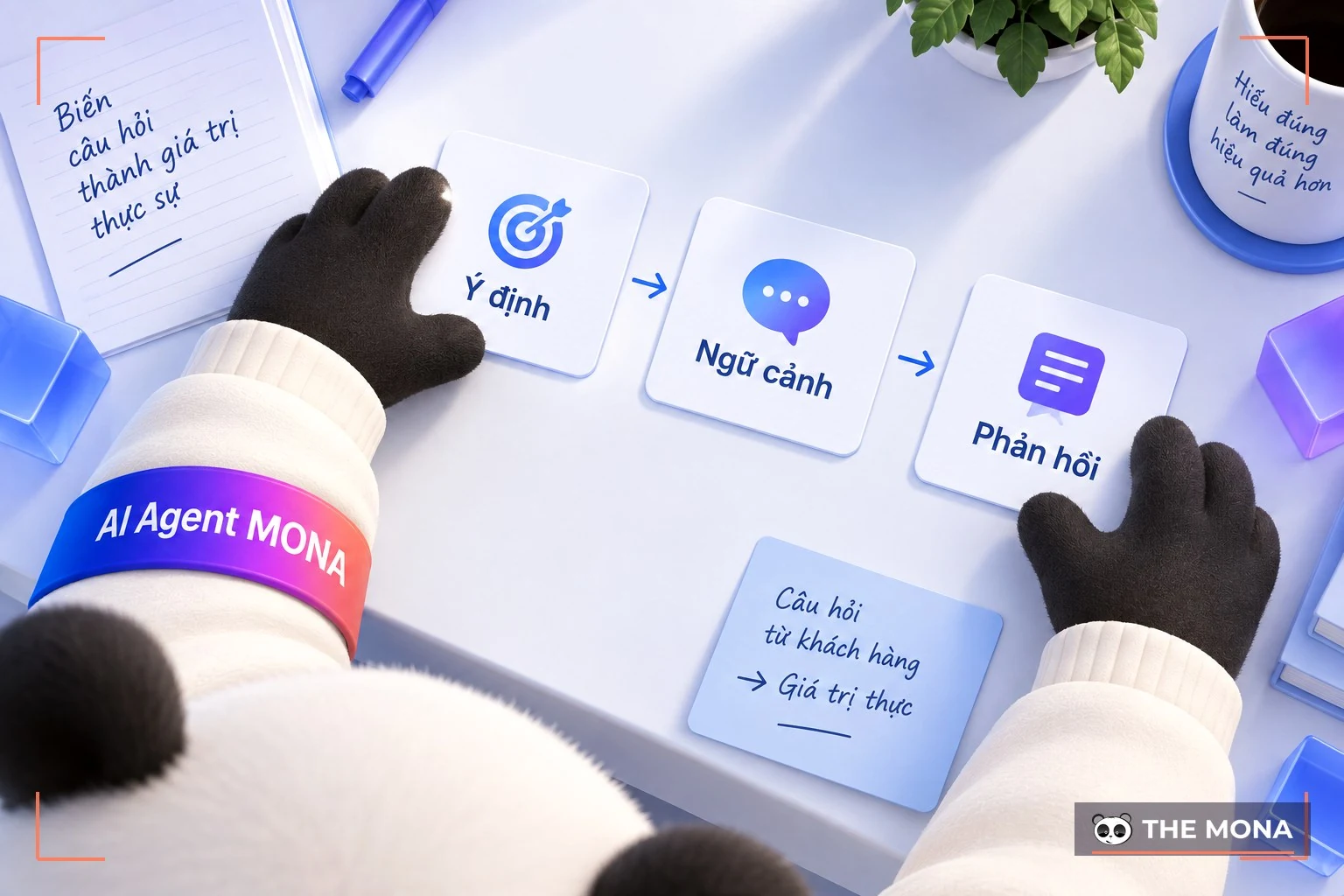
NLP’s standout functions include:
Well-known virtual assistants such as Siri, Google Assistant and Alexa all use NLP to recognize and respond to user requests intelligently.
Machine learning makes AI smarter over time thanks to its ability to learn from data. Machine Learning lets AI recognize patterns in conversations and adjust its responses based on previous interactions.
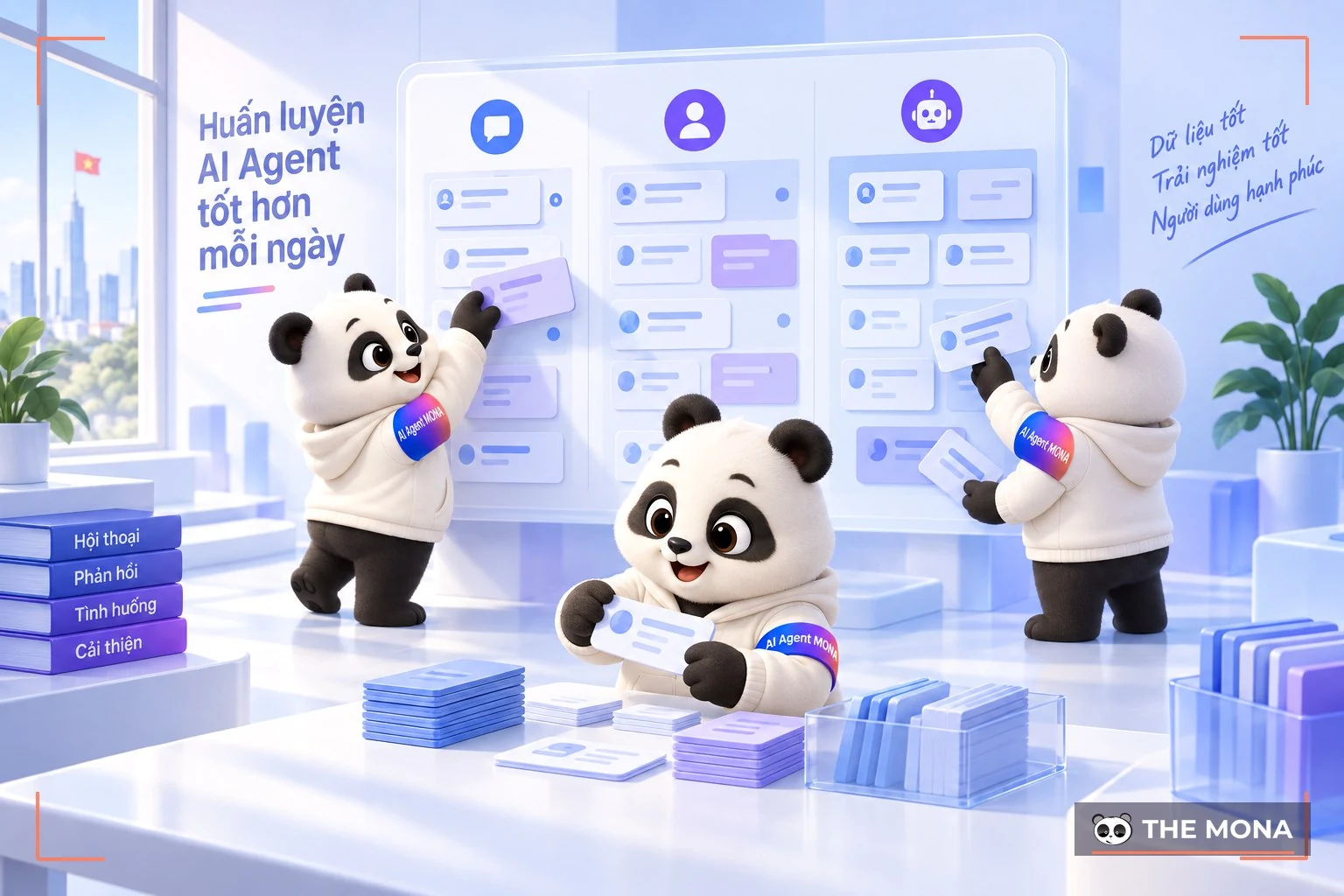
What Machine Learning does in Conversational AI:
For example, when users ask the same question many times, the AI automatically learns and answers more accurately the next time.
Text analysis is the process in which AI processes and understands natural language content to extract key information from a conversation. It goes beyond recognizing keywords and also covers analyzing context, intent and the user’s emotions.
The main functions of text analysis:
Thanks to text analysis, businesses can improve how they engage with customers through channels such as email, chatbots or social media.
Computer vision helps AI process and understand content from images and video to support communication, especially in situations that require visual recognition.
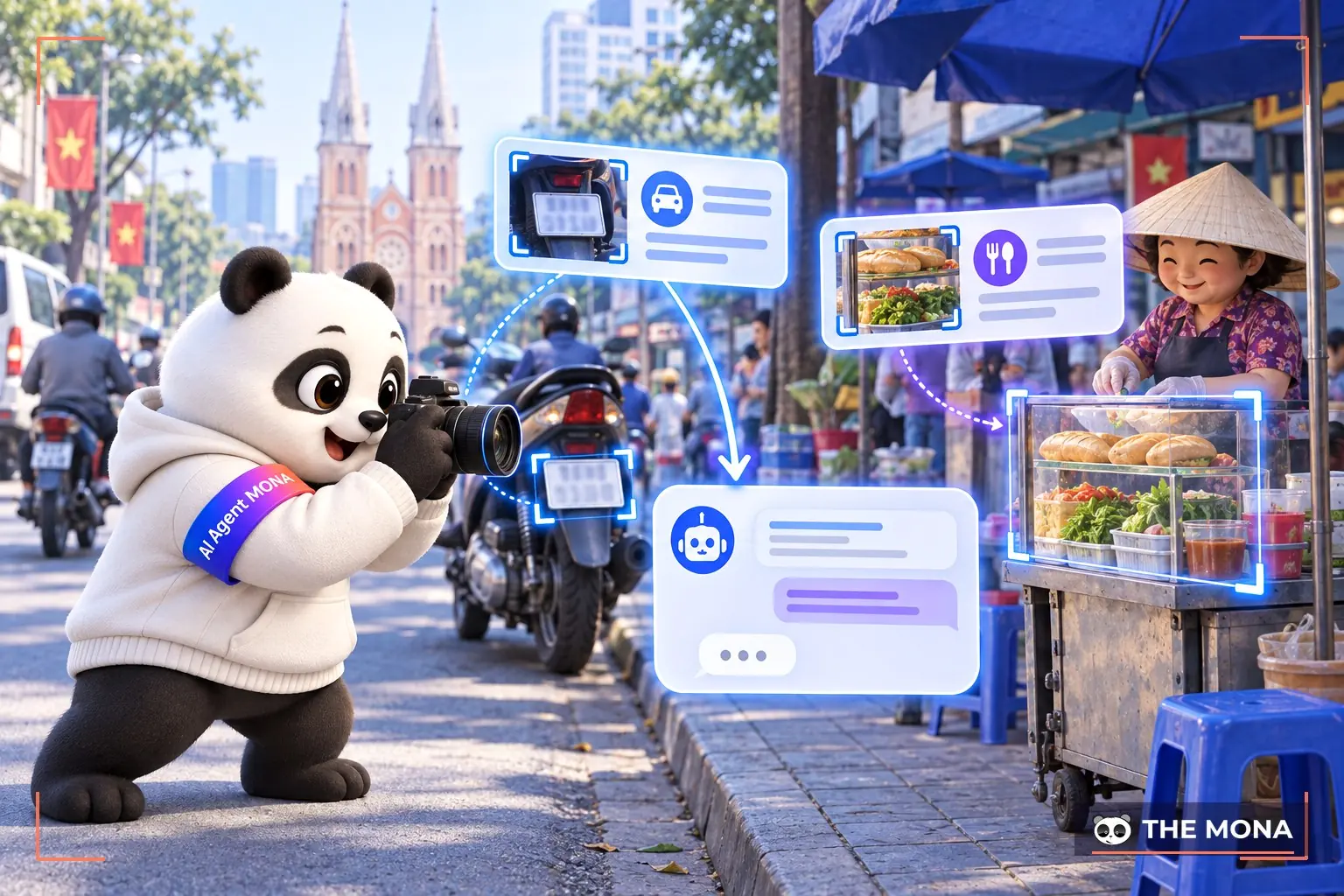
The main functions of computer vision:
This technology is very useful in customer care, letting AI support users through images or video, for example by guiding them through checking a product fault online.
Speech recognition is the technology that lets AI convert human speech into text for analysis and processing. It is an important foundation of virtual assistants such as Siri, Google Assistant and Alexa, helping them understand and respond by voice more naturally.
The main functions of speech recognition:
This technology is commonly used in automated call centers and virtual assistants, and even to help users complete tasks by voice without touching anything.
With these standout benefits, conversational artificial intelligence is becoming an important trend in business operations strategy, helping optimize service performance and expand business opportunities. Now that you know what Conversational AI is, here are some notable strengths of this technology.
Conversational AI makes the conversation between the system and the user feel more natural and friendly . Instead of typing rigid commands, users can interact in everyday language, which feels more approachable and easier to use.
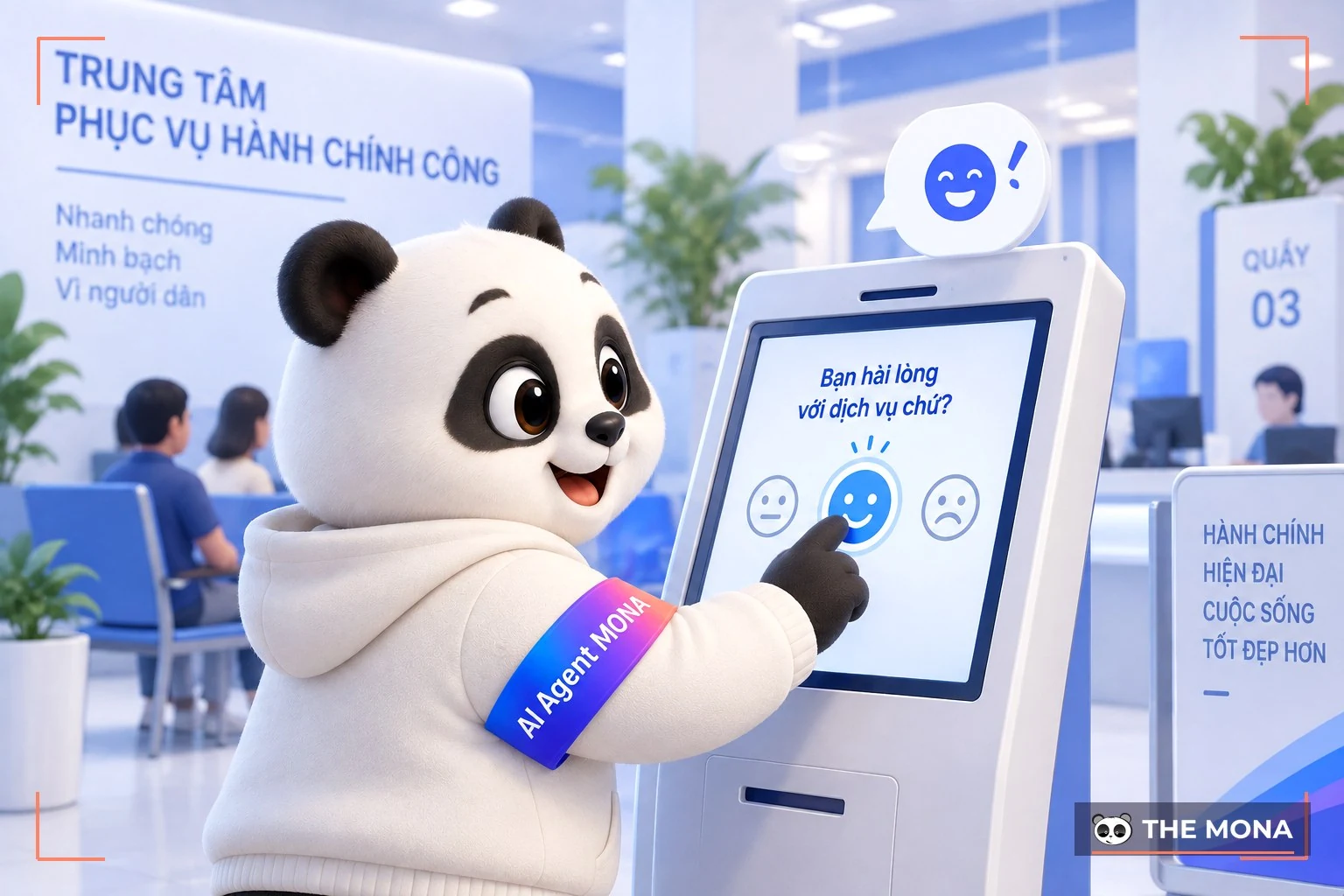
Conversational AI chatbots and virtual assistants can handle thousands of requests at once without disrupting the customer experience. The system runs continuously 24/7, so businesses can offer fast support, take pressure off staff and make better use of resources while keeping service quality high.
Applying Conversational AI helps businesses cut staffing costs significantly while automating many support processes that used to need human involvement. That lets businesses focus on more important work and improve operational efficiency while keeping customers satisfied.
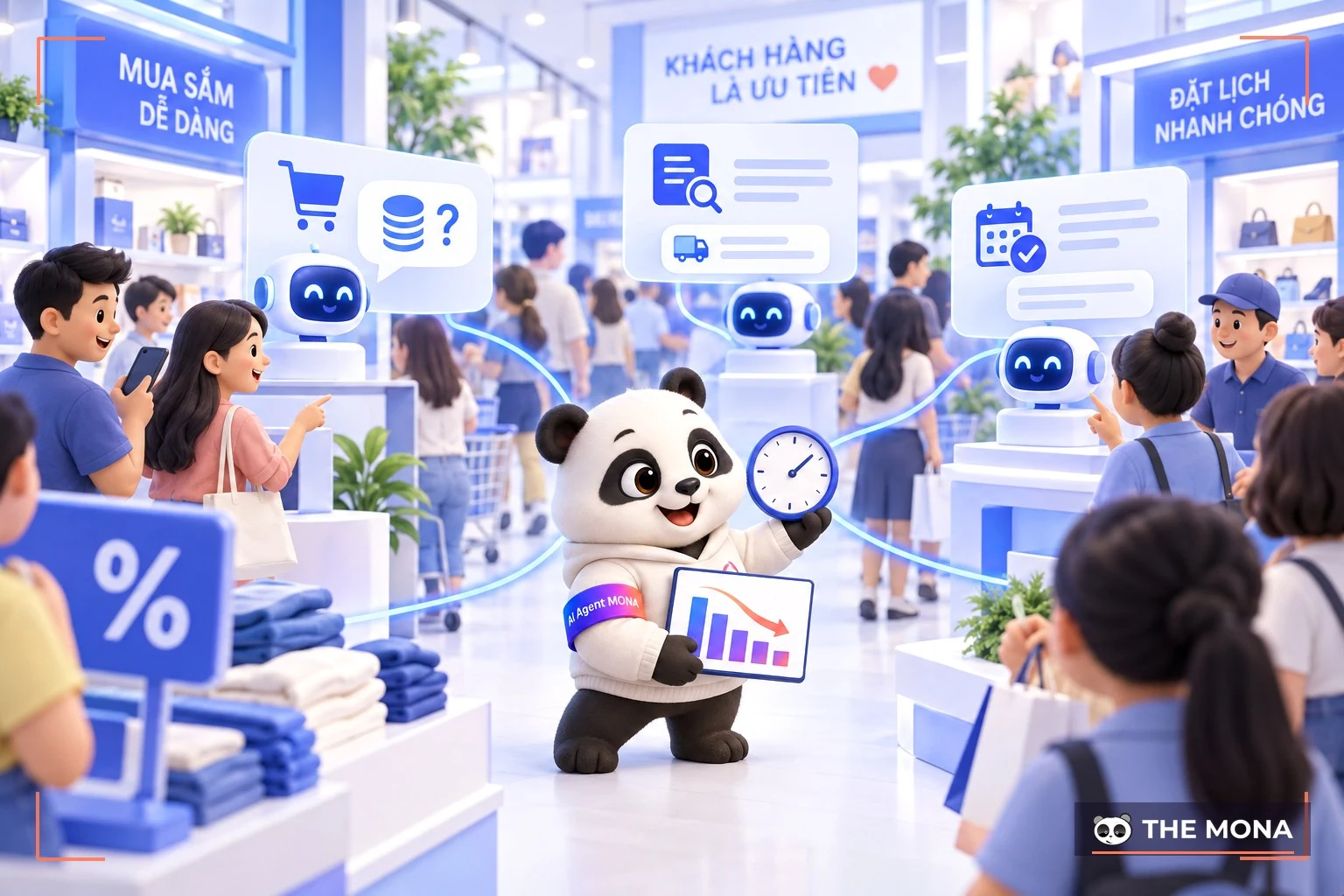
Conversational AI can remember previous conversations and give responses that fit each customer’s individual needs. Thanks to this personalization, users get more accurate suggestions, which improves their experience and raises satisfaction and brand loyalty.
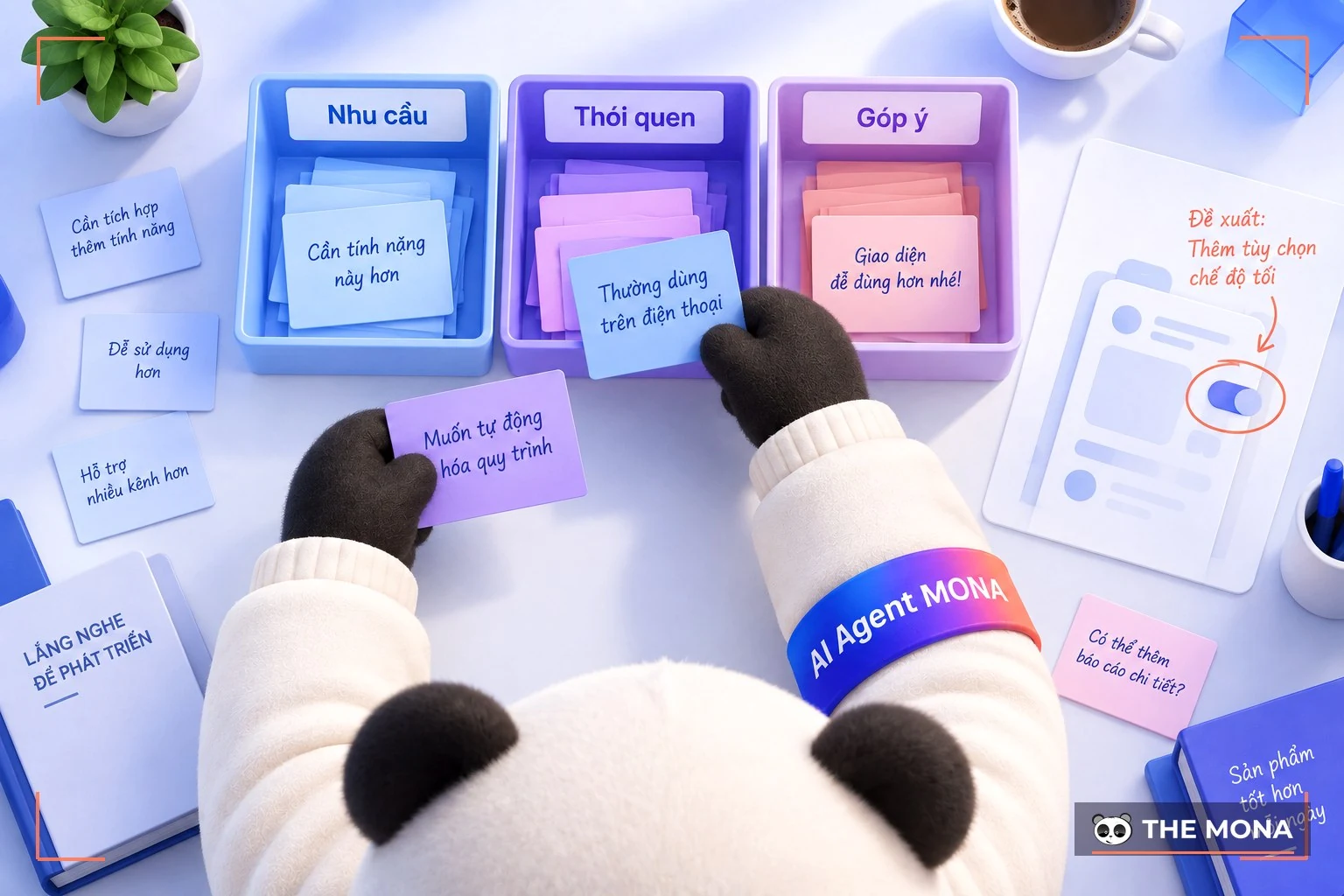
Every interaction with conversational AI provides valuable data about customers’ habits and needs. Businesses can analyze this information to improve products, adjust marketing strategy and raise service performance.
Using natural language processing (NLP), Conversational AI can talk with customers in many different languages. This is a big advantage for businesses operating internationally, helping them reach customers in many regions and improve the quality of support.
A Conversational Artificial Intelligence system can handle many conversations at once without affecting response quality. This lets businesses scale their service easily without heavy investment in staff, keeping operating costs efficient.
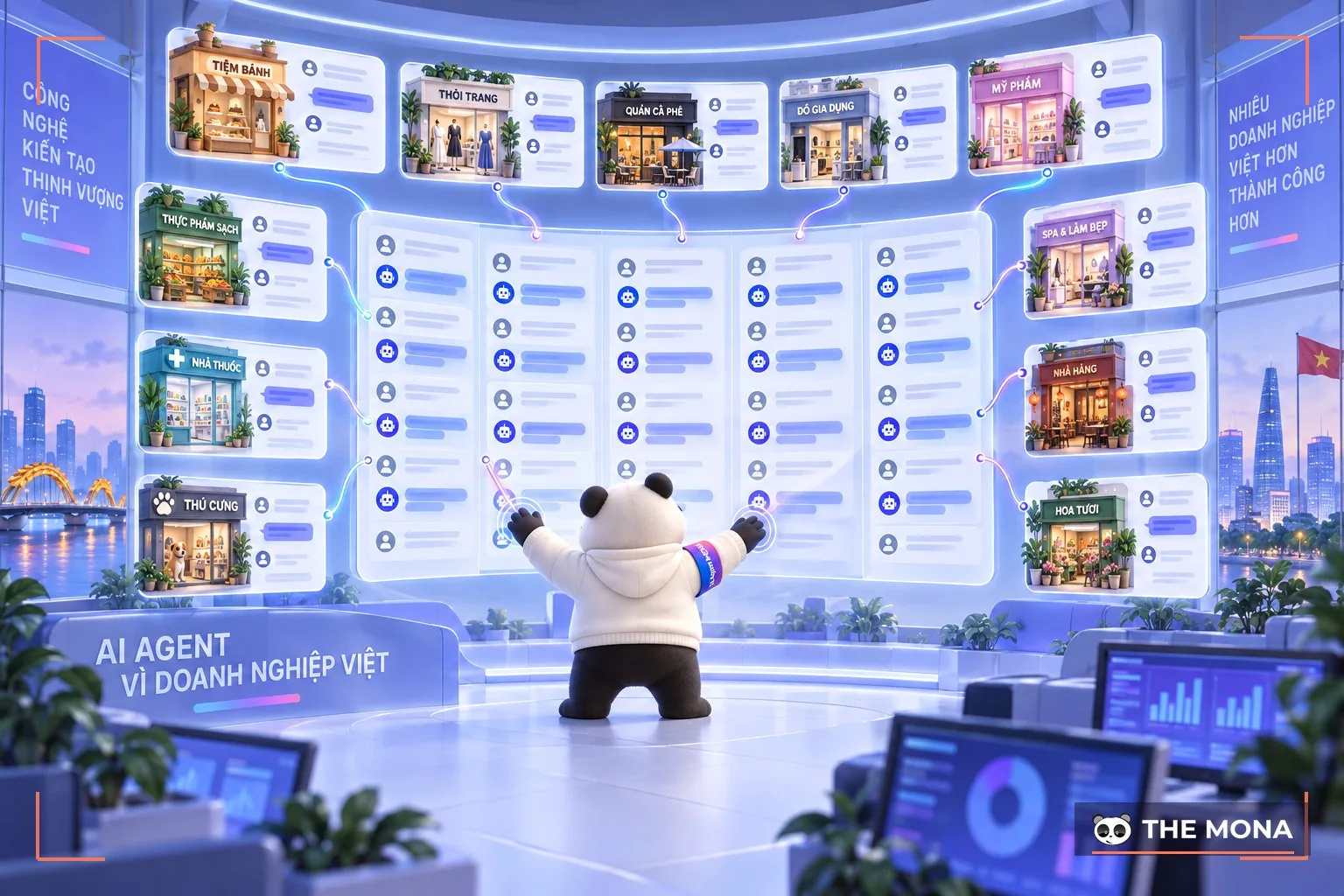
Did you know that office workers spend up to 1.8 hours a day, equal to 500 hours a year, just searching for information? Clearly, this not only wastes time but also cuts productivity significantly.
In fact, 63% of business leaders admit that sharing internal knowledge is difficult. This is exactly why Conversational Artificial Intelligence has become the go-to solution, helping automate processes, improve the customer experience and raise business performance. Here are some popular applications of Conversational AI:
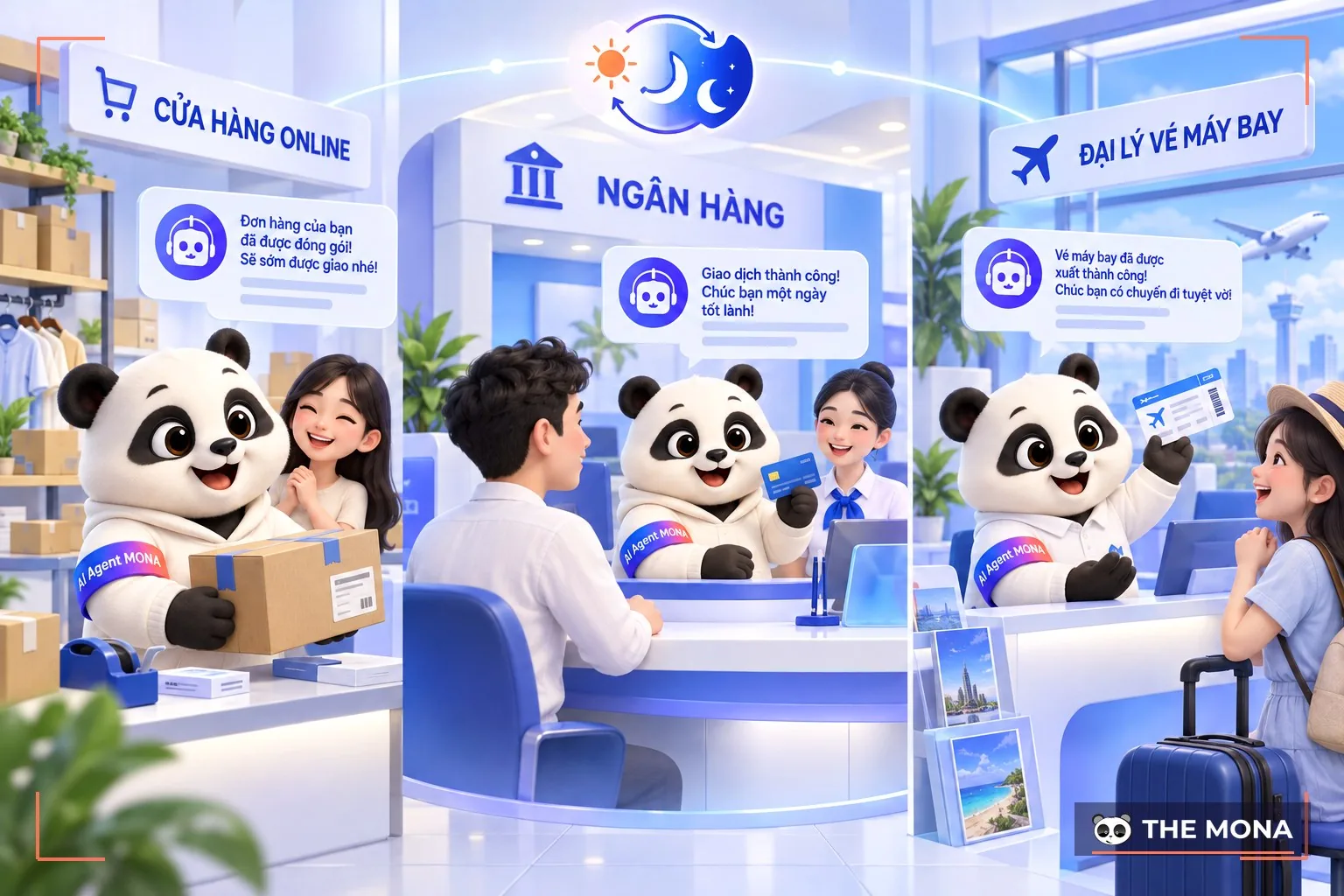
Chatbot are one of the most typical applications of Conversational AI. They can reply to messages automatically, answer questions and support customers 24/7. Industries that use Conversational AI chatbots effectively include:
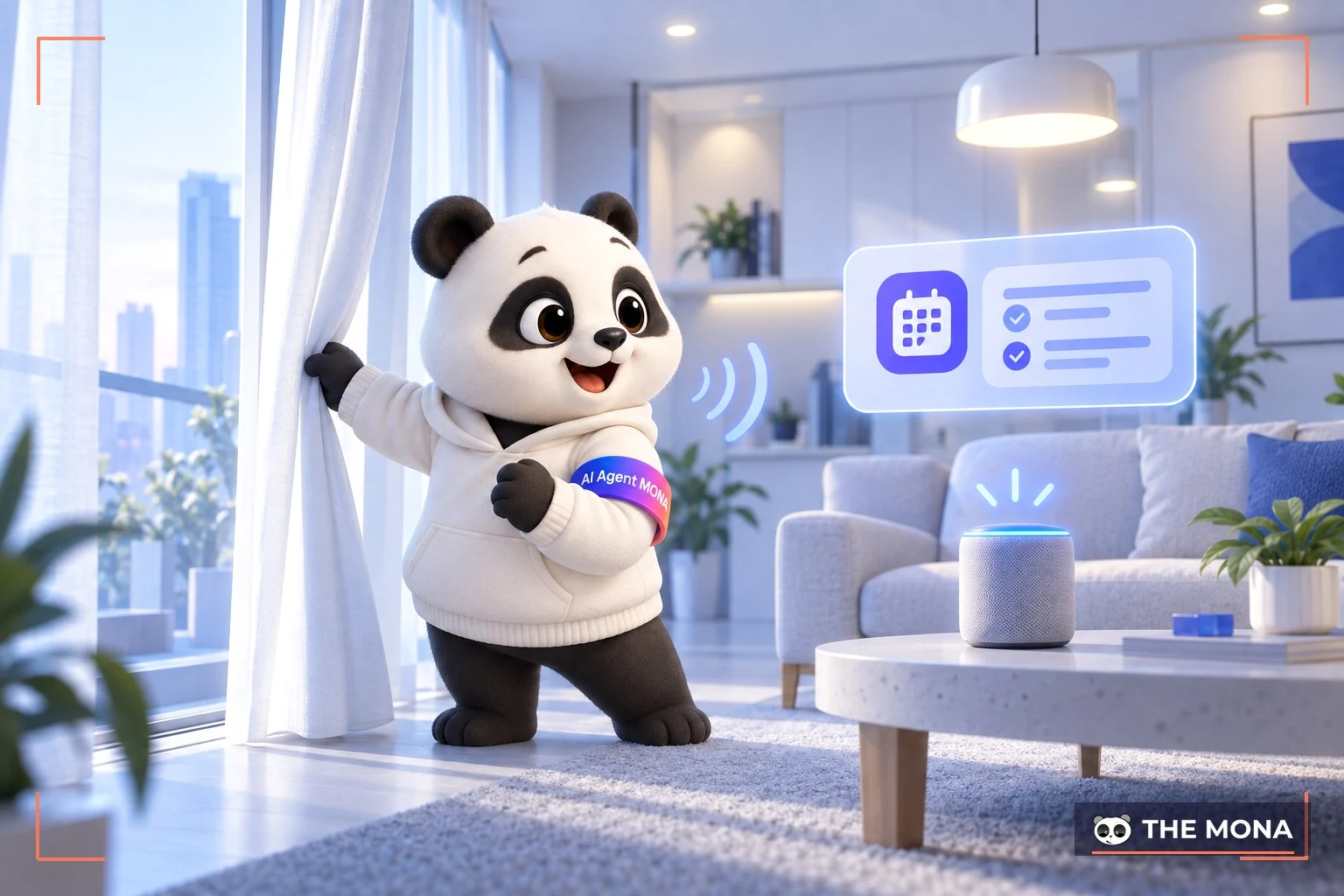
Names like Siri, Google Assistant and Alexa are surely familiar to users. They handle daily tasks such as reminders, searching for information and controlling smart devices. Virtual assistants are also used in business to manage meeting schedules, support employees at work and streamline operating processes.
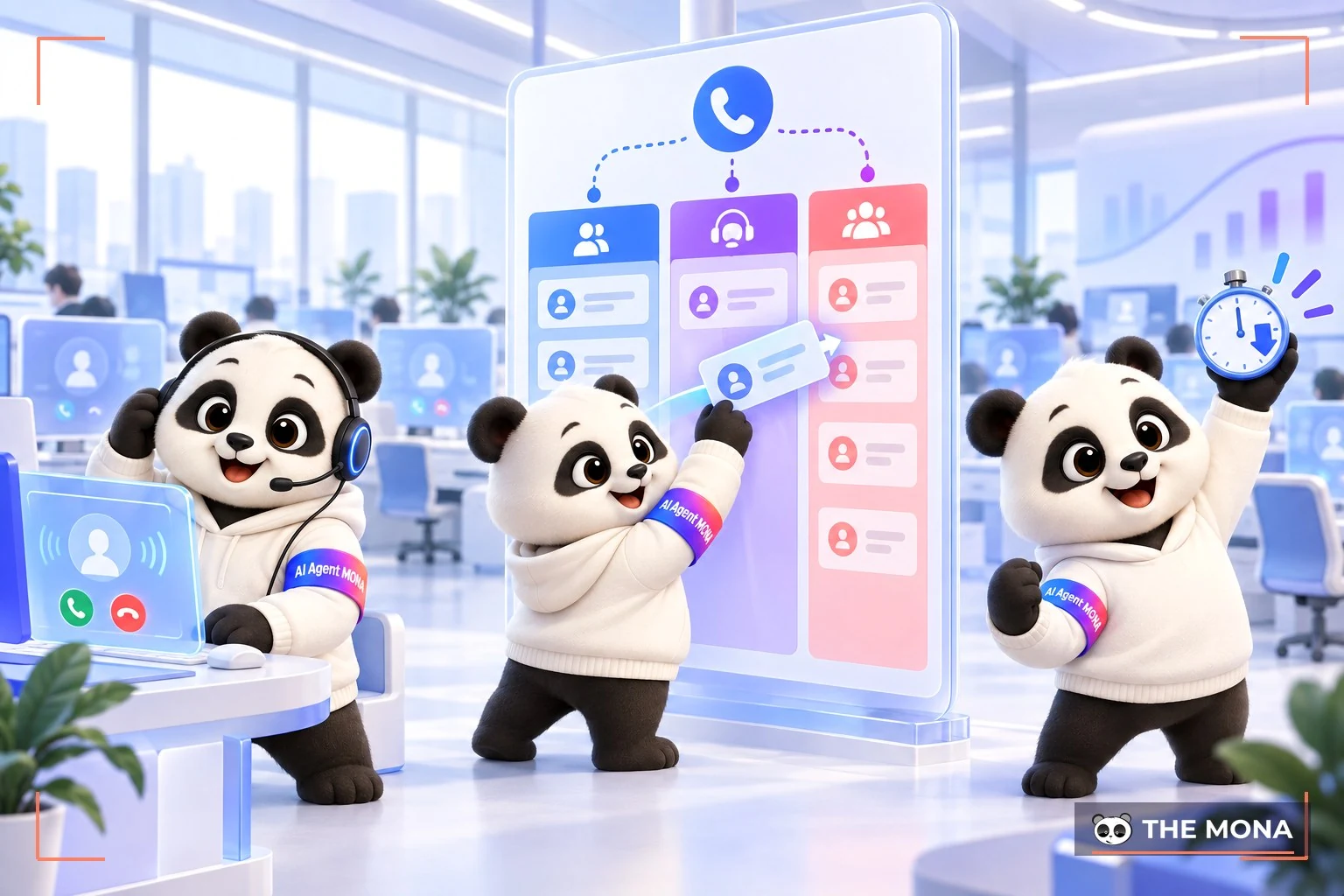
A call center system that uses Conversational AI can receive and handle thousands of calls a day without human involvement. Here are some notable benefits the system brings:
The core difference between Conversational AI and a chatbot lies in how intelligent it is and how well it processes natural language. Conversational Artificial Intelligence doesn’t just receive and reply to text or speech. It can also learn from data, understand context and join the conversation more naturally. A chatbot, on the other hand, is just one form of Conversational AI, and how well it interacts depends on how it was programmed.
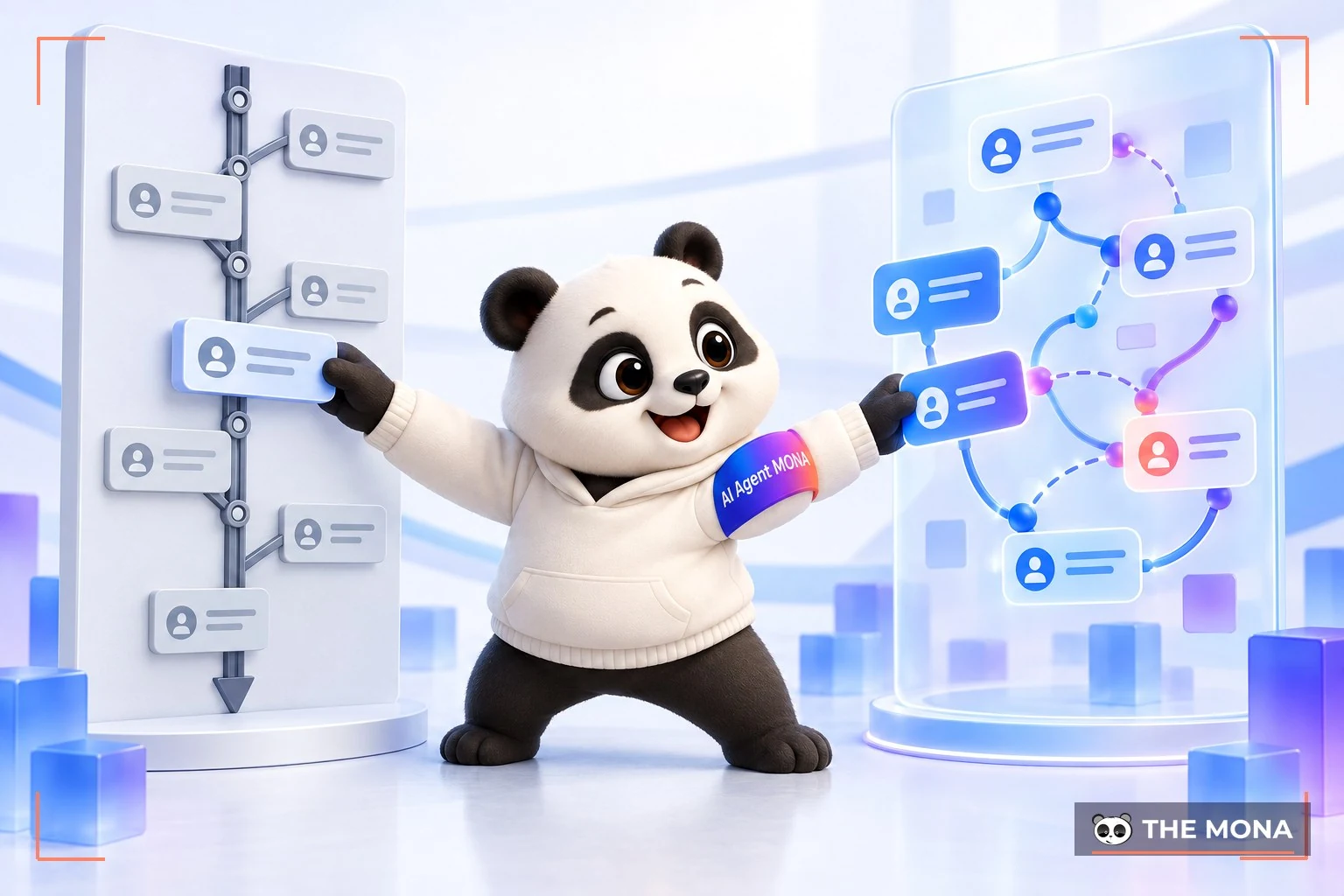
Conversational AI is a more complete system that integrates AI technologies such as natural language processing (NLP) and machine learning (ML). A chatbot can count as Conversational AI if it meets these criteria:
Conversational AI systems are becoming more common, but to deploy them effectively in practice, businesses must deal with a few challenges. If it is not optimized, the AI can give inaccurate responses that hurt the user experience:
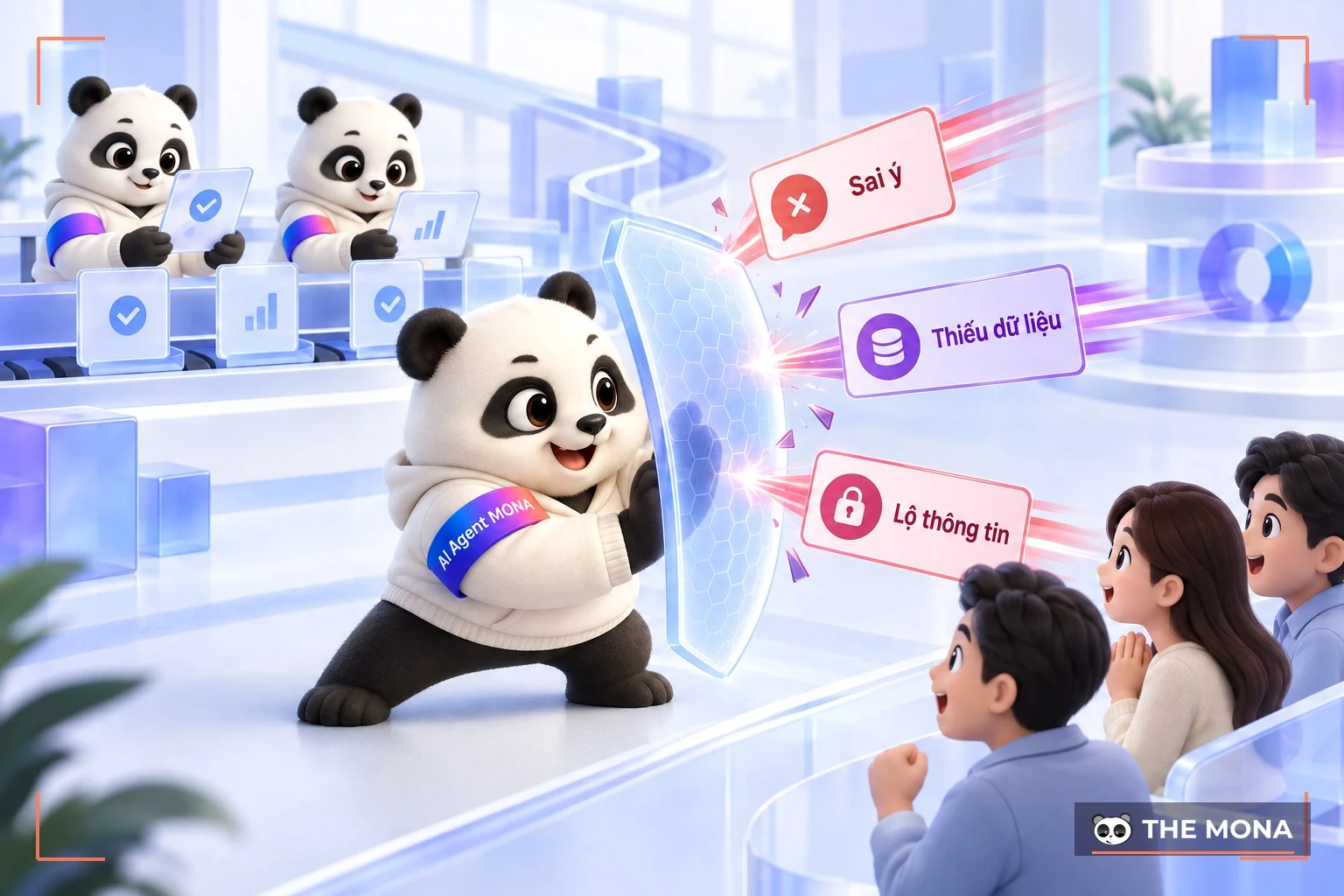
Conversational AI plays an increasingly important role in connecting businesses and customers. This technology automates touchpoints on websites, apps and social media, making things convenient for users and streamlining operating processes.
In the future, conversational artificial intelligence will keep evolving, opening up new potential and changing how people interact with technology:
You may know that new AI tools are born every day. Over time this has created a “jungle of AI tools” where many people fall into the “FOMO trap,” trying everything and ending up using nothing. From the perspective of Hữu Hùng, Product Director at The MONA, you don’t need to know them all. You just need to pick the right AI tools that fits your work. In this video, Hùng will share 5 practical lessons for finding the right AI tool instead of getting swept up in the FOMO spiral.
Hit follow on the video below!
There is no denying that Conversational AI is bringing big changes to many fields, from customer service to e-commerce and education. But opportunities always come with challenges such as response accuracy, natural language processing ability and data security issues. To get the most out of this technology, businesses need a sound deployment strategy that combines AI with the human element in a smart way. When you understand what Conversational AI is and apply it the right way, you can raise work performance and create a better user experience, helping you build a lasting competitive advantage in the market.
You may also be interested in:

CEO & Founder · The MONA
Founder of The MONA, who built a services company of 60+ staff with 14,000+ projects delivered. Khánh Hùng shares how he thinks about building systems that run themselves, automating a business, and the real lessons from delivering projects at MONA.
 1,5K



Professional website
design services
Own a website with a beautiful, 100% exclusive design and a lifetime warranty, with the ability
to expand features flexibly as your business grows, starting today!












 MONA will never sell your information or send you spam


 MONA will never sell your information or send you spam
