
 MONA OS 2.0
 Partner with MONA


 Tự động hoá doanh nghiệp
 Cẩm nang SEO
 Digital Marketing
 Kinh nghiệm thiết kế website
 Hạ Tầng Server
 Giáo dục


 VI
 EN

















Message us on
Zalo Official


 ProductsNew

 ProductsProducts
 Mới ra mắtKHA AI 2027App tự edit video, tự đăng mọi mạng xã hội, 2 phút mỗi ngày










 Website designLooks good and wins customers over.
SEO servicesBrings in customers searching for exactly what you sell.
 Tư vấn digital marketingKéo khách từ nhiều kênh, đo bằng số thật.
Corporate video productionVideos introducing your company, factory and team.
 NewAI video productionCompany story films made with AI.
 Custom software developmentCRM, ERP and HRM built for your business.
 Viết AI Agent theo yêu cầuĐặt riêng một trợ lý AI cho đúng việc của mình.
 Tư vấn chuyển đổi AIĐưa AI vào vận hành của cả công ty.
NewMONA LMSManagement for centers and schools.
MONA SkillHubInternal training for company staff.
 NHTQ systemEnd-to-end China–Vietnam shipping operations.
MONA JMSManagement for gold, diamond and pawn shops.
 MONA E-LearningA website with every feature you need to sell courses.
 How to sell online courses (course)More than 30 free lessons on selling courses on autopilot.
 MONA Cloudmonacloud.vnServers to get your apps and websites running.
 MONA Basemonabase.vnPostgres database, sign-in and file storage.
 MONA Mailmonamail.vnSend OTP, order and invoice emails from your software.
 MONA Paymonapay.vnAccept bank transfers via VietQR and notify your software when the money arrives.
 MONA eInvoiceComing soonIssue e-invoices that meet tax standards.
Gấu CườiTrả lời khách 24/7 trên web, Fanpage, Zalo và thu lead cho sale.
 Gấu TeleSalesGọi điện tư vấn, chăm khách như tổng đài viên thật.
Dê CườiTư vấn và chốt đơn cho shop ngay trong khung chat.
Gấu WebmasterNhắn nhóm Zalo là website được sửa xong.
 Gấu Pháp ChếSoạn hợp đồng, rà điều khoản trong vài phút.
 Gấu Báo GiáLên báo giá đúng mẫu và gửi khách ngay.
 AI chăm sóc khách hàngTheo dõi và giữ chân khách hàng cũ.
 Gấu Tuyển DụngLọc hồ sơ, hẹn lịch, phỏng vấn ứng viên.
 Mới ra mắt
KHA AI 2027
Xây kênh chuyên gia 2 phút mỗi ngày
Quay bằng điện thoại, AI tự edit video, tự đăng lên 16 nền tảng và tự trả lời bình luận, tin nhắn.
883.362lượt xem trên kênh CEO MONA sau 36 ngày
 Anh Khánh HùngCEO MONA đang dùng mỗi ngày
Xem app làm được gì
 AI
Gấu Cười MONA ĐANG TỰ XÀITrả lời khách 24/7 trên website, Zalo OA, Messenger và thu lead về cho sale.
Dê CườiChốt đơn bán lẻ và sàn: Shopee, TikTok Shop, web. Chăm cả khách sỉ, đại lý.
Gấu WebmasterCập nhật nội dung, tối ưu SEO website mỗi ngày.
Gấu TeleSalesGọi điện tư vấn, chăm khách như tổng đài viên thật.
Gấu Tuyển DụngLọc hồ sơ, hẹn lịch, phỏng vấn ứng viên tự động.
AI chăm sóc khách hàngGiữ khách cũ, cứu lead đã rớt cho phòng kinh doanh.
Gấu Pháp ChếSoạn hợp đồng, rà điều khoản trong vài phút.
Gấu Báo GiáLên báo giá đúng mẫu, gửi khách ngay khi có yêu cầu.
 Chuyển đổi AI toàn phầnGiải pháp tổng cho doanh nghiệp, 3 lớp triển khai.
 Viết AI Agent theo yêu cầuĐặt riêng một con AI gánh đúng nghiệp vụ của bạn.
 Custom softwareCRM, ERP and HRM with built-in AI automation.
 SEO & AEO thời đại AIĐược Google lẫn AI trích dẫn, không chỉ xếp hạng.
 Kiến thức AI cho doanh nghiệpBài phân tích, hướng dẫn ứng dụng AI vào vận hành.
 Free AI courses
 AI tools at work
App mới · KHA AI 2027
Xây kênh 2 phút mỗi ngày
AI tự edit video, tự đăng mọi mạng xã hội
Free consultation, 8am–10pm every day

11 March, 2025

In the digital era, users no longer just type keywords. They ask more specific questions and want fast, accurate answers. That is making traditional SEO strategies outdated and not competitive enough. It marks an important turning point in content optimization, especially with the arrival of Answer Engine Optimization. So what is AEO, and why does it matter so much as AI develops this fast? Read on as MONA Media find out in the article below.
AEO, or Answer Engine Optimization, is a strategy focused on optimizing content so it appears directly in a search engine's results as short, complete answers to users' queries, instead of only ranking web pages in a list of links.
AEO targets quality content with specific, detailed answers that solve the user's question right away, through formats like featured snippets, voice assistants or even AI-generated results.
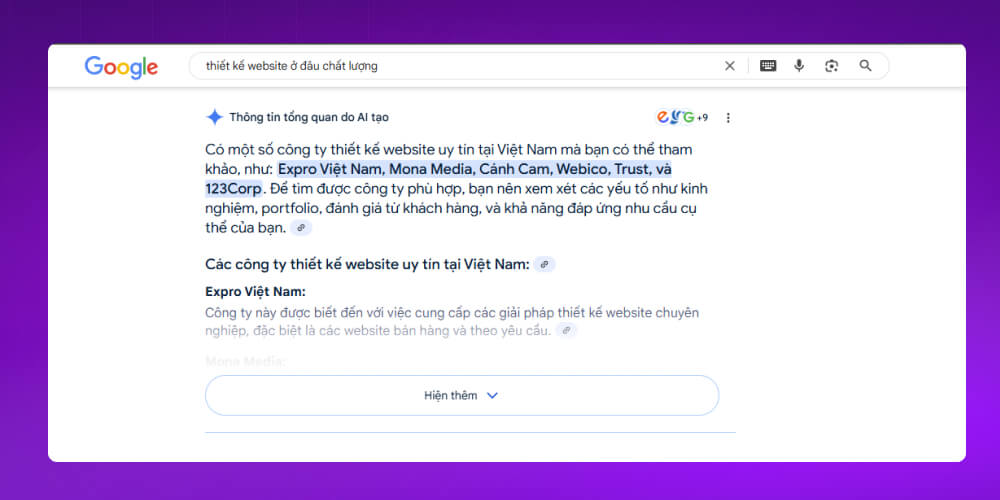
Unlike traditional SEO, which focuses on raising website rankings, AEO puts more weight on building content that is clear, accurate and deep enough to be chosen as the “representative answer” for a specific query. But AEO doesn't replace SEO. On the contrary, an effective AEO strategy needs a how to improve SEO for your website foundation that lasts. Both share the same goal: serve users as well as possible and increase the visibility of your content.
See more: What is an AI chatbot: how it differs from a scripted chatbot and how to choose the right one
Answer Engine Optimization is becoming an important direction in SEO strategy today. To picture what AEO is, let's go through a few real examples from digital life:
In search results:
Virtual assistants:
Chatbot AI:

From these examples, it's clear that an AEO strategy is no longer just an option. It is the necessary direction for content to keep up with how people search for information today. If you are considering an AEO service for your business, now is a good time to invest seriously in how you build and present content.
Answer Engine Optimization works as a smart bridge between users and modern search systems. Unlike traditional SEO, AEO focuses on giving the most accurate, fast and easy-to-understand answers to queries phrased as questions. To do this, search engines like Google and Bing use artificial intelligence (AI), machine learning and complex algorithms to analyze the context and real intent behind each question.

Instead of just “read” keywords, the system understands the whole question, then scans a huge data store of billions of web pages to pick the best-fitting content. In this process, the search engine evaluates factors such as: does the content answer the question directly, is the information reliable, is the structure clear and accessible, and how users interact with the site.
That's why AEO takes more than technique. It also takes a mindset that builds content around real search behavior. AEO services are now getting attention from many businesses as part of a combined AEO and SEO strategy, to widen visibility in prominent positions on the results page or through virtual assistant devices.
However, optimizing content for an algorithm AI in SEO that keeps changing is not easy. If you're still not sure where to start, let the MONA team work with you. With experienced experts, we will:
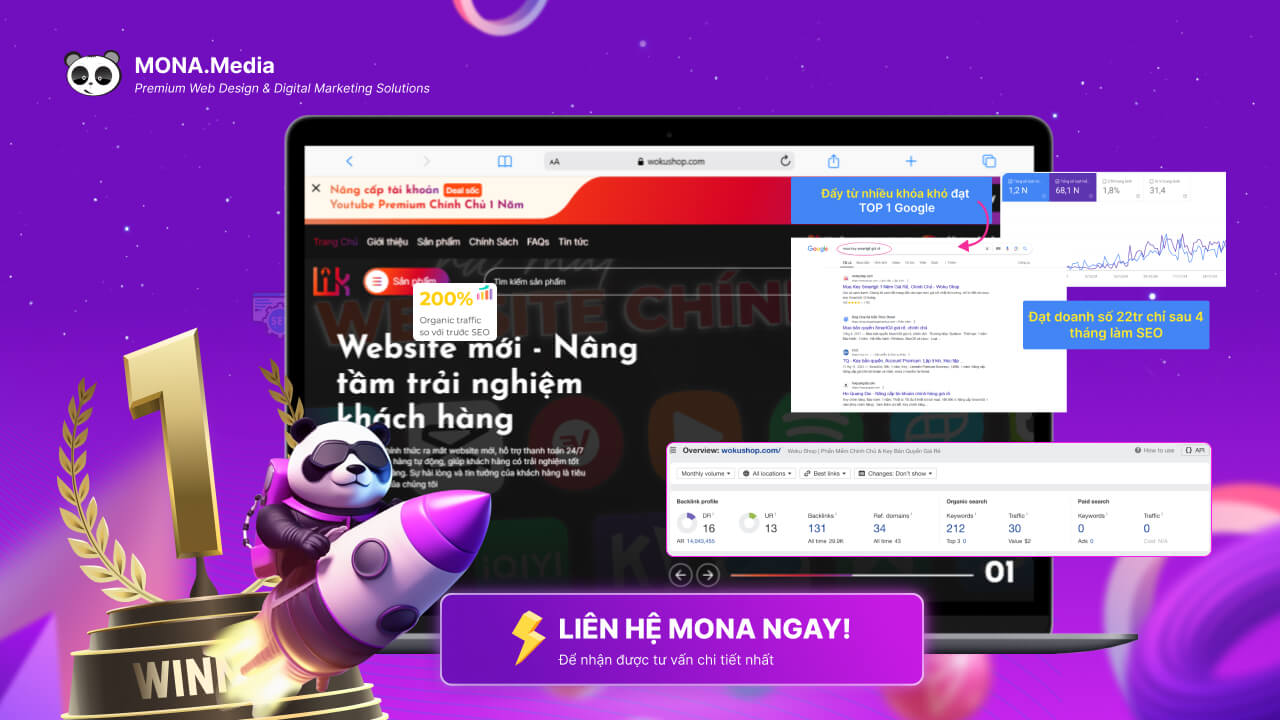
Above all, throughout our work together, MONA stays by your side to help your online store reach millions of potential customers in the digital space and deliver the smoothest experience. Contact MONA now for more detailed advice and to get a detailed SEO quote, fast AEO.
Answer Engine Optimization is becoming an important part of improving the search experience and gaining a competitive edge in the digital space. Here is why AEO plays an increasingly essential role in every business's content development and brand building today.
Users are changing how they look for information, especially with the rapid growth of voice search and AI chatbots. Instead of typing single keywords, they ask complete questions, as if having a conversation, and expect a specific, accurate answer right away.
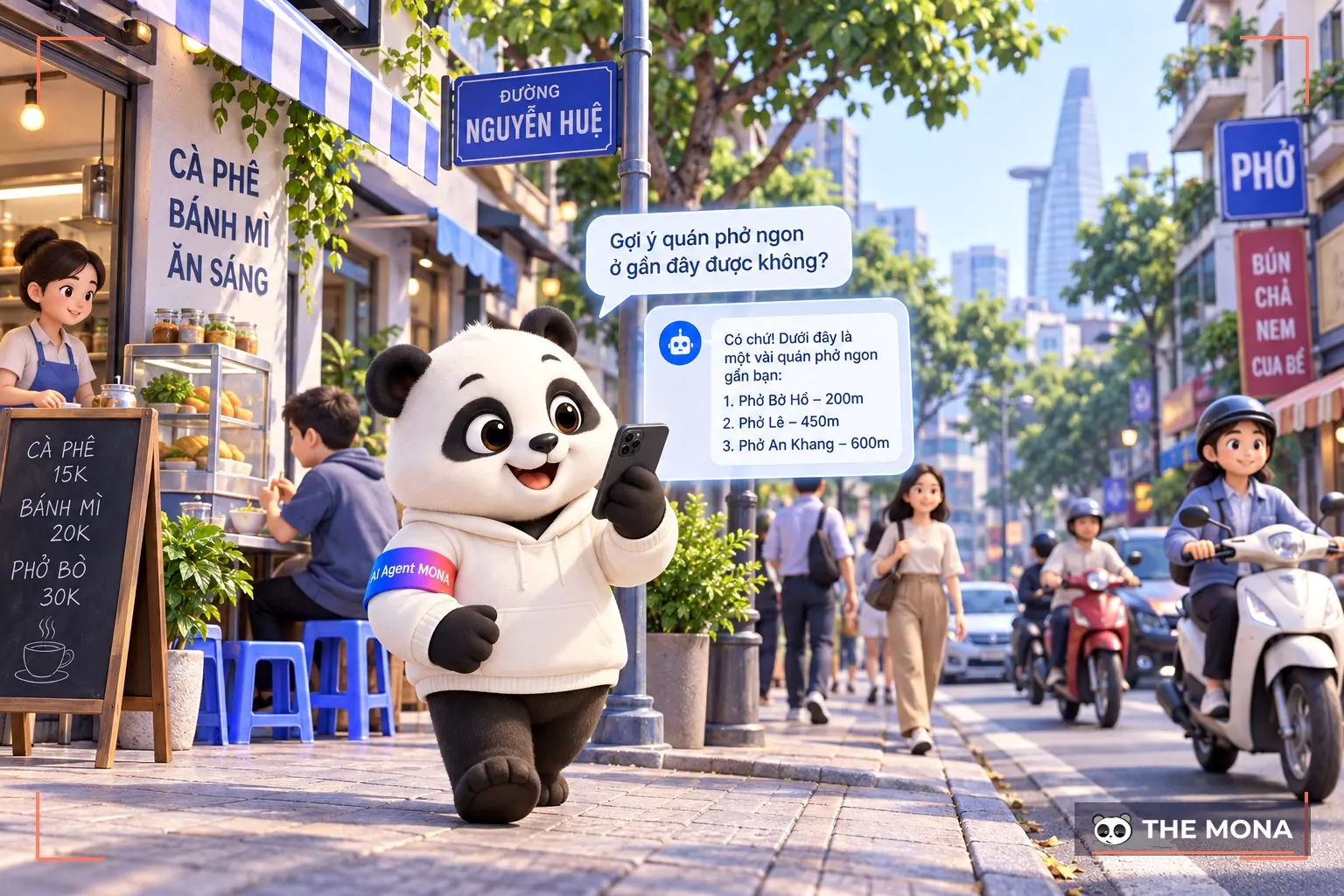
With more and more information on the Internet, users have less and less time to sift and search. They want a clear, to-the-point and trustworthy answer as soon as they finish a query. Visiting site after site to filter information is no longer the common habit it once was.
Answer Engine Optimization shortens that journey by optimizing content to be shown directly in search results. When users get what they need without visiting the website, they value the convenience and accuracy the brand provides. This is the core value that makes AEO more and more important in modern search optimization strategy.
Appearing in prominent spots such as featured snippets or knowledge panels gets a brand noticed from the very first impression. Users may not click through to the website, but the brand image and the way it delivers information stay in their minds.
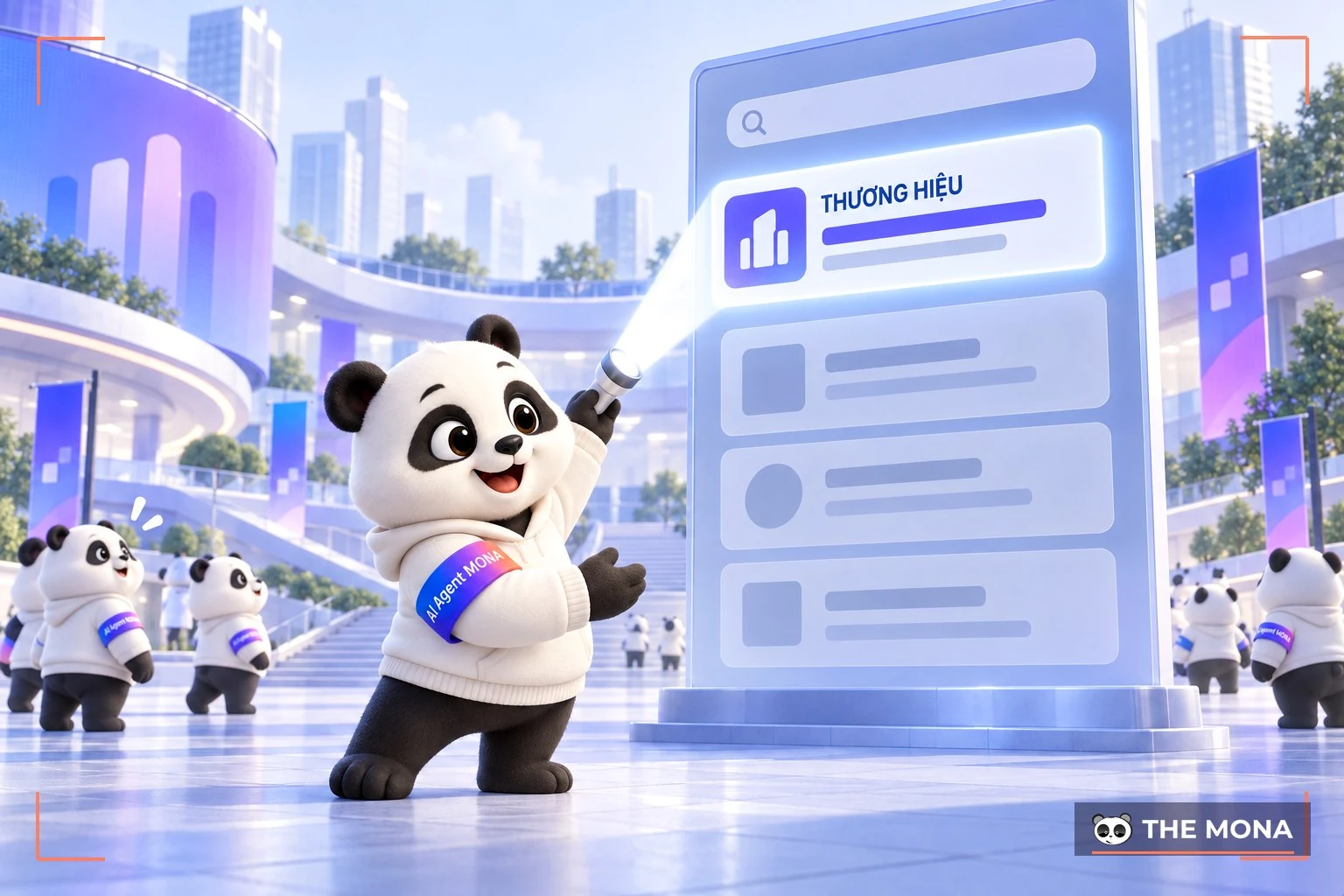
When you do AEO properly, your website has a better chance of showing up in priority search results. Frequent appearances widen your reach and also build user trust. They come to see the brand as a source worth consulting in the field they care about. That is also why more and more businesses invest in AEO services as an extension of their strategy full-scope SEO.
A good search experience isn't only about users finding what they need on a website. It's also about how the information is delivered. When content is logical, clear and on point, users feel satisfied because they get value immediately without extra effort.
Optimizing AEO right on your website gives users a smoother experience. Accurate, easy-to-understand information keeps readers on the page longer and makes them more likely to engage with related content or share it. All of these behaviors are positive signals that improve SEO quality and strengthen the relationship between users and the brand over time.
AEO and SEO both aim to help a website show up better in search engines, but their approach and nature differ in many ways. If SEO focuses on keyword rankings, AEO aims to become the best possible answer to the user's query. Understanding this difference and how the two relate will help you run a more effective strategy.
AEO and SEO both aim to improve visibility in search engines, but they differ in approach and goal. SEO focuses on improving a website's ranking on SERPs through keyword optimization, links, site structure and user experience. The goal is to increase organic visits.
Answer Engine Optimization, on the other hand, aims to give short, accurate answers to specific queries, suited to voice search and virtual assistants.
The comparison table below shows the difference between SEO and AEO clearly:
|
Criterion |
SEO |
AEO |
|
Goals |
Raise the website's overall ranking on the search results page |
Give short, direct, accurate answers to specific queries |
|
Audience |
Users type keywords into a search engine to look up information |
Users search quickly by voice or use a chatbot, and usually need a specific answer |
|
Scope |
Optimize many website factors across the board |
Focus on providing clear answers |
|
Method |
Combine on-page, off-page and technical optimization to improve user experience |
Optimize questions, use snippets, schema and Q&A-style content |
|
Results |
Increase traffic from organic search results |
Stand out as a snippet, short answer or voice search result |
AEO isn't a replacement for SEO. It's an extension that makes SEO stronger. AEO can be seen as a specialized branch of SEO, focused on optimizing so search engines answer users directly.

AEO techniques like writing content around search intent, using structured data and improving page speed… are all key factors in SEO too. When you apply AEO well, you help SEO work much better through:
Today, any SEO strategy needs AEO. Combining both not only strengthens your search rankings but also improves how users reach and interact with the information on your website.
Effective AEO can't focus only on keywords or article length. What search engines really care about is how clear, accurate and relevant the content is to a specific question. If you want to optimize AEO, start by understanding the factors the algorithm favors when it picks the best answer.
Search Intent (search purpose) is a key foundation when implementing Answer Engine Optimization. Users come to a search engine because they want to solve a specific problem, and the first thing you need to do is pin down exactly what they need.

Once you understand the goal behind the query, building the right content becomes simpler and more effective. If they need information, give a clear, short and accessible answer. If they want to buy, the content should focus on products, features and real benefits.
Structured data is how you help search engines understand your page content without guessing. When you use standard formats like Schema.org to state clearly that something is an article, product or event, search systems can organize the information and display it prominently.
This raises the chance of your content appearing in rich snippets, knowledge panels or other extended formats on the results page. Adding structured data to your content is an essential step if you want to optimize AEO properly.
Featured Snippets are the information shown in the most prominent spot in search results, above the regular links. This is where the search engine picks a short but high-quality piece of content to answer the user's query right away.
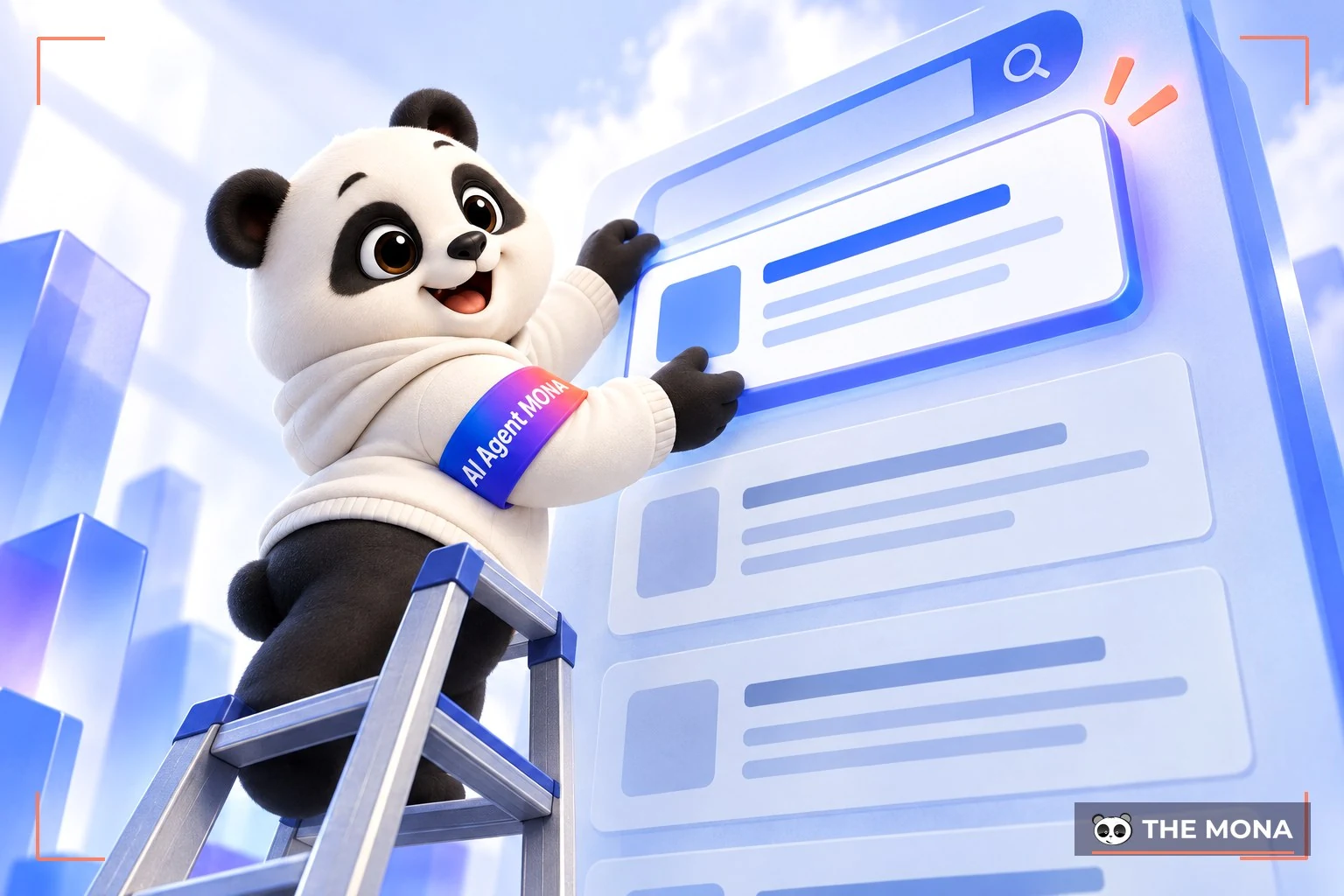
To be chosen for this spot, content must be short, on point and clearly presented as a list, definition or guide. This is the goal everyone who does AEO wants to reach, because it boosts visibility without competing for rank the traditional way.
Voice search is growing as users ask questions on phones, smart speakers or virtual assistants instead of typing keywords. This completely changes how content is retrieved and means you need to write in a more natural style, the way people talk every day.
Content should answer common questions directly, with a short structure that is easy to read aloud. Optimizing for voice search is an important part of AEO because it connects your content with real-life queries.
Search engines today look beyond a single article. They evaluate the overall credibility and depth of the whole website on a specific topic. When you build content that fully covers a field and links related topics closely, your site gets recognized as an authority.
This is what raises the chance of appearing in special features like direct answers, especially when you run AEO and SEO strategies together. To maintain topical authority, you need to keep updating content, expanding topics and making sure every piece of information you share is accurate.
AEO optimization can't be done by gut feeling. It needs a proper process based on users' real search behavior. Here are the key steps to build content that fits the Answer Engine Optimization trend, so Google picks it as the answer.

The first step, and the most important foundation for effective AEO, is keyword research, especially question-style keywords. Instead of focusing only on common phrases like “summer fashion” hay “Hanoi cuisine”, dig deeper to understand what users actually want to know. For example, they might search for questions like:

To find questions like these, you can use tools such as:
Once you have a list of promising questions, the next step is to analyze, filter and group them by specific topic. This not only helps you build coherent content but also helps search engines understand your site's structure and depth, improving the overall AEO and SEO strategy.
After collecting the list of questions from keyword research, the next job is to build content that answers directly, clearly and close to users' real search needs. This is what tells search engines you are giving the best answer for each query, and it plays an important role in AEO optimization.
When creating content, always put brevity first and get straight to the point. Readers don't have time for rambling intros, so start with a direct, clear answer.
Keep the language simple and easy to understand, especially for common questions that anyone might care about. Accuracy and reliability matter too: if you give wrong information, you lose readers' trust and hurt your overall AEO and SEO results.
For formatting, choose formats that make the answer stand out, such as:
For example, if the question is: “What should I eat in Hanoi's Old Quarter?” you could write the content like this:
Answer: When you visit Hanoi's Old Quarter, try Bat Dan pho, Hang Manh bun cha, Hang Ga banh cuon and Hang Bong fried nem chua. These are all famous dishes with a strong traditional flavor, and locals love them.
Voice search keeps growing, especially as people ask natural, conversational questions instead of typing short keywords. That is why AEO should cover voice optimization too, so you capture high-value queries that convert.
To optimize AEO for voice search, keep these points in mind:
To run AEO well, technical optimization is key. It is not just behind-the-scenes work but the pillar that helps search engines recognize and present your content accurately. Here are the important technical areas to focus on:
Internal linking connects different pages within the same website. Done well, it not only helps users find related information but also helps search engines understand how your content relates, which improves both AEO and overall SEO.

Keep these principles in mind when setting up internal links:
In addition, earning links from highly trusted websites also has a positive effect on AEO performance. But instead of collecting as many backlinks as possible, focus on the quality of links from reliable sources. These are always worth many times more than dozens of links from unknown origins.
AEO needs constant testing to work best. There is no fixed template for every type of content or industry, so monitoring, analyzing and adjusting is key to long-term results:
Interested in
AI & Vibe Coding?
A community group for sharing experience and turning ideas into electronic products that actually earn money with AI

Many tools can support your AEO work, from keyword research and competitor analysis to performance tracking and creating Schema Markup. Using them together helps you optimize AEO effectively and improves your chances of appearing on direct-answer search engines like Google.
Some popular and useful tools include:
Optimizing AEO takes serious investment in both content and technology. But not every business can easily approach and implement it correctly. Below are some barriers that keep AEO from delivering the results you expect without clear direction.
The “featured snippet” position is always the top goal of AEO. It is also extremely competitive, with many websites optimizing to win it. To raise your chances of appearing in a featured snippet, you need to:
Search engines, especially Google, constantly update and change their algorithms. These changes can affect how AEO works and the results you get. To adapt, you need to:
For AEO, accurate and current information is vital. If the content on a page is outdated or wrong, users will easily skip it and Google will be unlikely to rate it highly.
To keep your content reliable, you should:
Unlike traditional SEO, where you can easily track keyword rankings, measuring AEO results takes closer observation. No tool can yet accurately count how many times your site is chosen as a direct answer by a search engine. Still, you can evaluate AEO performance in these ways:
As user search behavior keeps changing, AEO keeps evolving to match real needs. Here are the AEO trends businesses should watch to keep a competitive edge as search gets smarter.
Voice search is getting more popular thanks to better speech recognition and the spread of virtual assistant devices in daily life. By 2026, more than half of US households are expected to own at least one smart speaker. This makes AEO an essential part of any content strategy, helping businesses reach users the way they actually search.

Google and modern search engines use artificial intelligence to analyze search intent and surrounding context more deeply. Thanks to AI, understanding meaning and producing answers that fit each user will get more accurate. In that setting, effective AEO goes beyond SEO-standard wording to giving answers that are specific, easy to understand and close to what the searcher really needs.
Websites with fast load times, mobile-optimized design and accessible content are always rated highly by Google. User experience affects not only SEO rankings but also Answer Engine Optimization results directly. So businesses need to invest fully in UX if they want their content in prominent search positions.

As search behavior shifts toward faster, more direct interaction, content like short audio clips and short tutorial videos will become more common. These formats let search engines answer instantly, especially in voice search. Businesses need to adapt quickly and create content for new platforms to serve their AEO goals better.
With better translation tools and growing demand to search in multiple languages, multilingual AEO and SEO become a major competitive edge. Providing standardized content in several languages, especially English and Vietnamese, helps businesses widen their reach and appear more often in local-context search results.
1. Is AEO right for every type of business?
AEO suits most businesses, especially if you have a website, want to grow organic traffic or want to establish yourself as an expert in your field. AEO works especially well for providers of services or products where people ask specific questions before deciding. That said, how you optimize AEO will differ by industry and business strategy.
2. Is AEO a short-term trend?
AEO is not a passing fad. It is the natural next step of SEO as user search behavior changes. People used to type short keywords; now they ask full questions, use voice or search through virtual assistants. AEO exists to meet exactly that need, giving specific, clear answers right on the results page. And it will grow even stronger as AI and chatbots keep rising.
3. Can AEO fully replace SEO?
No. AEO and SEO should be seen as two pieces that complement each other. SEO helps a website get found and rank higher, while AEO focuses on giving clear answers that match user intent. An effective strategy combines both to optimize the whole search experience.
4. How much does AEO cost?
The cost of AEO is not fixed, because it depends on scale, goals and how you do it. If you have SEO experience, you can do it yourself without spending much. But if you need a well-structured strategy, using AEO services from a professional provider is also worth considering.
If you are looking for a reliable partner for AEO, MONA offers a full AEO service, from researching user intent to building Answer Engine-ready content. We dig into how people really search for information, then develop content that is natural, accurate and as trustworthy as possible to search engines. Call 1900 636 648 now for a free consultation and the best solution for your website.
5. How long until AEO shows results?
Like SEO, AEO does not deliver results right away. How long it takes depends on how competitive the topic is, the quality of your content and your website's current credibility. If done well, you may see changes within a few weeks, but stable, lasting results need regular tracking, adjusting and updating.
In the fast-changing wave of AI technology, understanding and applying AEO correctly can give your business a clear competitive edge. AEO and SEO are no longer separate; they support each other to form an optimal content ecosystem that serves modern search needs best. If you are unsure how to start, or need a reliable AEO service to work alongside you, it is time to invest more seriously in your content strategy.
Learn more about what AEO is

CEO & Founder · The MONA
Founder of The MONA, who built a services company of 60+ staff with 14,000+ projects delivered. Khánh Hùng shares how he thinks about building systems that run themselves, automating a business, and the real lessons from delivering projects at MONA.
 1,7K



Professional website
design services
Own a website with a beautiful, 100% exclusive design and a lifetime warranty, with the ability
to expand features flexibly as your business grows, starting today!



NHẬN TƯ VẤN SEO MIỄN PHÍ !






 MONA will never sell your information or send you spam


 MONA will never sell your information or send you spam
