
 MONA OS 2.0
 Partner with MONA


 Tự động hoá doanh nghiệp
 Cẩm nang SEO
 Digital Marketing
 Kinh nghiệm thiết kế website
 Hạ Tầng Server
 Giáo dục


 VI
 EN








Message us on
Zalo Official


 ProductsNew

 ProductsProducts
 Mới ra mắtKHA AI 2027App tự edit video, tự đăng mọi mạng xã hội, 2 phút mỗi ngày










 Website designLooks good and wins customers over.
SEO servicesBrings in customers searching for exactly what you sell.
 Tư vấn digital marketingKéo khách từ nhiều kênh, đo bằng số thật.
Corporate video productionVideos introducing your company, factory and team.
 NewAI video productionCompany story films made with AI.
 Custom software developmentCRM, ERP and HRM built for your business.
 Viết AI Agent theo yêu cầuĐặt riêng một trợ lý AI cho đúng việc của mình.
 Tư vấn chuyển đổi AIĐưa AI vào vận hành của cả công ty.
NewMONA LMSManagement for centers and schools.
MONA SkillHubInternal training for company staff.
 NHTQ systemEnd-to-end China–Vietnam shipping operations.
MONA JMSManagement for gold, diamond and pawn shops.
 MONA E-LearningA website with every feature you need to sell courses.
 How to sell online courses (course)More than 30 free lessons on selling courses on autopilot.
 MONA Cloudmonacloud.vnServers to get your apps and websites running.
 MONA Basemonabase.vnPostgres database, sign-in and file storage.
 MONA Mailmonamail.vnSend OTP, order and invoice emails from your software.
 MONA Paymonapay.vnAccept bank transfers via VietQR and notify your software when the money arrives.
 MONA eInvoiceComing soonIssue e-invoices that meet tax standards.
Gấu CườiTrả lời khách 24/7 trên web, Fanpage, Zalo và thu lead cho sale.
 Gấu TeleSalesGọi điện tư vấn, chăm khách như tổng đài viên thật.
Dê CườiTư vấn và chốt đơn cho shop ngay trong khung chat.
Gấu WebmasterNhắn nhóm Zalo là website được sửa xong.
 Gấu Pháp ChếSoạn hợp đồng, rà điều khoản trong vài phút.
 Gấu Báo GiáLên báo giá đúng mẫu và gửi khách ngay.
 AI chăm sóc khách hàngTheo dõi và giữ chân khách hàng cũ.
 Gấu Tuyển DụngLọc hồ sơ, hẹn lịch, phỏng vấn ứng viên.
 Mới ra mắt
KHA AI 2027
Xây kênh chuyên gia 2 phút mỗi ngày
Quay bằng điện thoại, AI tự edit video, tự đăng lên 16 nền tảng và tự trả lời bình luận, tin nhắn.
849.091lượt xem trên kênh CEO MONA sau 29 ngày
 Anh Khánh HùngCEO MONA đang dùng mỗi ngày
Xem app làm được gì
 AI
Gấu Cười MONA ĐANG TỰ XÀITrả lời khách 24/7 trên website, Zalo OA, Messenger và thu lead về cho sale.
Dê CườiChốt đơn bán lẻ và sàn: Shopee, TikTok Shop, web. Chăm cả khách sỉ, đại lý.
Gấu WebmasterCập nhật nội dung, tối ưu SEO website mỗi ngày.
Gấu TeleSalesGọi điện tư vấn, chăm khách như tổng đài viên thật.
Gấu Tuyển DụngLọc hồ sơ, hẹn lịch, phỏng vấn ứng viên tự động.
AI chăm sóc khách hàngGiữ khách cũ, cứu lead đã rớt cho phòng kinh doanh.
Gấu Pháp ChếSoạn hợp đồng, rà điều khoản trong vài phút.
Gấu Báo GiáLên báo giá đúng mẫu, gửi khách ngay khi có yêu cầu.
 Chuyển đổi AI toàn phầnGiải pháp tổng cho doanh nghiệp, 3 lớp triển khai.
 Viết AI Agent theo yêu cầuĐặt riêng một con AI gánh đúng nghiệp vụ của bạn.
 Custom softwareCRM, ERP and HRM with built-in AI automation.
 SEO & AEO thời đại AIĐược Google lẫn AI trích dẫn, không chỉ xếp hạng.
 Kiến thức AI cho doanh nghiệpBài phân tích, hướng dẫn ứng dụng AI vào vận hành.
 Free AI courses
 AI tools at work
App mới · KHA AI 2027
Xây kênh 2 phút mỗi ngày
AI tự edit video, tự đăng mọi mạng xã hội
Free consultation, 8am–10pm every day

26 September, 2023
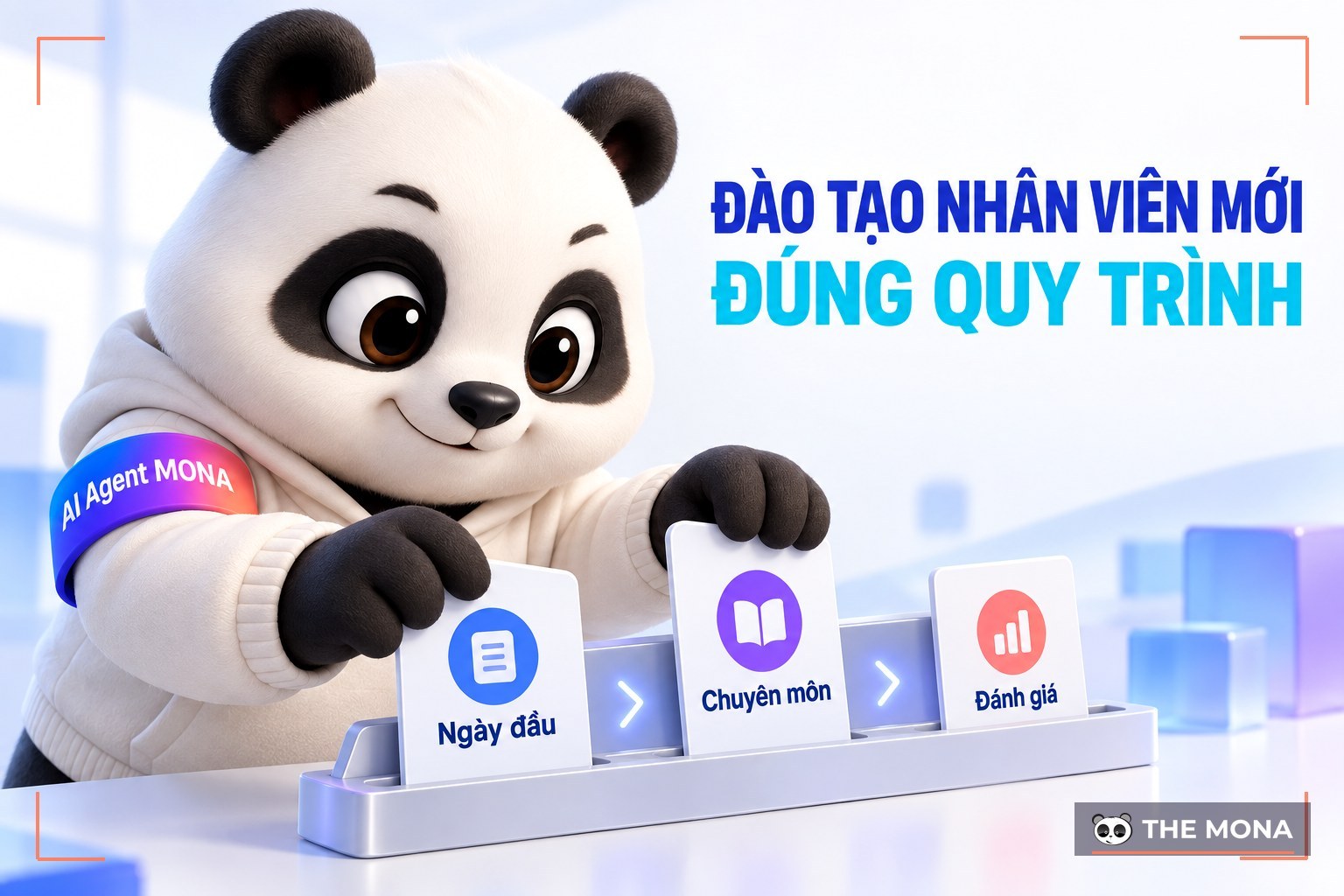
New employees often struggle because they don't understand their role and work process, which leads to mistakes and a lack of direction. Businesses need to build a process training new employees that is clear, combining culture, process and skills, with feedback and practice, to help staff integrate quickly and work effectively. In this article, MONA Media will go with your business to build an onboarding process for new staff that works, so knowledge goes the right way and people go in the right direction!

Employee training is the process of equipping people with professional knowledge and skills to improve their work performance and contribute to the growth of the business. These programs not only help employees do their current roles better but also prepare them for higher demands in the future.
Although many businesses recognize the importance of training, quite a few still don't invest enough. As a result, promising people leave easily, productivity drops and profit gradually suffers.
→ Watch the video now to understand the challenges of in-house training and how to optimize your process starting today:
A global PwC survey shows that over 50% of employees believe their jobs will change or become obsolete because of automation, and nearly 80% say they need retraining to adapt. These numbers make it clear that staff training is no longer an option but a survival factor for businesses to keep their competitive edge.
As you can see, employee training programs bring a double benefit: the business improves the quality of its workforce, stays stable and grows sustainably, while employees build skills, broaden their thinking and see a clearer career path.
SOLID TRAINING, CLEAR TRACKING WITH TRAINING SOFTWARE
How to train new staff quickly, correctly and effectively? As MONA mentioned above, for new employees to pick up the job quickly, a business needs a professional training process. Here are 7 steps in the new employee training process that companies and organizations can refer to and apply:
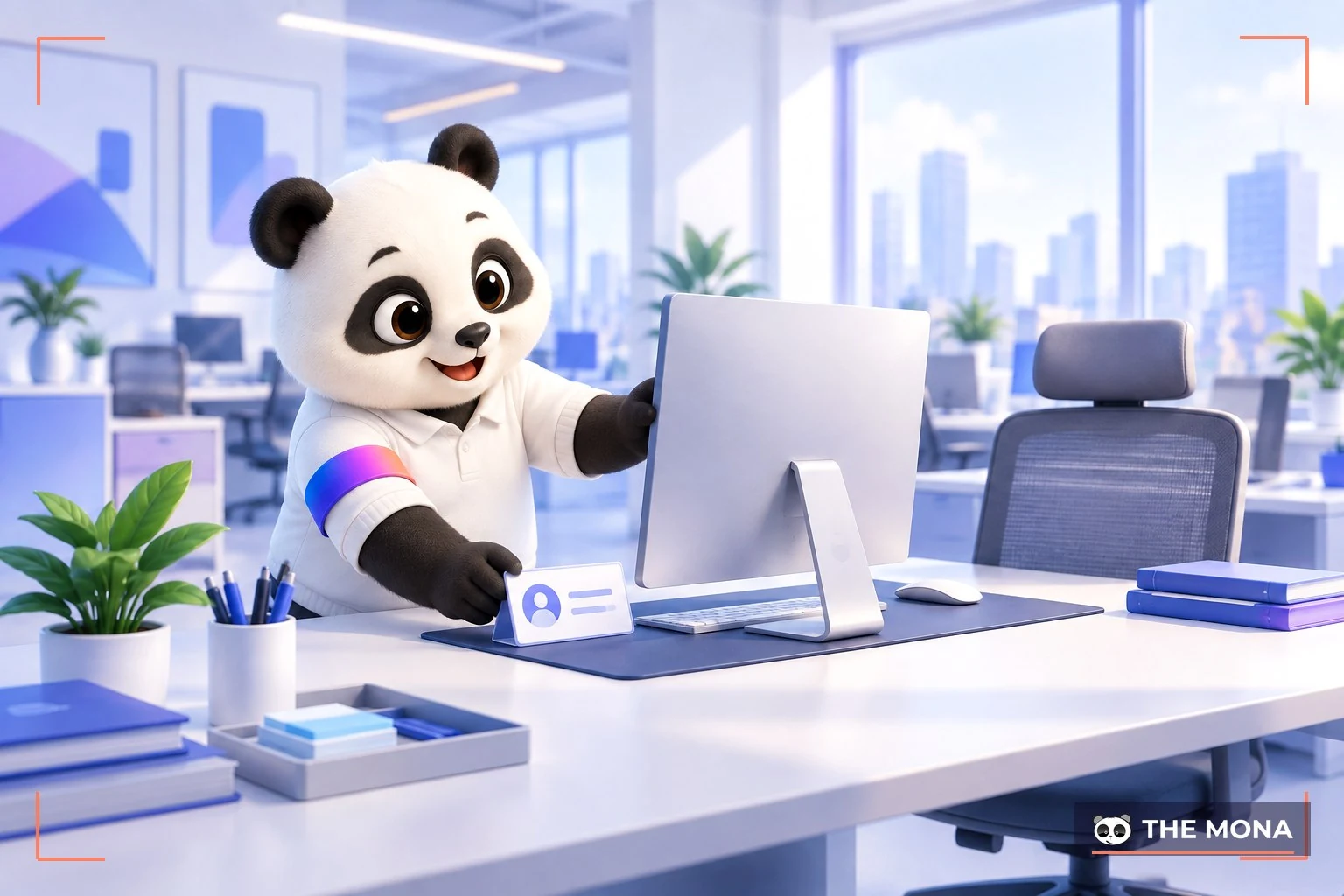
After recruitment is complete, HR needs to prepare quickly for the new hire's first day. The first thing is to write an offer letter that clearly states the position, the agreed benefits, and the start time and place.
To make a good first impression, don't forget useful details such as directions to the office, where to park and notes for the first day.
At the same time, the business needs to prepare all the facilities for the new position, including:
A tidy, well-equipped workplace helps new employees fit in faster and shows the business is professional and thoughtful.
For training to work, HR should review the new hire's profile with the manager and understand their personal information, career goals and initial expectations. This helps build a training roadmap that is realistic and fitting. Commitments made in the interview or offer letter must also be honored, showing professionalism and respect from the business.
In addition, HR needs to enter the new hire's full information into the shared management system. This is a necessary step so departments can look it up quickly, reducing errors and saving time when working together later.

On the first day, most new employees feel lost in a completely unfamiliar environment. To help them fit in fast, HR should hold a short introduction session so the newcomer can meet colleagues and learn the basics about the team.
Then take the new hire on an office tour, introduce the departments and show how they work together. During this, HR should observe and chat with them to offer support if they feel lost.
Finally, a casual gathering such as light snacks, a coffee, or simply sitting together on a break will make the new employee feel welcome, close the distance and create a sense of belonging early.
After introducing the new employee to the team and workspace, the next step in the new employee training framework is to provide an overall job orientation. This covers the company's history, mission, vision, core values, organizational structure and development milestones. New staff need to understand clearly the business they are joining.
Next come internal rules: working hours, office culture, benefits, code of conduct and internal activities. This information helps employees adapt quickly and work effectively.
In addition, HR or IT needs to help the newcomer set up an email account and learn the collaboration platforms, such as the task management system and internal chat software. The direct manager will then discuss work goals, expectations and a specific development path.

The professional training program for new employees should be designed around factors such as the role, existing experience and current proficiency. Direct managers should work closely together to build a training plan that fits each case, so the newcomer picks up the work quickly and effectively. Training can be delivered one-on-one, in small groups, or in group sessions such as workshops and internal seminars.
Besides the professional knowledge needed directly for the job, new employees should also receive extra content that supports cross-department work. For example:
For new employees to adapt early, the support of HR and the direct manager is key. In the first few weeks, follow their work closely, listen, and help when problems come up. Regular weekly or monthly reviews help track progress and clear obstacles in time. Throughout this, the mentor should act as an advisor, sharing experience and guiding the newcomer's work.
Since not everyone is ready to share in person, businesses should communicate clear channels such as email, internal chat and team meetings. Encouraging feedback in many forms creates an open workplace where newcomers feel supported and more connected to the team.
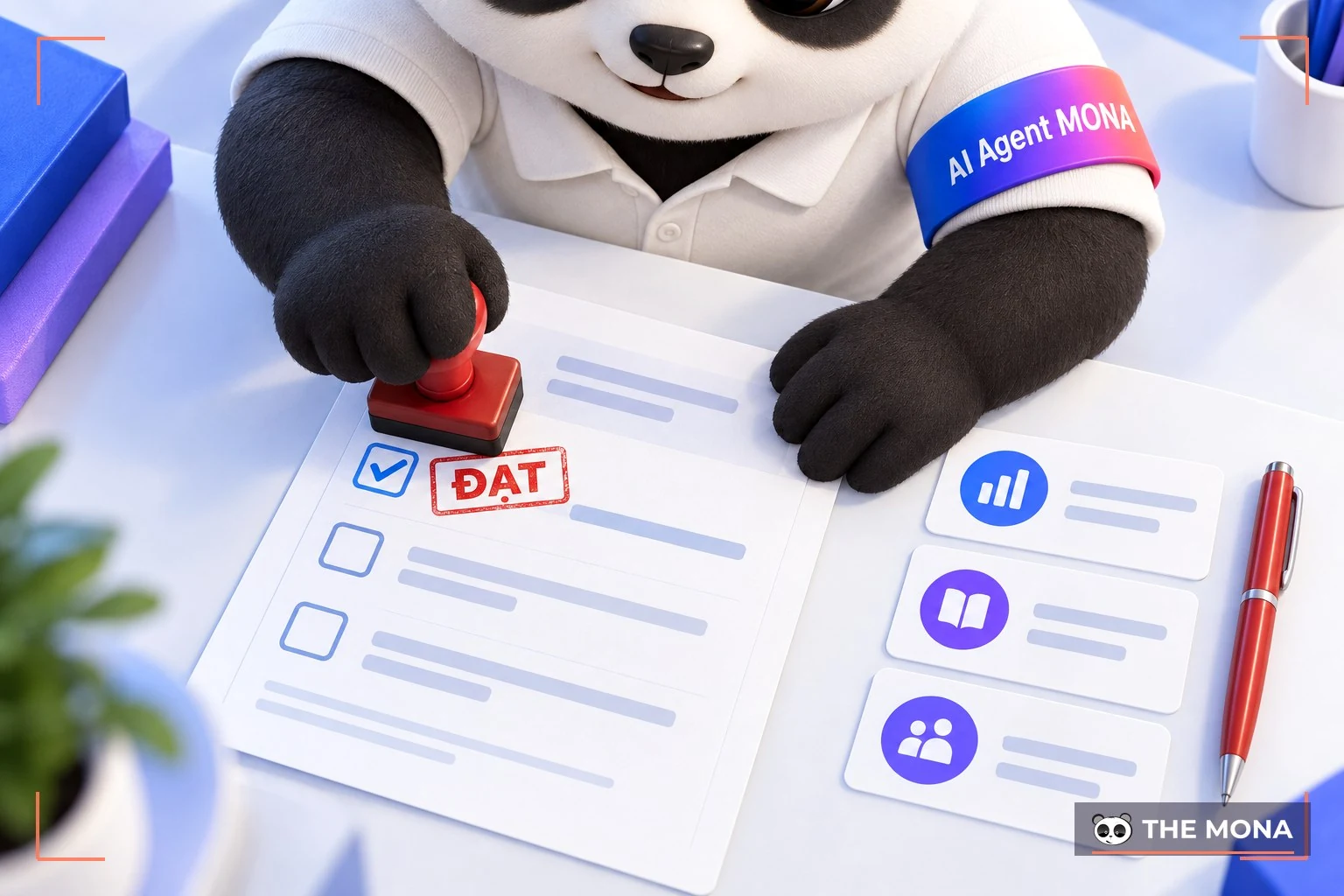
At the end of the training and probation period, the business should run an evaluation to judge how well the new employee fits, based on criteria such as performance, adaptability, expertise and attitude. Before signing the official contract, it is worth holding a two-way conversation to look back at the work so far and discuss the next development steps.
The results not only support personnel decisions but also give HR data to improve the training process. Using training management software is also worth considering, as it helps track progress, store information transparently and avoid mistakes along the way.
After these steps, a business can build a more systematic in-house training system. And MONA will stay with your business with an optimal software solution for training both new and current staff.
For nearly a decade with Vietnamese businesses, from startups and SMEs to large groups, MONA Software has understood one thing very well: The problem in internal training is not a lack of determination, but a lack of a platform that is flexible, in sync, and able to measure results clearly.
That is why we developed MONA SkillHub – internal training software to help businesses solve the training problem for good and build an end-to-end people management ecosystem.

MONA SkillHub 3.0 is not just learning software. It is a "digital learning culture" designed for modern businesses. A few standout features this training system brings to your business:
SkillHub 3.0 is not just a platform. It is a new training mindset: flexible, personalized and building value from within the team.
WATCH THE INTRODUCTION TO ONLINE INTERNAL TRAINING SOFTWARE FOR BUSINESSES NOW – MONA SKILLHUB
At MONA Softwareitself, we use MONA SkillHub across the whole training process, from onboarding new staff to regular upskilling for each department. Instead of scattered, unsystematic training sessions, every employee now has a clear learning path tied to real work. All knowledge is built from our own internal experience, updated continuously and available to learn anytime, anywhere.

It's fair to say that using the MONA SkillHub internal training system has helped us keep many key people, build a highly skilled team and form a culture of "Self-learning, self-improving, self-spreading" from within. You can explore more details here:
And your business can achieve the same success. Contact us now through:
To deliver training plan templates effective training for new employees, a business needs to decide which training formats to run and when. Below are some common training programs that most businesses use today, not only for new hires but also for long-time staff.
This stage is often called the orientation program, the first step in a new employee training plan. The content gives an overview of the business, including its internal culture, vision and mission, core values and more. New staff are also briefed on the rules, policies and working principles they must follow, helping them fit into the organization quickly.

The new employee training program should take place during daily work, helping employees approach the job in a practical and effective way. They are shown how to use tools, handle tasks and learn from experienced colleagues. This is a training format where employees build skills directly through real work.
After finishing the new employee training path, advanced programs help employees keep developing their abilities across the board. Businesses often run in-depth courses on soft skills, management, industry-specific techniques or new technology updates to meet long-term development needs. It is a chance for each person to keep improving, broaden their knowledge and get ready for higher positions in the future.
Don't miss: The process steps to build a solid training program for your business
Leadership and management courses develop leadership skills and improve the ability to manage a team. This program plays an important role in building the next generation of leaders, helping the business grow sustainably and compete better.
The successor training program prepares promising employees to take on important roles in the future. It is a long-term strategy that helps the company prepare for replacements and gives employees motivation and a chance to move up.
Training new human resources for a company is an important process that helps a business develop high-quality talent and meet its work needs well. For a successful new employee training framework, make sure these factors are in place below.

Each newly hired employee takes on a different position in the company, with specific job requirements. Defining job tasks clearly helps staff understand what they have to do and gives them a clear direction during new employee training.
Hopes of human resources managers in every organization is to make sure new employees can adapt quickly to the activities of the company. Every new hire needs to understand the company's history, values and culture. With that understanding, they can adapt to the work environment quickly, develop their personal abilities to the fullest and add real value to the organization.
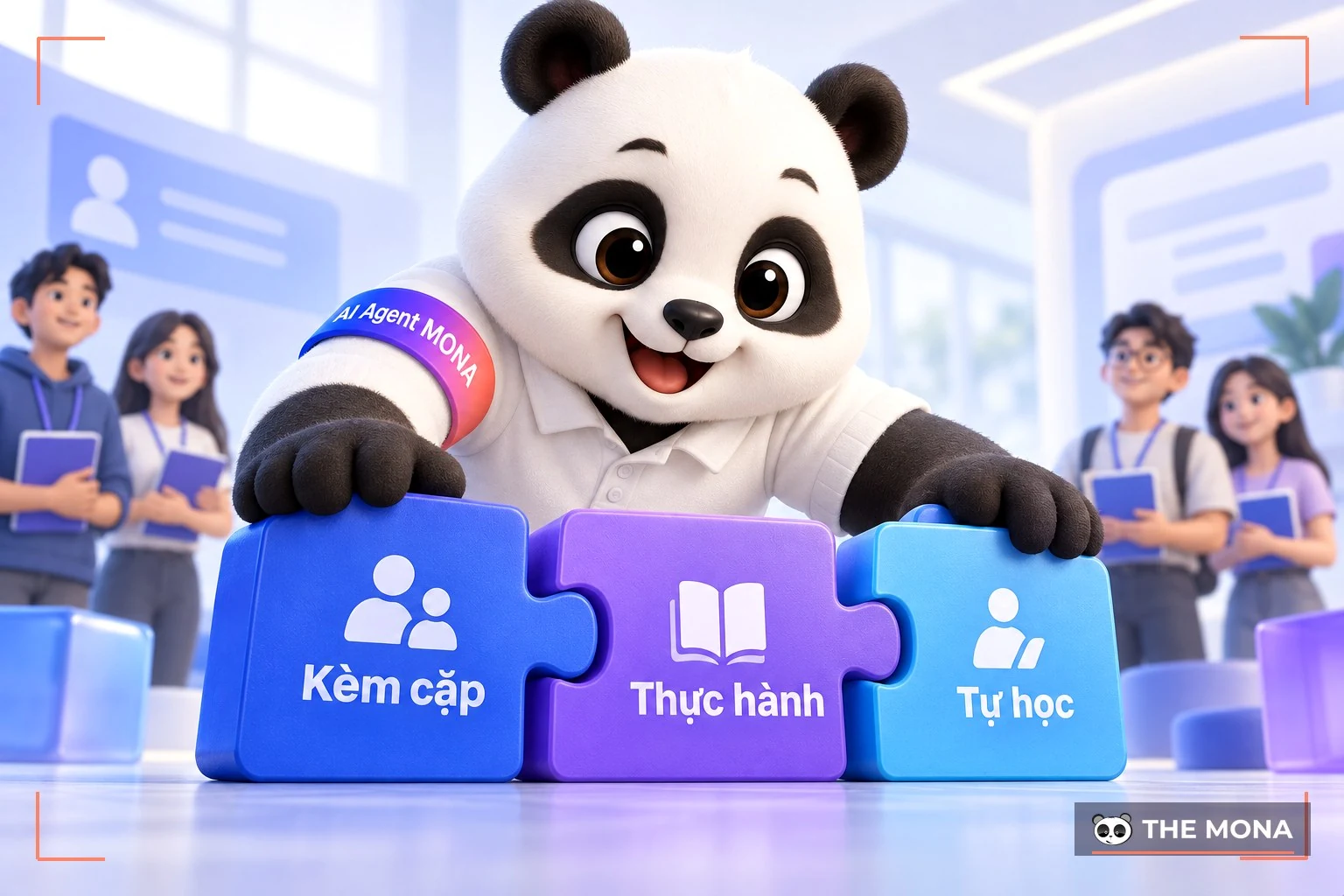
To help new employees pick up knowledge and skills quickly, a company can combine several methods and models online training. Instead of handing over papers and documents for new hires to read on their own, a company can provide videos, web pages and a useful knowledge base. Offering several ways to train new employees helps them absorb knowledge in a more visual and easier way.
Companies should also send employees to conferences, workshops, webinars and similar events. These new employee training programs keep staff up to date with the latest trends in their field, which builds professional skills and all-round development.
To attract and keep talent, a company needs to build a professional working environment and served training program for employees that works.
Managers and HR play a key role in training new employees. Warm guidance from a manager helps new employees feel cared for and supported, which motivates them to stay with the company long term.
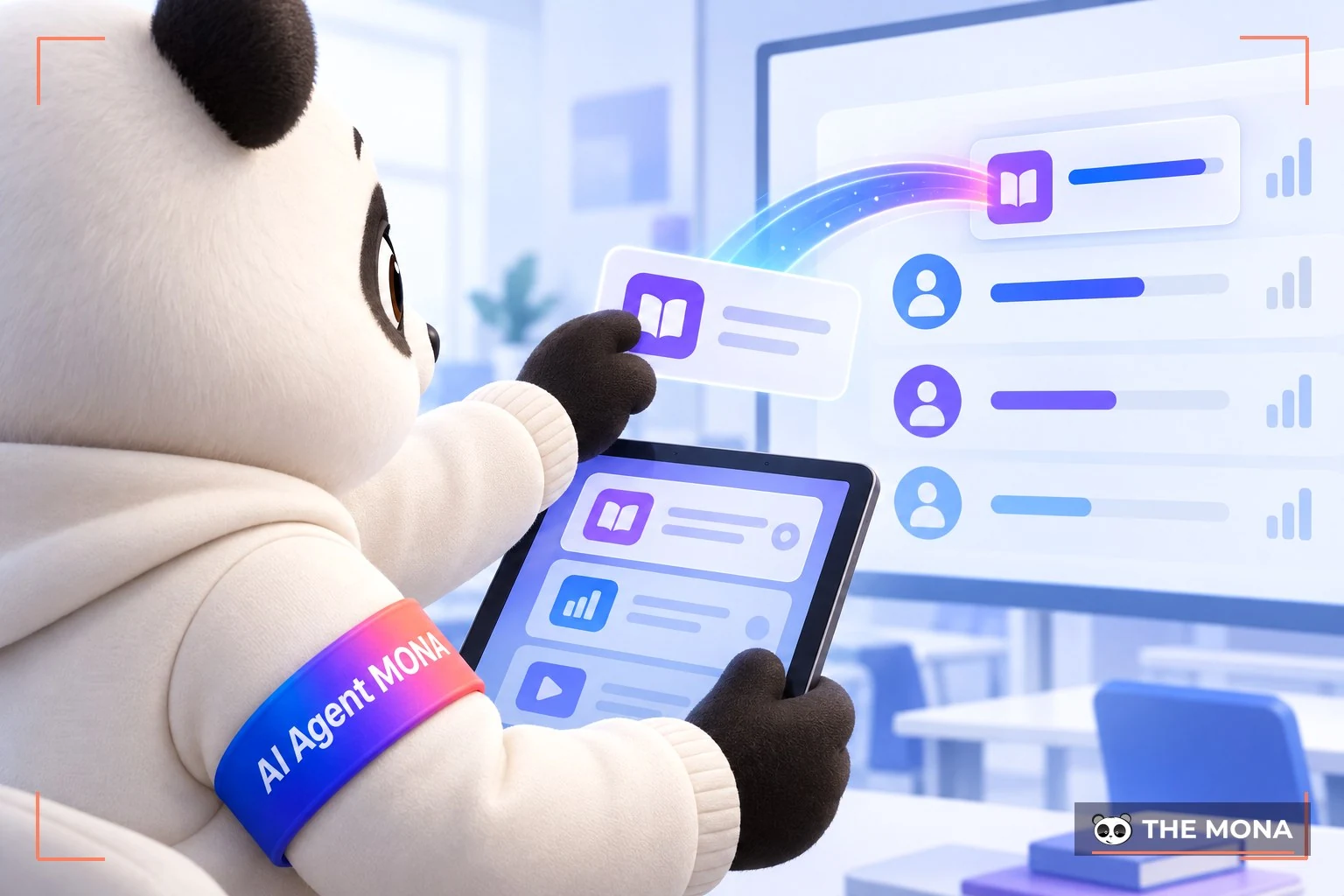
Applying modern technology to the onboarding process for new employees will matter a lot to a company. Apps, software and online internal training platforms can create an interactive learning experience. At the same time, managers can easily track and evaluate how new employees are learning and cut down the time and cost of corporate training.
Word forms are one of the most popular choices in the onboarding process because they are handy and easy to customize. With a clear structure, the form lets new employees follow their learning progress at a glance, see where they stand in the training plan and what they still need to finish.
Template 1:

Template 2:

Template 3:

Many companies pick Excel forms because they present information clearly and manage data well. Excel lets you break work into items and sort content by column, such as time, person in charge and completion status, so HR can track progress and review the whole picture easily.
Template 1:

Template 2:

After running many employee training sessions, MONA has built up solid experience in training and developing human resources. To build an effective way of training new employees, companies should keep in mind the following points:
Building a new employee training process is not a one-time job but an ongoing effort. Only when the training program for new employees is rigorous and effective can a company secure lasting success. We hope this article gives you plenty of useful knowledge so your new employee training gets the best results.
See more useful articles:
- Employees who fear training, what should a business do?
- The pain points of companies when training staff
- The process training for SMEs today

CEO & Founder · The MONA
The founder of The MONA built a service company of 60+ staff with 14,000+ projects delivered. Khánh Hùng shares his thinking on building self-running systems, automating a business, and the real lessons behind MONA's projects.
 1,5K


Professional website
design services
Own a website with a beautiful, 100% exclusive design and a lifetime warranty, with the ability
to expand features flexibly as your business grows, starting today!







 MONA will never sell your information or send you spam


 MONA will never sell your information or send you spam
