
 MONA OS 2.0
 Partner with MONA


 Tự động hoá doanh nghiệp
 Cẩm nang SEO
 Digital Marketing
 Kinh nghiệm thiết kế website
 Hạ Tầng Server
 Giáo dục


 VI
 EN















Message us on
Zalo Official


 ProductsNew

 ProductsProducts
 Mới ra mắtKHA AI 2027App tự edit video, tự đăng mọi mạng xã hội, 2 phút mỗi ngày










 Website designLooks good and wins customers over.
SEO servicesBrings in customers searching for exactly what you sell.
 Tư vấn digital marketingKéo khách từ nhiều kênh, đo bằng số thật.
Corporate video productionVideos introducing your company, factory and team.
 NewAI video productionCompany story films made with AI.
 Custom software developmentCRM, ERP and HRM built for your business.
 Viết AI Agent theo yêu cầuĐặt riêng một trợ lý AI cho đúng việc của mình.
 Tư vấn chuyển đổi AIĐưa AI vào vận hành của cả công ty.
NewMONA LMSManagement for centers and schools.
MONA SkillHubInternal training for company staff.
 NHTQ systemEnd-to-end China–Vietnam shipping operations.
MONA JMSManagement for gold, diamond and pawn shops.
 MONA E-LearningA website with every feature you need to sell courses.
 How to sell online courses (course)More than 30 free lessons on selling courses on autopilot.
 MONA Cloudmonacloud.vnServers to get your apps and websites running.
 MONA Basemonabase.vnPostgres database, sign-in and file storage.
 MONA Mailmonamail.vnSend OTP, order and invoice emails from your software.
 MONA Paymonapay.vnAccept bank transfers via VietQR and notify your software when the money arrives.
 MONA eInvoiceComing soonIssue e-invoices that meet tax standards.
Gấu CườiTrả lời khách 24/7 trên web, Fanpage, Zalo và thu lead cho sale.
 Gấu TeleSalesGọi điện tư vấn, chăm khách như tổng đài viên thật.
Dê CườiTư vấn và chốt đơn cho shop ngay trong khung chat.
Gấu WebmasterNhắn nhóm Zalo là website được sửa xong.
 Gấu Pháp ChếSoạn hợp đồng, rà điều khoản trong vài phút.
 Gấu Báo GiáLên báo giá đúng mẫu và gửi khách ngay.
 AI chăm sóc khách hàngTheo dõi và giữ chân khách hàng cũ.
 Gấu Tuyển DụngLọc hồ sơ, hẹn lịch, phỏng vấn ứng viên.
 Mới ra mắt
KHA AI 2027
Xây kênh chuyên gia 2 phút mỗi ngày
Quay bằng điện thoại, AI tự edit video, tự đăng lên 16 nền tảng và tự trả lời bình luận, tin nhắn.
849.111lượt xem trên kênh CEO MONA sau 29 ngày
 Anh Khánh HùngCEO MONA đang dùng mỗi ngày
Xem app làm được gì
 AI
Gấu Cười MONA ĐANG TỰ XÀITrả lời khách 24/7 trên website, Zalo OA, Messenger và thu lead về cho sale.
Dê CườiChốt đơn bán lẻ và sàn: Shopee, TikTok Shop, web. Chăm cả khách sỉ, đại lý.
Gấu WebmasterCập nhật nội dung, tối ưu SEO website mỗi ngày.
Gấu TeleSalesGọi điện tư vấn, chăm khách như tổng đài viên thật.
Gấu Tuyển DụngLọc hồ sơ, hẹn lịch, phỏng vấn ứng viên tự động.
AI chăm sóc khách hàngGiữ khách cũ, cứu lead đã rớt cho phòng kinh doanh.
Gấu Pháp ChếSoạn hợp đồng, rà điều khoản trong vài phút.
Gấu Báo GiáLên báo giá đúng mẫu, gửi khách ngay khi có yêu cầu.
 Chuyển đổi AI toàn phầnGiải pháp tổng cho doanh nghiệp, 3 lớp triển khai.
 Viết AI Agent theo yêu cầuĐặt riêng một con AI gánh đúng nghiệp vụ của bạn.
 Custom softwareCRM, ERP and HRM with built-in AI automation.
 SEO & AEO thời đại AIĐược Google lẫn AI trích dẫn, không chỉ xếp hạng.
 Kiến thức AI cho doanh nghiệpBài phân tích, hướng dẫn ứng dụng AI vào vận hành.
 Free AI courses
 AI tools at work
App mới · KHA AI 2027
Xây kênh 2 phút mỗi ngày
AI tự edit video, tự đăng mọi mạng xã hội
Free consultation, 8am–10pm every day

10 November, 2023

Staff can't keep up with the vision: the big challenge of scaling a business
Many businesses fail on the road to scaling up, not for lack of vision or leadership, but because the team isn't strong enough to keep pace. Leaders move 10 steps while staff keep up with only 3. That gap not only lowers performance but also gradually drains motivation on both sides.
One important cause is outdated training. Sharing experience by word of mouth easily goes wrong, outside providers struggle to match company culture, and traditional courses are dry and far from real work. Staff learn just to tick a box, managers train because they have to, and the results don't change.
To scale sustainably, a business needs not only a big vision but also a team with matching capability. The question is no longer “How do we expand the business?” but “How do we help our people grow and get better along with the business?”
Scaling up is not just adding headcount or branches. It is a question of systems, people, processes and internal readiness. For expansion to go well, a business needs to prepare:

The first step in scaling up is setting a specific, clear strategy. The business needs to assess and consider these factors:
These criteria help the business understand the internal and external factors that directly affect expansion.
Next, the business needs to set goals for each stage. Assessing and analysing the market and development trends is essential in these stages.
A business can only scale successfully when its people are strong. To build a quality workforce, in-house company training is something you can't skip. As the workload grows, the company also needs a suitable pay policy to create and maintain motivation among staff.
Advances in technology bring both opportunities and challenges for businesses. To make the most of them, each organisation needs to apply suitable technology to its operating processes. This helps the business automate and improve work efficiency and simplify many tasks.

The vision of senior leadership is also essential when scaling up. Vision is the ability to link the strategic elements of people, processes, technology, finance and culture, so the business can expand without falling apart.
A true business owner looks beyond today's sales and can picture:
With a long-term view, a focus on the team and an eye on market trends, leaders help the scaling process go more smoothly and last longer.

The core goals we set for SkillHub 3.0 are:
With these goals, MONA SkillHub 3.0 not only makes training more effective but also helps build a lasting learning culture – where every employee develops, is recognised, and contributes to the shared growth of the business.
At MONA, rolling out the internal training software MONA SkillHub 3.0 has brought clear changes to our learning culture:

The MONA SkillHub 3.0 internal training system lets staff learn conveniently anytime, anywhere

Staff learn and “compete” on MONA's knowledge-building track
Notably, after each course many employees not only absorb the knowledge but also build their own courses to share with teammates. From learners they become teachers, and from personal development they spread value to the whole team.

Courses created by MONA's own staff
That has helped build a lasting learning culture at MONA, where knowledge is not only received but also shared and inspiring every day. See the details here:

And contact us through the channels below for dedicated advice on MONA SkillHub 3.0:
Scaling up is common for businesses. The MONA is no exception: we expanded with 3 companies in The MONA ecosystem:
The video below is the story of The MONA's development journey over more than 8 years to date. If you are wondering about scaling your business, this video is a typical case study worth looking at:
So why is this direction so common? Here are the most frequent reasons:
At a small scale, businesses often face high costs because of limited resources, staff covering several jobs and few discounts from suppliers. When they expand, fixed costs are spread better, the business can negotiate better prices, staff can specialise, and the business can invest in management systems. So scaling up means more than growth: it also saves cost over the long term.
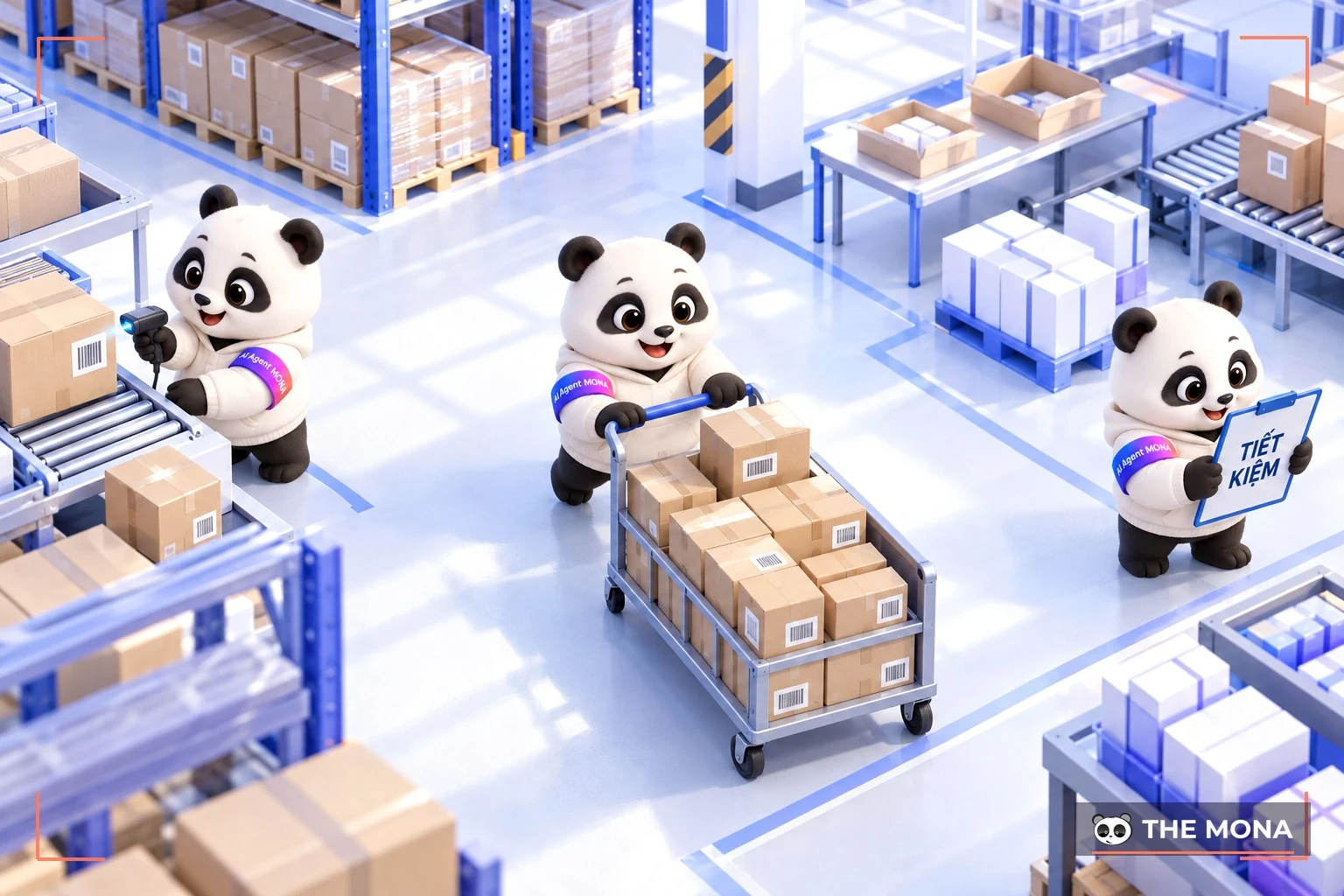
Scaling up lets a business offer products, services and support more professionally. With enough resources to fully meet customers' needs and wishes, the business builds trust and delivers a positive experience. Customers then come back repeatedly and also recommend the business to others.
When a business scales up, headcount grows, which means a tighter system for managing resources is needed. A well-built system makes managing and training the workforce easier and makes sure knowledge and skills are reinforced. Combined with regular staff training programmes, the team develops more fully, raises productivity and meets leadership's expectations
A business's scale matters for building relationships. The more experts and talented people it has in-house, the wider the company's network grows, and the more customers it gains.
These relationships are very diverse. They can be between businesses in the same field, supplier and business, carrier and company, customer and business, legal adviser and business, or specialist and company.
Before scaling up, a business needs the right mindset and a clear understanding of the barriers in the business environment. The video below gives you a realistic look at the business mindset in Vietnam and an effective approach to growing a business sustainably.
Scaling up is a goal many businesses aim for. But when to expand is a strategic question. So what are the signs your business is ready to scale up? Let's go through them with MONA:
Most businesses only think about expanding once they hold a product or service the market has embraced strongly. This is when:
At that point, scaling up is no longer a risk but a natural step to fully tap the market's potential and increase profit.
The MONA is a typical example of expanding on the base of a successful product. We did not start with the ambition to “take the whole market”; we focused on building and perfecting our flagship product lines, backed by real figures:
These figures show not only MONA's market coverage but also this: when a business has a good product, it is time to speed up and scale to meet growing demand.
Target customers are the foundation a business grows on. When the number of customers and their demand rise, the business needs to scale up to serve them better, from resources to operating processes. Only when products and services are upgraded to match customer expectations can the buying experience be assured. This is the key to keeping existing customers and expanding market share sustainably.
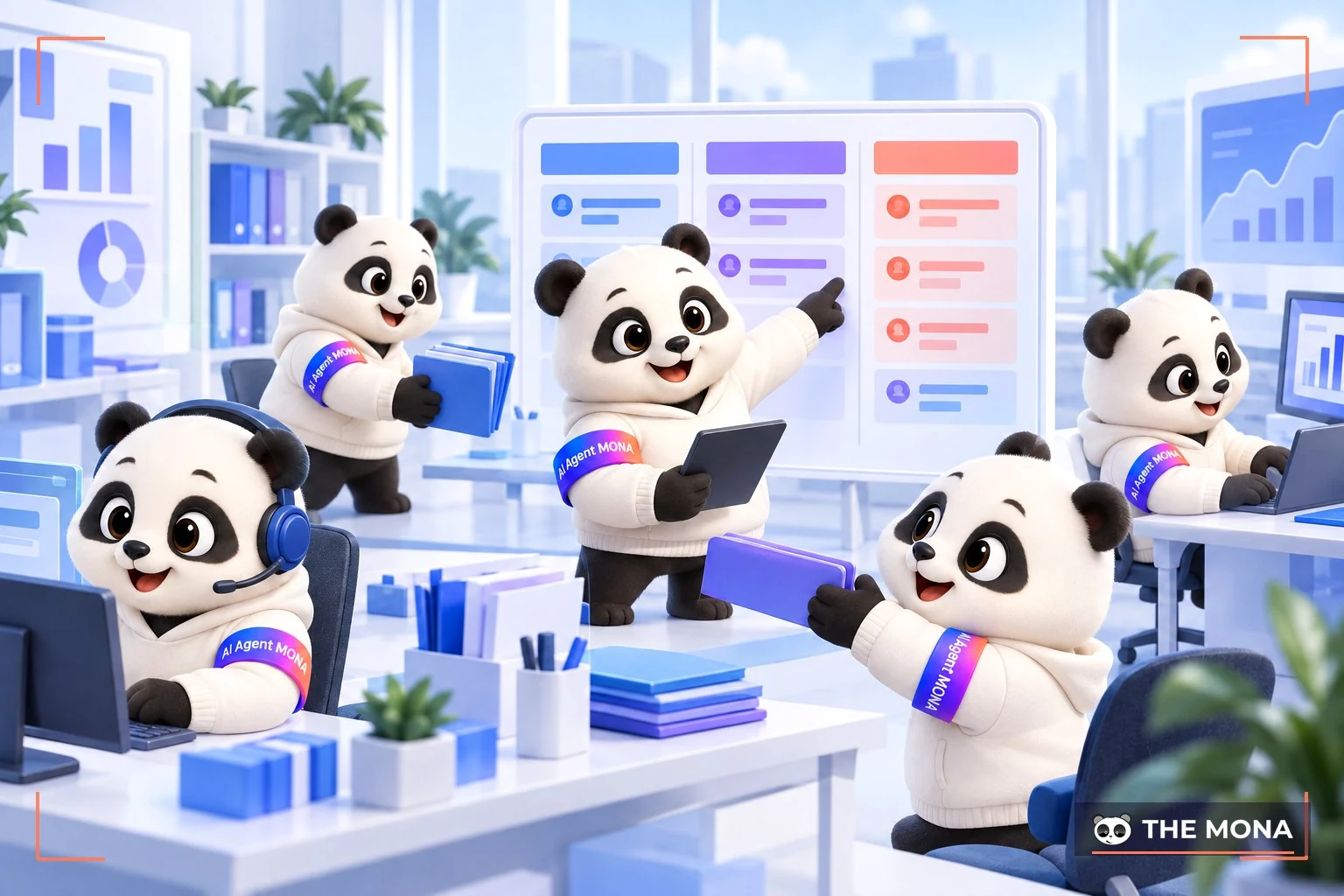
People are always at the core of every stage of a business's growth. When you scale up, workload increases, and so does the need for a workforce strong enough to maintain performance and quality.
For manufacturers in particular, scaling up means adding machinery and technology lines. Having enough staff to run the system smoothly must be a priority and planned early.
So why should you train employees with an e-learning model? The video below answers that.
Click the video to watch.
No business can control every macro and micro factor. So preparing the right team of specialists before scaling up is necessary to reduce risk and keep operations stable.
Depending on the field, a business should have specialists in areas such as finance, market analysis, law, tax and accounting. These are important foundations that keep expansion lawful, on course and sustainable.
A stable operating system is the core foundation for sustainable scaling. Expansion becomes risky if logistics, packaging, shipping, or digital infrastructure such as the website and e-commerce platform are not yet complete.
If the internal operation isn't stable, expanding only makes the business more likely to “fall apart” for lack of a system to keep control. Only when the operating system is solid and can be replicated should a business roll out expansion, to ensure effective growth.

Many people confuse scaling up with business growth, but they are clearly different concepts. Specifically:
In short, scaling up gives a business the chance to reach more customers and tap potential markets. However, it is also a big step with real challenges in cost, legal matters, staffing and operating expertise. So before expanding, a business needs to assess its internal situation clearly, set specific goals and build a detailed rollout plan. We hope this article from MONA Media helps your business see the core factors for expanding in a coordinated, methodical and effective way.

CEO & Founder · The MONA
The founder of The MONA built a service company of 60+ staff with 14,000+ projects delivered. Khánh Hùng shares his thinking on building self-running systems, automating a business, and the real lessons behind MONA's projects.
 1,5K



Professional website
design services
Own a website with a beautiful, 100% exclusive design and a lifetime warranty, with the ability
to expand features flexibly as your business grows, starting today!








 MONA will never sell your information or send you spam


 MONA will never sell your information or send you spam
