
 MONA OS 2.0
 Partner with MONA


 Tự động hoá doanh nghiệp
 Cẩm nang SEO
 Digital Marketing
 Kinh nghiệm thiết kế website
 Hạ Tầng Server
 Giáo dục


 VI
 EN







Message us on
Zalo Official


 ProductsNew

 ProductsProducts
 Mới ra mắtKHA AI 2027App tự edit video, tự đăng mọi mạng xã hội, 2 phút mỗi ngày










 Website designLooks good and wins customers over.
SEO servicesBrings in customers searching for exactly what you sell.
 Tư vấn digital marketingKéo khách từ nhiều kênh, đo bằng số thật.
Corporate video productionVideos introducing your company, factory and team.
 NewAI video productionCompany story films made with AI.
 Custom software developmentCRM, ERP and HRM built for your business.
 Viết AI Agent theo yêu cầuĐặt riêng một trợ lý AI cho đúng việc của mình.
 Tư vấn chuyển đổi AIĐưa AI vào vận hành của cả công ty.
NewMONA LMSManagement for centers and schools.
MONA SkillHubInternal training for company staff.
 NHTQ systemEnd-to-end China–Vietnam shipping operations.
MONA JMSManagement for gold, diamond and pawn shops.
 MONA E-LearningA website with every feature you need to sell courses.
 How to sell online courses (course)More than 30 free lessons on selling courses on autopilot.
 MONA Cloudmonacloud.vnServers to get your apps and websites running.
 MONA Basemonabase.vnPostgres database, sign-in and file storage.
 MONA Mailmonamail.vnSend OTP, order and invoice emails from your software.
 MONA Paymonapay.vnAccept bank transfers via VietQR and notify your software when the money arrives.
 MONA eInvoiceComing soonIssue e-invoices that meet tax standards.
Gấu CườiTrả lời khách 24/7 trên web, Fanpage, Zalo và thu lead cho sale.
 Gấu TeleSalesGọi điện tư vấn, chăm khách như tổng đài viên thật.
Dê CườiTư vấn và chốt đơn cho shop ngay trong khung chat.
Gấu WebmasterNhắn nhóm Zalo là website được sửa xong.
 Gấu Pháp ChếSoạn hợp đồng, rà điều khoản trong vài phút.
 Gấu Báo GiáLên báo giá đúng mẫu và gửi khách ngay.
 AI chăm sóc khách hàngTheo dõi và giữ chân khách hàng cũ.
 Gấu Tuyển DụngLọc hồ sơ, hẹn lịch, phỏng vấn ứng viên.
 Mới ra mắt
KHA AI 2027
Xây kênh chuyên gia 2 phút mỗi ngày
Quay bằng điện thoại, AI tự edit video, tự đăng lên 16 nền tảng và tự trả lời bình luận, tin nhắn.
853.713lượt xem trên kênh CEO MONA sau 29 ngày
 Anh Khánh HùngCEO MONA đang dùng mỗi ngày
Xem app làm được gì
 AI
Gấu Cười MONA ĐANG TỰ XÀITrả lời khách 24/7 trên website, Zalo OA, Messenger và thu lead về cho sale.
Dê CườiChốt đơn bán lẻ và sàn: Shopee, TikTok Shop, web. Chăm cả khách sỉ, đại lý.
Gấu WebmasterCập nhật nội dung, tối ưu SEO website mỗi ngày.
Gấu TeleSalesGọi điện tư vấn, chăm khách như tổng đài viên thật.
Gấu Tuyển DụngLọc hồ sơ, hẹn lịch, phỏng vấn ứng viên tự động.
AI chăm sóc khách hàngGiữ khách cũ, cứu lead đã rớt cho phòng kinh doanh.
Gấu Pháp ChếSoạn hợp đồng, rà điều khoản trong vài phút.
Gấu Báo GiáLên báo giá đúng mẫu, gửi khách ngay khi có yêu cầu.
 Chuyển đổi AI toàn phầnGiải pháp tổng cho doanh nghiệp, 3 lớp triển khai.
 Viết AI Agent theo yêu cầuĐặt riêng một con AI gánh đúng nghiệp vụ của bạn.
 Custom softwareCRM, ERP and HRM with built-in AI automation.
 SEO & AEO thời đại AIĐược Google lẫn AI trích dẫn, không chỉ xếp hạng.
 Kiến thức AI cho doanh nghiệpBài phân tích, hướng dẫn ứng dụng AI vào vận hành.
 Free AI courses
 AI tools at work
App mới · KHA AI 2027
Xây kênh 2 phút mỗi ngày
AI tự edit video, tự đăng mọi mạng xã hội
Free consultation, 8am–10pm every day

18 March, 2023

ICANN is an important entity that is often mentioned in information technology. Still, not everyone knows what ICANN is. Read on for the ICANN concept in detail and an overview of the Internet Corporation for Assigned Names and Numbers.
ICANN stands for Internet Corporation for Assigned Names and Numbers, a nonprofit organization founded in the United States in 1998 to help keep the Internet secure and let everyone use it.
Whenever you register a domain on the Internet, you go through a domain registrar, and that registrar pays ICANN a small fee to register your domain as part of the registration process.
Although ICANN does not control any content that appears on the Internet (it cannot regulate Internet access or help you block spam), it helps keep websites safe by developing and enforcing policy on the Internet's unique identifiers.
These unique identifiers are the names and numbers you type into the address bar when looking for a particular website. A website's address must be unique so that computers know where to find it.
By coordinating these unique identifiers worldwide, ICANN makes the global Internet possible. In doing so, ICANN also helps promote competition on the web and plays an important role in the Internet's expansion and development.
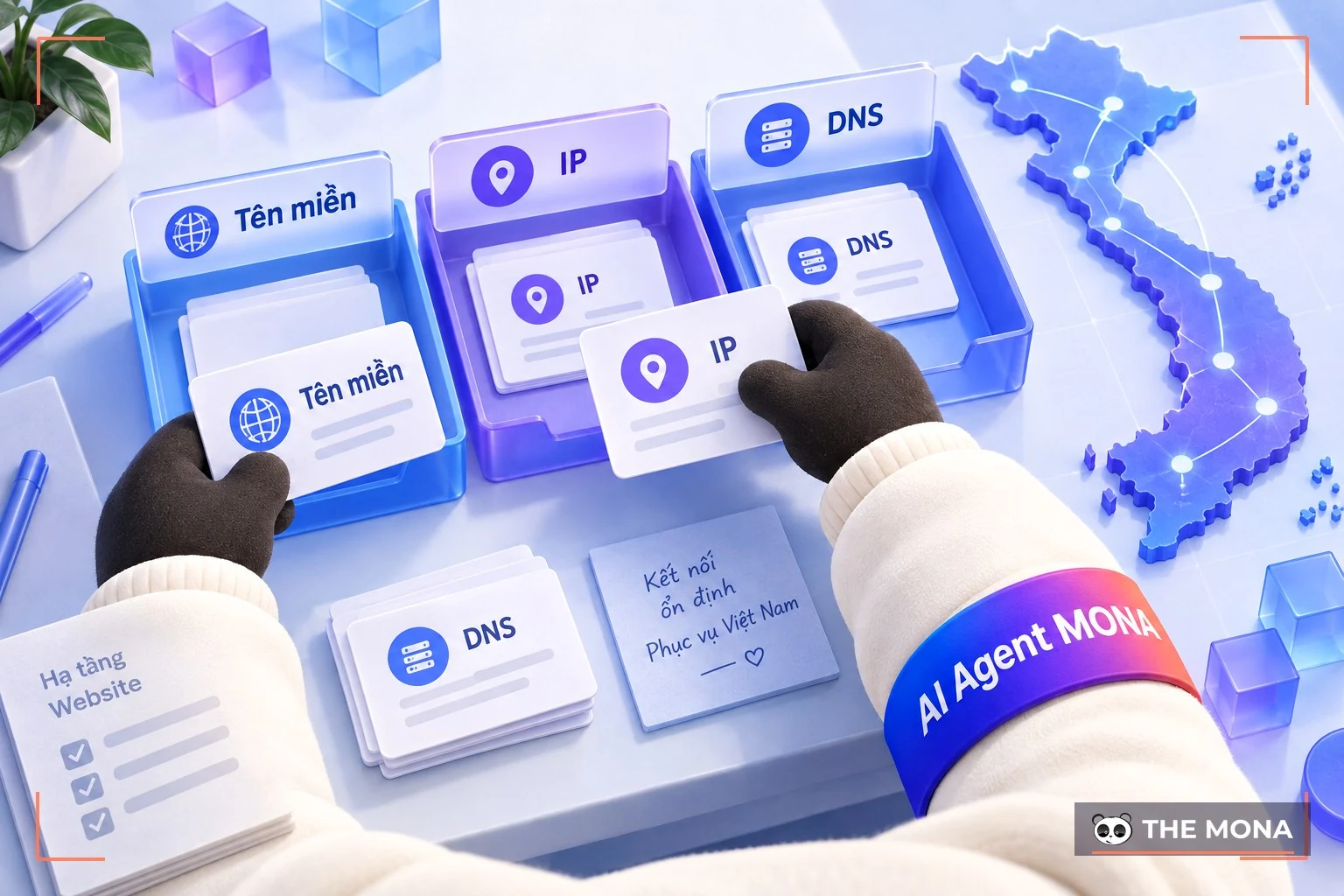
ICANN's main tasks involve overseeing and managing Internet infrastructure. ICANN is also responsible for managing the an IP address space and allocating blocks of IP addresses to regional Internet registries. Specifically:
Many people have long worried about how ICANN works and how well it manages domain names. Still, ICANN's existence is very important, for several reasons:
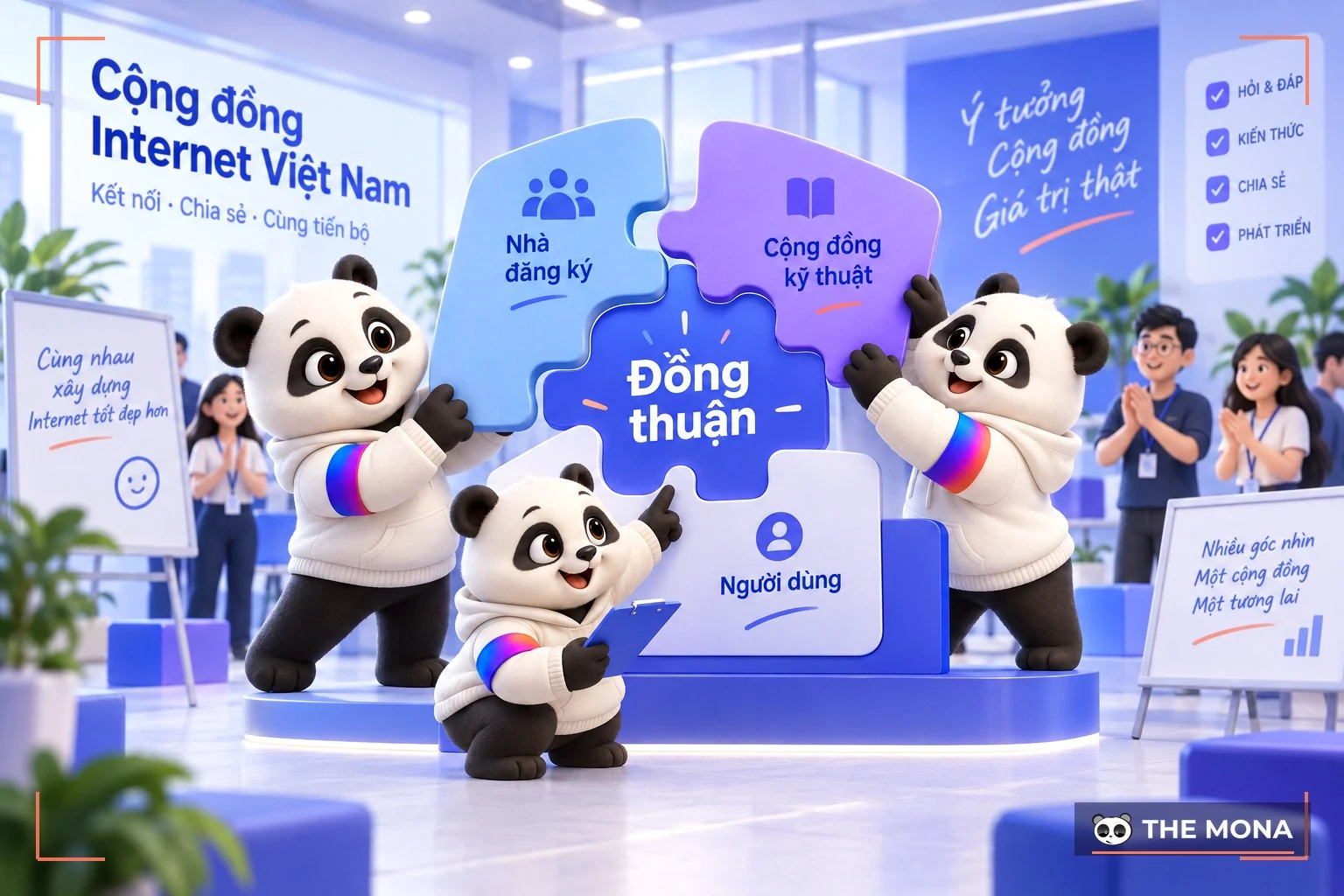
This process has two parts:
When registering a domain, the customer pays the Registrar a fee made of 2 parts:
The Registrar then pays another fee to ICANN, made of:
In addition, the Registrar must pay one more fee to the Registry Operator.
ICANN's new top-level domain program is one of the issues receiving a lot of attention, because political, cultural and economic issues around country names, province and city names, cultural meaning, intellectual property and trademarks are significant. ICANN currently provides 3 notable protection mechanisms:
Allows governments, organizations and businesses to file with ICANN to object to a new top-level domain registration, in cases where the domain infringes the interests of an organization or business, is confusingly similar to an existing domain, or violates ethical and social principles recognized by the international community.
Organizations and businesses have the right to complain to ICANN when the root domain operator infringes their interests or goes against the contract the operator signed when granting a new top-level domain.
The trademark registration mechanism provides 2 services to organizations and businesses that register their trademark in the Trademark Clearing House database.
Sunrise: priority to register domain names matching a trademark registered at the Trademark Clearing House, before the domain is released to the public.
Trademark Claim: receiving a notice when a domain matching a trademark registered at the Trademark Clearing House is registered.
Since ICANN has quite important work to do, many people may be curious about how it makes decisions that change the Internet.
Supporting organizations propose changes to the current network or raise any concerns that they or an advisory committee have identified. These changes are discussed, and eventually a report is produced for public review.
When a proposed change affects another group in the ICANN system, that group gets a chance to review the proposed advice and give its opinion. That group's view is then also published widely.
Each of these reviews is placed into a single report to the ICANN Board, containing a list of recommendations based on feedback from the supporting groups. The Board then reviews the list and approves or rejects the changes. The Board can approve all the changes, approve some and reject others, or even reject the whole proposal.
Normally, the issue is sent back to one of the relevant supporting organizations, with an explanation of what needs to be revised before it can be considered for approval
The process repeats until all the groups involved and the Board can agree on a compromise or make a final decision on the report.

Every year, millions of individuals, businesses, organizations and governments register domain names. Each has to provide identification and contact information, which may include: name, address, email, phone number, and administrative and technical contacts. This information is usually called “WHOIS data”.
But the WHOIS service is not a single, centrally operated database. Instead, the data is managed by independent entities called “registrars” and “registries”. Any organization that wants to become a registrar must be accredited by ICANN.
Likewise, registries contract with ICANN to operate a top-level domain, such as .COM, .ORG, or one of the new gTLDs such as .STORAGE and .LINK.
Based on existing contracts and consensus policies, ICANN commits to taking steps to maintain timely, unrestricted and public access to accurate and complete ICANN WHOIS information, in compliance with applicable law. To do that, registrars and registries provide public access to data on registered domains.
For external accountability, ICANN is an organization established under California law. It must therefore comply with US law and can be taken to court by the US judicial system.
As a public-benefit nonprofit, ICANN and its directors are also legally accountable for fulfilling their duties under corporate law.
ICANN also holds itself accountable through its bylaws, a global Board, an independent nominating committee (which includes some Board members), senior staff elected annually by the Board, and dispute resolution procedures. These include a board reconsideration committee, an independent review body and an ombudsman.
ICANN plays a key role in keeping the Internet available to everyone. It does this through a multi-stakeholder governance model, although some have voiced concern about ICANN acting as an independent body.
As you can see, ICANN plays an important role in maintaining the Internet as we know it and in continuing to shape and develop it in the future. Whenever you register a domain, ICANN receives a small fee and oversees your domain to help maintain web security.
Under the rules of ICANN, the international domain management body, you can lease a domain for at least 1 year and at most 10 years. When the domain expires, the registrar sends you a notice to confirm whether you want to renew.
The fees a Registrant must pay the Registrar are: the ICANN fee and the service registration fee.
We hope this article helps you understand what ICANN is and why it matters. If you need to register a domain to build a website for your business, contact a reputable domain reseller Mona Media qua HOTLINE 1900 636 648 for 24/7 advice.

CEO & Founder · The MONA
Founder of The MONA, who built a services company of 200+ staff with 14,000+ projects delivered. Khánh Hùng shares how he thinks about building systems that run themselves, automating a business, and the real lessons from delivering projects at MONA.
 1,5K




Professional website
design services
Own a website with a beautiful, 100% exclusive design and a lifetime warranty, with the ability
to expand features flexibly as your business grows, starting today!






 MONA will never sell your information or send you spam


 MONA will never sell your information or send you spam
