
 MONA OS 2.0
 Partner with MONA


 Tự động hoá doanh nghiệp
 Cẩm nang SEO
 Digital Marketing
 Kinh nghiệm thiết kế website
 Hạ Tầng Server
 Giáo dục


 VI
 EN













Message us on
Zalo Official


 ProductsNew

 ProductsProducts
 Mới ra mắtKHA AI 2027App tự edit video, tự đăng mọi mạng xã hội, 2 phút mỗi ngày










 Website designLooks good and wins customers over.
SEO servicesBrings in customers searching for exactly what you sell.
 Tư vấn digital marketingKéo khách từ nhiều kênh, đo bằng số thật.
Corporate video productionVideos introducing your company, factory and team.
 NewAI video productionCompany story films made with AI.
 Custom software developmentCRM, ERP and HRM built for your business.
 Viết AI Agent theo yêu cầuĐặt riêng một trợ lý AI cho đúng việc của mình.
 Tư vấn chuyển đổi AIĐưa AI vào vận hành của cả công ty.
NewMONA LMSManagement for centers and schools.
MONA SkillHubInternal training for company staff.
 NHTQ systemEnd-to-end China–Vietnam shipping operations.
MONA JMSManagement for gold, diamond and pawn shops.
 MONA E-LearningA website with every feature you need to sell courses.
 How to sell online courses (course)More than 30 free lessons on selling courses on autopilot.
 MONA Cloudmonacloud.vnServers to get your apps and websites running.
 MONA Basemonabase.vnPostgres database, sign-in and file storage.
 MONA Mailmonamail.vnSend OTP, order and invoice emails from your software.
 MONA Paymonapay.vnAccept bank transfers via VietQR and notify your software when the money arrives.
 MONA eInvoiceComing soonIssue e-invoices that meet tax standards.
Gấu CườiTrả lời khách 24/7 trên web, Fanpage, Zalo và thu lead cho sale.
 Gấu TeleSalesGọi điện tư vấn, chăm khách như tổng đài viên thật.
Dê CườiTư vấn và chốt đơn cho shop ngay trong khung chat.
Gấu WebmasterNhắn nhóm Zalo là website được sửa xong.
 Gấu Pháp ChếSoạn hợp đồng, rà điều khoản trong vài phút.
 Gấu Báo GiáLên báo giá đúng mẫu và gửi khách ngay.
 AI chăm sóc khách hàngTheo dõi và giữ chân khách hàng cũ.
 Gấu Tuyển DụngLọc hồ sơ, hẹn lịch, phỏng vấn ứng viên.
 Mới ra mắt
KHA AI 2027
Xây kênh chuyên gia 2 phút mỗi ngày
Quay bằng điện thoại, AI tự edit video, tự đăng lên 16 nền tảng và tự trả lời bình luận, tin nhắn.
886.120lượt xem trên kênh CEO MONA sau 36 ngày
 Anh Khánh HùngCEO MONA đang dùng mỗi ngày
Xem app làm được gì
 AI
Gấu Cười MONA ĐANG TỰ XÀITrả lời khách 24/7 trên website, Zalo OA, Messenger và thu lead về cho sale.
Dê CườiChốt đơn bán lẻ và sàn: Shopee, TikTok Shop, web. Chăm cả khách sỉ, đại lý.
Gấu WebmasterCập nhật nội dung, tối ưu SEO website mỗi ngày.
Gấu TeleSalesGọi điện tư vấn, chăm khách như tổng đài viên thật.
Gấu Tuyển DụngLọc hồ sơ, hẹn lịch, phỏng vấn ứng viên tự động.
AI chăm sóc khách hàngGiữ khách cũ, cứu lead đã rớt cho phòng kinh doanh.
Gấu Pháp ChếSoạn hợp đồng, rà điều khoản trong vài phút.
Gấu Báo GiáLên báo giá đúng mẫu, gửi khách ngay khi có yêu cầu.
 Chuyển đổi AI toàn phầnGiải pháp tổng cho doanh nghiệp, 3 lớp triển khai.
 Viết AI Agent theo yêu cầuĐặt riêng một con AI gánh đúng nghiệp vụ của bạn.
 Custom softwareCRM, ERP and HRM with built-in AI automation.
 SEO & AEO thời đại AIĐược Google lẫn AI trích dẫn, không chỉ xếp hạng.
 Kiến thức AI cho doanh nghiệpBài phân tích, hướng dẫn ứng dụng AI vào vận hành.
 Free AI courses
 AI tools at work
App mới · KHA AI 2027
Xây kênh 2 phút mỗi ngày
AI tự edit video, tự đăng mọi mạng xã hội
Free consultation, 8am–10pm every day

23 July, 2026

There is a feeling many business owners have but rarely talk about. You open your company website, look at it for a while, and something feels off. The site is there. The money for it has been spent. Yet visitors still do not seem to come, and orders still do not come in.
Then you reassure yourself. Maybe we have not run enough ads. Maybe the market is just tough this year. But honestly, the snag is often in the place you least suspect: the website itself.
When we were new to the trade, one number gave us a jolt. A research team at Carleton University (Lindgaard, 2006) measured that people take only about 50 milliseconds to decide whether they like a website or not. Fifty milliseconds, before a single word has been read. Visitors have already formed a feeling about you.
And that split-second feeling colors a much bigger question in their minds: can I trust this place? In other words, your website is quietly selling for you, or quietly driving customers away, before they have read the first line.
Most corporate websites stop at looking good once they are built, and end up on the second side without noticing. After 8 years in the trade, we have gathered 5 things worth knowing before you start building a website. Knowing them in advance saves money, saves you from tearing it down and starting over, and gives you a site that lasts.

Most web projects start with a familiar line. “I want a website like that one over there, so it looks good.” It sounds reasonable, because that company is doing well.
But looking as good as someone else does not mean selling as well as they do. The beauty you see is only the tip of the iceberg. The submerged part, the reason their customers are willing to pay, is something you cannot see and so cannot copy.
The usual outcomes come in two kinds, and both hurt. In the first, the site gets built and then sits there untouched, and the money lies dead in one place. In the second, the site is built cheaply, runs for a few months, gets old, is torn down and rebuilt, and the money is spent twice.
Both share the same root. From the very beginning, we asked the wrong question. We asked whether this site looks good, when the real question is whether it makes customers understand and want to buy.
The five points below are five places where most people before you have stumbled. Read them before you start, and your conversation with the design team will be a lot clearer. To see a modern website framework built right from the ground up, take a look at how we do AI-generation website design.

Remember the 50 milliseconds from the start of this article. In that half second, the design does exactly its job: it creates the first good impression. That is real work and it matters, so nobody should dismiss it.
But a good impression only opens the door. Once visitors step through, they start weighing the bigger questions. What do I get by buying here? Can I trust them? Where do I click to get started?
The part that leads visitors through that whole stretch is what people in the trade call conversion. It is what decides whether a website makes money.
And conversion is measured against the purpose of the site. For a sales site, count the orders closed. For a brand site, measure the impression that stays in visitors' minds after they leave.
The trouble is that many sites mix the two up. A sales page that only cares about pretty pictures loses the visitor who looks and leaves, and the effort is wasted. Conversely, a brand page stuffed with buy buttons waters down what it wants to say.
So the first job is to settle exactly what this website is for. Colors and layout come later. For sales-focused sites, we build along the lines of an SEO-ready e-commerce website, or a a landing page that funnels everything into one action.

There is a psychological quirk that nearly every business owner falls into, even the most level-headed. Researchers call it the IKEA effect: we always value something more than it is really worth when we have put our own effort into it.
Try remembering your most recent website build. Dozens of meetings back and forth. Tweaking banner after banner, arguing over a single color. By the time the site goes live, you see it as beautiful, complete, and dear to you. That is easy to understand, because you put your sweat into it.
But visitors are different. They are seeing it for the first time. They have no memories attached to that site, so they look at it with cold eyes.
The hard part is that you almost cannot see this yourself. Every website is a labor of love, sometimes a source of pride, so when you look at it you only see the effort you put in.
Honestly, this is also the most delicate part whenever we review a website. Pointing out where visitors do not get it can easily sound like criticism, and we have no wish to offend anyone. But to diagnose the real problem, you have to look through a stranger's eyes, the eyes of someone who has never known who you are.
Picture a site that got a big investment, with a homepage of spinning 3D images that looks stunning, the kind industrial equipment companies like to build. Beautiful, no question. But put yourself in the shoes of a first-time visitor: in the first ten seconds they still do not know exactly what this place sells, and they have not seen a reason to choose you over anyone else.
Because every visitor to every website silently asks exactly three blunt questions. What does this place sell? Why buy here and not somewhere else? And what do I do next?
A website that answers those three questions keeps its visitors. One that answers in circles, showing off everything without touching what the visitor needs, loses them to the back button. A classic study is often called the jam experiment (Iyengar & Lepper, 2000). A display with 24 kinds of jam, impressive and professional, did attract more people to stop and look. But when sales were counted, simply put, it sold far less than the display with only 6 kinds. Too many options, too confusing, and people hesitate and walk away instead of choosing. Websites work the same way.
Get this part right and the website stops being a display and becomes a salesperson on duty day and night for you. By the time a customer messages you, they have almost decided to buy, and many close online without needing a consultation from scratch. To keep that going over the long run, you need a website that is easy to update, which we take care of in our full-service website management.
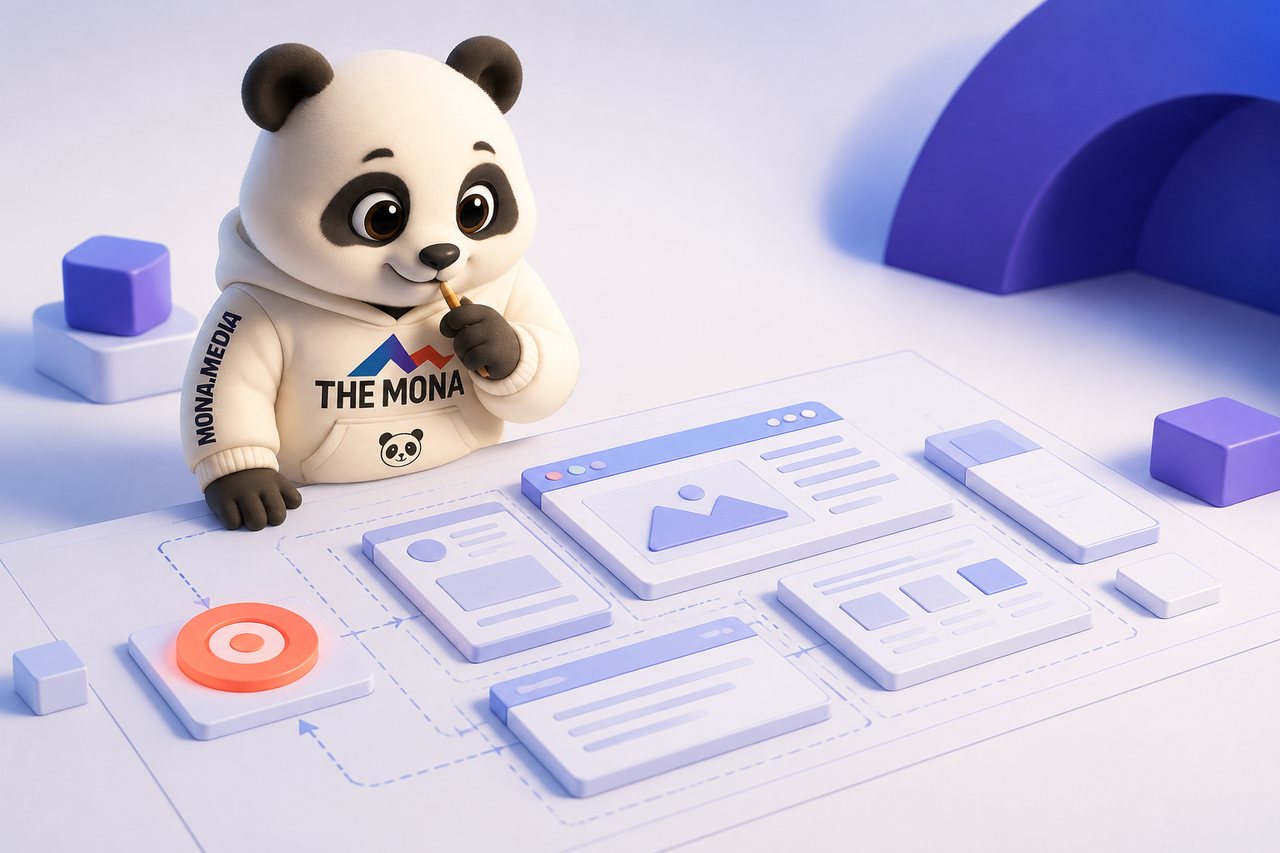
The most exhausting part of a web project rarely happens while building. It happens when extras come up.
We once worked with the owner of a mother-and-baby store chain. She was lovely, and every time she came to a meeting she had a pot of tea ready for the whole team. At first she settled it simply: the website only needed to present the brand well, and customers would look and then go to the store to buy. The team built exactly that.
Halfway through, she came back from a conference excited and said she wanted to sell directly on the website for convenience. It sounds light, just add a shopping cart. But selling online drags in a whole system behind it: inventory, payments, shipping, order management.
The foundation we built for the presentation site could not carry all that. So part of it had to be torn down and redone. It was not her fault, and not the team's fault. The destination changed midway, while the foundation had already been poured for the old one.
So say plainly in the very first meeting what the site is for: presentation, sales, or internal management. The clearer you are, the more precisely the dev team builds the foundation. Locking down the scope early is the cheapest way to avoid tearing down and rebuilding. For event sites or custom systems, the scope needs to be even clearer, for example a corporate event website.
Not sure whether your website should present or sell? Call 1900 636 648 and we will sit down with you to work out the purpose and scope in a single session, before you spend a single dong on code. Getting this right saves you the costliest expense of all: tearing down and rebuilding.

The writer Terry Pratchett once wrote a passage that business people nod along to. He called it the boots theory, to explain why the rich keep getting richer.
Here is the story. A rich man pays fifty dollars for a good pair of boots. They last ten years, the leather stays intact, and his feet stay warm and dry.
A poor man has only ten dollars, so he buys a cheap pair. It lasts one season before the sole splits and lets in water. The next year he has to spend another ten dollars on a new pair.
Add up ten years and the poor man has spent far more than the rich man, all for the same purpose of keeping his feet warm. And the sad part is his feet stay wet almost the whole time.
A cheap website goes down the same road as the ten-dollar boots. Built fast, weak foundation, quick to go out of date. Every couple of seasons it has to be replaced.
Add up a few replacements and the total goes well beyond a website done properly from the start. Not to mention that each replacement is a break. Returning customers find a stranger, and the Google rankings you built over years drop back to zero.
A website is the foundation for running marketing, building a brand and selling over the long haul. Paying once to do it right and living with it for ten years always works out lighter. A durable website also has to be fast, search-ready and secure, so we build in a Google and AI standard foundation along with a layer of website copyright protection. If your budget is thin, start from our library of SEO-ready website templates which still beats doing it half-heartedly.

Honestly, the technology across web agencies is now much the same. The same source code, the same kinds of servers, the same popular frameworks. Give ten agencies the same brief and they will build roughly similar skeletons.
What really makes the difference lies in the heads of the people building it, not in the tools.
A web builder who cares is one who asks questions. They keep asking until they know what you sell, who your customers are and where you are stuck. They treat your website as their own business, not as an order to get done.
And they dare to speak plainly. Sometimes they say the line salespeople dislike saying most: you do not need this yet, save your money for the more important part.
We have noticed that clients who hear that line usually breathe a sigh of relief, because everywhere else they asked, people just nodded and sold them more. Professionals like that do not squeeze out extra money, and they do not push a product you will never use.
So choosing the right partner matters far more than choosing the right tool. To see how an agency thinks, look at the projects they have built, and watch how they solve problems for people who came before you, instead of just listening to a quote.

These five points sound like they suit only one industry, but they apply to every industry.
A machine-parts factory, a retail chain, a service company and a clinic look nothing alike. Yet their customers behave exactly the same way. Before spending money, everyone pulls out a phone, types the company name and checks the website.
Different products, different websites, but the three core jobs are identical. Be clear about what the site is for. Write so customers understand right away. Build a foundation that lasts.
So whether you sell industrial equipment, solar power or run a training center, the thinking is the same. If you have overseas customers, add a multilingual website to cover that audience properly.

MONA has been building websites for over 10 years. More than 14,000 projects have passed through our hands. 85% of clients stay on after launch, and we guard that number closely.
We build websites around your industry and your customers so they bring in real orders. Looking good is a must, but for us it is only the visible part.
One thing worth noticing today: customers no longer just ask Google, they ask AI tools like ChatGPT directly. A site with a solid structure gets read by both Google and AI, and gets recommended by both. Build it once, appear in two places.
See also full-scope SEO services so your site appears right when customers are searching, or the on-site package such as all-in-one website design in Ho Chi Minh City. If you need to attract customers faster, combine it with multi-channel advertising and video marketing. Once the site is done, you can also add a website management AI Agent, running on Mona Software and Mona Host.
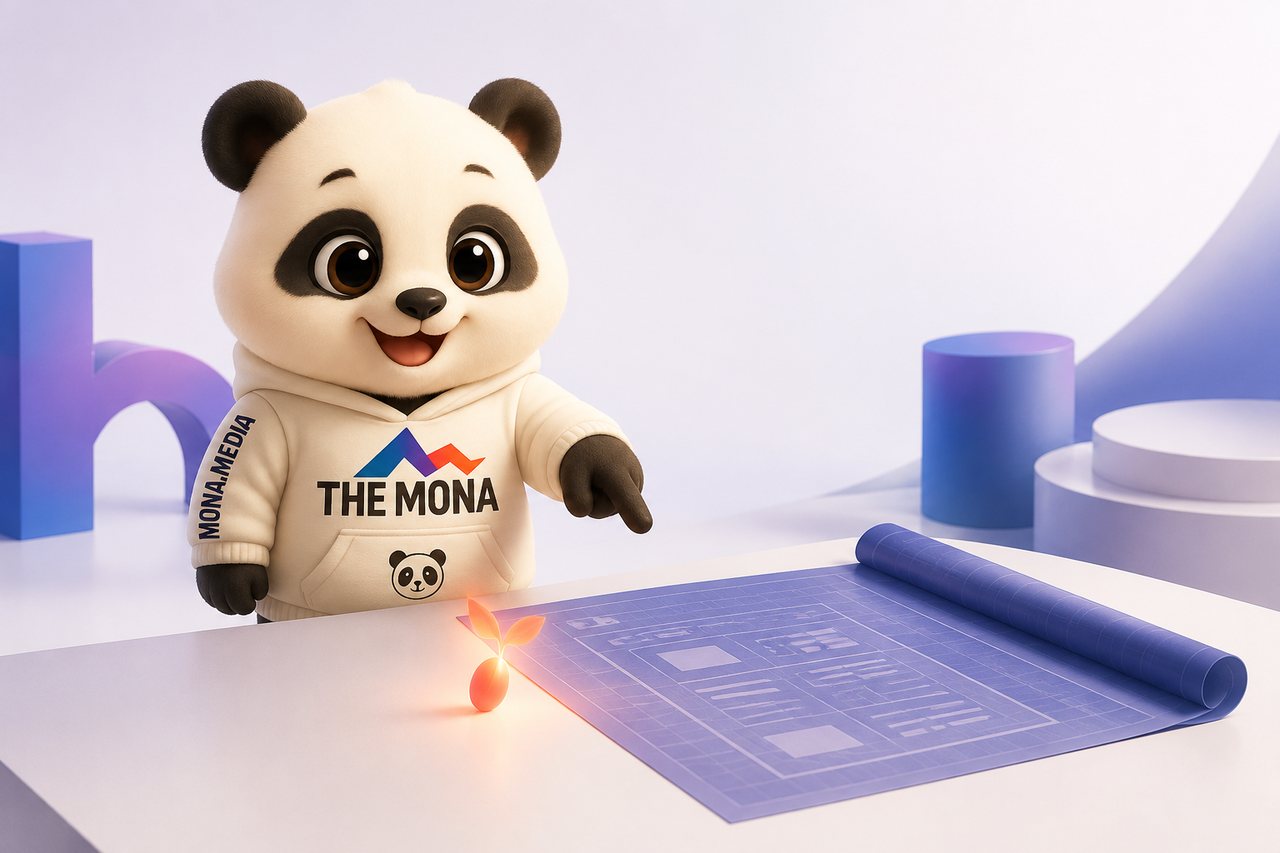
At this point you may think you now have to choose the technology, the theme and a dozen other things. Not yet. The first step is tiny.
Take a piece of paper and write one sentence: what is this website for, and who is it for. That's all.
With that sentence in hand, every later decision gets easier. More importantly, you avoid most of the money that would otherwise go down the drain.
Remember the boots theory from earlier. A website built right to last ten years is almost always cheaper than replacing a cheap one three or four times. What decides it is not a big or small budget, but getting it right the first time.
When you need a team to sit down with you, work out what the website is for and build it right once, call 1900 636 648 or leave your details on mona.media. We give straight advice and quote based on your actual needs, and once the price is agreed it stays fixed, with no surprises along the way. To learn more about the automation thinking behind this, visit Khánh Hùng Academy.

First, the purpose of the website: introduction, sales or management. Next, your target customers. Finally, the action you want visitors to take. With those three things, a web team can build the right site.
Cheap websites tend to go out of date fast and need replacing often. Added up, that costs more than doing it right once, like the boots in the article. Invest at the right level from the start to go the distance.
It depends on the project scope. Settling the purpose and scope up front shortens the timeline and avoids extra costs. Call 1900 636 648 for advice tailored to your needs.

CEO & Founder · The MONA
The founder of The MONA built a service company of 60+ staff with 14,000+ projects delivered. Khánh Hùng shares his thinking on building self-running systems, automating a business, and the real lessons behind MONA's projects.
 478




Professional website
design services
Own a website with a beautiful, 100% exclusive design and a lifetime warranty, with the ability
to expand features flexibly as your business grows, starting today!






 MONA will never sell your information or send you spam


 MONA will never sell your information or send you spam
