
 MONA OS 2.0
 Partner with MONA


 Tự động hoá doanh nghiệp
 Cẩm nang SEO
 Digital Marketing
 Kinh nghiệm thiết kế website
 Hạ Tầng Server
 Giáo dục


 VI
 EN









Message us on
Zalo Official


 ProductsNew

 ProductsProducts
 Mới ra mắtKHA AI 2027App tự edit video, tự đăng mọi mạng xã hội, 2 phút mỗi ngày










 Website designLooks good and wins customers over.
SEO servicesBrings in customers searching for exactly what you sell.
 Tư vấn digital marketingKéo khách từ nhiều kênh, đo bằng số thật.
Corporate video productionVideos introducing your company, factory and team.
 NewAI video productionCompany story films made with AI.
 Custom software developmentCRM, ERP and HRM built for your business.
 Viết AI Agent theo yêu cầuĐặt riêng một trợ lý AI cho đúng việc của mình.
 Tư vấn chuyển đổi AIĐưa AI vào vận hành của cả công ty.
NewMONA LMSManagement for centers and schools.
MONA SkillHubInternal training for company staff.
 NHTQ systemEnd-to-end China–Vietnam shipping operations.
MONA JMSManagement for gold, diamond and pawn shops.
 MONA E-LearningA website with every feature you need to sell courses.
 How to sell online courses (course)More than 30 free lessons on selling courses on autopilot.
 MONA Cloudmonacloud.vnServers to get your apps and websites running.
 MONA Basemonabase.vnPostgres database, sign-in and file storage.
 MONA Mailmonamail.vnSend OTP, order and invoice emails from your software.
 MONA Paymonapay.vnAccept bank transfers via VietQR and notify your software when the money arrives.
 MONA eInvoiceComing soonIssue e-invoices that meet tax standards.
Gấu CườiTrả lời khách 24/7 trên web, Fanpage, Zalo và thu lead cho sale.
 Gấu TeleSalesGọi điện tư vấn, chăm khách như tổng đài viên thật.
Dê CườiTư vấn và chốt đơn cho shop ngay trong khung chat.
Gấu WebmasterNhắn nhóm Zalo là website được sửa xong.
 Gấu Pháp ChếSoạn hợp đồng, rà điều khoản trong vài phút.
 Gấu Báo GiáLên báo giá đúng mẫu và gửi khách ngay.
 AI chăm sóc khách hàngTheo dõi và giữ chân khách hàng cũ.
 Gấu Tuyển DụngLọc hồ sơ, hẹn lịch, phỏng vấn ứng viên.
 Mới ra mắt
KHA AI 2027
Xây kênh chuyên gia 2 phút mỗi ngày
Quay bằng điện thoại, AI tự edit video, tự đăng lên 16 nền tảng và tự trả lời bình luận, tin nhắn.
833.406lượt xem trên kênh CEO MONA sau 27 ngày
 Anh Khánh HùngCEO MONA đang dùng mỗi ngày
Xem app làm được gì
 AI
Gấu Cười MONA ĐANG TỰ XÀITrả lời khách 24/7 trên website, Zalo OA, Messenger và thu lead về cho sale.
Dê CườiChốt đơn bán lẻ và sàn: Shopee, TikTok Shop, web. Chăm cả khách sỉ, đại lý.
Gấu WebmasterCập nhật nội dung, tối ưu SEO website mỗi ngày.
Gấu TeleSalesGọi điện tư vấn, chăm khách như tổng đài viên thật.
Gấu Tuyển DụngLọc hồ sơ, hẹn lịch, phỏng vấn ứng viên tự động.
AI chăm sóc khách hàngGiữ khách cũ, cứu lead đã rớt cho phòng kinh doanh.
Gấu Pháp ChếSoạn hợp đồng, rà điều khoản trong vài phút.
Gấu Báo GiáLên báo giá đúng mẫu, gửi khách ngay khi có yêu cầu.
 Chuyển đổi AI toàn phầnGiải pháp tổng cho doanh nghiệp, 3 lớp triển khai.
 Viết AI Agent theo yêu cầuĐặt riêng một con AI gánh đúng nghiệp vụ của bạn.
 Custom softwareCRM, ERP and HRM with built-in AI automation.
 SEO & AEO thời đại AIĐược Google lẫn AI trích dẫn, không chỉ xếp hạng.
 Kiến thức AI cho doanh nghiệpBài phân tích, hướng dẫn ứng dụng AI vào vận hành.
 Free AI courses
 AI tools at work
App mới · KHA AI 2027
Xây kênh 2 phút mỗi ngày
AI tự edit video, tự đăng mọi mạng xã hội
Free consultation, 8am–10pm every day

18 March, 2023

Once you decide to invest in a business, large or small, you must expect to accept the business risks you may meet. Whether you can foresee them depends on how well you build a business strategy smart one and how well you read the market, so you can prepare plans and responses quickly and keep the damage as low as possible.
So what business risk is and how to deal with it effectively. To find the answer, read the article below.
Business risk, properly defined, is the total loss of investment capital, finances, market position and so on that a business has to bear in the course of operating. There are many kinds of risk with different consequences, but most businesses mainly run into financial risk and the realities of how they operate today.
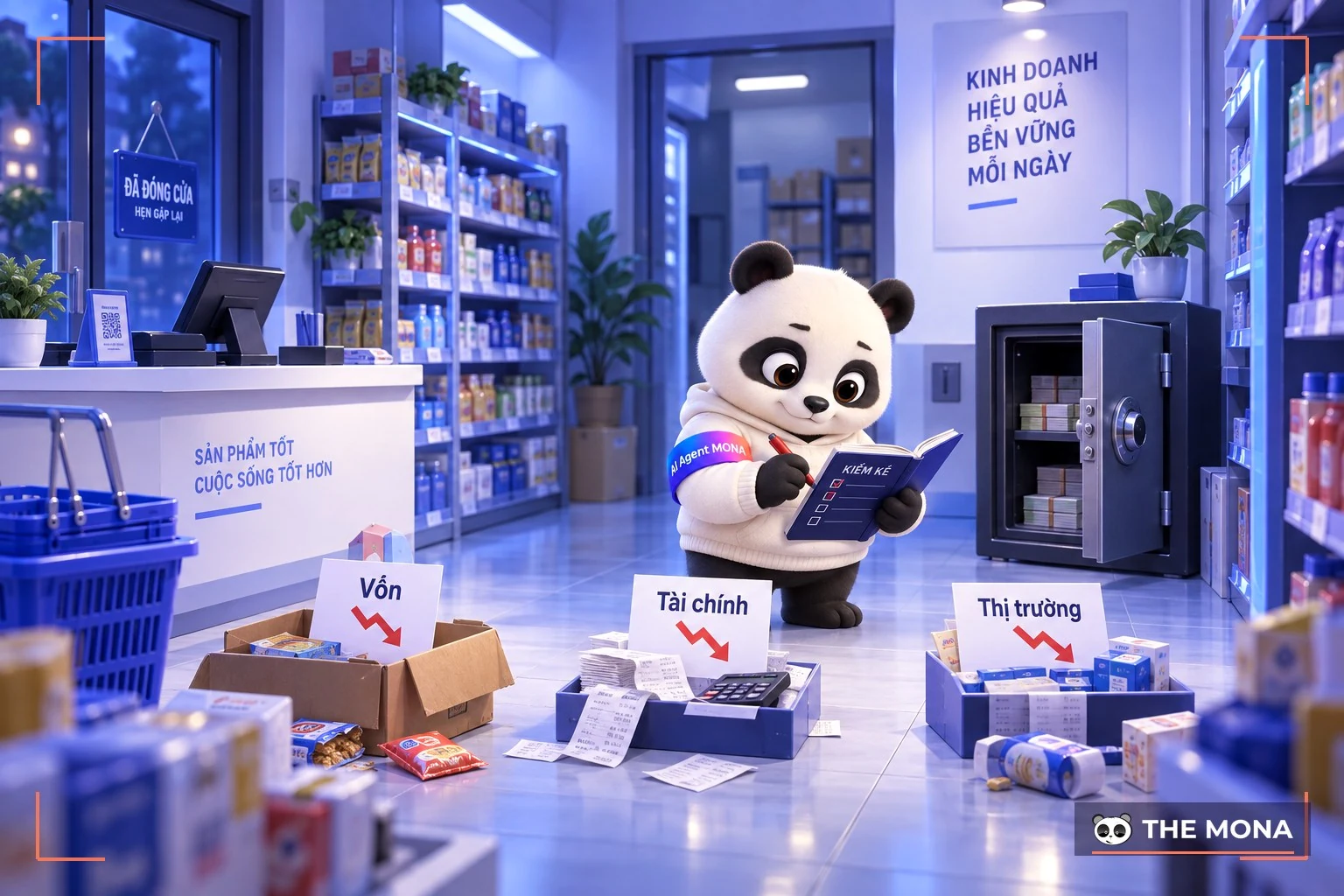
Many people hold back from running their own business out of fear of risk. In reality, the most successful entrepreneurs in the world are people who dared to think and act, who tested themselves, were not afraid of hardship, and were ready to push through it with courage. One way to reduce starting capital is to choose a digital product business, since you build once and sell many times.
The video below talks about the hidden risks when projects have no deadline pressure or drive to succeed
Capital risk usually appears when you invest in shares or put some of your money into founding a company. If the company grows well, you earn a good profit in proportion to the capital you put in.
But if the company starts to lose money, your capital will be affected badly, and you could even lose both principal and profit. What matters most then is finding a way to cut the loss as low as possible.
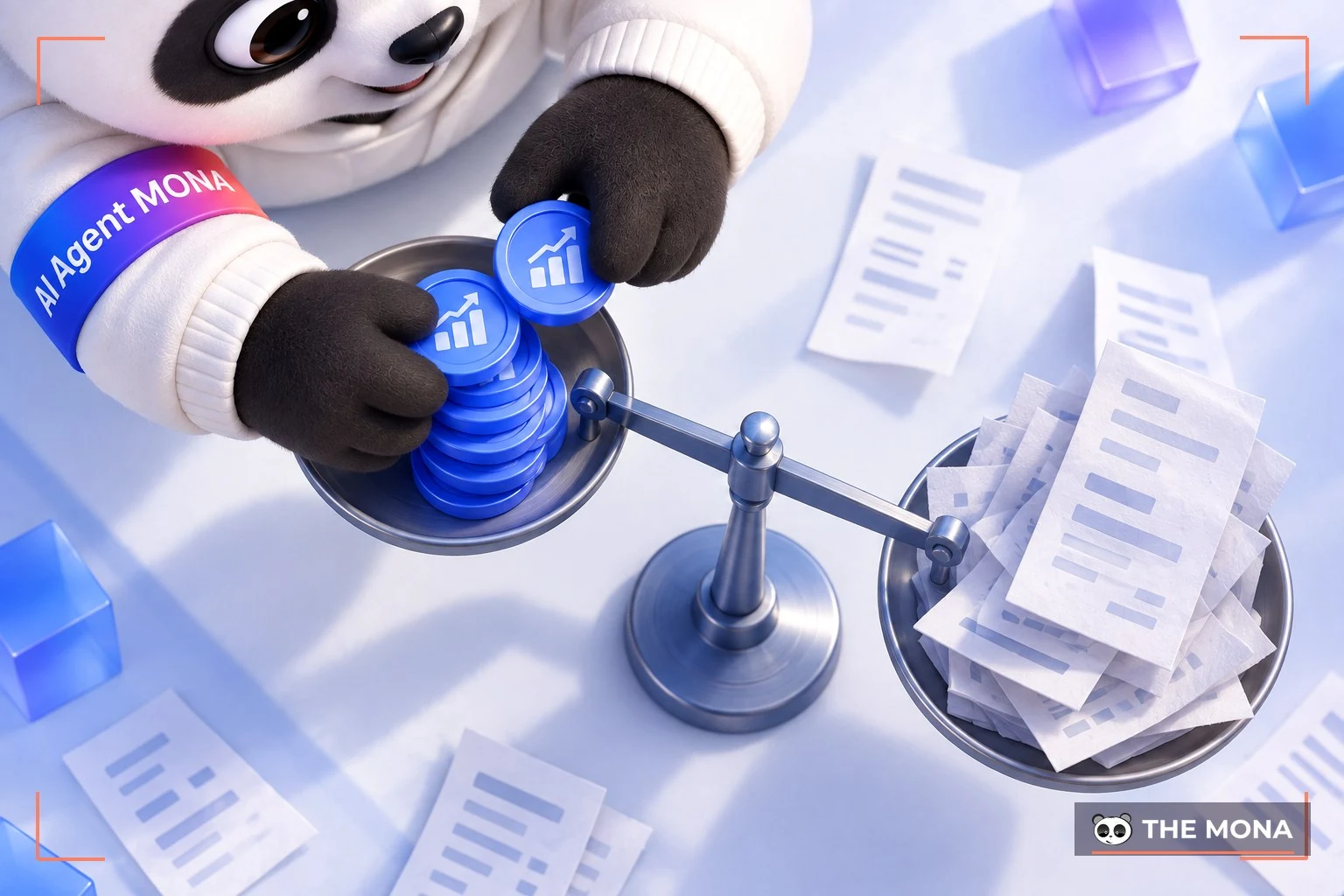
Interest rate risk usually comes with bonds. When interest rates fall, issuers buy back, or “call”, old bonds that pay a high rate so they can issue new bonds at a lower rate.
When rates rise, bond prices fall, and a bondholder who sells then gets less than they paid. To reduce interest rate risk, the buyer needs to know whether the bond can be called. As with capital risk, do not buy only one bond from a single issuer.
Tax may seem unrelated, but it is also a business risk. Many investors exploit gaps in tax law to earn more, and some even claim the fastest way to get rich is to evade tax. Tax law changes every year. Investing without allowing for tax risk is a serious oversight that can cause heavy losses.
Market risk is probably the business risk that every company meets regularly. When a market “freezes”, a business is left with products nobody buys, especially in real estate. A plot of land or a house can take a month or more to sell even in a stable market, and when the market stalls those assets simply sit there.

Another business risk we cannot leave out is strategic risk. Building a successful business takes a solid strategy, but anything can happen, and a plan that looked perfect can turn out to be dull and ineffective.
This is called strategic risk. Many factors affect a company's strategy, such as customer demand, technology changes, and rising equipment costs. Whatever the reason, it affects the strategy. To reach its goals, a business needs several effective ways to respond if something goes wrong.
If your business is tied to foreign investment, you may meet this risk. In developing countries in particular, economic and social risk is very likely, because currency values swing unpredictably. So when you choose to invest here, even a profitable business can hardly avoid risk.
So what difficulties might you face when you start a business? This video is well worth watching, with lessons drawn from more than 8 years of running a business to grow The MONA to where it is today. It will help you “survive” the early startup years, especially in the service industry.
Here are some typical factors that lead to business risk and directly affect a company:
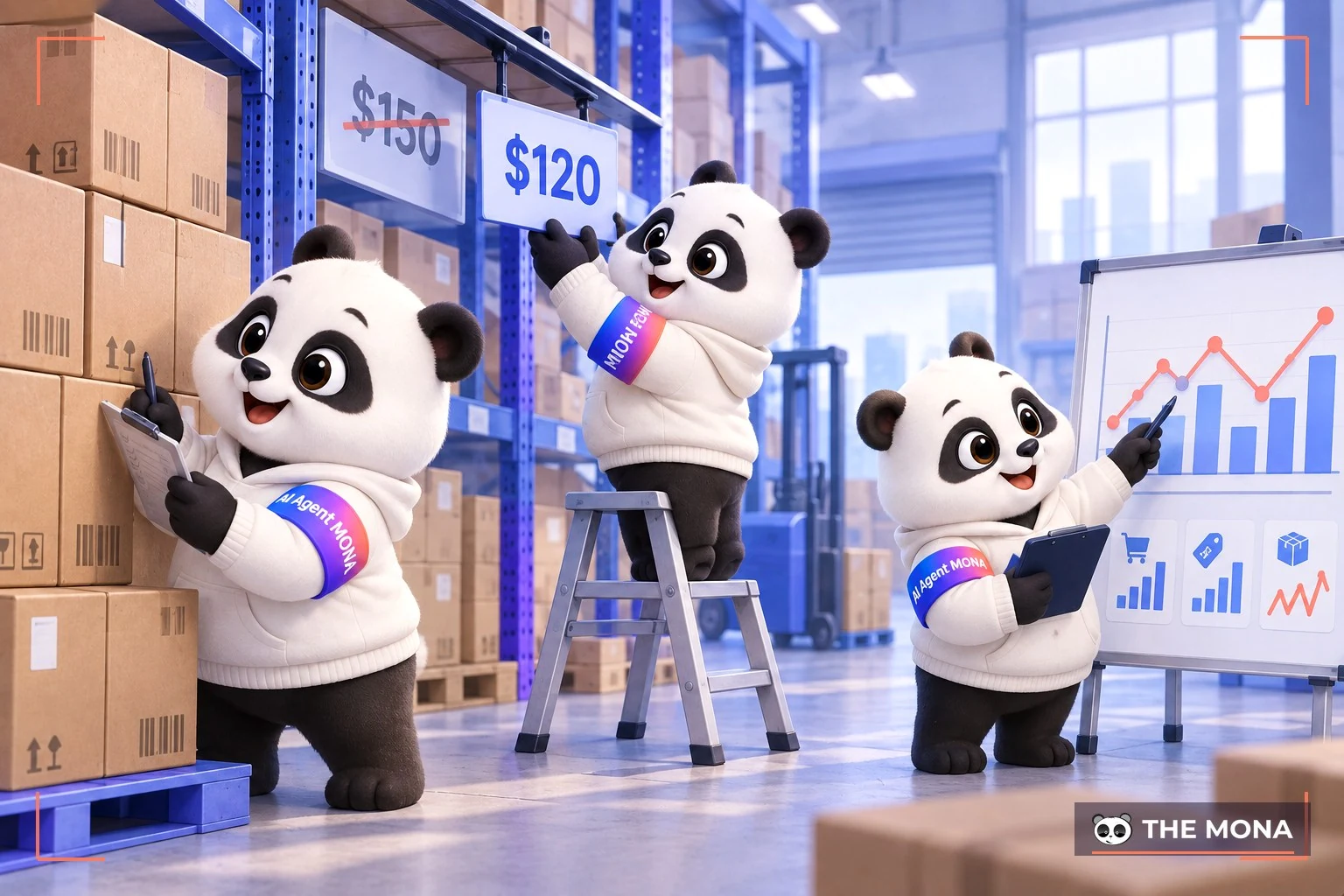
One of the biggest business risks comes not only from the market or competitors but from our own business mindset. The video below helps you understand common beliefs about business in Vietnam and the right approach to reduce risk and grow sustainably.
In this step, the business needs to define the economic context it is aiming at, and list the advantages and disadvantages of that environment. From there it can recognise the hidden risks and analyse the threats.
You cannot skip this step if you want to know whether the business is operating effectively. The main task is to identify the hidden risks that could affect the business, then analyse them and decide on a suitable response.
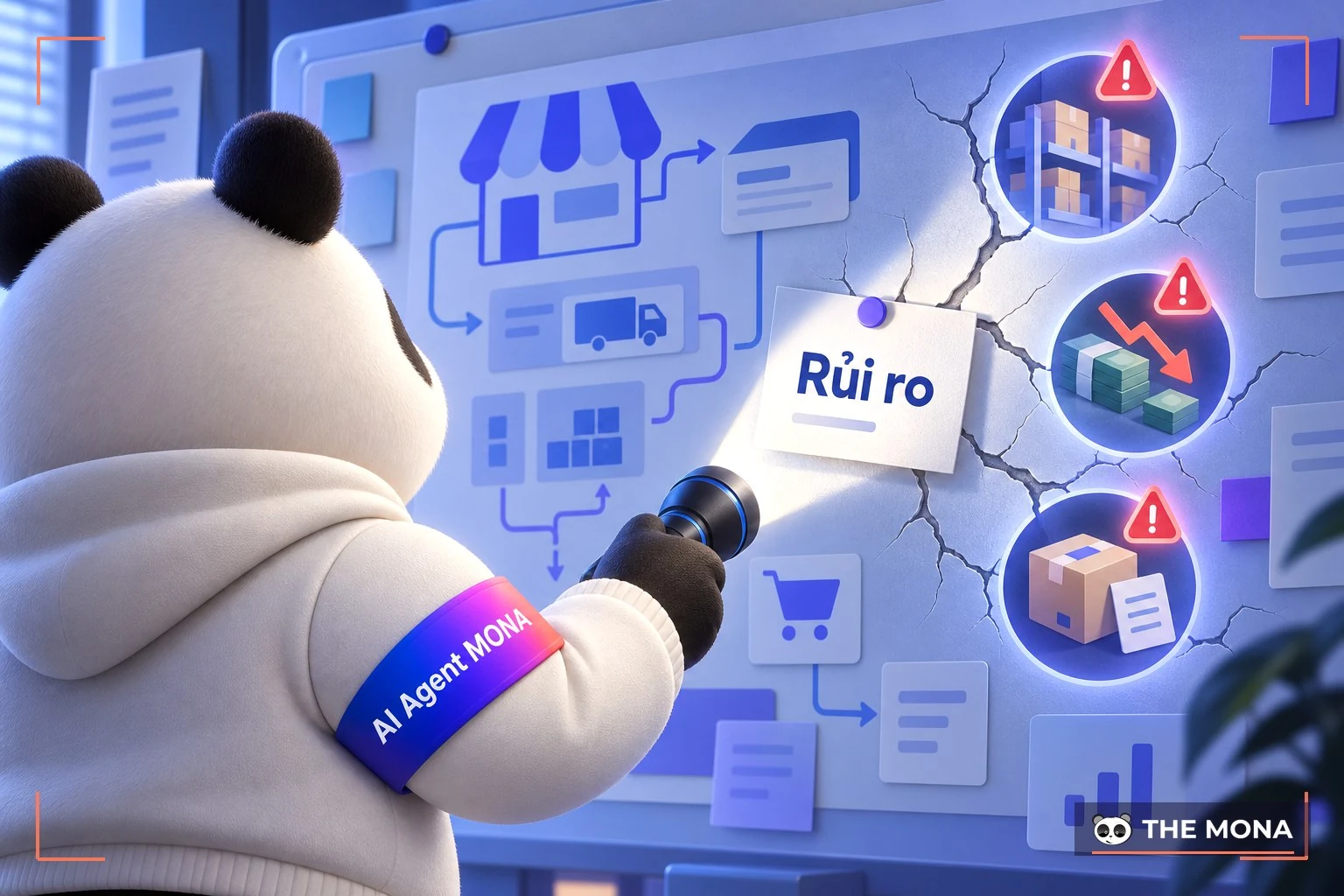
If you cannot identify every risk that could cause damage, the risk management of the business will probably suffer. There are exceptions, though, when a risk is unexpected and cannot be foreseen, and it causes losses during operation.
So to identify hidden risks as well as possible, you need to understand the current state of the business, its organisational structure, how it operates, and the projects and strategies it is running. Each environment and field has different risks, so risks cannot be applied to all businesses in the same way.
Once you have identified the hidden risks that could harm the business, the next step is to assess them. The risks are analysed and judged on criteria such as: How likely is the risk? Has it happened before in the business? If so, how much damage did it cause? When could it happen, and what causes it?
Risks are things that may or may not happen in the future, so the risk manager needs to look ahead and judge the issue well.
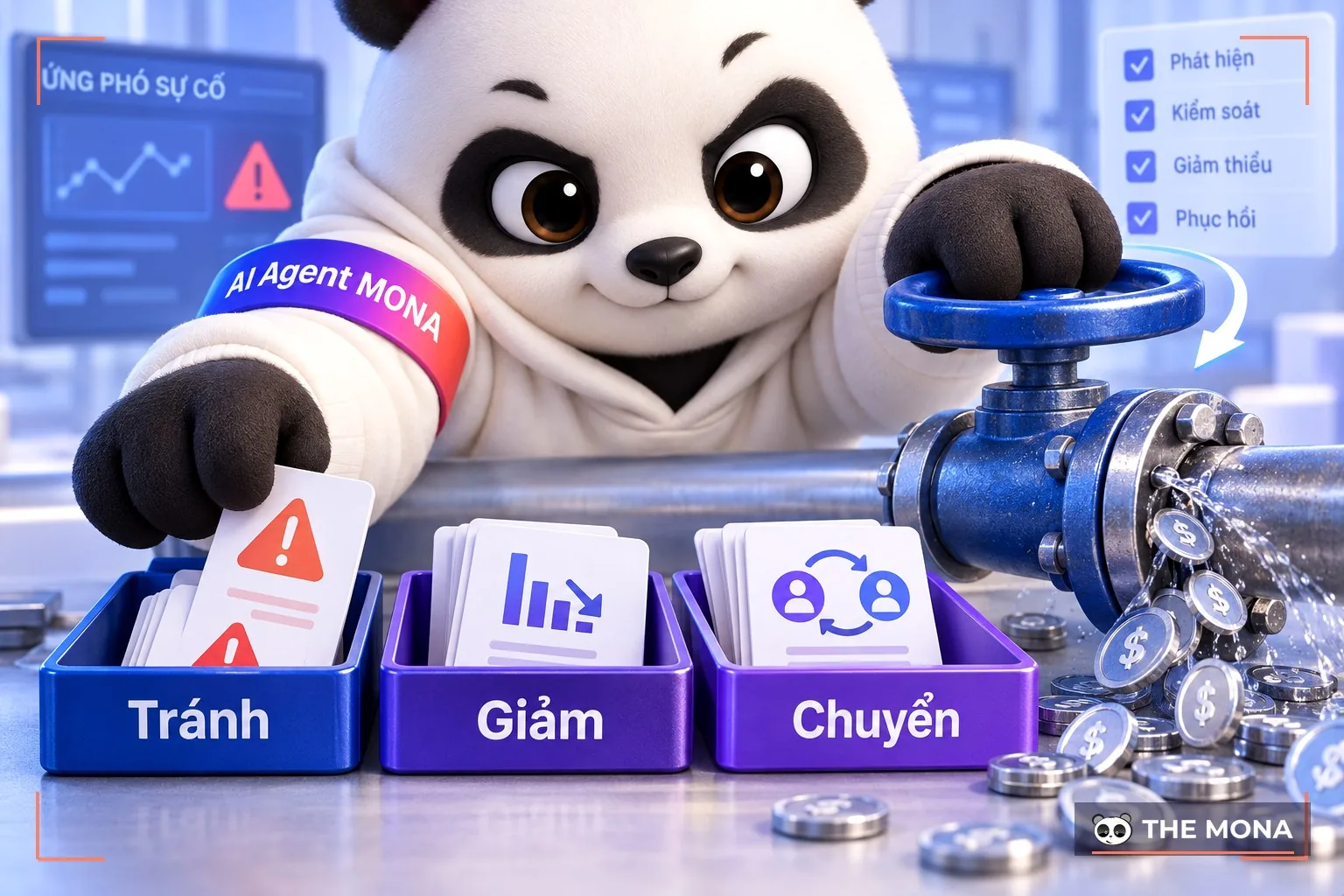
This is also the plan for responding to risk. After assessing your risks, look at the highest-ranked ones and make a plan to handle them, or change them where needed to reach an acceptable level of risk. How can you reduce the probability of negative risks and strengthen opportunities? Build strategies to reduce risk, and prepare prevention and contingency plans at this step.
Each risk relates to a particular management department, so that department is responsible for the risks raised. They also check and assess the risks so they can follow them closely and adjust them in line with the plan.
That is what we have to share about MONA Media to what business risk is and the most effective ways to deal with it. We hope this article helps you manage business risk sensibly and helps your business grow stronger.
See also: Secrets to succeeding in online business

CEO & Founder · The MONA
The founder of The MONA built a service company of 60+ staff with 14,000+ projects delivered. Khánh Hùng shares his thinking on building self-running systems, automating a business, and the real lessons behind MONA's projects.
 1,9K




Professional website
design services
Own a website with a beautiful, 100% exclusive design and a lifetime warranty, with the ability
to expand features flexibly as your business grows, starting today!






 MONA will never sell your information or send you spam


 MONA will never sell your information or send you spam
