
 MONA OS 2.0


 Tự động hoá doanh nghiệp
 Cẩm nang SEO
 Digital Marketing
 Kinh nghiệm thiết kế website
 Hạ Tầng Server
 Giáo dục



 VI
 EN









Message us on
Zalo Official


 ProductsNew

 ProductsProducts
 Mới ra mắtKHA AI 2027App tự edit video, tự đăng mọi mạng xã hội, 2 phút mỗi ngày










 Website designLooks good and wins customers over.
SEO servicesBrings in customers searching for exactly what you sell.
 Tư vấn digital marketingKéo khách từ nhiều kênh, đo bằng số thật.
Corporate video productionVideos introducing your company, factory and team.
 NewAI video productionCompany story films made with AI.
 Custom software developmentCRM, ERP and HRM built for your business.
 Viết AI Agent theo yêu cầuĐặt riêng một trợ lý AI cho đúng việc của mình.
 Tư vấn chuyển đổi AIĐưa AI vào vận hành của cả công ty.
NewMONA LMSManagement for centers and schools.
MONA SkillHubInternal training for company staff.
 NHTQ systemEnd-to-end China–Vietnam shipping operations.
MONA JMSManagement for gold, diamond and pawn shops.
 MONA E-LearningA website with every feature you need to sell courses.
 How to sell online courses (course)More than 30 free lessons on selling courses on autopilot.
 MONA Cloudmonacloud.vnServers to get your apps and websites running.
 MONA Basemonabase.vnPostgres database, sign-in and file storage.
 MONA Mailmonamail.vnSend OTP, order and invoice emails from your software.
 MONA Paymonapay.vnAccept bank transfers via VietQR and notify your software when the money arrives.
 MONA eInvoiceComing soonIssue e-invoices that meet tax standards.
Gấu CườiTrả lời khách 24/7 trên web, Fanpage, Zalo và thu lead cho sale.
 Gấu TeleSalesGọi điện tư vấn, chăm khách như tổng đài viên thật.
Dê CườiTư vấn và chốt đơn cho shop ngay trong khung chat.
Gấu WebmasterNhắn nhóm Zalo là website được sửa xong.
 Gấu Pháp ChếSoạn hợp đồng, rà điều khoản trong vài phút.
 Gấu Báo GiáLên báo giá đúng mẫu và gửi khách ngay.
 AI chăm sóc khách hàngTheo dõi và giữ chân khách hàng cũ.
 Gấu Tuyển DụngLọc hồ sơ, hẹn lịch, phỏng vấn ứng viên.
 Mới ra mắt
KHA AI 2027
Xây kênh chuyên gia 2 phút mỗi ngày
Quay bằng điện thoại, AI tự edit video, tự đăng lên 16 nền tảng và tự trả lời bình luận, tin nhắn.
350.475lượt xem trên kênh CEO MONA sau 20 ngày
 Anh Khánh HùngCEO MONA đang dùng mỗi ngày
Xem app làm được gì
 AI
Gấu Cười MONA ĐANG TỰ XÀITrả lời khách 24/7 trên website, Zalo OA, Messenger và thu lead về cho sale.
Dê CườiChốt đơn bán lẻ và sàn: Shopee, TikTok Shop, web. Chăm cả khách sỉ, đại lý.
Gấu WebmasterCập nhật nội dung, tối ưu SEO website mỗi ngày.
Gấu TeleSalesGọi điện tư vấn, chăm khách như tổng đài viên thật.
Gấu Tuyển DụngLọc hồ sơ, hẹn lịch, phỏng vấn ứng viên tự động.
AI chăm sóc khách hàngGiữ khách cũ, cứu lead đã rớt cho phòng kinh doanh.
Gấu Pháp ChếSoạn hợp đồng, rà điều khoản trong vài phút.
Gấu Báo GiáLên báo giá đúng mẫu, gửi khách ngay khi có yêu cầu.
 Chuyển đổi AI toàn phầnGiải pháp tổng cho doanh nghiệp, 3 lớp triển khai.
 Viết AI Agent theo yêu cầuĐặt riêng một con AI gánh đúng nghiệp vụ của bạn.
 Custom softwareCRM, ERP and HRM with built-in AI automation.
 SEO & AEO thời đại AIĐược Google lẫn AI trích dẫn, không chỉ xếp hạng.
 Kiến thức AI cho doanh nghiệpBài phân tích, hướng dẫn ứng dụng AI vào vận hành.
 Free AI courses
 AI tools at work
App mới · KHA AI 2027
Xây kênh 2 phút mỗi ngày
AI tự edit video, tự đăng mọi mạng xã hội
Free consultation, 8am–10pm every day

18 March, 2023
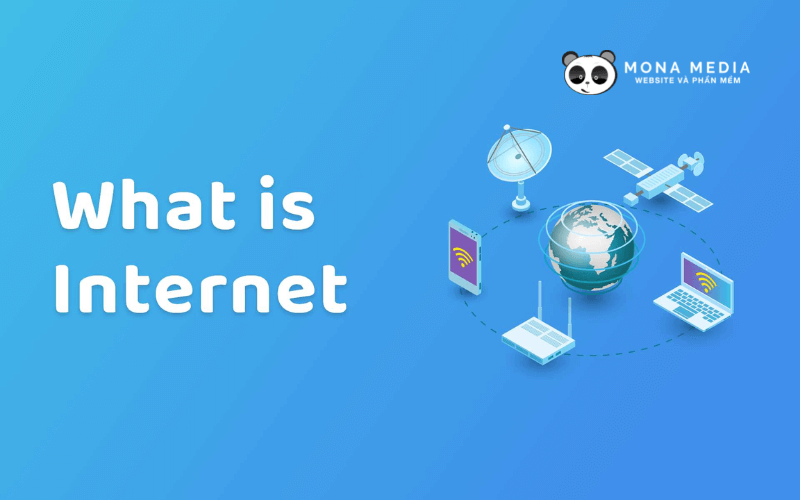
The word Internet is familiar to almost everyone because it shows up in so many parts of life. Yet this seemingly simple idea is not well understood by many. Do you really understand the role the Internet plays in life today? Let's find out what the Internet iswith a summary of the key facts in the article below.
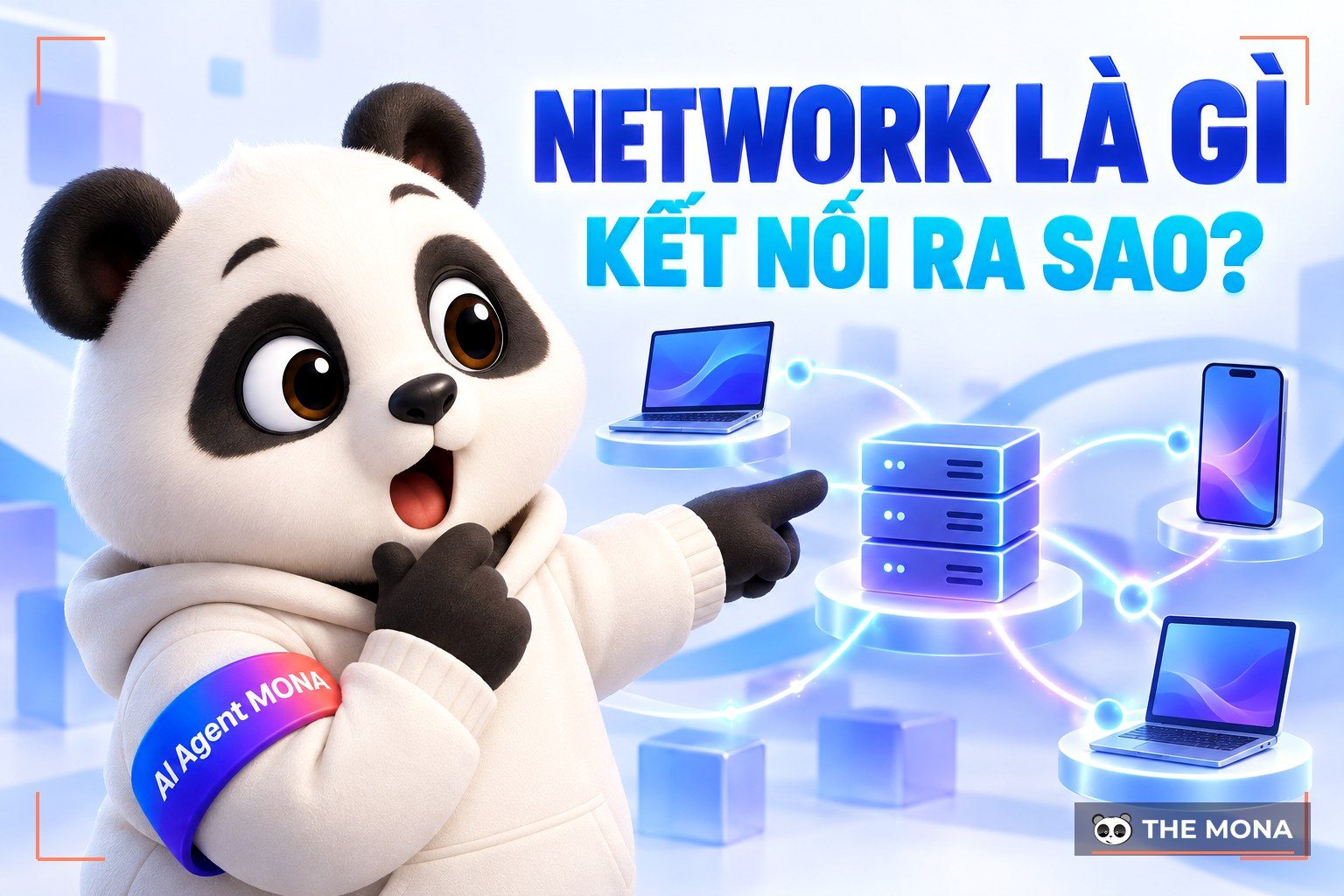
The Internet is, simply put, a global system that lets every device in the network network connect with every other. These devices form a wide network of countless linked computers. In practice, the Internet works as a system that carries information by connecting and relaying data.
The system consists of a huge number of computers and Internet-connected devices belonging to individuals and organizations, closely linked together. It combines electronic technology with fiber-optic cable and wireless networks, and it is laid out across the world so that anyone who needs it can get online.
The Internet plays an important role in daily life. It provides important resources and useful services for users who want to access information. One of its biggest strengths is its enormous storage capacity. Using links closely linked hypertext, the Internet creates a vast repository that any device connected to the network can access.
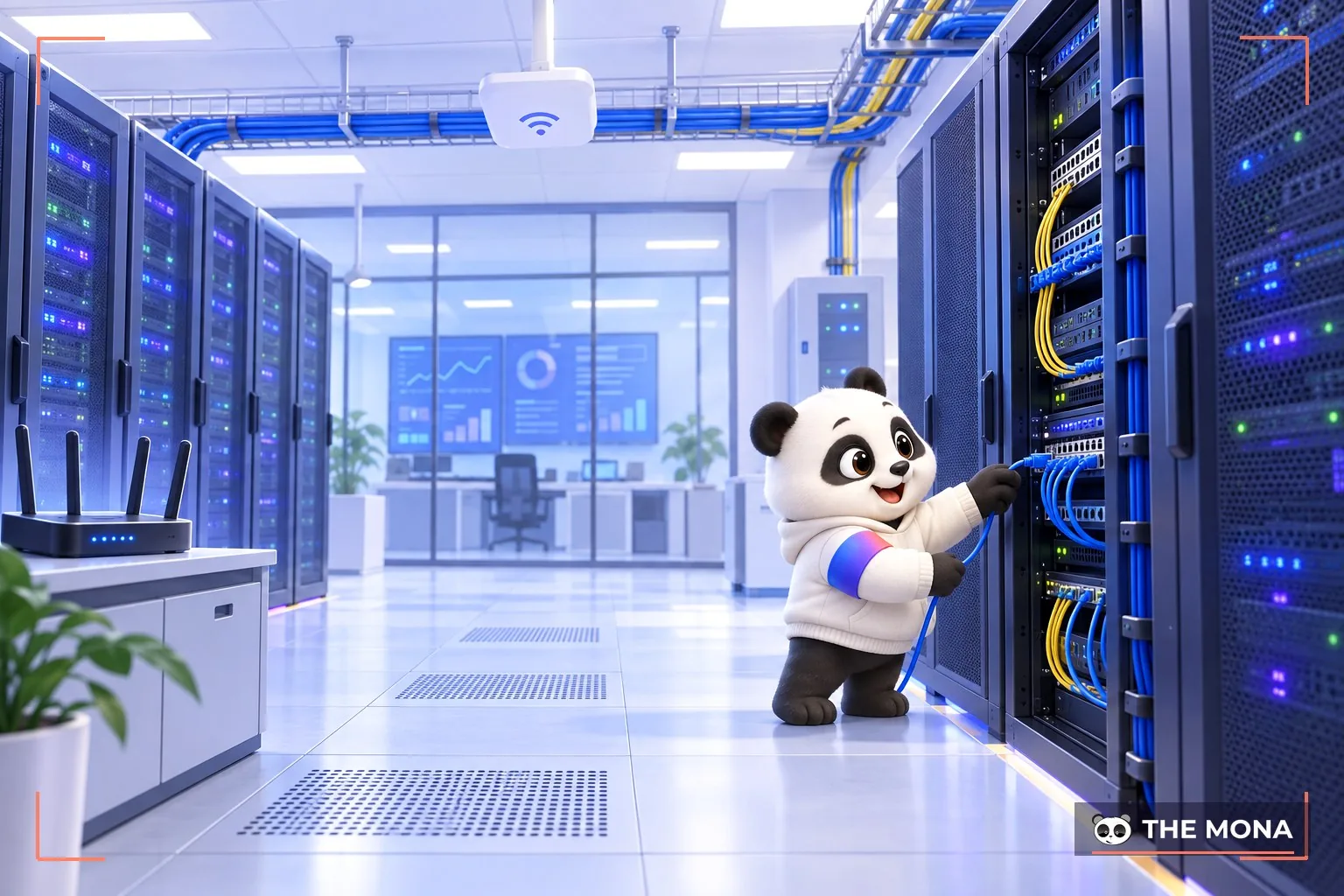
Devices that can route, switch or handle multiple services together form the network infrastructure. This system creates and maintains connections and keeps the network running stably. Common network types are LAN, WAN and MAN. Internet infrastructure is very important to organizations and businesses that want to use it.
To use the network smoothly, quickly and at high speed, you need to invest in genuinely good network infrastructure. Conversely, if the network is not built with care, outages are likely. A poorly performing network also brings risk and cost to a business, and generally hurts organizations and companies.
There are several ways to get online quickly and effectively, each with its own pros and cons. When you connect your computer to the Internet, the speed depends on the connection method, and also on the needs and conditions of the user.
With a leased line, computers connect directly to a carrier through a dedicated line. The carriers are telecommunications companies that serve users.
With this method, you get a permanent connection, so you can go online at any time. You pay for Internet access by the month, regardless of how much data you use. This makes it more expensive, because you pay a subscription rather than by data volume. It is the method most online service providers use today.
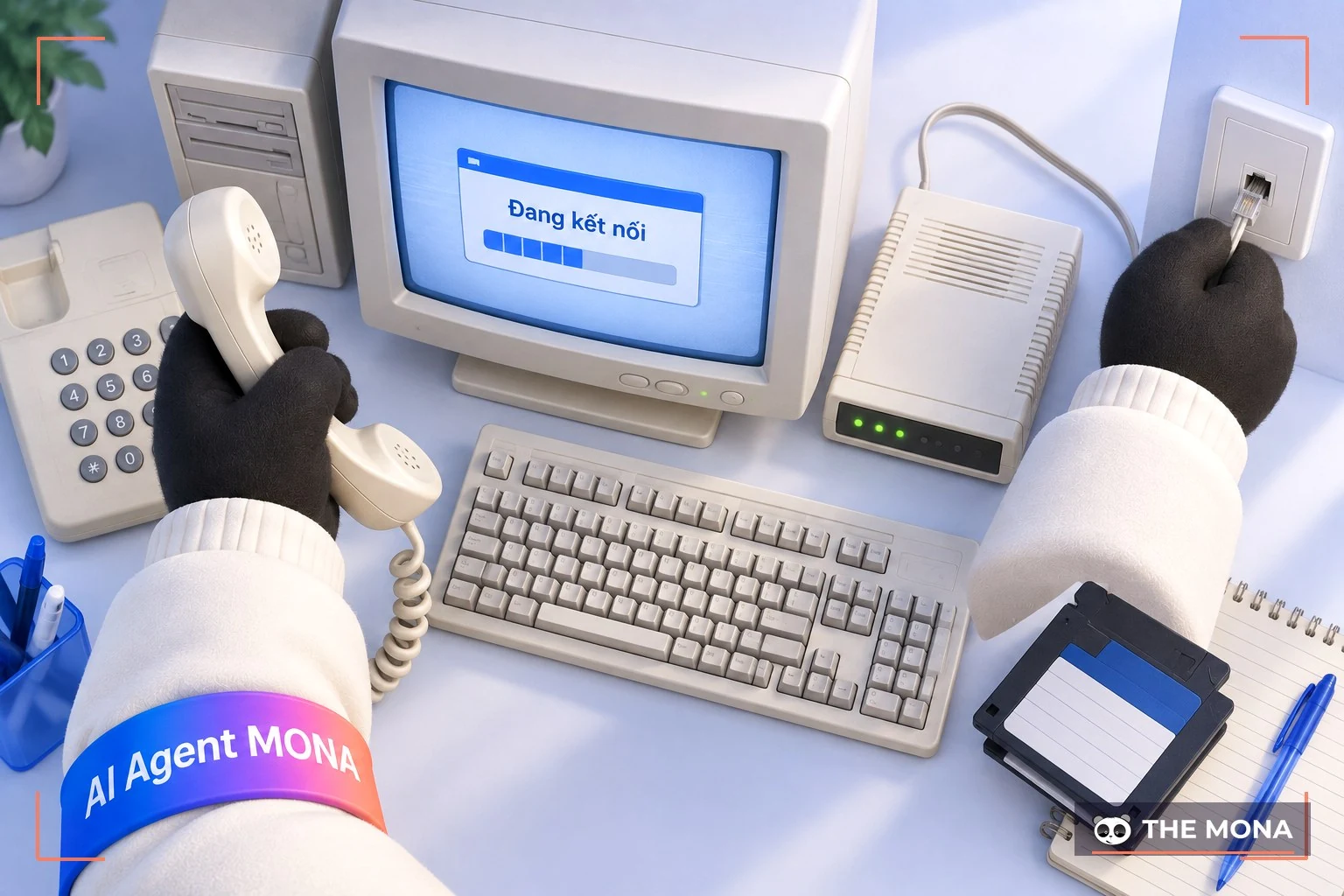
The second most common method is dial-up over your telephone line. To connect this way, the user needs a suitable telephone line and a modem. The connection runs in sequence: the user's computer connects to the modem, and the modem connects to the phone line.
This service is also offered by telecommunications providers. When a user signs up, the provider creates an account for access and gives them the phone number to dial. It is not a permanent connection.
When using the service, the customer dials the phone number the provider supplied, and signs in with the account's username and password. The advantages of this method are its low price, convenience for individuals and easy installation.
ADSL is relatively new but has its own strengths and quickly became popular. It is an asymmetric access technology: the download speed is faster than the upload speed. That suits Internet use, because in practice users download far more information than they upload.
Customers can sign up for this service on their existing telephone line, with no new wiring needed. You need an ADSL modem: the customer's computer connects to the ADSL modem, which connects to the registered service line.
An ADSL connection is always on. Users pay according to usage rather than a flat subscription, and the fee depends on how much data they download or upload.

Users cannot use the Internet directly; they have to go through network service providers. The main types of provider today are as follows.
An ISP, or Internet Service Provider, is a network service provider well known in telecommunications. Users are given access to the network and to services such as email, FTP, web, Telnet and chat. Once you sign up with a provider like this, you can access and use these services quickly.
An ISP is a provider that gets its gateway through an IAP. In Vietnam, 18 ISPs are currently registered to provide services. The major ones include FPT Telecom, VNPT (Vietnam Posts and Telecommunications Group) and Viettel (Military Telecommunications Group).
An IAP, or Internet Access Provider, is also a common provider of network access lines. It is also known as an IXP (Internet Exchange Provider). An IAP gives users the means to reach the huge stores of information online. In other words, the IAP connects users directly to the network.
An IAP can perform the functions of an ISP, but not the other way around. As noted above, an IAP acts like a gateway that can serve many different ISPs. Vietnam currently has 7 IAPs: FPT, Viettel, VNPT, ETC, VTC, SPT and HANOITELECOM.
An ICP, or Internet Content Provider, supplies online information content. ICPs provide useful information to users. The information is updated regularly and posted online on topics such as economics, education, the military, politics and sports.
An OSP, or Online Service Provider, supplies network application services built on Internet applications. Examples include consulting, training, online shopping and banking.
A dedicated ISP gives users full access to Internet services. Unlike an ordinary ISP, a dedicated ISP does not provide network services for business purposes. It serves study and research, and its users are typically government agencies, research institutes and schools.

The Internet offers not only a huge store of information but also many useful services. Common ones today include:
The Internet matters a great deal in life. Being online connects you with plenty of information and many friends, which helps you build knowledge and keep up social relationships. This article has explained what the Internet is? It has also gathered general information about the Internet. We hope that after reading the article from MONA Media, you have a better overview and a clearer view of how important the Internet is in daily life.
See also:

CEO & Founder · The MONA
Founder of The MONA, who built a services company of 200+ staff with 14,000+ projects delivered. Khánh Hùng shares how he thinks about building systems that run themselves, automating a business, and the real lessons from delivering projects at MONA.
 1,5K




Professional website
design services
Own a website with a beautiful, 100% exclusive design and a lifetime warranty, with the ability
to expand features flexibly as your business grows, starting today!






 MONA will never sell your information or send you spam


 MONA will never sell your information or send you spam
