
 MONA OS 2.0
 Partner with MONA


 Tự động hoá doanh nghiệp
 Cẩm nang SEO
 Digital Marketing
 Kinh nghiệm thiết kế website
 Hạ Tầng Server
 Giáo dục


 VI
 EN

















Message us on
Zalo Official


 ProductsNew

 ProductsProducts
 Mới ra mắtKHA AI 2027App tự edit video, tự đăng mọi mạng xã hội, 2 phút mỗi ngày










 Website designLooks good and wins customers over.
SEO servicesBrings in customers searching for exactly what you sell.
 Tư vấn digital marketingKéo khách từ nhiều kênh, đo bằng số thật.
Corporate video productionVideos introducing your company, factory and team.
 NewAI video productionCompany story films made with AI.
 Custom software developmentCRM, ERP and HRM built for your business.
 Viết AI Agent theo yêu cầuĐặt riêng một trợ lý AI cho đúng việc của mình.
 Tư vấn chuyển đổi AIĐưa AI vào vận hành của cả công ty.
NewMONA LMSManagement for centers and schools.
MONA SkillHubInternal training for company staff.
 NHTQ systemEnd-to-end China–Vietnam shipping operations.
MONA JMSManagement for gold, diamond and pawn shops.
 MONA E-LearningA website with every feature you need to sell courses.
 How to sell online courses (course)More than 30 free lessons on selling courses on autopilot.
 MONA Cloudmonacloud.vnServers to get your apps and websites running.
 MONA Basemonabase.vnPostgres database, sign-in and file storage.
 MONA Mailmonamail.vnSend OTP, order and invoice emails from your software.
 MONA Paymonapay.vnAccept bank transfers via VietQR and notify your software when the money arrives.
 MONA eInvoiceComing soonIssue e-invoices that meet tax standards.
Gấu CườiTrả lời khách 24/7 trên web, Fanpage, Zalo và thu lead cho sale.
 Gấu TeleSalesGọi điện tư vấn, chăm khách như tổng đài viên thật.
Dê CườiTư vấn và chốt đơn cho shop ngay trong khung chat.
Gấu WebmasterNhắn nhóm Zalo là website được sửa xong.
 Gấu Pháp ChếSoạn hợp đồng, rà điều khoản trong vài phút.
 Gấu Báo GiáLên báo giá đúng mẫu và gửi khách ngay.
 AI chăm sóc khách hàngTheo dõi và giữ chân khách hàng cũ.
 Gấu Tuyển DụngLọc hồ sơ, hẹn lịch, phỏng vấn ứng viên.
 Mới ra mắt
KHA AI 2027
Xây kênh chuyên gia 2 phút mỗi ngày
Quay bằng điện thoại, AI tự edit video, tự đăng lên 16 nền tảng và tự trả lời bình luận, tin nhắn.
569.404lượt xem trên kênh CEO MONA sau 25 ngày
 Anh Khánh HùngCEO MONA đang dùng mỗi ngày
Xem app làm được gì
 AI
Gấu Cười MONA ĐANG TỰ XÀITrả lời khách 24/7 trên website, Zalo OA, Messenger và thu lead về cho sale.
Dê CườiChốt đơn bán lẻ và sàn: Shopee, TikTok Shop, web. Chăm cả khách sỉ, đại lý.
Gấu WebmasterCập nhật nội dung, tối ưu SEO website mỗi ngày.
Gấu TeleSalesGọi điện tư vấn, chăm khách như tổng đài viên thật.
Gấu Tuyển DụngLọc hồ sơ, hẹn lịch, phỏng vấn ứng viên tự động.
AI chăm sóc khách hàngGiữ khách cũ, cứu lead đã rớt cho phòng kinh doanh.
Gấu Pháp ChếSoạn hợp đồng, rà điều khoản trong vài phút.
Gấu Báo GiáLên báo giá đúng mẫu, gửi khách ngay khi có yêu cầu.
 Chuyển đổi AI toàn phầnGiải pháp tổng cho doanh nghiệp, 3 lớp triển khai.
 Viết AI Agent theo yêu cầuĐặt riêng một con AI gánh đúng nghiệp vụ của bạn.
 Custom softwareCRM, ERP and HRM with built-in AI automation.
 SEO & AEO thời đại AIĐược Google lẫn AI trích dẫn, không chỉ xếp hạng.
 Kiến thức AI cho doanh nghiệpBài phân tích, hướng dẫn ứng dụng AI vào vận hành.
 Free AI courses
 AI tools at work
App mới · KHA AI 2027
Xây kênh 2 phút mỗi ngày
AI tự edit video, tự đăng mọi mạng xã hội
Free consultation, 8am–10pm every day

18 March, 2023
Two people work from home. One is paid a steady salary on the 25th of every month. The other has had a different income every month for the last 3 months. That is the line between a remote job and freelancing. A remote job is a job with a proper employment contract, only the place you sit is different. You are still an employee of a company, with a monthly salary, insurance and 12 days of annual leave under the law, but you work remotely instead of going to an office. The two terms get mixed up so often that newcomers keep choosing the wrong path, so in this article we set them apart once and for all: what they share, how they differ, where the opportunities are, and how to choose the path that fits your own situation. It takes about 8 minutes to read, and you will be able to tell them apart right away.
A remote job, also called remote work, is a formal employment relationship done remotely: one company only, salary fixed on the 25th of each month, managed through the company's processes, and protected by labor law from insurance to 12 days of annual leave. Your seat changes but your status does not. You are still part of the organization.
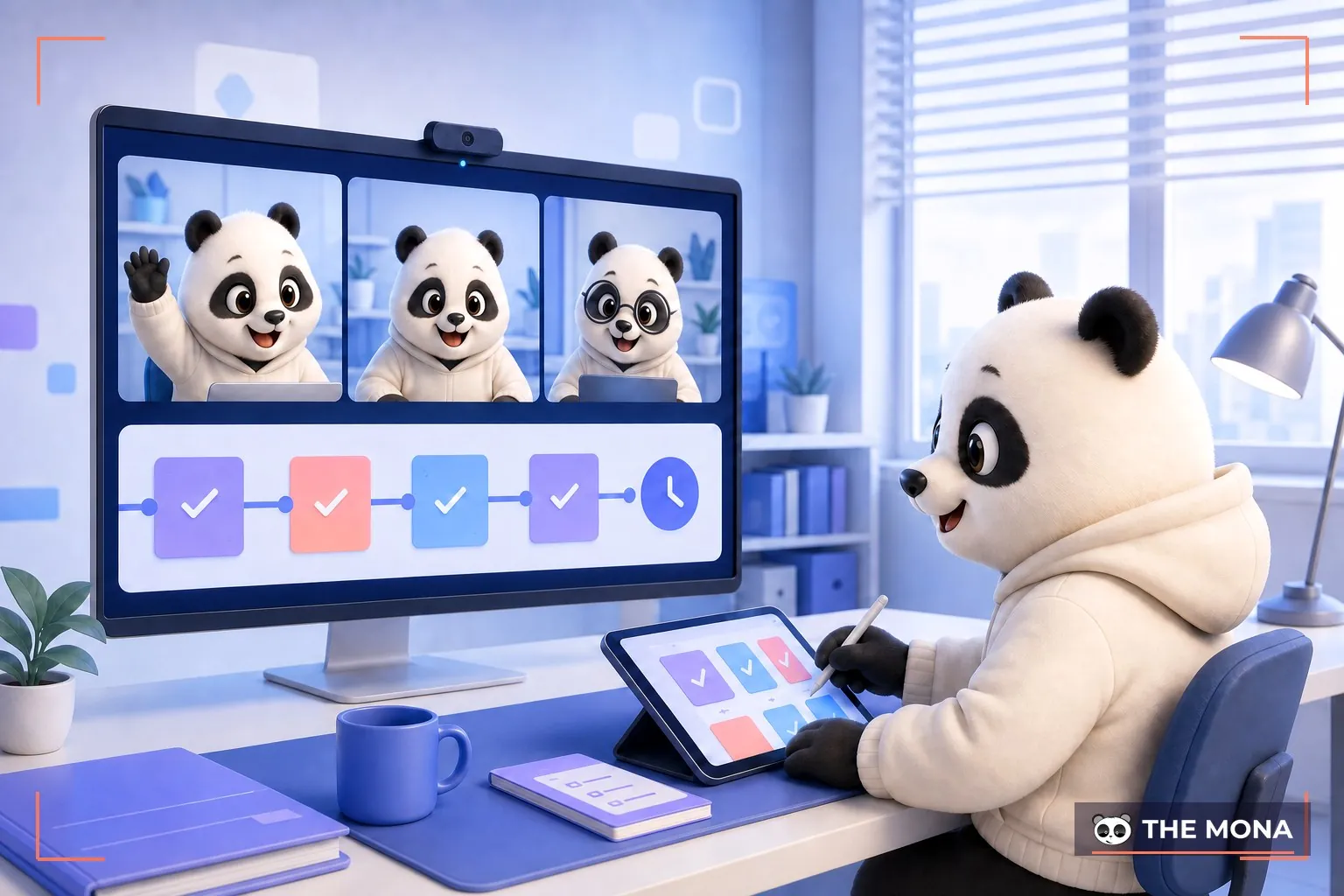
Freelancing changes your whole status: you work by project for 3 to 5 clients at the same time, earn income contract by contract, handle your own taxes and insurance, and find your own clients. We covered this career in detail in our article on what a freelancer is, and reading it with this one gives you the full picture. One path changes where you sit, the other changes the rules of the game. Do not mix them up.
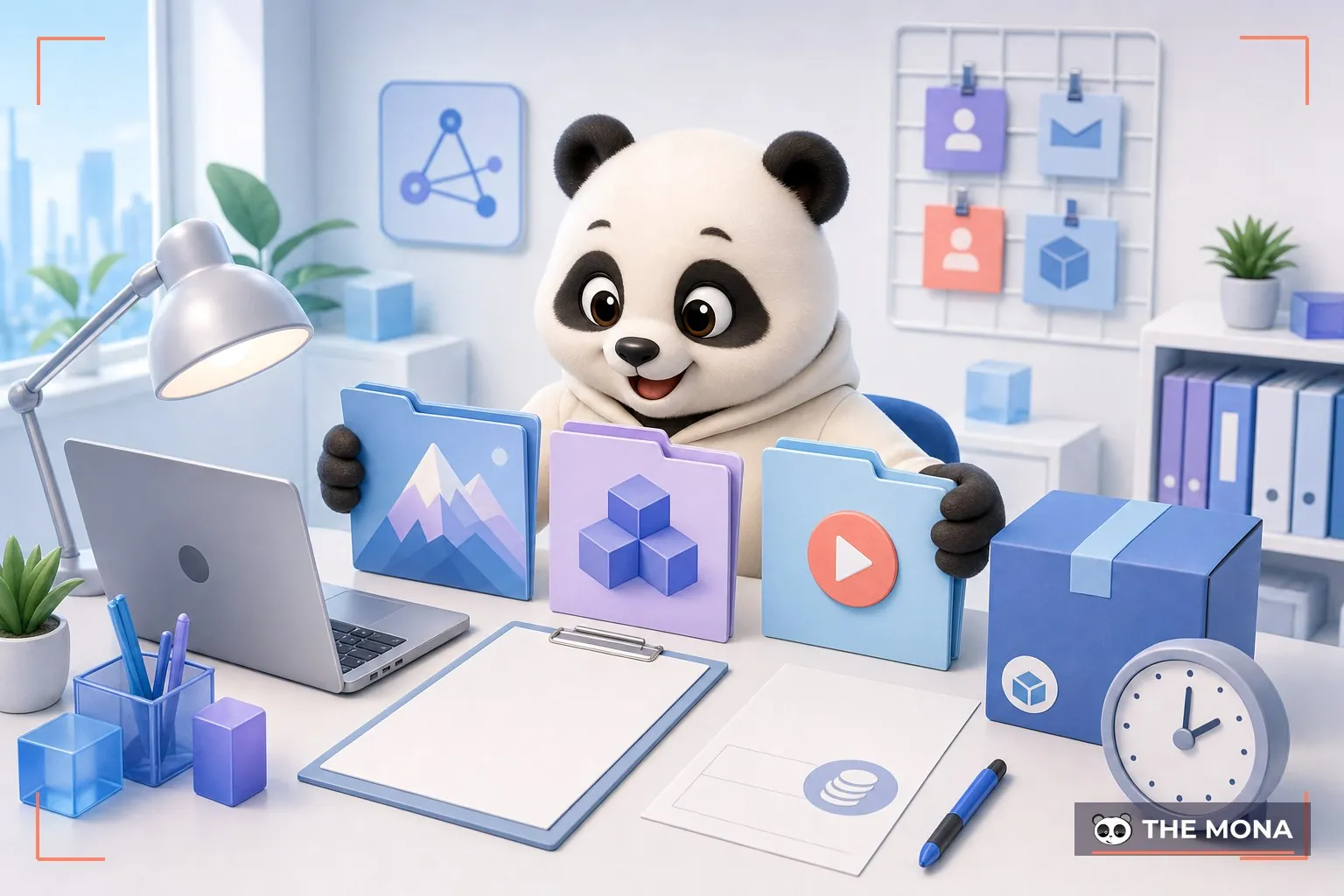
The job groups that hire the most remote workers in Vietnam revolve around work that can be delivered on a screen and measured by results:
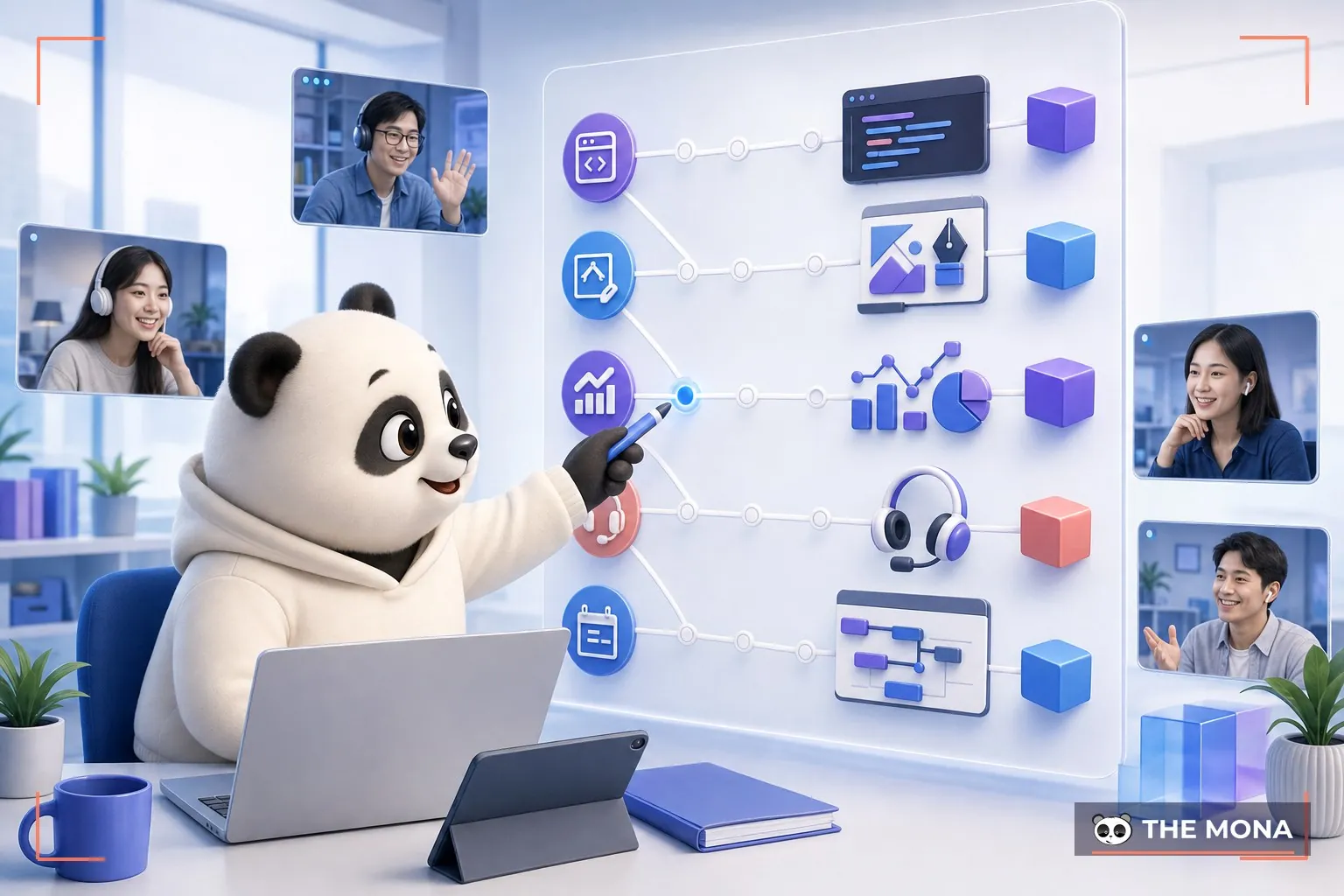
One opportunity few people notice: foreign companies hiring remotely pay at their own rates, and skilled Vietnamese professionals with decent English can reach them, earning 2 to 3 times the pay for the same position in Vietnam. The trade-off is global competition and time zone gaps. We know quite a few people who have to hold meetings between 9 and 11 pm. The good jobs have many people chasing them, so build solid skills before you go international.
Three things in common make people lump the two paths together. Both are remote, with no fixed seat, and save 1 to 2 hours of commuting a day in big cities. Both live on online tools, such as video meetings, team chat and task management software, and in both you must be online on time. And both ask for the same basic skills: self-discipline when nobody is watching, clear written communication, and managing your own time.
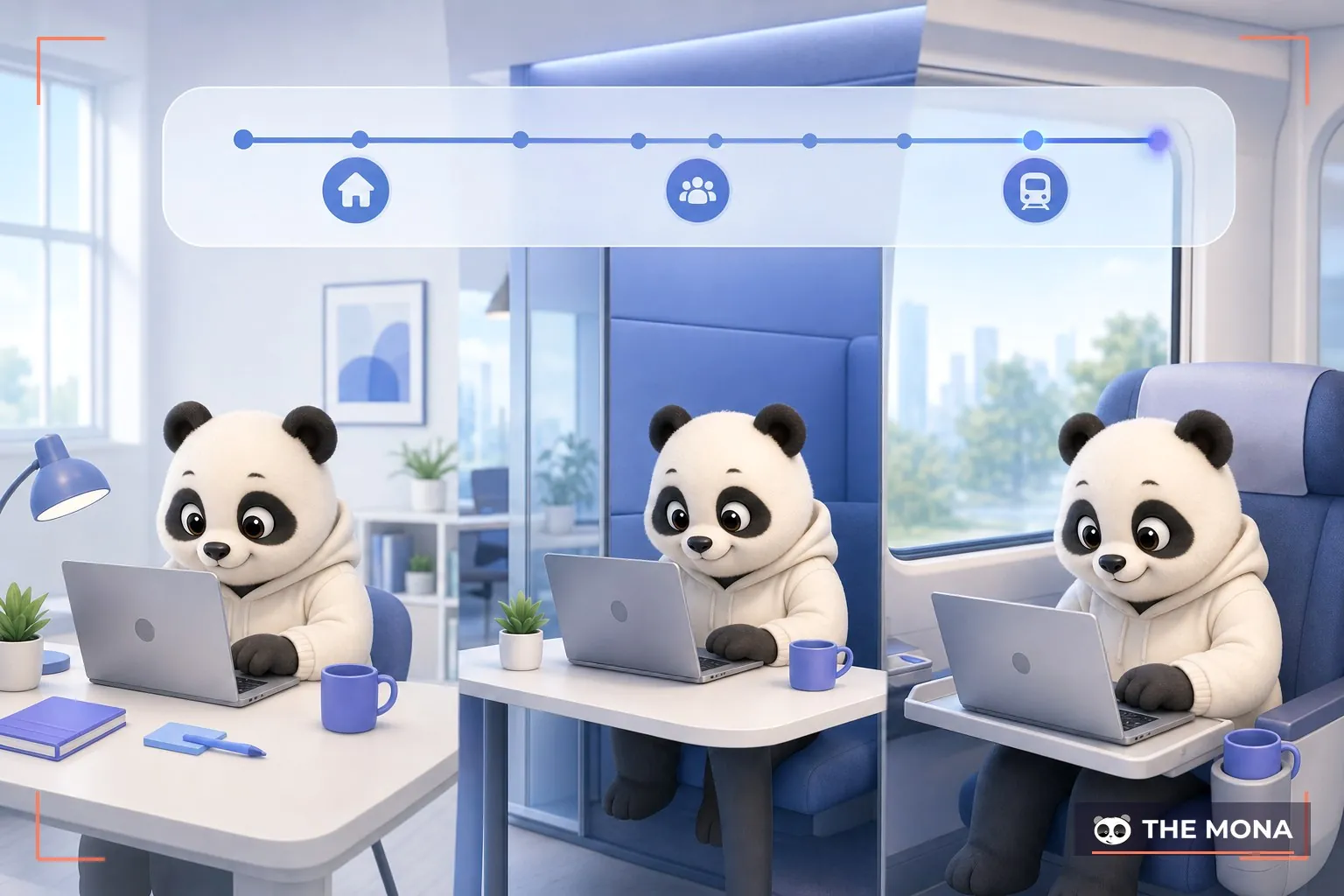

Both also share a cost that few people mention when they recruit you: professional loneliness. You sit at home 8 to 10 hours a day, your colleagues are chat windows, and there is nobody beside you to share the ups and downs of work. Anyone who has worked remotely for a few months hits this stage, and our own team is no exception. The usual cure is to go out on purpose and work from a cafe or shared space a few days a week. Working remotely does not mean hiding away. People still need people.

| Criterion | Remote job | Freelancing |
|---|---|---|
| Legal relationship | Employment contract, protected by labor law | Service contract per project |
| Income | Fixed salary, bonus set by the company | Per project, income up one month and down the next |
| Insurance, annual leave | Company pays, paid leave | You cover everything yourself, no work means no pay |
| Tax | The company withholds it monthly | You file your own tax return, and 10% is withheld at source from 2 million VND per payment |
| Number of "bosses" | 1 company, 1 management system | Many clients, each with their own way of working |
| Freedom to choose work | You do the work the company assigns | Choose your projects, clients and prices |
| Income ceiling | Within the company's salary scale | No ceiling, but no floor either |

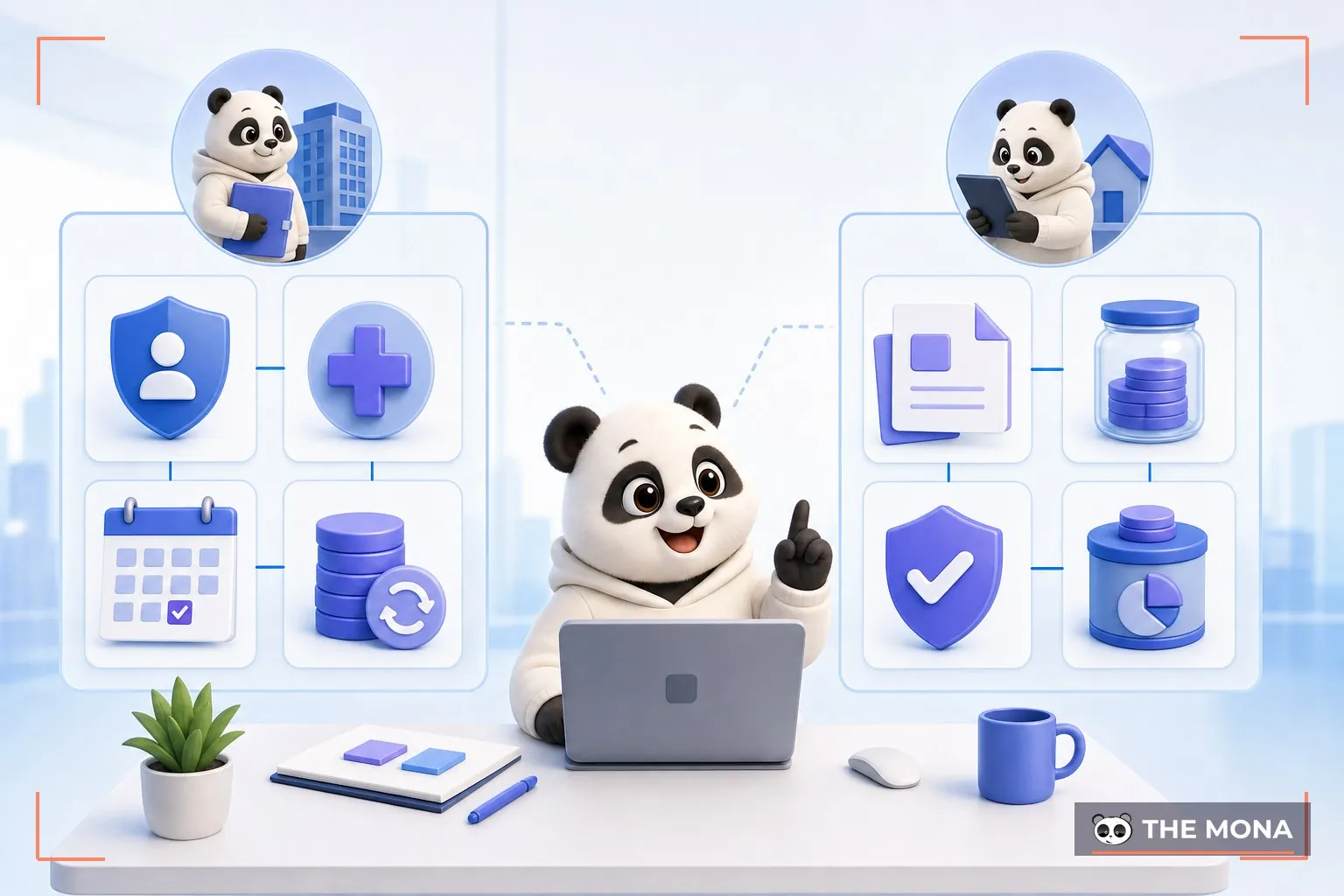
Read the table with one question: do you need stability, or the freedom to set your own price? If you have a family and need steady cash flow, or you are new to the field and need an environment that coaches you, a remote job suits you far better. If your skills are solid, you already have a network of clients, and you can handle 2 to 3 months of uneven income, freelancing opens a higher income ceiling. There is no path that is right for everyone, only the path that is right for the moment.
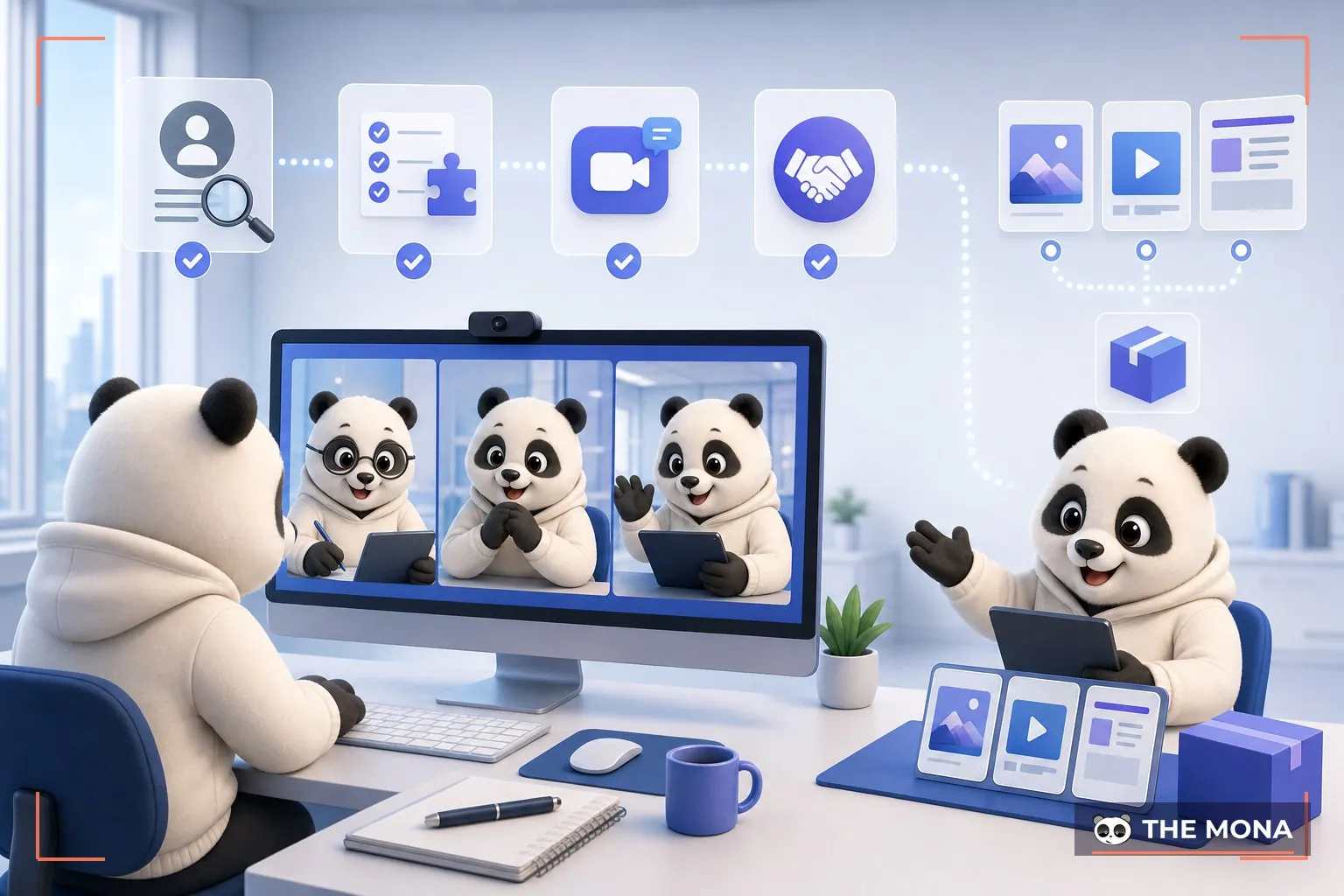
There is also a hybrid path that experienced people often take: keep the remote job as your steady income, take on 1 to 2 freelance projects in the evenings to test the market, and only think about leaving once freelance income has beaten your salary for 3 months in a row. It is slow but steady, and it is the path where we have seen the fewest people fall. Test first, quit later.
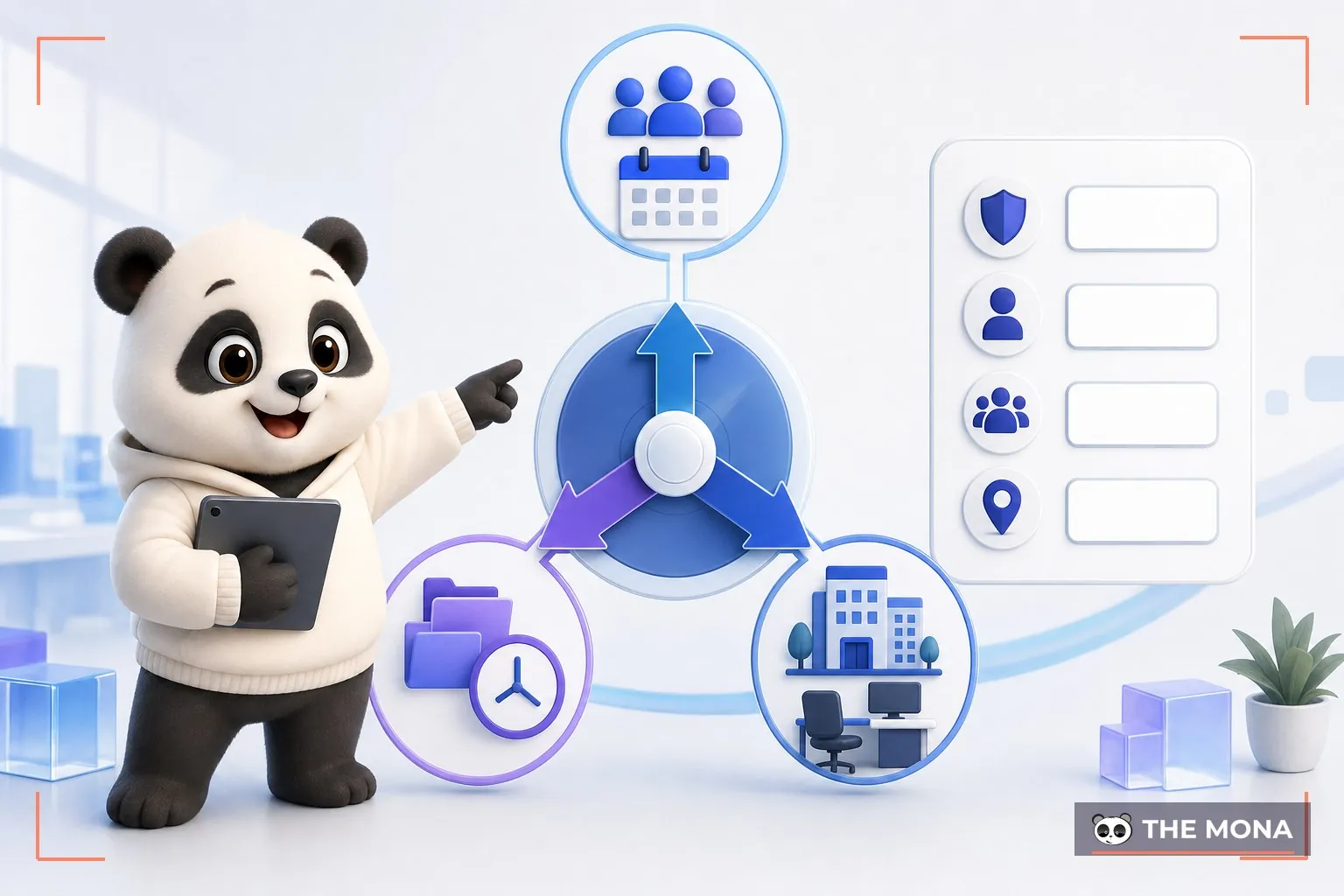
Yes, if you sign a standard employment contract: the company pays health and social insurance as it does for office staff. If you work for a foreign company with no legal entity in Vietnam, you will usually sign a service contract, and then you handle this yourself like a freelancer.
A remote job, or even an office job, for the first 1 to 2 years. At this stage the most valuable thing is being coached in the craft and meeting real processes, which nobody teaches for free when you freelance. Going freelance after your skills are solid is not too late. Foundation first, wings later.
Solid skills you can prove with real work, working English, and a decent online profile. The 2 to 3 times pay gap over Vietnam is real, and so is the competition, so prepare seriously for 3 to 6 months before you apply.
A good company manages by results and meeting rhythm, and does not install software to watch your screen. If a place demands minute-by-minute monitoring, think twice, because that usually signals weak management, not that you are suspect.
Remote jobs and freelancing are both legitimate ways to work. They differ in risk appetite and career stage. If you need a foundation and steady cash flow, work as a remote employee. If your skills are solid and you want to set your own price, move to freelancing. The hybrid path, keeping your salary and taking 1 to 2 extra projects, is the safest bridge between the two. Once you choose, spend 2 to 3 months building the right toolkit: written communication, discipline with time, and a portfolio that proves your work. Toolkit first.
For the view of someone who has been down this road, listen to more about remote and freelance work in Khánh Hùng's video series . It is a side note but not a minor one: whichever path you take, remote workers live in the digital economy that MONA serves every day, from SEO, advertising to the AI Agent suite that takes over operations. If you freelance and need a professional front door, we can MONA build a portfolio website for you, and if you sell online we also have a team for product photography. If you are building a remote team for your company and lack a tool to manage work, call 1900 636 648, and we will advise on the right management software in one session. Where you work matters less than what you produce. A good toolkit takes care of the rest.

CEO & Founder · The MONA
Founder of The MONA, who built a services company of 200+ staff with 14,000+ projects delivered. Khánh Hùng shares how he thinks about building systems that run themselves, automating a business, and the real lessons from delivering projects at MONA.
 1,5K




Professional website
design services
Own a website with a beautiful, 100% exclusive design and a lifetime warranty, with the ability
to expand features flexibly as your business grows, starting today!



NHẬN TƯ VẤN SEO MIỄN PHÍ !






 MONA will never sell your information or send you spam


 MONA will never sell your information or send you spam
