
 MONA OS 2.0


 Tự động hoá doanh nghiệp
 Cẩm nang SEO
 Digital Marketing
 Kinh nghiệm thiết kế website
 Hạ Tầng Server
 Giáo dục



 VI
 EN






Message us on
Zalo Official


 Products

 ProductsProducts










 Website designLooks good and wins customers over.
SEO servicesBrings in customers searching for exactly what you sell.
 Tư vấn digital marketingKéo khách từ nhiều kênh, đo bằng số thật.
Corporate video productionVideos introducing your company, factory and team.
 NewAI video productionCompany story films made with AI.
 Custom software developmentCRM, ERP and HRM built for your business.
 Viết AI Agent theo yêu cầuĐặt riêng một trợ lý AI cho đúng việc của mình.
 Tư vấn chuyển đổi AIĐưa AI vào vận hành của cả công ty.
NewMONA LMSManagement for centers and schools.
MONA SkillHubInternal training for company staff.
 NHTQ systemEnd-to-end China–Vietnam shipping operations.
MONA JMSManagement for gold, diamond and pawn shops.
 MONA E-LearningA website with every feature you need to sell courses.
 How to sell online courses (course)More than 30 free lessons on selling courses on autopilot.
 MONA Cloudmonacloud.vnServers to get your apps and websites running.
 MONA Basemonabase.vnPostgres database, sign-in and file storage.
 MONA Mailmonamail.vnSend OTP, order and invoice emails from your software.
 MONA Paymonapay.vnAccept bank transfers via VietQR and notify your software when the money arrives.
 MONA eInvoiceComing soonIssue e-invoices that meet tax standards.
Gấu CườiTrả lời khách 24/7 trên web, Fanpage, Zalo và thu lead cho sale.
 Gấu TeleSalesGọi điện tư vấn, chăm khách như tổng đài viên thật.
Dê CườiTư vấn và chốt đơn cho shop ngay trong khung chat.
Gấu WebmasterNhắn nhóm Zalo là website được sửa xong.
 Gấu Pháp ChếSoạn hợp đồng, rà điều khoản trong vài phút.
 Gấu Báo GiáLên báo giá đúng mẫu và gửi khách ngay.
 AI chăm sóc khách hàngTheo dõi và giữ chân khách hàng cũ.
 Gấu Tuyển DụngLọc hồ sơ, hẹn lịch, phỏng vấn ứng viên.
 KHA AI 2027
Xây kênh chuyên gia 2 phút mỗi ngày
Quay bằng điện thoại, AI tự edit video, tự đăng lên 16 nền tảng và tự trả lời bình luận, tin nhắn.
288.374lượt xem trên kênh CEO MONA sau 17 ngày
 Anh Khánh HùngCEO MONA đang dùng mỗi ngày
Xem app làm được gì
 AI
Gấu Cười MONA ĐANG TỰ XÀITrả lời khách 24/7 trên website, Zalo OA, Messenger và thu lead về cho sale.
Dê CườiChốt đơn bán lẻ và sàn: Shopee, TikTok Shop, web. Chăm cả khách sỉ, đại lý.
Gấu WebmasterCập nhật nội dung, tối ưu SEO website mỗi ngày.
Gấu TeleSalesGọi điện tư vấn, chăm khách như tổng đài viên thật.
Gấu Tuyển DụngLọc hồ sơ, hẹn lịch, phỏng vấn ứng viên tự động.
AI chăm sóc khách hàngGiữ khách cũ, cứu lead đã rớt cho phòng kinh doanh.
Gấu Pháp ChếSoạn hợp đồng, rà điều khoản trong vài phút.
Gấu Báo GiáLên báo giá đúng mẫu, gửi khách ngay khi có yêu cầu.
 Chuyển đổi AI toàn phầnGiải pháp tổng cho doanh nghiệp, 3 lớp triển khai.
 Viết AI Agent theo yêu cầuĐặt riêng một con AI gánh đúng nghiệp vụ của bạn.
 Custom softwareCRM, ERP and HRM with built-in AI automation.
 SEO & AEO thời đại AIĐược Google lẫn AI trích dẫn, không chỉ xếp hạng.
 Kiến thức AI cho doanh nghiệpBài phân tích, hướng dẫn ứng dụng AI vào vận hành.
 Free AI courses
 AI tools at work
 App mới · KHA AI 2027
Xây kênh 2 phút mỗi ngày
AI tự edit video, tự đăng mọi mạng xã hội
Free consultation, 8am–10pm every day

20 May, 2023
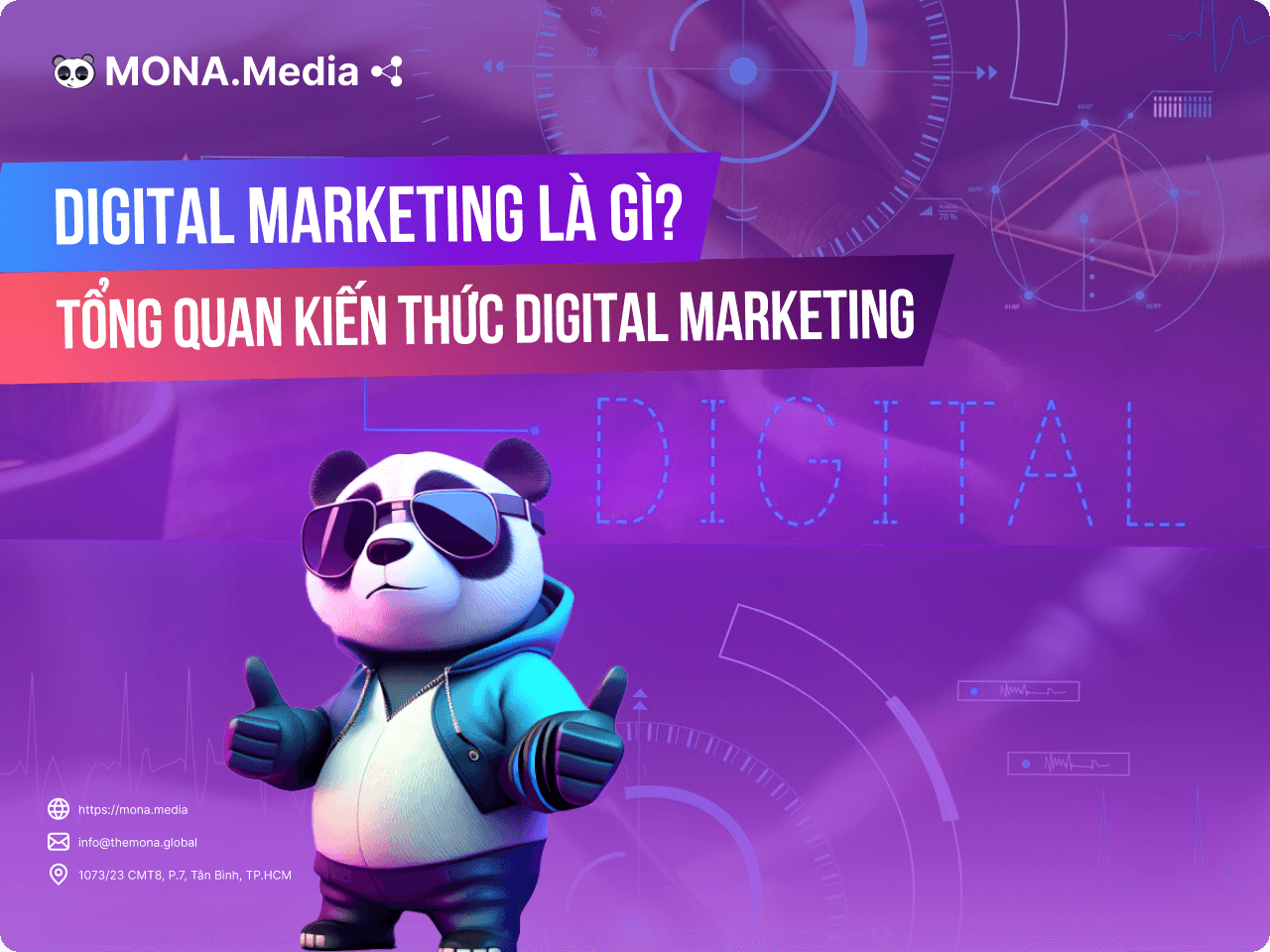
Digital Marketing has become a very familiar term in marketing in recent years. Businesses now take digital marketing seriously to attract customers more effectively and compete better with rivals. So specifically, Digital Marketing ? what does Digital Marketing involve? How do you carry out an effective Digital Marketing strategy? All of these questions are MONA Media answered in today's article.
What is Digital Marketing? Digital Marketing covers all marketing activities carried out on digital, electronic and internet platforms, and it appears in every tool of the marketing mix (4P/7P/8P). Today, Digital Marketing is usually understood simply as digital communication.

However, when you dig into the definitions and concepts of this field, you run into many different opinions, which makes it hard to find accurate, suitable information. Below are definitions of Digital Marketing from well-known marketing experts and academics around the world.
Theo Philips Kotler: "Digital Marketing, or electronic marketing, is the process of planning product, price, distribution and promotion for products, services and ideas to meet the needs of organizations and individuals, based on electronic means and the Internet."
Another expert defines digital marketing this way:
Theo Joel Reedy: "Electronic marketing (Digital Marketing): all the activities that satisfy customers' needs and wants through the internet and electronic means."
The main purpose of strategies and Digital Marketing services is to help businesses build an effective, lasting online business environment. With the right tools, a business can attract more potential customers, earn their interest and trust, increase sales and spend less on advertising than with traditional methods.

What does Digital Marketing involve? Ever wondered what a marketer actually does in digital marketing? The answer is in the notes below:
In short, a marketer's work is about using the power of digital technology and online channels to build relationships with customers, strengthen brand awareness and drive business growth.
-> Read more:

Besides learning what Digital Marketing is and what it involves, future Digital Marketers also need to build the following skills:
If you want your company to stop swinging between busy months and empty ones, this video is worth watching. Hùng shares 7 ways to find customers that helped MONA bring in more leads and close sales more reliably. Watch it for a more practical look at how it's done.

Digital Marketing has a wide range of roles, depending on the size and structure of the organization. Here are some common ones to know.
Digital marketing now has a real effect on how a business grows, because of what it gives you in return. Here are the main benefits digital marketing brings to a business:
Google has become the “guide” people turn to for almost everything they do, and digital marketing is how businesses find customers, reach them and turn that into revenue. Convenience is one of the benefits you cannot overlook.
A business can keep working regardless of time and place. Customers can search, order, read reviews and talk about a product easily.

Compared with traditional channels such as print, radio, events and TV, digital marketing performs better and costs much less to get started.
With digital marketing, you can:
The biggest advantage of digital marketing is that information spreads quickly, with no geographic limits. The internet reaches the whole world, so digital marketing can get to people quickly and easily. By combining different channels, it can reach many groups of customers in a single click, which gives a business more chances in the market and more sales.
Digital marketing gives you real-time data. You can grow your brand and compete better by reading your reports, your website traffic and the products customers search for most.
With digital analytics tools, a business can measure how interested customers are through numbers such as views, shares, clicks, website visits and post reach, along with the matching costs to estimate ROI. Digital marketing also makes it easy to measure the profit and cost of each campaign, so you can adjust the campaign as you go.
-> Read more: Using Google Analytics to measure and grow your website

Online, it is easier than ever for customers and businesses to talk to each other. A business can collect customer feedback through these interactions and adjust its products, services and digital marketing campaigns to fit what customers need and want.
Building relationships with customers also helps a business identify the target groups to focus on, so it can advertise across many channels, often, without spending too much. Interacting with customers on these channels also shows how loyal they are, which helps with future marketing plans.
Finding the right target customers to reach, engage and build relationships with matters a lot. If a campaign is not aimed at the right group, the business will not get the results it wants. In digital marketing, you can use the customer data you already have, user information systems and tools to find the right target group.
Digital marketing is an important part of a modern business strategy, but to use it well you first need the right business mindset. The video below gives a realistic look at business and marketing thinking, so you can approach digital marketing more accurately and effectively.
Analysing your environment and researching your marketing strategy is a key step toward a successful digital marketing campaign. It helps a business aim at the market it wants and respond well to Customer insight.
When you analyse and research digital marketing strategies, focus on the 3 environmental factors below:

Analysing and assessing your microenvironment is an important step before planning any digital marketing campaign.
Analysing a business's microenvironment covers the factors directly tied to its operations and brand, and it also needs to look at things like: suppliers, customers, partners, competitors, the public and many other factors.
The macroenvironment matters in digital marketing. It covers the many forces that shape the whole industry, but it does not affect a business directly. It usually has 5 main components: demographics, economy, technology, society and culture, and politics and law.
->Read more: 5 accurate ways to define your customer persona
A business's internal environment covers the factors inside the organisation, and it also depends on outside factors such as location, market, competitors and government policy. Internal factors such as people, budget, equipment and technology, business strategy, company history and culture still play a key role in digital marketing.
So a business needs to analyse these factors carefully to see which ones cannot change, which ones should feed into its communication and digital marketing, which strengths it can use, and which factors need to change.

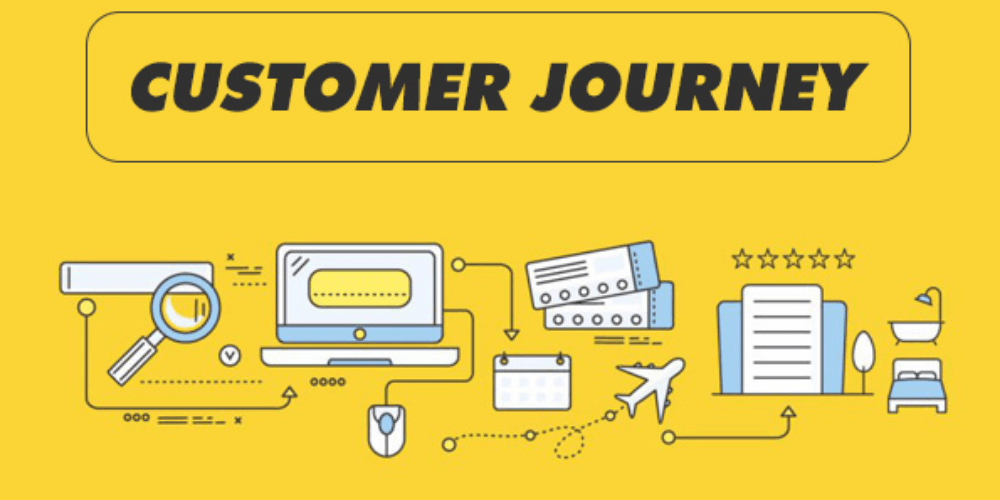
The customer journey is seen as a key factor in a successful digital marketing campaign. In fact, 80% of marketing professionals say the customer journey directly affects campaign results which is why businesses need to pay attention to it.
The customer journey (Customer Journey) plays important roles such as:
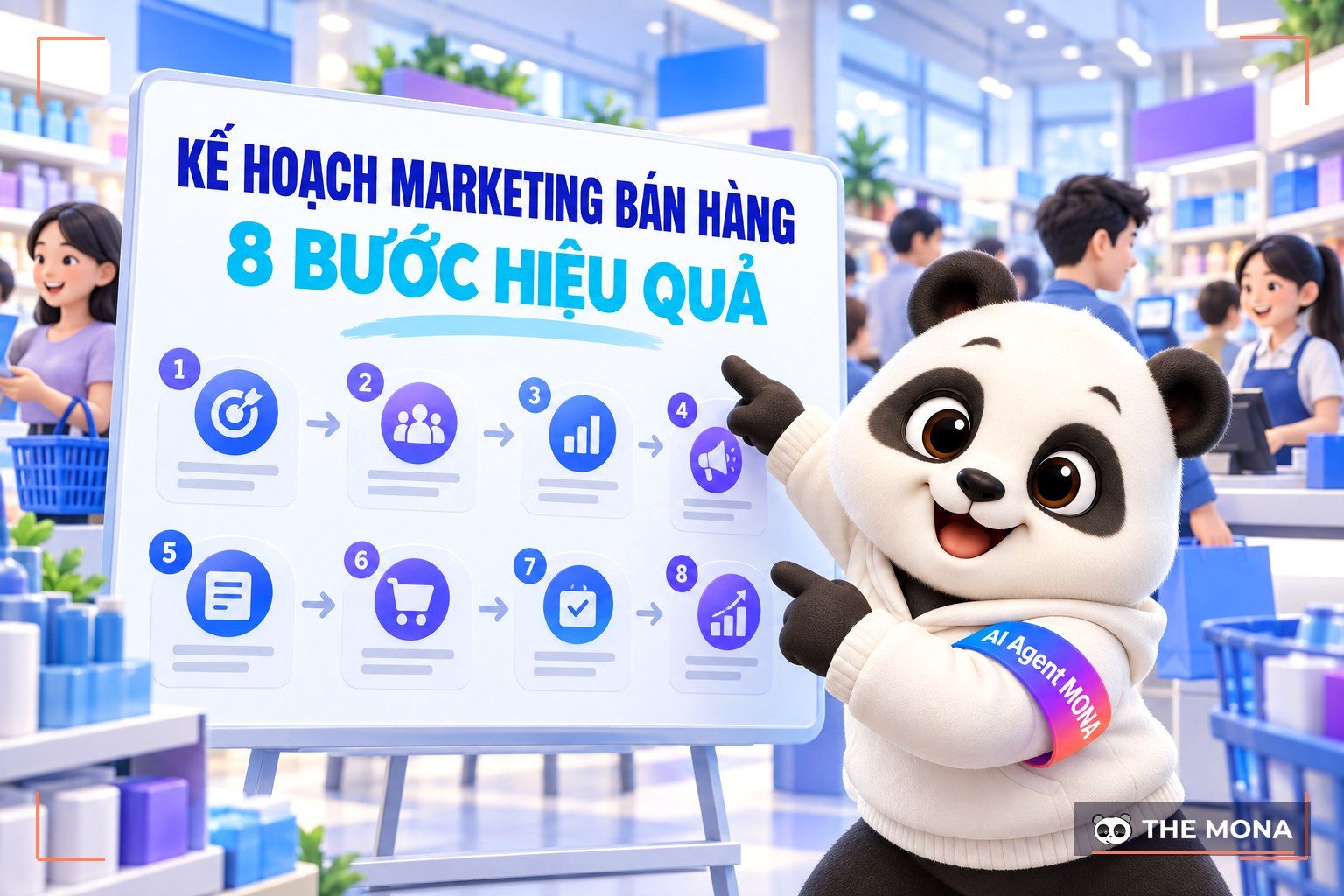
A detailed, complete digital marketing plan helps a business decide how best to reach customers and get the best results. To build an effective digital marketing strategy, follow the steps below:

The first and most important step is to set your business goals so you can allocate resources well. Make your goals specific, measurable, achievable and relevant to your business. Set a deadline too, so you stay focused and give each goal the right amount of time.
Before running any digital marketing campaign, research and analyse the market. This tells you what customers need and what your competitors are doing, so you can choose the right strategies for your digital marketing.
-> Read more: 5 steps to narrow down your target market that works
To run a successful campaign, you need to know exactly what message you want customers to get, for example launching a new product or boosting sales of an existing one. A clear, specific message makes your campaign more likely to succeed.

Once you have set your goals, researched competitors, defined your message and worked out your product's strengths and weaknesses and what customers need, choosing your channels becomes a key part of your marketing strategy.
Choose channels that fit your campaign and your product or service. The most popular digital marketing channels in Vietnam are: Google, Facebook, Tiktok, Youtube, Instagram, Email,…

How you allocate your budget and resources has a big effect on the success of your digital marketing campaigns:
Measuring and evaluating is an essential step in any digital marketing plan. You can review results every 1, 3 or 6 months, depending on what your business needs.
This step helps you see the strengths and weaknesses of each campaign, and learn what to fix so the next campaigns do better.
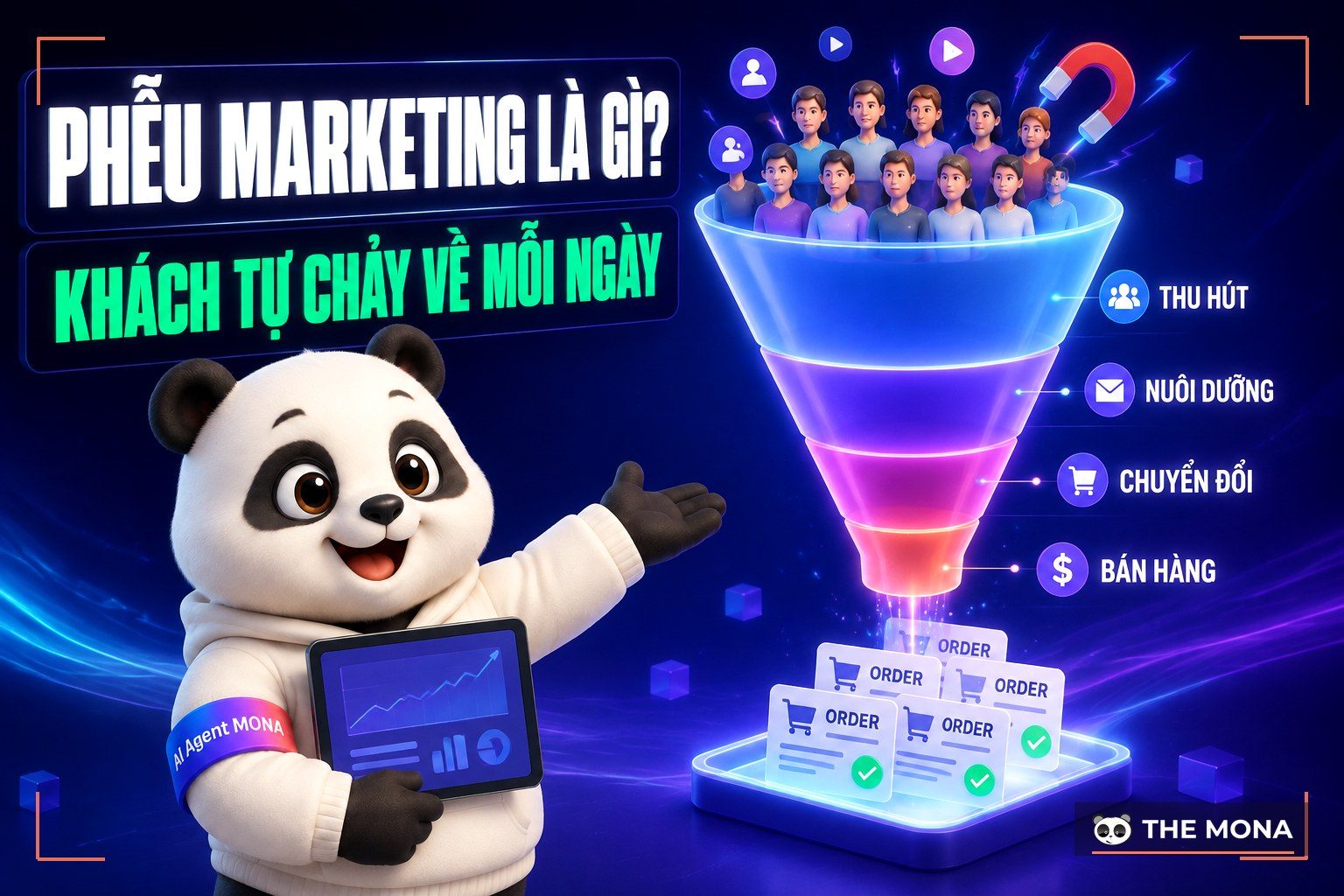
->Read more: What is a marketing funnel? How to build one for your business
To give you a clearer overview of digital marketing and how to run effective strategies, here are the most common types of digital marketing:
The first two common methods are Search Engine Marketing (SEM) and SEO. SEM is marketing on search engines, which includes both paid advertising (PPC) and search engine optimization (SEO):

This type of marketing focuses on improving your website's rankings on search engines without paying for each click, by optimising your content and site structure. This increases your visibility and brings in organic traffic from people searching for keywords related to your products or services.
Unlike SEO, PPC is a paid advertising method where you pay every time someone clicks your ad. PPC brings traffic to your website quickly, but it needs a set advertising budget.
Combining SEO and PPC gives you the full benefit of both, sharpens your marketing strategy and strengthens your business's online presence.
As technology and social media grow quickly, interactive advertising is a method that lets a business reach and engage directly with potential customers effectively. Beyond showing a product or service, it gives customers a space to take part, comment and share, so they remember the brand longer and feel warmer toward it.
Interactive advertising plays a big part in raising conversion rates and is especially useful for building long-term relationships with customers.

As social media platforms keep growing, social media has become an essential part of every business's digital marketing strategy.
Digital marketing on social networks such as Facebook, Twitter, Instagram,… helps a business reach more customers and creates strong interaction between buyers and sellers. With social media, a business can make full use of the internet to spread its message quickly and effectively.
Viral Marketing is an effective digital marketing strategy that uses how fast content spreads on online platforms to catch the attention of a large audience.
Viral marketing takes creativity and a deep understanding of your target audience, so you can make content people want to share with their own networks. Viral campaigns can deliver outstanding results and big benefits without a large investment.
Unlike traditional PR, online PR uses the internet and web 2.0 platforms to interact with customers and the public. Common channels include blogs, forums, social networks such as Facebook, LinkedIn and Twitter, and video or podcast platforms.
Online PR is a fast, effective way to reach target customers, and it is easy to measure and adjust your strategy based on user feedback.

This method lets you send information straight to your target audience's inbox. Email Marketing helps a business build long-term relationships with customers through regular newsletters, new product updates and special offers. A successful email marketing campaign needs engaging content, a clearly segmented email list and a sensible sending schedule.
This type of marketing focuses on optimising marketing campaigns for mobile devices, so a business can reach customers anywhere, at any time.
Today, consumers, especially young people, spend most of their time on mobile devices. Investing in mobile marketing improves the user experience, makes your marketing more effective, and makes sure you do not miss any chance to reach customers.
Telemarketing is marketing by phone, where a business introduces its products and services and gives customers information directly and effectively. Telemarketing goes beyond selling: it also covers generating leads, re-engaging past customers and market research.
Because it is direct, telemarketing is a useful way to understand customer needs, collect important information and get the right message to your target audience.
With SMS Brandname, messages are sent from a brand name instead of a phone number. This raises open rates and makes the brand look more trustworthy and professional to the people who receive it.
In digital marketing, SMS Brandname is widely used for marketing and customer care campaigns. Its big advantage is an open rate of nearly 100% and about 70% of recipients keep the message, SMS Brandname gives businesses a strong way to lift conversion rates across their marketing campaigns.

The concept of Online Marketing (online marketing) and the concept of Digital Marketing (digital marketing) are different, even though people often mix them up. Online marketing focuses on online advertising, while digital marketing covers every marketing activity that uses digital technology.
For the specific differences between digital marketing and online marketing, see the table below:
| Comparison | Digital Marketing | Online Marketing |
|---|---|---|
| The concept of | Digital marketing means using digital channels (devices and platforms) to reach users and deliver a brand's marketing message. | Online marketing is part of digital marketing and covers the marketing activities carried out over the internet. |
| Features | It needs not only online devices and platforms, but also a wide range of marketing techniques. | An internet connection is required. |
| Effective |
Wide reach and effective engagement with customers. |
Reach and engagement depend on the marketing platform and the tools you use. |
When you measure the success of your digital marketing campaigns, focus on the metrics below:

ROI is a key metric that shows a business how much sales revenue each digital marketing campaign generates.
The ROI formula: Sales revenue / budget spent.
CPW (Cost Per Wafer) is the average cost your business pays for each order.
The standard formula for CPW = Budget spent / Number of orders.
Calculating and tracking CPW matters for any business that wants to cut costs and improve results. There are also a few ways to lower CPW, such as: shortening order processing time, speeding up delivery, optimizing ad spend, and using cost-saving tools.
Cost per lead (CPL) is a key digital marketing metric for measuring campaign performance. It tells you how much it costs to win one potential customer from your marketing campaigns.

Conversion rate (Conversion Rate) is a key metric for judging how well a digital marketing campaign performs. It is calculated from the ratio between the number of times a digital marketing goal is completed and the number of visits. To raise your conversion rate, look at and improve factors such as content, user experience, and the way you approach customers.
Incremental sales is a metric that measures how much a business's revenue grows over time. This metric shows how well your digital marketing works and what effect it has on your sales.
1. Where should I start with digital marketing?
The best starting point is to understand your target audience and your business goals. Then choose the digital channels that suit your audience, create engaging content, and run ad campaigns to attract customers.
2. Does digital marketing require a lot of technical skill?
Digital marketing combines technical elements with creative skills. You don't need deep technical knowledge, but understanding the technologies, tools and technical side of digital marketing will help you work more effectively.
3. Is it expensive?
The cost of digital marketing varies with the size and goals of your business. That said, digital marketing is usually flexible, and you can adjust spending to fit your budget. You can start small and increase spending as your results improve.
In this article, MONA Media has answered the question What is Digital Marketing and shown how to run effective digital marketing strategies. We hope this knowledge helps you build the best campaigns for your goals.

CEO & Founder · The MONA
Founder of The MONA, who built a services company of 200+ staff with 14,000+ projects delivered. Khánh Hùng shares how he thinks about building systems that run themselves, automating a business, and the real lessons from delivering projects at MONA.
 1,6K




Professional website
design services
Own a website with a beautiful, 100% exclusive design and a lifetime warranty, with the ability
to expand features flexibly as your business grows, starting today!






 MONA will never sell your information or send you spam


 MONA will never sell your information or send you spam
