
 MONA OS 2.0
 Partner with MONA


 Tự động hoá doanh nghiệp
 Cẩm nang SEO
 Digital Marketing
 Kinh nghiệm thiết kế website
 Hạ Tầng Server
 Giáo dục


 VI
 EN














Message us on
Zalo Official


 ProductsNew

 ProductsProducts
 Mới ra mắtKHA AI 2027App tự edit video, tự đăng mọi mạng xã hội, 2 phút mỗi ngày










 Website designLooks good and wins customers over.
SEO servicesBrings in customers searching for exactly what you sell.
 Tư vấn digital marketingKéo khách từ nhiều kênh, đo bằng số thật.
Corporate video productionVideos introducing your company, factory and team.
 NewAI video productionCompany story films made with AI.
 Custom software developmentCRM, ERP and HRM built for your business.
 Viết AI Agent theo yêu cầuĐặt riêng một trợ lý AI cho đúng việc của mình.
 Tư vấn chuyển đổi AIĐưa AI vào vận hành của cả công ty.
NewMONA LMSManagement for centers and schools.
MONA SkillHubInternal training for company staff.
 NHTQ systemEnd-to-end China–Vietnam shipping operations.
MONA JMSManagement for gold, diamond and pawn shops.
 MONA E-LearningA website with every feature you need to sell courses.
 How to sell online courses (course)More than 30 free lessons on selling courses on autopilot.
 MONA Cloudmonacloud.vnServers to get your apps and websites running.
 MONA Basemonabase.vnPostgres database, sign-in and file storage.
 MONA Mailmonamail.vnSend OTP, order and invoice emails from your software.
 MONA Paymonapay.vnAccept bank transfers via VietQR and notify your software when the money arrives.
 MONA eInvoiceComing soonIssue e-invoices that meet tax standards.
Gấu CườiTrả lời khách 24/7 trên web, Fanpage, Zalo và thu lead cho sale.
 Gấu TeleSalesGọi điện tư vấn, chăm khách như tổng đài viên thật.
Dê CườiTư vấn và chốt đơn cho shop ngay trong khung chat.
Gấu WebmasterNhắn nhóm Zalo là website được sửa xong.
 Gấu Pháp ChếSoạn hợp đồng, rà điều khoản trong vài phút.
 Gấu Báo GiáLên báo giá đúng mẫu và gửi khách ngay.
 AI chăm sóc khách hàngTheo dõi và giữ chân khách hàng cũ.
 Gấu Tuyển DụngLọc hồ sơ, hẹn lịch, phỏng vấn ứng viên.
 Mới ra mắt
KHA AI 2027
Xây kênh chuyên gia 2 phút mỗi ngày
Quay bằng điện thoại, AI tự edit video, tự đăng lên 16 nền tảng và tự trả lời bình luận, tin nhắn.
834.956lượt xem trên kênh CEO MONA sau 27 ngày
 Anh Khánh HùngCEO MONA đang dùng mỗi ngày
Xem app làm được gì
 AI
Gấu Cười MONA ĐANG TỰ XÀITrả lời khách 24/7 trên website, Zalo OA, Messenger và thu lead về cho sale.
Dê CườiChốt đơn bán lẻ và sàn: Shopee, TikTok Shop, web. Chăm cả khách sỉ, đại lý.
Gấu WebmasterCập nhật nội dung, tối ưu SEO website mỗi ngày.
Gấu TeleSalesGọi điện tư vấn, chăm khách như tổng đài viên thật.
Gấu Tuyển DụngLọc hồ sơ, hẹn lịch, phỏng vấn ứng viên tự động.
AI chăm sóc khách hàngGiữ khách cũ, cứu lead đã rớt cho phòng kinh doanh.
Gấu Pháp ChếSoạn hợp đồng, rà điều khoản trong vài phút.
Gấu Báo GiáLên báo giá đúng mẫu, gửi khách ngay khi có yêu cầu.
 Chuyển đổi AI toàn phầnGiải pháp tổng cho doanh nghiệp, 3 lớp triển khai.
 Viết AI Agent theo yêu cầuĐặt riêng một con AI gánh đúng nghiệp vụ của bạn.
 Custom softwareCRM, ERP and HRM with built-in AI automation.
 SEO & AEO thời đại AIĐược Google lẫn AI trích dẫn, không chỉ xếp hạng.
 Kiến thức AI cho doanh nghiệpBài phân tích, hướng dẫn ứng dụng AI vào vận hành.
 Free AI courses
 AI tools at work
App mới · KHA AI 2027
Xây kênh 2 phút mỗi ngày
AI tự edit video, tự đăng mọi mạng xã hội
Free consultation, 8am–10pm every day

18 March, 2023

Key Performance Indicator – Key Performance Indicator (KPI) is a numerical value showing whether your organization or company is achieving its stated goals. Teams and leaders use KPIs to evaluate the performance of the whole company's business processes and of individuals. Tracking KPIs helps you assess company performance and make data-based decisions on how to grow the company. Today Mona Media will walk you through what KPI is? Why KPIs matter and how to use them effectively.
Besides being called a performance indicator, KPI is also known as performance rate or business metric. You can find more definitions on Wikipedia or Investopedia. When starting an online business, the usual tasks are defining the organization's scale, drawing up a specific business plan, designing an introduction website for the business, setting up an office, recruiting staff, planning KPIs…
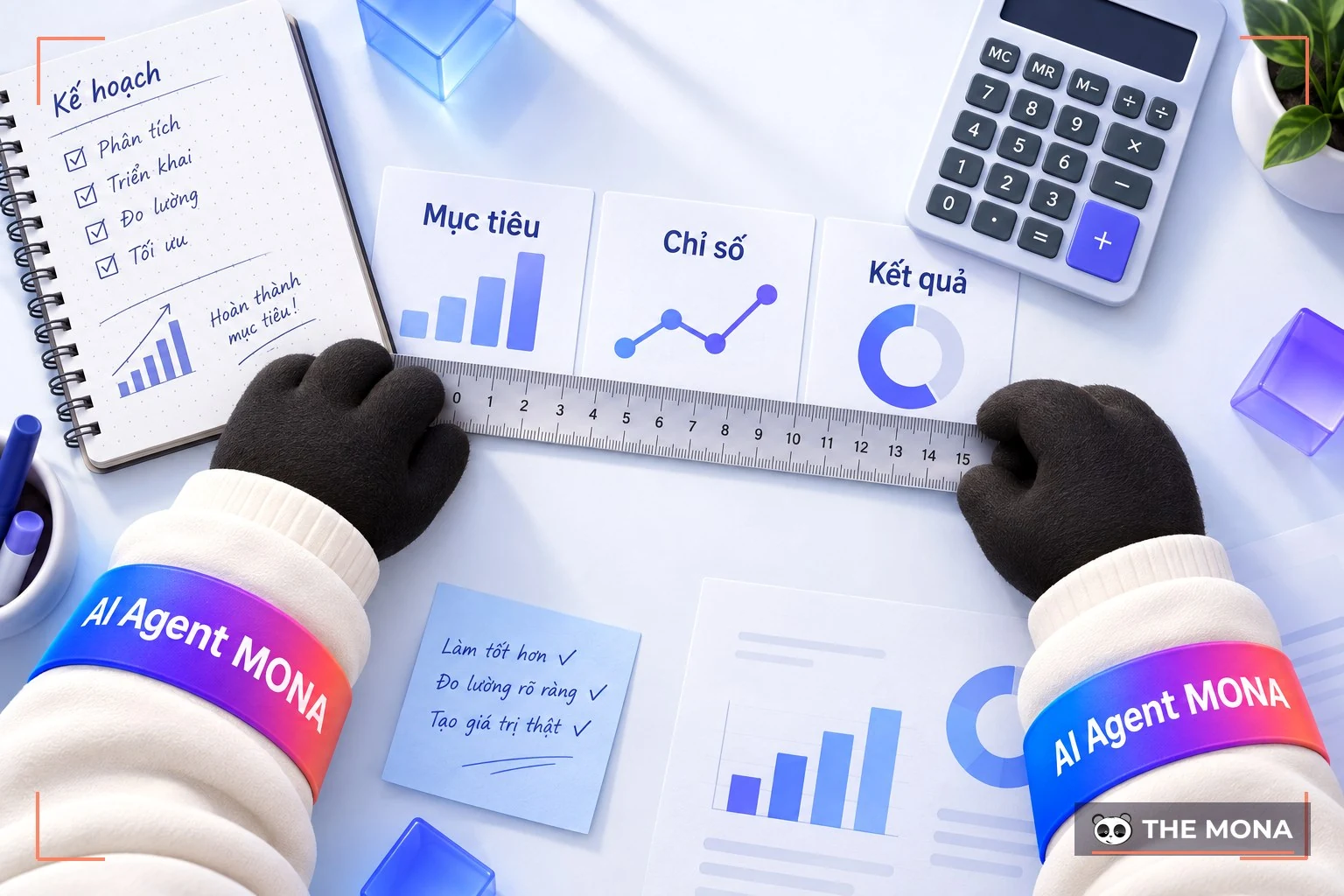
what KPI is
Some KPI examples:
Project procrastination is one of the reasons businesses struggle to reach their desired KPIs, especially without outside pressure. Watch the video to learn effective strategies for setting and achieving KPIs.
KPIs are evaluated in the business's overall ERP management system, and each department has different KPIs. This brings many benefits to the business. Specifically:
Depending on the company's purpose and goals, you can set and track KPIs in different ways. Choosing the right KPIs from the start is essential to get useful information and a solid base for your company's operations. Each business unit should have its own KPI measures, since each has different tasks and purposes.
There are five main types of KPI:
Business KPIs help measure success against long-term business goals. By tracking business metrics, companies can navigate key business processes and spot areas of slow growth.
Common business KPI examples:
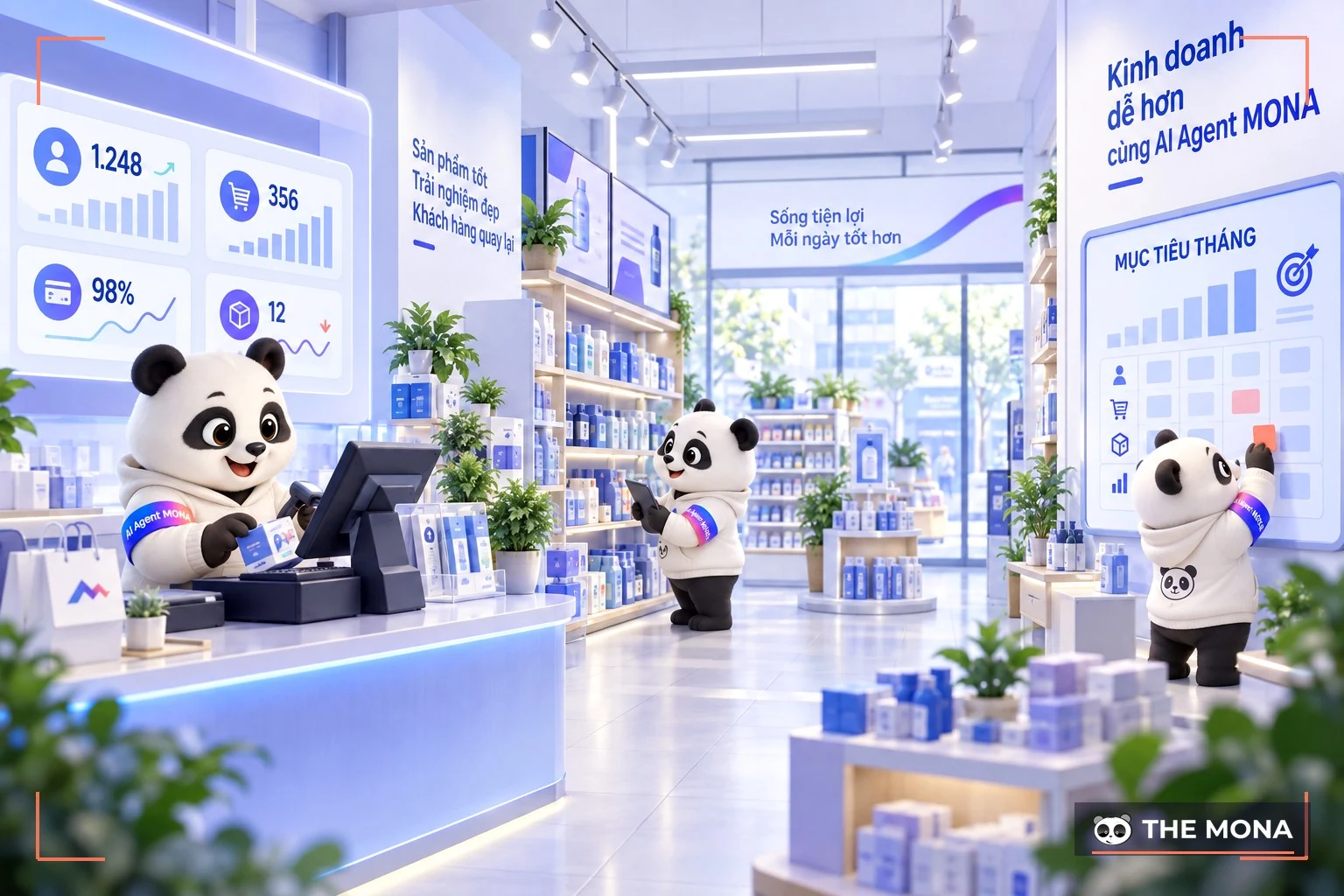
Driving growth with a business KPI strategy
Financial KPIs are usually monitored by the organization's leadership and finance department. Financial metrics show how well the company is doing at generating revenue and profit.
Financial KPI examples:
Sales KPIs are values used by sales teams to track their ability to reach key sales goals and objectives. Sales metrics help track monthly results and achieve sustainable revenue growth.
Some common sales KPIs:
Sales KPIs can be tracked on a sales dashboard.
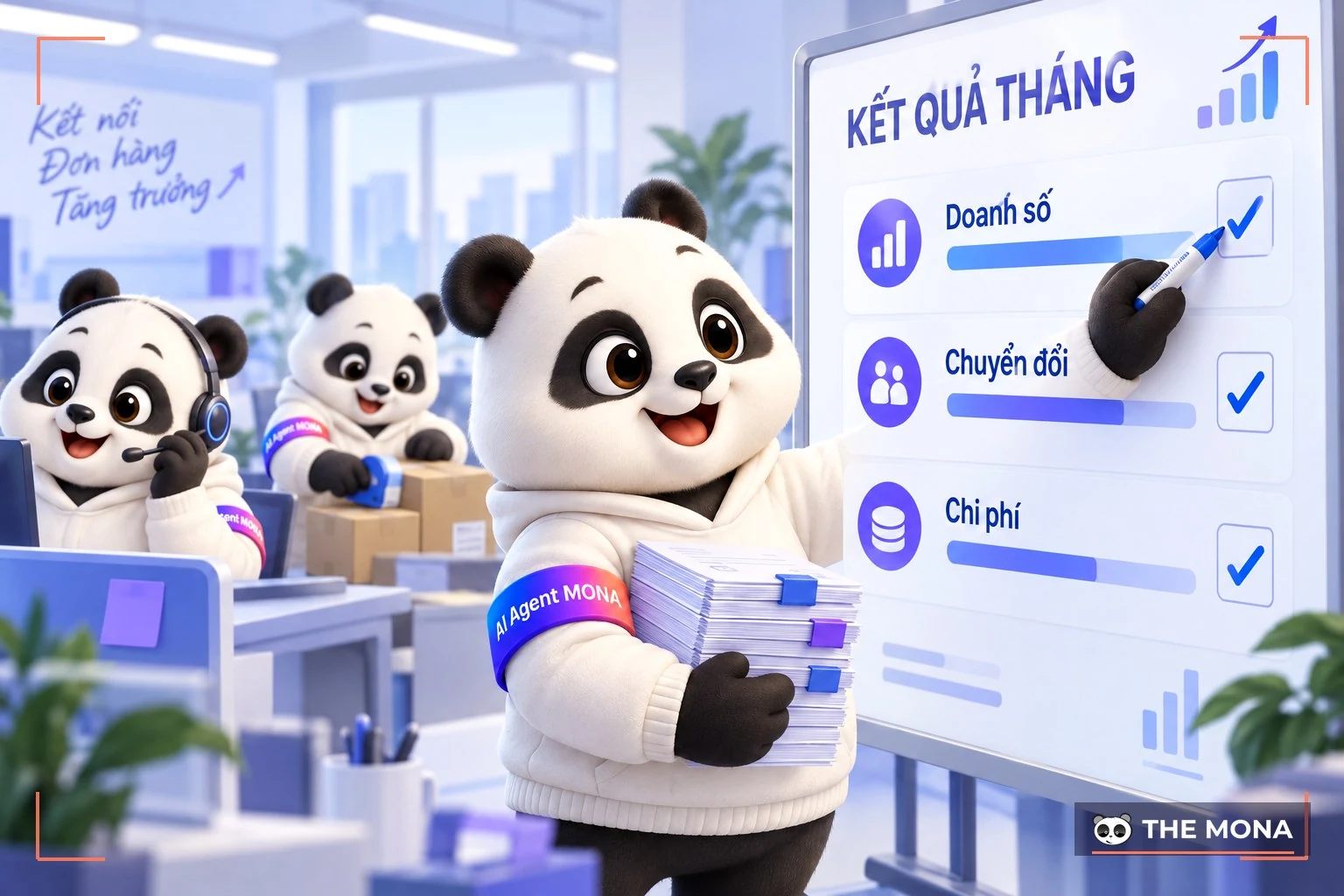
Measuring revenue with sales KPIs
The business's Marketing KPIs help marketing teams track their chances of success across all marketing channels, giving them a quick overview of marketing metrics that show how well the marketing team is doing at winning new potential customers.
Marketing KPI examples:
Project management KPIs are used by project managers to track project progress and the percentage of set goals achieved. Companies and organizations use these project metrics to identify projects likely to succeed and to meet requirements at key moments.
Common project management KPIs:
High-level KPIs show the company's overall performance. Examples include annual growth, annual recurring revenue (ARR) and customer market share. Individuals do not affect these metrics alone, since they result from teamwork across many departments.
Low-level KPIs show the performance of specific departments or individuals. Low-level business metrics are tied to each department's day-to-day work.
KPIs can be used to monitor your company's performance across all departments. Use a KPI dashboard and add your metrics to it for a quick overview of each key goal. A KPI dashboard is a real-time reporting tool that collects, groups, organizes and illustrates the company's key metrics. You can set up several KPI dashboards to track results for each department's goals. KPI management and calculation tools are often built into task and project management software.

KPI dashboard
The biggest value of a modern business dashboard is real-time information about a company's performance. As a result, business leaders and teams can make decisions based on real data instead of gut feeling. A comprehensive real-time business dashboard immediately shows problem areas and helps find solutions to critical issues.
Here are five essential questions everyone should answer before creating a KPI dashboard:
Building the KPI system by process helps the business run more smoothly and effectively. Each company, business and project has its own process and way of building KPIs, since it depends on each unit's purpose. Still, there is a common standard, a framework for the process of building a KPI system, along with the following factors:
Departments build their own KPI systems: the functional departments can build the KPI system for the positions in their own department directly, guided and supported on method by specialists (the HR department or other experts).
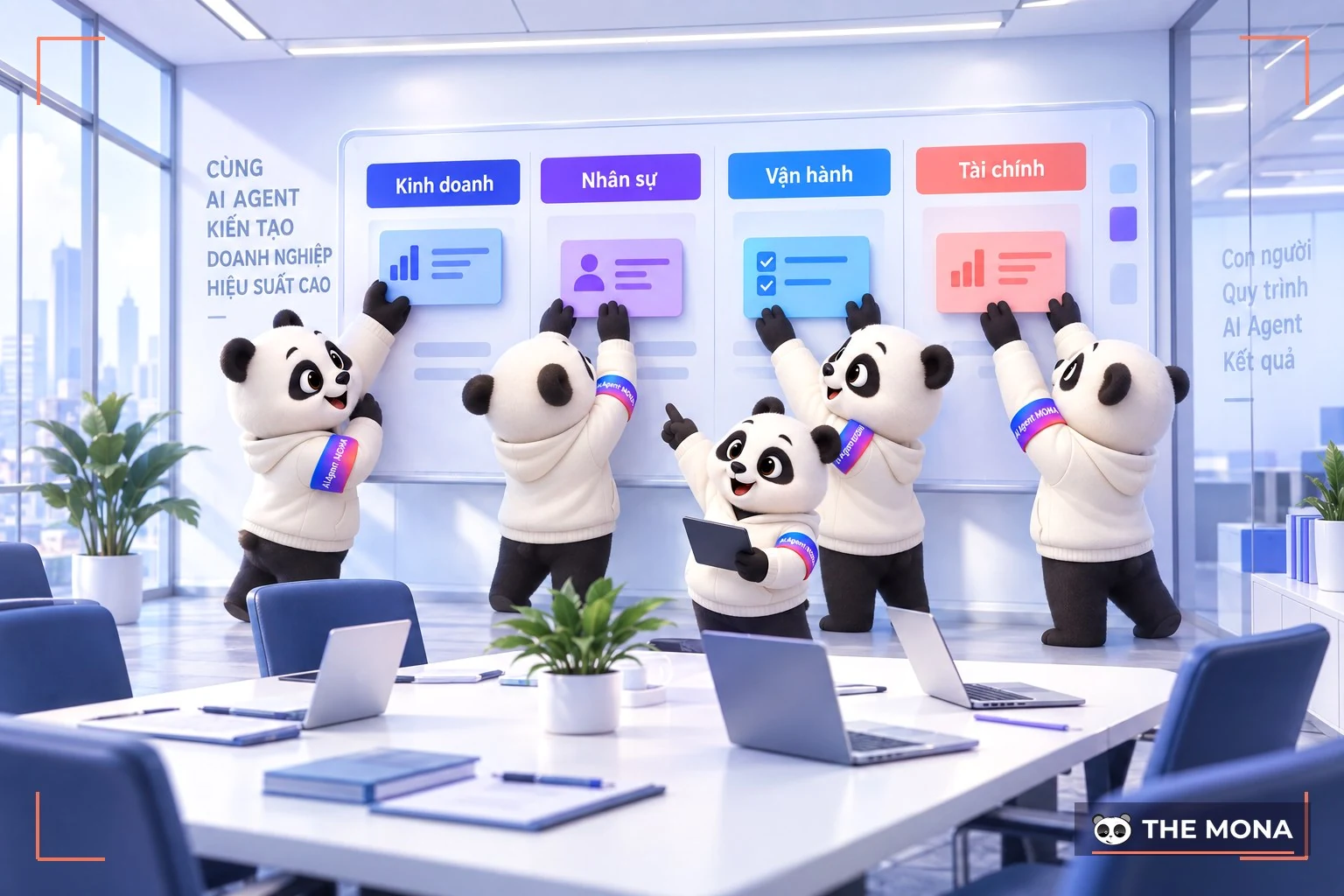
To build a KPI system you must clearly define the functions and tasks of each department, project or individual. Each unit has different functions and tasks, so KPIs cannot be applied uniformly; they must follow the real nature of their work.
You need a clear, detailed description of each person's work, tied to the responsibilities of their job title. This is the foundation for building a KPI system that fits your business closely. Each person and department then has to carry out their own responsibilities to reach the goals that were set.
Key KPIs are defined by the following criteria:
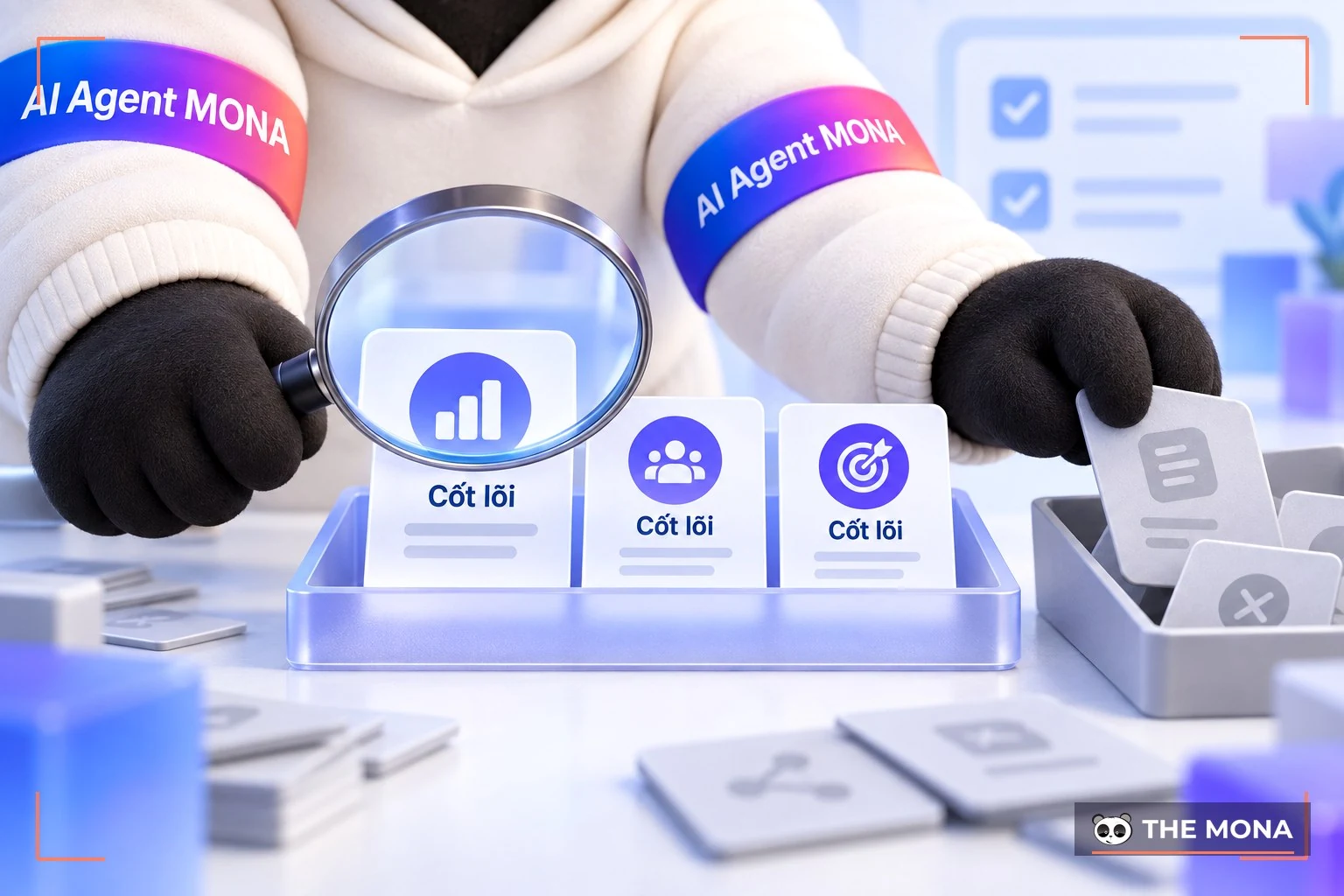
Each indicator has different score levels, depending on how much of the work is completed and how well. Scores are usually split into 2 to 5 levels, each with its own number of points, based on the result achieved. More levels make performance reviews easier and more objective. Splitting the criteria and levels too finely, however, makes scoring harder.
The main reason KPIs exist is to lead a business to the business goals and strategy it has set. So you cannot focus only on what you want to measure and how, or on how to collect performance data, without saying what you are aiming for. This is the step where you state the business goal and also the result you want to reach within a fixed period of time. A good goal is:

Measure the overall KPI results after the work period
Using the scoring scales above, managers or department heads add up the total score, draw conclusions and make adjustments where needed. Depending on the department and job title, managers adjust KPIs flexibly. A business can also bring in experienced consultants to work with its own staff to review results and set suitable KPI adjustments.
To choose the right KPIs, you need to know your business goals. Every KPI you track must be measurable and tied to a specific goal. It is better to focus on a few key indicators than to spread across many unrelated figures, to monitor only the KPIs that matter to your organization, and to make sure every element of your business meets the SMART criteria:
SMART KPIs mean:

KPI Smart
Remember that KPIs differ by industry, growth stage and project stage. Follow industry standards only when they fit your goals and expectations. Also remember that the metrics you track will change as your company grows and scales. Use the examples above to decide whether a KPI suits your business and your team.
Running a successful business is easier when KPIs give you an overview of where you stand. You understand historical trends, current progress and past problems better, and you can use that information to keep growth sustainable in the future.
Conclusion
KPI (Key Performance Indicator) is a measurable value that shows whether a team, organization or company is reaching the goals it has set. There are five main types of KPI: business, financial, sales, marketing and project management KPIs. KPIs are usually tracked with real-time reporting tools, also called KPI dashboards. Each of your KPIs must meet the SMART criteria, meaning specific, measurable, achievable, relevant and time-bound, and you should only track metrics tied to your organization and business goals.
If you also need HR management or KPI management software, you can get software advice from MONA by pressing the consultation button below or contact us on the hotline 1900 636 648.


CEO & Founder · The MONA
The founder of The MONA built a service company of 60+ staff with 14,000+ projects delivered. Khánh Hùng shares his thinking on building self-running systems, automating a business, and the real lessons behind MONA's projects.
 1,5K




Professional website
design services
Own a website with a beautiful, 100% exclusive design and a lifetime warranty, with the ability
to expand features flexibly as your business grows, starting today!






 MONA will never sell your information or send you spam


 MONA will never sell your information or send you spam
