
 MONA OS 2.0


 Tự động hoá doanh nghiệp
 Cẩm nang SEO
 Digital Marketing
 Kinh nghiệm thiết kế website
 Hạ Tầng Server
 Giáo dục



 VI
 EN














Message us on
Zalo Official


 ProductsNew

 ProductsProducts
 Mới ra mắtKHA AI 2027App tự edit video, tự đăng mọi mạng xã hội, 2 phút mỗi ngày










 Website designLooks good and wins customers over.
SEO servicesBrings in customers searching for exactly what you sell.
 Tư vấn digital marketingKéo khách từ nhiều kênh, đo bằng số thật.
Corporate video productionVideos introducing your company, factory and team.
 NewAI video productionCompany story films made with AI.
 Custom software developmentCRM, ERP and HRM built for your business.
 Viết AI Agent theo yêu cầuĐặt riêng một trợ lý AI cho đúng việc của mình.
 Tư vấn chuyển đổi AIĐưa AI vào vận hành của cả công ty.
NewMONA LMSManagement for centers and schools.
MONA SkillHubInternal training for company staff.
 NHTQ systemEnd-to-end China–Vietnam shipping operations.
MONA JMSManagement for gold, diamond and pawn shops.
 MONA E-LearningA website with every feature you need to sell courses.
 How to sell online courses (course)More than 30 free lessons on selling courses on autopilot.
 MONA Cloudmonacloud.vnServers to get your apps and websites running.
 MONA Basemonabase.vnPostgres database, sign-in and file storage.
 MONA Mailmonamail.vnSend OTP, order and invoice emails from your software.
 MONA Paymonapay.vnAccept bank transfers via VietQR and notify your software when the money arrives.
 MONA eInvoiceComing soonIssue e-invoices that meet tax standards.
Gấu CườiTrả lời khách 24/7 trên web, Fanpage, Zalo và thu lead cho sale.
 Gấu TeleSalesGọi điện tư vấn, chăm khách như tổng đài viên thật.
Dê CườiTư vấn và chốt đơn cho shop ngay trong khung chat.
Gấu WebmasterNhắn nhóm Zalo là website được sửa xong.
 Gấu Pháp ChếSoạn hợp đồng, rà điều khoản trong vài phút.
 Gấu Báo GiáLên báo giá đúng mẫu và gửi khách ngay.
 AI chăm sóc khách hàngTheo dõi và giữ chân khách hàng cũ.
 Gấu Tuyển DụngLọc hồ sơ, hẹn lịch, phỏng vấn ứng viên.
 Mới ra mắt
KHA AI 2027
Xây kênh chuyên gia 2 phút mỗi ngày
Quay bằng điện thoại, AI tự edit video, tự đăng lên 16 nền tảng và tự trả lời bình luận, tin nhắn.
310.136lượt xem trên kênh CEO MONA sau 17 ngày
 Anh Khánh HùngCEO MONA đang dùng mỗi ngày
Xem app làm được gì
 AI
Gấu Cười MONA ĐANG TỰ XÀITrả lời khách 24/7 trên website, Zalo OA, Messenger và thu lead về cho sale.
Dê CườiChốt đơn bán lẻ và sàn: Shopee, TikTok Shop, web. Chăm cả khách sỉ, đại lý.
Gấu WebmasterCập nhật nội dung, tối ưu SEO website mỗi ngày.
Gấu TeleSalesGọi điện tư vấn, chăm khách như tổng đài viên thật.
Gấu Tuyển DụngLọc hồ sơ, hẹn lịch, phỏng vấn ứng viên tự động.
AI chăm sóc khách hàngGiữ khách cũ, cứu lead đã rớt cho phòng kinh doanh.
Gấu Pháp ChếSoạn hợp đồng, rà điều khoản trong vài phút.
Gấu Báo GiáLên báo giá đúng mẫu, gửi khách ngay khi có yêu cầu.
 Chuyển đổi AI toàn phầnGiải pháp tổng cho doanh nghiệp, 3 lớp triển khai.
 Viết AI Agent theo yêu cầuĐặt riêng một con AI gánh đúng nghiệp vụ của bạn.
 Custom softwareCRM, ERP and HRM with built-in AI automation.
 SEO & AEO thời đại AIĐược Google lẫn AI trích dẫn, không chỉ xếp hạng.
 Kiến thức AI cho doanh nghiệpBài phân tích, hướng dẫn ứng dụng AI vào vận hành.
 Free AI courses
 AI tools at work
App mới · KHA AI 2027
Xây kênh 2 phút mỗi ngày
AI tự edit video, tự đăng mọi mạng xã hội
Free consultation, 8am–10pm every day

18 March, 2023

Maybe you're wondering:
If you are looking for answers to these questions, understanding what a blog really is will help you set the right direction, whether your goal is building a personal brand, sharing knowledge or growing an online business. In this article, MONA Media explains what a blog is, how a blog differs from a website, and how to start blogging effectively. Let's get started.
A blog is a kind of online journal where an individual or a group of authors share opinions, experience or information on any topic they care about. Posts are usually shown newest first, so readers can easily follow the latest updates.
The word "blog" comes from "weblog," a web journal that appeared in the 1990s and quickly grew into a popular form of content that anyone can create and run.

Blog posts can take many forms, such as text, images, video or infographics, and they are usually personal and reflect the author's own point of view. Many people still confuse a blog with an ordinary website, so the next section explains the difference.
Blogging means creating content as posts on a blog, usually about sharing knowledge, experience, opinions or a subject the author knows well. Blog content can combine text with images, video or audio, and it is updated regularly, with the newest post shown first.

Unlike journalism, a blog shows the writer's personal point of view, which feels closer and more genuine to readers. Besides sharing, blogging can bring in income and help a business build its brand through useful, consistent content.
Depending on their goals, individuals and businesses use blogs in different ways. These are the most common purposes blogs serve today:

For businesses:
For individuals:
Whatever the purpose, a blog is a flexible tool, both personal and strategic, as long as you know how to use it well.
There are many kinds of blogs today. They differ not only in the type of content they offer but also in how that content is delivered. These are the blog types in common use.
A personal blog is a private space where the writer shares experiences, thoughts and life stories from their own point of view. Unlike specialist blogs, a personal blog is not limited to a topic or format. The content usually revolves around hobbies, feelings, life experiences and the writer's honest thoughts, painting a vivid picture of their personality.
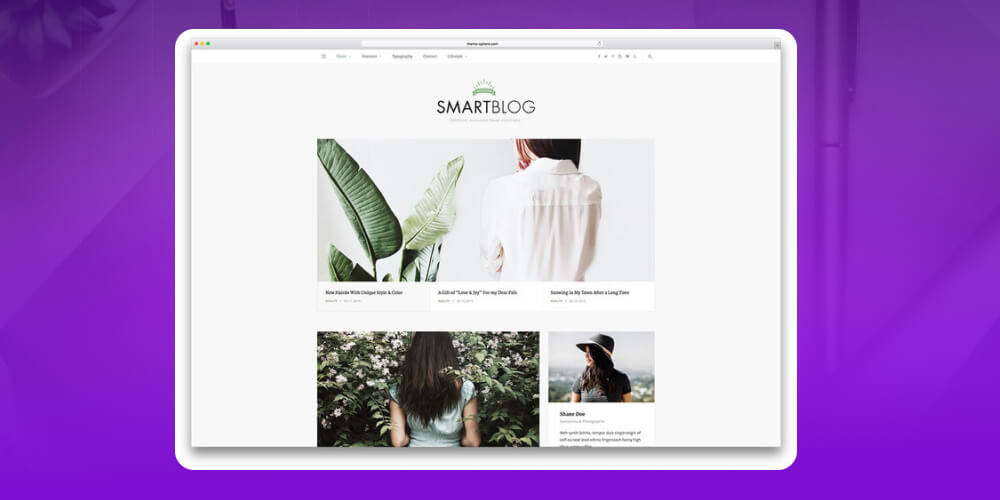
Characteristics of a personal blog:
A collaborative or group blog has several authors writing content. Each person has their own view, but the posts revolve around a shared topic, so the content is both varied and in depth.
Characteristics of a collaborative blog:
A microblog is short content shared mainly on social media, in text, images or video. Its compact format is built for mobile, so microblogs are easy to create, easy to reach and quick to spread.

Characteristics of a microblog:
≫ Read now: 28+ of the most effective ways to boost Facebook engagement that you shouldn't miss
Organization and business blogs are an important part of marketing and brand building. Their content usually covers the company's field, products or services, and aims to attract and engage potential customers naturally.
Characteristics of a business blog:
An aggregator blog is where an individual or organization selects and compiles content from many reputable sources on one topic or field. Readers get quality information in one place without having to follow many different sources.
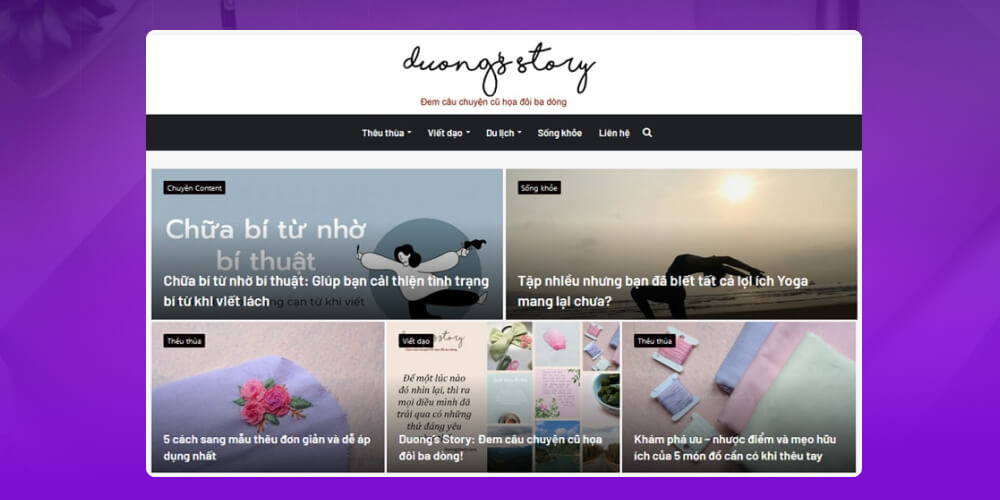
Characteristics of an aggregator blog:
A genre blog stays focused on one specific topic such as health, travel, fashion, beauty, lifestyle or another field. Thanks to consistent, in-depth content, this type of blog often becomes a trusted reference for people interested in the same subject.
Characteristics of a genre blog:
A reverse blog is built by a community rather than a single author. Many people can write and share content around a common topic, creating a space for exchange that is close to a forum.
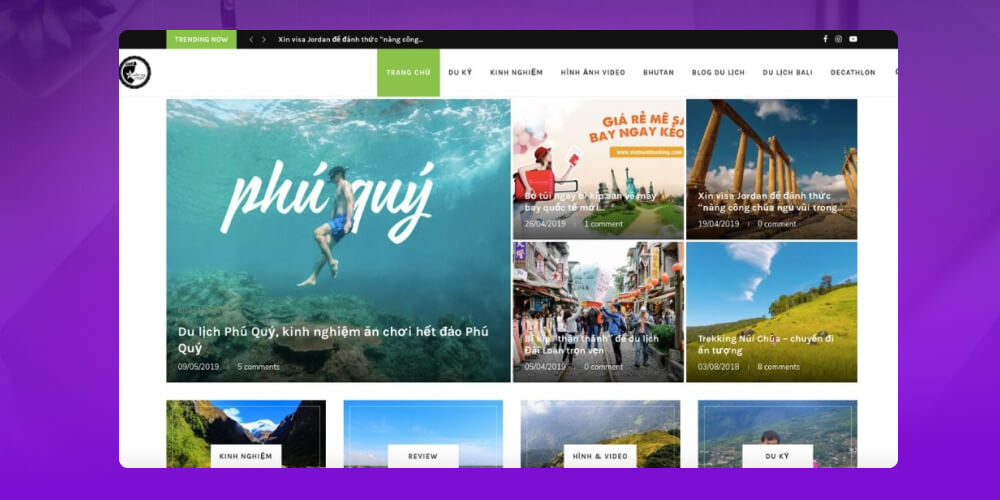
Characteristics of a reverse blog:
Blogs are not only written posts. Many are classified by the main type of content they use: vlogs focus on video, photoblogs feature images, linkblogs share interesting links, and sketchblogs show drawings and sketches. There are also tumbleblogs, which combine short posts in several formats such as text, photos, video or quotes.
Characteristics of blogs by media type:
Websites and blogs are often confused because both display content on the Internet. The biggest differences are in purpose, how they are updated and how content is organized.
A traditional website tends to be stable, with fixed information about a business, its products or its services. A blog is built to be updated often, to share knowledge and news and to bring readers back again and again. Today many business websites combine both, to build a professional image and, at the same time, optimize the site for SEO effectively.
| Criterion | Website | Blog |
| Main purpose | Introduce the business, its services and fixed information | Share knowledge, news and opinions |
| Update frequency | Rarely changes, updated occasionally | Updated continuously, with new content posted regularly |
| How content is organized | Static pages such as About, Services and Contact | Posts shown in newest-first order |
| Interactivity | Low, few comments | High, with easy commenting and sharing |
| Role in SEO | Supporting platform | The main SEO and traffic-driving tool |
| Users | Businesses and organizations | Individuals, businesses and communities |
Starting a blog that earns money is simple today. With a few basic steps you can start writing on free, easy, beginner-friendly platforms. WordPress.com, Blogger and Wix each have their own strengths and suit different purposes, from personal sharing to supporting an online business.
WordPress is a personal blogging platform developed by Matt Mullenweg, co-founder of WordPress. It lets you create a blog for free and start using it right away, with no installation or technical knowledge, which suits beginners well. The simple interface lets you publish posts, manage content and customize your blog quickly.
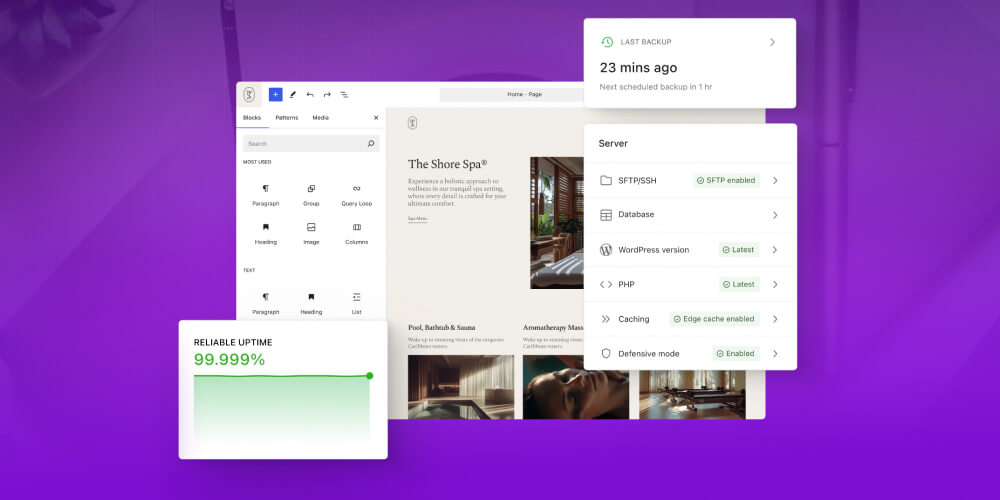
Besides personal sharing, WordPress.com also supports growing a blog to earn money. To use advanced features such as a custom domain, premium themes or plugins, though, you need to upgrade to a paid plan. It is still a good place to start blogging and build up over the long term.
Blogger.com is a free online blogging platform from Google itself. It stands out for stability, ease of use and tight integration with Google's ecosystem. With a few simple steps you can have a good-looking blog of your own that runs smoothly.
The platform offers a wide range of a website template templates in many themes and styles, helping you create a professional, eye-catching blog even without design experience. That makes Blogger a good choice for anyone who wants to blog online quickly, effectively and entirely for free.
Squarespace is a personal blogging platform that suits beginners and anyone who wants a beautiful blog without coding. With its visual drag-and-drop interface, you can create and edit a blog in a few simple steps.
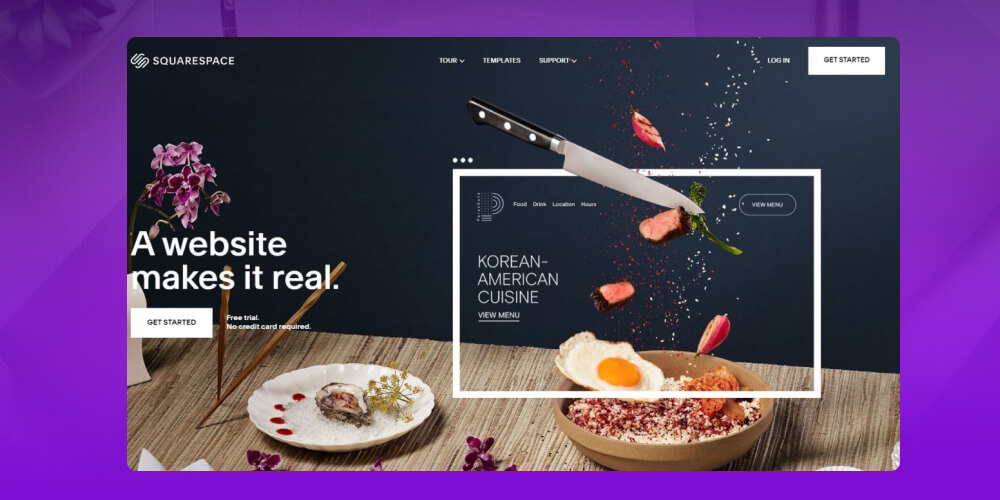
Although it has no long-term free plan, Squarespace stands out for its modern, refined and consistent templates. It is a good choice if you want a professional personal blog with attention to aesthetics and reader experience from the start.
Wix is a free personal blogging platform known for its visual drag-and-drop interface and flexible customization. Even without coding skills, you can build a good-looking, professional blog in minutes.
Wix offers many modern templates for all kinds of fields and styles. Besides sharing content, it supports earning from your blog through ads, affiliate links and basic SEO tools, so you can grow the blog steadily and sustainably.
Weebly is a personal blogging platform that suits beginners and lets you create a blog easily without coding knowledge. With a visual drag-and-drop interface and built-in tools, you can build and manage a blog quickly without complicated technical work.
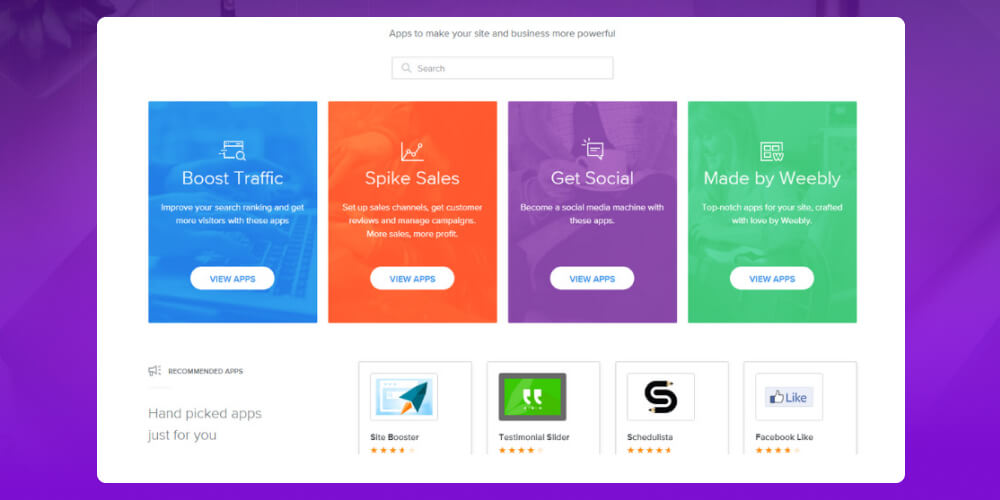
Although not as deep as WordPress, Weebly covers the basics well: publishing posts, adding images and video, managing comments and basic SEO. It is a sensible choice if you want to start a personal blog simply, save time and focus on content.
Today a blog is more than a place to share thoughts or personal knowledge. Done the right way, it can become a steady source of income. For beginners, though, starting a personal blog to make money raises a lot of questions: where to begin, which platform to choose, what to write and how to get readers.
MONA will walk you through how to start a personal blog that earns money, step by step, in a way that is detailed and easy to follow. Let's begin.
To build a personal blog that earns over the long term, choosing the right platform from the start matters. Among the many tools available, WordPress.org is considered the best option thanks to its flexibility and almost unlimited room to grow.
With WordPress.org you fully own your website. You can install themes and plugins, add ads, affiliate links or a shop, without the restrictions of free blogging platforms. It suits building a professional blog and growing steady income over time.
Just as with a business blog, a professional personal blog needs its own domain. It is the unique web address that lets you and your readers reach the blog easily, and it builds a credible, trustworthy image from the first steps.

Hosting is where your blog is stored. To choose the right hosting plan, keep the following in mind:
For search engines to pick up your blog, publish regularly on a clear schedule. At the same time, share your posts on social media, communities and relevant forums to reach the right readers.
Tracking traffic with tools such as Google Analytics also helps you understand user behavior and see which content works, so you can adjust your strategy in time. This step is key to growing the blog steadily toward long-term income.
Many new personal bloggers assume a professional website means a good-looking one with lots of effects. They spend hours tweaking themes and changing colors, yet the site still lacks credibility, with a messy layout that is hard to follow. In practice, the problem is not the tool or the design but the lack of UX thinking and site structure from the start.

Knowing this problem well, MONA designs websites around user experience and business goals. We don't just make a nice interface. We build sites on logical structure, user behavior and long-term scalability. The result is a website that looks professional, runs well, and is easy to optimize for SEO and to grow later.
With more than 10 years of experience, MONA Media has delivered thousands of website design packages to clients in Vietnam and abroad, across many industries. Benefits of having your website designed at MONA:
If you want a professional website that is easy to use, easy to grow and SEO-ready from the foundation, contact MONA Media for advice on the website design solution that suits you best.
Once you have finished the basic steps of creating a blog, the next important thing is writing content that is engaging, aimed at the right audience and valuable over time. A well-built personal blog not only keeps readers, it is also the base for growing a blog that earns steadily.
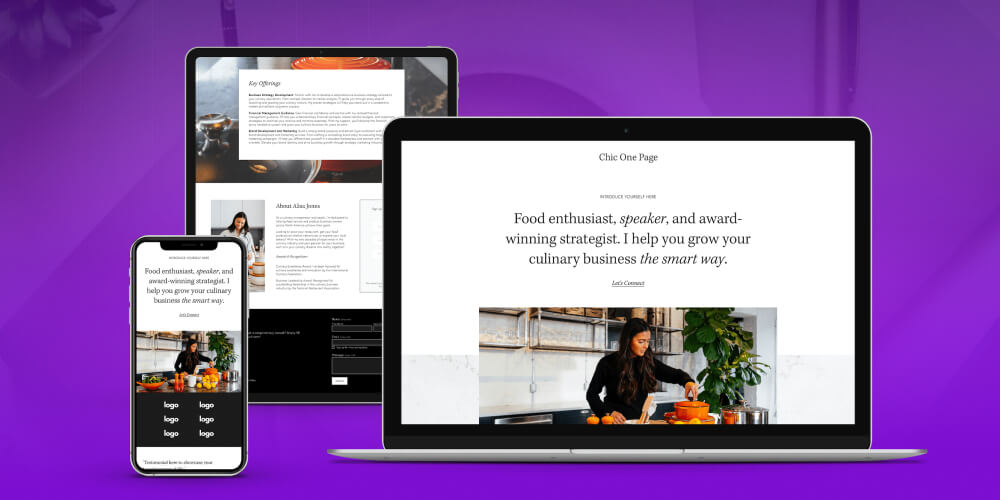
To get there, keep these principles in mind when writing a personal blog.
You should also join blogging communities regularly to learn from real-world experience, which improves your skills and the quality of your content over time.
Writing is not enough. What matters is making your content truly engaging so readers want to stay. A well-optimized personal blog is easy to read and understand, and it builds a connection that brings readers back often.
The title is the first thing that gets readers to click. An effective title reflects the content accurately and is intriguing enough to spark curiosity. When building a professional blog, especially when working out how to make money from a personal blog, optimizing titles matters a lot because it directly affects clicks and SEO.

Here are tips for optimizing your blog titles more effectively.
A clear, focused, appealing title makes your content stand out and gives the blog a solid base to grow over the long term.
After the title, the introduction decides whether readers keep reading. An effective opening makes the topic, the voice and the value of the post clear, and is engaging enough to hold readers from the first lines. If the introduction is dull, readers leave without reading the rest.
When writing the introduction, choose clear, emotional wording and avoid spelling mistakes so it looks professional. Putting yourself in the reader's place helps you get the message across and builds empathy. This is also a key skill in making money from a personal blog, because a strong opening increases time on page and the blog's SEO performance.
A table of contents and a back-to-top button let readers jump to the important sections or return to the top of the post in one click. They are especially useful for long blog posts, improving the reader experience and making the blog look more professional.

When setting up a blog that earns money, optimizing the user experience is very important. To add a table of contents and a back-to-top button, a blogger needs basic knowledge of HTML, CSS and JavaScript. In the guides that follow, we will show in detail how to add these features to your blog simply and effectively.
Many bloggers do earn money from their blogs, but it is not a high-income career. To earn from your blog, you have to build a name and raise your ranking on Google so you reach more users.
It takes a lot of time and a real investment in content. The chance to earn money online from a blog won't open up until you have built enough credibility in your field.

Some ways to build a blog that earns money online:
If you run the blog as a marketing channel to support your business, a good choice may be selling digital products such as ebooks or online courses. Those help you collect more data and customer emails (Email Marketing). They also move customers one step further down the sales funnel you project.
1. What is a blog used for?
Blogs are usually used for the following:
2. Do you need to know how to code to blog?
No. You only need writing skills and basic blog management. Almost all blogging tools today come with a drag-and-drop blog builder.
3. What tools help improve blog content?
Now that you know how to write a blog in detail, here are some tools that improve the quality of your posts:
MONA hopes this article has helped you understand more about what a blog is, what blogging is, and everything related to blogs. New bloggers in particular gain experience for building a professional blog, save time finding a platform to blog on, and open up more chances to earn money from their own professional, engaging blogs.

CEO & Founder · The MONA
Founder of The MONA, who built a services company of 200+ staff with 14,000+ projects delivered. Khánh Hùng shares how he thinks about building systems that run themselves, automating a business, and the real lessons from delivering projects at MONA.
 1,6K




Professional website
design services
Own a website with a beautiful, 100% exclusive design and a lifetime warranty, with the ability
to expand features flexibly as your business grows, starting today!






 MONA will never sell your information or send you spam


 MONA will never sell your information or send you spam
