
 MONA OS 2.0


 Tự động hoá doanh nghiệp
 Cẩm nang SEO
 Digital Marketing
 Kinh nghiệm thiết kế website
 Hạ Tầng Server
 Giáo dục



 VI
 EN











Message us on
Zalo Official


 ProductsNew

 ProductsProducts
 Mới ra mắtKHA AI 2027App tự edit video, tự đăng mọi mạng xã hội, 2 phút mỗi ngày










 Website designLooks good and wins customers over.
SEO servicesBrings in customers searching for exactly what you sell.
 Tư vấn digital marketingKéo khách từ nhiều kênh, đo bằng số thật.
Corporate video productionVideos introducing your company, factory and team.
 NewAI video productionCompany story films made with AI.
 Custom software developmentCRM, ERP and HRM built for your business.
 Viết AI Agent theo yêu cầuĐặt riêng một trợ lý AI cho đúng việc của mình.
 Tư vấn chuyển đổi AIĐưa AI vào vận hành của cả công ty.
NewMONA LMSManagement for centers and schools.
MONA SkillHubInternal training for company staff.
 NHTQ systemEnd-to-end China–Vietnam shipping operations.
MONA JMSManagement for gold, diamond and pawn shops.
 MONA E-LearningA website with every feature you need to sell courses.
 How to sell online courses (course)More than 30 free lessons on selling courses on autopilot.
 MONA Cloudmonacloud.vnServers to get your apps and websites running.
 MONA Basemonabase.vnPostgres database, sign-in and file storage.
 MONA Mailmonamail.vnSend OTP, order and invoice emails from your software.
 MONA Paymonapay.vnAccept bank transfers via VietQR and notify your software when the money arrives.
 MONA eInvoiceComing soonIssue e-invoices that meet tax standards.
Gấu CườiTrả lời khách 24/7 trên web, Fanpage, Zalo và thu lead cho sale.
 Gấu TeleSalesGọi điện tư vấn, chăm khách như tổng đài viên thật.
Dê CườiTư vấn và chốt đơn cho shop ngay trong khung chat.
Gấu WebmasterNhắn nhóm Zalo là website được sửa xong.
 Gấu Pháp ChếSoạn hợp đồng, rà điều khoản trong vài phút.
 Gấu Báo GiáLên báo giá đúng mẫu và gửi khách ngay.
 AI chăm sóc khách hàngTheo dõi và giữ chân khách hàng cũ.
 Gấu Tuyển DụngLọc hồ sơ, hẹn lịch, phỏng vấn ứng viên.
 Mới ra mắt
KHA AI 2027
Xây kênh chuyên gia 2 phút mỗi ngày
Quay bằng điện thoại, AI tự edit video, tự đăng lên 16 nền tảng và tự trả lời bình luận, tin nhắn.
310.136lượt xem trên kênh CEO MONA sau 17 ngày
 Anh Khánh HùngCEO MONA đang dùng mỗi ngày
Xem app làm được gì
 AI
Gấu Cười MONA ĐANG TỰ XÀITrả lời khách 24/7 trên website, Zalo OA, Messenger và thu lead về cho sale.
Dê CườiChốt đơn bán lẻ và sàn: Shopee, TikTok Shop, web. Chăm cả khách sỉ, đại lý.
Gấu WebmasterCập nhật nội dung, tối ưu SEO website mỗi ngày.
Gấu TeleSalesGọi điện tư vấn, chăm khách như tổng đài viên thật.
Gấu Tuyển DụngLọc hồ sơ, hẹn lịch, phỏng vấn ứng viên tự động.
AI chăm sóc khách hàngGiữ khách cũ, cứu lead đã rớt cho phòng kinh doanh.
Gấu Pháp ChếSoạn hợp đồng, rà điều khoản trong vài phút.
Gấu Báo GiáLên báo giá đúng mẫu, gửi khách ngay khi có yêu cầu.
 Chuyển đổi AI toàn phầnGiải pháp tổng cho doanh nghiệp, 3 lớp triển khai.
 Viết AI Agent theo yêu cầuĐặt riêng một con AI gánh đúng nghiệp vụ của bạn.
 Custom softwareCRM, ERP and HRM with built-in AI automation.
 SEO & AEO thời đại AIĐược Google lẫn AI trích dẫn, không chỉ xếp hạng.
 Kiến thức AI cho doanh nghiệpBài phân tích, hướng dẫn ứng dụng AI vào vận hành.
 Free AI courses
 AI tools at work
App mới · KHA AI 2027
Xây kênh 2 phút mỗi ngày
AI tự edit video, tự đăng mọi mạng xã hội
Free consultation, 8am–10pm every day

18 March, 2023

Some commissions are recorded at 2 a.m., while the person who made the referral is asleep. Someone reads a post from three months ago, clicks the link in it, buys, and the system credits the writer automatically. Sounds good. The catch is in what came before: that post had to be good enough to still be found three months later, and that link had to be set up properly so the system knows who gets the credit. Affiliate is a marketing model where you recommend other people's products through your own link and earn a commission on each successful order. In this article we go through both sides: people who want to earn with affiliate, and businesses that want to open an affiliate program so others sell for them, which is the part we run every day.
Affiliate marketing runs on a simple deal: the seller pays only when there is a result. You get a link with your own ID and share it in a post, a video or a message. When someone clicks that link and buys, the system credits you and calculates your commission on the order, and the whole cycle runs automatically, 24 hours a day. No order, no one owes anyone anything.
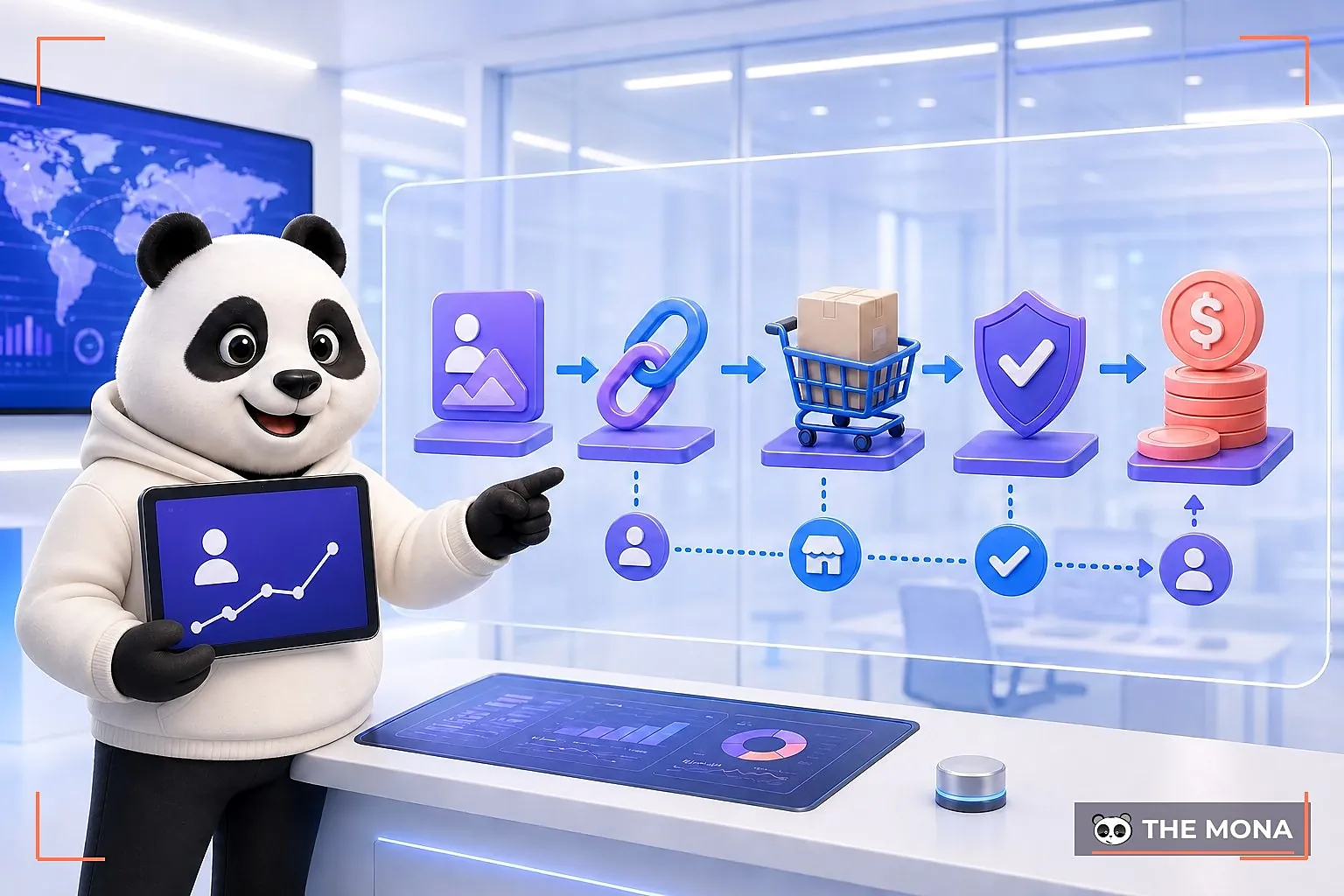
The nice thing about this model is that risk is split fairly. The seller doesn't waste ad money, because they pay only on successful orders. The referrer doesn't hold stock, worry about shipping or look after customers after the sale. In return, the referrer's income depends entirely on readers' trust, which takes months and years to build and can collapse after one bad recommendation. This is a business of selling credibility in installments. Remember that.
From the outside you only see the person posting the link and the buyer, but an affiliate order passes through four parties, and the commission is only finalized after a reconciliation period, usually 30 to 60 days:
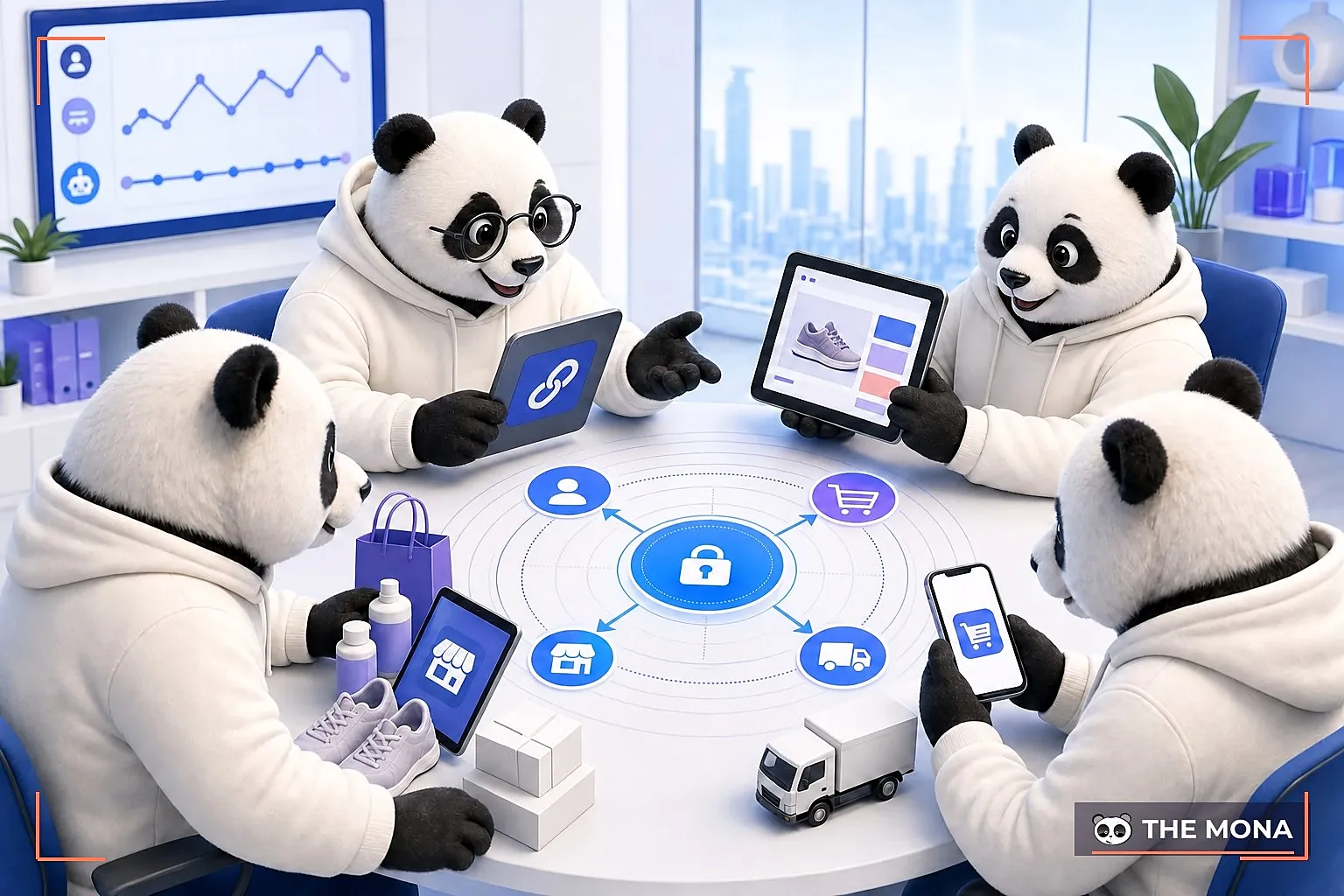
A business that is big enough can skip the intermediary and build its own affiliate system on its own website, avoiding network fees and keeping all customer data. That takes dedicated tracking software, which we cover in the last section. If you're new to selling, start with a network to be safe, because a third party acts as referee on payment reconciliation and money arrives on a clear 30-day cycle. Four roles, and if any one is missing, it breaks.
These four models often get mixed up, but they differ in exactly one thing: what you pay for.
| Model | Paid for | Seller's risk |
|---|---|---|
| Affiliate | Successful orders, measured by the system | Low, you pay only when there is an order |
| Booking KOL, KOC | Reach and content, paid upfront by contract | High, a published post doesn't guarantee orders |
| Referral | Existing customers refer new ones, rewarded with perks | Low, but it only works within your existing customer base |
| Sales partners | Selling and looking after customers, with a discount like a small reseller | Medium, you have to train and manage people |
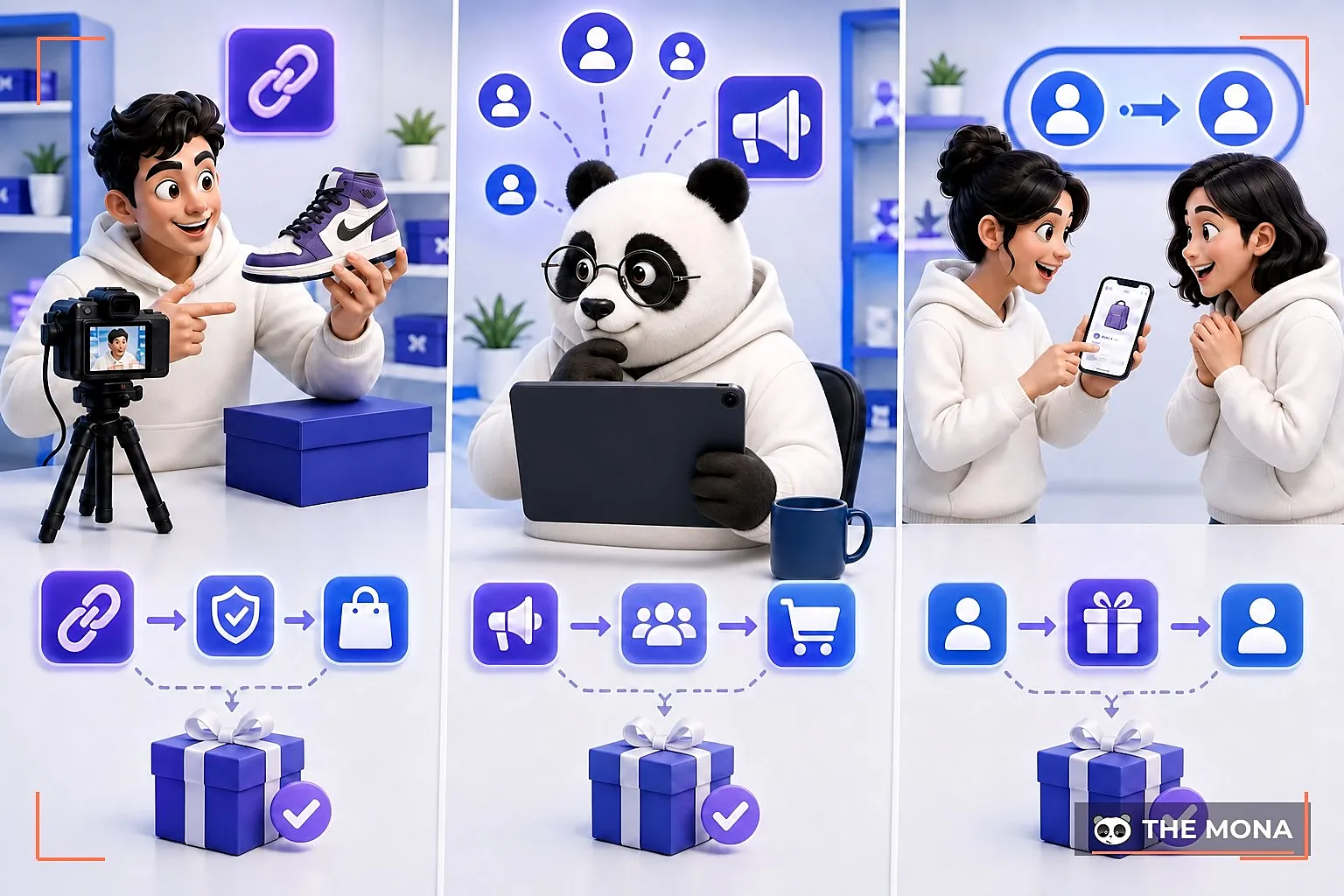
In practice big brands run all four in parallel, each model covering one stretch of the funnel, and the money gap is clear: booking a mid-tier KOL costs 20 to 50 million VND upfront for one video with no guarantee of orders, while affiliate pays afterward on each successful order. KOLs create awareness, affiliates collect orders from people already researching, and referrals squeeze more value from customers who already bought. If you're a publisher, know where you stand in someone else's funnel so you can pick products whose commission pays fairly for the part you carry. Pick the wrong stage and you go hungry.
Before accepting any link, work out how it pays:
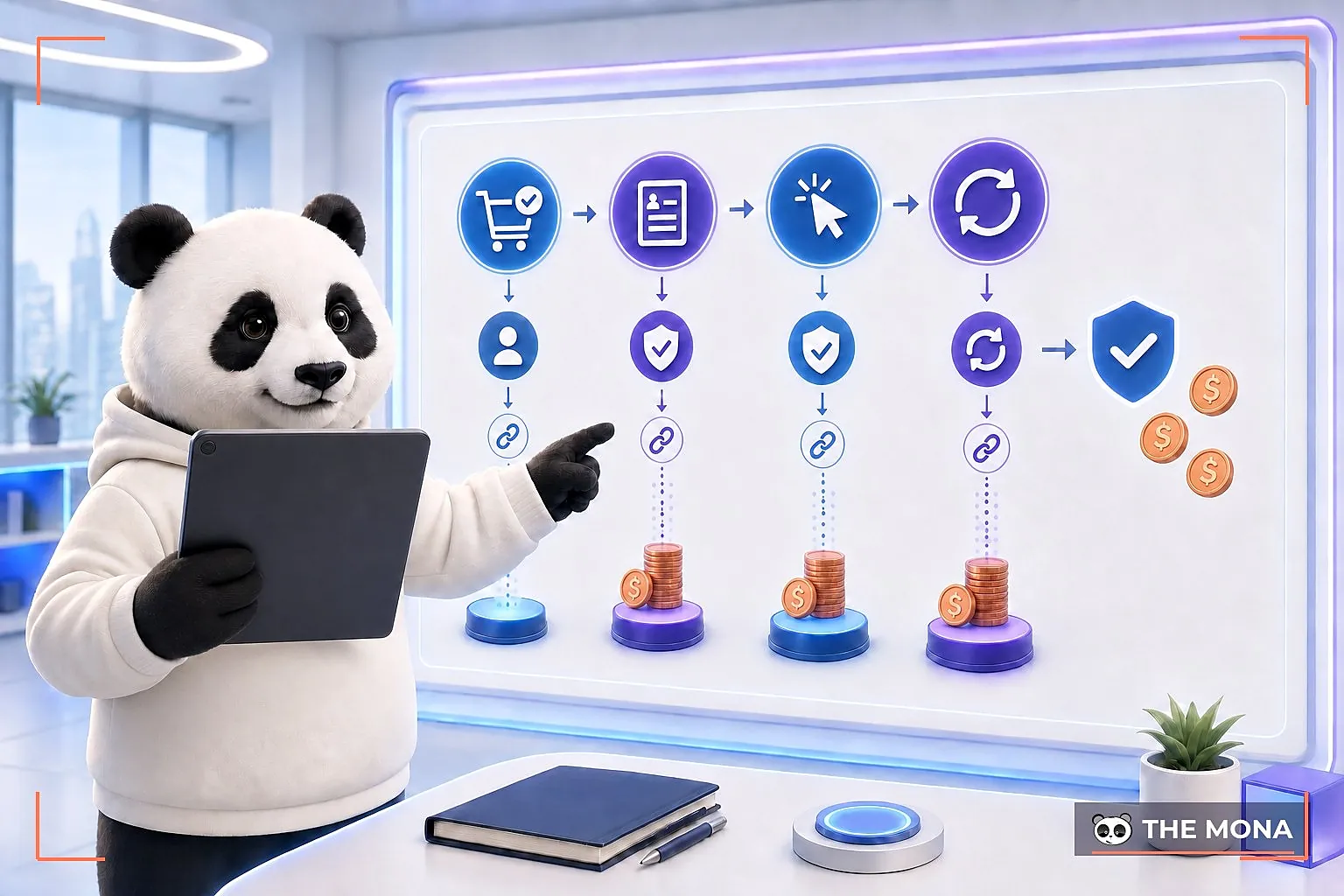
One figure to place yourself: a 3% commission on a 500,000 VND order is 15,000 VND. To earn 15 million VND a month you need 1,000 such orders, which takes a very large amount of traffic, not just a few posts. On the other hand, a 2 million VND course paying 30% gives 600,000 VND per order, so 25 orders a month gets you to the same figure. Choosing a niche therefore matters more than choosing a platform. The niche decides everything.
The technology behind an affiliate link comes in three layers. Understand it so you don't lose money for nothing:
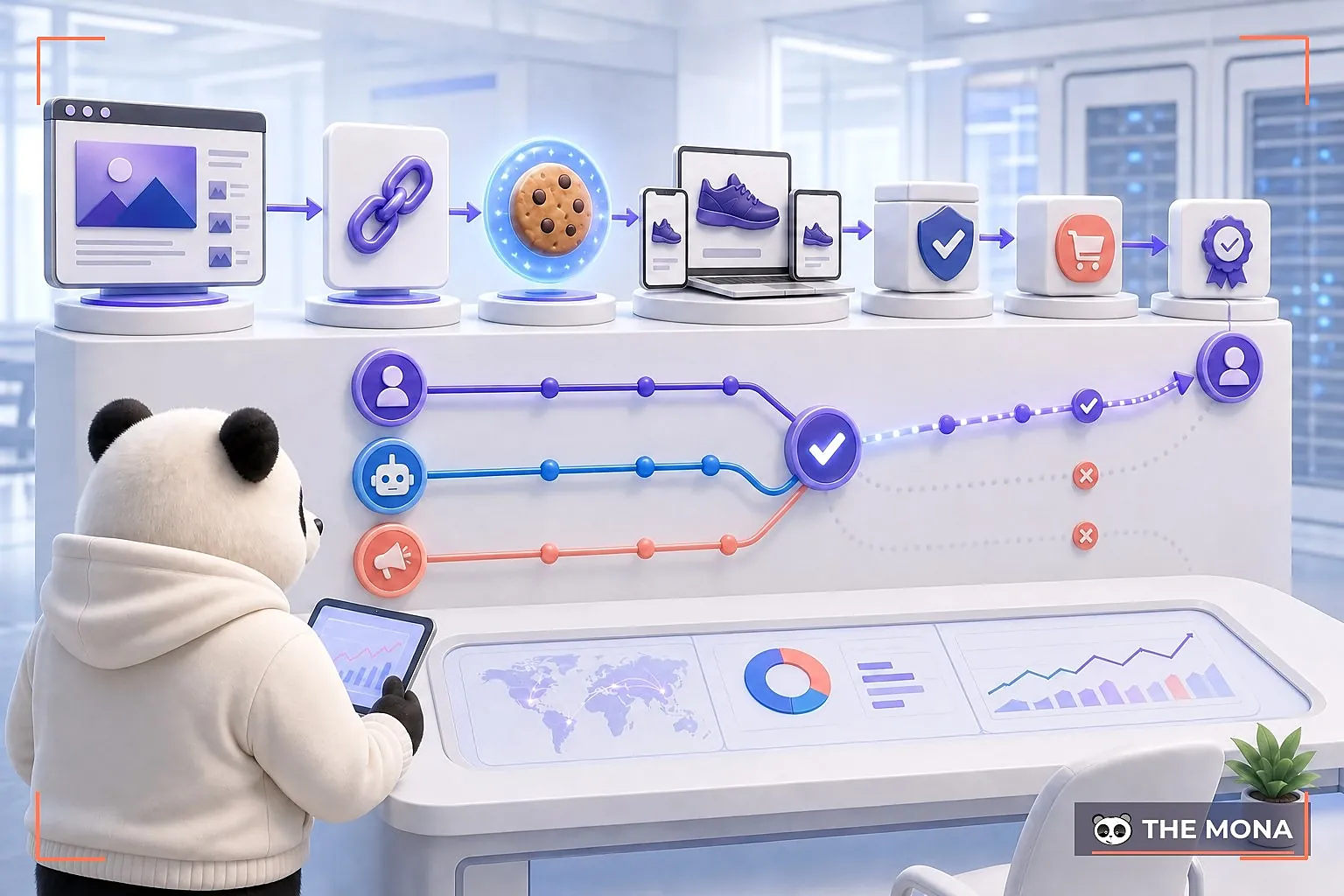
First, your link carries an ID, usually a parameter tacked onto the end like UTM. Second, when a reader clicks the link, their browser gets a cookie that remembers your credit for a period of time, called the attribution window. Amazon is notoriously tough with a window of only 24 hours; programs in Vietnam commonly use 30 days, and some 45. Third, when an order comes in, the system decides who gets credit under an attribution rule, and most programs use last click: whoever's link was clicked last gets the full commission.
Those three layers produce several situations that surprise beginners. A reader clicks your link, then two days later clicks someone else's link and buys, and the credit goes to the other person. A reader clears cookies or buys in a different browser, and no one gets credit. An order is refunded during the reconciliation period and the commission is deducted. So don't rush to spend pending commission: it only becomes your money after reconciliation, usually one to two months after the order. Pending isn't paid.
The path we recommend for people who are serious, condensed from 7 steps to 4 stages:
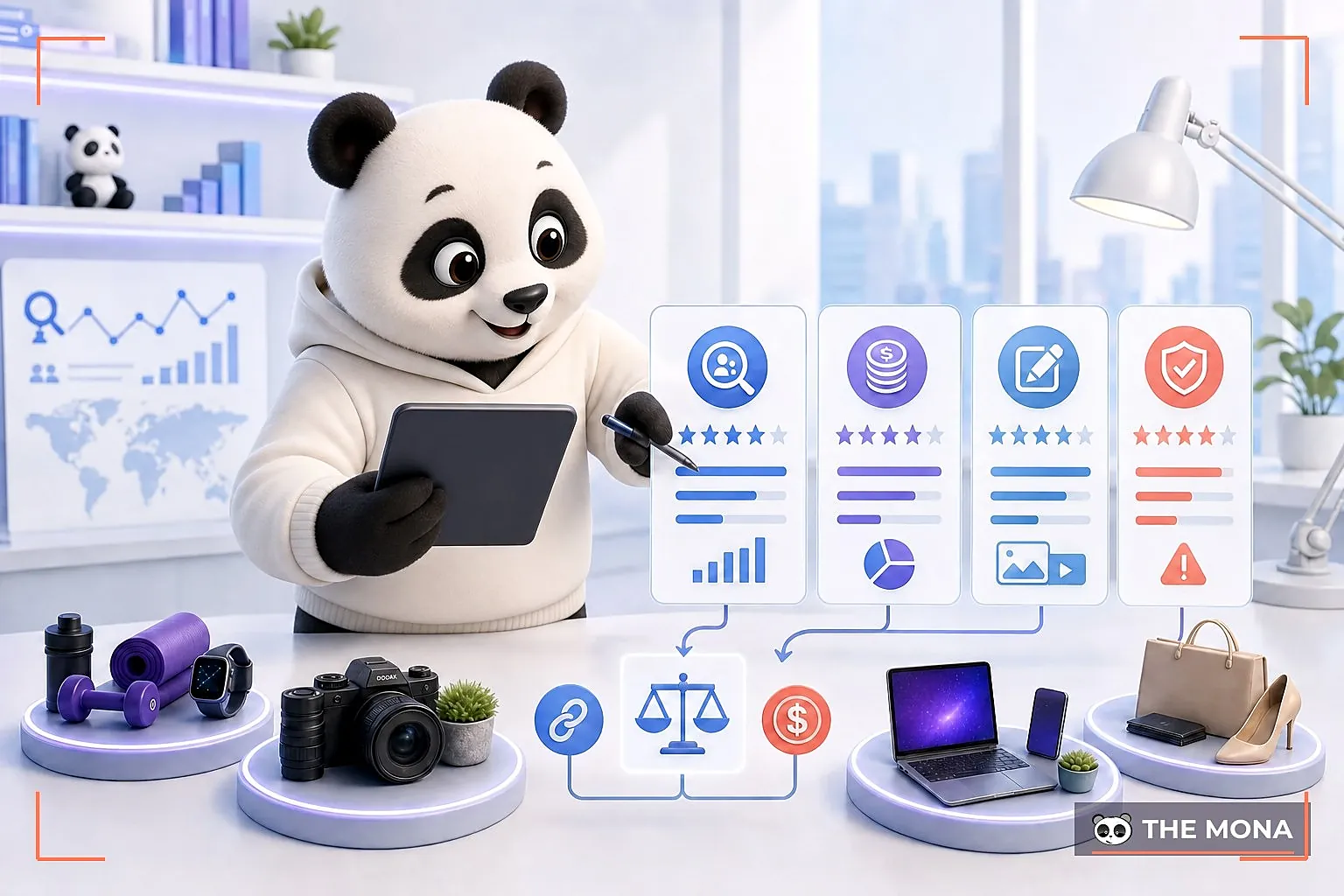
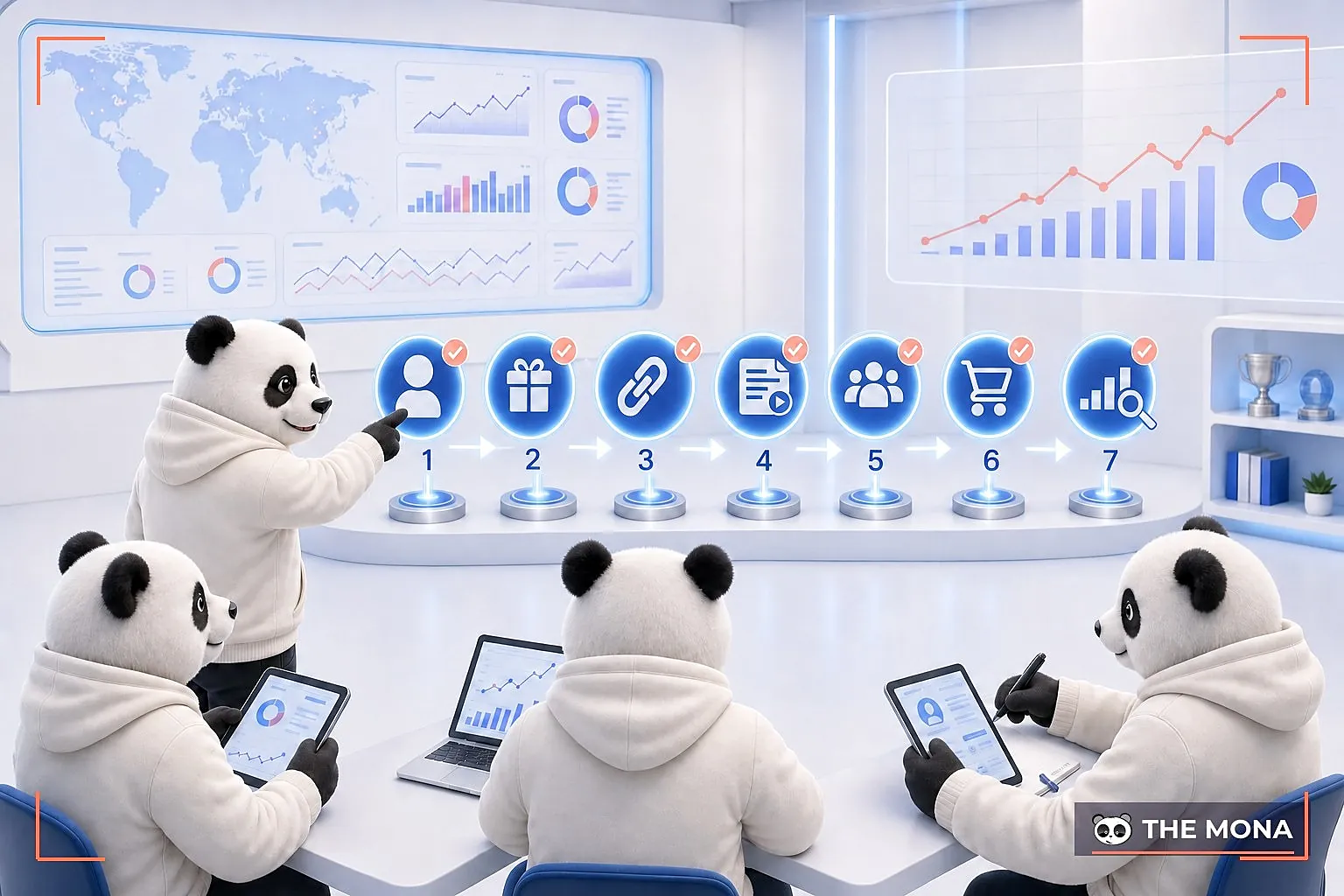
You can see stages 2 and 3 are just a matter of doing content marketing properly, with no magic involved. If you want to move quickly on the foundation so you can put your energy into writing, we build affiliate websites right from the start, from category structure to loading speed. Take a look at how we do content and web design before you decide. Stage 3 takes about 10 hours a week for the first 3 months, so plan for it up front. The foundation is built once and used for many years.
The three kinds of posts that bring in the steadiest orders, from what we've seen: comparison posts between two products a buyer is torn over, in-depth reviews of one product that include its downsides, and how-to guides for solving a task where the product is just the tool. What they share is that the writer stands on the reader's side, not the product's. A reader spends about 5 minutes on such a post, it takes a day to write well, and in return it lives for years in search results.

And there are three rules you must follow; break them and you lose the channel, not just the order. One, disclose openly that you earn a commission; the international standard is the FTC guidelines, and for video YouTube has its own disclosure setting. Two, add the rel sponsored attribute to marketing links so you don't get hit with a search penalty. Three, don't build a site that is nothing but posts stuffed with links: Google's spam policies name this thin kind of affiliate site outright and can drop the whole site. Readers trust you because you tell them the bad parts too. Keep that.
Four numbers decide your income. Checking them once a week is enough:

Nice numbers that don't make money are decoration. Followers, likes and views only matter when they flow into those 4 numbers.
This part is what we do every day, not theory. The online academy owned and run by MONA runs a referral partner system right on its website: each partner has a personal code, and when a payment arrives through the bank webhook the system credits the partner in under 10 seconds, with automatic reconciliation at the end of each 30-day period, so nobody has to check each transaction by hand. Running it this way is what lets us grow to hundreds of partners without adding accounting staff.
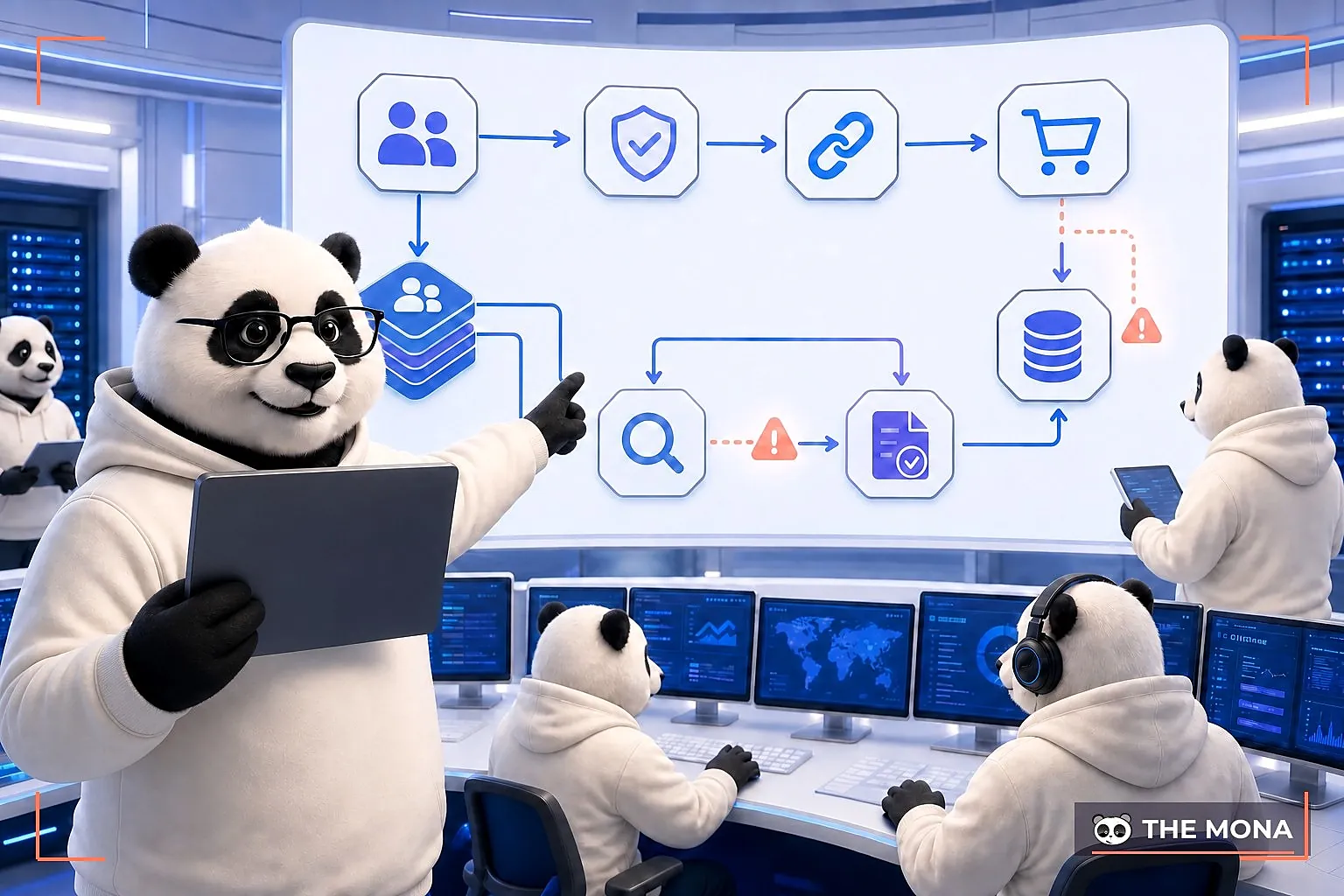
From running it for real, we've learned four things a self-run affiliate program must have. One, order tracking accurate down to each partner code; get it wrong once and the partner walks away. Two, an overview page where partners see their own numbers, with transparency instead of reassurance. Three, anti-fraud rules: block self-purchases through your own link, filter fake orders, and keep the reconciliation period long enough to deduct refunds. Four, commission set from your real profit margin, not copied from a competitor. All of this lives in software, not in your accountant's Excel file. Excel breaks at the first few hundred orders.
MONA can build the whole package: a sales website with the affiliate system wired into the payment flow, and partner management software written for each company's commission policy, proven on our own system before we build it for clients. If you sell courses, software or goods with a thick enough margin and don't yet have an outside sales team, this is a machine worth considering. For details on working together, see the MONA partnership page.
You need almost no inventory money, but you do need time: 3 to 6 months of steady writing before you earn a stable income. The minimum cash cost is a domain and hosting for your own website, from a few hundred thousand to just over 1 million VND a year.
No. Affiliate pays commission on real orders to the end buyer, with no joining fee and no commission from recruiting people below you. Stay far away from any program that makes you pay first to take part.
It depends on the niche and traffic, and the range is very wide: part-timers earn from a few hundred thousand to a few million VND, while full-timers with a strong content system really can reach tens of millions VND a month. Use the commission-times-orders math in the CPS section to estimate your own niche, and don't trust income screenshots online.
Not as a beginner, because ad spend is a sure cost while commission is uncertain revenue, and many programs also forbid bidding on their brand keywords. Ads only make sense once you know exactly your conversion rate and the value of each click.
Yes, when the product has enough margin to pay commission and still make a profit, and orders can be tracked automatically through your website. Without those two things, opening a program just adds manual reconciliation and arguments with partners about numbers.
Affiliate is worth doing for people willing to build a content asset, and worth opening for businesses that want an outside sales team paid by results. Both sides win with the same two things: a fair tracking system and content people can trust. Nobody wins on luck.
If you're on the publisher side, start building a website and write. If you're a business that wants to open a program so others sell for you, call 1900 636 648 and tell us about your product and margins. The call takes about 20 minutes, and we'll tell you straight: what commission rate your program needs to attract people who really work it, what the tracking system requires, and how much the software investment differs from intermediary network fees after 2 to 3 years. One call and you'll know. We run our own system before advising you, so every number we give you can be checked.

CEO & Founder · The MONA
Founder of The MONA, who built a services company of 200+ staff with 14,000+ projects delivered. Khánh Hùng shares how he thinks about building systems that run themselves, automating a business, and the real lessons from delivering projects at MONA.
 1,6K




Professional website
design services
Own a website with a beautiful, 100% exclusive design and a lifetime warranty, with the ability
to expand features flexibly as your business grows, starting today!






 MONA will never sell your information or send you spam


 MONA will never sell your information or send you spam
