
 MONA OS 2.0
 Hợp tác với MONA


 Tự động hoá doanh nghiệp
 Cẩm nang SEO
 Digital Marketing
 Kinh nghiệm thiết kế website
 Hạ Tầng Server
 Giáo dục


 VI
 EN














Message us on
Zalo Official


 ProductsNew

 ProductsProducts
 Mới ra mắtKHA AI 2027App tự edit video, tự đăng mọi mạng xã hội, 2 phút mỗi ngày










 Thiết kế websiteVừa đẹp vừa thuyết phục được khách.
Dịch vụ SEOKéo về khách đang tìm đúng thứ anh chị bán.
 Tư vấn digital marketingKéo khách từ nhiều kênh, đo bằng số thật.
Quay video doanh nghiệpVideo giới thiệu công ty, nhà xưởng, đội ngũ.
 MớiDựng video AIDựng phim câu chuyện công ty bằng AI.
 Custom software developmentCRM, ERP and HRM built for your business.
 Viết AI Agent theo yêu cầuĐặt riêng một trợ lý AI cho đúng việc của mình.
 Tư vấn chuyển đổi AIĐưa AI vào vận hành của cả công ty.
NewMONA LMSManagement for centers and schools.
MONA SkillHubInternal training for company staff.
 NHTQ systemEnd-to-end China–Vietnam shipping operations.
MONA JMSManagement for gold, diamond and pawn shops.
 MONA E-LearningA website with every feature you need to sell courses.
 How to sell online courses (course)More than 30 free lessons on selling courses on autopilot.
 MONA Cloudmonacloud.vnServers to get your apps and websites running.
 MONA Basemonabase.vnPostgres database, sign-in and file storage.
 MONA Mailmonamail.vnSend OTP, order and invoice emails from your software.
 MONA Paymonapay.vnAccept bank transfers via VietQR and notify your software when the money arrives.
 MONA eInvoiceComing soonIssue e-invoices that meet tax standards.
Gấu CườiTrả lời khách 24/7 trên web, Fanpage, Zalo và thu lead cho sale.
 Gấu TeleSalesGọi điện tư vấn, chăm khách như tổng đài viên thật.
Dê CườiTư vấn và chốt đơn cho shop ngay trong khung chat.
Gấu WebmasterNhắn nhóm Zalo là website được sửa xong.
 Gấu Pháp ChếSoạn hợp đồng, rà điều khoản trong vài phút.
 Gấu Báo GiáLên báo giá đúng mẫu và gửi khách ngay.
 AI chăm sóc khách hàngTheo dõi và giữ chân khách hàng cũ.
 Gấu Tuyển DụngLọc hồ sơ, hẹn lịch, phỏng vấn ứng viên.
 Mới ra mắt
KHA AI 2027
Xây kênh chuyên gia 2 phút mỗi ngày
Quay bằng điện thoại, AI tự edit video, tự đăng lên 16 nền tảng và tự trả lời bình luận, tin nhắn.
871.699lượt xem trên kênh CEO MONA sau 34 ngày
 Anh Khánh HùngCEO MONA đang dùng mỗi ngày
Xem app làm được gì
 AI
Gấu Cười MONA ĐANG TỰ XÀITrả lời khách 24/7 trên website, Zalo OA, Messenger và thu lead về cho sale.
Dê CườiChốt đơn bán lẻ và sàn: Shopee, TikTok Shop, web. Chăm cả khách sỉ, đại lý.
Gấu WebmasterCập nhật nội dung, tối ưu SEO website mỗi ngày.
Gấu TeleSalesGọi điện tư vấn, chăm khách như tổng đài viên thật.
Gấu Tuyển DụngLọc hồ sơ, hẹn lịch, phỏng vấn ứng viên tự động.
AI chăm sóc khách hàngGiữ khách cũ, cứu lead đã rớt cho phòng kinh doanh.
Gấu Pháp ChếSoạn hợp đồng, rà điều khoản trong vài phút.
Gấu Báo GiáLên báo giá đúng mẫu, gửi khách ngay khi có yêu cầu.
 Chuyển đổi AI toàn phầnGiải pháp tổng cho doanh nghiệp, 3 lớp triển khai.
 Viết AI Agent theo yêu cầuĐặt riêng một con AI gánh đúng nghiệp vụ của bạn.
 Custom softwareCRM, ERP and HRM with built-in AI automation.
 SEO & AEO thời đại AIĐược Google lẫn AI trích dẫn, không chỉ xếp hạng.
 Kiến thức AI cho doanh nghiệpBài phân tích, hướng dẫn ứng dụng AI vào vận hành.
 Free AI courses
 AI tools at work
App mới · KHA AI 2027
Xây kênh 2 phút mỗi ngày
AI tự edit video, tự đăng mọi mạng xã hội
Free consultation, 8am–10pm every day

18 March, 2023

Data is a term that has been around for a long time and is everywhere in today's digital economy. Data is what lets computers store and transmit information quickly. So What is data? What role does data play in businesses today? This article from Mona Media will answer these questions.
Data is simply raw figures, bits of information, but it is not yet information. Once data is processed, interpreted, structured or presented so that it becomes meaningful and useful, it is called information.
“Data” and “information” always go hand in hand. Whether the two can be used interchangeably depends partly on how “data” is used, in other words its context.
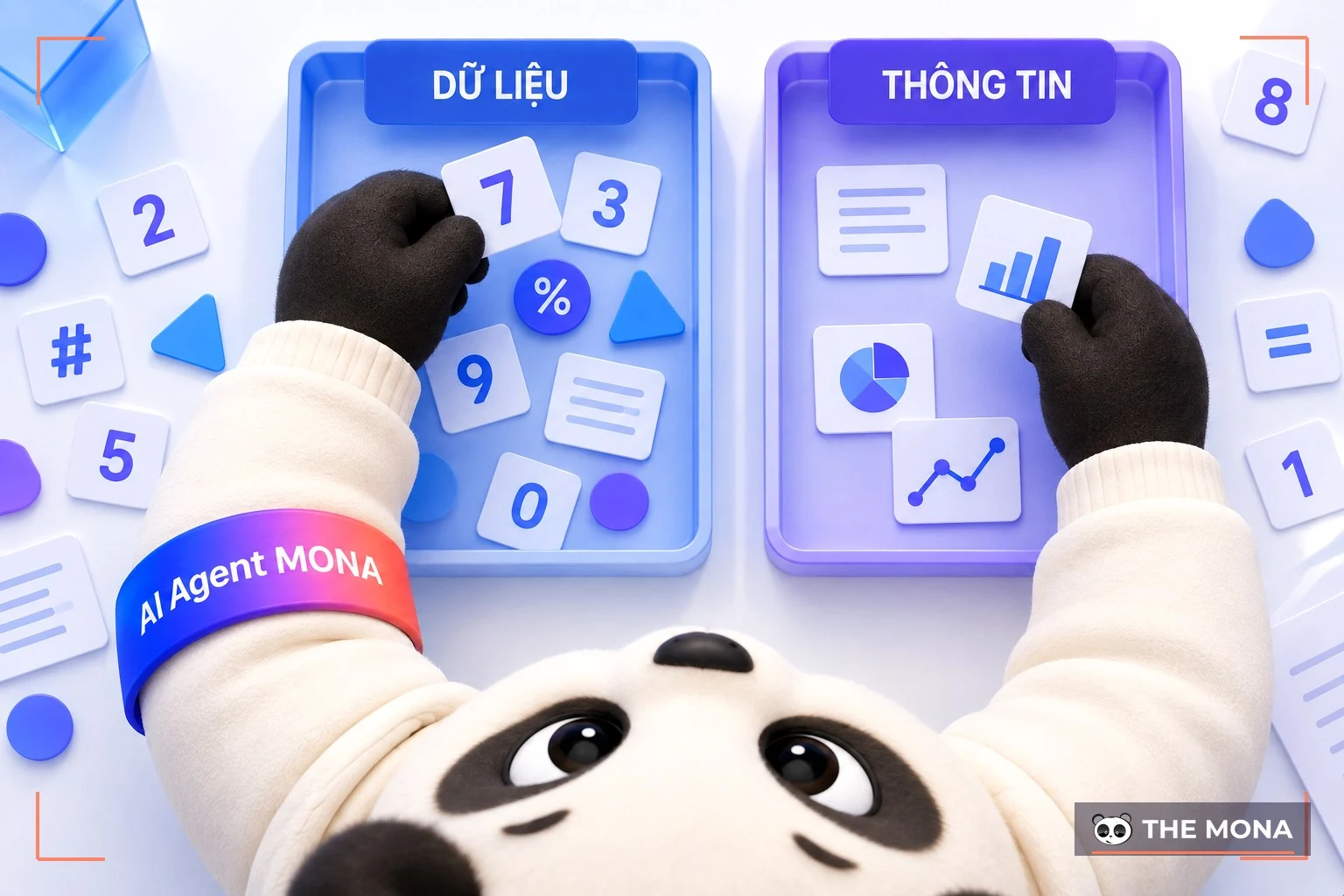
Examples of data and information:
Data is everywhere today, in almost every field. Whether you are a data scientist, a marketer, a business owner, a data analyst or in any other line of work, you need raw or structured data. Because this data matters so much, processing and storing it correctly, without errors, is essential, and you need to understand it well. There are two main types of data:
Qualitative data: also known as categorical data, can be measured or counted in numerical form. These types of data are arranged by category, not by number. That is why it is also called categorical data. This data includes sound, images, symbols or text. A person's gender, i.e. male or female, is qualitative data.
Example: The language you use, colors, hobbies,…
Qualitative data tells us about people's perceptions and helps market researchers understand customer tastes and then come up with suitable ideas and strategies. It is divided into two further types of data:

Quantitative data: Quantitative data can be expressed as numerical values, meaning it can be counted and used in statistical data analysis. This type of data is also called numerical data.
Example: The price of a phone, a person's height or weight… are quantitative data.
Quantitative data can be analyzed statistically and shown in many kinds of charts, such as bar charts, line charts and pie charts,… It is divided into two further types:
The computing idea of data came from the work of Claude Shannon, an American mathematician known as the father of information theory. He laid the foundation for binary digital technology by applying the two Boolean logic values to electronic circuits. Building on this, engineers made binary digital technology the basis of the CPU, semiconductor memory and disk drives, as well as many other devices common in computers today. At first it was only applied to control equipment and to data on punched cards, and it later extended to magnetic tape and hard disks.
Early on, the importance of data in business computing was clear from how common the terms “data processing” and “electronic data processing” became, which people now usually know as information technology. As enterprise software management became specialized, the way companies developed their data advanced as well.
Data is a common term in information technology. If you want to understand the field, and data, in more depth, it helps to learn the related terms experts often use, such as:
Businesses regularly collect user data such as personal information, habits and traffic to build a customer database. All of that data can help grow your business if you know how to use it.
Small and medium-sized businesses can gain the same advantages as large companies when they use data properly. Businesses can mine data to make decisions about:
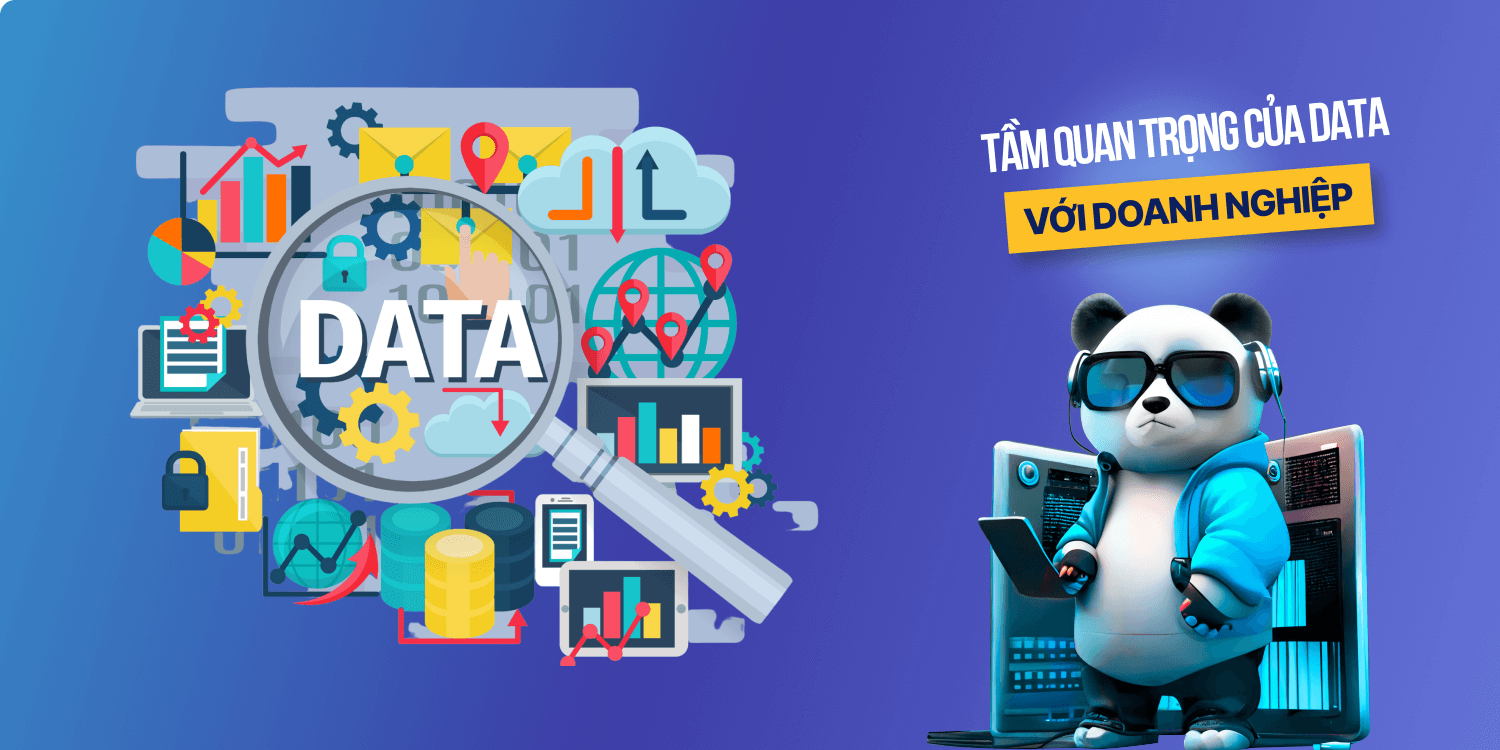
See also:
Data is the fuel for the marketing strategy of every company. It helps you understand how customers interact with your brand, how users behave on social media, which content they like most and which channel brings the best return on investment (ROI).
If you have a database full of customer information, you can use it for relevant, specific targeted ad campaigns based on their interests and location. Data helps you make sure every campaign is running at its best and keeps delivering results.
With the right data, it is easier to track the company's performance against its goals. Data can help improve areas that are poorly managed, such as supply chain management or logistics planning, which directly affect your profitability.
It can also help you streamline your own operations and cut the time you spend on work that brings little benefit. It can help reduce human error when problems happen, such as a production issue that leads to lost sales or damages your reputation.
Besides helping you grow revenue, data lets companies improve financial management. You will also get a clearer view of the business's spending habits. As a result, you can see how the company budget is being allocated and whether the expenses are reasonable. Tracking and evaluating your revenue also becomes easier when you know which factors affect it, such as which region, product or service generates the most revenue and where the revenue comes from. Your data will show you the areas with room to grow in the future and let you allocate resources more effectively.
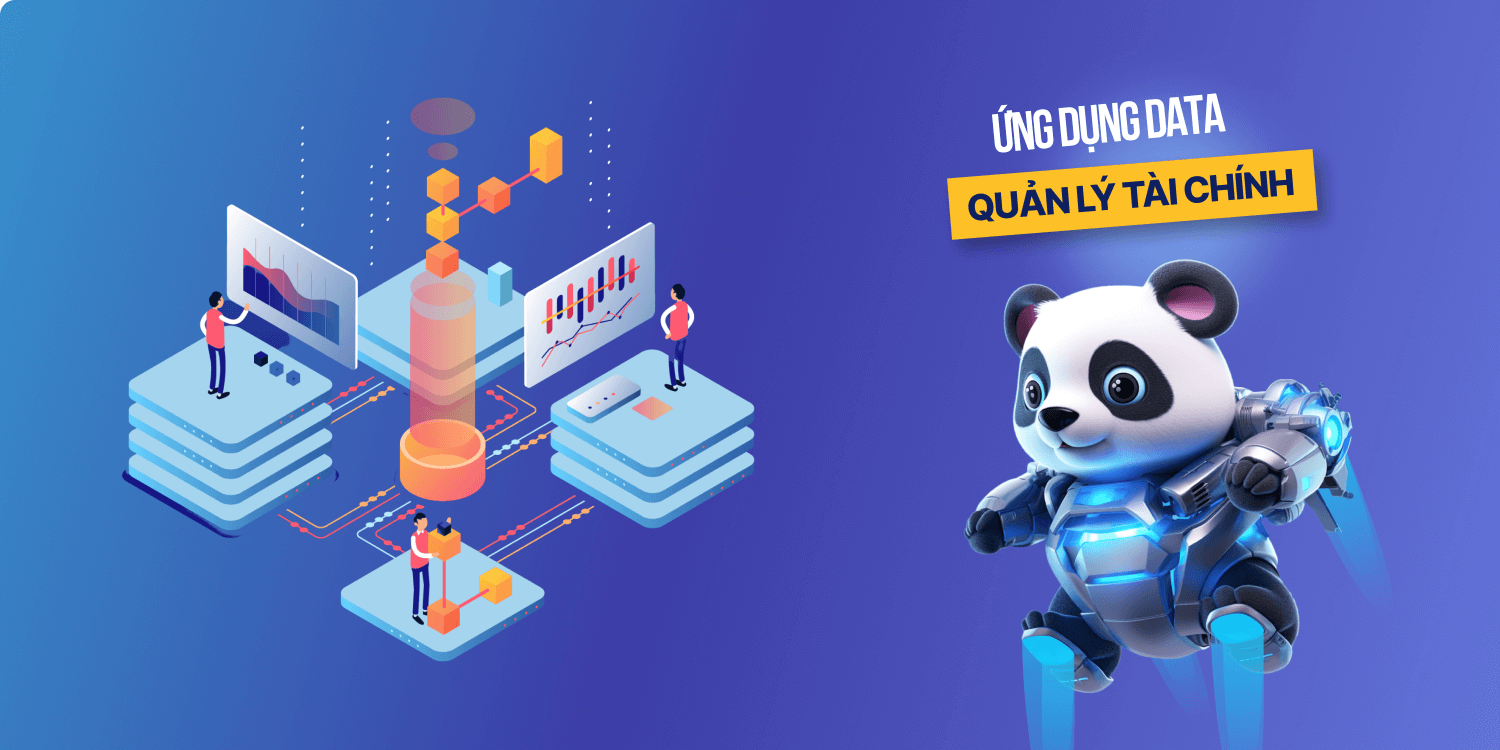
Every business has challenges that data can help solve, but each industry works with different types of data because of its own characteristics. Here are some examples of how different businesses use data:
Today, data has become one of the basic factors in growing and running a business. If your business does not know how to handle data, it is at real risk of being left behind.
With digital technology, processing data is no longer as hard and complicated as it used to be. There are now many tools a business can use to analyze its data and get more value from it. In this article, we have shared the basics of data along with some types of data businesses commonly use in each field.
See more: What is Data Driven? Applying Data Driven in business

CEO & Founder · The MONA
Founder of The MONA, who built a services company of 60+ staff with 14,000+ projects delivered. Khánh Hùng shares how he thinks about building systems that run themselves, automating a business, and the real lessons from delivering projects at MONA.
 1,7K




Professional website
design services
Own a website with a beautiful, 100% exclusive design and a lifetime warranty, with the ability
to expand features flexibly as your business grows, starting today!



NHẬN TƯ VẤN SEO MIỄN PHÍ !






 MONA will never sell your information or send you spam


 MONA will never sell your information or send you spam
