
 MONA OS 2.0


 Tự động hoá doanh nghiệp
 Cẩm nang SEO
 Digital Marketing
 Kinh nghiệm thiết kế website
 Hạ Tầng Server
 Giáo dục



 VI
 EN


















Message us on
Zalo Official


 ProductsNew

 ProductsProducts
 Mới ra mắtKHA AI 2027App tự edit video, tự đăng mọi mạng xã hội, 2 phút mỗi ngày










 Website designLooks good and wins customers over.
SEO servicesBrings in customers searching for exactly what you sell.
 Tư vấn digital marketingKéo khách từ nhiều kênh, đo bằng số thật.
Corporate video productionVideos introducing your company, factory and team.
 NewAI video productionCompany story films made with AI.
 Custom software developmentCRM, ERP and HRM built for your business.
 Viết AI Agent theo yêu cầuĐặt riêng một trợ lý AI cho đúng việc của mình.
 Tư vấn chuyển đổi AIĐưa AI vào vận hành của cả công ty.
NewMONA LMSManagement for centers and schools.
MONA SkillHubInternal training for company staff.
 NHTQ systemEnd-to-end China–Vietnam shipping operations.
MONA JMSManagement for gold, diamond and pawn shops.
 MONA E-LearningA website with every feature you need to sell courses.
 How to sell online courses (course)More than 30 free lessons on selling courses on autopilot.
 MONA Cloudmonacloud.vnServers to get your apps and websites running.
 MONA Basemonabase.vnPostgres database, sign-in and file storage.
 MONA Mailmonamail.vnSend OTP, order and invoice emails from your software.
 MONA Paymonapay.vnAccept bank transfers via VietQR and notify your software when the money arrives.
 MONA eInvoiceComing soonIssue e-invoices that meet tax standards.
Gấu CườiTrả lời khách 24/7 trên web, Fanpage, Zalo và thu lead cho sale.
 Gấu TeleSalesGọi điện tư vấn, chăm khách như tổng đài viên thật.
Dê CườiTư vấn và chốt đơn cho shop ngay trong khung chat.
Gấu WebmasterNhắn nhóm Zalo là website được sửa xong.
 Gấu Pháp ChếSoạn hợp đồng, rà điều khoản trong vài phút.
 Gấu Báo GiáLên báo giá đúng mẫu và gửi khách ngay.
 AI chăm sóc khách hàngTheo dõi và giữ chân khách hàng cũ.
 Gấu Tuyển DụngLọc hồ sơ, hẹn lịch, phỏng vấn ứng viên.
 Mới ra mắt
KHA AI 2027
Xây kênh chuyên gia 2 phút mỗi ngày
Quay bằng điện thoại, AI tự edit video, tự đăng lên 16 nền tảng và tự trả lời bình luận, tin nhắn.
355.527lượt xem trên kênh CEO MONA sau 21 ngày
 Anh Khánh HùngCEO MONA đang dùng mỗi ngày
Xem app làm được gì
 AI
Gấu Cười MONA ĐANG TỰ XÀITrả lời khách 24/7 trên website, Zalo OA, Messenger và thu lead về cho sale.
Dê CườiChốt đơn bán lẻ và sàn: Shopee, TikTok Shop, web. Chăm cả khách sỉ, đại lý.
Gấu WebmasterCập nhật nội dung, tối ưu SEO website mỗi ngày.
Gấu TeleSalesGọi điện tư vấn, chăm khách như tổng đài viên thật.
Gấu Tuyển DụngLọc hồ sơ, hẹn lịch, phỏng vấn ứng viên tự động.
AI chăm sóc khách hàngGiữ khách cũ, cứu lead đã rớt cho phòng kinh doanh.
Gấu Pháp ChếSoạn hợp đồng, rà điều khoản trong vài phút.
Gấu Báo GiáLên báo giá đúng mẫu, gửi khách ngay khi có yêu cầu.
 Chuyển đổi AI toàn phầnGiải pháp tổng cho doanh nghiệp, 3 lớp triển khai.
 Viết AI Agent theo yêu cầuĐặt riêng một con AI gánh đúng nghiệp vụ của bạn.
 Custom softwareCRM, ERP and HRM with built-in AI automation.
 SEO & AEO thời đại AIĐược Google lẫn AI trích dẫn, không chỉ xếp hạng.
 Kiến thức AI cho doanh nghiệpBài phân tích, hướng dẫn ứng dụng AI vào vận hành.
 Free AI courses
 AI tools at work
App mới · KHA AI 2027
Xây kênh 2 phút mỗi ngày
AI tự edit video, tự đăng mọi mạng xã hội
Free consultation, 8am–10pm every day

27 November, 2023

SEO Top Google is one of the top goals marketers always want to reach. Knowing how to build a clear SEO plan, step by step, is key to getting the best results from SEO for your website. Read on for MONA Media will the most detailed guide to building an SEO plan for beginners, with 17 steps to optimize your website for search engines over 6 months.
Before looking at what an SEO plan is in detail, you first need to understand the concept of SEO:
Search Engine Optimization – Search engine optimization (SEO) is the process of increasing the quality and volume of traffic to a website by making the site or a webpage more visible to users on search engines such as Google, Bing and Yahoo. SEO is about improving unpaid results ("organic" search results) and excludes direct traffic and paid ads.
- Theo Wikipedia
Here is an overview of what you need to know to run SEO effectively for a website.

SEO takes long, steady effort to get good results. In reality, a website will NOT get sustainable top rankings on Google in overnight ; it takes a proper process over many months.
The main tasks in the SEO process are:

Building an SEO plan is the first thing SEOers need to do in any SEO project. When you start building the SEO plan you learn the specific goals to reach and the difficulties you will meet while optimizing the site on Google.
It also gives the project manager an overall view of the SEO work, so running SEO, controlling time, staff and budget, and measuring results become more accurate than ever.
Choosing the right way to build the SEO plan for your website keeps the rollout logical, clear and coherent. SEO project managers usually use one of two methods to build an SEO plan that works best: the SMART method and the PDCA cycle.

The criteria the SMART model sets for a website SEO plan are:

The PDCA cycle includes these activities:
SEO doesn't just raise your site's rankings. It is also a long-term strategy for attracting free, quality leads. MONA has run SEO since 2018-2019 and still maintains steady lead volume today, up to 70+ leads/day, helping them expand their business quickly. If you are looking to build an effective full SEO plan, watch the video below.
Building a website SEO plan means laying out the steps SEO Google so the team running it can follow and carry them out consistently. It also makes it easier for managers to control and optimize the work. Here are the 17 detailed steps in the roadmap for building an SEO plan you need to know.
"Know yourself and know your enemy, and you will win every battle" means you need to understand yourself, your competitors and the issues around you.

Researching and analyzing the website is the first important step when creating a website SEO plan. It shows you the strengths and weaknesses of the site and gives you an overview of the whole website.
The factors you need to check on the site include: site age, sitemap, content, homepage, page load speed, on-page optimization, indexing issues, URL optimization, rankings, backlinks and more.
-> You may also be interested in: Top 10 website analysis tools for evaluating a website effectively
Market research lets you see the overall state of the industry you are doing SEO in and how the market is moving. From there you can plan your SEO and build your website's brand better.

You can do marketing research with primary and secondary data. Market research involves the following:
You need to analyze 3 to 5 websites of your direct competitors in the real world and and our own your competitors online. This shows you what competitors do well so you can learn from it, and what limitations to avoid.

The specific activities in this competitor analysis step of the website SEO plan are:
The metrics to identify when running an Offpage SEO analysis include:
Run building the SEO keyword set is extremely important in the whole SEO plan. Keyword research requires the person doing it to understand customers, products and the tools that support this work.

So, to plan SEO keywords effectively for your website, you need to define your keywords clearly, as follows:
Each field or industry has different target customers, and each group has different habits when typing search keywords. So identifying the right search intent of your users will help you build an accurate keyword set that meets what people are looking for, and in turn grow traffic to your website effectively.
Parent keywords are short root keywords that serve as the starting point for developing other keywords. They are usually short keywords with high search volume and very strong competition. Once you have the parent keywords, use SEO tools such as Ahrefs, SEMrush or Keyword Planner to find other keywords.
Checking SEO keyword difficulty tells you which keywords have a chance of reaching a high position in Google search results. In general, short keywords and parent keywords are harder to rank for than long-tail, informational and brand keywords. So a website that is new to SEO should go after long-tail keywords first to bring in traffic.
This means sorting keywords into groups with similar characteristics. It helps you understand the content each keyword calls for, so articles can be written in full and the SEO plan for the website fits best.

These keywords usually sit at the bottom of the funnel in the customer's buying journey. Buyer keywords have a very high chance of converting on your website . Examples in this group: hire SEO services, buy a camera, where to buy sweaters…
Informational keywords sit at the early stage of the customer's buying process. These keywords aim to give customers information about products and services. Some keywords in this group are best electric motorbike, 18,000 BTU air conditioner, Samsung phone…
Navigational keywords are the terms people use to find a specific page or link. Common examples are MONA SEO, Youtube, Semrush blog, where is Trong Dong restaurant…
Finding and grouping keywords is now easy with free and paid SEO tools. With these SEO tools you can get hundreds or thousands of keywords in just a few simple steps. That makes building your keyword SEO plan fast, effective and accurate.
Here are the SEO tools that many SEO experts use and rate highly, which you can refer to:
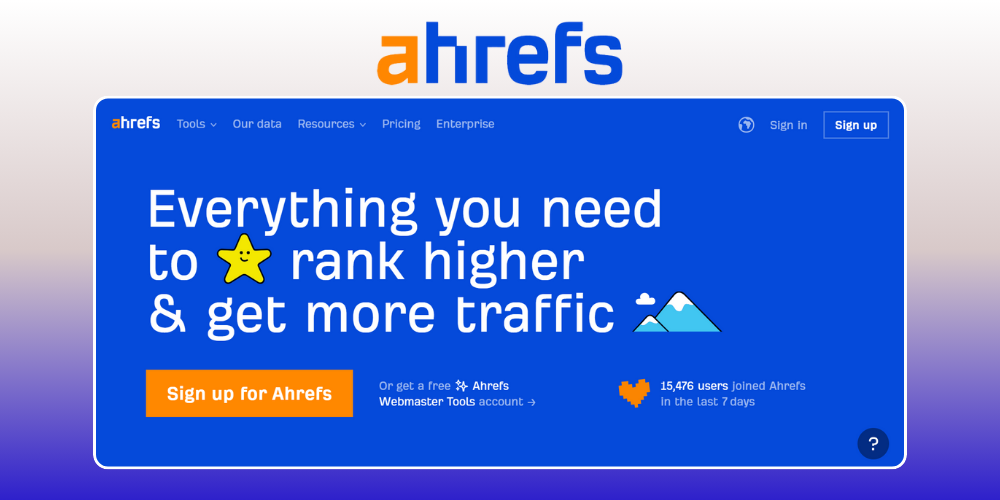
Ahrefs is an effective tool for evaluating your own website and your competitors', and for finding keywords quickly. To get keywords, you only need to:
Then click search. The results table appears and you can download it as an Excel file.
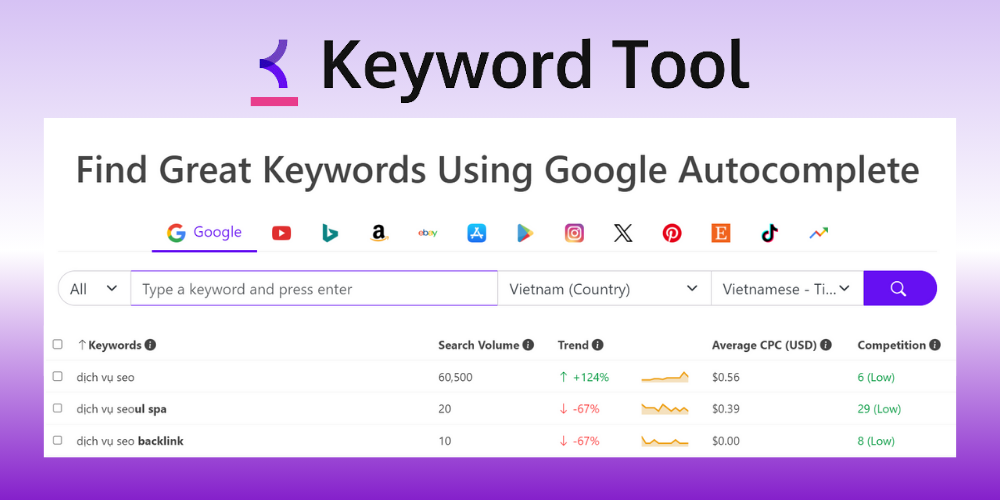
This tool lets you research long-tail keywords. To use Keyword Tool, follow these steps:
Google Search is a completely free and very easy SEO tool. Just type a keyword into the Google search bar, and the suggestion dropdown shows the keywords that are searched most and have had high traffic over time.
The most common way to group keywords today is the Topic Cluster model. In this model you need a pillar page that holds the parent keywords and the hard, high-traffic keywords. The supporting pages are called clusters, and they all help clarify the main topic of the pillar page.
Building the website layout means linking and organizing the internal pages of the site with internal links. Site structure The tighter, more orderly and more closely tied to keywords this structure is, the more it helps the SEO plan succeed navigate.
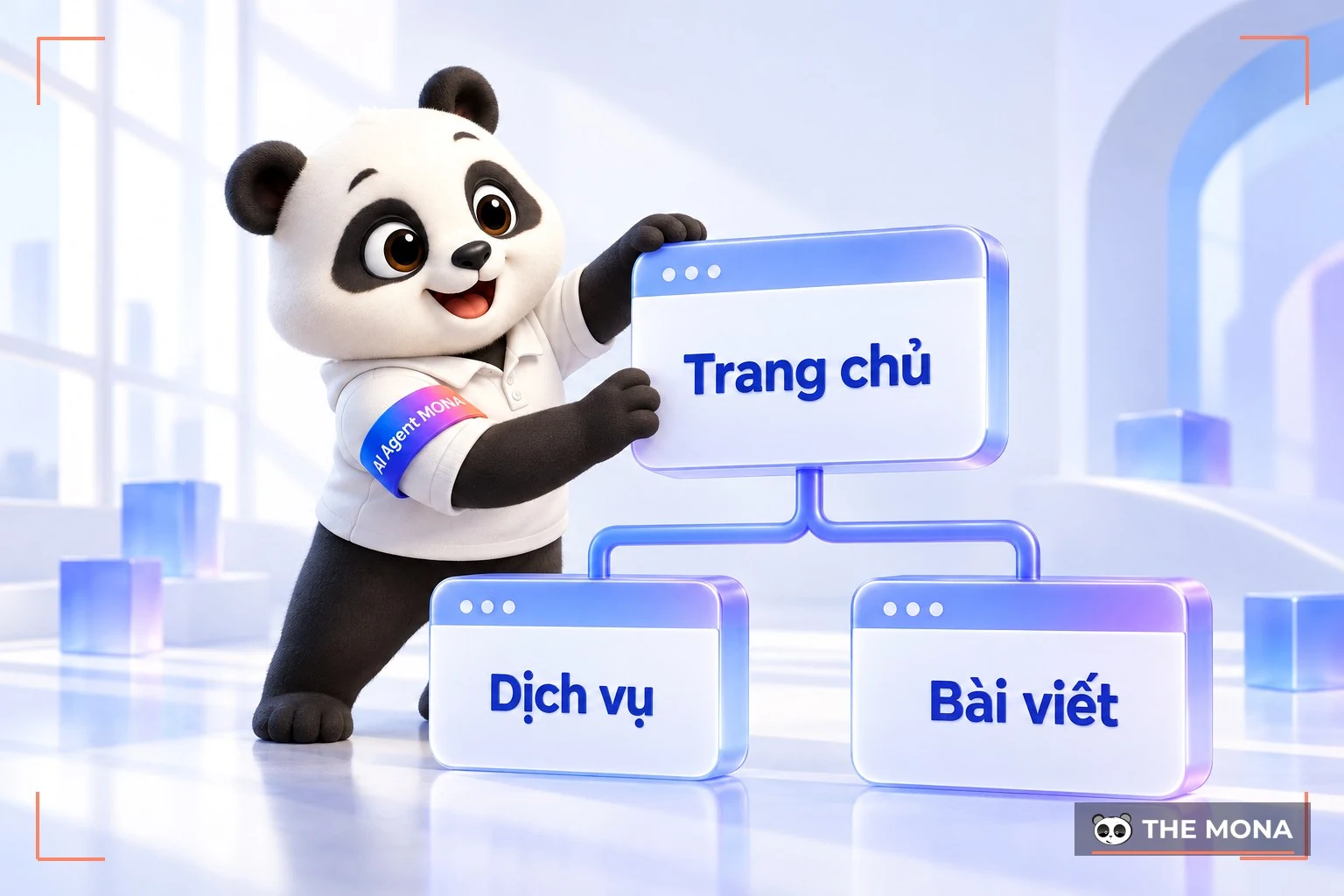
Homepage keywords are usually the most valuable ones. They tend to be high-traffic, short keywords with a high level of competition.
Category keywords are the main, important keywords placed in category intro pages. They are also usually parent keywords: short and highly competitive.
Keywords for posts relate to product information, news and addresses. These are usually articles built on long-tail keywords with medium to low competition, so they have a chance of bringing a lot of traffic to your website.
Setting goals for the SEO plan lets you keep everything under control while carrying out SEO.

The elements to list when setting SEO plan goals are:
Setting goals also lets you adjust in time when your SEO drifts away from the plan. The goals of an SEO campaign are usually traffic, number of customer inquiries, number of articles ranking high, conversion rate…
Budget and staff are the resources the company has to provide to carry out a complete SEO plan. They are limited, so you should plan how to use them to suit your website and get the best results.

The cost of the people carrying out the overall SEO plan includes:
While carrying out an SEO plan, running into risks is hard to avoid.
These tools let administrators easily monitor visitor numbers on the website. Setting up tracking helps you recognize, analyze and evaluate well the results that SEO brings to the site. Tools you can use include Google Search Console, Google Analytics, Ahrefs, SEOquake, Small Seo Tool…

Tools that help you optimize technical SEO for your website effectively include:
-> Explore now the standard steps to optimize website Technical SEO – HERE!
This is also one of the website SEO planning steps you need to take seriously when building the plan. SEO content depends on many factors, so you need to understand them in order to create content and check that your articles fit the SEO requirements Google has set.
This is an important lead-in that keeps readers going deeper into the content. The introduction must present the topic in an engaging way. For best results, the sapo should contain the main keyword of the article and be no longer than 150 words.
-> You can refer to ways to write an engaging sapo that draws readers in – HERE!
The body develops the arguments that support the main point, or title, of the article. The body is divided into Heading 2 – 3 – 4 tags… all of which support heading 1.

The body content must be meaningful and fully resolve what the article sets out. Other elements of the content, such as images and media, should also be optimized effectively.
In this part, you need to sum up the whole article and restate the point made at the start. The conclusion should also contain the main keyword and be no longer than 150 words.
-> Explore now – The detailed 10-step process for an SEO-standard content outline
Specifically, for your SEO plan to be as effective as possible, the step of writing SEO-standard articles needs special attention. An SEO-standard article needs to optimize the following elements effectively:
Heading 1 – the H1 tag is the title of the article and appears largest in Google search results. The title must contain the keyword, and the keyword should come first. The H1 should also be no longer than 70 characters.
You need to split the article into subheadings so the content is clear and easy to scan. Headings 2, 3, 4… in the article should contain both the main keyword and suitable secondary keywords.
Also note that if an article has an H2 tag, it should have at least 2 H2s. The same goes for heading 3, heading 4, heading 5… and the text under each heading should not exceed 300 words.

The meta description is the short summary that appears just below the SEO title. The meta for an article should be 155 – 160 characters in total. The description should be concise, cover the content of the article and spark the reader's curiosity.
Images uploaded to the website also need to be optimized, and you should pay attention to them to complete the website SEO plan. In general, images should be in .jpg format, named after the main keyword, without diacritics and joined with hyphens (for example: mau-ke-hoach-seo-tong-the). The image size should also be consistent across the article, centered, with a caption and alt text.
SEO Onpage is an important part of website optimization, and it helps improve the website's position on search engines effectively. So an SEO plan cannot skip this Onpage optimization step. At MONA, we have more than 8+ years carried out across many different SEO projects, so we can help clients reach their SEO goals effectively.
- Marketing team at MONA Media

Here are some important elements to list when building a detailed SEO plan; specifically, when doing Onsite optimization you need to cover the following:
The market changes and algorithms change: have you changed how you do SEO? If not, watch this video now to update your SEO thinking for 2026!
Running A/B testing will help you analyze user behaviour to identify what needs to change to optimize the website.

The A/B testing step in the detailed SEO planning guide will help you answer these questions:
Optimizing the conversion rate helps you generate revenue and shows that the website is high quality and valuable to users. You can do this with solutions such as remarketing campaigns, offers and promotions, appealing to customer psychology, optimizing traffic and directing visitors to the purchase page…

Backlinks are links pointing to your site from other domains. SEO tips This work is carried out continuously throughout SEO so the website keeps getting stronger. Things to keep in mind when building quality backlinks are:
-> Read more: How to check for bad backlinks and remove them from your website you make
As the SEO manager, you need to keep maintaining and optimizing the website get it to keep the website running continuously and safely. This is an important condition for Google to rate the site as trustworthy, and for users to have a better experience. Website management activities include:
This step of the overall website SEO plan helps you see the following:
From there, you can find effective SEO solutions to raise the website's ranking on search engines.
-> What is SEO KPI? Metrics for measuring results in SEO projects – READ NOW!
|
As you can see, performed optimize the site for SEO extremely complex. So if you do not have much knowledge or real project experience, you should use SEO services at MONA Media. We are leading SEO companies specialists in complete solutions that optimize websites effectively on search engines. 
The proof is that we have more than 8+ years of experience successfully running SEO for many clients across a wide range of fields such as “Phụ tùng xe Kim Thành” (Kim Thành vehicle parts), Phân bón Hà Lan, Saigon Vetro Vape, Giang Huy Logistics,… In practice, we have helped these websites grow traffic 2x – 5x within just 3 – 6 months of SEO. You can SEE THE DETAILS at the website: https://mona.media/dich-vu-seo/case-study/ What's more, we understand what clients need, so in every project MONA makes clear commitments. We work under a binding contract and take keywords to the top of search results as committed. We also help optimize the website to SEO standards to bring clients more organic traffic. MONA also offers businesses complete development solutions such as end-to-end website design, domain registration, hosting rental, branding services, management software, artistic photo and video production… If you need more detailed advice, CONTACT MONA directly for support and to receive full-scope SEO quote quickly.
|
6 months is the average time for SEO efforts to deliver fairly clear results for your website. In this SEO plan roadmap, you break the work down into specific monthly activities as follows:

The the detailed 6-month SEO plan roadmap listed above. As long as you follow all the steps of this sample SEO plan correctly, your website will be well optimized on search engines such as Google.
File SEO Plan Template should be created in Excel or Google Sheets (for easy storage), with specific sheets in one file. Here is a sample SEO plan drafted in detail by MONA.Media to help you run SEO effectively for your website.
You can CLICK THE BUTTON BELOW or join SEO COURSE at MONA Media
SEE NOW The SEO plan file compiled by MONA!


Making a suitable and effective SEO plan is not an easy job for any SEOer. Here are some points to keep in mind while making an SEO plan:
Each field and industry has its own website SEO plan template. This depends on internal resources, the purpose of the SEO and other factors. So you need to identify the right field to build a complete SEO plan.
Comparing the business website with competitors' sites is quite important. In particular, compare with sites that rank high in SEO. That shows you where you differ from your competitors, and it is an effective way to learn good practices from other sites.
What is the state of the domain you are about to run SEO on? Is it a new domain or one that has been active for a long time? Has it been penalized by Google? Has it been used for risky black-hat SEO? Checking the domain helps you understand and fix problems and risks that may arise during SEO.
Identifying users' search trends helps you quickly grasp what information customers are looking for. As a result, the website gets traffic more easily and builds good credibility.
In B2B services, if you cave in after hearing a client haggle over price a few times, it is very hard to last. To hold your price you have to understand what closing a sale really means. Watch the video to hear Hùng speak plainly about this.
What is the purpose of making an SEO plan?
The ultimate purpose of making an SEO plan, and of communication efforts in general, is to generate revenue and profit for the business.
Which free tools help with making a website SEO plan?
Website SEO needs the support of many tools. The free ones you should not miss are Google Analytics, Google Trends, Google Search Console, SEOQuake, Yoast SEO, Google Keyword Planner, SimilarWeb…
How long does it take for an SEO plan to show results?
A complete SEO plan cannot deliver clear, lasting results after 1 day, 1 week or 1 month. According to professional SEO practitioners, 6 months is the time needed to judge the early success of an SEO project.
Above, MONA Media we have shared the information you need to know about a SEO plan in detail – specifically the 17 steps and the 6-month process. We hope this knowledge gives you more experience and a deeper understanding of how to build an SEO plan . If you need more advice on website SEO services package at MONA – please CONTACT US contact us via the hotline 1900 636 648 so we can serve you best!

CEO & Founder · The MONA
Founder of The MONA, who built a services company of 200+ staff with 14,000+ projects delivered. Khánh Hùng shares how he thinks about building systems that run themselves, automating a business, and the real lessons from delivering projects at MONA.
 1,6K




Professional website
design services
Own a website with a beautiful, 100% exclusive design and a lifetime warranty, with the ability
to expand features flexibly as your business grows, starting today!



NHẬN TƯ VẤN SEO MIỄN PHÍ !






 MONA will never sell your information or send you spam


 MONA will never sell your information or send you spam
