
 MONA OS 2.0
 Partner with MONA


 Tự động hoá doanh nghiệp
 Cẩm nang SEO
 Digital Marketing
 Kinh nghiệm thiết kế website
 Hạ Tầng Server
 Giáo dục


 VI
 EN













Message us on
Zalo Official


 ProductsNew

 ProductsProducts
 Mới ra mắtKHA AI 2027App tự edit video, tự đăng mọi mạng xã hội, 2 phút mỗi ngày










 Website designLooks good and wins customers over.
SEO servicesBrings in customers searching for exactly what you sell.
 Tư vấn digital marketingKéo khách từ nhiều kênh, đo bằng số thật.
Corporate video productionVideos introducing your company, factory and team.
 NewAI video productionCompany story films made with AI.
 Custom software developmentCRM, ERP and HRM built for your business.
 Viết AI Agent theo yêu cầuĐặt riêng một trợ lý AI cho đúng việc của mình.
 Tư vấn chuyển đổi AIĐưa AI vào vận hành của cả công ty.
NewMONA LMSManagement for centers and schools.
MONA SkillHubInternal training for company staff.
 NHTQ systemEnd-to-end China–Vietnam shipping operations.
MONA JMSManagement for gold, diamond and pawn shops.
 MONA E-LearningA website with every feature you need to sell courses.
 How to sell online courses (course)More than 30 free lessons on selling courses on autopilot.
 MONA Cloudmonacloud.vnServers to get your apps and websites running.
 MONA Basemonabase.vnPostgres database, sign-in and file storage.
 MONA Mailmonamail.vnSend OTP, order and invoice emails from your software.
 MONA Paymonapay.vnAccept bank transfers via VietQR and notify your software when the money arrives.
 MONA eInvoiceComing soonIssue e-invoices that meet tax standards.
Gấu CườiTrả lời khách 24/7 trên web, Fanpage, Zalo và thu lead cho sale.
 Gấu TeleSalesGọi điện tư vấn, chăm khách như tổng đài viên thật.
Dê CườiTư vấn và chốt đơn cho shop ngay trong khung chat.
Gấu WebmasterNhắn nhóm Zalo là website được sửa xong.
 Gấu Pháp ChếSoạn hợp đồng, rà điều khoản trong vài phút.
 Gấu Báo GiáLên báo giá đúng mẫu và gửi khách ngay.
 AI chăm sóc khách hàngTheo dõi và giữ chân khách hàng cũ.
 Gấu Tuyển DụngLọc hồ sơ, hẹn lịch, phỏng vấn ứng viên.
 Mới ra mắt
KHA AI 2027
Xây kênh chuyên gia 2 phút mỗi ngày
Quay bằng điện thoại, AI tự edit video, tự đăng lên 16 nền tảng và tự trả lời bình luận, tin nhắn.
898.629lượt xem trên kênh CEO MONA sau 37 ngày
 Anh Khánh HùngCEO MONA đang dùng mỗi ngày
Xem app làm được gì
 AI
Gấu Cười MONA ĐANG TỰ XÀITrả lời khách 24/7 trên website, Zalo OA, Messenger và thu lead về cho sale.
Dê CườiChốt đơn bán lẻ và sàn: Shopee, TikTok Shop, web. Chăm cả khách sỉ, đại lý.
Gấu WebmasterCập nhật nội dung, tối ưu SEO website mỗi ngày.
Gấu TeleSalesGọi điện tư vấn, chăm khách như tổng đài viên thật.
Gấu Tuyển DụngLọc hồ sơ, hẹn lịch, phỏng vấn ứng viên tự động.
AI chăm sóc khách hàngGiữ khách cũ, cứu lead đã rớt cho phòng kinh doanh.
Gấu Pháp ChếSoạn hợp đồng, rà điều khoản trong vài phút.
Gấu Báo GiáLên báo giá đúng mẫu, gửi khách ngay khi có yêu cầu.
 Chuyển đổi AI toàn phầnGiải pháp tổng cho doanh nghiệp, 3 lớp triển khai.
 Viết AI Agent theo yêu cầuĐặt riêng một con AI gánh đúng nghiệp vụ của bạn.
 Custom softwareCRM, ERP and HRM with built-in AI automation.
 SEO & AEO thời đại AIĐược Google lẫn AI trích dẫn, không chỉ xếp hạng.
 Kiến thức AI cho doanh nghiệpBài phân tích, hướng dẫn ứng dụng AI vào vận hành.
 Free AI courses
 AI tools at work
App mới · KHA AI 2027
Xây kênh 2 phút mỗi ngày
AI tự edit video, tự đăng mọi mạng xã hội
Free consultation, 8am–10pm every day

15 June, 2026
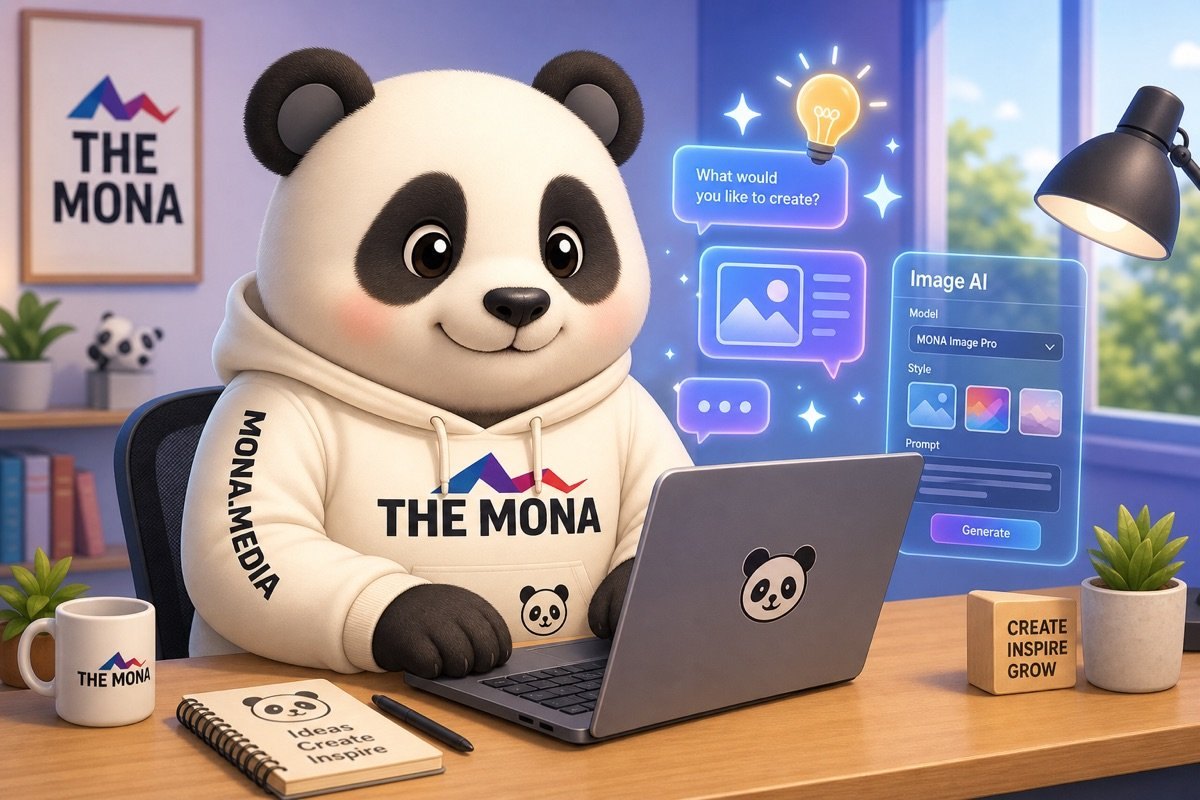
Whether Nano Banana is free is something you need to settle before bringing this tool into your daily image design, sales content and marketing. The free version can handle many tasks quickly, but it still has limits on usage, output quality and control. In this article, MONA goes straight into how to check your free access, step-by-step image creation, tips for writing prompts that keep images on target, and how we use Nano Banana internally, before connecting it to your website, SEO and custom software systems.
Nano Banana has a free version good enough to try on real work, not just to play with.
Get to work right away.
For marketing, the free version is worth using when you pick the right source image, the right task, and do not spend your quota on requests that are too broad.
We usually guide clients to start with 3 types of images: product images, social images and illustrations for a website or blog SEO.
You need to go to the right place that offers Nano Banana before making images for work.
Getting access wrong makes it easy to run into odd limits, a different interface or features that do not match the guide.
Check first.
The free version is suitable for checking image quality, testing styles and quickly building samples for marketing content.
It should not yet be treated as a bulk image production system for your whole marketing team.
Do not burn your quota.
On the free version, prioritize tasks with clear value right after you export the image.
We usually group them into 3 types that are easy to use across a website, SEO and social.
For product images, start with a sharp, well-lit photo where no important detail is blocked.
For social images, use a simple layout with little text and leave room for a headline.
For web images, match the brand colors, display ratio and the context of the article.
MONA often uses this approach internally when we need to quickly build image samples for website and SEO content.
After that, the design or content team picks the images that are good enough to go into the publishing process.
Nano Banana works better when the input image is already clean.
A blurry, underlit image or a cluttered background makes the free version burn quota while the result is still hard to use.
The source image matters a lot.
For example, for a product image, write clearly “keep the product shape unchanged, change the background to a light-colored desk”.
For a social image, write clearly “create a minimalist-style illustration, leave empty space on the right for a headline”.
The clearer the prompt, the more your free quota is worth.
Nano Banana helps you quickly handle one-off image tasks in marketing.
But a standalone tool still has a ceiling when your team works by hand, saves files manually and struggles to keep data seamless.
When a business needs images to go along with its website, SEO, CRM or content approval process, MONA usually advises building custom software for tighter management.
You can start with a free tool, then gradually grow it into a system that serves your cash flow.
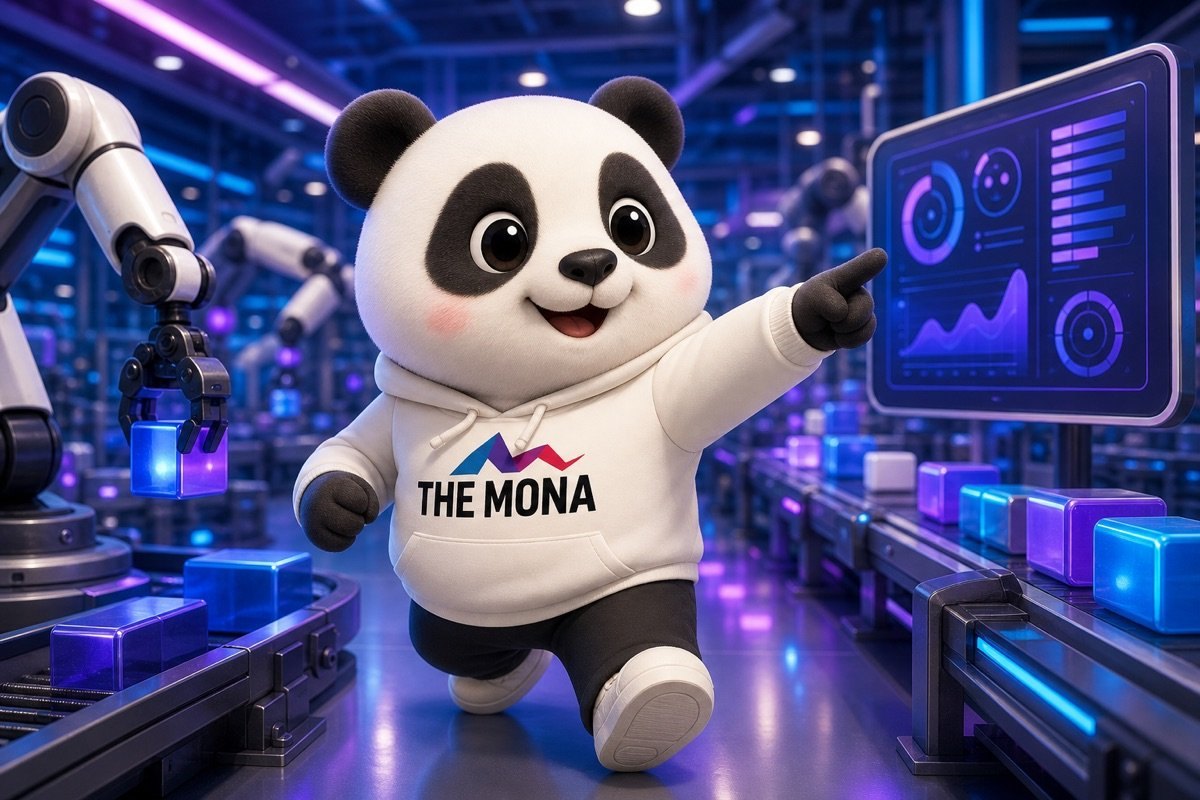
The 4-layer prompt formula helps Nano Banana understand what image to create, what the image is for and which errors to avoid. Just write in this order: goal, subject, setting, constraints.
This approach cuts down on the back-and-forth caused by overly general descriptions. Well worth using.
Internally at MONA, we often use this structure when drafting images for SEO articles, web banners and Facebook content. When an image goes onto a sales website, we still review the layout to match the landing page and the marketing campaign.
The image goal must say which spot in your marketing the image serves. Nano Banana follows better when you name the channel, the image's role and the feeling you want.
Do not open a prompt with a general line like “create a beautiful product image”. That line makes the tool guess too much.
Write the goal first. Do not rush to describe colors.
The more specific the subject, the less the image drifts from your original idea. Describe it in 4 points: material, color, shooting angle and layout.
For product images, Nano Banana needs to know where the main object sits and how much of the frame it takes. For ad images, the tool needs to understand which part is reserved for text.
A good prompt does not need to be long. It needs to be on point.
Constraints are the layer that cuts errors that are hard to fix. State clearly what Nano Banana must not do, especially when the image has people, text or a real product.
AI images often go wrong on small text, hands, faces, logos and background details. We usually add constraints at the end of the prompt to reduce errors from the first round.
Keep constraints short. The clearer, the easier to check.
The three templates below let you use the free version right away without rethinking the structure. Just swap in your product name, colors and industry.
Template 1 for product images:
Template 2 for web banners:
Template 3 for Facebook posts:
Nano Banana helps you handle one-off images quickly, especially at the ideation step. But when a business needs images in sync with e-commerce websites, SEO and campaign data, a standalone tool hits a ceiling.
MONA uses AI internally and trains clients in a practical way. For problems that need real automation, we still prioritize custom software, seamless data and controlled processes.
A reference image helps Nano Banana hold the colors, layout, photo style and a character's face before it processes the prompt. Do this first.
When you type the instruction right from the start, the image easily drifts from your identity. Brand colors shift, the character's face changes, and the banner layout loses its original feel.
We often use this approach when making visuals for websites, SEO and marketing content. The original image goes in first, and the prompt only guides the parts to change.
The closer the reference image is to the desired result, the less Nano Banana guesses wrong. This step reduces errors before you edit with text.
Pick an image whose lighting, shooting angle, frame ratio and layout are close to the final image. Do not use a very dark image and then ask for a bright studio-style result.
It drifts very easily.
For images used for website design, we usually pick reference images to match the exact display spot. Banners, product images and article images should not share the same kind of source image.
The prompt needs to separate the area to keep from the area that may be edited. Nano Banana handles it better when you lock the identity right in the prompt.
Instead of writing in general terms, state the exact color, logo, face, hairstyle, outfit or layout to keep. What may change also needs to be stated clearly.
The clearer you write, the less you fix.
MONA uses this kind of prompt in client training sessions on AI tools. The goal is to help marketing staff create images faster while keeping the agreed identity.
Each round should edit only one main group of details. Nano Banana keeps the style better when it does not have to handle too many requests at once.
Do not combine instructions.
You can edit in this order: background first, objects next, text last. This lets you control each change and go back more easily when the image drifts.
Text in the image still needs a human eye to review. For SEO content, prioritize short, easy-to-read text that is consistent with the landing page in SEO services.
A set of prompt templates helps staff produce more consistent images across campaigns. This turns a personal tip into an internal process.
Save it right away.
You can create a folder with reference images, prompt templates and approved images. Each template should state its purpose: banner, article, product or ad.
MONA applies this template-saving approach when using Nano Banana and other AI tools internally. We also show clients how to turn prompts into reusable assets.
Even so, a standalone tool still has a ceiling. When data, image approval workflows, website, CRM and reports need to be seamless, a business needs custom software built by MONA.
MONA has grown since 2016, with , 14,000+ projects and 85% retention. AI tools help with the work, while a custom system is what holds data and cash flow over the long term.
With the free version of Nano Banana, every image edit round needs a clear goal. Cramming too many requests into one round easily throws off the layout, the colors and makes further edits harder.
We usually teach marketing teams to split an image into 5 small rounds. This lets you control each editing layer, instead of leaving the tool to guess your whole intent.
MONA uses this round-splitting approach in internal training and when guiding clients on visuals for websites, SEO, landing pages and ads. It is a little slower, but there is less rework.
The first round should only handle layout, framing and the subject's position. Do not touch skin, text, background or small details at this stage.
The goal is an image with the right viewing direction, the right ratio and the right overall feel. With a solid base, later rounds are easier to control.
A compact prompt example: “Keep the main product, balance the image layout in a landscape ratio for a website banner”.
The second round should focus on lighting and color. Website images need to be clean and clear, ad images need the subject to stand out, and social images need to catch the eye more.
State exactly where the image will be published so Nano Banana understands how far to adjust the color. For the same product image, the colors for a website and for an ad should not be identical.
The prompt can read: “Keep the current layout, make the lighting brighter and the colors cleaner, suitable for a product image on a website”.
The third round is for cleaning up the background, removing extra objects and reducing distracting detail. This step makes the image look more professional without changing the original idea.
Many images go wrong because of asking to remove things from the very start. When the layout and colors are not settled, removing objects easily warps the image or exposes fake-looking areas.
Sample prompt: “Keep the layout and colors, remove small cluttering objects in the background, keep the natural lighting”.
The fourth round is for leaving room for text. A beautiful image with no space for a headline is hard to use for a banner, landing page or ad.
We usually ask for empty space to be left based on the design position in advance. This lets the image drop straight into the web layout without repeated cropping.
Sample prompt: “Extend the background on the right, create a clean empty space for a headline and a call-to-action button, keep the subject on the left”.
The last round is for creating variants per channel. Do not use a single image everywhere, because each channel has a different way of viewing.
For MONA, website images need to serve load speed, layout and conversion. SEO images need clear context. Ad images need to communicate faster.
Sample prompt: “Create 3 variants from the current image: landscape for the website, square for social media, vertical for ads, keeping the same visual style”.
Nano Banana processes images faster when you know how to split the rounds well. The tool's ceiling is still one-off manual work that depends on the user and is not connected to internal data.
MONA, founded in 2016 , uses AI internally and trains clients to build it into real processes. When a business needs seamless data, security and deep automation, we prioritize building custom software for CRM, ERP, websites, SEO and marketing.

A short prompt helps Nano Banana stay on target and cuts the noise between layout, text, logos and characters.
Shorter means less noise. When you cram in too many ideas, the tool easily misreads the order of priority. The marketing image looks right, but is wrong on the selling point.
MONA usually trims a prompt down to 1 main goal, 1 visible description and 1 group of prohibitions. This helps staff work more consistently when making banners, product images, social images and illustrations for SEO articles.
Vague adjectives make Nano Banana guess by feel, while visible descriptions bring the image closer to your marketing intent.
Do not write “beautiful, elegant, modern, professional” and wait for the tool to understand. These words say nothing clear about lighting, background, shooting angle, material or a character's emotion.
Write more specifically. The prompt should describe what the human eye can see in the image.
We use this approach when guiding content teams to create supporting images for marketing articles. Each prompt keeps only the visible parts, so the image is easy to edit and easy to repeat.
Each prompt should serve 1 main goal so Nano Banana does not split its attention across conflicting requests.
One image, one job. A product sales image needs to make the product clear. A recruitment image needs to make the people clear. An SEO article image needs to make the context clear.
A common mistake is cramming too many wishes into one prompt. You want the image to be fun, serious, minimalist and detailed all at once. The tool will blend them into an image that is hard to use.
MONA usually asks staff to write the image goal before the prompt. A short goal line helps the whole team check the image faster after it is created.
Clear prohibitions reduce errors in the areas where Nano Banana often goes wrong when creating marketing images.
Prohibitions must be specific. Do not just write “no errors”. State exactly which parts must not appear or be distorted.
5 areas to lock. Text, logos, hands, faces and backgrounds are where an image often goes wrong but is hard to spot at a quick glance.
A compact prompt template can read like this: “Create a product image centered in the frame, cream-white background, soft light. No text, no logo, no distorted hands, no people in the background.”
This is short enough. New staff can use it too. The person approving images also knows which points to check.
Long prompts often make images go wrong because they hold many commands of equal weight, while a compact prompt lets you control the goal and the main errors.
An example of a long prompt that gets noisy: “Create a really beautiful, luxurious, modern, cheerful ad image with a tech feel, with customers, with staff, with promotional text, with a logo, a city background, standout colors, looking professional.”
This prompt pulls in too many directions. Nano Banana has to guess which part matters more. The result easily turns messy, with wrong text, extra people or an off-brand tone.
A more compact prompt: “Create a vertical banner image for cosmetics, product bottle in the center, cream-white background, soft light, leave empty space at the top for a headline. No text, no logo, no people.”
A clearer goal. Easier to check. Easier to hand off.
MONA treats Nano Banana as a tool for producing visuals quickly for websites, SEO and marketing. But one-off image creation still has a ceiling when data, approval workflows and brand assets are not seamless.
For businesses that need steady operations, MONA usually puts a layer of prompt templates into an internal process or custom software. From there, images, content, the website and marketing campaigns follow the same standard.
Images created with Nano Banana should be reviewed before posting. A small error in text, a logo or a ratio can lower the credibility of a web page and an ad.
MONA usually uses a 7-point check before putting AI images into SEO articles, banners and sales pages. This lets you use images faster, but not post in a rush.
AI images often go wrong on Vietnamese text, logos and small details. This group of errors slips past the eye easily when viewed quickly on a large screen.
Zoom into the image before posting. We usually check the text, diacritics, brand symbols, human hands, human eyes and product labels separately.
For images used for website design, MONA prefers to fix it by hand if the image has only one small wrong detail. If the error is in the main layout, we recreate the image from scratch.
Each spot on a website needs a different image ratio. An image that looks great in Nano Banana can still get its face, text or product cropped once it goes on the page.
Export a separate version for the banner, thumbnail and in-article illustration. Do not use one image for every spot.
An image file name helps the content and technical teams understand which page the image serves. A name like “image-final-final” turns an image library into a mess very quickly.
MONA usually names files by keyword, context and where the image is used. This makes website management, SEO and internal handoff cleaner.
An easy example: nano-banana-tôi-anh-san-pham-thumbnail.webp. For SEO articles, you can combine this step with the process at SEO services package from MONA?
AI images are often large after download. If you post them straight to your website, the page may load slowly and readers may leave early.
Compress images before putting them into the management system. We usually keep quality that looks fine on screen but cut the file size so the page is lighter.
On the websites MONA has delivered since 2016, image optimization is always part of the operations handover. The team .
AI images used for marketing often go through many rounds of edits. If you do not clearly save the original and the approved version, the content team can easily use the wrong image.
Split folders by campaign, landing page and creation date. File names should show the original, edited and published versions.
Nano Banana helps create images fast, but it still has a ceiling when the team works in silos. Businesses that need seamless data should use custom software, CRM, ERP or automation chains built by MONA.
MONA currently uses AI internally and trains clients according to real needs. With 14,000+ projects and an 85% retention rate, we prioritize approaches that help web, SEO and marketing generate more durable cash flow.
Nano Banana suits personal use, quick content and one-off marketing. But when a team needs seamless data, permissions, security and automation, a standalone tool hits its ceiling.
This is an important boundary. Use Nano Banana to speed up, but do not force it to replace your operating system.
A standalone tool starts to run out of steam when each staff member uses it differently, saves files in a different place, names them in a different way and reports by gut feeling.
It is easy to fall out of step. One person makes a great image, another gets the brand voice wrong. One group saves to Drive, another sends through Zalo.
We understand the feeling. A new tool makes work faster, but without a shared process, data stays scattered.
MONA usually handles this bottleneck by setting a clear process first, then bringing in AI and software afterward. We do not treat Nano Banana as an operating system.
MONA was founded in 2016 and has .000+ projects. These numbers help us see the gap between a tool used by hand and a system that really runs.
Use Nano Banana for fast creative work, testing ideas, image variants and short-term marketing content.
You can use Nano Banana to build product images, article images, ad samples, landing page illustrations and social media content.
This part is well worth using. It helps the marketing team cut waiting time for design on small jobs.
But customer data, orders, permissions, approvals, reports and automation should not live in an image creation tool.
The boundary is very clear. Nano Banana creates visual assets, while custom software keeps the live data flow of the business.
For teams that need a stronger web foundation, MONA usually starts with website design, then connects tracking, CRM and SEO content.
Seamless data appears when images, content, customers, orders and reports all run in one flow.
At that point, an image is no longer a loose file. It is tied to a product, a campaign, a posting channel, engagement and the orders that result.
This is what Nano Banana cannot handle on its own. An image creation tool does not know the content approval process, cost of goods, inventory or customer history.
MONA builds custom software by connecting each disconnected step. We design systems so data passes through the right place, with the right permissions and the right report.
At that point, AI is just one part of the process. The value sits in custom software, where data is standardized and runs automatically.
MONA also trains client teams to use AI for the right jobs. The goal is to cut manual work and repeated errors.
Nano Banana is worth using for individuals and marketing teams that need images fast. Businesses that need more durable operations will need a website, SEO and custom software.
You can keep Nano Banana in the creative group. The foundation should go to a system with data, permissions, security and automation.
MONA can go with you across three layers of work. One is website design to make a clear sales touchpoint.
Two is SEO services to draw search demand more steadily. Three is custom software to connect CRM, ERP, operations and reports.
We also use AI internally at MONA and train clients to use AI within a process. AI supports people, while software keeps data running seamlessly.
This direction is more practical. Nano Banana handles one-off jobs. Custom software handles cash flow, data and the ability to scale.
If you are using the free version of Nano Banana, keep it in the right role. When you need a real system, MONA will help you build a website foundation, SEO and custom software that can run for the long term.

CEO & Founder · The MONA
Founder of The MONA, who built a services company of 60+ staff with 14,000+ projects delivered. Khánh Hùng shares how he thinks about building systems that run themselves, automating a business, and the real lessons from delivering projects at MONA.
 285




Professional website
design services
Own a website with a beautiful, 100% exclusive design and a lifetime warranty, with the ability
to expand features flexibly as your business grows, starting today!






 MONA will never sell your information or send you spam


 MONA will never sell your information or send you spam
