
 MONA OS 2.0
 Partner with MONA


 Tự động hoá doanh nghiệp
 Cẩm nang SEO
 Digital Marketing
 Kinh nghiệm thiết kế website
 Hạ Tầng Server
 Giáo dục


 VI
 EN








Message us on
Zalo Official


 ProductsNew

 ProductsProducts
 Mới ra mắtKHA AI 2027App tự edit video, tự đăng mọi mạng xã hội, 2 phút mỗi ngày










 Website designLooks good and wins customers over.
SEO servicesBrings in customers searching for exactly what you sell.
 Tư vấn digital marketingKéo khách từ nhiều kênh, đo bằng số thật.
Corporate video productionVideos introducing your company, factory and team.
 NewAI video productionCompany story films made with AI.
 Custom software developmentCRM, ERP and HRM built for your business.
 Viết AI Agent theo yêu cầuĐặt riêng một trợ lý AI cho đúng việc của mình.
 Tư vấn chuyển đổi AIĐưa AI vào vận hành của cả công ty.
NewMONA LMSManagement for centers and schools.
MONA SkillHubInternal training for company staff.
 NHTQ systemEnd-to-end China–Vietnam shipping operations.
MONA JMSManagement for gold, diamond and pawn shops.
 MONA E-LearningA website with every feature you need to sell courses.
 How to sell online courses (course)More than 30 free lessons on selling courses on autopilot.
 MONA Cloudmonacloud.vnServers to get your apps and websites running.
 MONA Basemonabase.vnPostgres database, sign-in and file storage.
 MONA Mailmonamail.vnSend OTP, order and invoice emails from your software.
 MONA Paymonapay.vnAccept bank transfers via VietQR and notify your software when the money arrives.
 MONA eInvoiceComing soonIssue e-invoices that meet tax standards.
Gấu CườiTrả lời khách 24/7 trên web, Fanpage, Zalo và thu lead cho sale.
 Gấu TeleSalesGọi điện tư vấn, chăm khách như tổng đài viên thật.
Dê CườiTư vấn và chốt đơn cho shop ngay trong khung chat.
Gấu WebmasterNhắn nhóm Zalo là website được sửa xong.
 Gấu Pháp ChếSoạn hợp đồng, rà điều khoản trong vài phút.
 Gấu Báo GiáLên báo giá đúng mẫu và gửi khách ngay.
 AI chăm sóc khách hàngTheo dõi và giữ chân khách hàng cũ.
 Gấu Tuyển DụngLọc hồ sơ, hẹn lịch, phỏng vấn ứng viên.
 Mới ra mắt
KHA AI 2027
Xây kênh chuyên gia 2 phút mỗi ngày
Quay bằng điện thoại, AI tự edit video, tự đăng lên 16 nền tảng và tự trả lời bình luận, tin nhắn.
901.078lượt xem trên kênh CEO MONA sau 37 ngày
 Anh Khánh HùngCEO MONA đang dùng mỗi ngày
Xem app làm được gì
 AI
Gấu Cười MONA ĐANG TỰ XÀITrả lời khách 24/7 trên website, Zalo OA, Messenger và thu lead về cho sale.
Dê CườiChốt đơn bán lẻ và sàn: Shopee, TikTok Shop, web. Chăm cả khách sỉ, đại lý.
Gấu WebmasterCập nhật nội dung, tối ưu SEO website mỗi ngày.
Gấu TeleSalesGọi điện tư vấn, chăm khách như tổng đài viên thật.
Gấu Tuyển DụngLọc hồ sơ, hẹn lịch, phỏng vấn ứng viên tự động.
AI chăm sóc khách hàngGiữ khách cũ, cứu lead đã rớt cho phòng kinh doanh.
Gấu Pháp ChếSoạn hợp đồng, rà điều khoản trong vài phút.
Gấu Báo GiáLên báo giá đúng mẫu, gửi khách ngay khi có yêu cầu.
 Chuyển đổi AI toàn phầnGiải pháp tổng cho doanh nghiệp, 3 lớp triển khai.
 Viết AI Agent theo yêu cầuĐặt riêng một con AI gánh đúng nghiệp vụ của bạn.
 Custom softwareCRM, ERP and HRM with built-in AI automation.
 SEO & AEO thời đại AIĐược Google lẫn AI trích dẫn, không chỉ xếp hạng.
 Kiến thức AI cho doanh nghiệpBài phân tích, hướng dẫn ứng dụng AI vào vận hành.
 Free AI courses
 AI tools at work
App mới · KHA AI 2027
Xây kênh 2 phút mỗi ngày
AI tự edit video, tự đăng mọi mạng xã hội
Free consultation, 8am–10pm every day

18 March, 2023

In sales, objections such as "It's too expensive", "I don't need it right now" or "I don't have time" come up at every stage of reaching customers. What sets an effective salesperson apart is having good enough objection handling skills to turn a barrier into a chance to keep the conversation going. This article from MONA Media will help you understand what objection handling really is and how to use it well to raise your conversion rate.
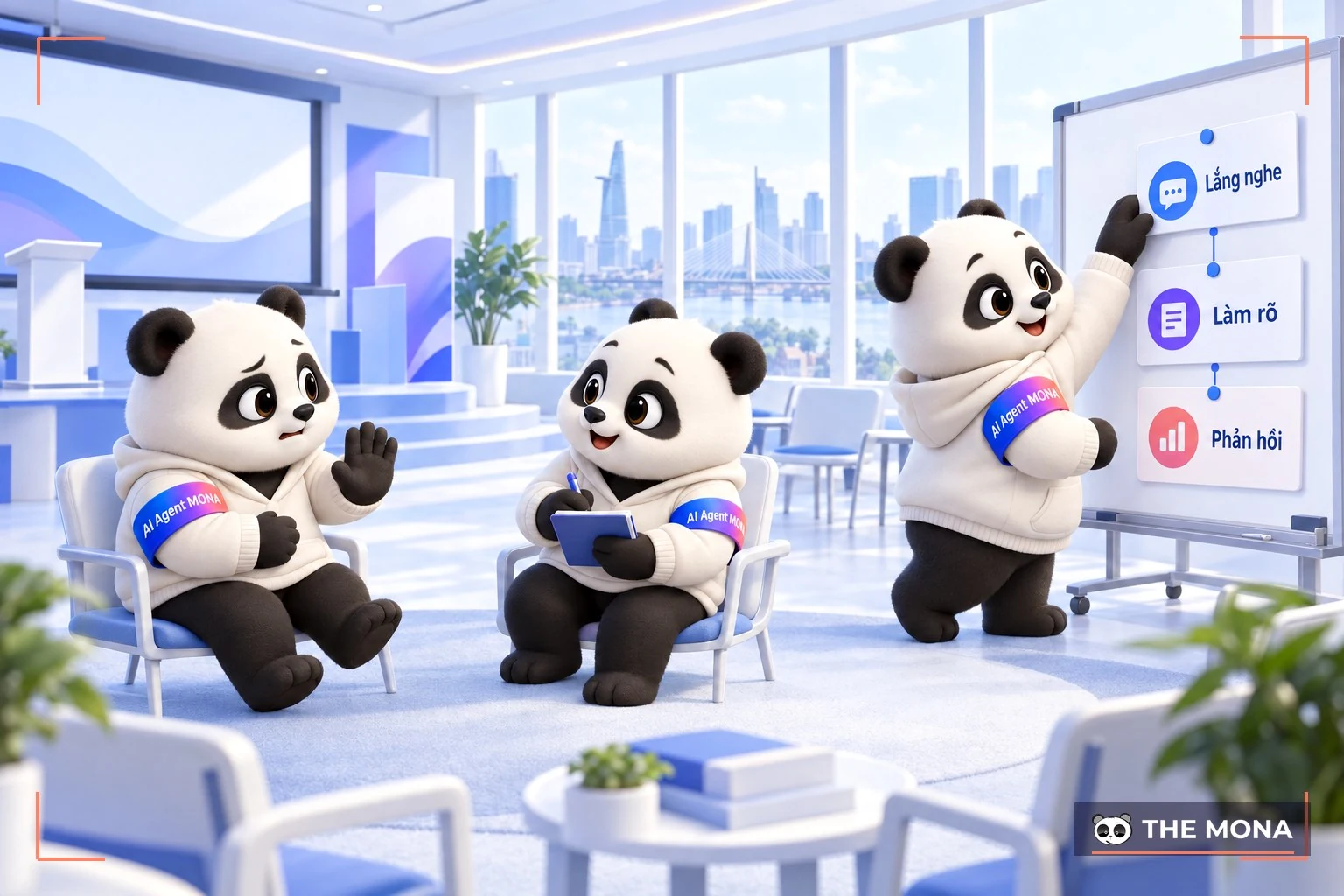
Handling sales objections is the process in which a salesperson responds strategically to a customer's concerns, doubts or refusal. It is an important step that keeps the conversation going and opens the chance to keep advising, instead of letting the deal stop at the start.
This process combines communication skills, listening, real understanding of what the customer needs, and the ability to persuade based on the value of the product. Done well, objection handling not only lowers barriers but also noticeably improves a business's conversion rate.
To handle objections effectively, salespeople can use four basic steps. Each step lowers pressure, clarifies the issue and leads the customer in a more positive direction.
Customers refuse for many different reasons. New salespeople can look at how to handle objections in the cases below.

When a customer refuses because of price, the first thing a salesperson should do is check whether this is the right customer segment for your product. If the customer does not fit your business's customer insight, you can thank them for their interest in the product. If they have a need and the budget allows, invite them to get in touch again so you can advise them further.
Suppose a customer refuses over price but you can see they are able to buy. They may be refusing because a competitor has made a better sales offer. In that case you have to convince the customer of your product or service features.
Ask questions that confirm, such as: Do you use any similar product or service? Have you tried our product or service? Then ask for a little of their time to introduce your product or service further. Being professional, listening well and speaking politely create goodwill that makes customers give you their time.
With customers who refuse because of time, you have to find a way past their doubts. Some are simply busy. Others are not interested in the product and do not yet pay attention to your brand.
If a customer says they need to think more, ask whether they can share what they are thinking about. Then address the questions and concerns that are making them hesitate.
If they refuse because they have no need yet, ask for a little time to introduce the features, the importance and the price. Highlight what you do better than your competitors. They may change their mind if your position and appeal are convincing enough.
More polite people will refuse with "I'll get back to you when I need it". Here the customer is refusing politely but very plainly. Ask them gently and politely whether they are really interested in your product. If they still have no need, they are not in your customer segment, and you save time on the next follow-up.
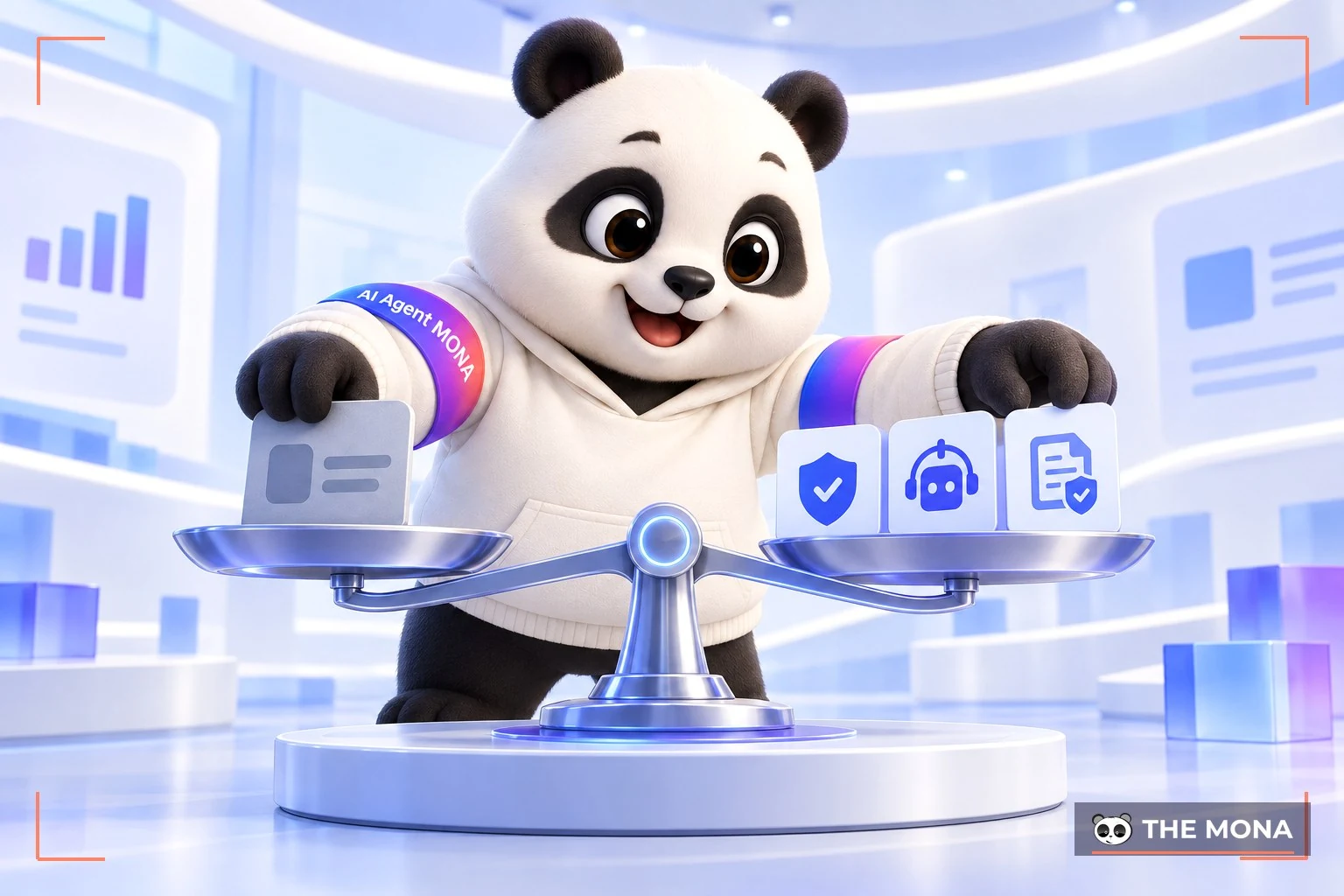
The customer refuses because they already use a competitor's services or products. You have to show you are better than the competitor in several ways, such as price, product or service quality, promotions and customer care.
List the benefits and advantages your service or product has over your competitors. Customers always look for better brands. Today, customer loyalty is no longer blind. They keep improving their lives with better services and products.
Customer doubt usually comes from unproven quality, unclear information, an unclear origin or a bad past experience. It is a common barrier that keeps customers from being ready to trust and decide.
To handle this well, a business can follow three approaches:
• The product must clearly prove its value and comply with the law.
• The salesperson must know the product deeply, with a firm grasp of its quality and origin, so they can answer with confidence.
• Give customers a chance to try the product or service for free so they can check the quality themselves.

When a customer refuses because they have no need yet, they may not be a potential customer for you, or they may not yet trust your product and service. When a customer refuses, the first thing a salesperson should do is:
When a customer refuses because they lack the authority to decide, a salesperson can take one of two approaches. The first is to connect directly with the decision maker by proposing a consultation, asking to join a meeting, or asking an existing customer to make an introduction. When you reach the right person, your message arrives in full and is more persuasive.
The second is to keep taking care of the person you are talking to, even if they are not the final decision maker. They still gather information, propose solutions and strongly influence their superior's choice.
Many customers hesitate to buy because they worry the product will be hard to use or they will not know how to run it. To remove this worry, a business must show that customers are fully supported throughout their use of the product. Three important things to make clear:
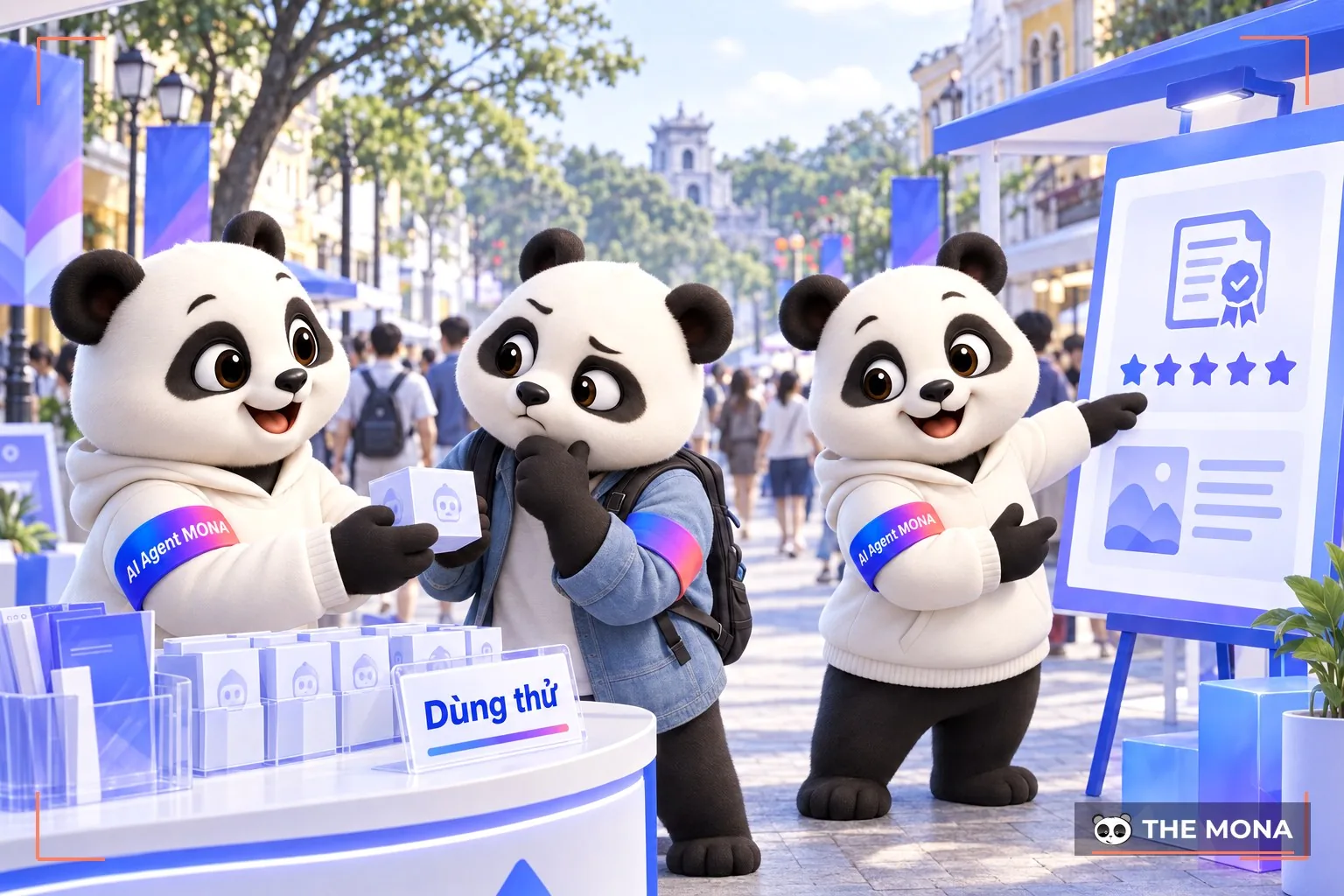
In some cases customers refuse because they have never heard of your brand. This is a big challenge for salespeople. It is hard when customers have not yet accepted you as a competitor.
The first thing to do is introduce your brand to the customer. Look for a chance to get them interested in and noticing your product or service. They may refuse now, but if you leave a good impression, they will pay more attention the second time they see your brand, product and service.
A salesperson cannot improvise a response to every objection on the spot. Improvisation is only needed for cases beyond what you planned. To make things easier, prepare by listing the situations in advance and working out how to handle them.
For example, what do you do when a customer says the price is too high? How do you respond when a customer compares you with a competitor? How do you persuade a customer who does not want to listen? List every objection that could come up and prepare your answers first.
Indeed, objection handling decides whether a sales team can keep the conversation going and convert customers. Without this skill, staff lose sales opportunities and the business loses overall performance. Businesses should therefore train staff properly so they master objection handling methods and apply them consistently in every situation.
To make this training more effective, a business can use internal training software MONA SkillHub. The platform lets you standardize training content, build a library of objection scenarios, create visual lessons and track each employee's progress. This helps a business run a training program that is continuous, consistent and clearly measurable, so the sales team is ready for every customer objection.
As you can see, objection handling is the most important thing that helps salespeople keep the conversation going, get past customers' mental barriers and raise their closing rate. When you master the methods and apply them to each situation, you convey the product's value better and also build lasting trust with customers. We hope what MONA shared helps you sharpen your objection handling skills and feel more confident in your selling.

CEO & Founder · The MONA
The founder of The MONA built a service company of 60+ staff with 14,000+ projects delivered. Khánh Hùng shares his thinking on building self-running systems, automating a business, and the real lessons behind MONA's projects.
 1,5K



Professional website
design services
Own a website with a beautiful, 100% exclusive design and a lifetime warranty, with the ability
to expand features flexibly as your business grows, starting today!






 MONA will never sell your information or send you spam


 MONA will never sell your information or send you spam
