
 MONA OS 2.0
 Partner with MONA


 Tự động hoá doanh nghiệp
 Cẩm nang SEO
 Digital Marketing
 Kinh nghiệm thiết kế website
 Hạ Tầng Server
 Giáo dục


 VI
 EN










Message us on
Zalo Official


 ProductsNew

 ProductsProducts
 Mới ra mắtKHA AI 2027App tự edit video, tự đăng mọi mạng xã hội, 2 phút mỗi ngày










 Website designLooks good and wins customers over.
SEO servicesBrings in customers searching for exactly what you sell.
 Tư vấn digital marketingKéo khách từ nhiều kênh, đo bằng số thật.
Corporate video productionVideos introducing your company, factory and team.
 NewAI video productionCompany story films made with AI.
 Custom software developmentCRM, ERP and HRM built for your business.
 Viết AI Agent theo yêu cầuĐặt riêng một trợ lý AI cho đúng việc của mình.
 Tư vấn chuyển đổi AIĐưa AI vào vận hành của cả công ty.
NewMONA LMSManagement for centers and schools.
MONA SkillHubInternal training for company staff.
 NHTQ systemEnd-to-end China–Vietnam shipping operations.
MONA JMSManagement for gold, diamond and pawn shops.
 MONA E-LearningA website with every feature you need to sell courses.
 How to sell online courses (course)More than 30 free lessons on selling courses on autopilot.
 MONA Cloudmonacloud.vnServers to get your apps and websites running.
 MONA Basemonabase.vnPostgres database, sign-in and file storage.
 MONA Mailmonamail.vnSend OTP, order and invoice emails from your software.
 MONA Paymonapay.vnAccept bank transfers via VietQR and notify your software when the money arrives.
 MONA eInvoiceComing soonIssue e-invoices that meet tax standards.
Gấu CườiTrả lời khách 24/7 trên web, Fanpage, Zalo và thu lead cho sale.
 Gấu TeleSalesGọi điện tư vấn, chăm khách như tổng đài viên thật.
Dê CườiTư vấn và chốt đơn cho shop ngay trong khung chat.
Gấu WebmasterNhắn nhóm Zalo là website được sửa xong.
 Gấu Pháp ChếSoạn hợp đồng, rà điều khoản trong vài phút.
 Gấu Báo GiáLên báo giá đúng mẫu và gửi khách ngay.
 AI chăm sóc khách hàngTheo dõi và giữ chân khách hàng cũ.
 Gấu Tuyển DụngLọc hồ sơ, hẹn lịch, phỏng vấn ứng viên.
 Mới ra mắt
KHA AI 2027
Xây kênh chuyên gia 2 phút mỗi ngày
Quay bằng điện thoại, AI tự edit video, tự đăng lên 16 nền tảng và tự trả lời bình luận, tin nhắn.
835.566lượt xem trên kênh CEO MONA sau 27 ngày
 Anh Khánh HùngCEO MONA đang dùng mỗi ngày
Xem app làm được gì
 AI
Gấu Cười MONA ĐANG TỰ XÀITrả lời khách 24/7 trên website, Zalo OA, Messenger và thu lead về cho sale.
Dê CườiChốt đơn bán lẻ và sàn: Shopee, TikTok Shop, web. Chăm cả khách sỉ, đại lý.
Gấu WebmasterCập nhật nội dung, tối ưu SEO website mỗi ngày.
Gấu TeleSalesGọi điện tư vấn, chăm khách như tổng đài viên thật.
Gấu Tuyển DụngLọc hồ sơ, hẹn lịch, phỏng vấn ứng viên tự động.
AI chăm sóc khách hàngGiữ khách cũ, cứu lead đã rớt cho phòng kinh doanh.
Gấu Pháp ChếSoạn hợp đồng, rà điều khoản trong vài phút.
Gấu Báo GiáLên báo giá đúng mẫu, gửi khách ngay khi có yêu cầu.
 Chuyển đổi AI toàn phầnGiải pháp tổng cho doanh nghiệp, 3 lớp triển khai.
 Viết AI Agent theo yêu cầuĐặt riêng một con AI gánh đúng nghiệp vụ của bạn.
 Custom softwareCRM, ERP and HRM with built-in AI automation.
 SEO & AEO thời đại AIĐược Google lẫn AI trích dẫn, không chỉ xếp hạng.
 Kiến thức AI cho doanh nghiệpBài phân tích, hướng dẫn ứng dụng AI vào vận hành.
 Free AI courses
 AI tools at work
App mới · KHA AI 2027
Xây kênh 2 phút mỗi ngày
AI tự edit video, tự đăng mọi mạng xã hội
Free consultation, 8am–10pm every day

29 May, 2023
Have you heard of Google Shopping ads, an advertising tool that helps you increase sales, build brand awareness and compete with rivals? In this article, MONA Media will answer your questions about what Google Shopping ads are, how to create and manage ad campaigns, and how to optimize them for the best results.
What are Google Shopping ads? Google Shopping Ads is an online advertising service from Google that lets you show your products on Google search results and the Google Shopping page.
Google Shopping Ads presents products with information such as name, image and price, making it easy for customers to choose and compare prices on the search page.
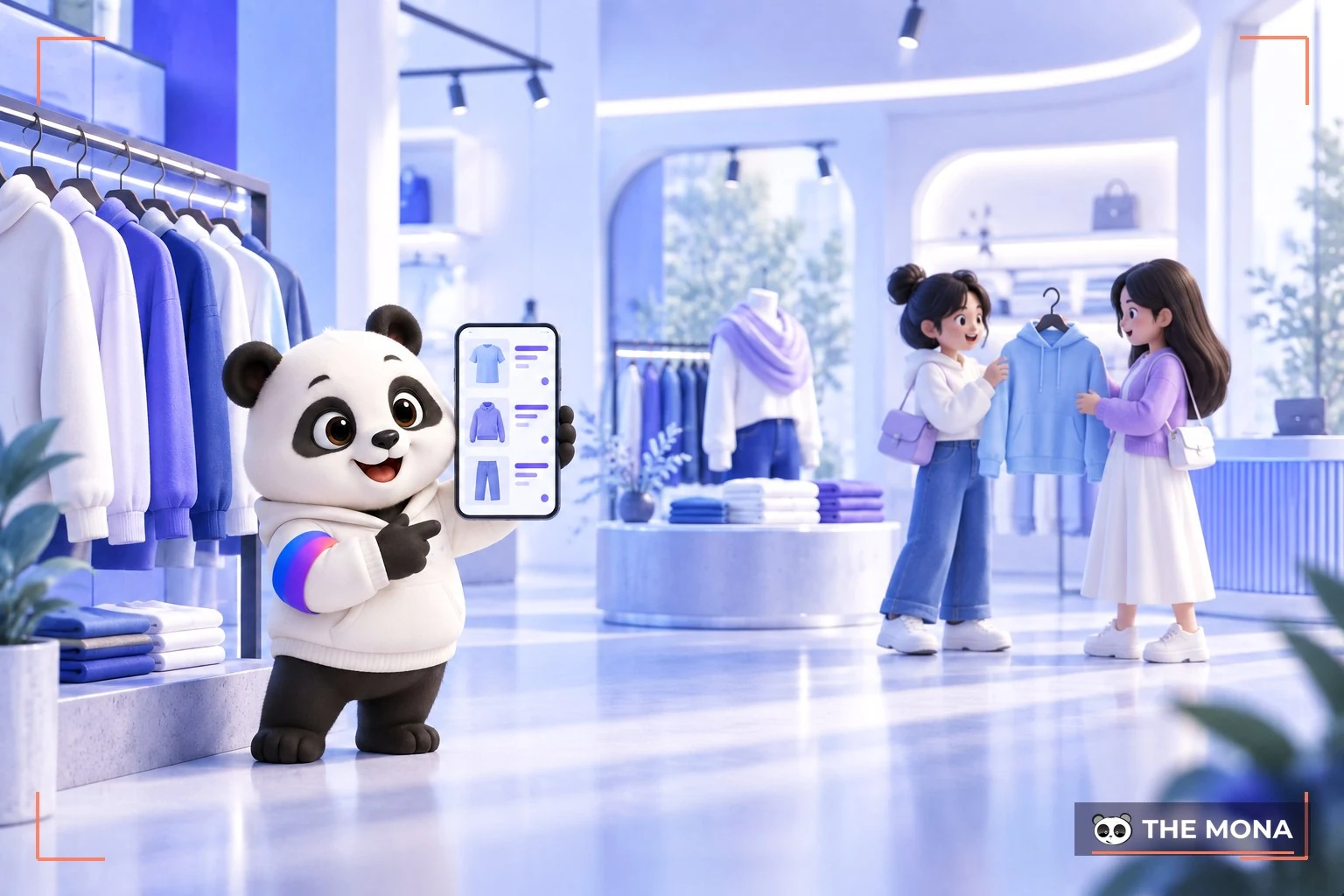
This tool brings many benefits to retail businesses: higher click-through rate on ads, higher order conversion rate, lower cost per click and a smaller budget than traditional ad campaigns,…
≫ See more: What Is Google MCC? How to create and link a Google Ads MCC account in detail
With Google Shopping Ads, when you search for a product on Google you see a list of related products shown as image, name, price and seller. You can click a product to see details or compare it with others.

However, how Google Shopping appears depends on the device you use. On a computer, products appear at the top of the search page or in the right-hand column. On a phone, they appear at the top of the search page and you can swipe left to see more.
To cover the benefits Google Shopping Ads campaigns bring to businesses, MONA has put together the detailed list below:
Google Shopping Ads can show many products on Google results, making you more prominent and catching customers' attention. Your ads can also appear on more channels and devices, such as Google Search, Google Images, YouTube or Google's partner sites.
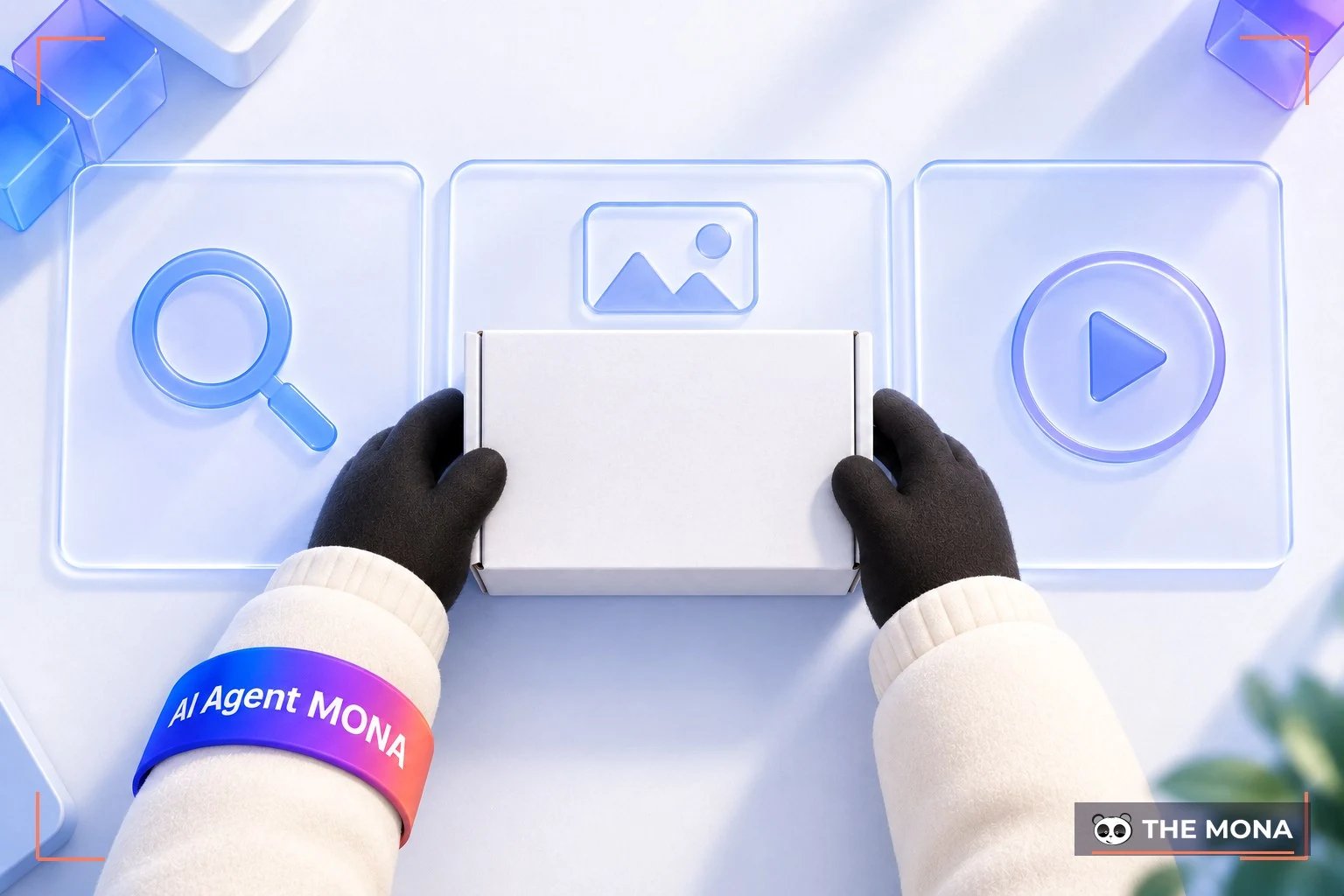
Google Shopping Ads shows your products across multiple Google channels, including Google Search, Google Shopping and the Google Display Network. This makes your products more prominent and attracts more potential customers. It also raises click-through and lowers your site's bounce rate.
Running Google Shopping Ads makes managing a retail campaign much easier and more effective. You do not have to spend time writing ads or choosing keywords for each product; you just track metrics such as clicks, conversions, conversion value and ROAS to monitor campaign performance. Remember to use smart tools to optimize campaign results and save time and effort.
Google Shopping Ads shows your product information visually on mobile, including image, name, price and brand, which helps catch customers' attention. You can also optimize your ads for mobile using features such as:
You can also adjust cost, audience and campaign goals per device type to improve campaign results.
Google Shopping Ads is a cost-per-click (CPC) format, meaning you only pay when someone clicks your ad. You can also adjust your budget and ad campaign to your business goals and ad performance.
Because products and prices are shown directly, they catch users' attention more than ordinary text ads. Customers can easily compare and choose products that fit their needs and budget, which raises the chance of clicks and purchases. The average click-through rate for Google Shopping ads is 0.86%, higher than the average click-through rate for paid search ads of 4-6% (recent research).
Businesses can easily measure Google Shopping Ads through metrics such as clicks, conversions, conversion value and ROAS. You get detailed reports on your products, product groups, brands and product types. You can also connect to other analytics tools such as Google Analytics or Google Data Studio for a complete view of your customers.
In our assessment, this is one of Google Shopping's strongest points. The tool helps you manage your product list easily and updates product information automatically every night, saving time and raising productivity.

You can set up automatic data updates to track your products, and Google updates the campaign once a day, so you do not bid on products that are no longer sold or are out of stock.
To add new products, you can insert a tag and the products are automatically added to the “data feed” the next day, so you do not have to update the campaign manually whenever there is a new product.
≫ See more: What Is Paid Media? Benefits of Paid Media for Businesses
To run shopping ads on Google Shopping, you need two tools: Google Ads and Google Merchant Center. Google Ads is where you create and manage ad campaigns, and Google Merchant Center is where you give Google data about your products.
As for placement, Google Shopping Ads can appear in three places: to the right of search results, above search results, or on the Shopping tab.

Ad cost is probably the factor most businesses care about when it comes to Google Shopping Ads. With that in mind, MONA has summarized the 3 pricing models in detail below:
Google Shopping Ads is an ad format for e-commerce businesses, showing their products on Google search results and other platforms. In particular, it suits businesses that have:

Industries well suited to Google Shopping ads include:
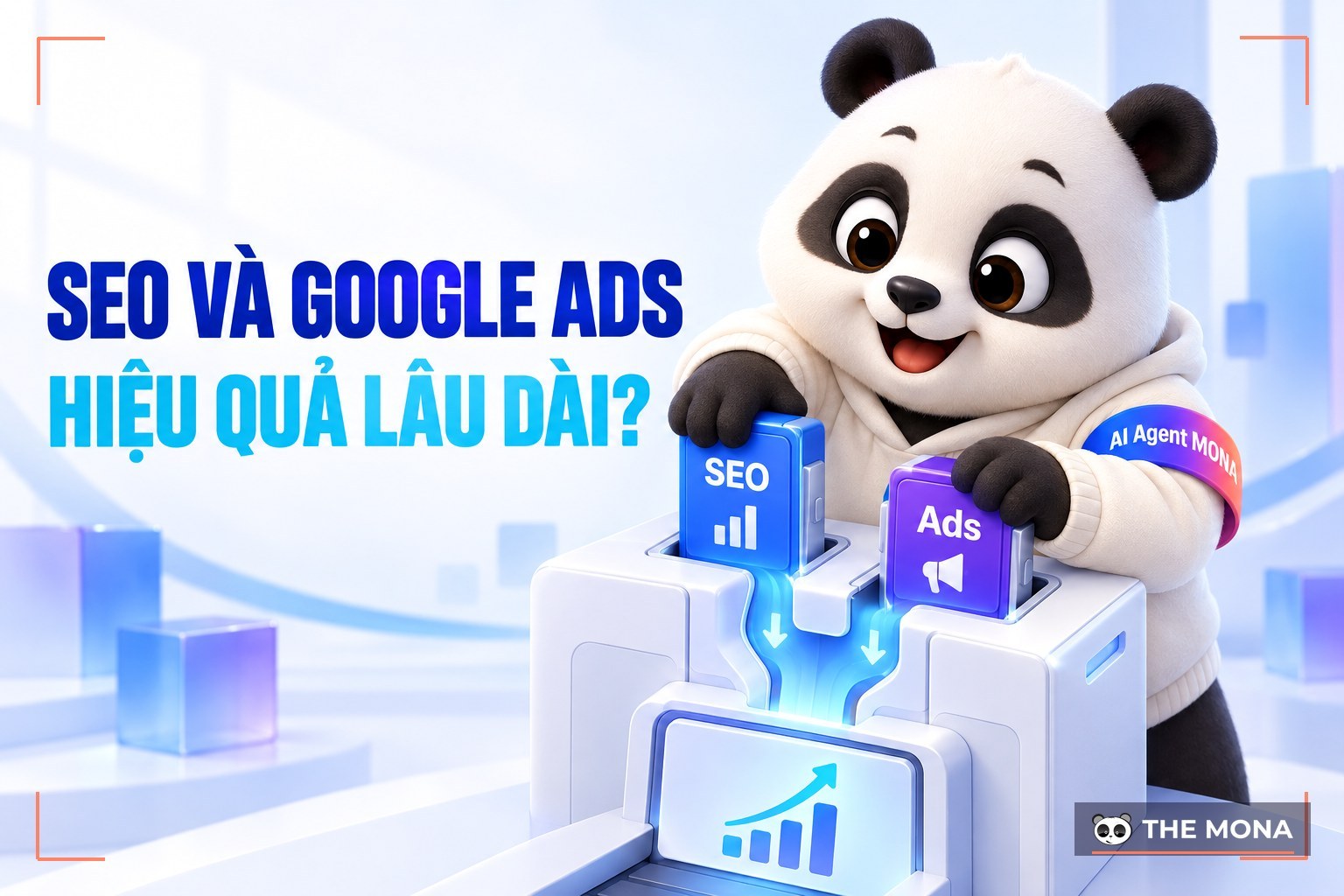
≫ See more: SEO vs. Google AdWords: which brings long-term results?

To run Google Shopping Ads, the business's website must meet these conditions:
To make running Google Shopping ads easy and as effective as possible, follow these steps with MONA:
To create a Merchant Center account and verify your domain in GMC, follow these steps:
Register a Merchant Center account by going to https://merchants.google.com/ and signing in with your Google account.

Enter your business information, including business name, address, phone number, and choose where customers check out.

Verify ownership of your website with one of these methods: add a TXT record to DNS for your domain, add a meta tag to your homepage, upload an HTML file to your server, or use Google Analytics or Google Tag Manager.

To connect your website to Google Merchant Center, you need to verify ownership. Google offers 3 common methods, flexible depending on the tools you use:

Method 2: Verify through Google Tag Manager (GTM)
If your website already has GTM installed, you can use this method. Requirements:
Method 3: Verify through Google Analytics
If you use Google Analytics to track your website, use it to verify. Requirements:
Go to your Merchant Center account and select the settings icon. Then choose “Linked accounts”

Next, in the “Google Ads” section of Merchant Center, choose the item “Link to account”, then enter your Google Ads account ID in the box and submit the link request.
Then sign in to your Google Ads account and go to “Settings” → “Linked accounts”, find the “Merchant Center” section, select the matching account and confirm the connection to finish syncing.
Sign in to Merchant Center, select the “Products” tab, then go to “Data feeds”. Here, click the “+” icon to create a primary feed. This is where you upload or connect your product list so Google can show it in Shopping campaigns.

Next, complete the required information: choose the country of sale, display language and destination, usually your website or product page URL.

At the feed naming step, choose an easily recognizable name (for example “Product data Q2_2025”), then choose Google Sheets as the input method. The system suggests creating a new spreadsheet from a template, so you can enter product information in the correct format, quickly and without missing important fields.

After you upload the product file, Google Merchant Center needs 3 to 5 days to review the quality and validity of the data.

≫ See more: Google Keyword Planner What Is It? How to Use Google Keyword Planner Effectively
To start a Google Shopping campaign, first sign in to your business's Google Ads account.
On the main screen, click the “+ New campaign” button. Google then asks you to choose a campaign goal that fits your business strategy.

Choose the Merchant Center account that has the products you want to advertise. If you do not see an account here, first link your Merchant Center account to your Google Ads account. Note that you cannot change the merchant after creating the campaign.

When setting up a Google Shopping campaign, you set familiar parameters: campaign name, daily budget and bidding strategy. For beginners, start with manual CPC bidding, which gives you clear cost control and lets you learn to optimize over time.

Next, choose basic targeting:

Then create your first ad group. This is where you categorize products and set separate bids for each group, so you can control budget more flexibly based on each category's performance.

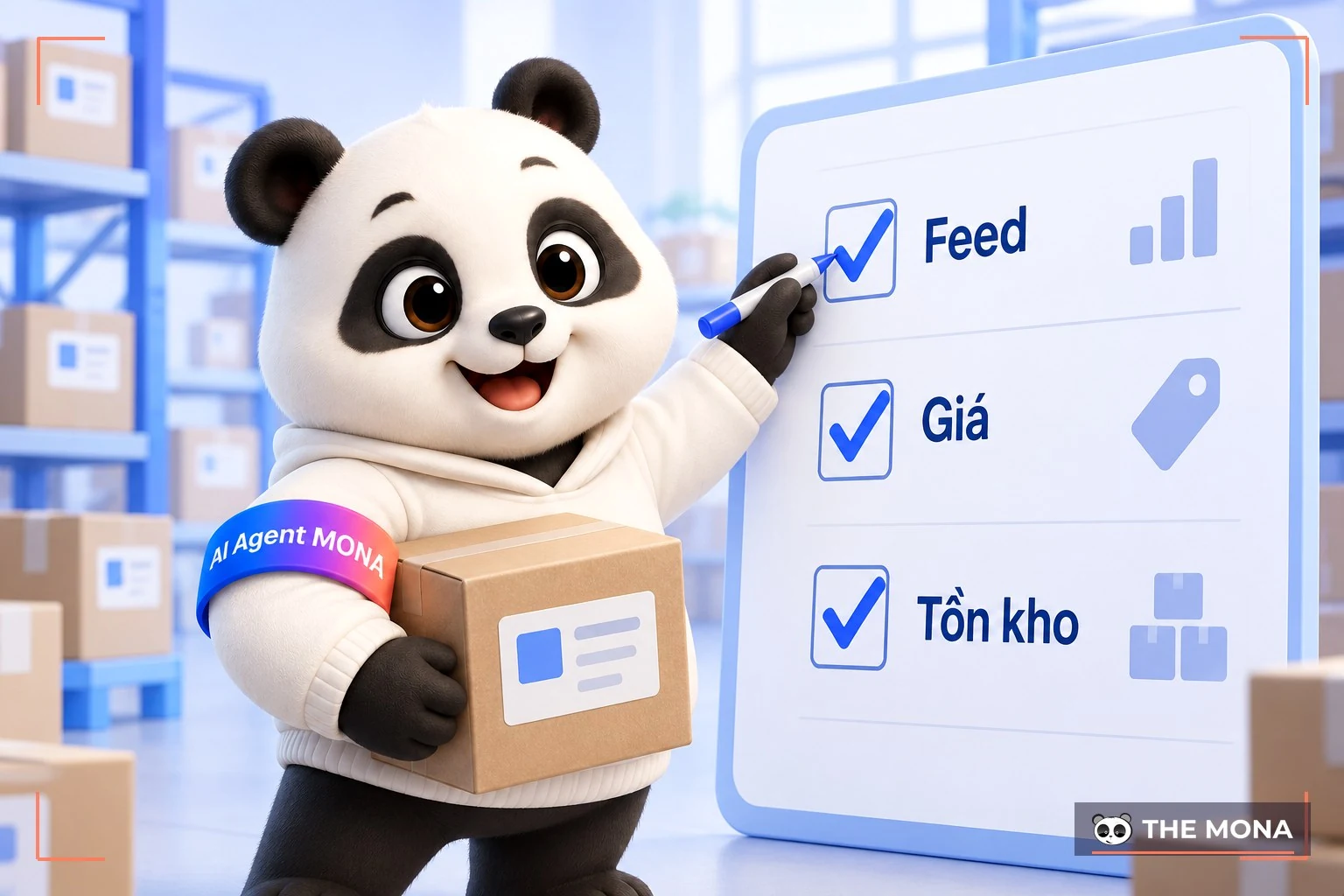
To make running Google Shopping Ads go smoothly and perform as well as possible, keep the following in mind:
Statistics show that more than 70% of users search on Google for information, prices and where to buy before deciding to purchase a product. This is why Google Shopping is increasingly valued, as it can help online stores increase 35% click rate on ads and even double revenue, while costing 25% less than other advertising formats.
However, the market is fiercely competitive. Without a sensible pricing strategy, an optimized product feed or clear promotions, a business can easily “lose customers” to rivals right on the search page.

With more than 10 years of experience, the MONA team has run Google Shopping ads for hundreds of businesses across many fields. We are confident in supporting you with:
Consulting and market research: building a campaign that fits your products, services and budget.
Accurate cost estimates: based on keywords and actual search volume.
Targeting potential customers: reach the right people who have a need.
Clear, transparent reporting: results are updated regularly and easy to follow.
Continuous optimization: tight budget control and better ad performance.
Besides Google Shopping, MONA also runs Google Ads advertising, Google Display Network… helping businesses widen brand reach across many channels.
If you are looking for Google advertising that is effective, economical and safe, contact MONA now for detailed advice and a quote that fits you.
That is how MONA Media has shared with you about what Google Shopping ads are and ways to run this kind of ad for your business. If you want to raise sales and brand awareness online, Google Shopping ads are an option you should not pass up.

CEO & Founder · The MONA
Founder of The MONA, who built a services company of 200+ staff with 14,000+ projects delivered. Khánh Hùng shares how he thinks about building systems that run themselves, automating a business, and the real lessons from delivering projects at MONA.
 1,5K




Professional website
design services
Own a website with a beautiful, 100% exclusive design and a lifetime warranty, with the ability
to expand features flexibly as your business grows, starting today!






 MONA will never sell your information or send you spam


 MONA will never sell your information or send you spam
