
 MONA OS 2.0


 Tự động hoá doanh nghiệp
 Cẩm nang SEO
 Digital Marketing
 Kinh nghiệm thiết kế website
 Hạ Tầng Server
 Giáo dục



 VI
 EN











Message us on
Zalo Official


 ProductsNew

 ProductsProducts
 Mới ra mắtKHA AI 2027App tự edit video, tự đăng mọi mạng xã hội, 2 phút mỗi ngày










 Website designLooks good and wins customers over.
SEO servicesBrings in customers searching for exactly what you sell.
 Tư vấn digital marketingKéo khách từ nhiều kênh, đo bằng số thật.
Corporate video productionVideos introducing your company, factory and team.
 NewAI video productionCompany story films made with AI.
 Custom software developmentCRM, ERP and HRM built for your business.
 Viết AI Agent theo yêu cầuĐặt riêng một trợ lý AI cho đúng việc của mình.
 Tư vấn chuyển đổi AIĐưa AI vào vận hành của cả công ty.
NewMONA LMSManagement for centers and schools.
MONA SkillHubInternal training for company staff.
 NHTQ systemEnd-to-end China–Vietnam shipping operations.
MONA JMSManagement for gold, diamond and pawn shops.
 MONA E-LearningA website with every feature you need to sell courses.
 How to sell online courses (course)More than 30 free lessons on selling courses on autopilot.
 MONA Cloudmonacloud.vnServers to get your apps and websites running.
 MONA Basemonabase.vnPostgres database, sign-in and file storage.
 MONA Mailmonamail.vnSend OTP, order and invoice emails from your software.
 MONA Paymonapay.vnAccept bank transfers via VietQR and notify your software when the money arrives.
 MONA eInvoiceComing soonIssue e-invoices that meet tax standards.
Gấu CườiTrả lời khách 24/7 trên web, Fanpage, Zalo và thu lead cho sale.
 Gấu TeleSalesGọi điện tư vấn, chăm khách như tổng đài viên thật.
Dê CườiTư vấn và chốt đơn cho shop ngay trong khung chat.
Gấu WebmasterNhắn nhóm Zalo là website được sửa xong.
 Gấu Pháp ChếSoạn hợp đồng, rà điều khoản trong vài phút.
 Gấu Báo GiáLên báo giá đúng mẫu và gửi khách ngay.
 AI chăm sóc khách hàngTheo dõi và giữ chân khách hàng cũ.
 Gấu Tuyển DụngLọc hồ sơ, hẹn lịch, phỏng vấn ứng viên.
 Mới ra mắt
KHA AI 2027
Xây kênh chuyên gia 2 phút mỗi ngày
Quay bằng điện thoại, AI tự edit video, tự đăng lên 16 nền tảng và tự trả lời bình luận, tin nhắn.
310.136lượt xem trên kênh CEO MONA sau 17 ngày
 Anh Khánh HùngCEO MONA đang dùng mỗi ngày
Xem app làm được gì
 AI
Gấu Cười MONA ĐANG TỰ XÀITrả lời khách 24/7 trên website, Zalo OA, Messenger và thu lead về cho sale.
Dê CườiChốt đơn bán lẻ và sàn: Shopee, TikTok Shop, web. Chăm cả khách sỉ, đại lý.
Gấu WebmasterCập nhật nội dung, tối ưu SEO website mỗi ngày.
Gấu TeleSalesGọi điện tư vấn, chăm khách như tổng đài viên thật.
Gấu Tuyển DụngLọc hồ sơ, hẹn lịch, phỏng vấn ứng viên tự động.
AI chăm sóc khách hàngGiữ khách cũ, cứu lead đã rớt cho phòng kinh doanh.
Gấu Pháp ChếSoạn hợp đồng, rà điều khoản trong vài phút.
Gấu Báo GiáLên báo giá đúng mẫu, gửi khách ngay khi có yêu cầu.
 Chuyển đổi AI toàn phầnGiải pháp tổng cho doanh nghiệp, 3 lớp triển khai.
 Viết AI Agent theo yêu cầuĐặt riêng một con AI gánh đúng nghiệp vụ của bạn.
 Custom softwareCRM, ERP and HRM with built-in AI automation.
 SEO & AEO thời đại AIĐược Google lẫn AI trích dẫn, không chỉ xếp hạng.
 Kiến thức AI cho doanh nghiệpBài phân tích, hướng dẫn ứng dụng AI vào vận hành.
 Free AI courses
 AI tools at work
App mới · KHA AI 2027
Xây kênh 2 phút mỗi ngày
AI tự edit video, tự đăng mọi mạng xã hội
Free consultation, 8am–10pm every day

06 July, 2023
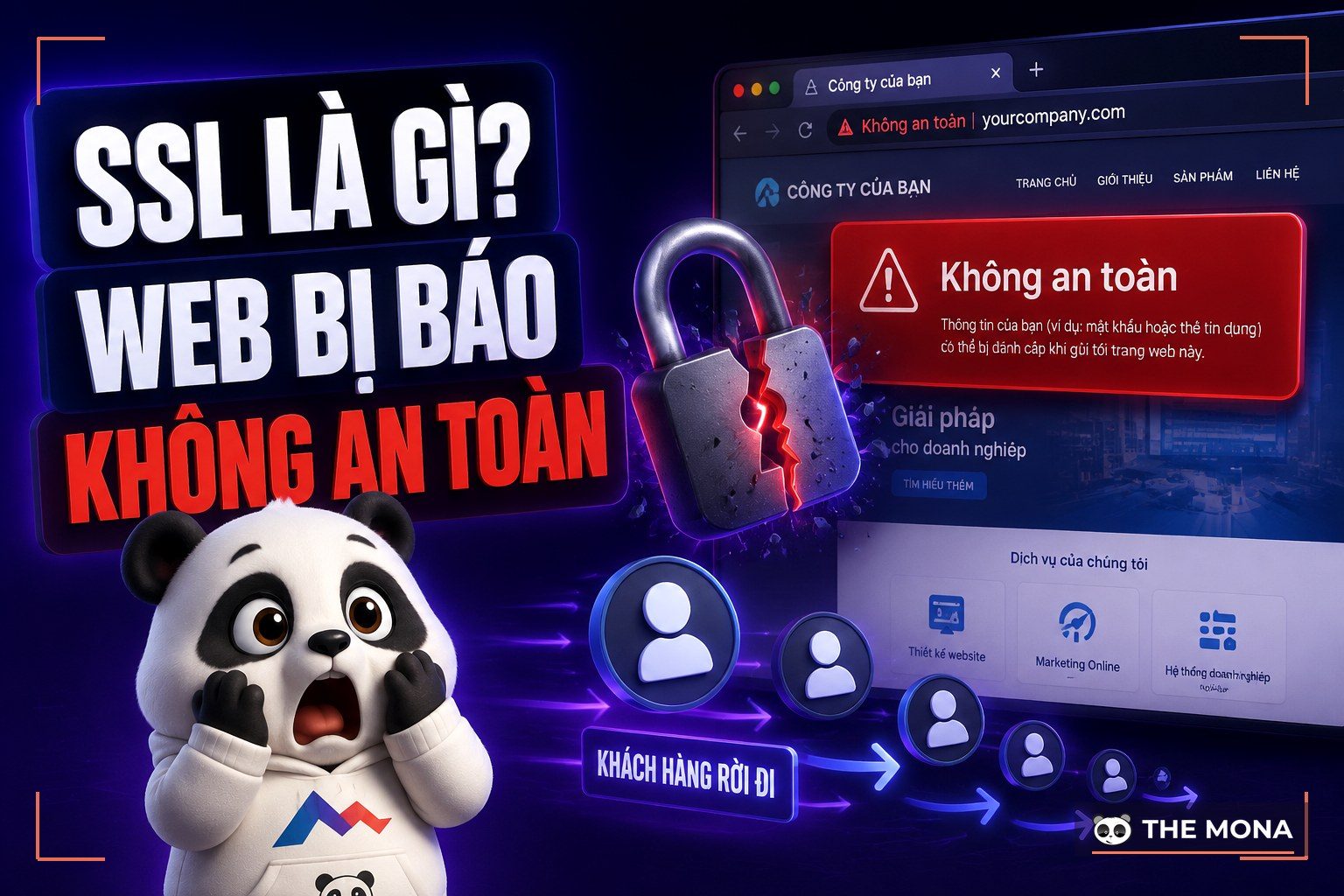
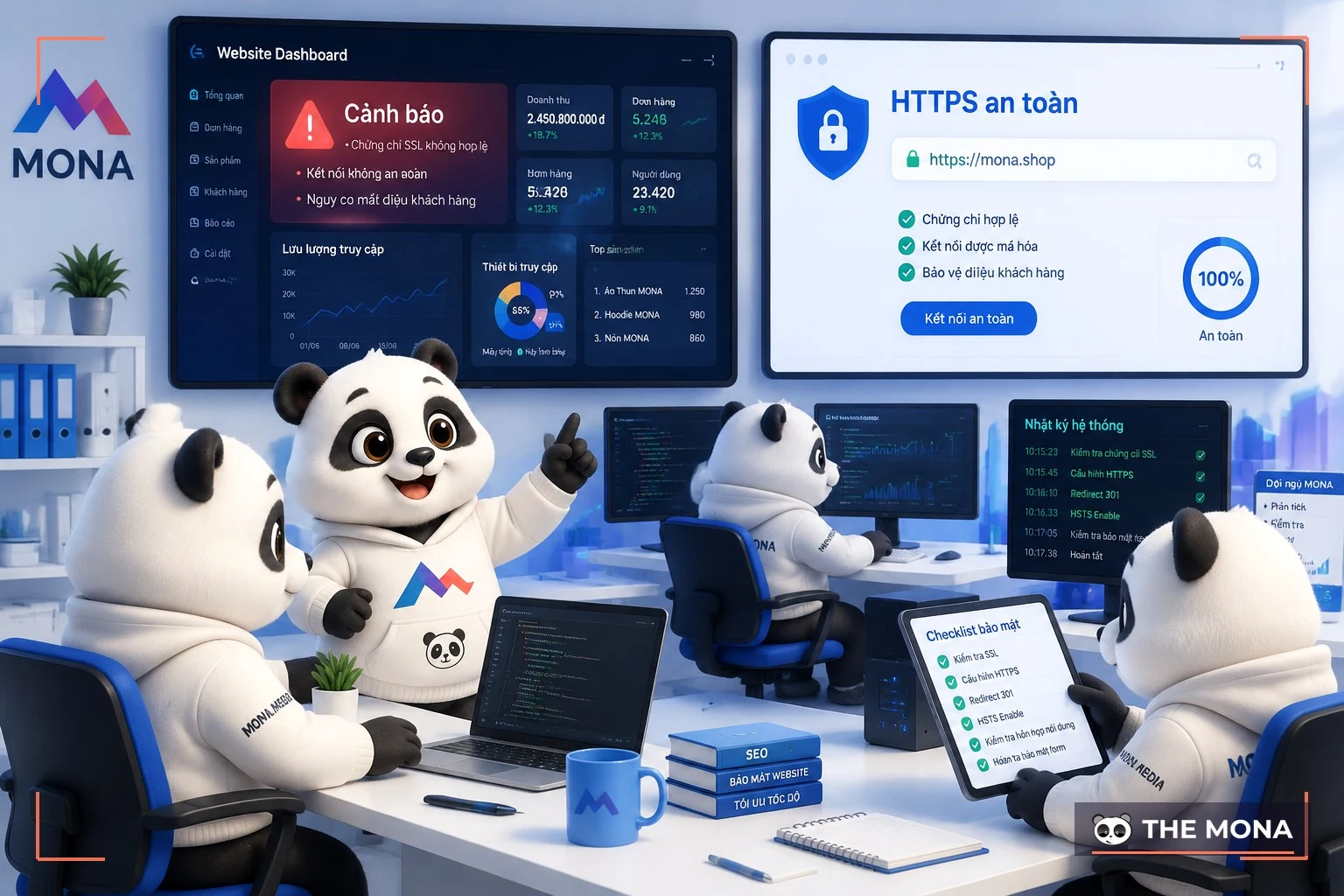
An online store can lose customers when buyers see an “insecure connection” warning in their browser.
For many of you, the website is where orders come in, contact details are collected and the brand’s reputation is built. A security warning that appears just as a customer enters a phone number, an email or payment details makes them hesitate.
We have seen many businesses invest properly in a website but overlook the layer that protects the connection. Customers can still open the pages, and the products all show up. But the feeling of being unsafe affects the decision to buy.
What is SSL? In simple terms, it is a certificate that lets a website create an encrypted channel between the customer’s browser and the server. With SSL, the data exchanged while a customer uses the website is better protected.
When a customer opens a website, the browser checks the SSL certificate before allowing a secure connection. If the certificate is valid, the browser confirms that the site is using an HTTPS connection.
Think of it as sealing an envelope before mailing it. Someone along the way will find it hard to read what is inside when a customer sends data through your website.
We have set up SSL on projects such as a retail chain with 30 branches and an e-commerce platform in the cosmetics industry. This was handled together with building the system, so the website stays stable as traffic grows.
When we take over an older website, we also run into cases where a business installed SSL itself but missed a step in the configuration. The website sometimes shows errors and resources load inconsistently. That hurts the buying experience.
You can read more about the SSL concept and how security certificates work to get the basics.
HTTPS is the secure version of HTTP, the protocol browsers and websites use to exchange data. Browsers care about HTTPS because they need to protect users from having their information exposed.
For a business website, HTTPS is also the first sign customers use to judge how professional you are. An online store without a security warning keeps more opportunities open when customers are deciding.
MONA has completed more than 14,000 projects. We treat SSL as a foundation when building a website.
From taking over customer systems, we often fix issues such as certificates configured with a missing step, links that are out of sync and connections that are unstable.
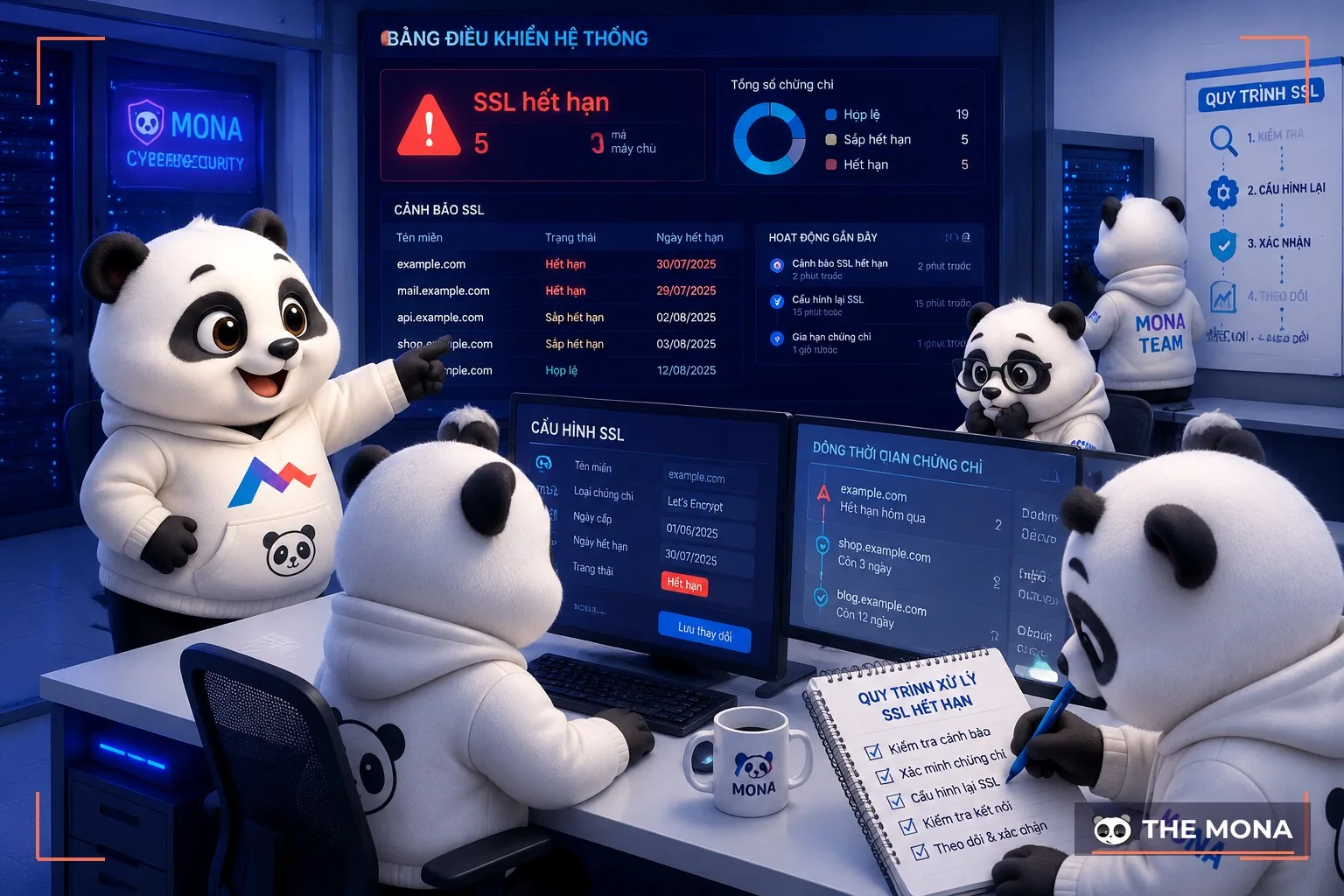
Many businesses lose control of security when SSL is left to one person working from their own experience. The website may still open normally. But inside the system there are already points where problems can start.
SSL is a protective layer that encrypts data between visitors and the website. Think of it as a lock on the line between them. It keeps login details, orders and customer data from being read while they travel.
The hard part is that SSL is not finished once it is installed. A certificate issued for the wrong domain, a missing server configuration or a forgotten renewal date can all cause problems for an online store.
An incident can hit at exactly the moment the business needs revenue.
Many of the systems we take over begin with a familiar scene. A former employee who ran the website has left.
The admin account is still there. But nobody remembers the certificate renewal date.
When SSL expires, browsers may warn that the website is not safe. Customers who were about to order have to stop because they worry their information is not protected.
According to the Verizon Data Breach Investigations Report, operational mistakes and human error remain a common cause of many security incidents. You can read the original report from Verizon Data Breach Investigations Report.
We once worked with a 30-branch retail chain that needed to hand its website system over to a new team. The problem was not a missing certificate.
The hard part was that many old configurations no longer had anyone responsible for watching them.
When MONA builds and manages software and websites for a business, we usually re-check the entire security layer.
We do this before the system goes live.
This approach lowers the risk of your website going down while you are selling.
Another common mistake is installing SSL without configuring it correctly across the whole website. For example, the main page is secure.
But a secondary path still uses the old connection. That leaves data exposed to risk.
MONA has worked on projects such as an e-commerce platform in the cosmetics industry. Certificates, servers and data connections need to be checked together.
You can read more about website security to understand the related layers of protection.
We have delivered more than 14,000 projects since 2016. When taking over systems, we often see businesses struggle with admin permissions and with tracking old configurations.
When MONA sets up automation software and website systems, we focus on helping you see clearly who is managing what.
It also becomes clearer which parts need to be checked.
The goal is to reduce dependence on any one person in day-to-day operations.
If you are looking into what SSL is, start by checking your current certificate, who is responsible for it, and how renewal is handled.
These three small steps help a business keep its website running more reliably.
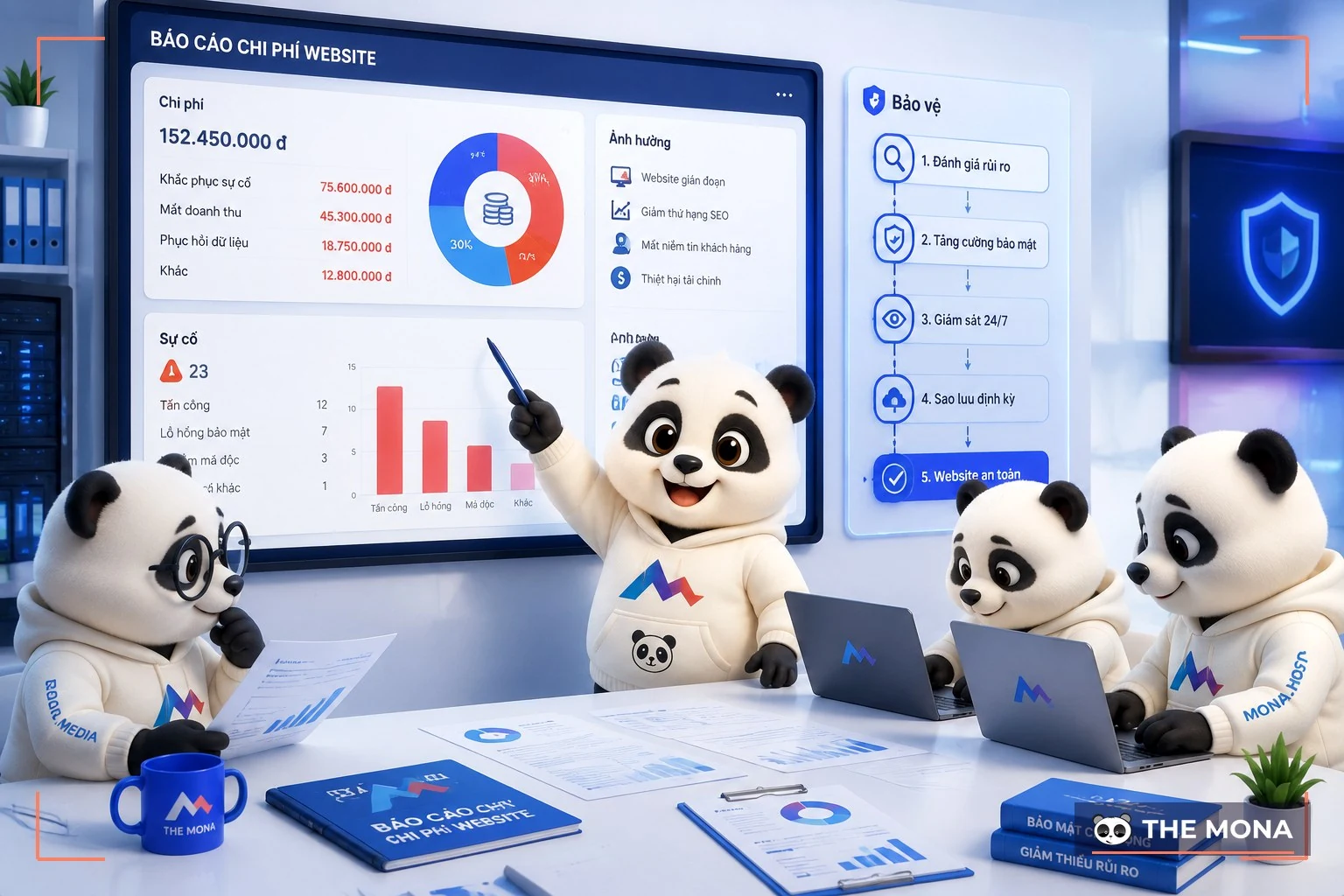
Many businesses end up paying more because they treat website security as the last thing to deal with. One small error in a security certificate, in the data or in the server configuration can bring a number of unplanned costs.
Picture a day when your online store cannot be opened. Staff have to stop what they are doing to look for the fault. They have to answer customers who are waiting on orders and track down the cause. The loss is not just the cost of the repair. Working time is lost too.
We once took over a project from a retail chain with 30 branches. The website had been running normally, but the security process had not been reviewed carefully. The certificate and the server environment were the two areas that needed work. When problems came up, internal staff spent many hours coordinating. Sales were affected as well.
After MONA rebuilt the security structure of the system, certificate checks, version updates and access management were put into a clearer process. The business had fewer emergency fixes. The website also had fewer interruptions while customers were shopping.
Free SSL suits an introductory website, a blog or a small project that needs basic encryption. It is a layer of protection that keeps data moving between visitors and the website safer.
You can read more about Free Let’s Encrypt SSL to understand when it fits. However, for a business website with transactions, customer data or several connected systems, installing SSL alone is not enough.
A business should consider paid SSL when its website needs a higher level of validation. It is also worth considering when you need technical support or have strict security requirements. For a sales system, limiting risk should be planned from the start.
We often run into a trap when taking over an old website. The business fixes problems one at a time, and only when an incident happens does it look for a way to website security. By then, the repair cost is usually far higher than it would have been if things had been set up properly from the start.
MONA has delivered software and websites for more than 14,000 projects. When we take over an older system, we usually check the source code structure, access rights and how data is being stored.
From there, our technical team rebuilds the security layer to match how the business actually operates.
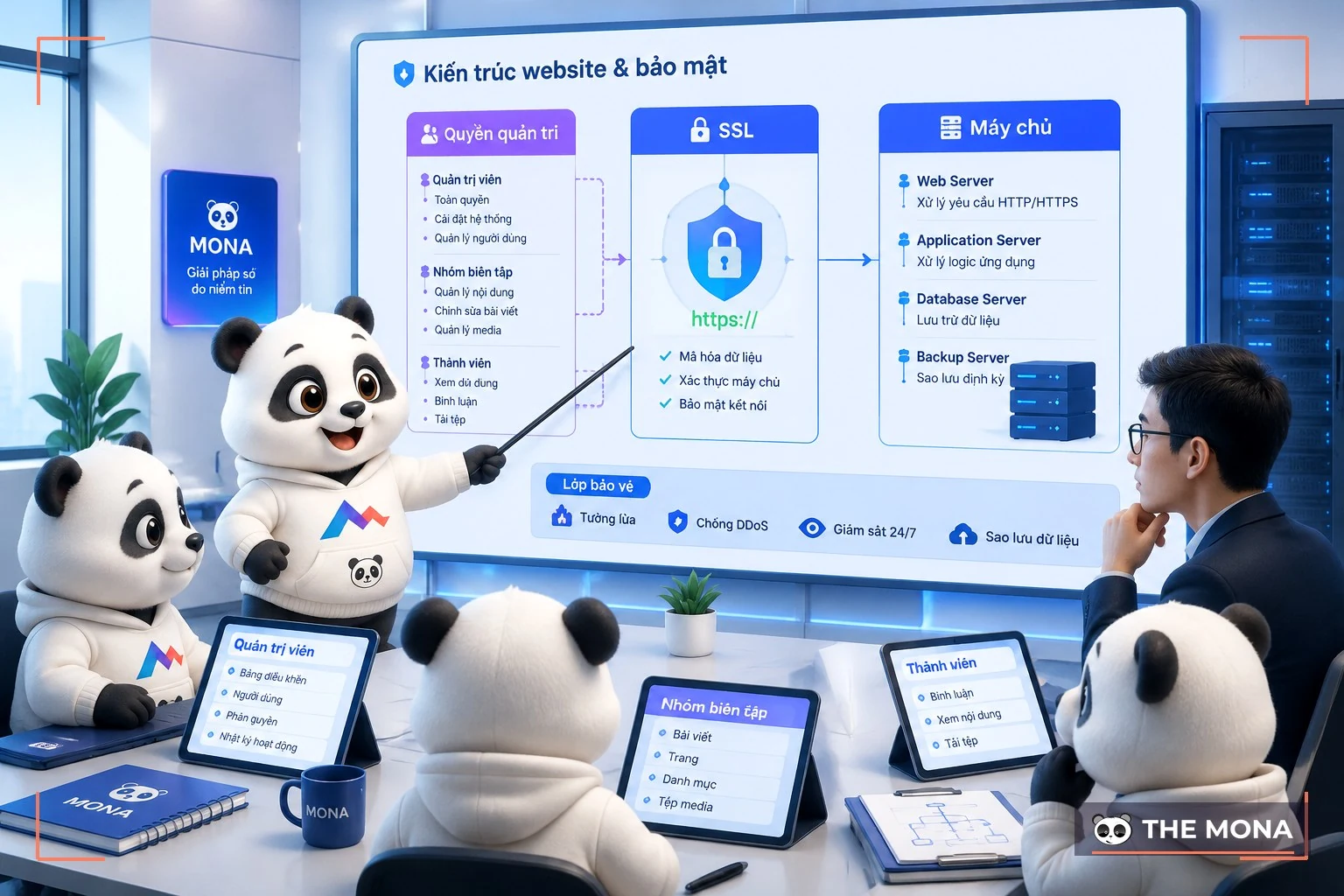
Many businesses lose control of their website when SSL details, the server and the security configuration sit with only one person.
At first, this seems convenient.
One technical person knows the system, the admin password and every small setting, so things keep running.
But when that person leaves, changes roles or the responsible department changes, you can easily end up not knowing how your website was set up.
Which security certificate is active, where the server is hosted and who holds access all become hard questions to answer.
We ran into this when taking over an older website system for a business.
The website was still selling every day. But the SSL and server admin details were in the personal account of someone who no longer worked there.
The first job was to review access rights, server configuration and security status.
For a business with many branches, every hour the website is down can hurt sales and customer care.
A retail chain with 30 branches needs clearer management. A business should not hand its entire system to one individual.
A website needs permission levels, configuration documents and a handover process.
That way, leadership stays on top of the situation.
SSL is only one part of the protection around a website.
Think of SSL as a lock protecting the line between customers and your website.
The server, the source code and the admin accounts sit behind it.
Those parts decide how reliably the system runs.
When we build or take over a website for a business, we usually review all three.
This helps prevent expired certificates, wrong configurations and forgotten access rights.
MONA has delivered more than 14,000 projects.
When taking over a system, we usually review admin permissions, technical documents and the real configuration.
We prioritize building systems that the business can control over the long term.
You should not have to depend on one person’s memory.
You can read more about what SSL is to understand the role of security certificates.
When you need a deeper review, understanding website security also helps leadership make better decisions.
Good website management is about more than keeping the site running today.
It is also how you keep control of your company’s digital assets for many years to come.
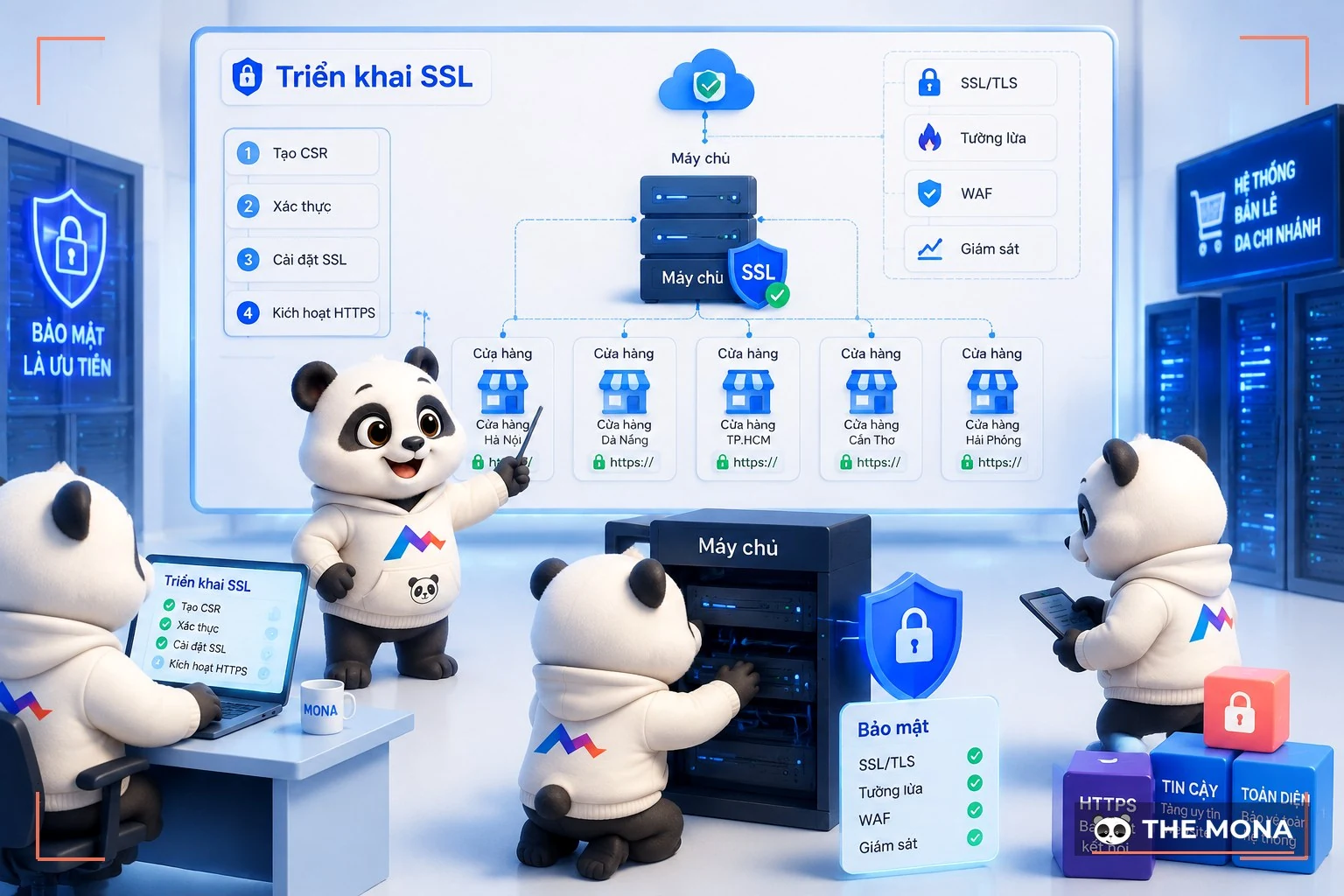
MONA sets up SSL on real projects. The goal is to help businesses keep their website stable as traffic grows. Customer data is also protected while the system runs.
Many of you who manage retail chains have been through this. The website is still running, but at peak hours it throws login errors or slows down at payment. The browser may also show an “unsafe” warning. These problems directly affect the buying experience. They also create extra work for the technical team.
We have taken over systems where SSL was installed just for show. Nobody checked the certificate’s expiry date. Nobody monitored the server configuration. As the business grows, these small gaps turn into manual work every week.
For a retail chain with 30 branches, we usually start by checking the website. We review the server and the domain. Then we check every point that receives data from customers.
SSL creates an encrypted connection between the customer’s browser and the server. When a customer enters purchase details, the data passes through this protective layer. Only then does the system go on to process it.
MONA checks the redirect from the old version to the secure connection. This limits disruption when customers visit the website.
For an e-commerce platform in the cosmetics industry, this takes coordination across several parts. The website, the hosting and the security management process all need to be reviewed. We set up regular checks. That way the business spends less time monitoring by hand.
According to IBM in Cost of a Data Breach Report 2024, the average cost of a data breach is 4.88 million USD. The report is a global study. This figure shows that data protection has to be planned in advance. Businesses should not wait for an incident to happen.
SSL is a layer of protection that sits between the visitor and the server. It creates a private channel so the two sides can exchange data more safely. That is why SSL has to be placed correctly in the system.
We usually check SSL together with infrastructure such as VPS servers, hosting configuration and other website security work. You can read more about website security to see that SSL is just one part of operations.
MONA has completed more than 14,000 projects. When taking over systems, we often see businesses struggling with configurations that are out of sync. Many also lack regular checks, or find the system hard to manage as the website grows.
Once you understand what SSL is and where it sits in the system, it is easier to judge how much to invest in your website. SSL is more than a padlock icon in the browser. It is part of how a business protects its operations every day.
Reviewing how your website is managed and secured today shows you which parts still need work.
Take a few minutes to look at your website’s SSL certificate. It is the confirmation that tells customers a page is safe before they enter their details. It is a small part, but it directly affects the moment a customer sees a security warning. It also matters when a customer leaves just as they are about to buy.
If you are not sure how your website is configured, we at MONA can review your SSL certificate with you. Reviewing how your site is managed and secured today shows you which parts still need work. If you need more, you can also look at the SSL service from Mona.Host and the website management and anti-hacking services from MONA.
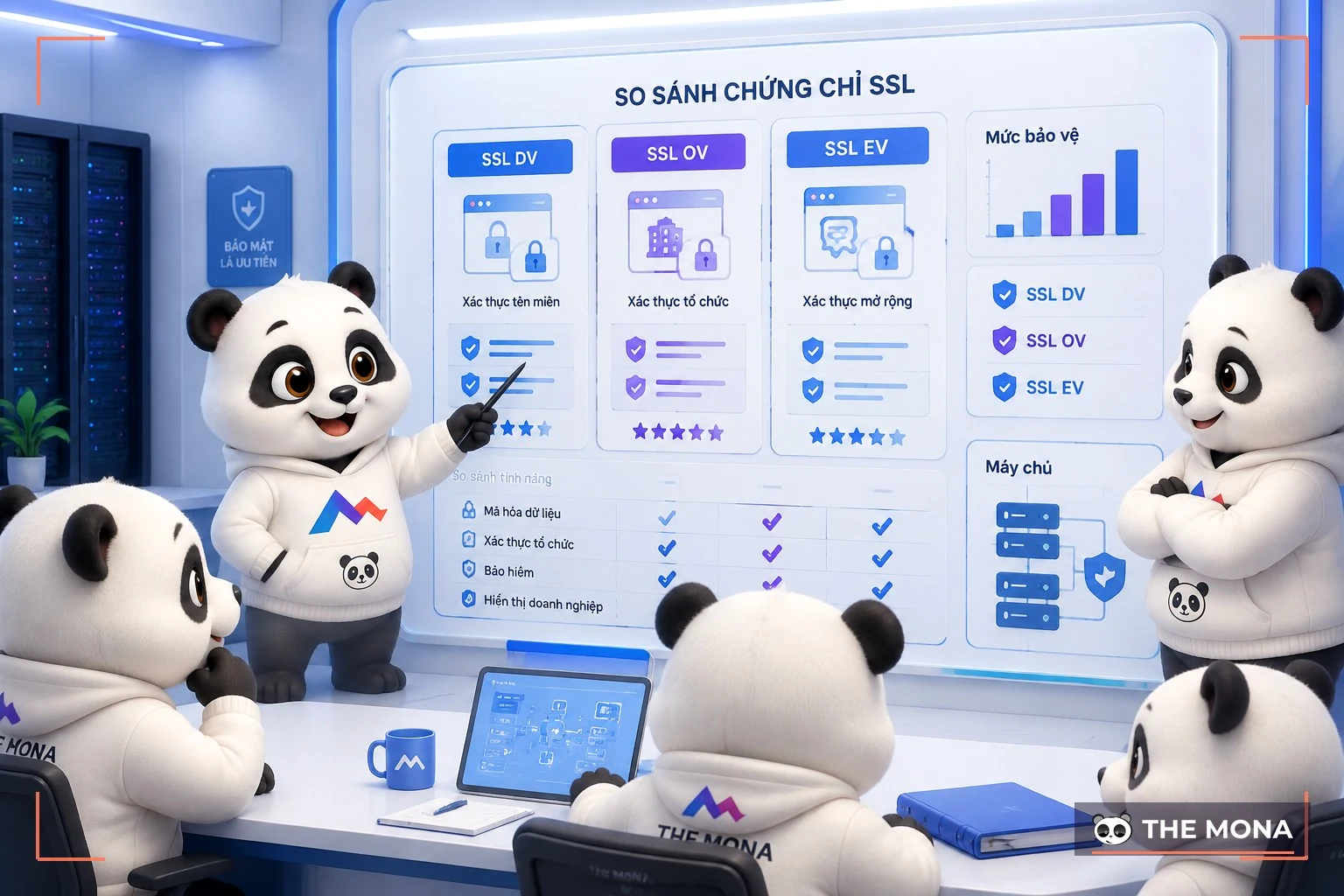
Many businesses get confused when choosing SSL. Every source gives different advice.
Some say free SSL is enough. Others say you must buy a paid plan to be safe.
When you look into what SSL is, think of it as a layer that protects the connection between customers and your website. Each type of SSL certificate differs in scope, validation method and level of support.
Free SSL suits introductory websites, blogs, test pages and projects that just need basic encryption. It is a reasonable choice when a business needs to protect the connection but has no demanding validation requirements.
Paid SSL is a better fit for online stores, membership systems, payment gateways and businesses that need a clear support process.
Some types add an organization verification step. This gives customers more confidence when they transact.
We once worked with a 30-branch retail chain that moved its website system to MONA. Before that, the operations team had used free SSL on many separate pages.
Every time they changed servers, they had to spend time re-checking the configuration. Once, the technical team had to go through each page before a sales campaign update.
The goal of the project was to keep the website stable during peak hours. This limits the impact on sales at every branch.
MONA handled it by assessing each area of the system before choosing the right type of certificate.
We do not assume every website needs a more expensive SSL. Each business model has its own requirements.
You can also read more about Free Let’s Encrypt SSL to understand when this option makes sense.
Combining SSL with website security needs careful planning.
When choosing an SSL certificate, look at four factors: the type of website, the data you need to protect, how often it is used, and how well you are supported when something goes wrong.
A page that introduces your services may be fine with free SSL. An e-commerce platform in the cosmetics industry needs a closer look.
That is because this kind of system involves customer accounts and transactions.
Before we recommend anything, we usually check the server, the update process and how the operations team manages the website.
MONA has delivered software and websites for many kinds of businesses. When we take over a system, we focus on reviewing its current structure.
We also check where errors are most likely to come up and what the business actually needs to run day to day.
What you should avoid is choosing SSL only because it is cheap or because of generic advice.
The right choice keeps the website running more reliably. It also cuts down on manual error handling and protects customer data better.
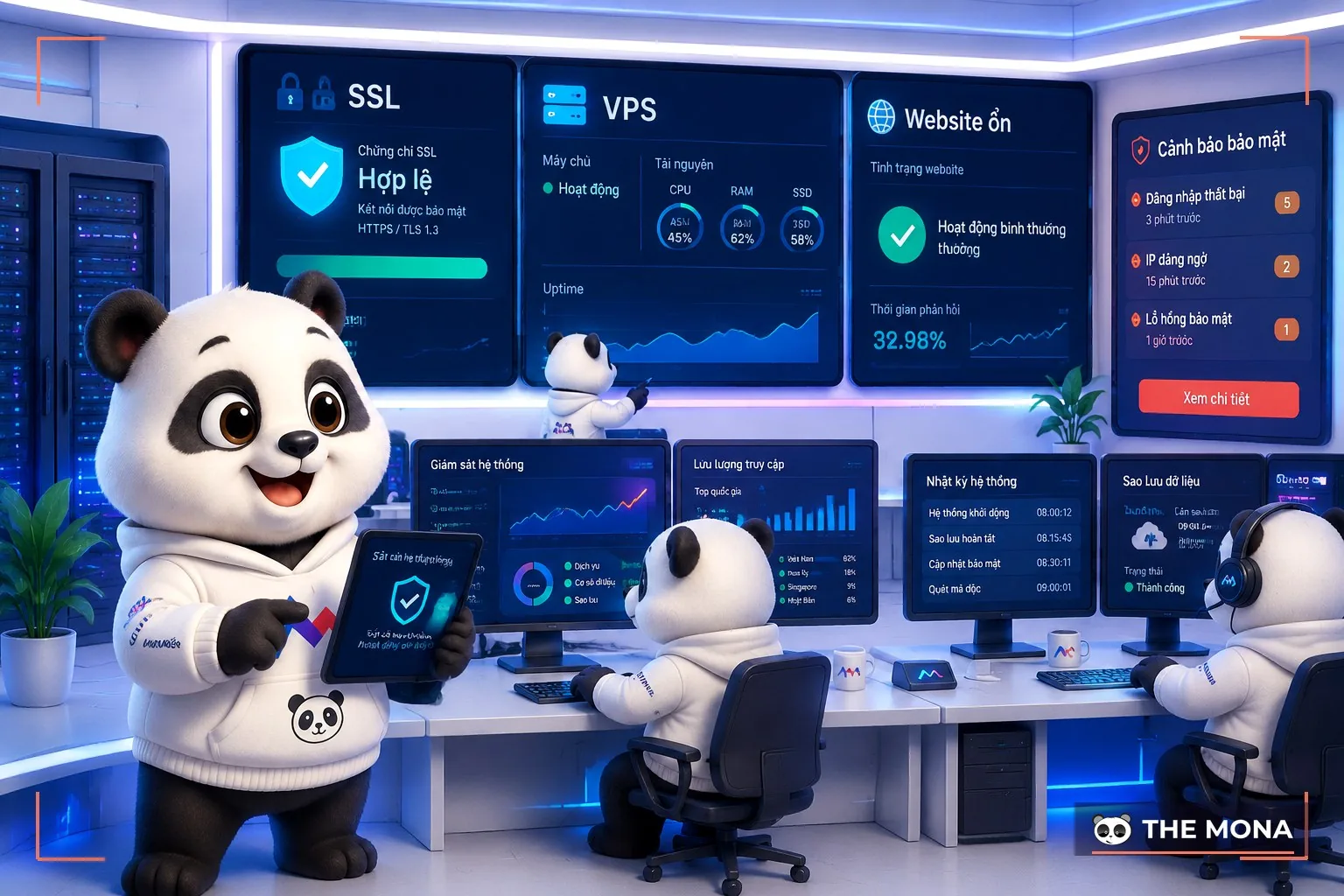
Many businesses lose time dealing with slow websites, access errors or interrupted sales. The cause is often that they only polished the visible interface. When traffic grows, the weak points behind it start to show.
Picture a retail chain with 30 branches. Every day many visitors browse products and place orders. A single server overload or one malware injection sends staff scrambling to fix it. That is time that should go to selling.
This feeling of losing control is familiar to many business owners. A stable website needs several layers of protection. They include the SSL certificate, the server, the operating configuration and how attacks are prevented.

Many of you look up what SSL is and assume that installing a certificate makes the website safe. SSL encrypts data between customers and the website, especially at login or payment.
However, the website still needs a properly configured server. The system also needs protection against attacks. We have taken over systems that already had SSL but were still slow. The cause was a server with too little control.
For an e-commerce platform in the cosmetics industry, MONA usually starts by reviewing the entire operating environment. We look at the server, the source code, access rights and room to scale. Only then do we decide how to proceed.
As a business grows, its server needs change. what a VPS is is a question many of you ask when your website needs more resources and more stability.
MONA sets up software systems in a suitable environment. We combine website management with anti-hacking measures to cut down on errors. The goal is a website that supports sales reliably. Customer data stays protected. Updates also cause fewer interruptions.
We take over software and website systems in many different fields. When we work on one, we usually review the source code, the server, access rights and likely failure points first. Only then do we make adjustments.
You can also read about website security methods to understand the layers of protection you need before expanding your business.
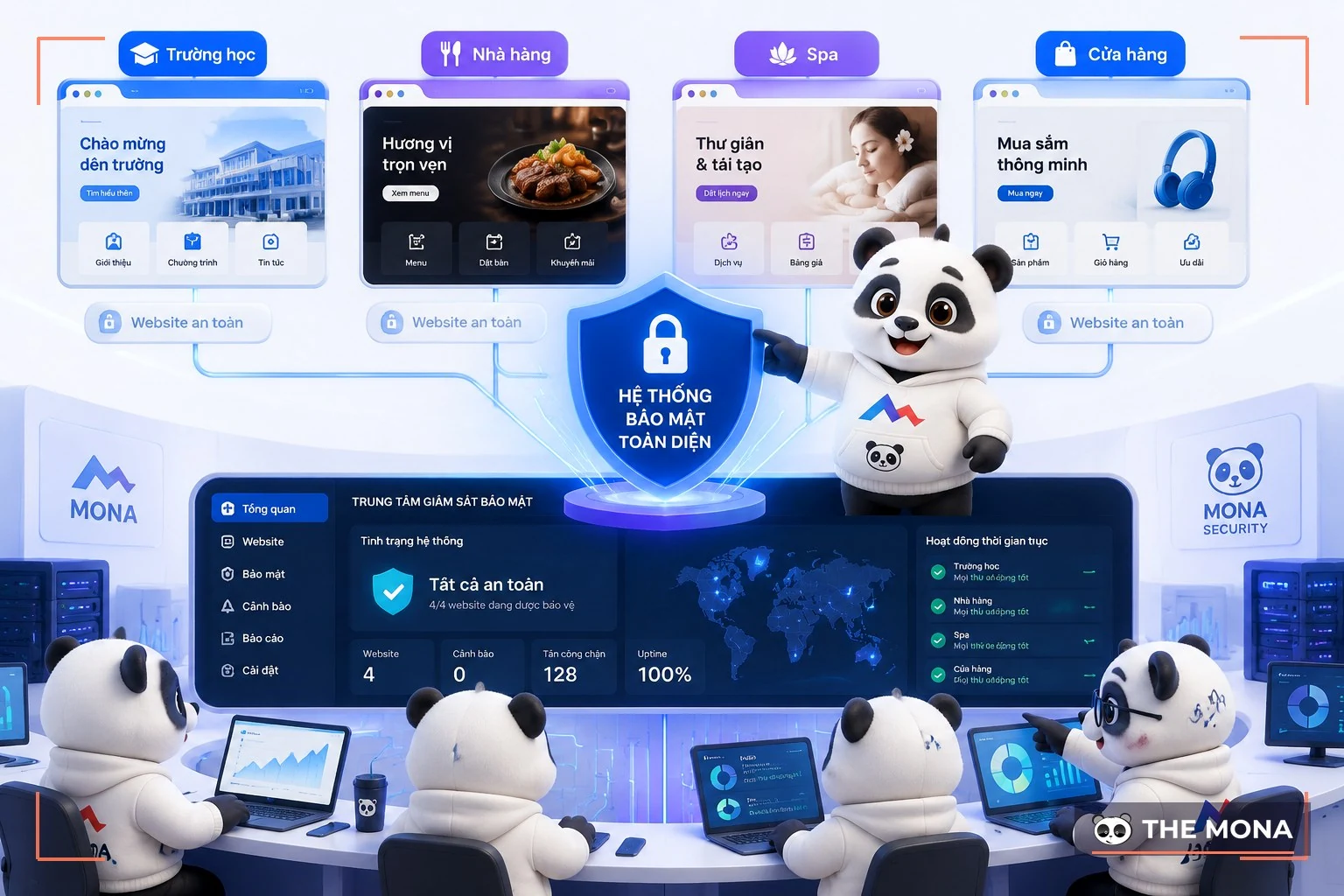
SSL is needed in every industry that collects customer data. It also matters for businesses that take payments or run a website every day. Whether you work in education, F&B, spa or e-commerce, you handle information that needs to be protected.
A training center’s website may store student details, class schedules and registration forms. A restaurant chain may take online orders and keep table reservations. A spa system may manage appointments and regular customers’ details.
When a website has no SSL certificate, the browser may warn that it is not safe. That makes customers hesitate to enter their details or finish an order. You lose the chance to serve a customer even though your service itself is fine.

We once worked with a business that moved its website system to a new platform. The team forgot to set up SSL fully.
The website kept working, but some pages showed security warnings. Reviewing the configuration made the system more stable before the business expanded further.
MONA usually sets up SSL as part of building and maintaining a website on business projects. For a retail chain with 30 branches, protecting the connection between customers and the website reduces risk when customers send purchase details.
You can read more about the SSL concept and how this certificate works to understand why this security layer needs to be prepared from the start.
In education, SSL protects course registration forms, student accounts and payment data. An online training system has to keep people’s trust, because learners often submit a lot of personal information.
MONA has built education platforms such as online learning websites. On these systems, connection security is part of day-to-day operations.
When a website has SSL configured correctly, students can reach it more reliably. The business also finds the system easier to manage.
For F&B, spa and e-commerce, SSL protects the steps where customers book a table, book an appointment, buy something or send an inquiry. These are the touchpoints that directly affect revenue.
We also remind you to check that SSL, the server and your management software are in sync. Good security has to go together with correct operation, so the website can serve customers reliably over the long term.
MONA has worked on more than 14,000 projects. We always treat SSL as a must-have foundation when building a business website.
When we take over a system, we usually review the certificate configuration, the server and how the website connects to related services. This helps you limit security errors before you add more features.
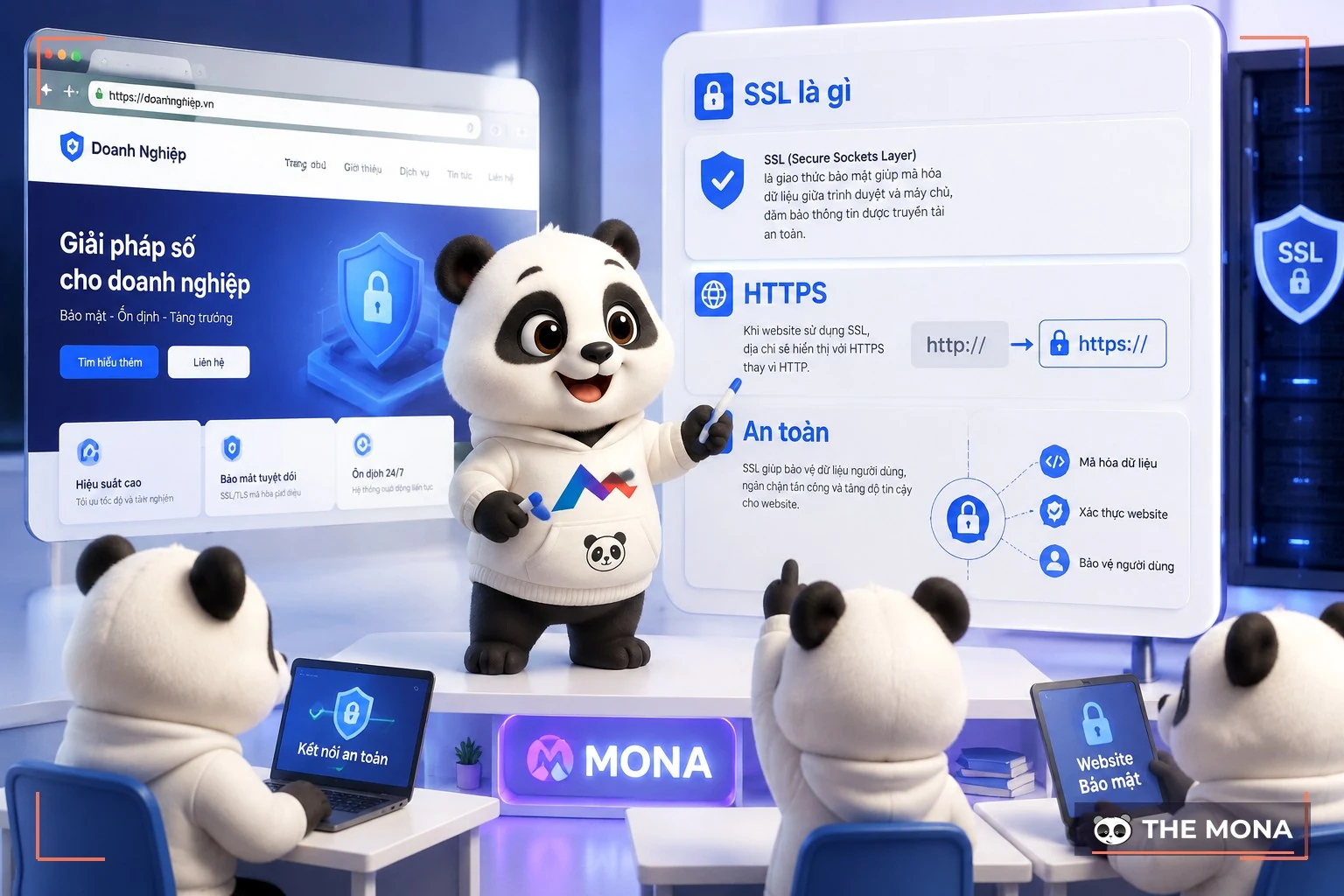
Many business owners are slow to decide on SSL because they see it as just a padlock icon in the browser. In reality, SSL is a protective layer that encrypts data between the website and its visitors.
This matters most when the website receives customer information. When you look into what SSL is, think of it as the mechanism that gives buyers the confidence to send their data.
That data can include accounts, contact forms or payment details. HTTPS is the version of a website connection that uses an SSL certificate. That is how the browser knows the website is protected.
We have seen many businesses care only about how the website looks and forget the security behind it. A retail chain with 30 branches can handle thousands of visits a day.
One wrong SSL setting can make customers see an “unsafe” warning and leave. It is a small technical error, but it directly affects the buying experience.
Technically, a website is not always required to have SSL. However, a business website that collects customer data should make this layer a priority.
MONA sets up SSL on business website projects to protect the connection from the start. We have completed more than 14,000 projects.
When we take over a system, we usually check the SSL configuration, the access flow and whether the site keeps running during updates. We review every point where errors are likely before the system goes live.
You can also read the section on website security and what you need to know to optimize it for a fuller picture of the layers of protection you need.
Free SSL suits many small websites, introductory pages or projects that need to launch quickly. It is a reasonable choice when your security needs are basic.
The site administrator still needs to track the renewal date to avoid connection interruptions. For a business with a sales system, customer data or many branches, a paid SSL certificate may be a better fit.
This option usually comes with extra validation, support and a clear management process. We usually look at the operating model before advising on the right type of SSL.
You can read more in the article mua SSL or Let’s Encrypt SSL to understand the differences between each option.
The right decision keeps a business from finding out about a security problem only after the website is live. It also lowers the risk of interrupted sales.
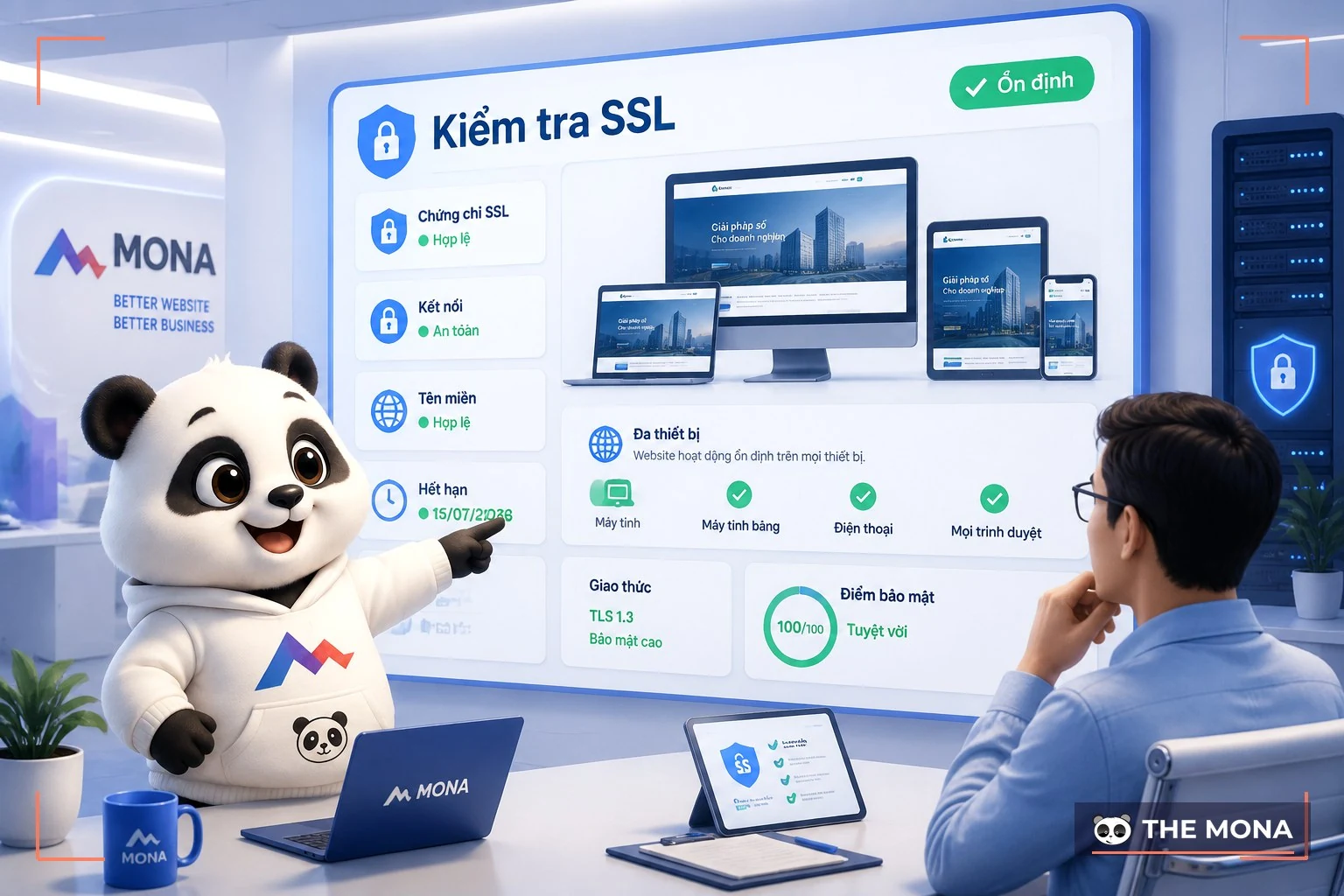
One security warning in the browser can make a customer stop buying. That happens even when your product is good.
When buyers see a website report an insecure connection, they tend to think twice about entering their details or paying.
Many businesses only notice the problem when staff report that a customer sent a screenshot of the warning. By then it is no longer just about the SSL certificate.
It is about brand reputation and revenue that is already being affected.
Picture a retail chain with 30 branches running a big sales campaign. The website still opens, but some browsers show a certificate error.
Customers hesitate to leave their details. We have seen situations like this when taking over a business’s older system.
Many business owners look into what SSL is after the problem has happened. But checking early tells you which certificate your website is using.
You also find out whether the certificate is still valid. And you can check whether the server is configured properly.
We have worked on website projects for businesses with heavy traffic, including an e-commerce platform in the cosmetics industry and a multi-branch retail chain.
MONA checks everything from the security certificate and the server configuration to how the website handles customer data.
The goal is more than switching SSL on for show. A properly checked system keeps the website more stable when new versions are released.
It also lowers the risk of interrupted sales. Customer data is better protected while they transact.
MONA has completed more than 14,000 projects. Our experience shows that many security flaws come from small parts that got forgotten.
Common problems include expired certificates or a server configuration that does not fit. When we take over an old system, we usually review every security layer.
You should also revisit the website security factors you need to know for a fuller picture.
SSL is an important part. But a business website needs the infrastructure behind it checked too.
If you are not sure how safe your website is right now, we recommend starting with a review of where things stand.
MONA can check your SSL, website and current infrastructure with you. Then we propose a plan that fits your actual scale of operations.
bash -lc python3 – <<'PY' text='MONA xây dựng quy trình quản lý SSL, quản trị website và chống hack để anh chị biết hệ thống đang được bảo vệ ra sao.' print(len(text.split())) PY```htmlEvery time a customer sees a security warning or abandons a cart over worries about their information, the business can lose revenue it would otherwise have had. You also spend time dealing with incidents instead of focusing on operations and sales.
We understand that many business owners have let staff install SSL themselves, adjust the website themselves or deal with errors as they come up. This usually breaks down when the person in charge leaves, changes the configuration or the website fails while visitors are on it.
MONA builds processes for SSL management, website management and anti-hacking so you know how your system is being protected. You can start with a website security check-up with us by calling the hotline 1900 636 648.

CEO & Founder · The MONA
Founder of The MONA, who built a services company of 200+ staff with 14,000+ projects delivered. Khánh Hùng shares how he thinks about building systems that run themselves, automating a business, and the real lessons from delivering projects at MONA.
 1,5K




Professional website
design services
Own a website with a beautiful, 100% exclusive design and a lifetime warranty, with the ability
to expand features flexibly as your business grows, starting today!






 MONA will never sell your information or send you spam


 MONA will never sell your information or send you spam
