
 MONA OS 2.0
 Partner with MONA


 Tự động hoá doanh nghiệp
 Cẩm nang SEO
 Digital Marketing
 Kinh nghiệm thiết kế website
 Hạ Tầng Server
 Giáo dục


 VI
 EN








Message us on
Zalo Official


 ProductsNew

 ProductsProducts
 Mới ra mắtKHA AI 2027App tự edit video, tự đăng mọi mạng xã hội, 2 phút mỗi ngày










 Website designLooks good and wins customers over.
SEO servicesBrings in customers searching for exactly what you sell.
 Tư vấn digital marketingKéo khách từ nhiều kênh, đo bằng số thật.
Corporate video productionVideos introducing your company, factory and team.
 NewAI video productionCompany story films made with AI.
 Custom software developmentCRM, ERP and HRM built for your business.
 Viết AI Agent theo yêu cầuĐặt riêng một trợ lý AI cho đúng việc của mình.
 Tư vấn chuyển đổi AIĐưa AI vào vận hành của cả công ty.
NewMONA LMSManagement for centers and schools.
MONA SkillHubInternal training for company staff.
 NHTQ systemEnd-to-end China–Vietnam shipping operations.
MONA JMSManagement for gold, diamond and pawn shops.
 MONA E-LearningA website with every feature you need to sell courses.
 How to sell online courses (course)More than 30 free lessons on selling courses on autopilot.
 MONA Cloudmonacloud.vnServers to get your apps and websites running.
 MONA Basemonabase.vnPostgres database, sign-in and file storage.
 MONA Mailmonamail.vnSend OTP, order and invoice emails from your software.
 MONA Paymonapay.vnAccept bank transfers via VietQR and notify your software when the money arrives.
 MONA eInvoiceComing soonIssue e-invoices that meet tax standards.
Gấu CườiTrả lời khách 24/7 trên web, Fanpage, Zalo và thu lead cho sale.
 Gấu TeleSalesGọi điện tư vấn, chăm khách như tổng đài viên thật.
Dê CườiTư vấn và chốt đơn cho shop ngay trong khung chat.
Gấu WebmasterNhắn nhóm Zalo là website được sửa xong.
 Gấu Pháp ChếSoạn hợp đồng, rà điều khoản trong vài phút.
 Gấu Báo GiáLên báo giá đúng mẫu và gửi khách ngay.
 AI chăm sóc khách hàngTheo dõi và giữ chân khách hàng cũ.
 Gấu Tuyển DụngLọc hồ sơ, hẹn lịch, phỏng vấn ứng viên.
 Mới ra mắt
KHA AI 2027
Xây kênh chuyên gia 2 phút mỗi ngày
Quay bằng điện thoại, AI tự edit video, tự đăng lên 16 nền tảng và tự trả lời bình luận, tin nhắn.
835.566lượt xem trên kênh CEO MONA sau 27 ngày
 Anh Khánh HùngCEO MONA đang dùng mỗi ngày
Xem app làm được gì
 AI
Gấu Cười MONA ĐANG TỰ XÀITrả lời khách 24/7 trên website, Zalo OA, Messenger và thu lead về cho sale.
Dê CườiChốt đơn bán lẻ và sàn: Shopee, TikTok Shop, web. Chăm cả khách sỉ, đại lý.
Gấu WebmasterCập nhật nội dung, tối ưu SEO website mỗi ngày.
Gấu TeleSalesGọi điện tư vấn, chăm khách như tổng đài viên thật.
Gấu Tuyển DụngLọc hồ sơ, hẹn lịch, phỏng vấn ứng viên tự động.
AI chăm sóc khách hàngGiữ khách cũ, cứu lead đã rớt cho phòng kinh doanh.
Gấu Pháp ChếSoạn hợp đồng, rà điều khoản trong vài phút.
Gấu Báo GiáLên báo giá đúng mẫu, gửi khách ngay khi có yêu cầu.
 Chuyển đổi AI toàn phầnGiải pháp tổng cho doanh nghiệp, 3 lớp triển khai.
 Viết AI Agent theo yêu cầuĐặt riêng một con AI gánh đúng nghiệp vụ của bạn.
 Custom softwareCRM, ERP and HRM with built-in AI automation.
 SEO & AEO thời đại AIĐược Google lẫn AI trích dẫn, không chỉ xếp hạng.
 Kiến thức AI cho doanh nghiệpBài phân tích, hướng dẫn ứng dụng AI vào vận hành.
 Free AI courses
 AI tools at work
App mới · KHA AI 2027
Xây kênh 2 phút mỗi ngày
AI tự edit video, tự đăng mọi mạng xã hội
Free consultation, 8am–10pm every day

13 June, 2023

Around the world, artificial intelligence is now used in many fields and industries. In Marketing in particular, AI supports communication and makes reaching customers more effective. So what is AI Marketing, and how important is AI in Marketing? Let MONA Media answer in the article below, together with 11 popular ways to apply artificial intelligence to Marketing in 2025.
AI Marketing (Artificial Intelligence Marketing) means applying artificial intelligence to marketing activities to improve results and make better use of resources. From collecting data and researching customers to automating processes, measuring marketing campaign or optimizing content, AI has become a "virtual assistant" that helps marketers handle their workload quickly, effectively and in less time.
For example, collecting customer data from many channels used to take a lot of time and could only be done by hand with Excel sheets or reports from the sales team. Now, with AI tools such as Google Analytics, Hotjar, Power BI and SQL, learning the characteristics, needs and behavior of hundreds or even millions of customers is simpler and easier than ever. This data is measured and visualized in clear tables and charts, so you can see the details of a campaign and work out a more effective marketing strategy.
One standout AI tool in Marketing that most users like is ChatGPT. With a simple prompt, ChatGPT can help you come up with ideas, create content, or even draft image designs for different platforms within minutes.
→ You may be interested in:
Artificial intelligence should be treated as a tool that drives marketing initiatives toward their goals with higher accuracy. AI lets marketers combine advanced technology with human creativity to read, understand and engage with today's consumers at a personal level, at the right time.
Market Marketing keeps changing in today's world. Customer needs, behavior and thinking change often, and products and market rules change with them. AI Marketing is an effective tool for marketers to notice these shifts quickly and respond with specific, clear and accurate strategies.
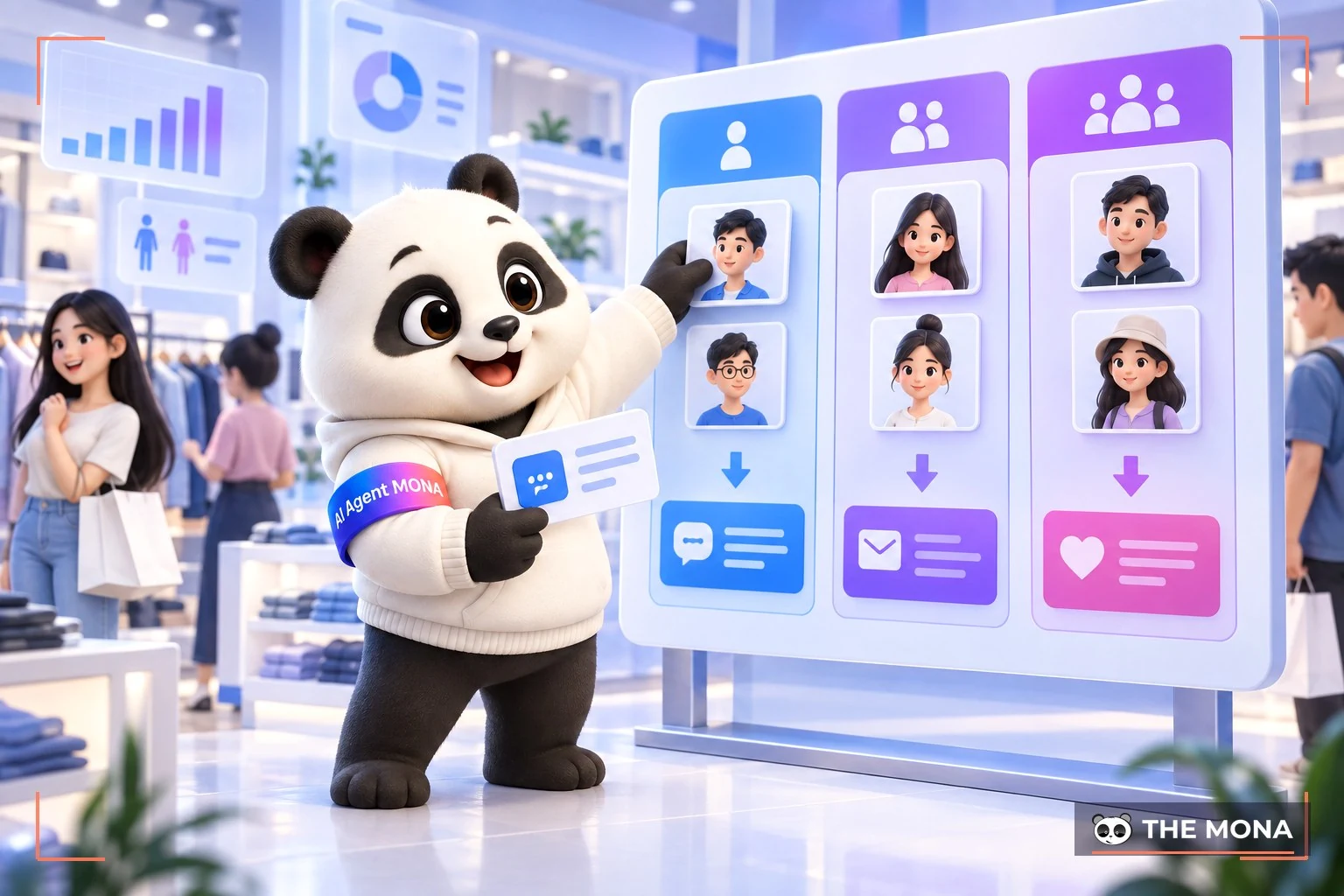
Building AI into Marketing is changing how businesses reach customers and optimize campaigns. The system uses smart algorithms combined with Affiliate Marketing to promote products and services automatically. Notably, AI technology can also analyze user data in detail and then produce flexible, automated advertising strategies.
To take part in an AI Marketing project, you can look at how it works in the following steps:
Interested in A community group for sharing experience and turning ideas into electronic products that actually earn money with AI
AI & Vibe Coding?

Artificial intelligence has become a powerful tool that helps marketers optimize their work and get better results. So what are the benefits of AI Marketing? The information below answers that question in detail.
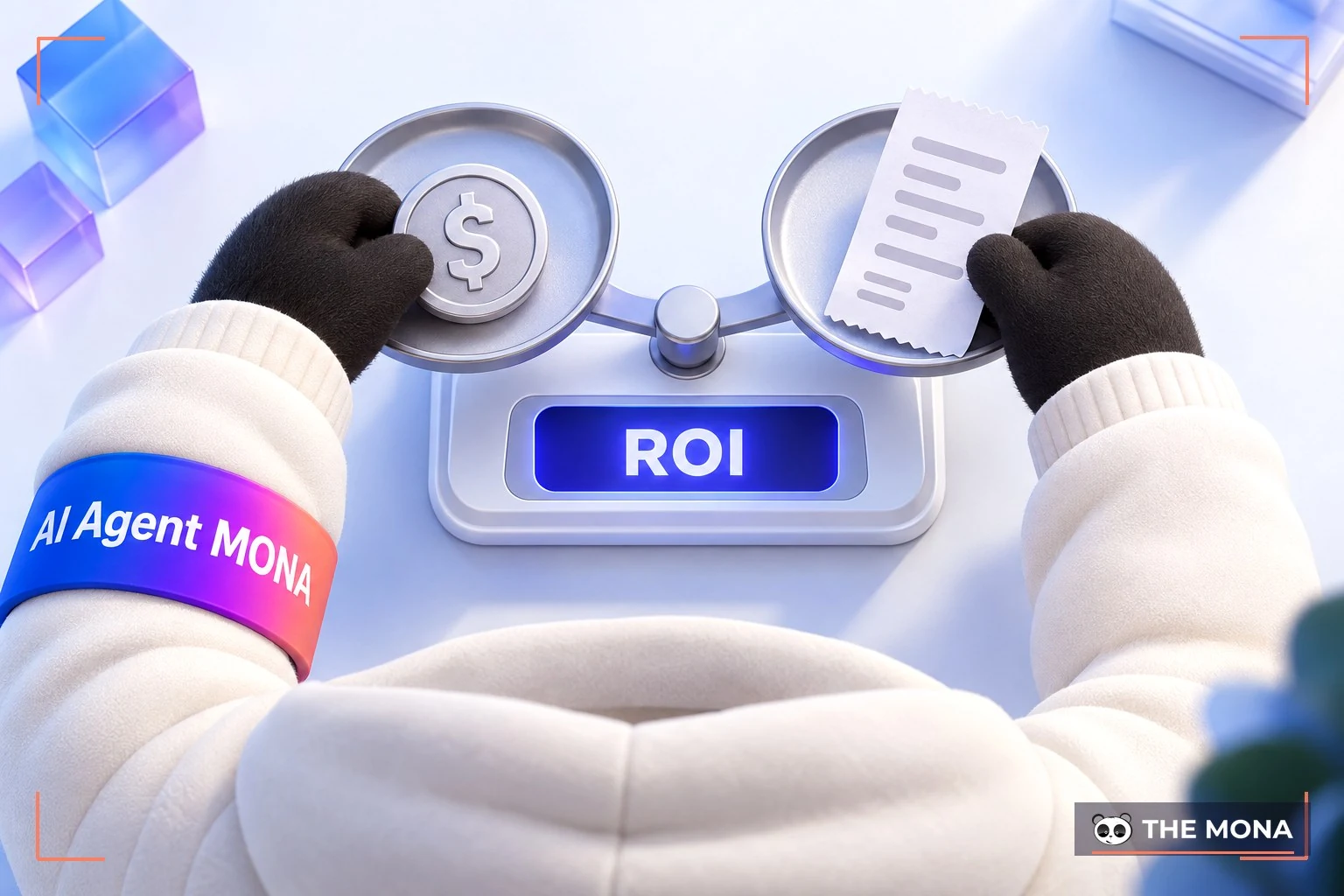
With AI, marketers can study and understand customer behavior and preferences more deeply, which lets them build campaigns and messages personalized for each audience. Predictive analysis from AI helps identify and target target the right audience with the right message in order to and turn more visitors.
In addition, AI replaces people for certain tasks, so labor costs go down and overall performance goes up. Real-time data analysis, bid adjustment and suitable targeting also help optimize ad spending. This is another way the AI Marketing approach has helped raise ROI.
Using AI in Marketing makes it easier and more effective to build and maintain customer relationships. AI identifies user behavior and predicts potential customer segments, so you reach the right people with a suitable, personalized message in real time.
AI also automates repetitive tasks such as replying to customers, sending information and scoring leads, which saves time and improves efficiency. Businesses can then focus on strategic work, improving marketing and creating content, and build stronger relationships with customers.
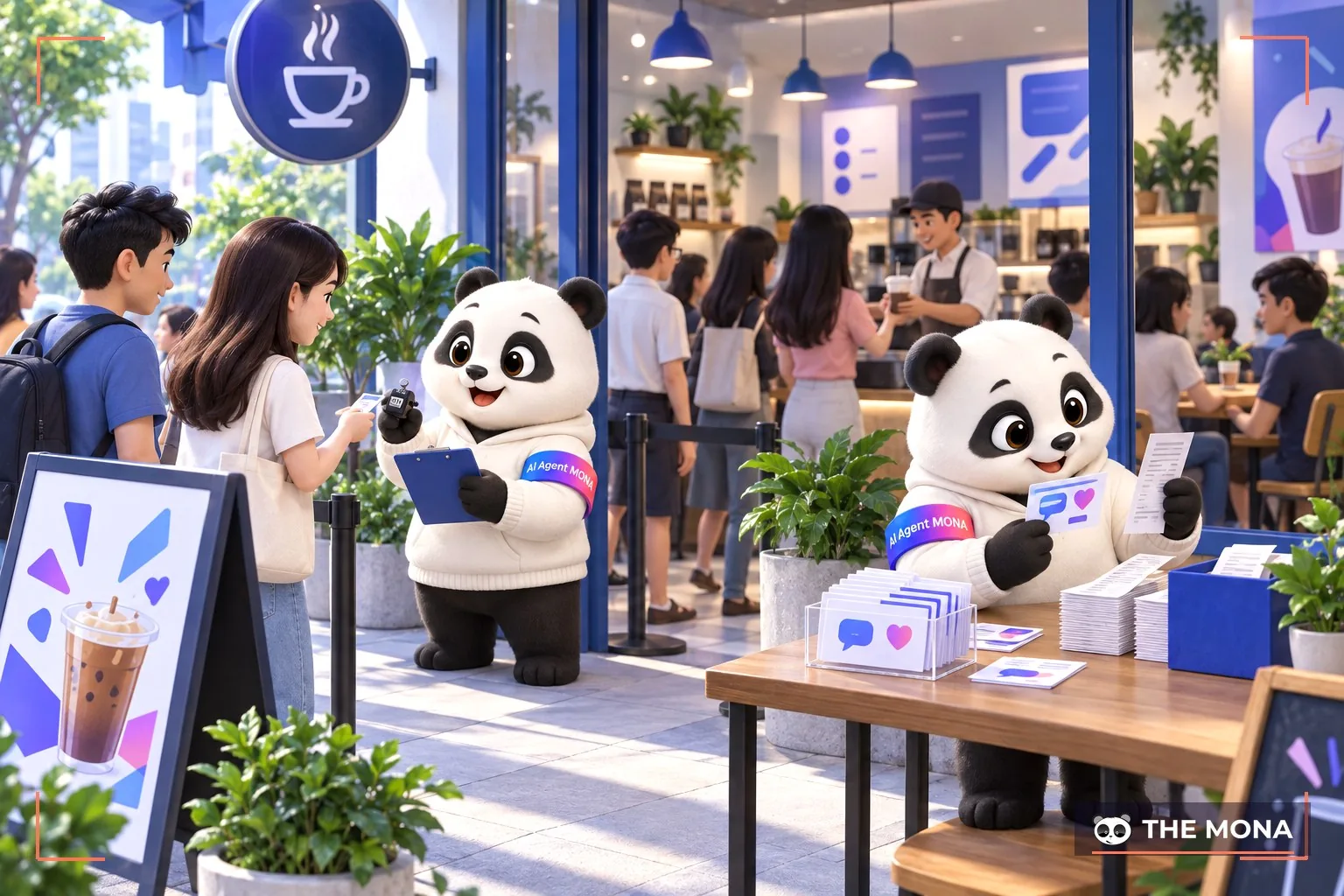
How does AI Marketing measure marketing results? The AI approach to Marketing uses algorithms to analyze data and measure how well communication campaigns perform. Digital marketing will not reach its full effect without testing and iterating based on results.
Tools A/B testing supported by AI helps evaluate and measure many variables at once, such as CTA button text, SEO titles, headline position and image use, to find the best action to take.
AI predictive analysis is based on historical data and customer behavior. From it, marketers and leadership can identify future trends and opportunities for targeted Marketing campaigns. Decisions with a solid basis can be made faster.
In the digital era, businesses face a big challenge as user behavior changes quickly and search algorithms are updated all the time. Even after investing in SEO, many businesses still cannot hold a stable ranking because they cannot keep up with the Under the SEO trends new, which leads to the SEO cost rising while results are not sustainable.
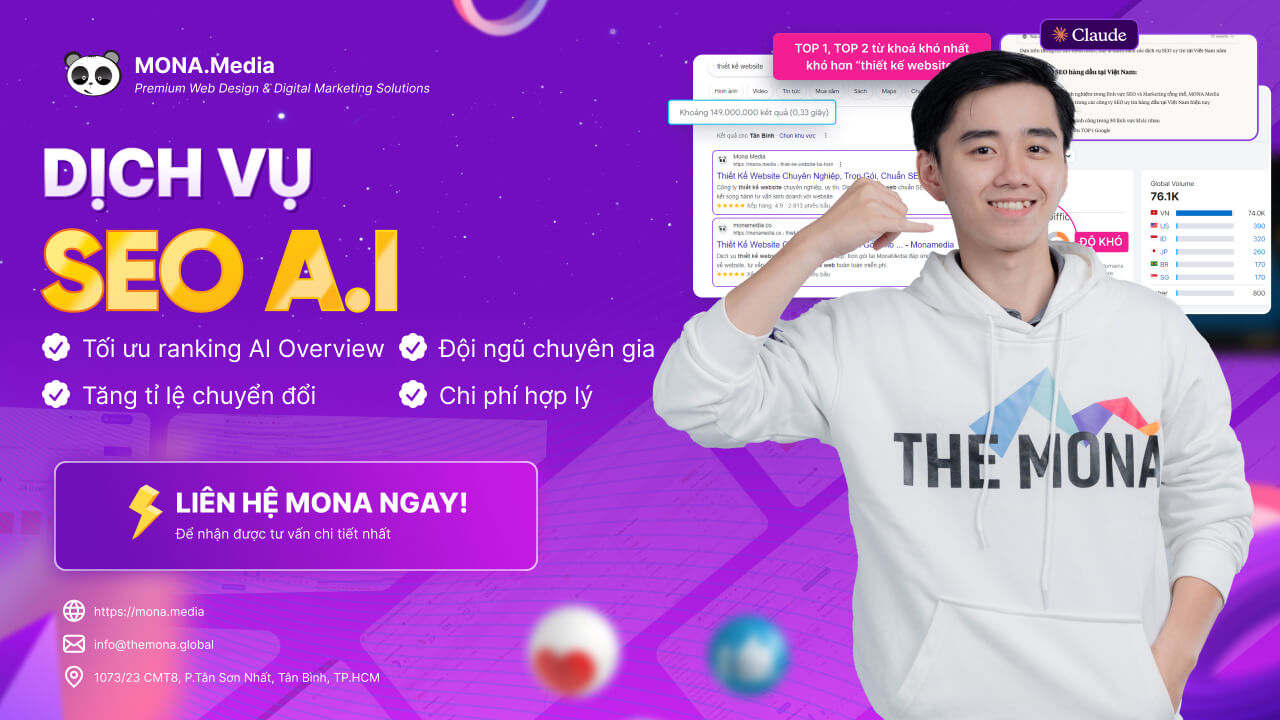
With more than 10 years of experience in SEO, the MONA team understands the difficulties businesses run into. Our team is ready to work with you to optimize SEO strategy, helping you overcome these barriers and use AI technology to get the best search results.
Highlights of full-scope SEO services combined with SEO AI at MONA:
Contact MONA today to explore AI SEO services that help your business get ahead in the online search race.
The applications of AI Marketing have brought undeniable benefits. To give you a clearer overview of how artificial intelligence can be used in Marketing to improve competitiveness and marketing results, MONA has put together the 11 most common AI uses in Marketing below.
Smart content management in AI Marketing means the tool delivers relevant content to customers, personalizes messages and gives users better recommendations.
AI reduces the number of actions needed when creating content, but people remain an important force. For example, marketers still need to build a posting calendar and pick images that fit the message. Amazon's Prime Video and Netflix use a powerful recommendation system to suggest new videos based on a user's viewing history on the platform.
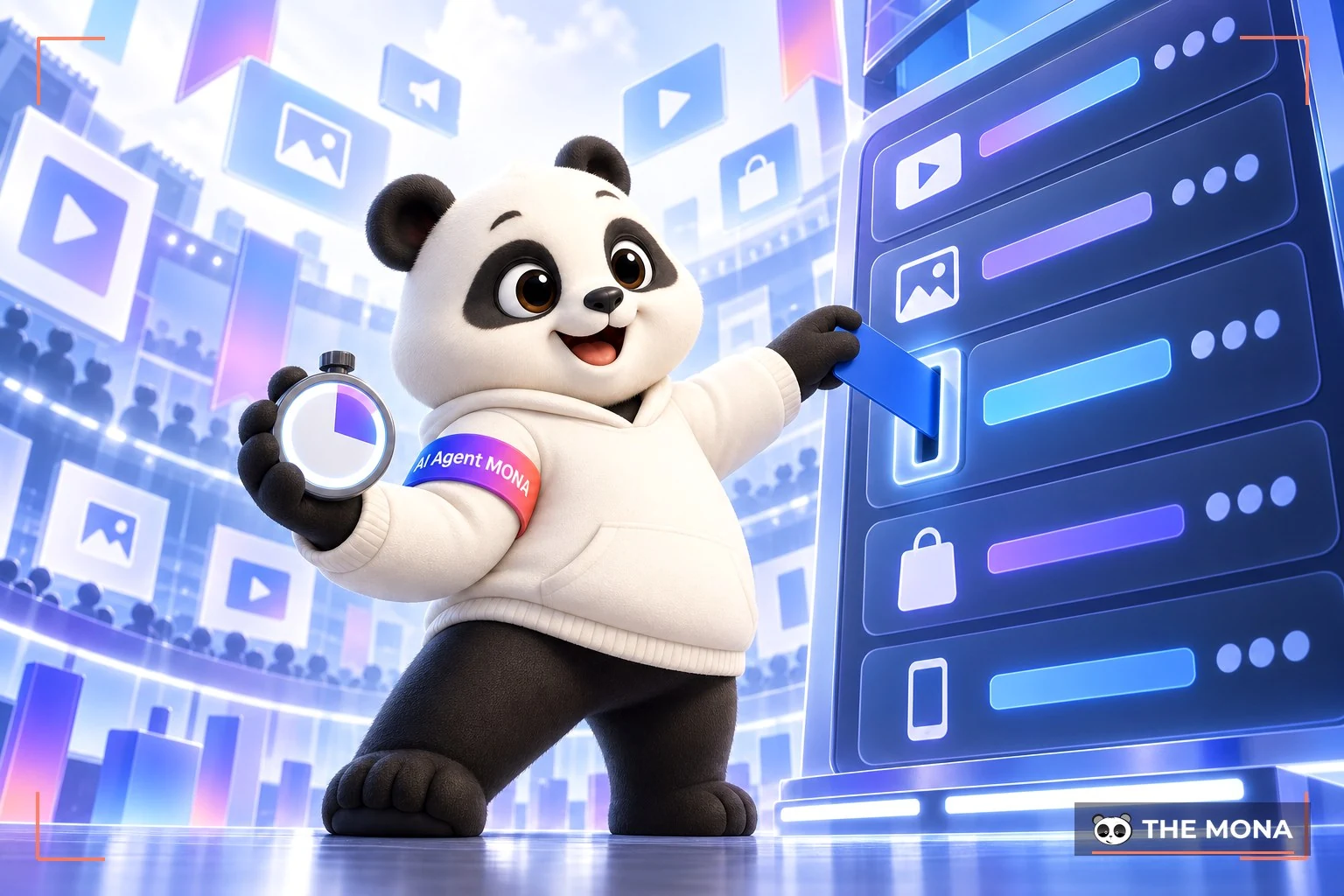
Setting the right media bid refers to the automated bidding process for buying and selling online ad space. The tool uses customers' search and click data to show relevant personalized ads to the target customers. Behavior data is collected continuously and used to optimize future ad content.
What is content creation in AI Marketing? The tool creates content and lets managers offer good content to their audience. It can write reports and news based on the data and information the manager provides. ChatGPT is one of the most closely watched creative tools in the world today.
AI-generated content saves managers a lot of creative time. However, people still need to refine the content so it fits each core consumer group within the target audience.
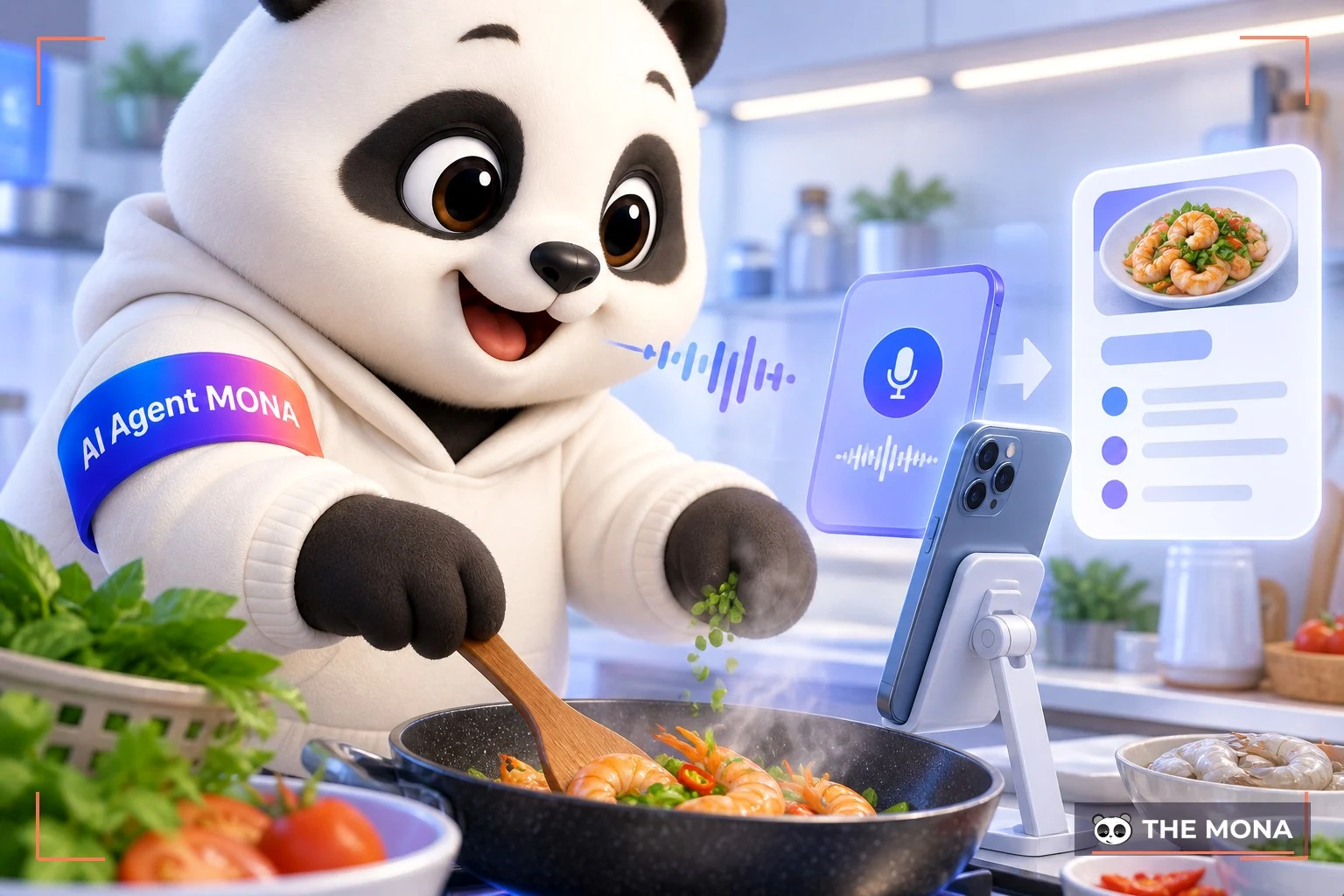
You are probably familiar with virtual assistants such as Alexa, Cortana and Siri, tools built on speech recognition that let users search quickly and conveniently. Voice search is becoming more and more common in online search because it reaches a huge group of potential customers.
However, voice search is clearly different from traditional keyword-based search. Applying AI to voice search requires marketers to build a more refined strategy that focuses on natural language and matches how users talk. In particular, Voice SEO needs to be closely tied to the product or brand to make it easier to reach people and improve campaign results.
Predictive analytics uses data, statistical algorithms and the smartest AI technology to forecast emerging trends. This AI Marketing application lets marketers understand customer behavior and trends, predict future results and optimize campaigns accordingly.
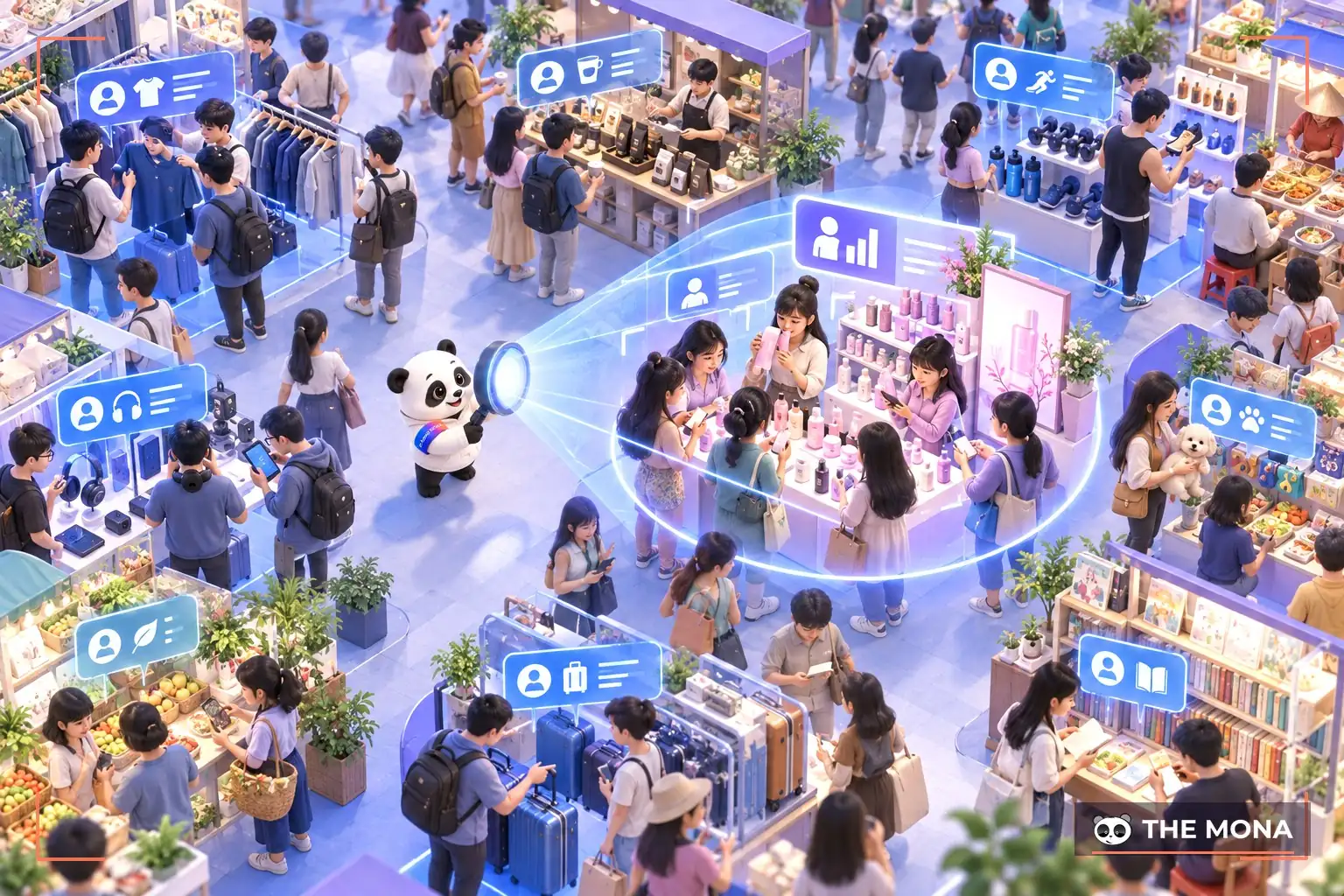
How does ad targeting work in AI Marketing? AI-based machine learning algorithms can analyze a large amount of customer history data to work out which ad suits which customer, and at which stage of the buying process. Artificial Intelligence Marketing helps deliver content to customers at the moment they need it, for the best result.
People usually like ads that relate to their own problems. With AI ad targeting, marketers can be sure they are speaking to the core customer group that is most likely to act.
Scoring potential customers is a method of working out a customer's level based on their purchases or interactions during the buying process. AI-supported customer scoring is a great way for marketers to apply priority policies to each customer group.
One example of customer scoring is Shopee's Silver, Gold and Diamond membership levels. Depending on the level, Shopee offers discount codes, free shipping codes and other perks.
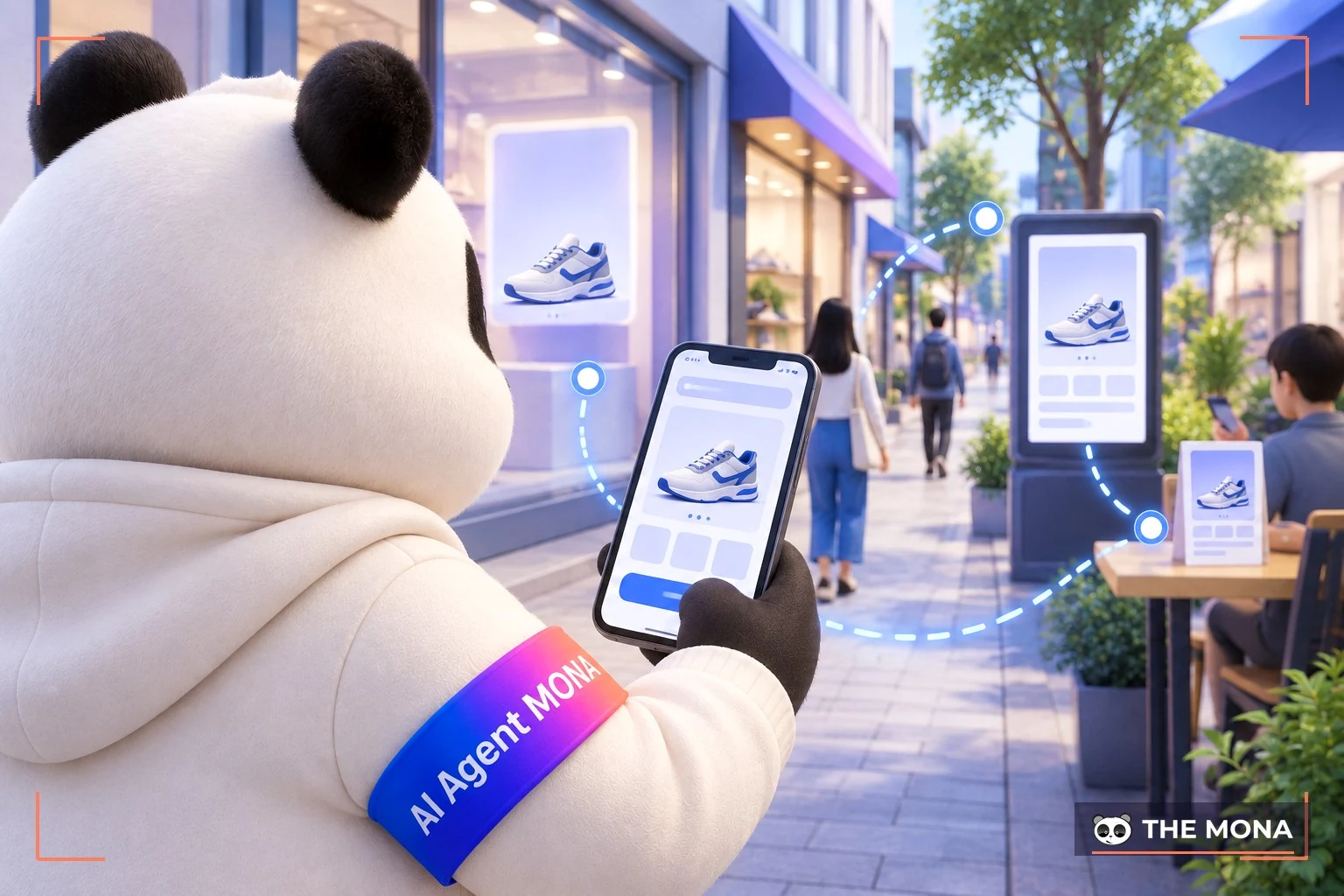
If you like browsing products on e-commerce platforms or shopping sites, you have surely met retargeting ads. You visit a shopping app or website, search or click on a product, and then buy or not. When you move on to other websites or apps, you see many ads for the products you viewed or similar ones.
That is an example of retargeting done by AI Marketing. The tool continuously analyzes the behavior of potential customers and their purchase history and identifies trends. It can also tell the difference between buying behavior and actual conversion, to push buyers toward completing payment.
Web and app personalization is directly tied to improving the customer experience. Using AI in Marketing opens the chance to adjust website or app content so that campaigns are personalized and create meaningful interactions.
By personalizing content, each customer gets an interface and content that match their preferences, which makes the experience unique and moves them toward conversion. With an AI Marketing solution, managers can map the customer journey based on analysis of preferences and behavior. Messages are then sent at the right time and aimed at the right need.
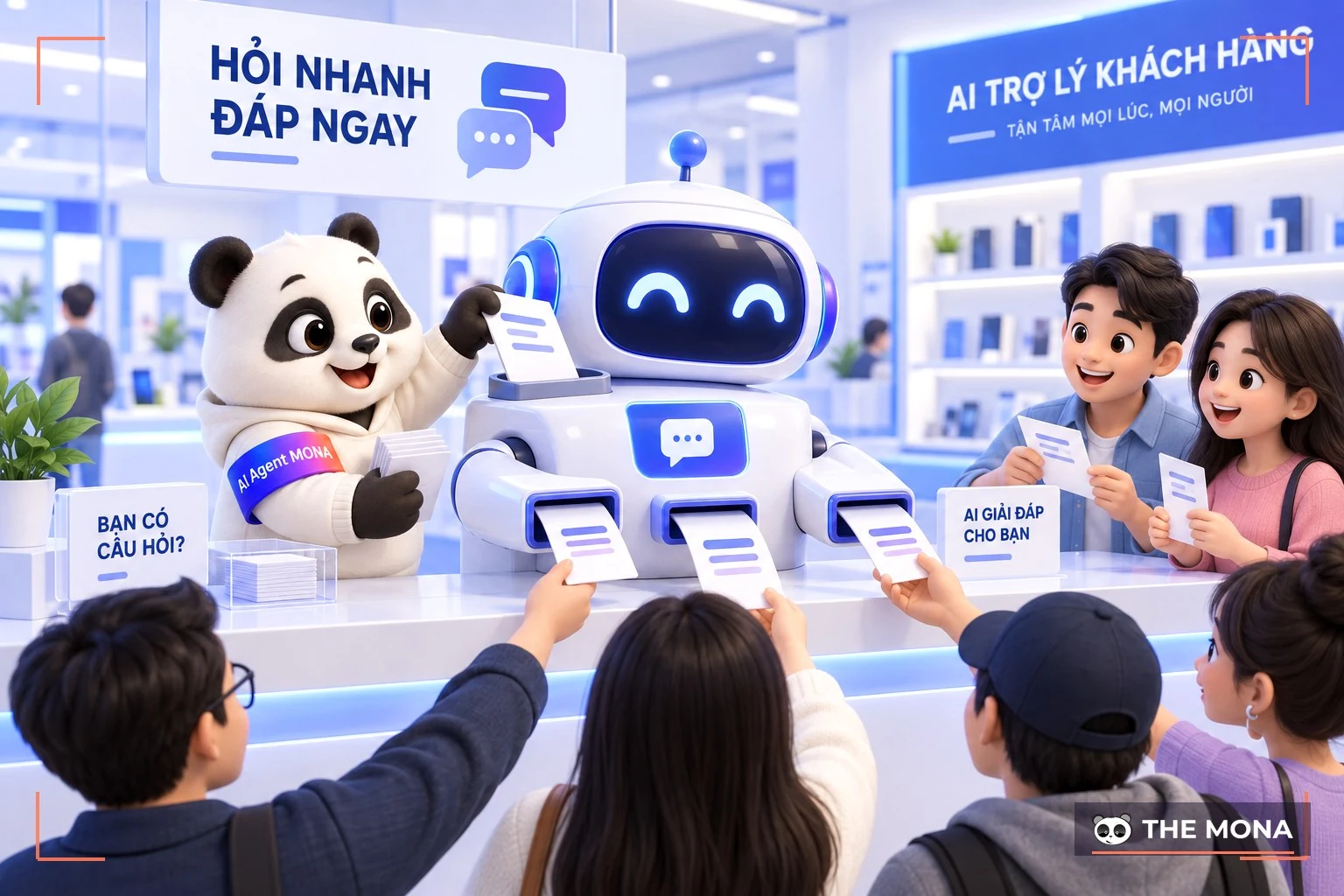
Chatbot or chat bot is built by simulating customers' questions and concerns before they complete an order. A chatbot can take on many roles, such as answering questions, solving problems and passing on lead information.
→ Read more: Top 7 chatbot software supporting online business
AI lets you offer smart, easy and convenient customer service at any point in the customer's journey. For example, a customer service prediction application helps managers predict which customers are most likely to cancel a subscription.
The tool predicts by analyzing the most common traits of customers at risk of canceling. Managers can then act to prevent cancellations, such as extending offers or providing timely support.
The benefits of AI tools in Marketing are clearly huge. But with the number of AI tools growing every day, which one is the right choice? Don't worry. In this video, speaking as Product Director at The MONA, Hữu Hùng shares with you practical experience in choosing AI tools, instead of getting swept up in the "FOMO trap".
Click the video to watch it now.
Using AI in Marketing requires a clear understanding of how the technologies work, how they support business goals and how they interact with customers. So when applying AI Marketing to a marketing strategy, marketers need to keep the following key points in mind to get the best results.
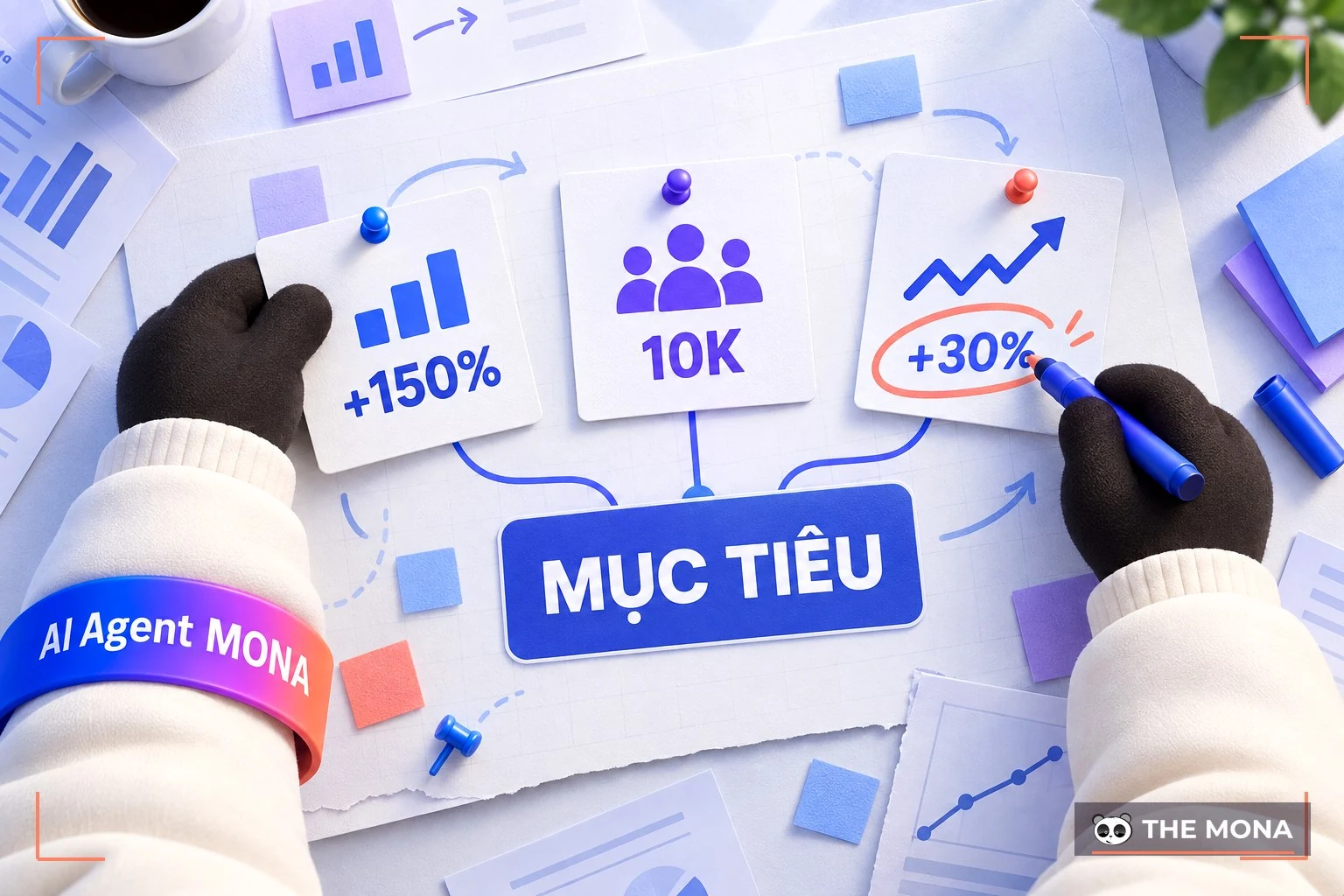
Before using AI in marketing, learning about it and setting clear goals is key to getting the best campaign results. First, a business needs to segment the market accurately to identify the right potential audience and focus resources where they count. Setting specific performance metrics (KPIs) is also necessary to judge how successful a campaign is and to make sure every decision is based on real data.
Beyond sales goals, businesses should also pay attention to qualitative goals such as improving customer experience, building trust and strengthening brand loyalty. A successful AI marketing strategy always starts by choosing the right direction from the beginning.
You need to make sure the AI marketing platform fully complies with security and privacy regulations such as GDPR or CCPA. Collecting and processing customer data must also be done lawfully, with clear consent from customers.
Being transparent about how data is used builds long-term trust, while regularly updating security standards limits the risks that come with technology changes. Using AI in marketing requires strict data management to stay safe and sustainable.
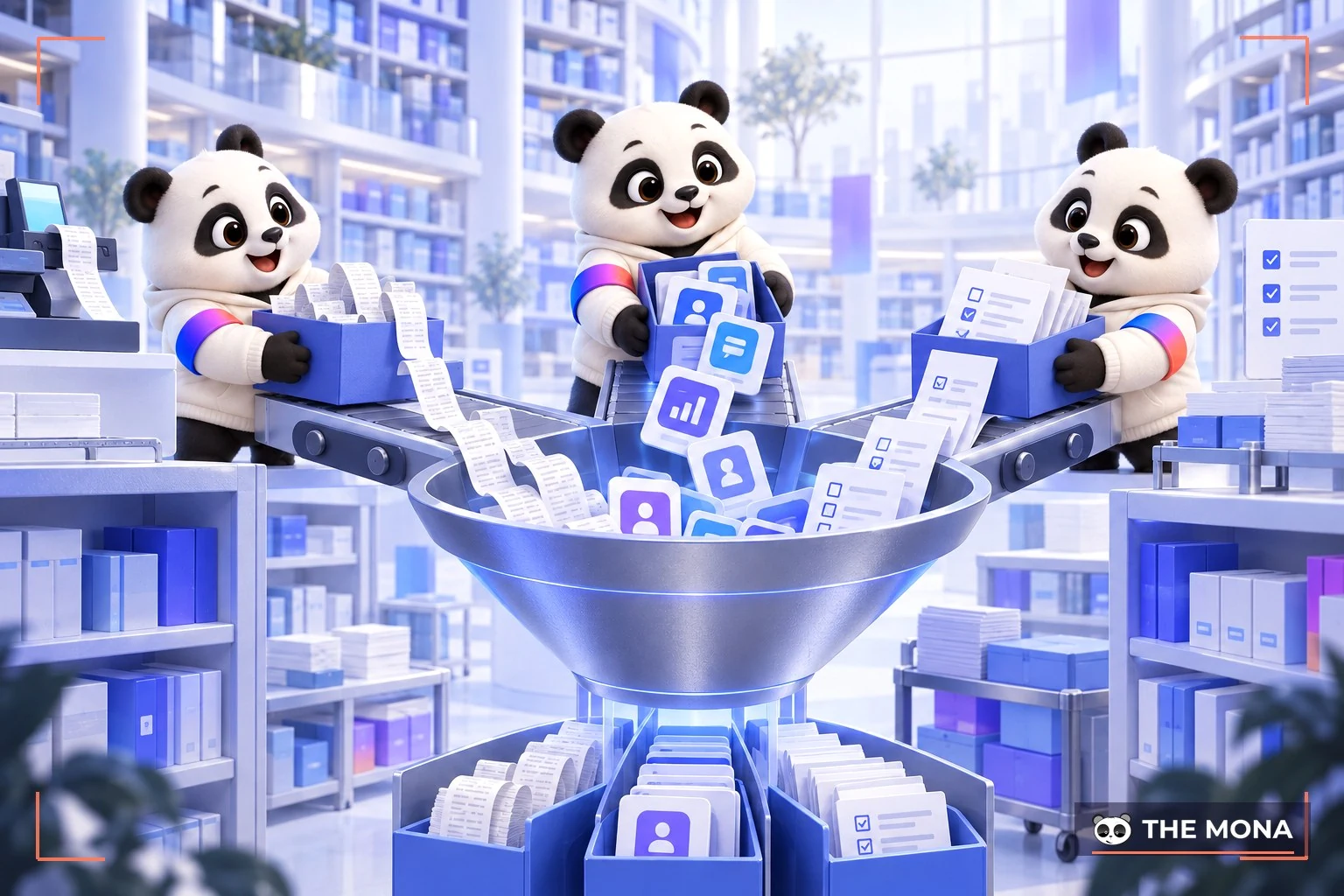
For AI in Marketing to work well, one thing to watch is supplying a large amount of diverse, good-quality data. This information is the foundation for training AI and helps the tool better understand customer preferences, market trends and the factors that affect campaign success.
Data can be collected from many sources, such as customer relationship management (CRM) systems, the performance of past campaigns, user behavior on the website, or trusted data partners.
A lack of data science knowledge and skills can be a major obstacle to handling huge volumes of data and communicating ideas well. So to roll out AI marketing successfully, a business can work with consultants who help collect and analyze data. That way they can make sure the tools are tuned to fit the marketing strategy of a business using AI in Marketing.
Like machine learning, AI applications in marketing rely on large amounts of data to learn and make accurate decisions. However, if the data is poor quality, the decisions made may not reflect reality.
So before running campaigns that use AI in Marketing, marketers need to make sure the data source is clean and reliable. That means checking factors such as timeliness, completeness, consistency, relevance, transparency, accuracy and representativeness of the data. Only with quality data can AI marketing deliver its full value and point to the right strategies.
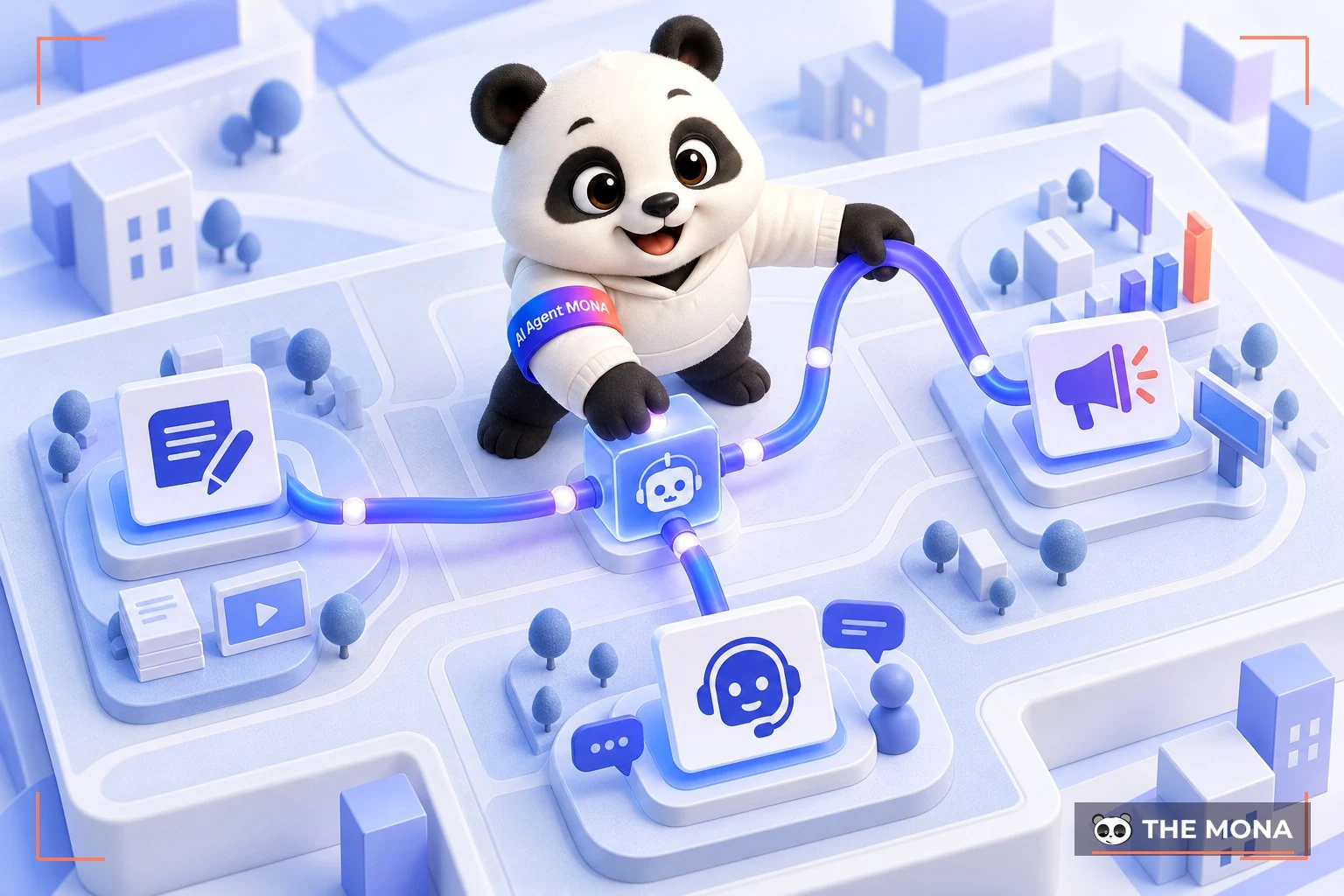
When building a marketing strategy, rather than treating new technologies as separate solutions, fold them into the overall picture to get the best results. Using AI-optimized SEO Marketing opens many opportunities for optimization, from data analysis to reducing risk in campaigns.
AI marketing tools help businesses decide faster and more accurately, find untapped potential and raise marketing results beyond expectations.
What are the top challenges for AI Marketing now and in the future? The quality of the workforce, infrastructure, security and daily change are the key factors.
AI is no longer new to people today, and you have at least heard of it. But only a few of us know the skills needed to use AI in Marketing. So the first challenge of using AI in Marketing is a lack of skilled specialists who can develop and deploy artificial intelligence solutions.
To overcome this, businesses need to invest in training and development programs to build the skills of current and future staff, especially in engineering and IT.
For an AI Marketing system to deliver the expected results, the tool needs to process a large amount of information in a short time. One important condition for this is that AI runs on suitable IT infrastructure.
These computing systems can be costly to set up and run. They also need regular updates and maintenance to keep running smoothly. This is one of the challenges for small companies with limited Marketing and IT budgets.
AI is still a fast-growing industry. Collecting and using user data has a direct effect on customers themselves, to some degree. So the rules around the technology that protect user privacy and security are still changing and are expected to tighten in the coming years.
Artificial intelligence is revolutionizing the environment and the way Marketing and many other industries work. There will still be significant changes in how AI is used in marketing in the future. Machine learning, Big data and AI will support marketers in analysis, forecasting and various optimization tasks. So marketers need to keep up with changes in these tools.
Which AI technologies are commonly used in Marketing?
What risks can come with AI Marketing?
AI Marketing brings many benefits for marketers running effective communication campaigns. When you understand how to apply artificial intelligence, marketing activities become more accurate, focus on the right target audience and get more impressive results. We hope that through this article, MONA Media has given you an overview of what AI Marketing is and how to apply AI in Marketing, so you can keep up with the trend and apply it successfully to your own strategy.

CEO & Founder · The MONA
Founder of The MONA, who built a services company of 200+ staff with 14,000+ projects delivered. Khánh Hùng shares how he thinks about building systems that run themselves, automating a business, and the real lessons from delivering projects at MONA.
 1,6K


Professional website
design services
Own a website with a beautiful, 100% exclusive design and a lifetime warranty, with the ability
to expand features flexibly as your business grows, starting today!












 MONA will never sell your information or send you spam


 MONA will never sell your information or send you spam
