
 MONA OS 2.0
 Partner with MONA


 Tự động hoá doanh nghiệp
 Cẩm nang SEO
 Digital Marketing
 Kinh nghiệm thiết kế website
 Hạ Tầng Server
 Giáo dục


 VI
 EN













Message us on
Zalo Official


 ProductsNew

 ProductsProducts
 Mới ra mắtKHA AI 2027App tự edit video, tự đăng mọi mạng xã hội, 2 phút mỗi ngày










 Website designLooks good and wins customers over.
SEO servicesBrings in customers searching for exactly what you sell.
 Tư vấn digital marketingKéo khách từ nhiều kênh, đo bằng số thật.
Corporate video productionVideos introducing your company, factory and team.
 NewAI video productionCompany story films made with AI.
 Custom software developmentCRM, ERP and HRM built for your business.
 Viết AI Agent theo yêu cầuĐặt riêng một trợ lý AI cho đúng việc của mình.
 Tư vấn chuyển đổi AIĐưa AI vào vận hành của cả công ty.
NewMONA LMSManagement for centers and schools.
MONA SkillHubInternal training for company staff.
 NHTQ systemEnd-to-end China–Vietnam shipping operations.
MONA JMSManagement for gold, diamond and pawn shops.
 MONA E-LearningA website with every feature you need to sell courses.
 How to sell online courses (course)More than 30 free lessons on selling courses on autopilot.
 MONA Cloudmonacloud.vnServers to get your apps and websites running.
 MONA Basemonabase.vnPostgres database, sign-in and file storage.
 MONA Mailmonamail.vnSend OTP, order and invoice emails from your software.
 MONA Paymonapay.vnAccept bank transfers via VietQR and notify your software when the money arrives.
 MONA eInvoiceComing soonIssue e-invoices that meet tax standards.
Gấu CườiTrả lời khách 24/7 trên web, Fanpage, Zalo và thu lead cho sale.
 Gấu TeleSalesGọi điện tư vấn, chăm khách như tổng đài viên thật.
Dê CườiTư vấn và chốt đơn cho shop ngay trong khung chat.
Gấu WebmasterNhắn nhóm Zalo là website được sửa xong.
 Gấu Pháp ChếSoạn hợp đồng, rà điều khoản trong vài phút.
 Gấu Báo GiáLên báo giá đúng mẫu và gửi khách ngay.
 AI chăm sóc khách hàngTheo dõi và giữ chân khách hàng cũ.
 Gấu Tuyển DụngLọc hồ sơ, hẹn lịch, phỏng vấn ứng viên.
 Mới ra mắt
KHA AI 2027
Xây kênh chuyên gia 2 phút mỗi ngày
Quay bằng điện thoại, AI tự edit video, tự đăng lên 16 nền tảng và tự trả lời bình luận, tin nhắn.
882.681lượt xem trên kênh CEO MONA sau 36 ngày
 Anh Khánh HùngCEO MONA đang dùng mỗi ngày
Xem app làm được gì
 AI
Gấu Cười MONA ĐANG TỰ XÀITrả lời khách 24/7 trên website, Zalo OA, Messenger và thu lead về cho sale.
Dê CườiChốt đơn bán lẻ và sàn: Shopee, TikTok Shop, web. Chăm cả khách sỉ, đại lý.
Gấu WebmasterCập nhật nội dung, tối ưu SEO website mỗi ngày.
Gấu TeleSalesGọi điện tư vấn, chăm khách như tổng đài viên thật.
Gấu Tuyển DụngLọc hồ sơ, hẹn lịch, phỏng vấn ứng viên tự động.
AI chăm sóc khách hàngGiữ khách cũ, cứu lead đã rớt cho phòng kinh doanh.
Gấu Pháp ChếSoạn hợp đồng, rà điều khoản trong vài phút.
Gấu Báo GiáLên báo giá đúng mẫu, gửi khách ngay khi có yêu cầu.
 Chuyển đổi AI toàn phầnGiải pháp tổng cho doanh nghiệp, 3 lớp triển khai.
 Viết AI Agent theo yêu cầuĐặt riêng một con AI gánh đúng nghiệp vụ của bạn.
 Custom softwareCRM, ERP and HRM with built-in AI automation.
 SEO & AEO thời đại AIĐược Google lẫn AI trích dẫn, không chỉ xếp hạng.
 Kiến thức AI cho doanh nghiệpBài phân tích, hướng dẫn ứng dụng AI vào vận hành.
 Free AI courses
 AI tools at work
App mới · KHA AI 2027
Xây kênh 2 phút mỗi ngày
AI tự edit video, tự đăng mọi mạng xã hội
Free consultation, 8am–10pm every day

09 June, 2026

24/7 AI customer care is no longer a novelty when every night shift brings payroll, allowances, errors and customers waiting too long. For a business with 15-30 branches, one message that falls outside the handling window can become a lost order, a bad review or a customer who switches to a competitor. MONA treats this as a production-grade automation software problem, where AI is just the means for machines to receive, understand context, route and hand the right job to the right person.
If you are just starting to learn about this area, read this article first: virtual call center where MONA explains the three generations of call center solutions from the ground up. With that foundation, this article will click into place.
The night shift is usually seen as a mandatory cost. But for your business a business that already has 15 to 30 branches, every message missed late at night is doanh thu real revenue slipping away.
The pain is that money keeps flowing out steadily. Night-shift pay still goes out, ads still burn, customers still ask, but nobody replies until the next morning.
We all know night operations are not simple. Staff are tired, managers find it hard to check, and team leads cannot sit watching every chat until 11 pm.
MONA sees this problem as a closed automation chain. Not a scattered reply tool, but automation software that connects messages, classifies needs, suggests how to handle them, records data and hands work to the right person.
A customer asking at 11 pm is not asking for fun. They are weighing a booking, a package purchase, a price check, a stock question, or need reassurance before deciding.
A 6-hour delay is enough to lose the moment. By next morning, the customer has messaged 3 other places, or changed their mind because they no longer feel cared for.
At a 28-branch spa chain across Ho Chi Minh City, Hanoi and Da Nang, with revenue of about 52 billion VND per month, the customer care team saw that messages after 9 pm made up a large share during heavy ad periods.
The pain is not a few stray messages. The pain is that the whole system does not know which messages are likely to bring in money, which need a person right now, and which only need a standard reply within the first 12 minutes.
We usually start by re-measuring the entire flow of night messages. MONA does not rush to replace people. We separate what machines can do from what needs experienced staff.
When the chain runs right, 24/7 AI customer care keeps the first response on time, collects the data needed, and alerts the on-duty shift when there is a revenue or risk signal.
The night shift is an uncomfortable expense. Not staffing it risks losing customers; staffing it fully raises payroll, but orders do not match every night.
This is a very real pain. You pay for presence, but what a business needs is the ability to handle the right job at the right moment.
A customer care department of 30 to 80 staff often has several layers of night work. Some messages only need an acknowledgment, some need a schedule lookup, some need escalation to a manager, and some must be held for deeper handling in the morning.
If everything lands on the on-duty person, the night shift becomes a catch-all basket. Staff reply, guess priority, take notes and worry about missing something, all at once.
It is exhausting.
MONA designs automation software that splits the work into stages. Each stage has clear conditions, data and stopping points.
In a rollout model for a service chain with over 20 branches, MONA set a goal of cutting night shifts by 60% by letting machines handle the first-response and classification layers.
The 60% figure does not come from cutting people fast. It comes from no longer paying for repetitive tasks that software does more reliably.
Ad spend is not lost when you hit run on a campaign. It is lost a second time when a customer lands in the inbox and is not cared for in time.
Every message is money already bought with budget. If the reply comes after 8 hours, the business is turning ad spend into a list of cold customers.
For a business with revenue above 30 billion VND per month, ad budgets and care staff are usually big enough that every bottleneck causes clear damage. One night of drifting messages can mean days of fruitless callbacks.
You do not lack potential customers. You lack a mechanism that keeps pace the moment a customer signals interest.
We feel this pressure because MONA sees it in many multi-branch operations. Business owners cannot read every chat, yet they still carry the final responsibility when revenue falls short.
That is why MONA does not treat 24/7 AI customer care as an auto-reply chat box. We treat it as an automated chain running from ads, messages, classification, care, appointments and orders to reporting.
For multi-branch businesses, the savings are not only in night-shift pay. The bigger value is keeping the revenue that ads already pulled in.
For a large enough problem, the savings from on-duty pay, callback time and missed-lead rates can exceed 500 million VND per month. The condition is that the automated chain must attach to real operations, not sit apart as a side utility.
That is how MONA frames 24/7 AI customer care. Machines keep the pace, people handle the points that need judgment, and the business owner can see where money is flowing.
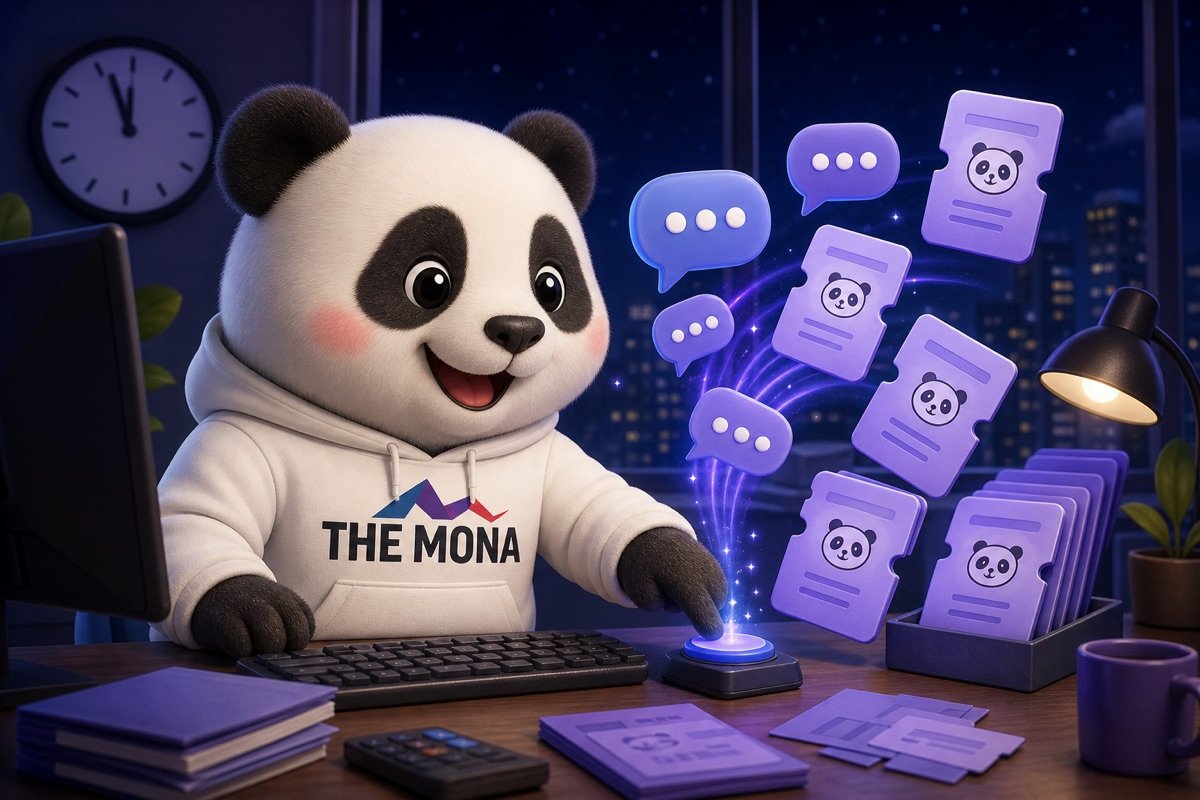

Night shifts usually swell not because customers need deep consulting. They swell because too many repeated questions arrive at once.
Price questions, schedule questions, policy questions, support ticket requests, payment reminders. These keep the care team on 24/7, but most of the time it is just lookups and templated replies.
Headcount starts to bloat from here. You pay extra night-shift wages, allowances, managers shifts and quality checks, but output does not rise to match.
It hurts more when strong people are pulled into repetitive work too. One person who could handle a tough complaint spends hours answering the same questions.
Costs rise quietly. We do not see it as one big loss, but the payroll swells every month because of work machines could have handled first.
MONA does not see this as a chat box that can talk. We see it as automation software with clear business conditions.
Every question group must have a data source, access rights, answering conditions and a stopping point. When data is missing, the machine does not guess.
The kinds of work usually sent to the first-pass layer include:
The key is the word "first". The machine handles the repetitive part first, so the on-duty person only receives what needs a decision.
Operations get lighter. The night shift is no longer where every small task piles up.
For 24/7 AI customer care, MONA clearly separates what machines may answer from what must go to a person. Without that separation, automation becomes an operational risk.
Not every message should go to a machine. Upset customers, customers who lost money, customers whose appointment was late, customers threatening to cancel: all need a real owner.
This is the part that is your business easy to get wrong. Cutting people too fast makes customers feel abandoned.
MONA usually designs a layer that recognizes sensitive situations before any automatic reply. When a signal crosses the threshold, the software hands off to the right person with the full context.
Staff do not have to read from the start. They see what the customer asked, what the system already replied, the order data, and the next step to take.
So the night shift does not vanish rigidly. It shrinks to the work that truly needs humans.
This is how to cut bloated headcount without losing the human touch in customer care. You keep the quality of care, without making people sit watching every repeated question 24/7.
The 60% figure should not be an emotional promise. For MONA, 60% is an acceptance target set after measuring the share of cases the machine can handle.
We usually measure by successfully resolved tickets, not by the number of messages the machine answered. Answering a lot does not necessarily reduce the load.
A ticket counts as successful when the customer gets all the information, no handoff to a person is needed, no complaint follows, and the data is recorded correctly.
Work that does not meet these conditions goes to a queue for the responsible person. The software is not allowed to force-handle cases just to make the numbers look good.
This way of measuring shows you exactly where the reduction comes from: price questions, schedule checks, policy lookups, support tickets or payment reminders.
Only when the ticket success rate is stable enough should the business adjust its shifts. That way, cutting night shifts by 60% is a decision based on operating data.
No rushed cuts. No guessing.
MONA builds automation software so you can stop maintaining a bulky night-duty operation. People stay where people are needed, and repetitive work is handled by the machine first.
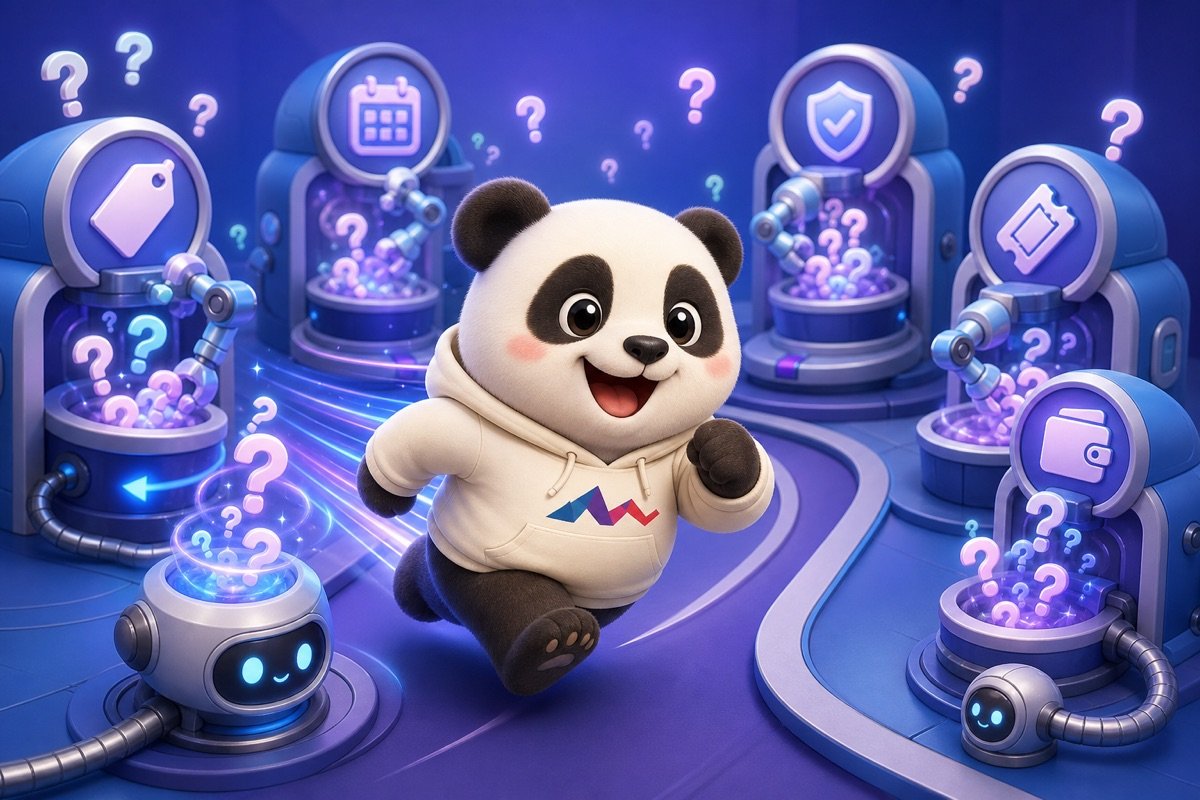

Customers don't buy on office hours. Many appointments land between 8 PM and 11 PM, when the sales team is thinning out or has logged off.
A customer messages on Zalo at 9:40 PM. They ask whether tomorrow has an open slot, which branch is closest to home, and want the price confirmed before paying a deposit.
The message sits untouched until 8:15 the next morning. By then, the customer has asked two other businesses, accepted one appointment, and gone quiet on you.
This is a very real case of lost customers. The market isn't short on demand; customer care just can't keep up with the real rhythm of buying.
A customer with real intent is usually patient for only the first few minutes. After 15 minutes without a reply, the urge to buy starts to cool.
For a chain of 15 to 30 branches, dozens of messages about schedules, prices and locations can come in every night. Lose just 5 conversations, doanh thu and tomorrow's shortfall is plainly visible.
The pain is that you are still paying to pull customers into Zalo. Ads keep running, content keeps getting posted, staff keep serving customers by day.
But when a customer is ready to book, the system goes silent. The money went out first, and the revenue can't be closed in time.
We see this situation often in spa, dental, education, F&B and retail service chains. Customers don't dislike the brand. They simply pick whoever answers first.
When a customer messages after hours and gets no reply, the sales team has to start the follow-up over the next morning. A job that should take 3 minutes turns into 3 to 5 rounds of messages.
Staff have to ask again about the need, ask again for the area, check the open slots again, then wait for the customer to respond. Every delayed step lowers the booking rate.
Worse, the customer is no longer hot. By morning they are at work, in a meeting, or have already booked somewhere else.
We don't lose just 1 appointment. We also lose the effort of following up again, the morale of the sales team, and the data needed to understand why customers drop off.
MONA doesn't solve this with a few scattered auto-replies. We build automation software that keeps the conversation thread, records the need, checks open slots and hands the case to the right owner.
When a customer messages after hours, the system can ask for their area, suggest a branch, check available time slots and create a confirmation request. The next morning, staff receive a tidy file.
In many businesses, customer data lives in personal Zalo accounts, duty groups, spreadsheets and private notes. Managers only see the final result, not where things fell apart along the way.
Every branch records things its own way. Every shift answers in its own way. After 30 days, it is very hard to tell which channel is losing the most customers.
When data is scattered, the sales team loses control. Whoever follows up well keeps the customer, whoever follows up slowly loses them, but the system can't point it out.
MONA usually gathers these touchpoints into one closed automated chain. Zalo, forms, appointments, branches, care status and reports all flow into the same data stream.
For 24/7 customer care, the goal is not to replace people entirely. The goal is to let software hold the buying rhythm while staff focus on cases that need deeper consultation.
With the right deployment model, a business can cut night shifts by 60% while still replying after hours. That number comes from handing repetitive work to the machine first.
What is worth keeping is not just 1 appointment. It is control over the entire sales funnel after office hours.
When customers get a reply at the right time, ad money isn't wasted. When data is gathered the right way, you know exactly what to fix in operations.

High pay with low output often starts with something very small. Experienced customer service staff still answer the same questions every day.
Opening hours, shipping fees, return policy, appointments, order status, how to use the service. These questions need fast replies, but they don't need a skilled person typing out each line.
That is where the cost is. Quietly.
When the customer service team runs 24/7, every night shift gets filled with low-level questions, and salaries keep running. But consulting capacity doesn't grow in proportion.
You pay for experience, but the experience is spent on repetitive work. Your best people no longer have the energy for difficult customers, big customers, or situations that protect the brand's reputation.
We see this mistake often in businesses that have already scaled. As branches grow, messages grow, but the way work is divided is the same as when the company was small.
The result is a customer service team that looks very busy. Messages are still piling up. Reports still show the number of cases handled. But revenue generated, customers retained and complaints reduced don't clearly improve.
Automation doesn't mean handing everything to the machine. Done in the wrong place, customers get annoyed faster, and staff have to put out more fires.
A robotic answer to an angry customer can ruin the whole conversation. A rigid reply flow also makes high-value customers feel brushed off.
The problem is not 24/7 AI customer care. The problem is how work is split between machine and human.
MONA doesn't recommend pushing every question into one shared reply script. We usually separate the work in advance by risk, repetition and customer value.
This keeps automation from killing the feeling of being cared for. The machine handles the steady work, and people keep the parts that need a delicate touch.
With the goal of cutting night shifts by 60%, the point is not to cut people. The point is to cut the work that skilled people shouldn't have to do directly.
Experienced customer service staff should be placed where they matter. They need to handle exceptions, hesitant customers, customers with a strong purchase history, or cases that risk losing revenue.
This is where experience makes money. A well-timed sentence can keep a customer. A gentle resolution can stop a complaint from spreading.
MONA usually designs automation software in 2 layers. The first layer recognizes repetitive questions and replies from standardized data. The second layer routes cases that need a person to the right owner group.
In this model, the software doesn't replace skilled staff. It takes the low-level work off their hands.
We also tag conversations by priority. Customers with ordinary support needs follow the fast lane. High-value customers are escalated to experienced people.
That makes the goal of cutting night shifts by 60% more realistic. The business keeps its care quality, without raising salaries just to answer more of the same questions.
When work is divided correctly, we don't force the customer service team to run faster. We help them put their experience where it produces results.
That is how MONA approaches 24/7 AI customer care. We don't sell an auto-reply box. We build automation software that lightens exactly the part that is high-pay and low-output.


Many businesses are stuck between AI advertising and operational reality. The demo looks smooth, but once put into 24/7 customer care, it breaks on data, policy and accountability.
A smart chat box isn't enough to handle orders, appointments, inventory, returns and complaints. It answers a few common questions, then pushes the hard part back to the night-duty person.
The pain is that money still flows out. The night shift still needs staff, managers still have to review, and customers still wait when an answer doesn't match the data.
We understand that feeling. You don't lack tools. You lack a processing chain solid enough for the machine to do the repetitive part without breaking the business process.
MONA doesn't sell AI as decoration. MONA builds automation software for real operations, writes custom code, connects the data and controls every processing step.
AI, LLM, Voice and OCR are just 4 means. The real job is turning the tasks machines can do into a controlled customer care flow.
When data is scattered, night-duty staff have to ask things the system should already know. What the customer bought, whether the warranty is still valid, where the appointment is, what status the order is in.
That is why 24/7 AI customer care gets misunderstood. Without correct data, the machine only guesses from wording and can't act on reality.
MONA gathers 6 groups of data into one flow: customers, orders, appointments, inventory, policies and reports. Every request is checked against them before a reply goes out.
No guessing. No scattered replies.
With this processing chain, the software doesn't just talk to customers. It knows what it is handling, who it concerns, and which step comes next.
Your biggest fear is not that the machine replies slowly. It is that the machine misstates a policy, promises the wrong entitlement, or opens the door to a complaint.
We have all seen a new employee give one wrong answer and the whole team scramble to clean up. With a machine, that mistake is even more dangerous if there are no boundaries.
That is why MONA sets business rules before letting AI reply. The machine isn't free to say anything just because the wording sounds reasonable.
We usually split the processing flow into 3 control layers. A layer that can answer right away, a layer that needs data confirmation, and a layer that must be handed to the person in charge.
This is the difference between a chat box and automation software. One answers by conversation, the other operates by the business's own rules.
When the rules are clear, the machine can do the repetitive part. Staff only handle the parts that need judgment, negotiation or relationship care with the customer.
The biggest frustration for a customer service manager is not knowing where things went wrong. The customer says they already reported it, staff say they already handled it, and the data sits in many places.
Without a processing history, the night shift becomes a blind spot. The next morning, managers have to piece together messages, calls, orders and notes by hand.
MONA builds reports so managers can see the entire processing flow. Every request has a received time, the data checked, the reply sent and the next handoff step.
This reporting helps you take back control. No need to wait for each team lead to recount things by gut feeling.
The result of a closed chain is not that AI speaks better. The result is that night shifts drop by 60% while care quality is still measured with data.
MONA keeps this approach for 24/7 AI customer care because it stays close to real operations. The machine takes the repetitive part, and people keep the part that needs accountability.

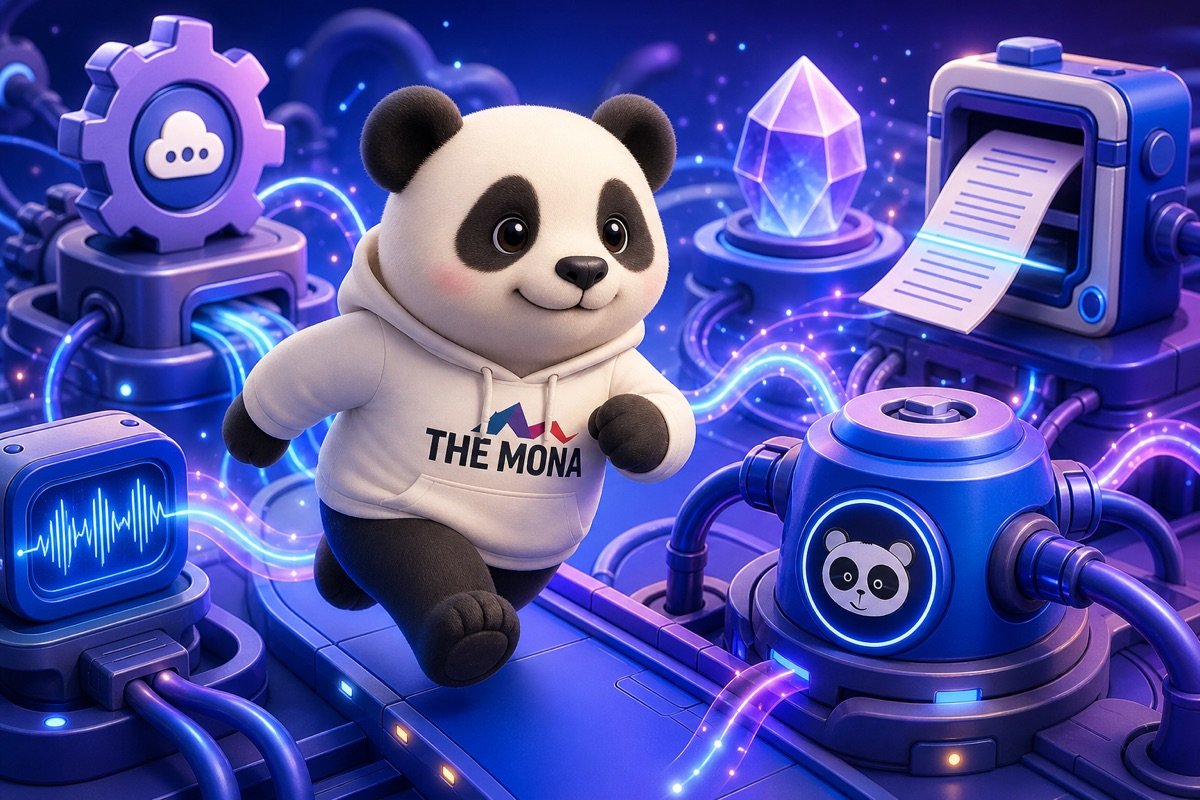
At the first layer of this chain stands MONA's multichannel AI chatbot: it brings messages from the website, Fanpage, Zalo and the call center into one customer file, answers repetitive questions immediately, then hands cases that need a person to the right department.
A service chain with 24 branches, revenue above 30 billion VND per month and a customer service team of over 40 people ran into a very familiar bottleneck.
Customers who message at night still have real needs. But managers can't sit and watch every inbox, every call, every ticket waiting to be handled.
Losing control starts with small things. One unanswered message. One unconfirmed appointment. One returning customer asking about price again with nobody picking it up.
By morning, the report still looks fine. But revenue has already dropped in that stretch of silence.
Before MONA got involved, the customer service team of over 40 people had to split shifts to cover Zalo, Messenger, the hotline and web forms.
The problem was not lazy staff. The problem was that the night shift had too many small signals and no filter strong enough.
One customer asks about opening hours. One wants to change an appointment. One complains that the branch hasn't called back. All of it is mixed into the same stream.
Managers only saw the total number of messages. They couldn't clearly see which shift replied slowly, which shift missed customers, and which cases were handled but never closed.
That loss of control is exhausting. You pay for the duty shift, yet you still have to wait until morning to find out what happened overnight.
The real pain was not a shortage of people. We lacked a clear enough way to divide work between machine and human.
MONA doesn't deploy AI as a showpiece technology. We build automation software as a closed chain of work.
The machine picks up the signal first, classifies the intent, answers the repetitive question groups and creates a ticket for cases that need a person.
Simple tasks are done by the machine right away. Sensitive ones go to the right staff member, the right branch and the right priority level.
We re-divided the work into 3 groups so the customer service team doesn't drown in noise.
Every ticket has a status. Every status has an owner. Managers no longer have to read through each chat to guess which case is slipping.
In this model, 24/7 AI customer care is only a means. The more important part is automation software that forces the process to leave a trail.
MONA designed a dashboard so managers can see the points to control during the day.
With numbers in view, managers rely less on gut feeling. With the work flow in view, night shifts depend less on each person's memory.
For this 24-branch chain, the goal is not to replace the entire customer service team of over 40 people.
The more accurate goal is to cut wasted shifts, keep reply speed and protect revenue from after-hours drop-off points.
After handing the work to the machine, the business tracks the reduction in night-shift load using real operating metrics.
The 60% figure means nothing if you only see it as cutting people. It means something when you can see shift pay, returning-customer revenue and the money not lost to slow replies.
That is how MONA usually works with production-grade automation software. We start from the point where control is lost, then turn it into a work flow with people, machines and measurements.
When the night shift gets less chaotic, the customer service team isn't just lighter. Leadership can also see clearly where revenue is being retained.

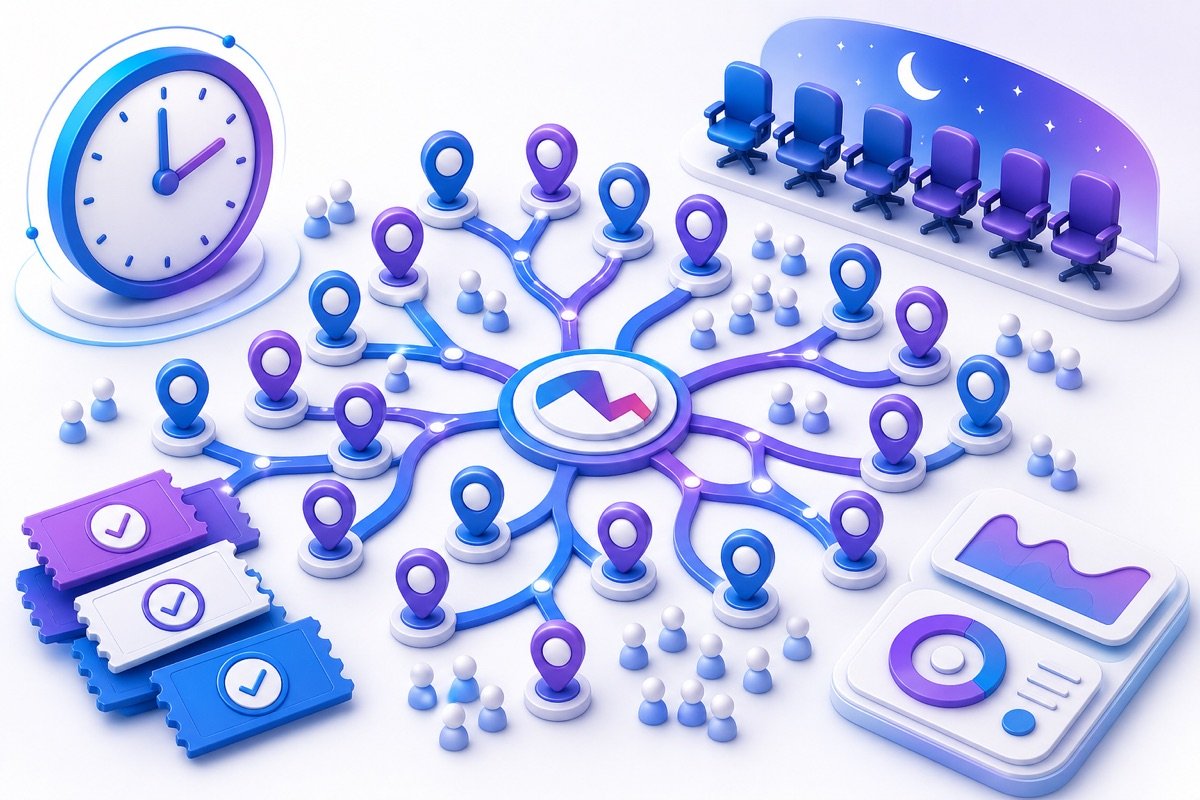
FOMO in customer care usually comes from a very specific feeling. Competitors already answer customers 24/7, while your team still schedules night shifts on a spreadsheet.
We aren't afraid of new technology. We're afraid of missing the moment to use it on the right job, in the right place, before headcount costs swell by another 30-80 people.
MONA doesn't package a generic AI story. We break each industry into groups of repetitive work, then write automation software to handle it following the business's real process.
Spa chains lose money easily on small things. A customer books at 10:30 PM, the on-duty staff member falls asleep, and by morning the best slot has gone elsewhere.
The pain is not one appointment. The pain is 28 branches all repeating manual confirmation, manual rescheduling and manual treatment reminders.
We understand this pressure. In a course of 6-10 sessions, a reminder with the wrong date, wrong location or wrong technician makes customers lose trust very fast.
MONA usually splits spa care into clear flows. Automation software takes bookings, confirms time slots, sends pre-appointment reminders, reports no-shows and suggests the next session.
When the machine carries the repetitive work, the goal of cutting night shifts by 60% becomes realistic. The customer service team no longer sits watching messages just to confirm appointments.
Education centers lose customers very quietly. A parent asks about tuition at 9:00 PM, the advisor replies the next morning, and the opportunity has gone cold.
FOMO is very clear in this industry. Many centers already let customers receive a learning path within minutes, while our advisory team still asks for each piece of information again.
MONA doesn't let software ramble. We build an automated chain by work group: course consultation, need screening, sending entrance test schedules, tuition reminders and class status updates.
In a 15-30 campus model, hundreds of messages can arrive each evening. Automation keeps the reply rhythm 24/7 without wearing out the advisory team on night duty.
Multi-outlet F&B usually hurts at peak hours. Customers book tables, ask about dishes, report missing items and complain about slow delivery, and everything piles onto one duty group.
The difficulty is speed. A 15-minute delay during mealtime can turn a regular customer into a public complainer.
We shouldn't make shift managers run operations, answer messages and log loyalty points by hand all at once. That is how mistakes repeat every day.
MONA designs automation software to gather the work that follows a pattern. The system takes table bookings, confirms the branch, records complaints, classifies severity and updates member points.
The result to aim for is a 60% cut in night shifts for repetitive questions. Real people focus on sensitive cases, big customers and situations that call for a proper apology.
Retail chains spend a great many hours on repetitive questions. Where is the order, how do returns work, is the warranty still valid, which branch has stock.
If every question needs staff to look it up by hand, customer service costs swell with the number of outlets. The faster you grow, the easier it is for the care team to clog up.
That is real FOMO. You see the market moving to instant replies, while internally you still message 2-3 groups to check a single order.
MONA usually builds an automated flow connecting order data, inventory, warranty and customer history. The software answers what it is sure about, then hands off to a real person when there is a dispute.
At 30 billion VND per month, every small bottleneck becomes a big cost. Automation keeps service speed up without multiplying night shifts.
The China import industry gets tense easily because customers are impatient. Has the item been bought, has the China warehouse received it, has it reached the Vietnam warehouse, how much extra fee is there.
If the customer service team answers by asking each operations staff member again, customers feel the business has lost control. FOMO appears when competitors already offer 24/7 lookup.
MONA splits the import process into clear status milestones. Automation software updates deposit, purchase, shipping, weight, domestic fee, international fee and outstanding balance.
For businesses handling thousands of orders per month, keeping night duty just to report status is a big drain. The goal of cutting night shifts by 60% should start with these repetitive tasks.
What the 5 industries share is not chasing AI. It is that customer care already has enough data, enough scripts and enough pressure to be automated.
MONA works with you to choose the work the machine can do first. We keep real people for conversations that need experience, accountability and finesse.

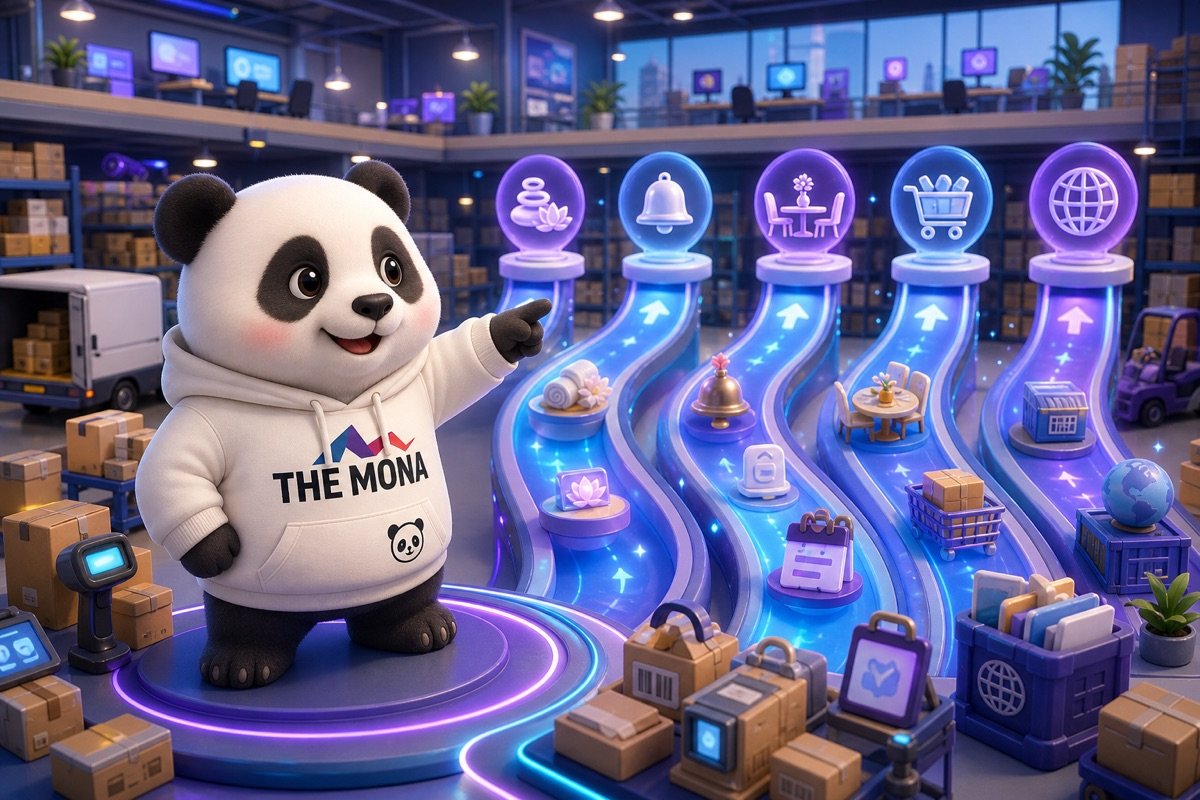
The biggest risk when reviewing 24/7 AI customer care is a conflict of interest. Vendors who sell tools tend to argue the tool should be expanded.
You can easily be pulled into a report that sounds reasonable but lacks data from real operations. The pain is not just the software fee, but losing control of the night shift.
This week, all you need to do is pull 100 after-hours conversations. Small enough to do right away. Real enough to show what the machine should do.
Among the 100 conversations, we usually suggest sorting them into 3 groups. Repetitive work, work that needs a person, and work with risk to money or reputation.
This split keeps you from being dazzled by a few smooth-sounding replies. Good automation software must know when to stop.
MONA doesn't start with the line “let's replace the night-duty staff.” MONA starts by reading real samples, labeling each group, then deciding which parts can go to the software.
What you need to see is the share of night shifts that can drop by 60% without dropping the cases that need people. That number only means something when it is based on real conversations.
Rolling out automation across 15 to 30 branches at once usually creates noise. Each branch has its own way of talking, its own customer base and its own operating faults.
You should pick 1 branch with a steady volume of after-hours conversations. That branch needs enough data, but shouldn't be one that is already in chaos.
In the first 7 days, MONA can work with your operations team to review 100 conversations, build a pilot processing flow and measure handoff errors. We put operating data first before building deep software.
This approach keeps the whole system from making the same mistake at once. An error at 1 branch can still be fixed. A simultaneous error across all of them destroys internal trust.
MONA usually builds automation software in layers. The repetitive-reply layer runs first, the handoff layer runs next, and the management reporting layer comes along from the start.
The conflict of interest shows up clearly when the tool builder also grades the tool. You need an independent processing log inside the software.
Every after-hours conversation should have a clear status. What the software replied, based on which rule, when it handed off to a person, and who is ultimately responsible.
MONA designs automation software so business owners can see metrics, not just a nice-looking chat. The log lets you recheck every decision.
Looking at these 4 groups of metrics, you will know where the software should expand. We don't need to argue from gut feeling.
If 100 conversations show that most night cases are just repetitive work, the goal of cutting 60% of shifts has a basis. If most are risky cases, MONA will advise keeping people and automating the record-keeping first.
A light step this week is to pull 100 after-hours conversations. You sort them into 3 groups first, then MONA can review them with you to choose a safe starting point for the automation software.


CEO & Founder · The MONA
The founder of The MONA built a service company of 60+ staff with 14,000+ projects delivered. Khánh Hùng shares his thinking on building self-running systems, automating a business, and the real lessons behind MONA's projects.
 219




Professional website
design services
Own a website with a beautiful, 100% exclusive design and a lifetime warranty, with the ability
to expand features flexibly as your business grows, starting today!






 MONA will never sell your information or send you spam


 MONA will never sell your information or send you spam
