
 MONA OS 2.0
 Partner with MONA


 Tự động hoá doanh nghiệp
 Cẩm nang SEO
 Digital Marketing
 Kinh nghiệm thiết kế website
 Hạ Tầng Server
 Giáo dục


 VI
 EN








Message us on
Zalo Official


 ProductsNew

 ProductsProducts
 Mới ra mắtKHA AI 2027App tự edit video, tự đăng mọi mạng xã hội, 2 phút mỗi ngày










 Website designLooks good and wins customers over.
SEO servicesBrings in customers searching for exactly what you sell.
 Tư vấn digital marketingKéo khách từ nhiều kênh, đo bằng số thật.
Corporate video productionVideos introducing your company, factory and team.
 NewAI video productionCompany story films made with AI.
 Custom software developmentCRM, ERP and HRM built for your business.
 Viết AI Agent theo yêu cầuĐặt riêng một trợ lý AI cho đúng việc của mình.
 Tư vấn chuyển đổi AIĐưa AI vào vận hành của cả công ty.
NewMONA LMSManagement for centers and schools.
MONA SkillHubInternal training for company staff.
 NHTQ systemEnd-to-end China–Vietnam shipping operations.
MONA JMSManagement for gold, diamond and pawn shops.
 MONA E-LearningA website with every feature you need to sell courses.
 How to sell online courses (course)More than 30 free lessons on selling courses on autopilot.
 MONA Cloudmonacloud.vnServers to get your apps and websites running.
 MONA Basemonabase.vnPostgres database, sign-in and file storage.
 MONA Mailmonamail.vnSend OTP, order and invoice emails from your software.
 MONA Paymonapay.vnAccept bank transfers via VietQR and notify your software when the money arrives.
 MONA eInvoiceComing soonIssue e-invoices that meet tax standards.
Gấu CườiTrả lời khách 24/7 trên web, Fanpage, Zalo và thu lead cho sale.
 Gấu TeleSalesGọi điện tư vấn, chăm khách như tổng đài viên thật.
Dê CườiTư vấn và chốt đơn cho shop ngay trong khung chat.
Gấu WebmasterNhắn nhóm Zalo là website được sửa xong.
 Gấu Pháp ChếSoạn hợp đồng, rà điều khoản trong vài phút.
 Gấu Báo GiáLên báo giá đúng mẫu và gửi khách ngay.
 AI chăm sóc khách hàngTheo dõi và giữ chân khách hàng cũ.
 Gấu Tuyển DụngLọc hồ sơ, hẹn lịch, phỏng vấn ứng viên.
 Mới ra mắt
KHA AI 2027
Xây kênh chuyên gia 2 phút mỗi ngày
Quay bằng điện thoại, AI tự edit video, tự đăng lên 16 nền tảng và tự trả lời bình luận, tin nhắn.
924.584lượt xem trên kênh CEO MONA sau 41 ngày
 Anh Khánh HùngCEO MONA đang dùng mỗi ngày
Xem app làm được gì
 AI
Gấu Cười MONA ĐANG TỰ XÀITrả lời khách 24/7 trên website, Zalo OA, Messenger và thu lead về cho sale.
Dê CườiChốt đơn bán lẻ và sàn: Shopee, TikTok Shop, web. Chăm cả khách sỉ, đại lý.
Gấu WebmasterCập nhật nội dung, tối ưu SEO website mỗi ngày.
Gấu TeleSalesGọi điện tư vấn, chăm khách như tổng đài viên thật.
Gấu Tuyển DụngLọc hồ sơ, hẹn lịch, phỏng vấn ứng viên tự động.
AI chăm sóc khách hàngGiữ khách cũ, cứu lead đã rớt cho phòng kinh doanh.
Gấu Pháp ChếSoạn hợp đồng, rà điều khoản trong vài phút.
Gấu Báo GiáLên báo giá đúng mẫu, gửi khách ngay khi có yêu cầu.
 Chuyển đổi AI toàn phầnGiải pháp tổng cho doanh nghiệp, 3 lớp triển khai.
 Viết AI Agent theo yêu cầuĐặt riêng một con AI gánh đúng nghiệp vụ của bạn.
 Custom softwareCRM, ERP and HRM with built-in AI automation.
 SEO & AEO thời đại AIĐược Google lẫn AI trích dẫn, không chỉ xếp hạng.
 Kiến thức AI cho doanh nghiệpBài phân tích, hướng dẫn ứng dụng AI vào vận hành.
 Free AI courses
 AI tools at work
App mới · KHA AI 2027
Xây kênh 2 phút mỗi ngày
AI tự edit video, tự đăng mọi mạng xã hội
Free consultation, 8am–10pm every day

16 June, 2026

A strong salesperson loses half a day looking up prospects and typing emails, which leaves less time in front of customers. A B2B sales AI assistant takes over that manual work: it researches prospects, drafts emails and reminds you to follow up on time. We'll lay out what this assistant can do, where it stops, and when you need a system connected to CRM built specifically for you.
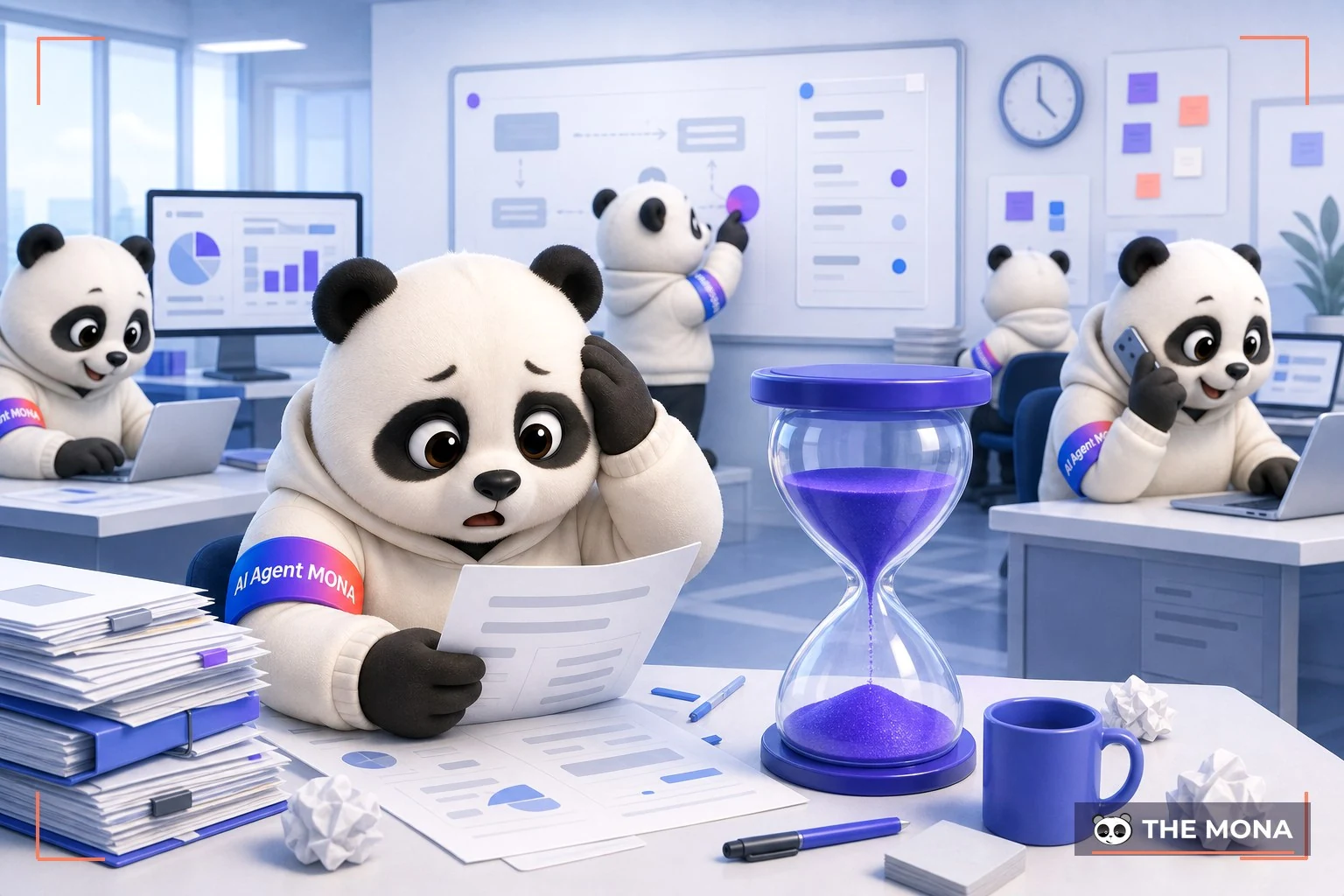
A B2B salesperson's day looks very busy. But most of that busyness is manual work around the selling itself.
Before every call, the salesperson has to look up the prospect. Open the prospect's company website. Skim the LinkedIn of the person they'll meet. Reread the old conversation history. Each time that eats fifteen to thirty minutes.
After the call comes the email typing. Summarize the conversation. Send the quote. Write a thank-you. Each polished email takes another fifteen minutes, and one salesperson sends a dozen a day.
It doesn't end there. Salespeople also have to remember the follow-up date for each prospect. This one asked for a call back on Thursday. That one is waiting for a quote early next week. A notebook and memory carry it all, and memory forgets.
Added up, many industry surveys show salespeople spend only about a third of their time actually selling. The other two thirds go to lookups, data entry, typing emails and updating CRM. This is a pain that repeats in every sales team.
In money terms it hurts. A solid salesperson earns tens of millions of VND a month. Paying that to have someone copy information from a website into a file is a huge hidden cost. Across a whole team, hundreds of millions of VND a month go into manual work.
The heavier loss is in deals that slip. Swamped with manual work, a salesperson sends a quote a day late. Forgets to nudge a warm prospect. Misses the exact moment the customer is ready to sign. Each small slip is a deal worth hundreds of millions of VND walking away.
Adding headcount doesn't fix the root. Hire more salespeople and each one still loses two thirds of their hours to manual work. We see this situation all the time, and our first advice is always to take the manual work off the salesperson's shoulders first.

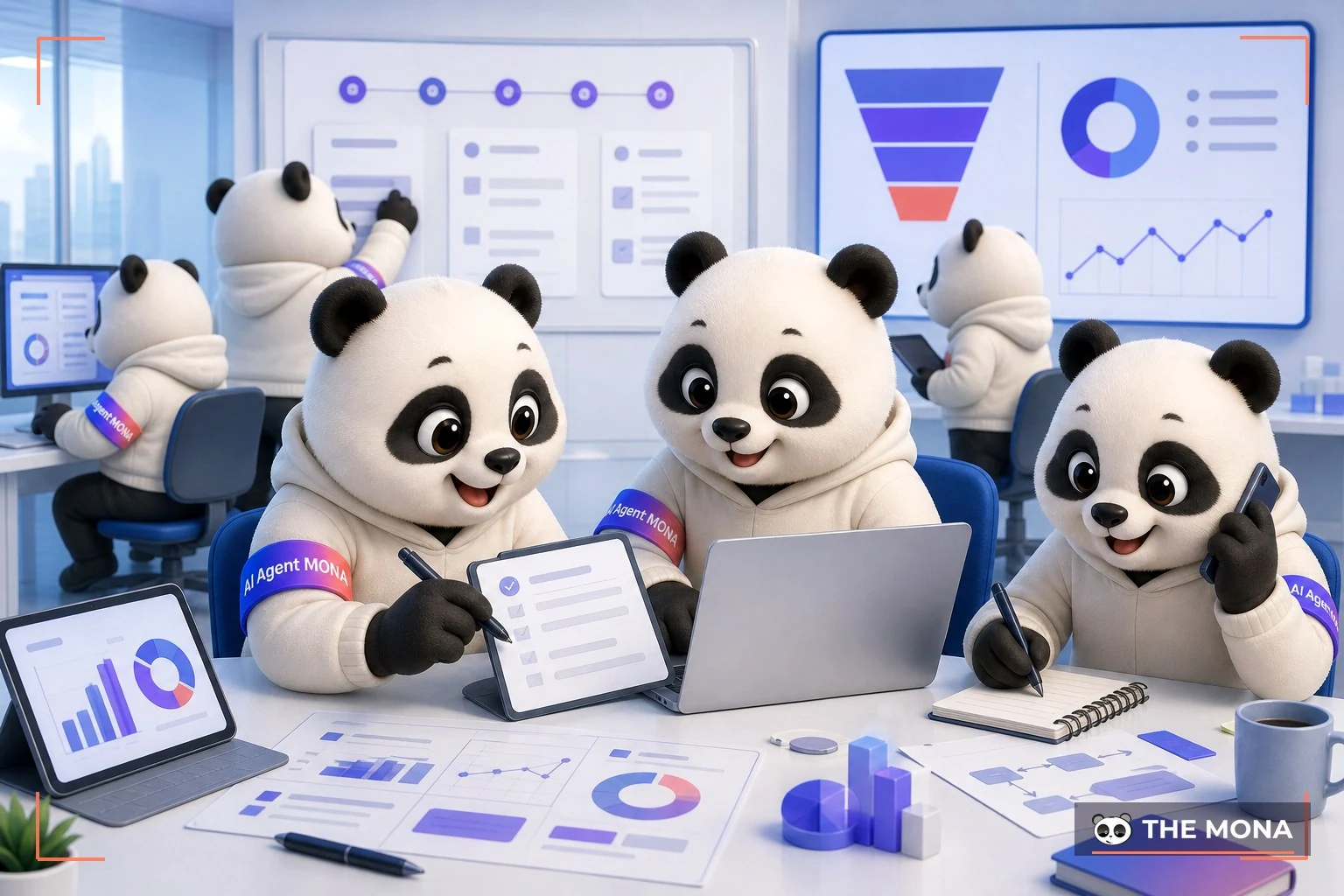
A B2B sales AI assistant is a software layer that runs alongside your sales team and takes over repetitive manual work. It doesn't replace the salesperson in front of the customer. It clears the path so the salesperson can spend their hours on closing.
Think of it as a personal secretary for each salesperson. That secretary never tires, never forgets, works for a hundred prospects at once and runs twenty-four hours a day.
The work the assistant takes on falls into three groups. Group one is researching the prospect before each contact. Group two is drafting emails and messages. Group three is tracking and sending follow-up reminders at the right time.
The key point is that the assistant only drafts and suggests. The salesperson reviews and hits send. The machine handles the time-consuming, error-prone parts. People keep judgment and relationships. This boundary has to be clear for the system to run well.
An assistant is very different from a chatbot that answers questions. It understands each prospect's context because it can read the data in your system. It knows where this prospect is in the funnel, what's been discussed and what the next step should be.
Compared with doing it by hand, the difference is speed and consistency. A tired salesperson at the end of the day writes sloppy emails. The assistant drafts steadily from the first email to the last, in the voice and templates your company has set.
What the salesperson gets is very concrete. Open the laptop in the morning and see a summary profile for each prospect about to be called. See a list of email drafts waiting for review. See reminders of who needs a follow-up today. The salesperson just reads, edits and sends.
We always tell you one thing. A sales assistant is most valuable when it gives selling time back to the salesperson. Every other flashy feature comes second to that goal. And to give that time back, it has to sit right in the data flow your sales team works in every day.

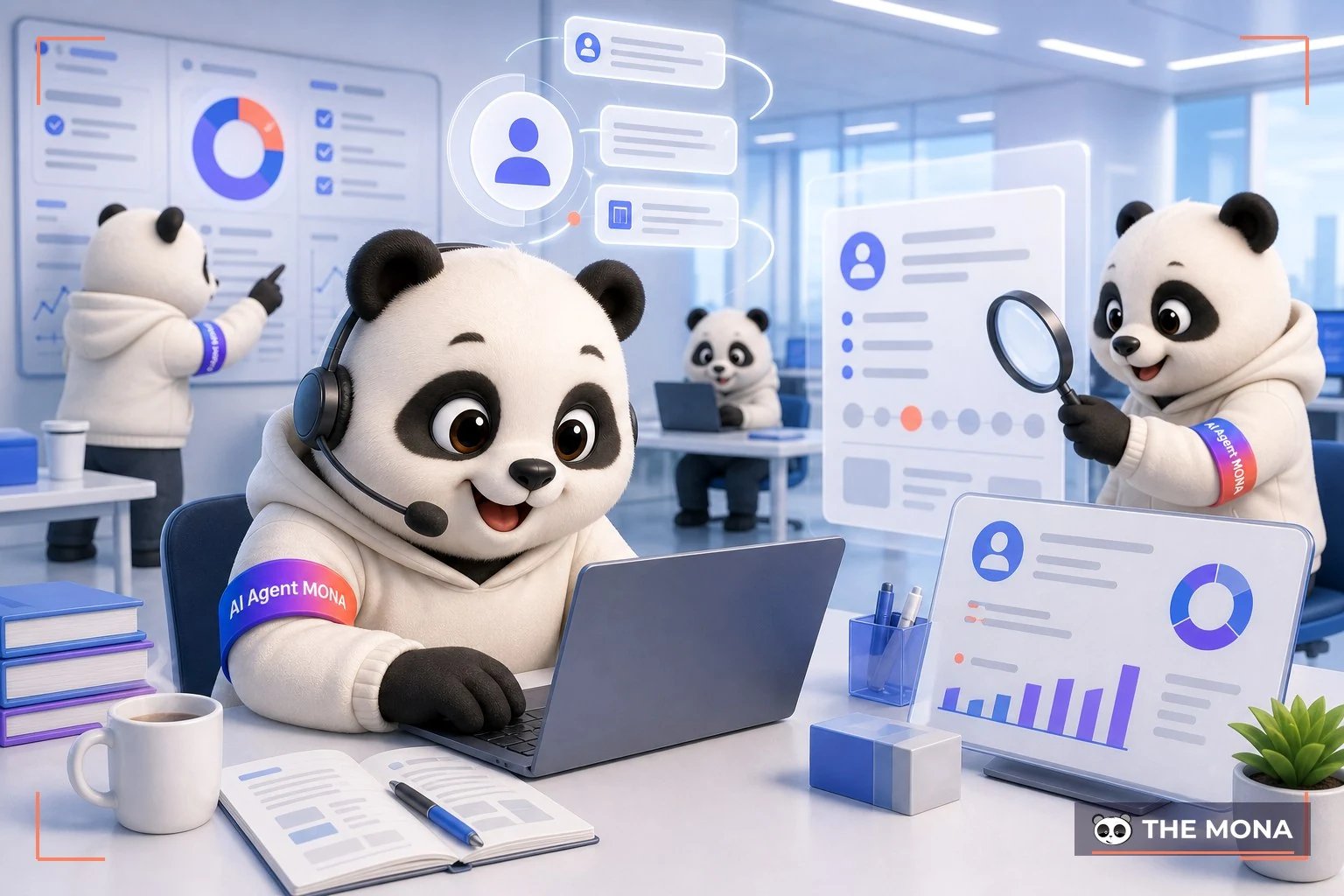
Prospect research is the biggest time sink that few people notice. A salesperson researching alone spends half an hour per prospect. The assistant does this almost instantly, and for every prospect, not just a few big ones.
The assistant pulls information from several sources into one place. The prospect's company website. Industry and company-size profiles. Past conversation history in your system. Each time the prospect visits your website. All of it merges into one short profile.
A good profile tells the salesperson three things right away. Who the prospect is and what they do. Where the prospect is in the buying process. What to bring up and what to avoid on the upcoming call.
For example, the assistant notes that the prospect company just opened a new branch, the person you'll meet is the operations director, and last time they were interested in the integration package but worried about rollout costs. A salesperson who walks into the call with this profile is far ahead of one who calls empty-handed.
The assistant also suggests an approach based on data. If the prospect viewed the pricing page three times this week, close early. If the prospect has been silent for two months, ask about their needs again before selling. Suggestions rest on real behavior instead of gut feeling.
The big win is that salespeople go into every call equally prepared. No more calling a prospect before reading anything. No more asking the prospect things already discussed, which annoys them and costs you professionalism.
We'd flag one thing for you. A research profile is only trustworthy when it reads real internal data, not just public information gathered from the web. Deal history, old call notes and your own web behavior data are what make a profile sharp. This is why the assistant has to be attached to your company's data system.

After research come the two remaining time-consuming manual tasks: typing emails and remembering to nudge prospects. This is where a sales assistant gives your team back the most visible time.
The assistant drafts emails based on each prospect's context, not a rigid template blasted to everyone. After a call, it writes a summary email with the next step. When a quote is due, it builds the email with the exact package the prospect cares about.
Drafts follow the voice and templates your company has set in advance. The salesperson rereads, edits a few lines and hits send. Fifteen minutes of typing an email shrinks to two minutes of review. Multiply that by a dozen emails a day and a whole prime hour is returned.
The assistant keeps the voice consistent across the team. A new salesperson sends emails as polished as a veteran's, because both use the same smart template set. The quality of customer communication no longer depends on each person's mood.
Most B2B deals don't close on the first touch. Prospects need to be followed up over several rounds. Salespeople who track by memory drop things, while the assistant tracks each prospect and reminds you on the agreed day.
If a prospect asked for a callback on Thursday, on Thursday morning the assistant pushes a reminder with the prospect's profile to the top of the salesperson's task list. If a prospect is waiting for a quote, there's a reminder when it's due. No deal quietly dies just because someone forgot one follow-up.
The assistant also orders reminders by how hot the prospect is. Warm prospects move to the front. Cold ones go on a sparser rhythm. The salesperson isn't swamped by an endless reminder list and only sees what's worth doing today.
We advise you to see these two tasks as one connected chain. Research feeds the content of the email. The email creates a follow-up milestone. The follow-up generates data for the next round of research. The three only fit together when they sit on the same data foundation, not as three separate tools.

The market already has plenty of AI tools that write emails or look up prospects separately. Many of you try stitching a few tools together. It runs for a few weeks, then gets messy as the team and customer base grow. We'll tell you the reason straight.
An assistant is only useful when it reads from and writes directly into CRM where your salespeople work. The research profile has to come from deal history in your CRM. A sent email has to save itself to the right customer record. The follow-up schedule has to sync with the pipeline. Separate tools can't connect these pieces.
When the assistant is separate from CRM, salespeople end up with new manual work: copying content back and forth between tools. What you meant to remove grows back somewhere else. A real assistant removes manual work, rather than moving it to another cell.
The bigger issue is customer data. Your B2B customer list is a lifeblood asset. Sending all of it through a string of outside services so the AI can read it puts that asset in someone else's hands, and makes it hard to control who sees what.
Voice and sales process also can't share one mold. Every company has its own way of addressing customers, its own quote templates, its own funnel steps. A custom-built system lets the assistant speak in your voice and follow your process.
This is why we don't advise stitching together separate tools for a core function like the sales assistant. Separate tools are fine for trying things out. Once it becomes an arm that feeds revenue, it has to be a real system, attached to CRM, built and maintained by an engineering team.
A custom-built system also grows with your business. Add a new contact channel and it plugs straight in. Change the sales process and the assistant is adjusted to match. Open a new product line and it gets its own templates. Packaged tools don't give you that control.
We put the sales assistant in a bigger picture. It's one piece of the sales machine, next to lead scoring and reporting. The pieces only fit when they're built on the same foundation, and that's the job of a custom-built system.

MONA is a company that applies AI and automation to business operations. We started in 2016, with our team serving over 14.000+ projects and an 85% client return rate. To us, AI is one piece of a system, not a toy added for show.
For the B2B sales assistant problem, we don't sell a boxed tool. We build you an assistant attached directly to CRM and your company's real data, from deal history and web behavior to notes from each call.
Our approach starts with sitting down with you to review a day in the life of a salesperson and see where the hours go. From there we pick the manual work for the assistant to take on first, usually prospect research, email drafting and follow-up reminders.
Next we build the assistant to read from and write directly into CRM. In the morning the salesperson sees a summarized prospect profile, email drafts waiting for review and follow-up reminders ordered by how hot each prospect is. Everything sits on one screen, with no jumping between five tools.
Email voice and process follow your way of selling, set together with your sales team. It all runs in a system we build and maintain, with customer data under your company's control. When the team grows or the process changes, the system adjusts, with no tearing it down to start over.
We'll be honest about one limit. No matter how good the assistant's drafts are, a salesperson still has to review before sending, especially for large accounts and sensitive emails. The machine handles the time-consuming parts and people keep judgment. We build the system around exactly that boundary, and we stay with you throughout rather than handing it over and disappearing.
If your sales team is burning two thirds of their time on manual work instead of meeting customers, now is the time to put an assistant behind them. Call us on hotline 1900 636 648 to discuss a B2B sales assistant attached to the right CRM and your company's data.

You can use AI tools on your own when sales only needs public research, email drafts and personal reminders. When the assistant has to read CRM history, understand the deal stage, draft in context and write feedback back to the customer record, call us on 1900 636 648 to build a dedicated B2B sales assistant.
Every call should start with enough data and end with a follow-up schedule.

CEO & Founder · The MONA
The founder of The MONA built a service company of 60+ staff with 14,000+ projects delivered. Khánh Hùng shares his thinking on building self-running systems, automating a business, and the real lessons behind MONA's projects.
 364




Professional website
design services
Own a website with a beautiful, 100% exclusive design and a lifetime warranty, with the ability
to expand features flexibly as your business grows, starting today!






 MONA will never sell your information or send you spam


 MONA will never sell your information or send you spam
