
 MONA OS 2.0


 Tự động hoá doanh nghiệp
 Cẩm nang SEO
 Digital Marketing
 Kinh nghiệm thiết kế website
 Hạ Tầng Server
 Giáo dục



 VI
 EN







Message us on
Zalo Official


 Products

 ProductsProducts










 Website designLooks good and wins customers over.
SEO servicesBrings in customers searching for exactly what you sell.
 Tư vấn digital marketingKéo khách từ nhiều kênh, đo bằng số thật.
Corporate video productionVideos introducing your company, factory and team.
 NewAI video productionCompany story films made with AI.
 Custom software developmentCRM, ERP and HRM built for your business.
 Viết AI Agent theo yêu cầuĐặt riêng một trợ lý AI cho đúng việc của mình.
 Tư vấn chuyển đổi AIĐưa AI vào vận hành của cả công ty.
NewMONA LMSManagement for centers and schools.
MONA SkillHubInternal training for company staff.
 NHTQ systemEnd-to-end China–Vietnam shipping operations.
MONA JMSManagement for gold, diamond and pawn shops.
 MONA E-LearningA website with every feature you need to sell courses.
 How to sell online courses (course)More than 30 free lessons on selling courses on autopilot.
 MONA Cloudmonacloud.vnServers to get your apps and websites running.
 MONA Basemonabase.vnPostgres database, sign-in and file storage.
 MONA Mailmonamail.vnSend OTP, order and invoice emails from your software.
 MONA Paymonapay.vnAccept bank transfers via VietQR and notify your software when the money arrives.
 MONA eInvoiceComing soonIssue e-invoices that meet tax standards.
Gấu CườiTrả lời khách 24/7 trên web, Fanpage, Zalo và thu lead cho sale.
 Gấu TeleSalesGọi điện tư vấn, chăm khách như tổng đài viên thật.
Dê CườiTư vấn và chốt đơn cho shop ngay trong khung chat.
Gấu WebmasterNhắn nhóm Zalo là website được sửa xong.
 Gấu Pháp ChếSoạn hợp đồng, rà điều khoản trong vài phút.
 Gấu Báo GiáLên báo giá đúng mẫu và gửi khách ngay.
 AI chăm sóc khách hàngTheo dõi và giữ chân khách hàng cũ.
 Gấu Tuyển DụngLọc hồ sơ, hẹn lịch, phỏng vấn ứng viên.
 KHA AI 2027
Xây kênh chuyên gia 2 phút mỗi ngày
Quay bằng điện thoại, AI tự edit video, tự đăng lên 16 nền tảng và tự trả lời bình luận, tin nhắn.
284.904lượt xem trên kênh CEO MONA sau 16 ngày
 Anh Khánh HùngCEO MONA đang dùng mỗi ngày
Xem app làm được gì
 AI
Gấu Cười MONA ĐANG TỰ XÀITrả lời khách 24/7 trên website, Zalo OA, Messenger và thu lead về cho sale.
Dê CườiChốt đơn bán lẻ và sàn: Shopee, TikTok Shop, web. Chăm cả khách sỉ, đại lý.
Gấu WebmasterCập nhật nội dung, tối ưu SEO website mỗi ngày.
Gấu TeleSalesGọi điện tư vấn, chăm khách như tổng đài viên thật.
Gấu Tuyển DụngLọc hồ sơ, hẹn lịch, phỏng vấn ứng viên tự động.
AI chăm sóc khách hàngGiữ khách cũ, cứu lead đã rớt cho phòng kinh doanh.
Gấu Pháp ChếSoạn hợp đồng, rà điều khoản trong vài phút.
Gấu Báo GiáLên báo giá đúng mẫu, gửi khách ngay khi có yêu cầu.
 Chuyển đổi AI toàn phầnGiải pháp tổng cho doanh nghiệp, 3 lớp triển khai.
 Viết AI Agent theo yêu cầuĐặt riêng một con AI gánh đúng nghiệp vụ của bạn.
 Custom softwareCRM, ERP and HRM with built-in AI automation.
 SEO & AEO thời đại AIĐược Google lẫn AI trích dẫn, không chỉ xếp hạng.
 Kiến thức AI cho doanh nghiệpBài phân tích, hướng dẫn ứng dụng AI vào vận hành.
 Free AI courses
 AI tools at work
 App mới · KHA AI 2027
Xây kênh 2 phút mỗi ngày
AI tự edit video, tự đăng mọi mạng xã hội
Free consultation, 8am–10pm every day

04 June, 2023

Anyone with a background in marketing will know the 4Ps model. But what about the 7Ps? The 7Ps model is a refined version, adapted to suit most businesses that want to grow. To understand better what the 7Ps in marketing are and how to use this model most effectively for your business, let's Mona Media read this article together.
Before we get to what the 7Ps Marketing Mix is, we first need to know what Marketing Mix means. Marketing Mix is about offering the right product, or combining products, at the right time, in the right place and at the right price to reach customers successfully. In practice, this is a hard problem for businesses to get right.
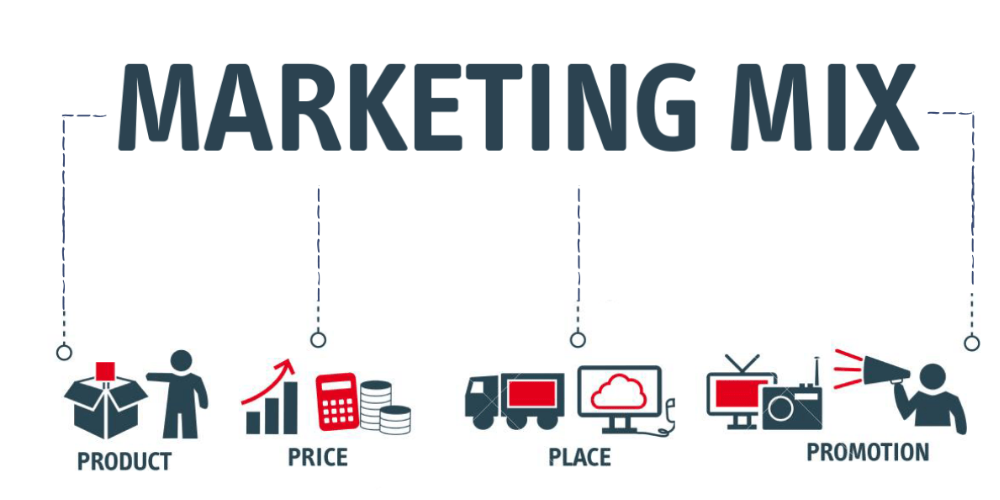
Marketing mostly revolves around two models, the 4Ps and the 7Ps. Physical goods usually use the 4Ps marketing model, while businesses selling services apply the 7Ps model in marketing.
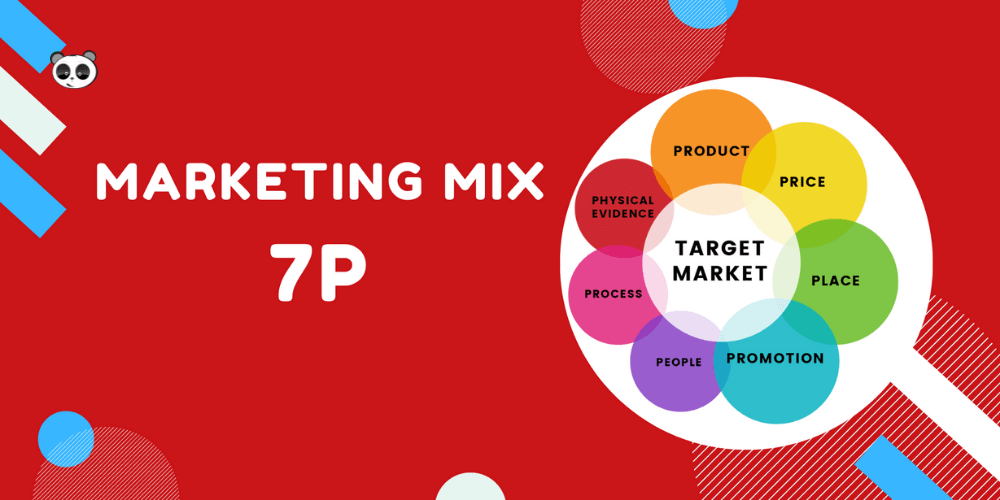
The 7Ps in marketing has 7 main elements:
Today, Marketing Mix keeps evolving and is widely used by businesses around the world. Even in universities and colleges in Vietnam, these models are part of the core curriculum for marketing majors.
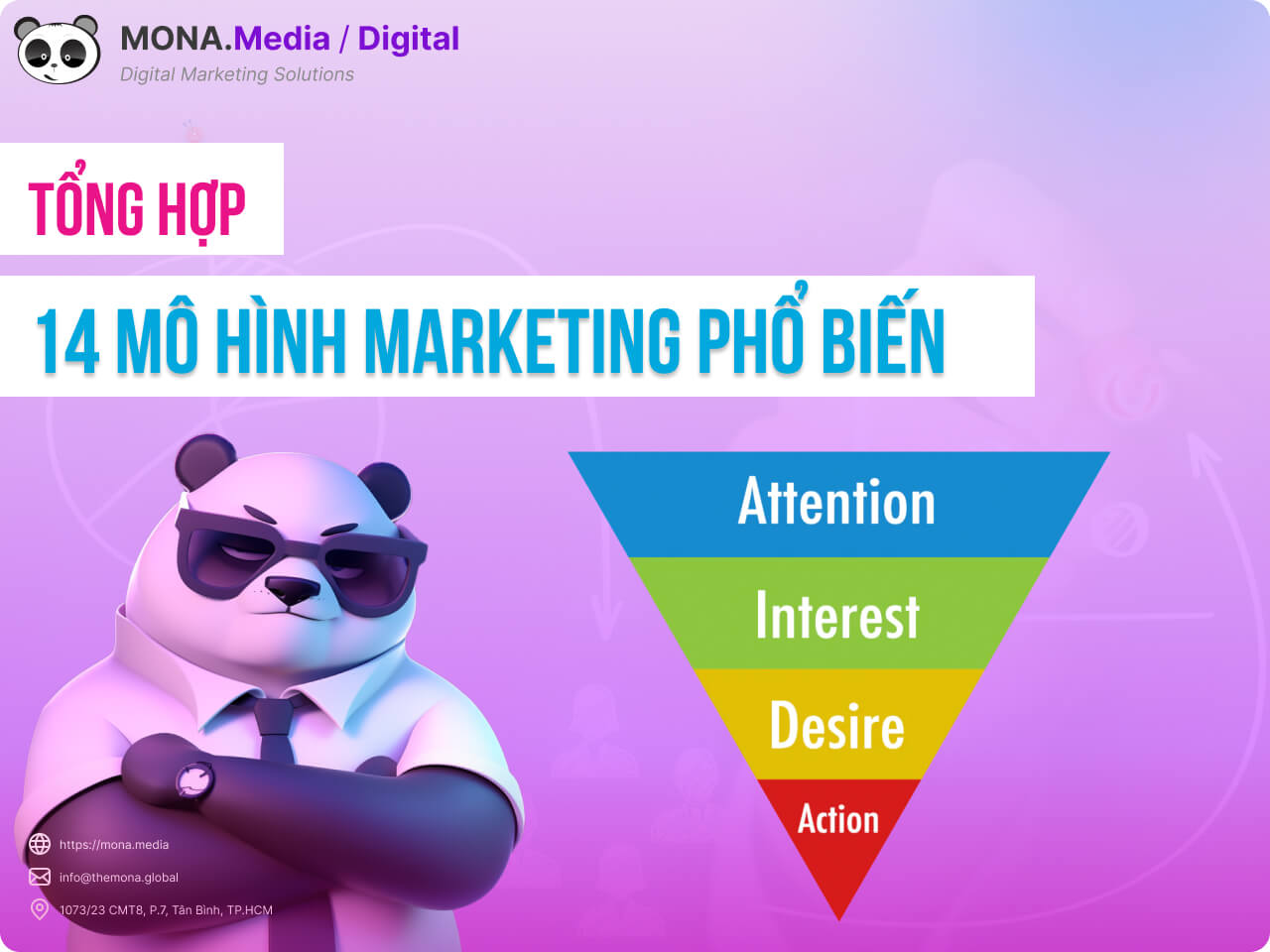
See more: The 14 most effective marketing models for businesses
Product is a key element in the 4Ps model. A product is created to meet the needs of a specific group of customers. There are two types of product: tangible and intangible (delivered as a service).
Identifying customer needs is very important, because it helps a business balance its product supply against the market and make timely adjustments to match customer preferences.
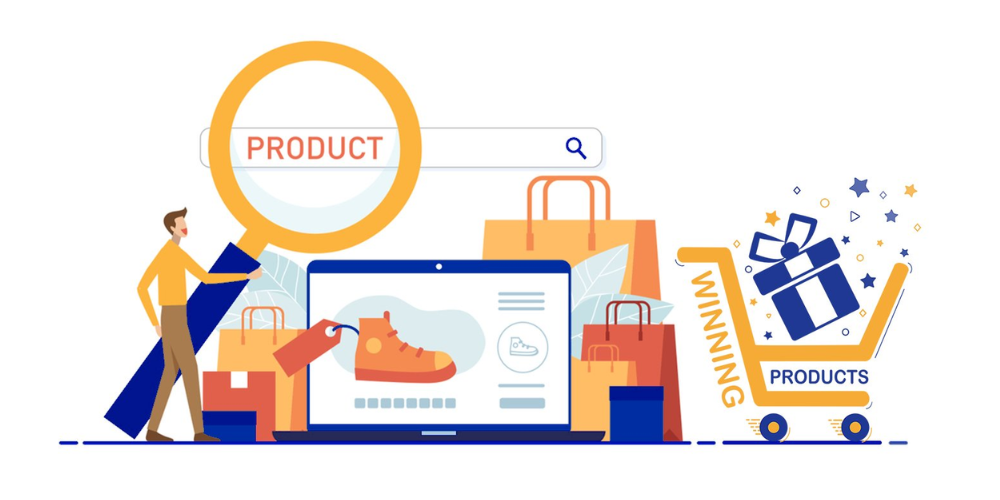
Always remember this: customers only care about the benefits they get from your business. They don't care who you are, whether you are losing money or making a profit, or what you want. So what you need to focus on is developing the best product you can. A good product draws on nearly every aspect of marketing, and depends on factors such as:
Product Mix literally means a mixture of products. Put in plain terms, a product mix is a set of products with similar characteristics that serve nearly the same purpose and target the same customers or market. Example of a product mix:
Price is an important element of the Marketing Mix strategy. The price of a product or service reflects what users are willing to pay for what they buy. Marketers need to consider the costs of creating the product: research, development, production, marketing and distribution.
Managers who set a price should base it on the cost of making the finished product. The final price the customer pays is mainly based on the quality and value the product or service delivers.
On pricing policy, you have several strategies to choose from:
Market skimming pricing is a strategy where a business sets the price of a product or service at the highest level customers are willing to pay. Over time, the price is lowered as the market becomes saturated or the company has earned the profit it wanted.
Put another way, the strategy is built like a pyramid: the high starting price serves a certain group of customers. Later the price comes down, so mainstream segments can reach the product more easily, which maximizes profit from the product or service.
Place in the Marketing Mix is where you sell and the distribution channels you use. Through them, your product or service reaches customers. Finding the right place or channel to market your product is extremely important for reaching your target audience. Think about it: if your product or service sits somewhere your target customers can't go to buy and use it, your business gets nothing back.
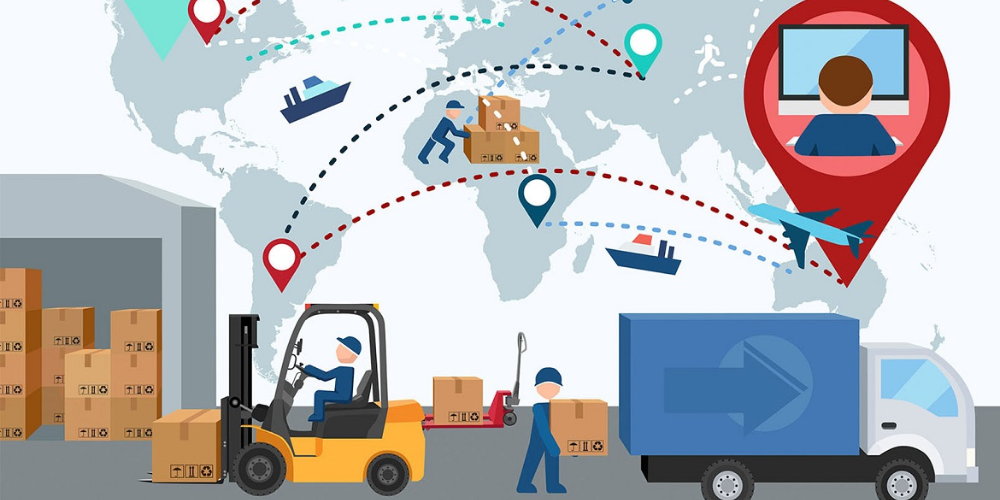
Place covers traditional locations and the different distribution channels. A distribution channel here means the activities and processes that move a product from where it is made to the user. The channel includes the intermediaries involved in transporting it.
Here are some questions to think about:
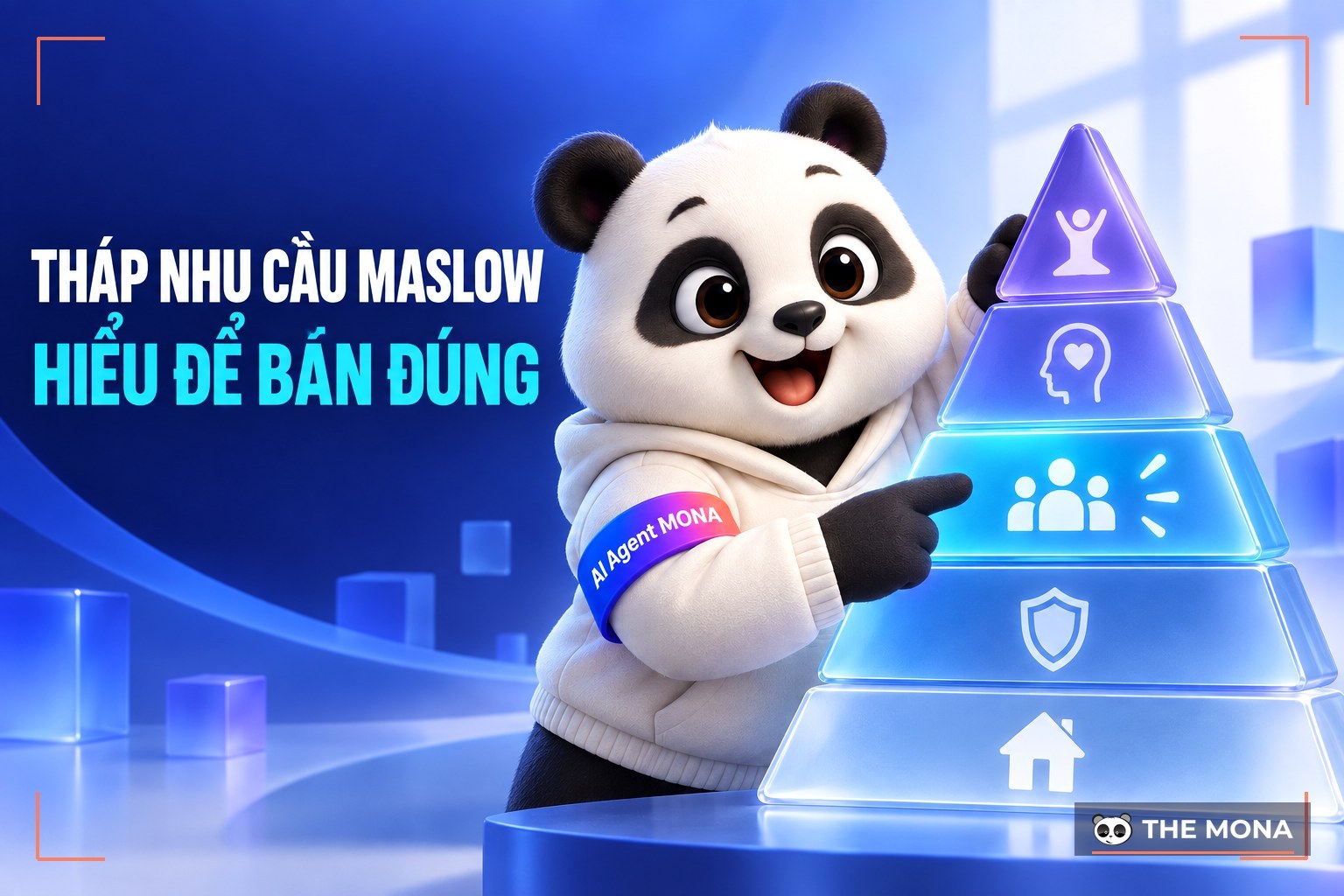
See more: What is a brief? 7 elements of a brief that is right the first time
Promotion is mostly about communication activities that get information across and promote a brand, product or service to customers. In business, marketing is essential if you want many customers to know about you. Marketing takes many forms, including TV ads, content marketing, digital marketing, print, coupons and more.
Promotion usually has two main branches:
Every advertising channel is tied to the other Ps in marketing. Together they form a varied strategy that still gives customers one consistent experience:
This is paid communication used to present information about a product, service, company or idea to customers. Advertising tries to influence consumer behavior and buying habits by delivering sales messages that persuade people about the seller's product or service. There are many ways to advertise, including magazines, television (national, local, terrestrial, satellite), newspapers (national, local, free, trade), outdoor ads (buses, posters), and digital, internet and online advertising.
Sales promotion is a set of activities that encourage consumers to buy over a short period by offering extra benefits to raise revenue (pull marketing). It can also target distribution intermediaries to encourage them to sell as much as possible for the business (push marketing). In the course of business, a company sometimes needs a "hit" to stimulate the market and liven up sales. But promotions only work for a short time, and overusing them backfires.

Public relations means planned activity to build and maintain the relationship between customers and a business. Customers then feel goodwill toward the company or brand and tend to stay "loyal". A PR strategy is considered successful when it is long-term and planned for every situation.
This is really a combination of the advertising elements above delivered through digital platforms. For example, pay-per-click online ads on Google, or sponsored ads on websites. When online businesses send email marketing to a target list of customers, that is also a form of online marketing. A website is also a premium tool in public relations for putting your views in front of the public.
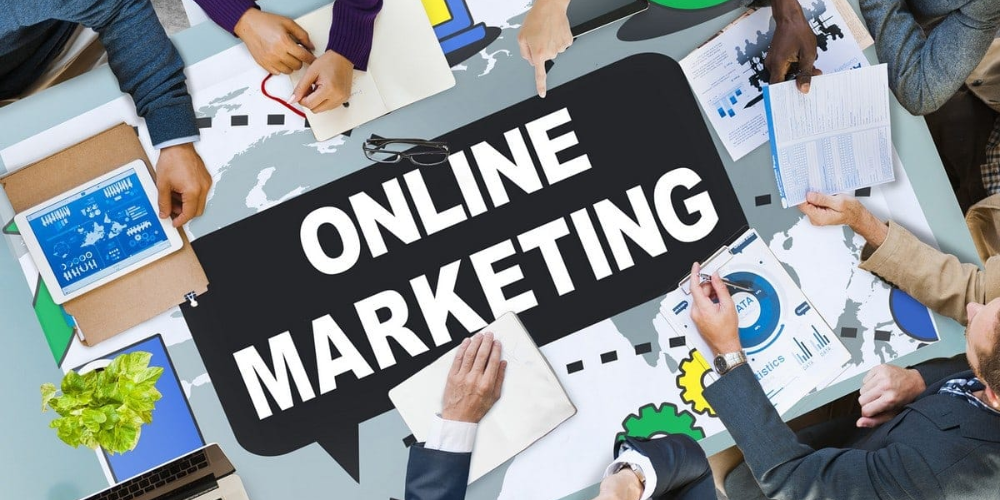
Online advertising is growing fast today. Many businesses use it to promote products and services based on location and on information from smartphones and social media channels (Facebook, YouTube and others).
This is an important part of producing and delivering a service to the market. That is why finding, hiring, training and managing people has a big effect on whether a business fails or succeeds. People play several different roles in a company's operations:
See more: What is Inbound Marketing? What you need to know about Inbound Marketing
Physical Evidence (physical evidence) is also known as tangible evidence. Physical Evidence is the place and setting where customers consume the product, the environment where the company and customer interact while exchanging the product or service.
Physical Evidence falls into two types: peripheral evidence and essential evidence.
This is part of the buying process but has little value of its own. It means the extra aspects of a product that add to the overall buying experience. Examples include restaurant napkins, product information, packaging, staff name badges and receipts.
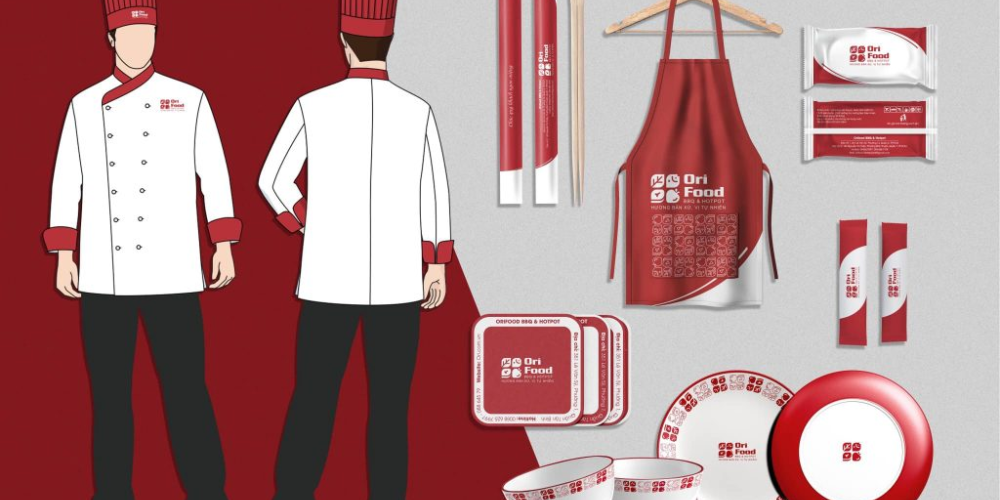
Peripheral evidence has very little value by itself. But used together with a product or service, it can add value to the intangible parts of that product or service.
In contrast to peripheral evidence, these are the products, components or elements a company uses to support its product or service.
Examples of essential evidence include the ingredients a restaurant uses in its food, or the bed linen, towels and toiletries a hotel provides to guests.
Essential evidence doesn't always belong to the customer, but it shapes how they see the value of the product or service. It is one of the most important parts of Physical Evidence in the marketing mix.
This element is just as important in the Marketing Mix. It is the system and organizational process that directly affects how a service is delivered. A well-designed, quick workflow that delivers what was promised always earns praise. The wait to buy a product, the service experience, help from staff and the attitude of advisers all affect customer satisfaction with your business.
Your delivery process needs to be specific and consistent. That lets your staff run marketing campaigns smoothly.
Some processes your business should review:
If you get many complaints from customers about any one process, find exactly where it goes wrong and work out how to fix it.

The 7Ps strategy is one of the most complete marketing strategies and plays an extremely important role for a company. It appears in almost every commercial activity, from forming an idea and producing to taking the product to market.
Next, a campaign helps the company build competitive advantages over rivals, attract customers and drive sustainable growth. The 7Ps model helps a company adapt to the market and deal with outside pressures.
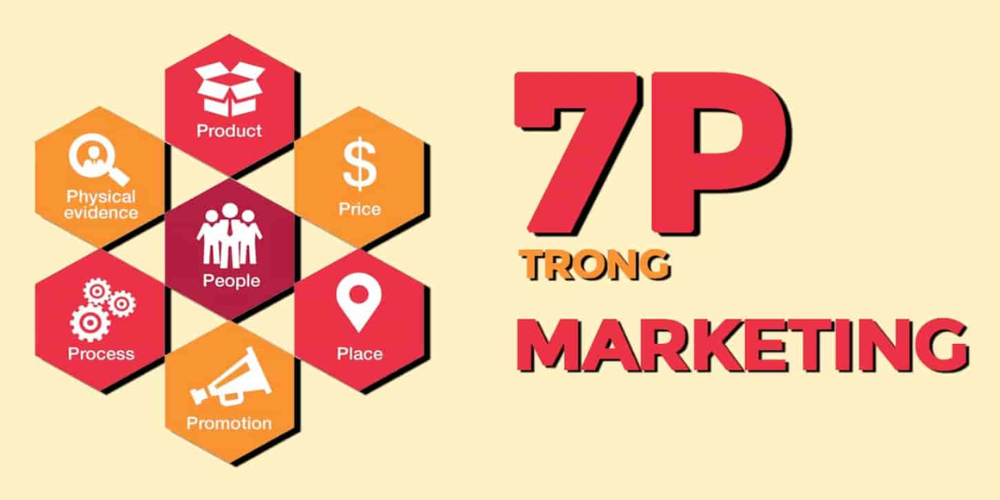
Also, the 7Ps strategy helps a business find what the market needs, then act to meet consumer needs based on what it learns about the market. Marketing mix also helps customers find information about products and services quickly.
The 7Ps strategies let domestic customers reach foreign products and services easily, and the other way around. This makes it easier for Vietnamese products and services to reach international markets and improves trade and exchange with other countries.
See more: What is Performance Marketing? Common types of Performance Marketing
A business needs to know which stage its product is in, so it can choose a fitting and effective strategy. If you don't know the product cycle, you will end up wondering why business has stalled despite heavy investment. So what cycle does a product go through once it is launched, and how do you apply the 7Ps in each stage? Let's find out with Mona below.
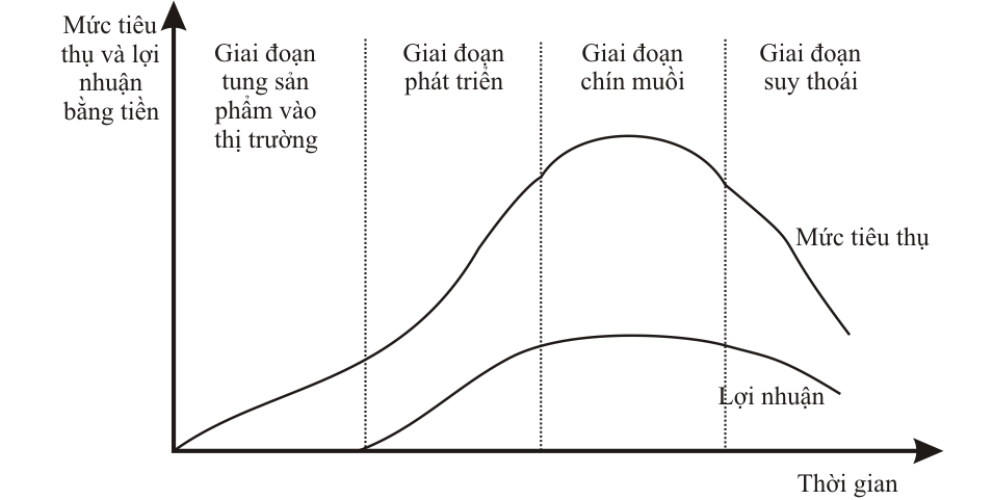
The term product cycle, also called product life cycle, describes the whole course of a product's profit and sales, from when it first appears on the market until it leaves the market.
A business launches a new product and the product cycle begins. This is the development stage. Few people know the product exists yet, which is why the business's job is to introduce it to its target customers. Sales are usually low and profit is negative because of costs such as promotion and customer acquisition. Competition is low at this point.
Marketing strategy for a product in the development stage
General strategy: promote the product to the target customer group.
Main customers: "Early Adopters", the group that actively looks for and rushes to buy new products.
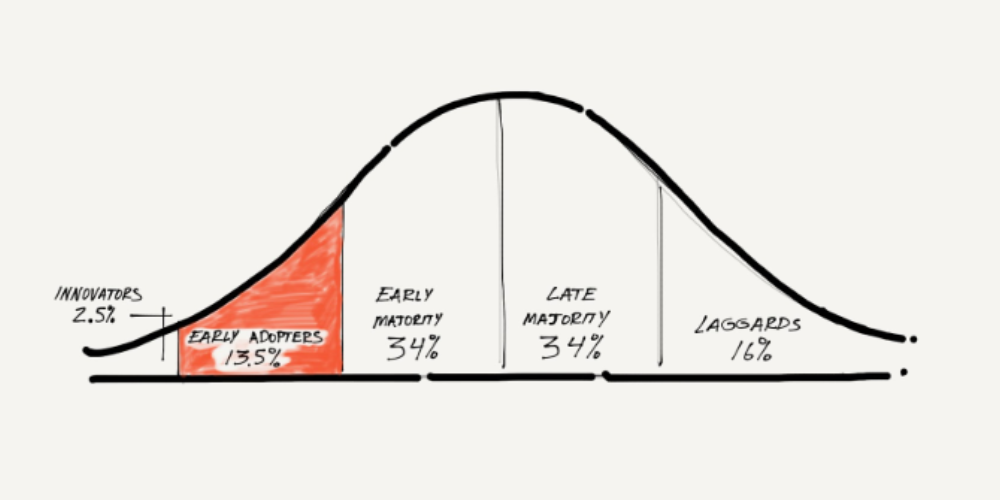
Marketing Mix strategy:
When profit and sales start to rise quickly, the product has entered the growth stage. In this stage, target customers know the product better, customer acquisition costs begin to fall and profit grows. The business also starts expanding its distribution system, so competition begins to rise.
Marketing strategy for a product in the growth stage
General strategy: market penetration.
Main customers: "Early Majority", the group that adapts quickly.
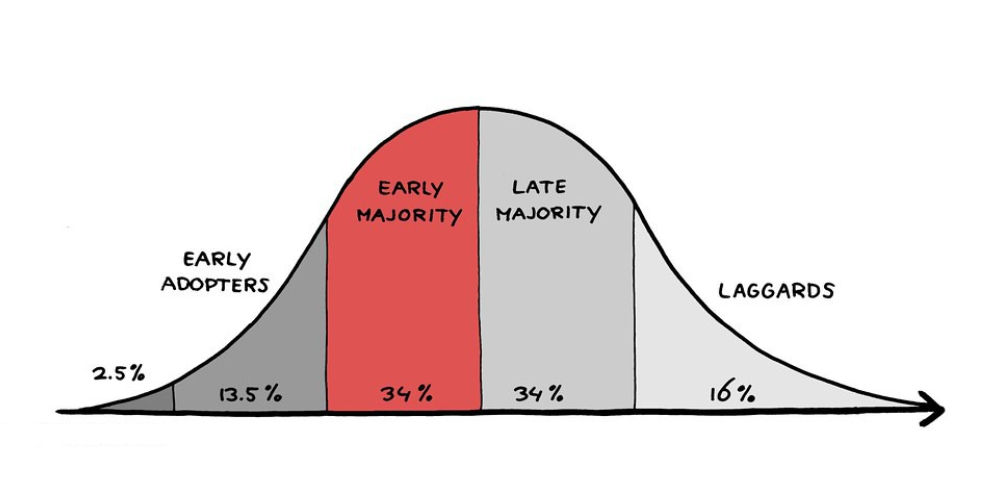
Marketing Mix strategy:
See more: What is a SWOT matrix? How to analyze and build a SWOT model
A product reaches maturity when sales growth slows and is about to peak. Profit is high but growth is low. Note that competition in this stage is very high, so customer acquisition costs rise.
Marketing strategy for a product in the maturity stage
General strategy: strengthen the brand.
Main customers: "Late Majority", the slow-adopting group that starts using a product or service only after the trend has passed.
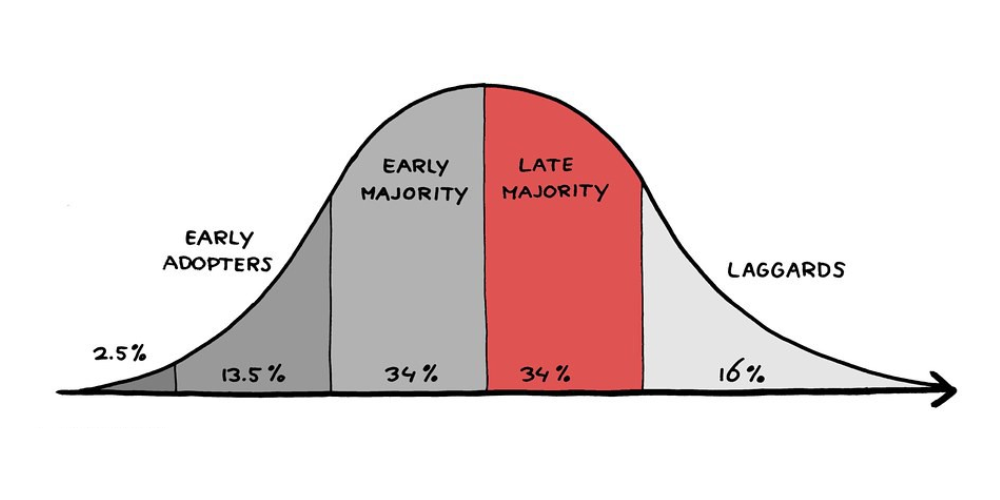
Marketing Mix strategy:
This is the last stage of a product's life cycle, when profit and revenue start to fall. In this stage, the business begins to withdraw the product from the market gradually.
Marketing strategy for a product in the decline stage
General strategy: withdraw the product from the market.
Main customers: "Laggards", the group that accepts using outdated products. They care only about features and price, not consumer trends.
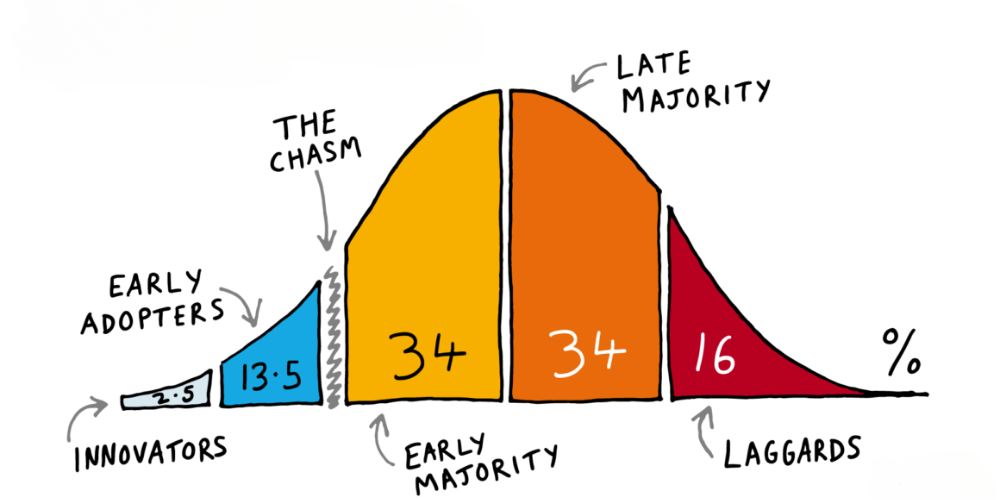
Marketing Mix strategy:
See more: What is traditional marketing? The advantages of traditional marketing
Once a business has finished market segmentation and chosen its target audience, the next step is to position itself in consumers' minds. The 4C model is a useful tool that helps a business not only sell products but also keep customers through effective communication and by asking for their opinions.
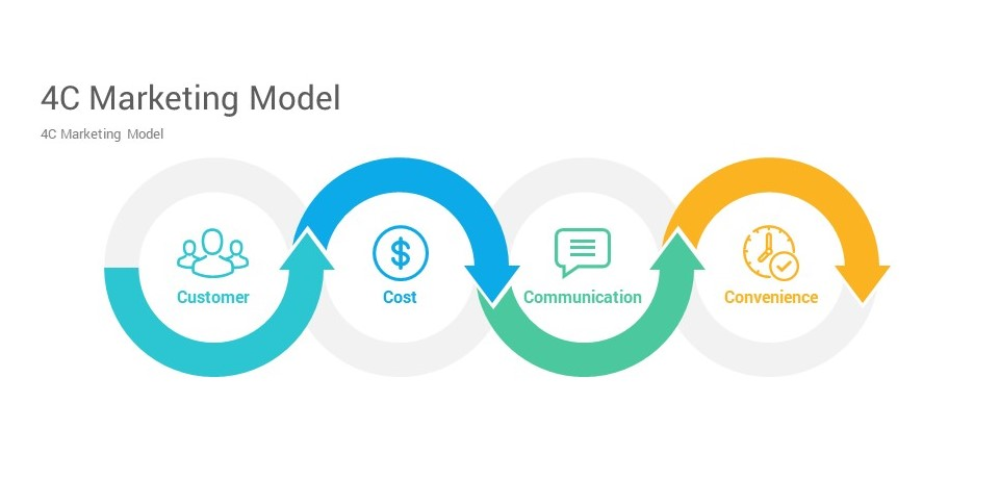
This strategy forces marketers to truly understand their target audience (what do they need and want?) before developing a product, which means 4C brings long-term benefits to a business. A business that knows how to apply 4C to marketing wins customers' trust and grows income and reputation in a lasting way.
The first C in the 4C model means the customer's wants and needs. Instead of focusing only on developing products, find ways to meet customers' needs in their daily lives.
Some factors to consider: Value of the product or service, market positioning and competitive advantage.
You need to define your target customer group clearly and know what they need. Keep these points in mind:
The second C in this model is the customer's cost. This is not only the price of the item. It includes other factors such as the time the customer spends getting to the place of purchase, the cost of using the product, delivery costs, fuel and so on.
"Cost" can also include the benefits, or the lack of them, that the product brings the customer.
Some factors to consider: Affordability, value, satisfaction.
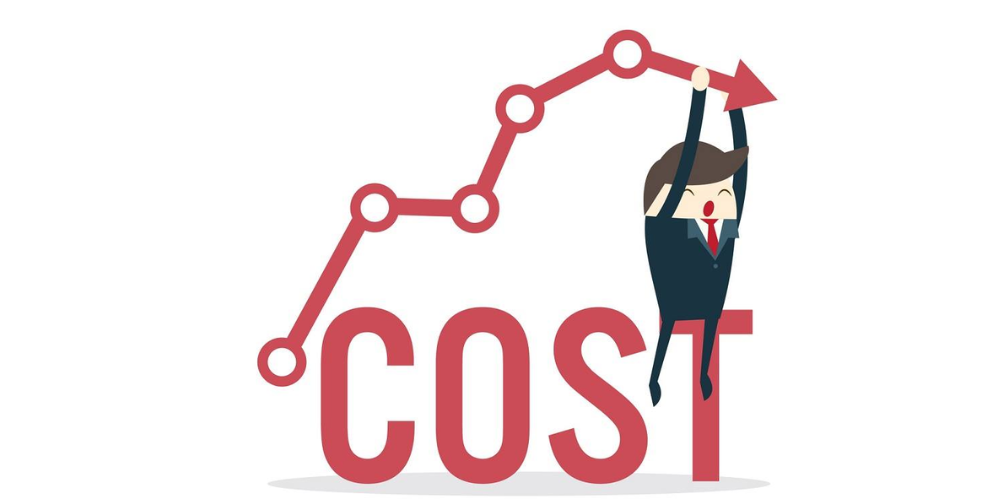
To evaluate cost, consider these principles:
Convenience is similar to "Place" in the 4Ps strategy. But Convenience looks at things from the customer's side more than Place does.
Some factors to consider: Barriers to khi buying and selling online.
In an age of constant change, convenience gets more and more attention. It directly affects buying decisions. Here are some things to consider:
Example: With the Amazon app, they designed features that make things convenient for customers, such as "one-click buying" and "free 2-day shipping".
The last and an important element of the 4C model is Communication. Communication plays a decisive role in marketing and business. Without Communication, a 4C strategy is likely to be ineffective.
Some factors to consider: Level of customer interaction, social media, WIIFM (What’s in it for me).
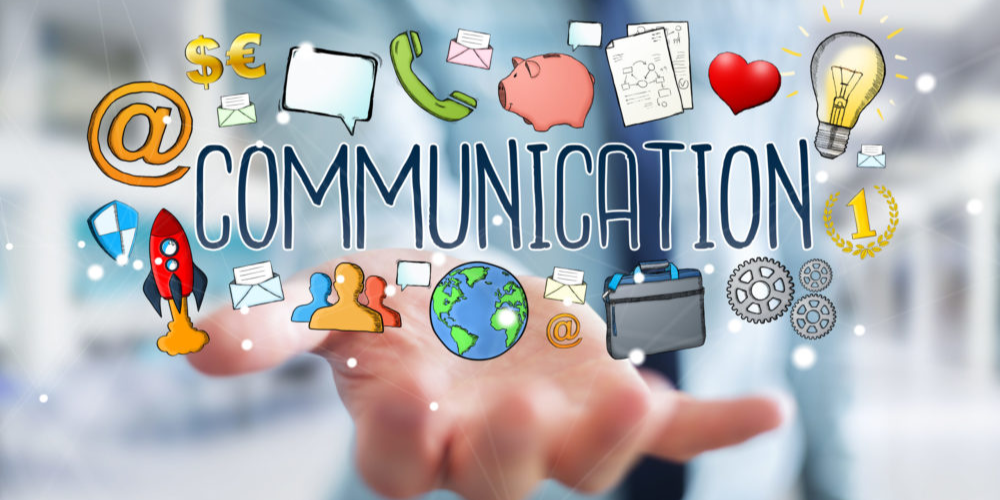
To assess how well your business communicates with its customers, look at these factors:
With today's strong media growth, a business can carry out this marketing strategy easily through the internet. Show that you listen to and take on board customer feedback, which raises customer loyalty to the brand.
On social networks such as Facebook, Instagram and similar platforms, marketers can run surveys, and track and analyze likes, shares, reviews and more.
See more: A guide to building an effective online marketing strategy for your website
Below, Mona Media shares some case studies of the 7Ps in marketing from large businesses in Vietnam and abroad for you to look at:
When you think of milk tea and tea in general, the well-known Vietnamese brand that comes to mind is Phúc Long. Let's see with Mona how Phúc Long applied the 7Ps in marketing to reach the success it has today.
One of the most important elements of the 7Ps Marketing Mix is the product. Phúc Long chose a marketing strategy centered on research and development around a single USP: a distinctive flavor that is different and unique. The products are rich in tea flavor and aimed at discerning Vietnamese tastes: Coffee and Tea, Milk Tea, Fruit Drinks, Bakery and Savory Food. Besides raising product quality, Phúc Long also expands its range with varied flavors.
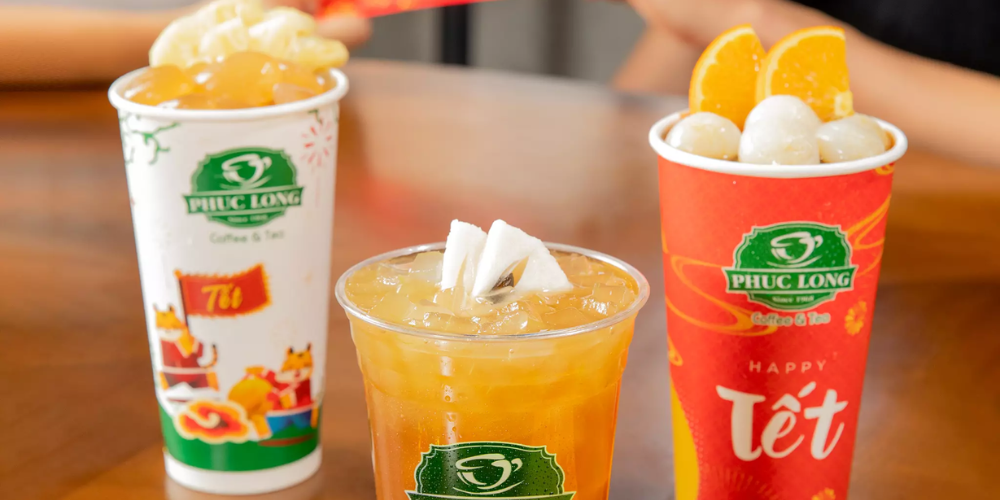
Some notable drinks from the brand: Cappuccino, Caramel coffee, rich milk, mint blended coffee, vanilla coffee. Teas include peach milk tea, Tieguanyin tea and Phúc Long milk tea.
Phúc Long's packaged products stand out for eye-catching packaging as well as good quality. The brand also keeps changing its designs to fit Tet and other holidays through the year. All products are displayed sensibly and conveniently in every store, so buyers can easily reach, choose and buy them.
In the 7Ps Marketing Mix, the pricing strategy Phúc Long chose is good-value pricing, based on the value of the product or service. Phúc Long also uses other strategies such as: Product line pricing, combo pricing and promotion pricing. This price segmentation and positioning helps the brand meet the needs of each customer group at different times.
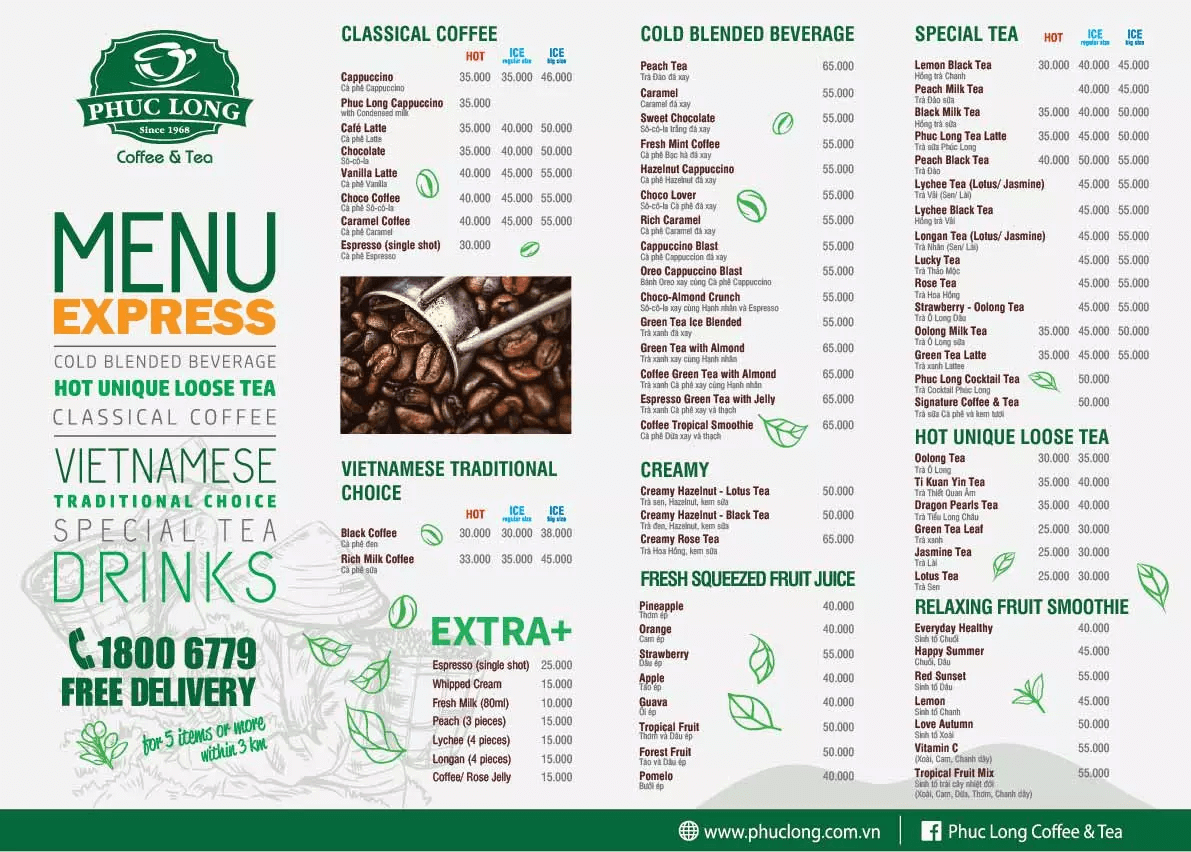
Phúc Long's pricing is built sensibly on its two strengths, tea and coffee. The prices suit the large majority of people, from students to office workers and foreign visitors. Prices range from 35,000 to 75,000 VND, which is 50-70% of Trung Nguyên's prices and only 30-50% of Starbucks, The Coffee Bean and Tea Leaf. This helped Phúc Long reach a large number of customers in a short time.
Phúc Long plays on customer psychology with combo prices and phrases like "Only" and "You save" on its printed materials. These offers run for a short time to draw customers in and lift revenue and profit. Phúc Long accepts a smaller margin to reach more people and bring customers closer to the brand.
Of the 7Ps of marketing, distribution is where Phúc Long does best, with a selective distribution strategy. Its products are sold directly in its own store chain and also appear on the shelves of shopping malls, supermarkets and some convenience stores. Phúc Long Coffee & Tea now has 84 stores across the country, mostly in big cities such as Ho Chi Minh City, Hanoi, Khanh Hoa and Da Nang, in prime locations.
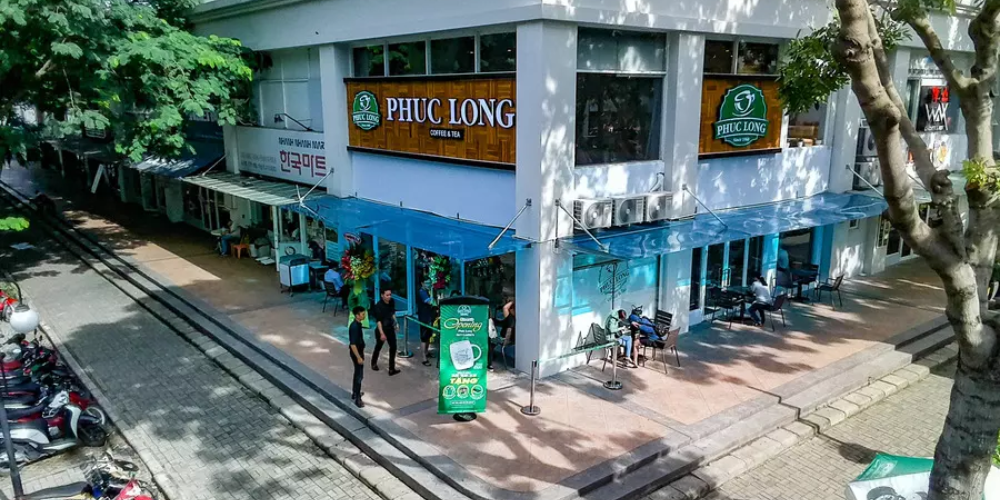
Phúc Long has also expanded its own stores and opened kiosks inside WinMart supermarkets. With more than 1,000 kiosk locations, it now leads the beverage chains in coverage. Next, the brand plans to open 100 new flagship stores and 400 kiosks, with kiosks opening faster in tier-2 cities.
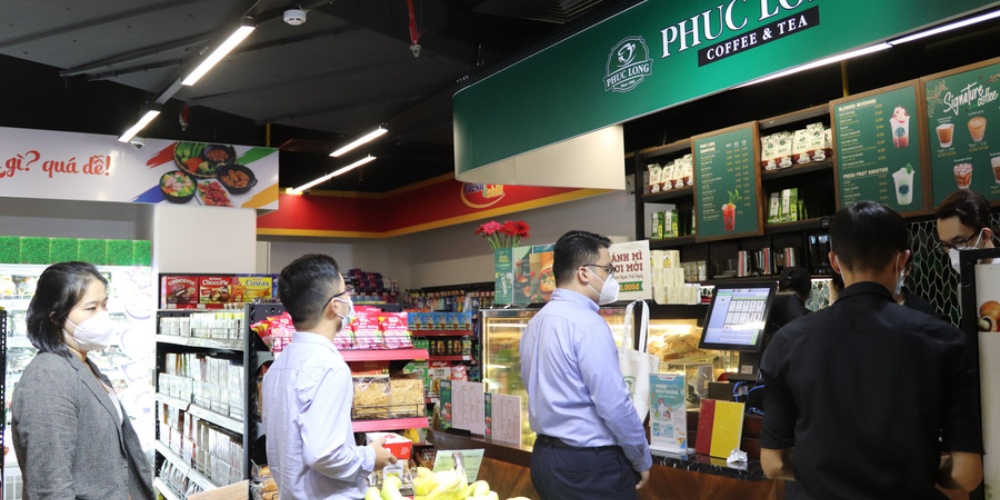
The brand uses both a push strategy (Push Marketing) and a pull strategy (Pull Marketing). The push strategy is not very obvious, since Phúc Long sells mostly in its own stores rather than through many distribution channels. Still, getting its products into malls, supermarkets and convenience stores shows that the approach works for the Promotion element of the 7Ps.
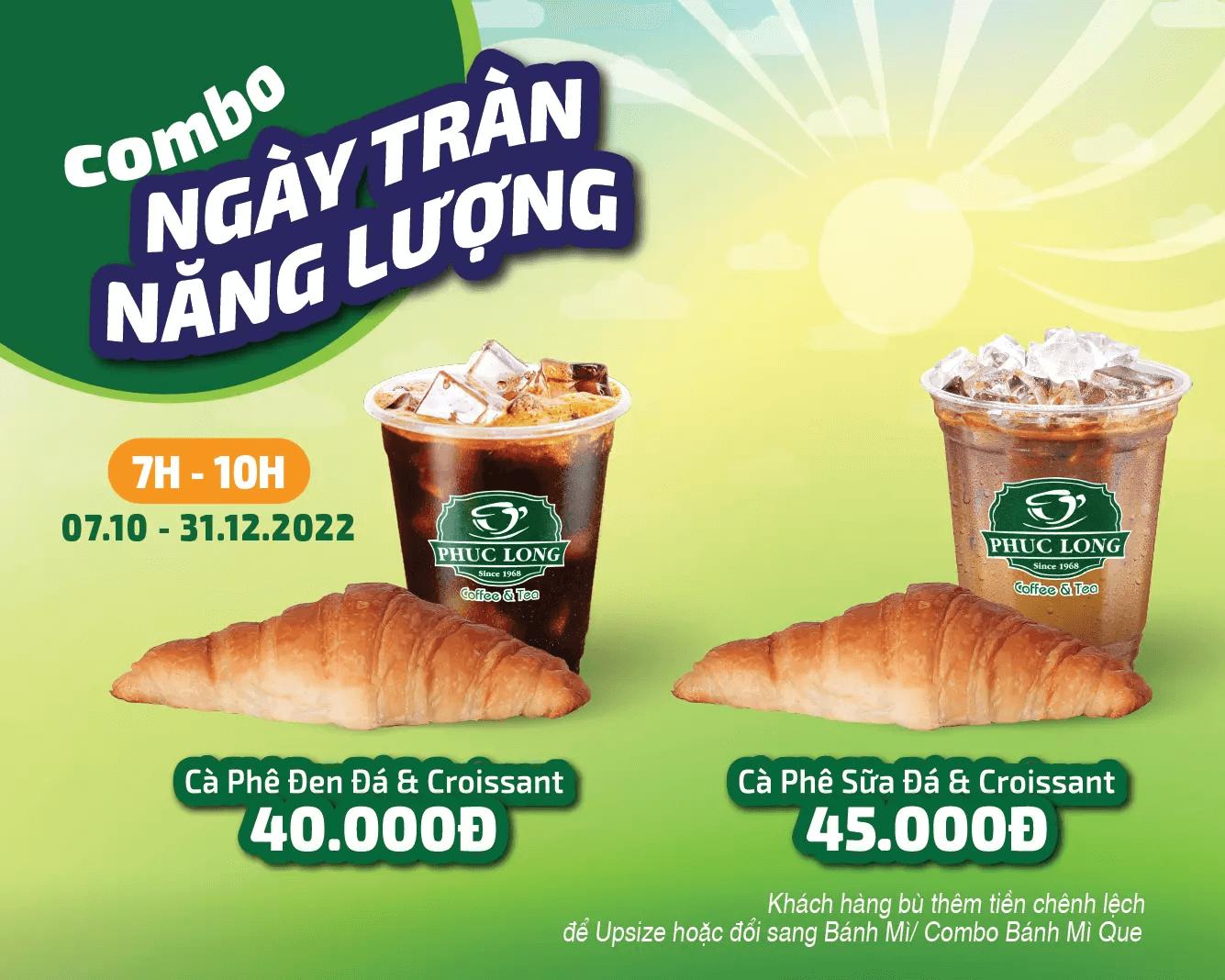
For the pull strategy, Phúc Long promotes itself. The brand sits in prime locations, which keeps its image in customers' minds. It also works actively to engage users through media and social networks (Facebook, Instagram, YouTube…). On top of that, it runs 351 screens showing 240 TV commercial spots in more than 130 Phúc Long Coffee and Tea stores. This format is eye-catching and draws customers in. Finally, the brand runs promotions regularly to lift revenue.
Thanks to its fresh approach, Phúc Long recovered quickly and took market share. That is why it keeps putting the customer experience first. The stores have a modern design that feels warm and spacious, and the decor changes with the seasons and major holidays, so customers come to "check in" and enjoy the service. With opening hours that are always early to open and late to close, customers can drop in and enjoy their drinks at ease.
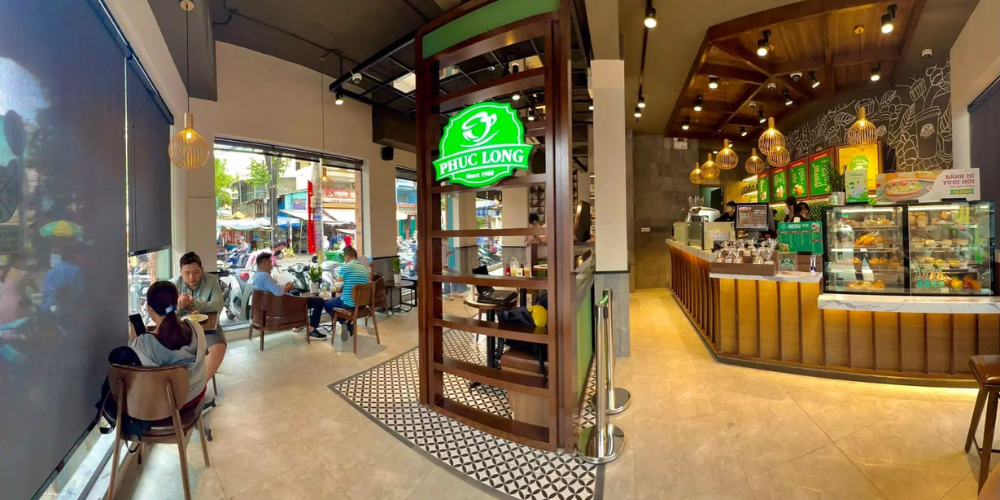
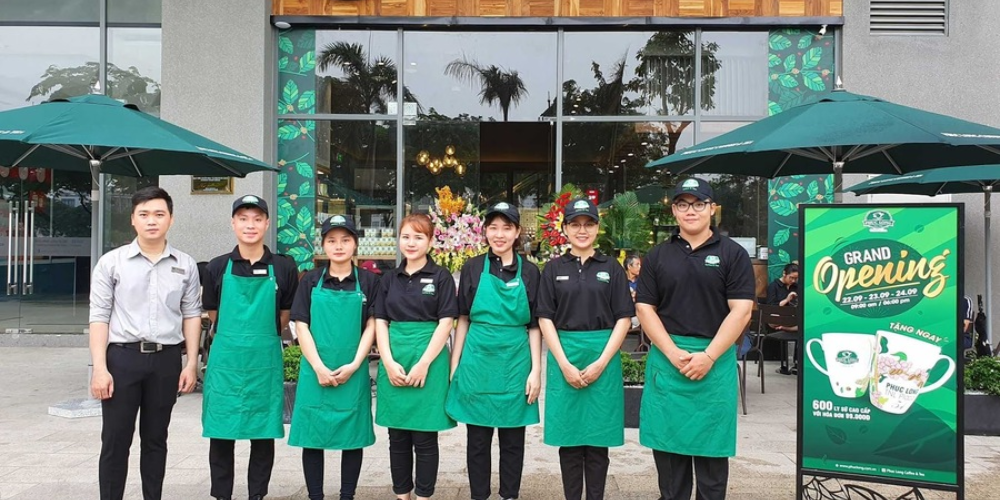
Phúc Long also develops teas that are good for skin and health, and is looking at low-sugar and slimming drinks. Beyond offering the best experience, the brand trains professional, friendly staff who are ready to help and look after customers carefully. This shows how much Phúc Long focuses on the People element of the 7Ps of marketing.
See more: What is Outbound Marketing? Is outbound out of date?
Coca Cola is familiar to people all over the world. It is the largest beverage brand in the world, so let's look at how Coca Cola applies the 7Ps of marketing.
With more than 500 product brands, Coca Cola offers nearly 3,900 beverage choices. It is regarded as one of the most valuable brands in the world.
The company has also invested in a portfolio of 21 brands worth billions of dollars, and 19 of them have zero-calorie or low-calorie options. This shows how much Coca Cola focuses on the Product element of the 7Ps of marketing.
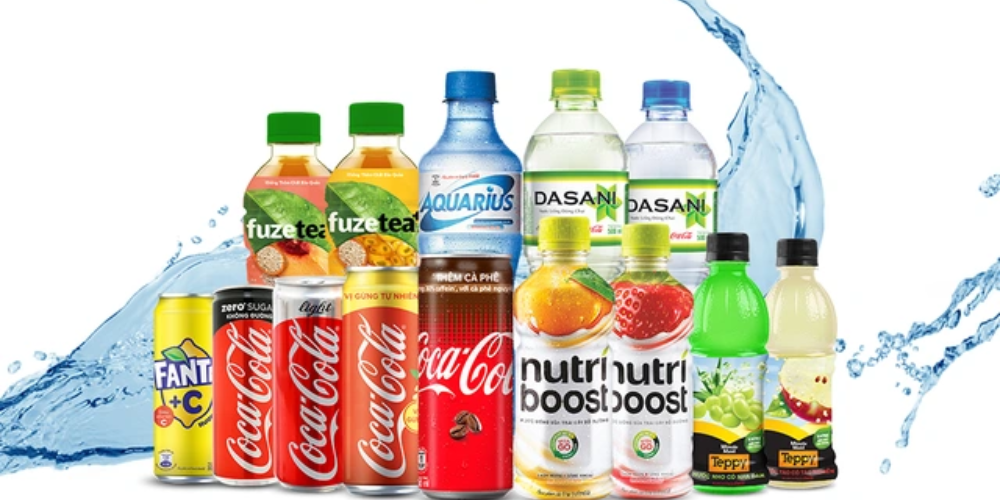
Some of Coca Cola's best-known drinks:
Pepsi is Coca Cola's closest competitor in soft drinks, and both brands price their products competitively. So Coca Cola studies the Price element of the 7Ps very carefully, to serve consumers well and keep up with market competition.
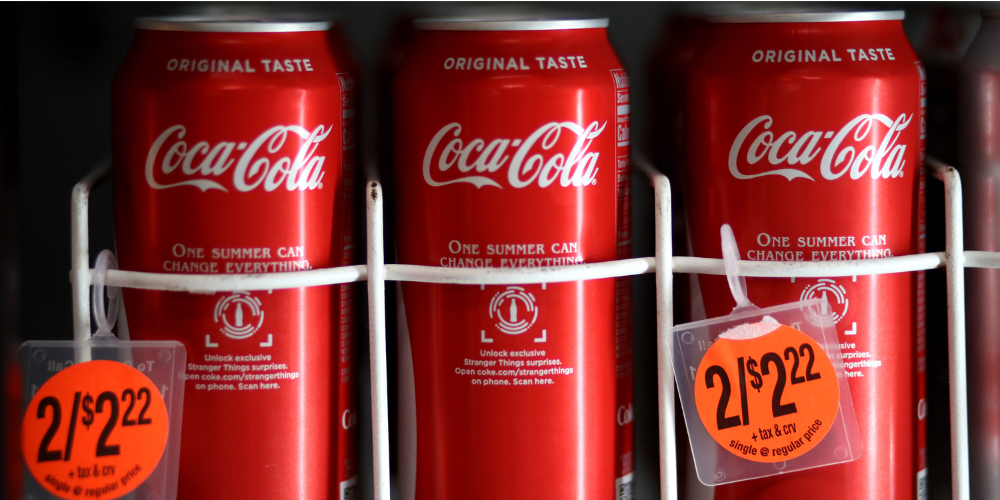
Prices are not too high for ordinary customers, and not so low that people doubt the quality. This pricing strategy is meant to build customer loyalty to the brand. One problem is that demand for soda is falling, which makes price competition between Pepsi and Coca Cola even tougher. Prices sometimes have to drop while pack sizes grow. Many people buy in bulk to get a better price than they would buying single items.
Coca Cola has a distribution system that reaches around the world. Its products are sold in more than 200 countries across 6 operating regions: Latin America, Asia, Europe, North America, the Pacific and Africa.
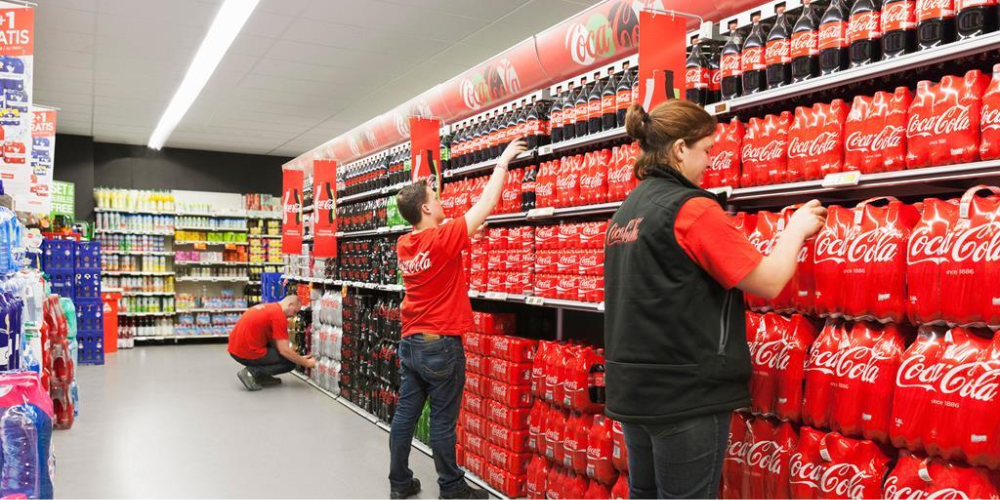
Coca Cola's distribution partners that connect with customers include restaurants, grocery stores, cinemas, convenience stores, amusement parks and street vendors.
Competition in the soft drink industry is intense, and many leading brands are willing to spend heavily on advertising to drive revenue and profit.
Besides TV and outdoor campaigns, the company also advertises online and through social media. Every social account is used to connect with brand followers and fans, and to encourage customers to join the company's activities.
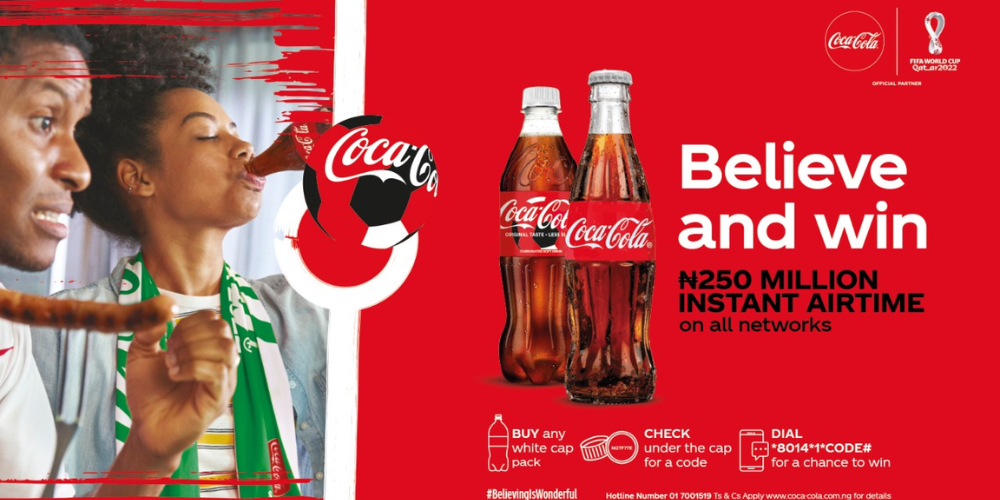
Coca Cola also invests heavily in sustainability and CSR, and builds a sustainable supply chain and production network. Investing in projects that benefit society strengthens the brand's image in the market. Thanks to its focus on the Promotion element of the 7Ps, Coca Cola posts huge revenue every year, reports steady profit and leads almost the entire carbonated drinks industry.
On the People element of the 7Ps, Coca Cola is a large employer. It focuses on strategic human resources management so that staff are satisfied with their work and can develop their careers. The company also runs a recognition and reward system to keep more of its employees.
Coca Cola's system includes Coca Cola companies worldwide and many different bottling partners. These partners support the company's international business as a very large distribution network.
Coca Cola sells the syrup and concentrate it makes to its bottling partners, and this is where the company earns its net revenue. The bottling partners then make the final product and sell it to customers around the world.
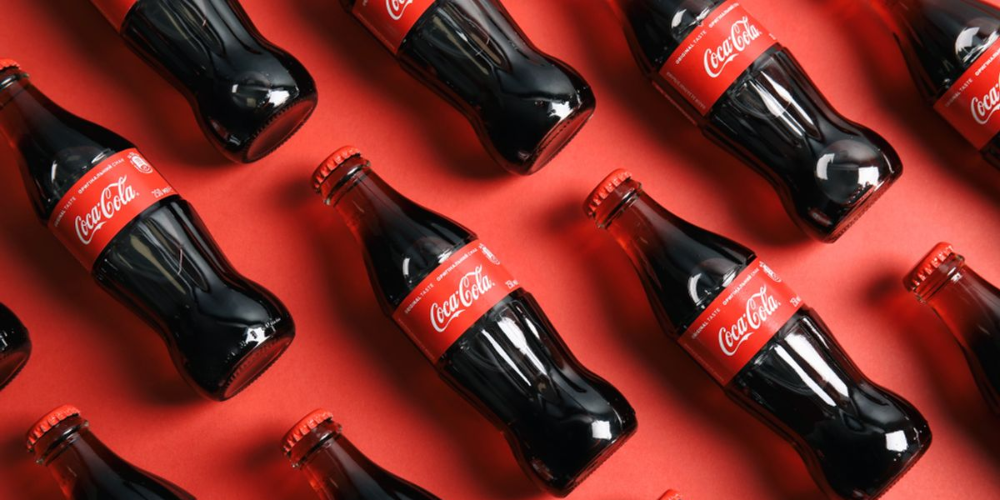
They mix the concentrate with water, sweeteners, carbonated water and so on, depending on the product that is packaged, sold and distributed. Finished-product operations are mainly bottling, sales and distribution, controlled or owned by the company. Because production is mass-scale, Coca Cola invests a great deal in optimizing the Process element of the 7Ps, which lets it produce large volumes efficiently and deliver products to consumers at a very good price.
Coca Cola operates all over the world. Its physical infrastructure includes centralized production, headquarters and regional offices worldwide.
Besides Coca Cola bottles and advertising materials, many goods inside retail stores also count as physical evidence.
You can see the Coca Cola logo on packaging, ads and promotional materials. Consumers can run into evidence of Coca Cola's business almost anywhere, from a large outdoor ad to a small bottle of one of its drinks.
See more: What is Referral Marketing? 8 types and how to do it
McDonald's is one of the best-known names in fast food in the world. Let's see how it uses the 7Ps of marketing to lead the fast food and fried chicken market.
McDonald's is best known for its french fries and hamburgers. Its products include:
Unlike KFC, McDonald's sells both beef and chicken as well as fish, so customers have plenty of choice. The menu is known around the world, with some changes in each region to suit local tastes and preferences.
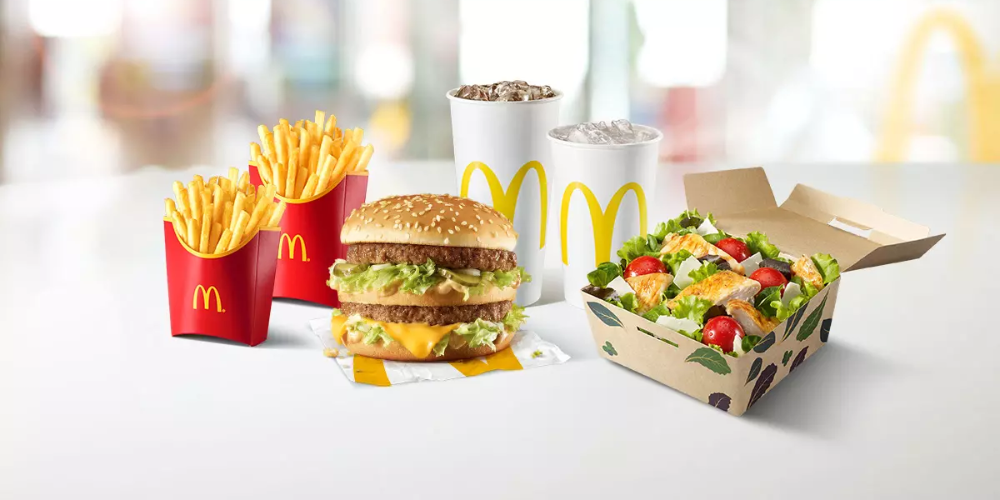
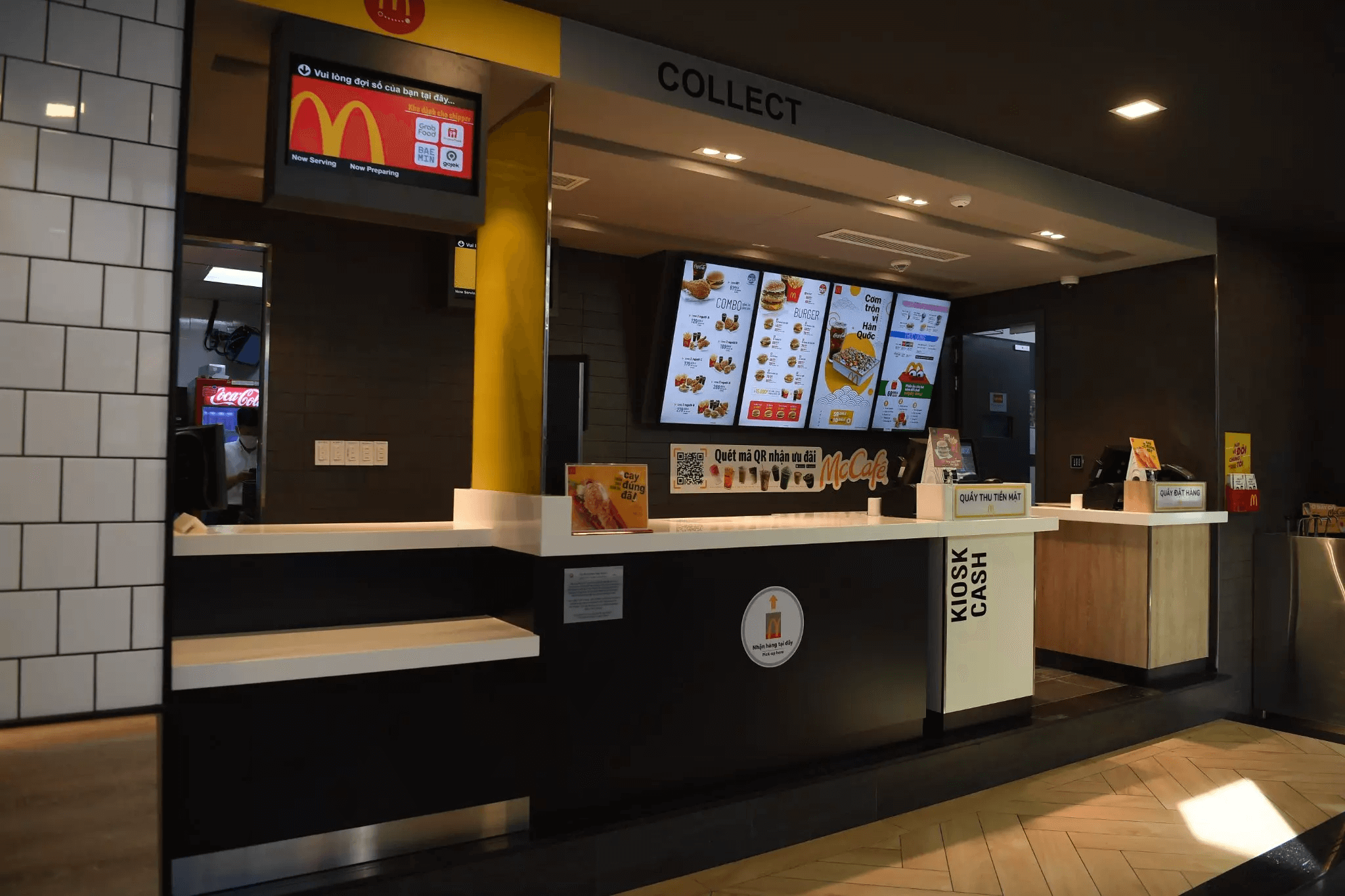
McDonald's core value is fast service. It also stands out with its own drink line, McCafe.
McDonald's prices its food to give customers good quality at a good price. This has helped the brand succeed and build its reputation as one of the leading fast food brands in the world for many years. As operating costs keep rising, though, McDonald's offers combo meals and works to win customers by selling combos that help them save.
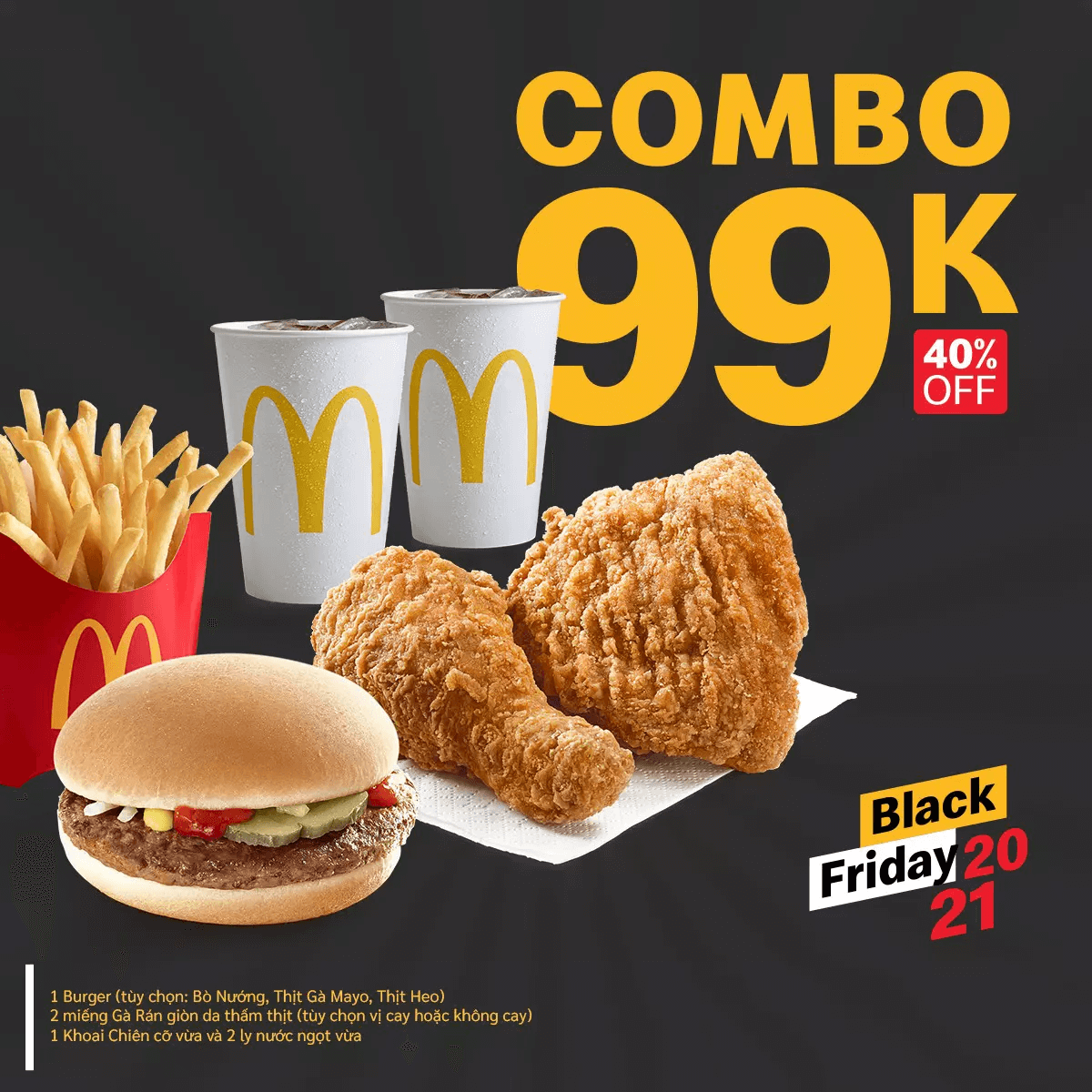
McDonald's also uses bundle and combo pricing to raise customer spending (while making customers feel they get a better deal).
McDonald's operates in 120 countries with more than 40,000 outlets, a number that far exceeds other fast food brands in the world.
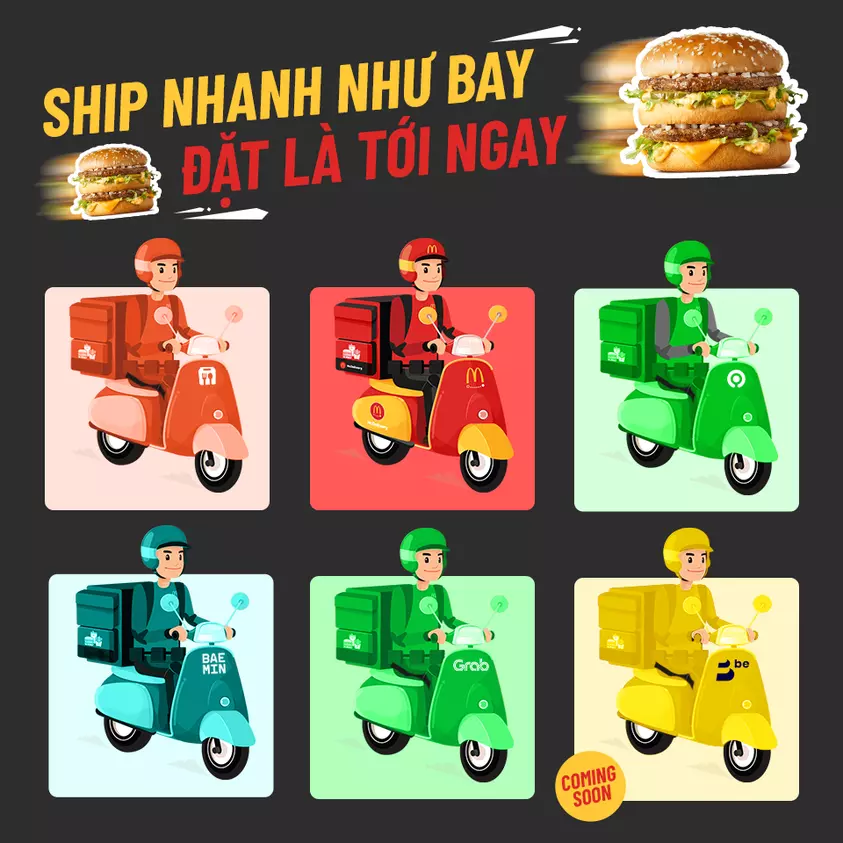
McDonald's distribution takes several forms:
The brand uses a multi-channel distribution approach, (Omi-chanel) which has helped McDonald's grow quickly and made things convenient for customers.
To compete with other fast food brands, a Promotion strategy in the 7Ps marketing mix is extremely important. To earn loyalty and attention, McDonald's uses many tactics and promotional activities. It has also sponsored many campaigns to grow the brand. Offers and promotions create a sense of community and a bond between customers and the brand.
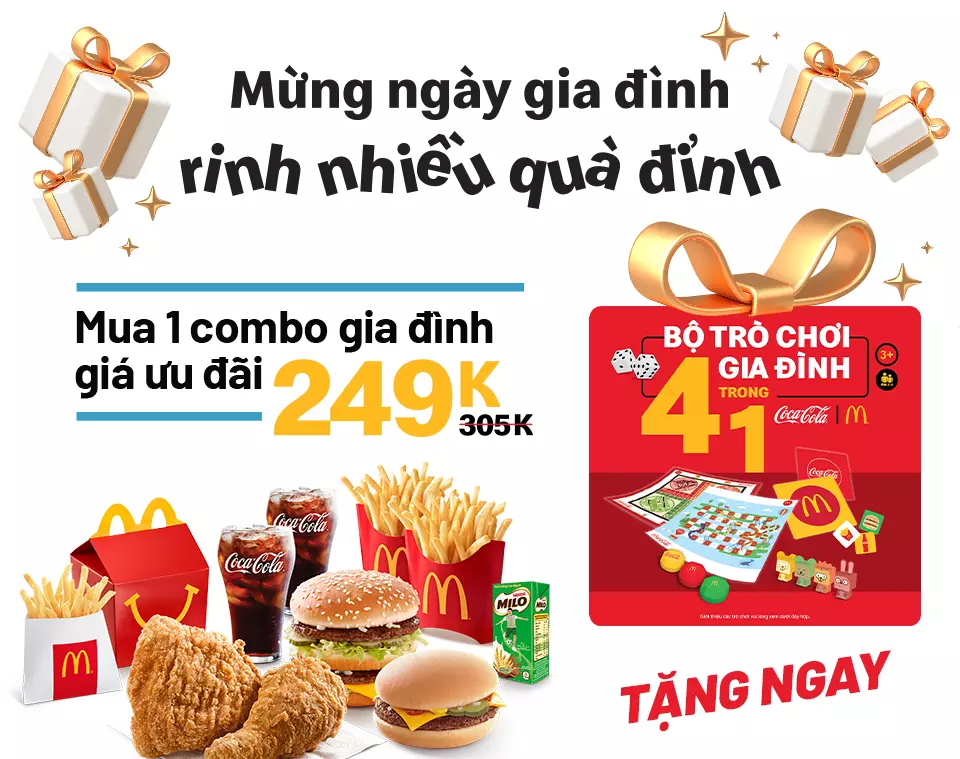
McDonald's target audience is children, so gift and toy promotions are often run during holidays to attract customers.
McDonald's also runs sponsorships and partnerships with other brands to promote itself and raise brand awareness. For example, in 2014 McDonald's sponsored the FIFA World Cup.
See more: What is Relationship Marketing? How to build a Relationship Marketing strategy
Three things you notice about McDonald's staff: they are professional, polite and friendly. The brand has a professional training process for its employees, so customers always have a good experience at McDonald's. Because it understands the People element of the 7Ps marketing mix, McDonald's applies it well in its real business, which is how it got to where it is today.
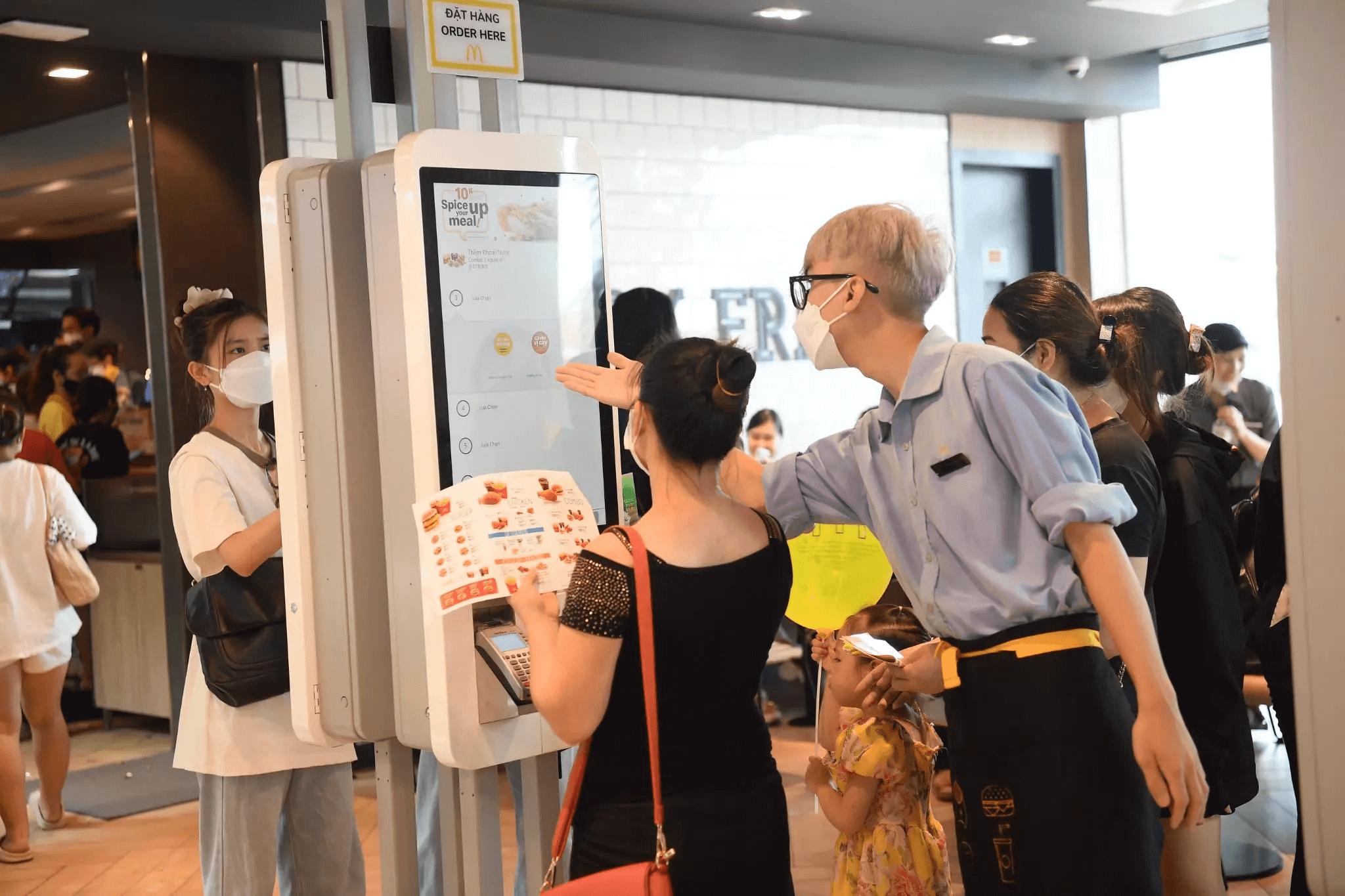
For a fast food brand, the Process element of the 7Ps marketing mix is considered the most important. McDonald's has always been a technology pioneer. The brand offers self-order kiosks in some countries to improve the user experience. Its service process is continuously refined and standardized to keep service quality consistent across franchises.
McDonald's invests in the space of its stores so customers are comfortable when they come in. It also keeps investing in its technology platform to improve the customer experience.
Mona Media We hope that after reading this article you have a general view of the 7Ps in marketing Mix model. We hope you can apply it sensibly and effectively to your own business, to earn higher profit and bring in a steady flow of customers.

CEO & Founder · The MONA
Founder of The MONA, who built a services company of 200+ staff with 14,000+ projects delivered. Khánh Hùng shares how he thinks about building systems that run themselves, automating a business, and the real lessons from delivering projects at MONA.
 1,5K




Professional website
design services
Own a website with a beautiful, 100% exclusive design and a lifetime warranty, with the ability
to expand features flexibly as your business grows, starting today!






 MONA will never sell your information or send you spam


 MONA will never sell your information or send you spam
