
 MONA OS 2.0


 Tự động hoá doanh nghiệp
 Cẩm nang SEO
 Digital Marketing
 Kinh nghiệm thiết kế website
 Hạ Tầng Server
 Giáo dục



 VI
 EN


















Message us on
Zalo Official


 Products

 ProductsProducts










 Website designLooks good and wins customers over.
SEO servicesBrings in customers searching for exactly what you sell.
 Tư vấn digital marketingKéo khách từ nhiều kênh, đo bằng số thật.
Corporate video productionVideos introducing your company, factory and team.
 NewAI video productionCompany story films made with AI.
 Custom software developmentCRM, ERP and HRM built for your business.
 Viết AI Agent theo yêu cầuĐặt riêng một trợ lý AI cho đúng việc của mình.
 Tư vấn chuyển đổi AIĐưa AI vào vận hành của cả công ty.
NewMONA LMSManagement for centers and schools.
MONA SkillHubInternal training for company staff.
 NHTQ systemEnd-to-end China–Vietnam shipping operations.
MONA JMSManagement for gold, diamond and pawn shops.
 MONA E-LearningA website with every feature you need to sell courses.
 How to sell online courses (course)More than 30 free lessons on selling courses on autopilot.
 MONA Cloudmonacloud.vnServers to get your apps and websites running.
 MONA Basemonabase.vnPostgres database, sign-in and file storage.
 MONA Mailmonamail.vnSend OTP, order and invoice emails from your software.
 MONA Paymonapay.vnAccept bank transfers via VietQR and notify your software when the money arrives.
 MONA eInvoiceComing soonIssue e-invoices that meet tax standards.
Gấu CườiTrả lời khách 24/7 trên web, Fanpage, Zalo và thu lead cho sale.
 Gấu TeleSalesGọi điện tư vấn, chăm khách như tổng đài viên thật.
Dê CườiTư vấn và chốt đơn cho shop ngay trong khung chat.
Gấu WebmasterNhắn nhóm Zalo là website được sửa xong.
 Gấu Pháp ChếSoạn hợp đồng, rà điều khoản trong vài phút.
 Gấu Báo GiáLên báo giá đúng mẫu và gửi khách ngay.
 AI chăm sóc khách hàngTheo dõi và giữ chân khách hàng cũ.
 Gấu Tuyển DụngLọc hồ sơ, hẹn lịch, phỏng vấn ứng viên.
 KHA AI 2027
Xây kênh chuyên gia 2 phút mỗi ngày
Quay bằng điện thoại, AI tự edit video, tự đăng lên 16 nền tảng và tự trả lời bình luận, tin nhắn.
284.904lượt xem trên kênh CEO MONA sau 16 ngày
 Anh Khánh HùngCEO MONA đang dùng mỗi ngày
Xem app làm được gì
 AI
Gấu Cười MONA ĐANG TỰ XÀITrả lời khách 24/7 trên website, Zalo OA, Messenger và thu lead về cho sale.
Dê CườiChốt đơn bán lẻ và sàn: Shopee, TikTok Shop, web. Chăm cả khách sỉ, đại lý.
Gấu WebmasterCập nhật nội dung, tối ưu SEO website mỗi ngày.
Gấu TeleSalesGọi điện tư vấn, chăm khách như tổng đài viên thật.
Gấu Tuyển DụngLọc hồ sơ, hẹn lịch, phỏng vấn ứng viên tự động.
AI chăm sóc khách hàngGiữ khách cũ, cứu lead đã rớt cho phòng kinh doanh.
Gấu Pháp ChếSoạn hợp đồng, rà điều khoản trong vài phút.
Gấu Báo GiáLên báo giá đúng mẫu, gửi khách ngay khi có yêu cầu.
 Chuyển đổi AI toàn phầnGiải pháp tổng cho doanh nghiệp, 3 lớp triển khai.
 Viết AI Agent theo yêu cầuĐặt riêng một con AI gánh đúng nghiệp vụ của bạn.
 Custom softwareCRM, ERP and HRM with built-in AI automation.
 SEO & AEO thời đại AIĐược Google lẫn AI trích dẫn, không chỉ xếp hạng.
 Kiến thức AI cho doanh nghiệpBài phân tích, hướng dẫn ứng dụng AI vào vận hành.
 Free AI courses
 AI tools at work
 App mới · KHA AI 2027
Xây kênh 2 phút mỗi ngày
AI tự edit video, tự đăng mọi mạng xã hội
Free consultation, 8am–10pm every day

18 May, 2023

Maslow's hierarchy of needs was developed by the psychologist Abraham Maslow from his study of human psychology and needs. The theory has had a strong influence on business strategy, marketing, education and more. Each level of the hierarchy is a different human need. The levels are drawn as a pyramid, and a person's needs rise from the bottom up. In this article, we look at Maslow's hierarchy of needs and how it applies in Marketing with MONA Media today.
Maslow's hierarchy of needs The full English name is Maslow’s hierarchy of needs. It is a motivation theory in psychology, built from the study of real human needs. Maslow's hierarchy of needs is drawn as a pyramid with 5 levels:

A person's needs move from the base to the top of the pyramid, from Physiological to Self-actualization. Once the basic needs are met, people move on to higher ones.
In 1943, Abraham Maslow set out his assessment of human psychology, drawing on his understanding of psychological theory. He used the pyramid to describe the stages of human growth and development. He then studied human behavior, motivation and needs to build the different levels of life needs.
He used terms such as "physiological", "safety", "love and belonging", "social needs", "esteem" and "self-expression" to describe a person's development. When one stage of need is reached, it motivates the next, higher level.
Abraham Maslow divided human needs into basic needs and higher needs. Basic needs are based on factors such as: Physiological needs, safety needs, the need for respect and health needs. Without these foundations, it is hard to focus on the higher needs.
We will go through the 5 needs of Maslow's hierarchy in detail so you understand it better. Once you do, it is easier to analyze and apply to your own marketing strategy .
To live and survive, and to reach for higher needs, people must have this need met first. That means enough food and drink, housing and physical activity. When personal needs are met, people move up to the next level of the hierarchy.
If your income is too low, for example, you can't cover daily living costs. That hurts your health, and you can't bring the energy or good ideas to your daily work.

Physiological needs are the most basic human needs and must be met first. Only after this can people move up to the next level, safety needs.
Good health, a stable financial position, no serious illness and personal safety. People can eat and dress well, stay in good shape and face no financial or health risks in the future.
When body and mind are secure, people move up to the next level of the hierarchy: widening their relationships.
Widening friendships and love, and joining clubs if they are students. Widening professional contacts and partnerships if they are business people. Each person raises their love and belonging needs in their own way, depending on their work and current position.

This is the fourth level and one of the most important in Maslow's hierarchy. Once people have widened their relationships, they want to express themselves through respect or reputation. This matters especially for younger generations today.
Esteem needs cover self-worth, achievement and respect, and fall into 2 types:
Self-actualization needs, also called the need for self-expression, are a person's highest need. This is about becoming a complete person, experiencing the peaks of life and striving to be the best version of oneself in status, consumption and personal life. People want to explore new areas and push their own creations further.

Beyond the needs in Maslow's original hierarchy, the model has been extended with 3 more levels. Specifically:
People need to learn and add new knowledge. On a solid foundation, they become more curious and want to understand the world in many different ways.
Once the basic needs of the hierarchy are reached, people care more about appearance and beauty. They look for products with brand value and follow fashion trends to improve how they look.
When all the needs in Maslow's hierarchy are met, people are driven by values beyond themselves. Their intuition is awakened, and they care more about altruism, harmony and compassion. People who reach the extended levels want to give off positive energy and help many others.
Maslow's hierarchy of needs has its pros and cons when applied in practice. Specifically:
Maslow's hierarchy has had a big impact on the study of human needs, and it has been applied in many areas of life. For example:
Maslow's hierarchy is used for market research, defining customer segments and building customer profiles. From there you can predict customer behavior and needs, reach the right potential customers and send the right messages, which helps grow sales and spread the brand.
In management, leaders and directors can use the hierarchy to shape strategies on pay and working environment, or to understand employees' needs and mindset so they can negotiate well. Knowing these needs, managers can invest in their employees' wellbeing and improve their motivation and work behavior.
Maslow's hierarchy helps education assess learning needs, set out stages of education and plan lessons and curricula for different groups. Educational psychologists can also study students' needs and behavior to guide children's psychology and motivation to learn better. For example:
Maslow's model is also applied to love and marriage. For example:
In the digital age, every business is researching its market and potential customers to build the right marketing strategy. Maslow's hierarchy of needs is a guide for promotion and communication.
With Maslow's hierarchy, businesses can understand the needs of potential customers, grasp their behavior and wants, and come up with more effective marketing and outreach. Studying customer behavior and consumer wants is what gives a business a high chance of success.
When customers see promotions for products or services that match what they want, they respond with interest and are more likely to buy. If your business is keeping up with digital change and wants to grow strongly in the internet era, you can use Maslow's hierarchy in your marketing strategy. For example:

Maslow's hierarchy isn't only for studying human psychology. It is also used in marketing. Teams that research and use Maslow’s hierarchy of needs well have a better chance of winning. They can analyze their customers, understand their behavior to split them into segments, and write ads that appeal to their customers.
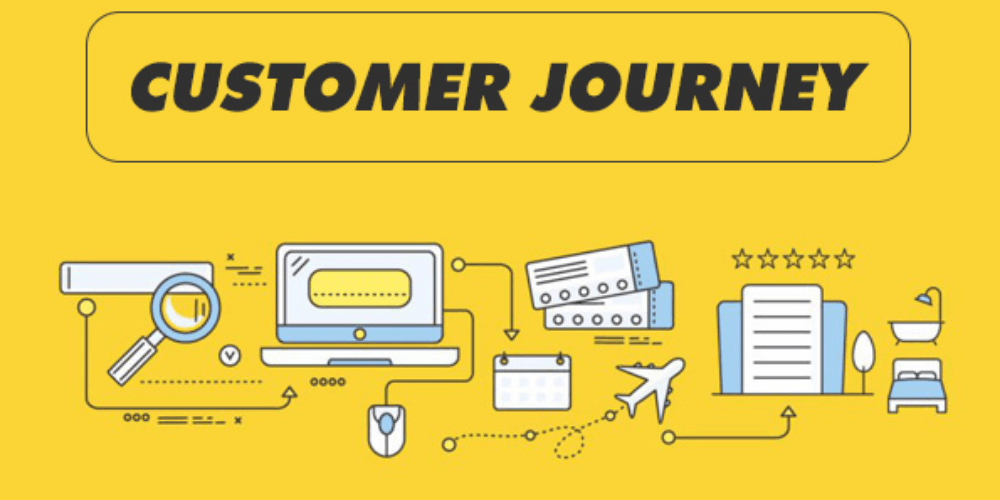
See also: How to understand the customer journey
With Maslow's hierarchy you get benefits such as:
The customer insight, or target customer profile, is pinned down most precisely through Maslow's hierarchy. For a sound marketing strategy, marketers need to understand customer insight so they can build images, videos and messages aimed at the target customers. Only when you hit the right need, on the same wavelength, do you create real appeal.
Maslow's hierarchy helps strategists work out which group each customer segment belongs to. From the segment, you can study how customers use products and services and what they need in life, then set pricing, content and advertising strategy. With Maslow's hierarchy it is easier to reach target customers, so the business can run more smoothly and turn more visitors and earn better revenue.
Maslow's hierarchy shows that each customer segment has different needs. Studying customer behavior, shopping needs, lifestyle, social status and so on helps strategists plan messages that fit the customer. That speaks to the customer's mindset better, holds their attention and makes it easier to prompt a purchase.
See also: What is a CTA? How to write calls to action that drive purchases
In the car industry, for example:
| Physiological needs | ✅Basic spending |
| Safety needs | ✅Mid-range spending |
| Social needs | ✅Broader spending |
| Esteem needs | ✅Big spending |
The business's marketing campaign Key business decisions can draw on Maslow's pyramid to analyze the situation. Here are the 4 levels of Maslow's hierarchy as applied in marketing:
Use this to open restaurants that suit each group: restaurants for students, office workers, the wealthy and so on. At this level, people's basic need is for tasty, varied food at a fair price.
At this level, people only need basic fashion, basic vehicles and mid-range housing. When marketers launch a product or service, they use this hierarchy to pick the customer segment and set a suitable price.
People with financial security, stable health and a nice home belong to this level. Marketers aiming at this group advertise social insurance and medical services. They spend at a mid-range level, so the services for them sit higher too: mid-range cars, real estate in central locations, high-end fashion, upscale restaurants. At this level people start to judge service quality closely, so service has to improve, from how staff serve to the quality of the product.
At the social needs level of the hierarchy, people want to build a comfortable world of their own. Customers in this segment need more sports and entertainment services. They want excellent services to enjoy life and show their standing.
This is the level of the wealthy and people with high social status. Services for this segment are unique, exclusive and delivered at the highest standard. They are the guests of honor, the VIPs.
If your business targets this group, you need to find ways for your products and services to make customers shine and show their class, status and wealth.

Don't apply Maslow's hierarchy to a person in a rigid way. These needs don't have to rise level by level, and they can rise when only the basic needs have been met. When using Maslow's hierarchy in marketing, marketers should pay attention to points such as:
In marketing, Maslow's hierarchy doesn't always follow the order of levels. You need to research your customers and their needs for your product or service more closely. The hierarchy also doesn't hold in every case.
Example: Someone at level 1, with only basic physiological needs, may still spend a large sum on insurance because it matters for their life. Or someone from the wealthy class may not like flashy things and care instead about products and services that work well.
People don't always need to meet every criterion in Maslow's hierarchy. Besides the hierarchy, you should look at social conditions, market movements and competitors. Maslow's hierarchy of needs, combined with other analysis, helps you make better plans.
A person's needs don't need to be 100% met at one level before they move up to the next. Once the basic needs at a level are met, people start wanting the next levels up.
People don't always need to meet every criterion in Maslow's hierarchy. Besides Maslow's hierarchy of needs you should combine it with social conditions, market movements the market and competitors. Used together with other analysis, it helps you make better plans. You can also combine SEO services to get your website to the top to raise your ranking and spread your brand through sampling… Or use market and competitor analysis tools. We wish you a solid marketing strategy built on analyzing and applying Maslow's hierarchy.
Maslow's hierarchy is used in many areas of life and work. Here are some frequently asked questions to help you understand it better before you use it to research the market and customers, or apply it to psychology analysis, HR management, marketing and similar projects.
Why is Maslow's hierarchy of needs important?
The theories on human behavior, needs, psychology and wants have been studied since 1943. They are still being extended today and still hold true. Applying Maslow's hierarchy puts people at the center and gives you strategies with a higher chance of success.
Does each need apply to only one level of Maslow's hierarchy?
How do you apply Maslow's hierarchy of needs most effectively?
To apply Maslow's hierarchy effectively in your strategies, keep these points in mind:
Use Maslow's hierarchy of needs as a guide and add other influencing factors to put together and analyze suitable marketing strategies. We hope this information on Maslow's hierarchy and our experience in applying Maslow's hierarchy of needs to marketing has helped you build strategies that fit your field, marketing above all!

CEO & Founder · The MONA
Founder of The MONA, who built a services company of 200+ staff with 14,000+ projects delivered. Khánh Hùng shares how he thinks about building systems that run themselves, automating a business, and the real lessons from delivering projects at MONA.
 1,6K




Professional website
design services
Own a website with a beautiful, 100% exclusive design and a lifetime warranty, with the ability
to expand features flexibly as your business grows, starting today!






 MONA will never sell your information or send you spam


 MONA will never sell your information or send you spam
