
 MONA OS 2.0


 Tự động hoá doanh nghiệp
 Cẩm nang SEO
 Digital Marketing
 Kinh nghiệm thiết kế website
 Hạ Tầng Server
 Giáo dục



 VI
 EN










Message us on
Zalo Official


 Products

 ProductsProducts










 Website designLooks good and wins customers over.
SEO servicesBrings in customers searching for exactly what you sell.
 Tư vấn digital marketingKéo khách từ nhiều kênh, đo bằng số thật.
Corporate video productionVideos introducing your company, factory and team.
 NewAI video productionCompany story films made with AI.
 Custom software developmentCRM, ERP and HRM built for your business.
 Viết AI Agent theo yêu cầuĐặt riêng một trợ lý AI cho đúng việc của mình.
 Tư vấn chuyển đổi AIĐưa AI vào vận hành của cả công ty.
NewMONA LMSManagement for centers and schools.
MONA SkillHubInternal training for company staff.
 NHTQ systemEnd-to-end China–Vietnam shipping operations.
MONA JMSManagement for gold, diamond and pawn shops.
 MONA E-LearningA website with every feature you need to sell courses.
 How to sell online courses (course)More than 30 free lessons on selling courses on autopilot.
 MONA Cloudmonacloud.vnServers to get your apps and websites running.
 MONA Basemonabase.vnPostgres database, sign-in and file storage.
 MONA Mailmonamail.vnSend OTP, order and invoice emails from your software.
 MONA Paymonapay.vnAccept bank transfers via VietQR and notify your software when the money arrives.
 MONA eInvoiceComing soonIssue e-invoices that meet tax standards.
Gấu CườiTrả lời khách 24/7 trên web, Fanpage, Zalo và thu lead cho sale.
 Gấu TeleSalesGọi điện tư vấn, chăm khách như tổng đài viên thật.
Dê CườiTư vấn và chốt đơn cho shop ngay trong khung chat.
Gấu WebmasterNhắn nhóm Zalo là website được sửa xong.
 Gấu Pháp ChếSoạn hợp đồng, rà điều khoản trong vài phút.
 Gấu Báo GiáLên báo giá đúng mẫu và gửi khách ngay.
 AI chăm sóc khách hàngTheo dõi và giữ chân khách hàng cũ.
 Gấu Tuyển DụngLọc hồ sơ, hẹn lịch, phỏng vấn ứng viên.
 KHA AI 2027
Xây kênh chuyên gia 2 phút mỗi ngày
Quay bằng điện thoại, AI tự edit video, tự đăng lên 16 nền tảng và tự trả lời bình luận, tin nhắn.
284.904lượt xem trên kênh CEO MONA sau 16 ngày
 Anh Khánh HùngCEO MONA đang dùng mỗi ngày
Xem app làm được gì
 AI
Gấu Cười MONA ĐANG TỰ XÀITrả lời khách 24/7 trên website, Zalo OA, Messenger và thu lead về cho sale.
Dê CườiChốt đơn bán lẻ và sàn: Shopee, TikTok Shop, web. Chăm cả khách sỉ, đại lý.
Gấu WebmasterCập nhật nội dung, tối ưu SEO website mỗi ngày.
Gấu TeleSalesGọi điện tư vấn, chăm khách như tổng đài viên thật.
Gấu Tuyển DụngLọc hồ sơ, hẹn lịch, phỏng vấn ứng viên tự động.
AI chăm sóc khách hàngGiữ khách cũ, cứu lead đã rớt cho phòng kinh doanh.
Gấu Pháp ChếSoạn hợp đồng, rà điều khoản trong vài phút.
Gấu Báo GiáLên báo giá đúng mẫu, gửi khách ngay khi có yêu cầu.
 Chuyển đổi AI toàn phầnGiải pháp tổng cho doanh nghiệp, 3 lớp triển khai.
 Viết AI Agent theo yêu cầuĐặt riêng một con AI gánh đúng nghiệp vụ của bạn.
 Custom softwareCRM, ERP and HRM with built-in AI automation.
 SEO & AEO thời đại AIĐược Google lẫn AI trích dẫn, không chỉ xếp hạng.
 Kiến thức AI cho doanh nghiệpBài phân tích, hướng dẫn ứng dụng AI vào vận hành.
 Free AI courses
 AI tools at work
 App mới · KHA AI 2027
Xây kênh 2 phút mỗi ngày
AI tự edit video, tự đăng mọi mạng xã hội
Free consultation, 8am–10pm every day

01 July, 2023
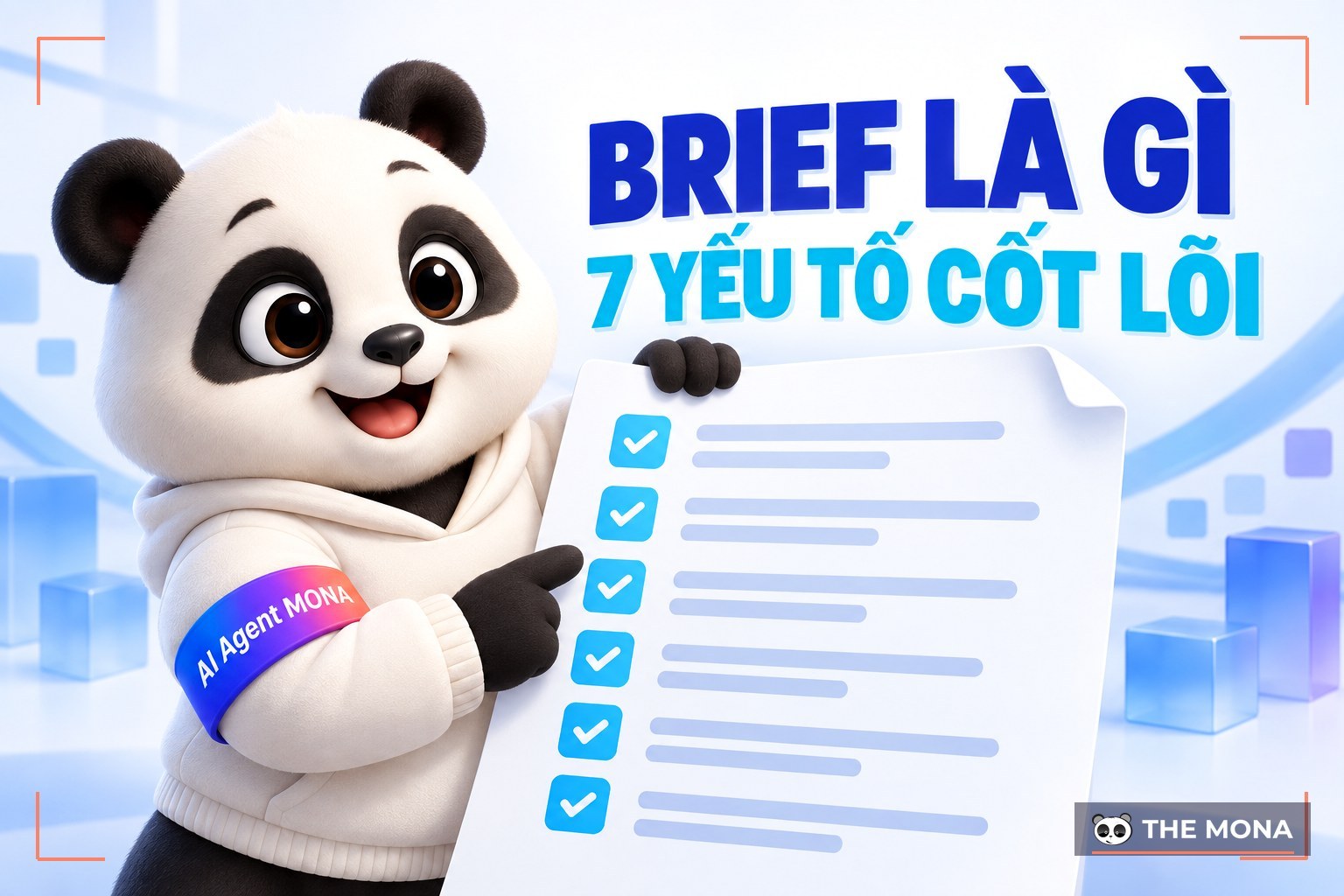
A brief is the marketing document that helps you plan performance and measure results. In content projects especially, it decides more than half of the outcome. To learn more about what a brief is, how to write a professional brief read the article below from MONA Media .
Brief is a short, focused document in which a client sends an agency the work it needs done. Its purpose is to help the agency understand the client's requirements as clearly as possible.

A brief sets the common ground for an advertising campaign or activity. It lets the team carry out the client's requirements, keeps the campaign on schedule, and gives everyone a basis for judging the results.
Besides asking what a brief means, many people also wonder why it matters so much in Marketing. A brief is a summary that holds a central place in marketing strategy. With a good one, marketers can promote their projects more easily and gain plenty of other practical benefits.
For example, when you write a marketing brief you will:
With a professional marketing brief, a business knows its goals, strategy and direction for each campaign, which raises the chances of success.
A brief has to cover everything in a few words. Above all, it should give fresh creative inspiration to agencies. Briefs today fall into 2 main types: Communication Brief (a short summary of the content) and Creative Brief (a summary of the creative direction).

What is a Creative Brief? This type of brief is written and used inside the agency. Its purpose is to pass information to the Creative Team and motivate them to do more creative work.
A Creative Brief usually includes:

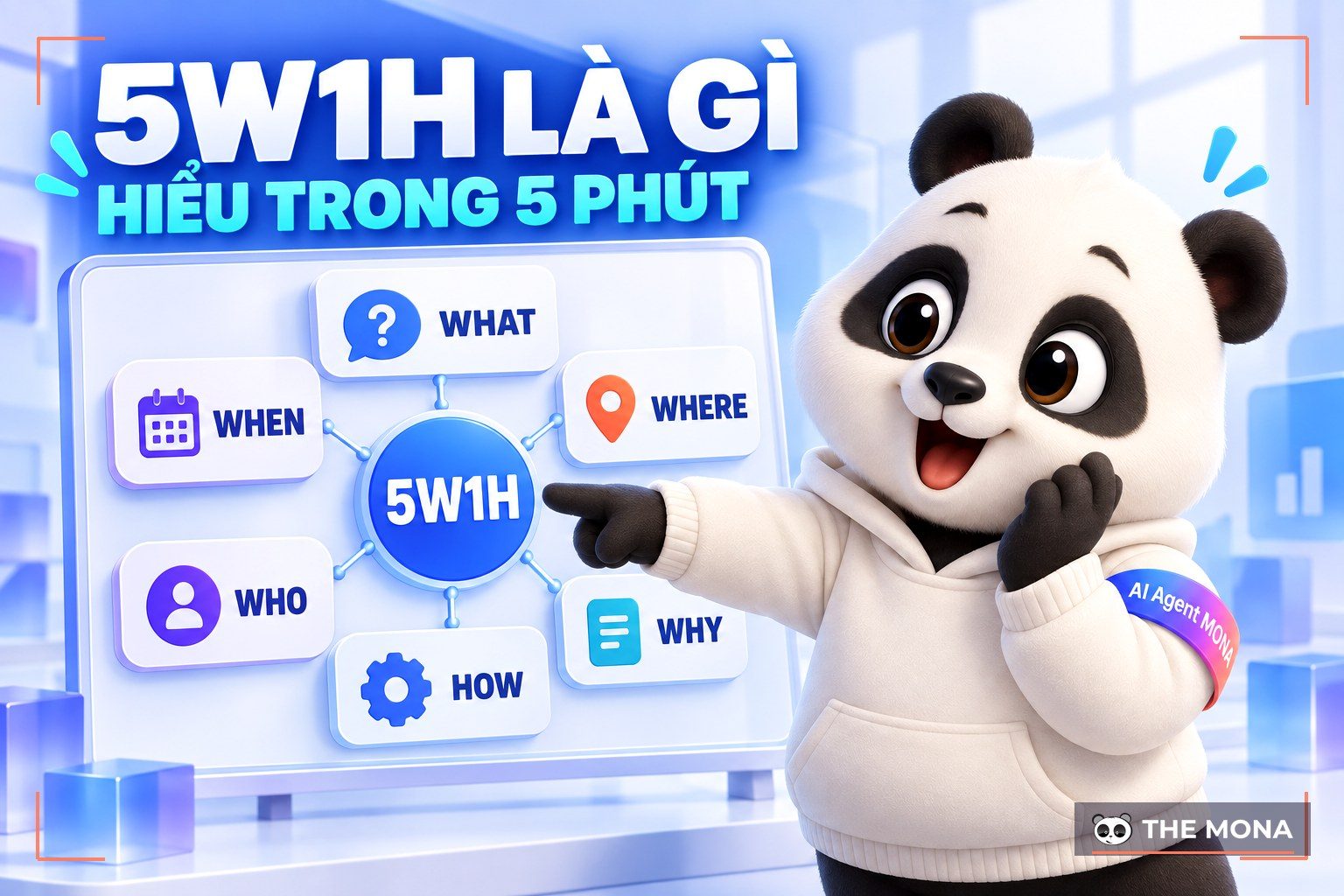
So what is a Communication Brief? This is the detailed version of the brief that agencies write for clients. A Communication Brief is usually drafted as a set of questions 5W1H (What, Where, Why, Who, When, How). Information about the brand, products and services is organized around 5W1H to make the goals clear.
A complete Communication Brief usually covers:
Typically, A Communication Brief matters more than a Creative Brief. It needs professional, detailed work to inspire the people carrying it out. To write the best brief you can, follow the 7 criteria MONA shares below.
To get how to write a complete brief the person writing it needs to pay attention to 7 basic elements below.
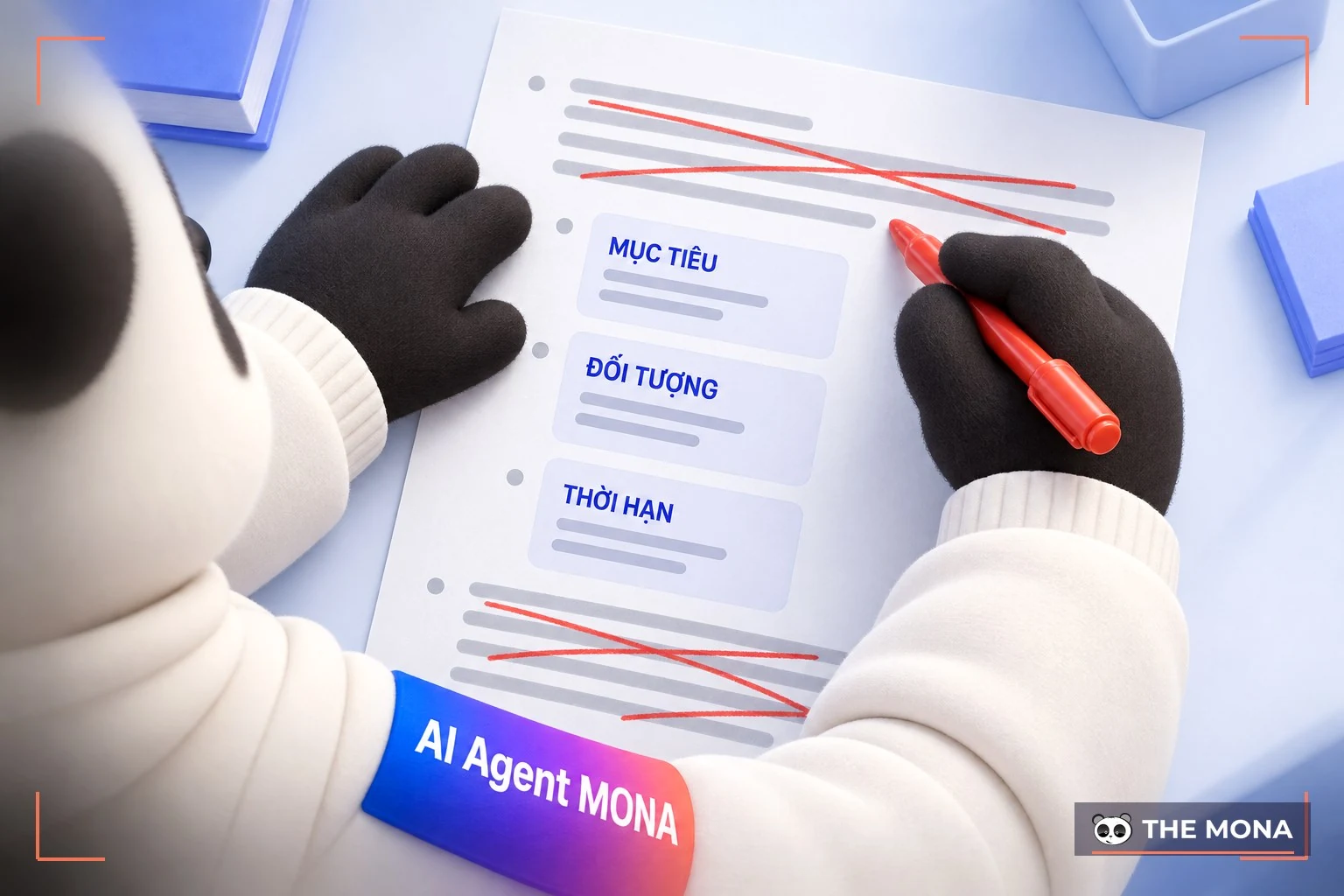
Stuffing too much information into a brief is unprofessional. It confuses the people who receive it and makes the requirements and goals hard to meet. Keep the content and structure short and concise, with clear key points and goals.
Guiding the content of the brief is important. So build it around the problem to solve, the goal, and the issues tied to the brand, products and services.
Once you know what a brief is, how do you set its goals? Before writing the brief, you need to do your research and phân tích thị trường. Make sure the goals are clearly defined so you can set targets and a concrete plan.
The brief should say what the project's goal is and what result you want. It should also answer what the brief is for and how success will be measured. With clear goals, the people doing the work can follow the plan and deliver the best results.
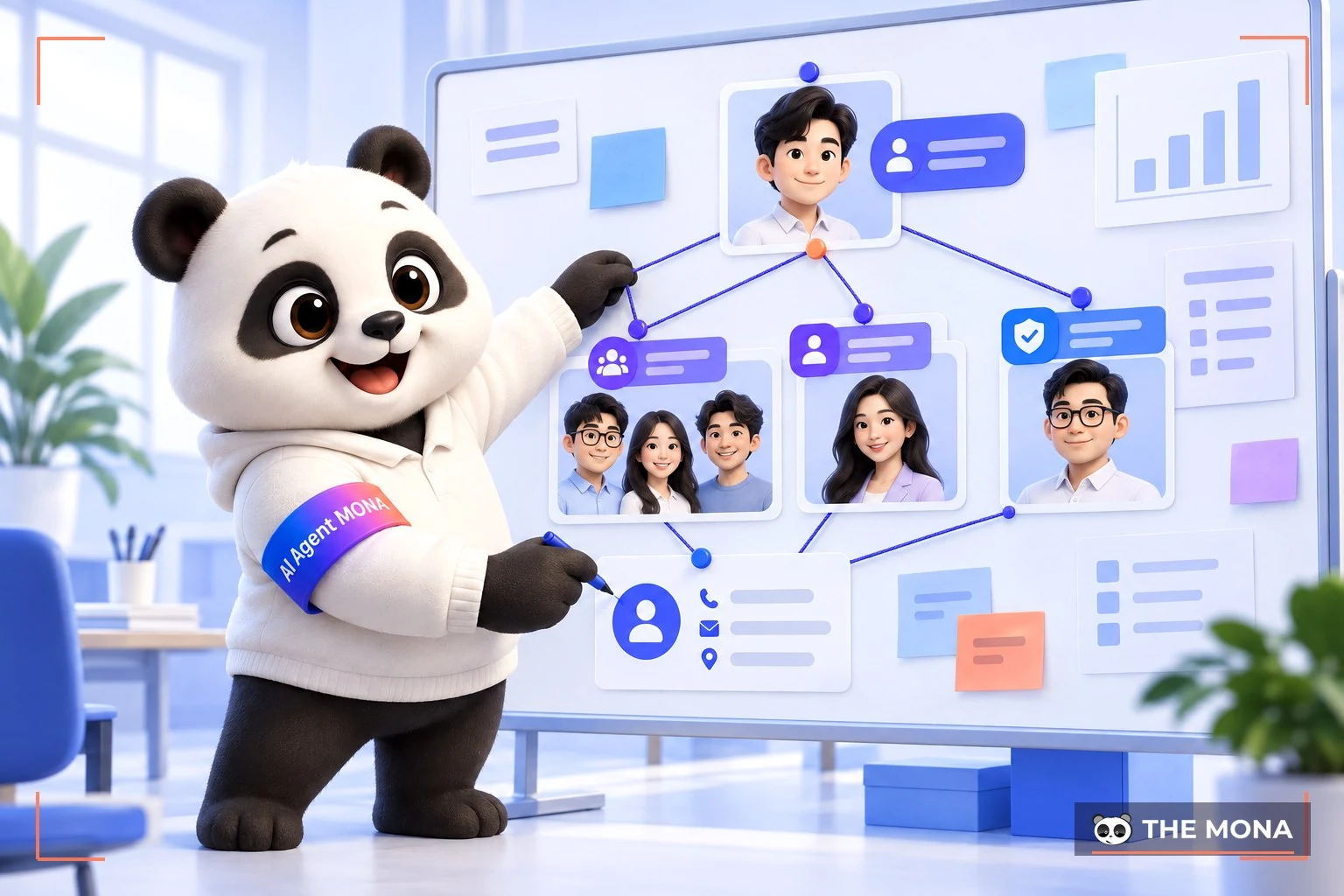
The brief must list the main stakeholders completely and accurately. That gives the team better direction and makes it easier to find the information they need along the way. In particular, information should be clear for both the agency side and the client side. When it is, the project stays on course, is easier to run, and problems are easier to control.
Many people focus on preparing the content and the quality of the product and visuals, and forget their competitors. For a campaign to succeed, you need to beat them. So you should analyzing competitors in your field to understand their strategy, then analyze it to build a better one.
A timeline that is too short or too long makes for a weak brief. A professional brief writer knows how to plan and spread the time sensibly. This affects the pace of work and the results, and helps finish the project in the best possible time.
Budget matters in every strategy when you write a marketing brief. To prepare for surprises, the person writing the brief should also allow for budget lines that may come up. Then, when something goes wrong, you can respond quickly without delaying the work.

What is the Briefing app? It is an app built to give users the fastest access to new information. In the past Briefing was not widely known because it supported only the languages of a few countries.
Today Briefing is more popular and many young people in Vietnam know it. Most Samsung phones now come with Briefing built in, and it supports Vietnamese so Vietnamese users can use it flexibly. On iOS, the equivalent app is Flipboard.
What is the process for using a brief? Usually a client needs a brief to work with an agency. How a client's brief is carried out with an agency usually takes these steps.

Once you know what a brief is, the first step is for the client to give the agency a complete, detailed brief that contains the following:
After receiving the client's brief, agencies take part in a pitch. The Account and Planner teams draw up an overall plan for the campaign, called a Proposal, and present it. The client then chooses the agency best suited to run the marketing campaign.
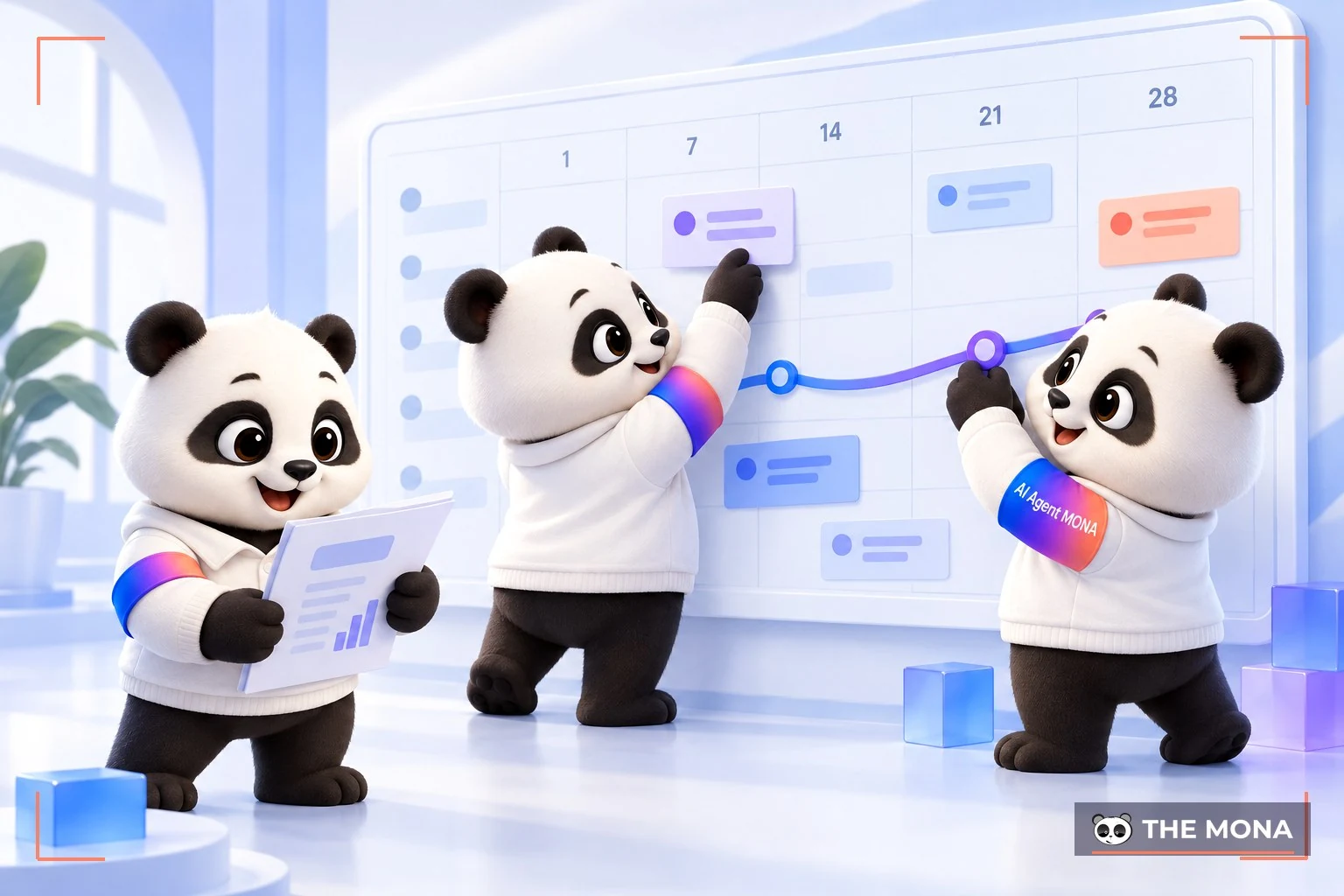
From the brief above, the next step is to plan how to carry it out. The plan needs to cover the important items below:
Once the detailed brief is clear and approved, the agency starts work as planned: building content, designing banners, photo editing, shooting and editing video, and more. These are finished and then published on the channels set out in the earlier plan.
Run the Media according to plan to reach more of the target customers and get the best advertising results.
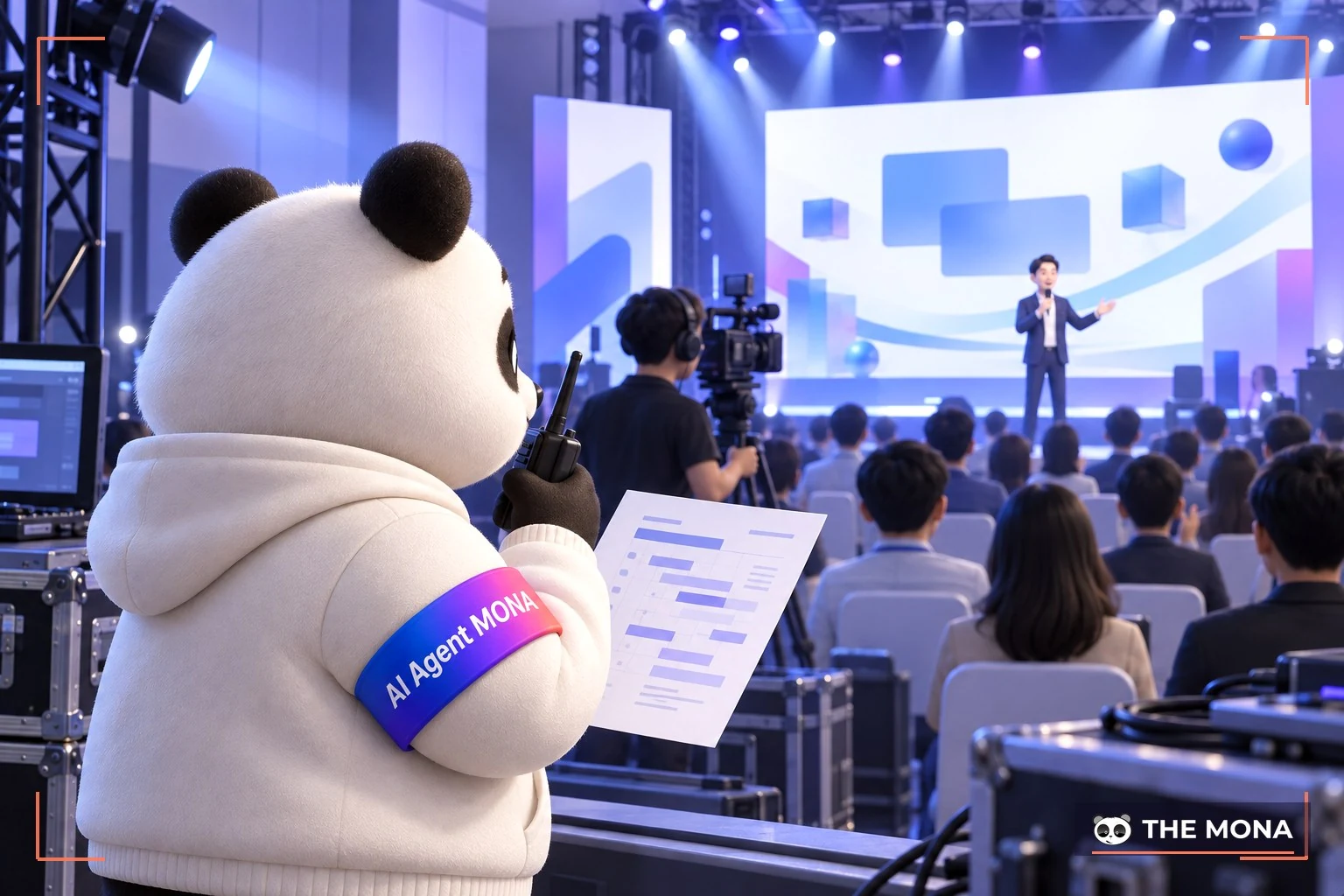
You can also choose to include a TV commercial in your advertising strategy. In that case, based on the client's brief, the agency comes up with ideas, builds the script, picks the setting and actors, and shoots the TV commercial so the content fits the campaign goals.
Buying TV commercial production does more than help you reach your target customers. It also improves ad performance with professional video and engaging content that works on every media platform.
Now that you know what a brief is, marketers use different sample brief formats depending on the service and industry. Here are some brief templates that many people use.
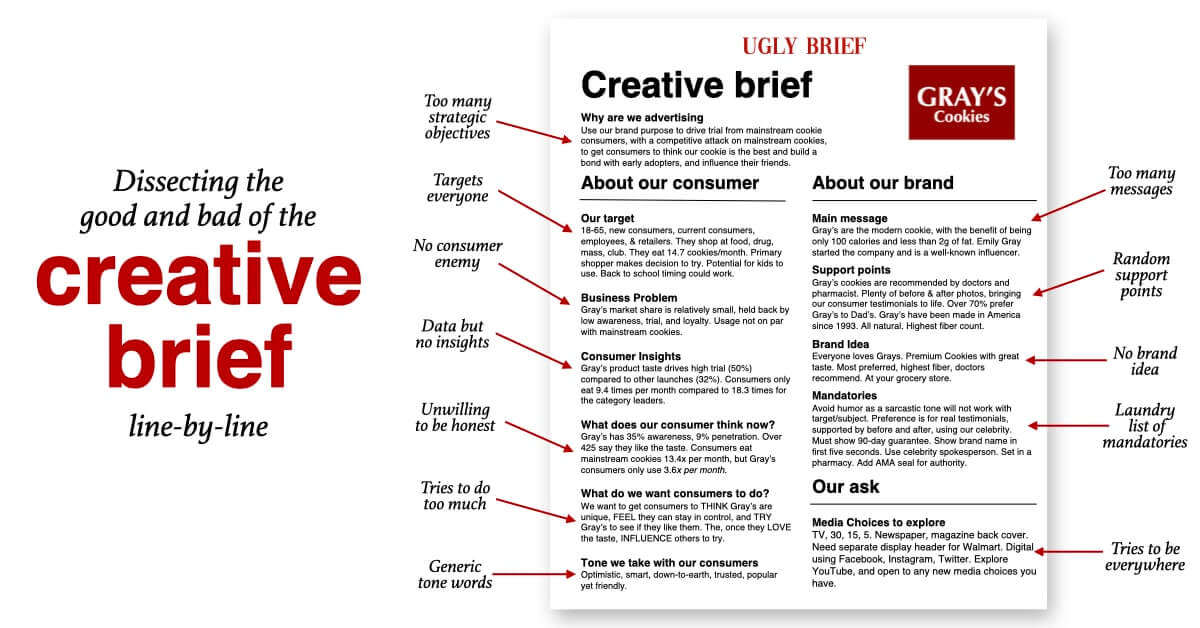
A detailed Creative Brief template for your reference
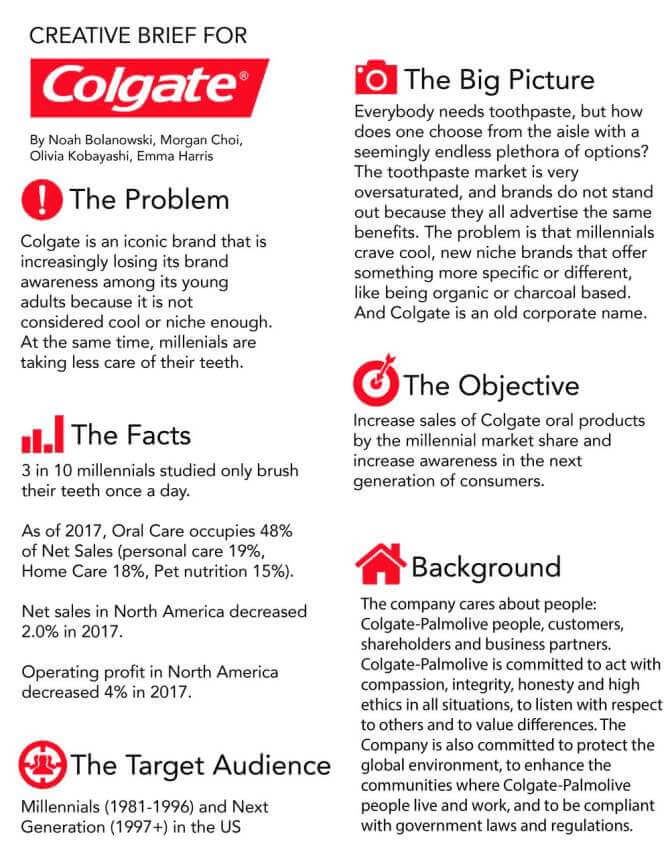
A Colgate Creative Brief template for your reference
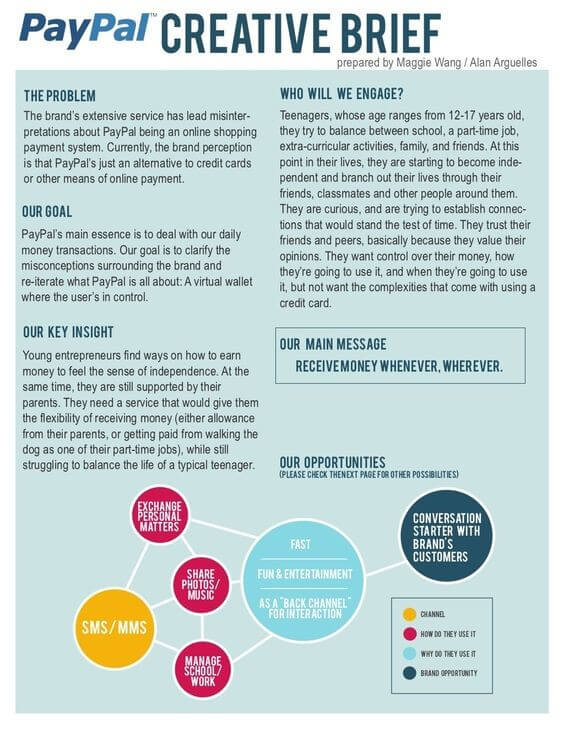
A sample PayPal Creative Brief for reference
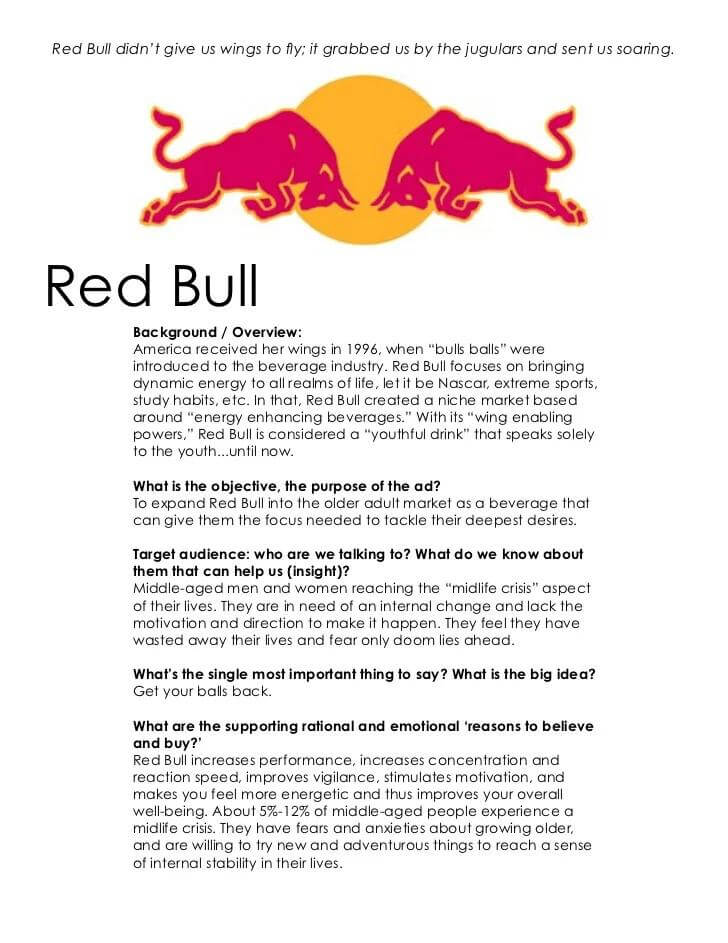
A Red Bull Communication Brief template for reference
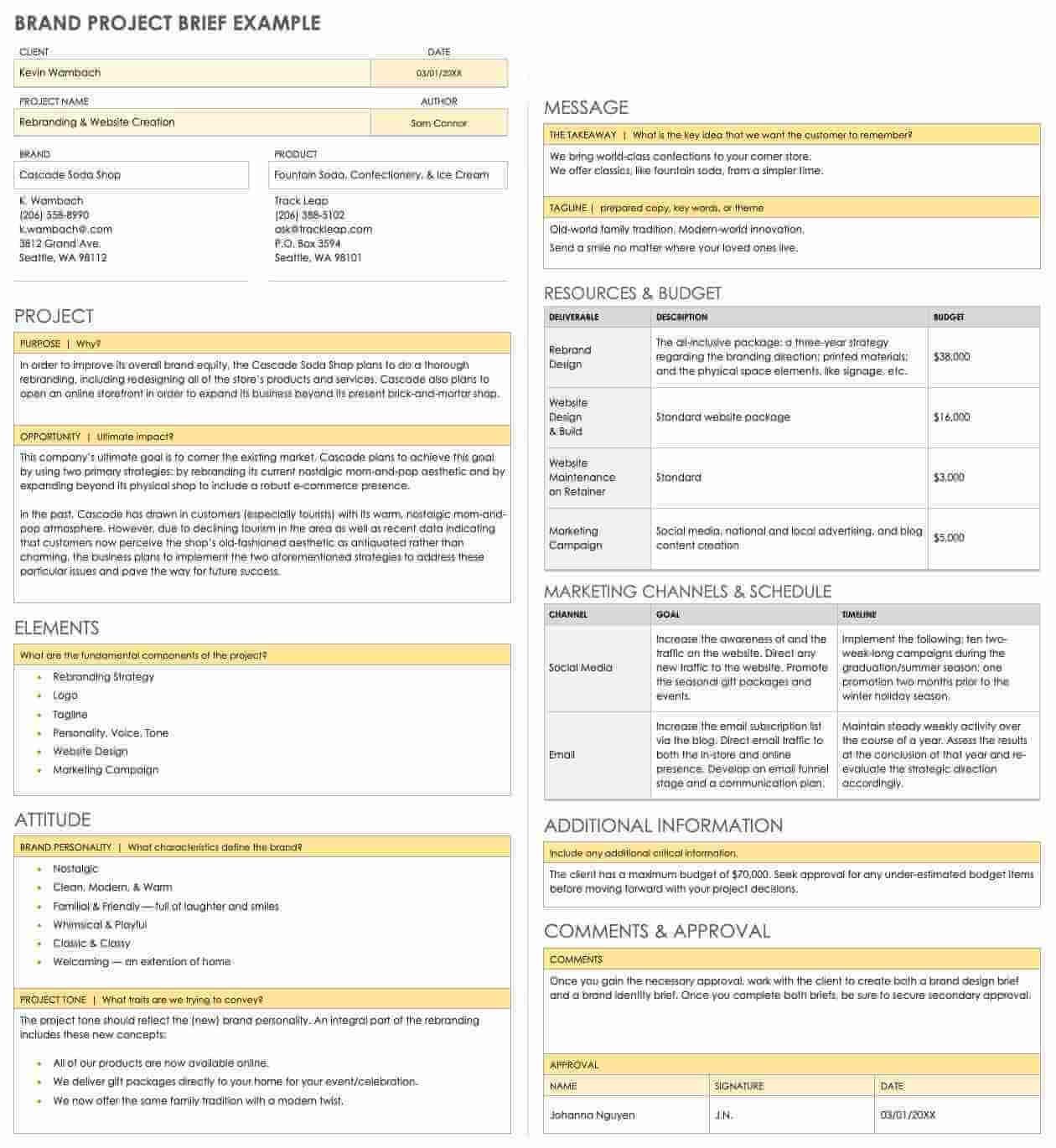
A Brand Project Brief template from an agency, for reference
There are many Design Brief templates shared online, such as event brief samples, chat briefs, study briefs, marketing brief samples, creative brief samples, design briefs, and more. Look at these, then combine them with the specifics of your product or service, your business, your budget and the timing of your ads, and you will write better briefs.
That is all the information about what a brief is and the step-by-step guide to writing the best brief for you. It is one of the key strategies for success in any field. We hope what MONA has shared makes it easy to apply Brief Marketing in your communication campaigns.

CEO & Founder · The MONA
Founder of The MONA, who built a services company of 200+ staff with 14,000+ projects delivered. Khánh Hùng shares how he thinks about building systems that run themselves, automating a business, and the real lessons from delivering projects at MONA.
 1,7K




Professional website
design services
Own a website with a beautiful, 100% exclusive design and a lifetime warranty, with the ability
to expand features flexibly as your business grows, starting today!






 MONA will never sell your information or send you spam


 MONA will never sell your information or send you spam
