
 MONA OS 2.0
 Partner with MONA


 Tự động hoá doanh nghiệp
 Cẩm nang SEO
 Digital Marketing
 Kinh nghiệm thiết kế website
 Hạ Tầng Server
 Giáo dục


 VI
 EN





Message us on
Zalo Official


 ProductsNew

 ProductsProducts
 Mới ra mắtKHA AI 2027App tự edit video, tự đăng mọi mạng xã hội, 2 phút mỗi ngày










 Website designLooks good and wins customers over.
SEO servicesBrings in customers searching for exactly what you sell.
 Tư vấn digital marketingKéo khách từ nhiều kênh, đo bằng số thật.
Corporate video productionVideos introducing your company, factory and team.
 NewAI video productionCompany story films made with AI.
 Custom software developmentCRM, ERP and HRM built for your business.
 Viết AI Agent theo yêu cầuĐặt riêng một trợ lý AI cho đúng việc của mình.
 Tư vấn chuyển đổi AIĐưa AI vào vận hành của cả công ty.
NewMONA LMSManagement for centers and schools.
MONA SkillHubInternal training for company staff.
 NHTQ systemEnd-to-end China–Vietnam shipping operations.
MONA JMSManagement for gold, diamond and pawn shops.
 MONA E-LearningA website with every feature you need to sell courses.
 How to sell online courses (course)More than 30 free lessons on selling courses on autopilot.
 MONA Cloudmonacloud.vnServers to get your apps and websites running.
 MONA Basemonabase.vnPostgres database, sign-in and file storage.
 MONA Mailmonamail.vnSend OTP, order and invoice emails from your software.
 MONA Paymonapay.vnAccept bank transfers via VietQR and notify your software when the money arrives.
 MONA eInvoiceComing soonIssue e-invoices that meet tax standards.
Gấu CườiTrả lời khách 24/7 trên web, Fanpage, Zalo và thu lead cho sale.
 Gấu TeleSalesGọi điện tư vấn, chăm khách như tổng đài viên thật.
Dê CườiTư vấn và chốt đơn cho shop ngay trong khung chat.
Gấu WebmasterNhắn nhóm Zalo là website được sửa xong.
 Gấu Pháp ChếSoạn hợp đồng, rà điều khoản trong vài phút.
 Gấu Báo GiáLên báo giá đúng mẫu và gửi khách ngay.
 AI chăm sóc khách hàngTheo dõi và giữ chân khách hàng cũ.
 Gấu Tuyển DụngLọc hồ sơ, hẹn lịch, phỏng vấn ứng viên.
 Mới ra mắt
KHA AI 2027
Xây kênh chuyên gia 2 phút mỗi ngày
Quay bằng điện thoại, AI tự edit video, tự đăng lên 16 nền tảng và tự trả lời bình luận, tin nhắn.
835.858lượt xem trên kênh CEO MONA sau 27 ngày
 Anh Khánh HùngCEO MONA đang dùng mỗi ngày
Xem app làm được gì
 AI
Gấu Cười MONA ĐANG TỰ XÀITrả lời khách 24/7 trên website, Zalo OA, Messenger và thu lead về cho sale.
Dê CườiChốt đơn bán lẻ và sàn: Shopee, TikTok Shop, web. Chăm cả khách sỉ, đại lý.
Gấu WebmasterCập nhật nội dung, tối ưu SEO website mỗi ngày.
Gấu TeleSalesGọi điện tư vấn, chăm khách như tổng đài viên thật.
Gấu Tuyển DụngLọc hồ sơ, hẹn lịch, phỏng vấn ứng viên tự động.
AI chăm sóc khách hàngGiữ khách cũ, cứu lead đã rớt cho phòng kinh doanh.
Gấu Pháp ChếSoạn hợp đồng, rà điều khoản trong vài phút.
Gấu Báo GiáLên báo giá đúng mẫu, gửi khách ngay khi có yêu cầu.
 Chuyển đổi AI toàn phầnGiải pháp tổng cho doanh nghiệp, 3 lớp triển khai.
 Viết AI Agent theo yêu cầuĐặt riêng một con AI gánh đúng nghiệp vụ của bạn.
 Custom softwareCRM, ERP and HRM with built-in AI automation.
 SEO & AEO thời đại AIĐược Google lẫn AI trích dẫn, không chỉ xếp hạng.
 Kiến thức AI cho doanh nghiệpBài phân tích, hướng dẫn ứng dụng AI vào vận hành.
 Free AI courses
 AI tools at work
App mới · KHA AI 2027
Xây kênh 2 phút mỗi ngày
AI tự edit video, tự đăng mọi mạng xã hội
Free consultation, 8am–10pm every day

18 March, 2023
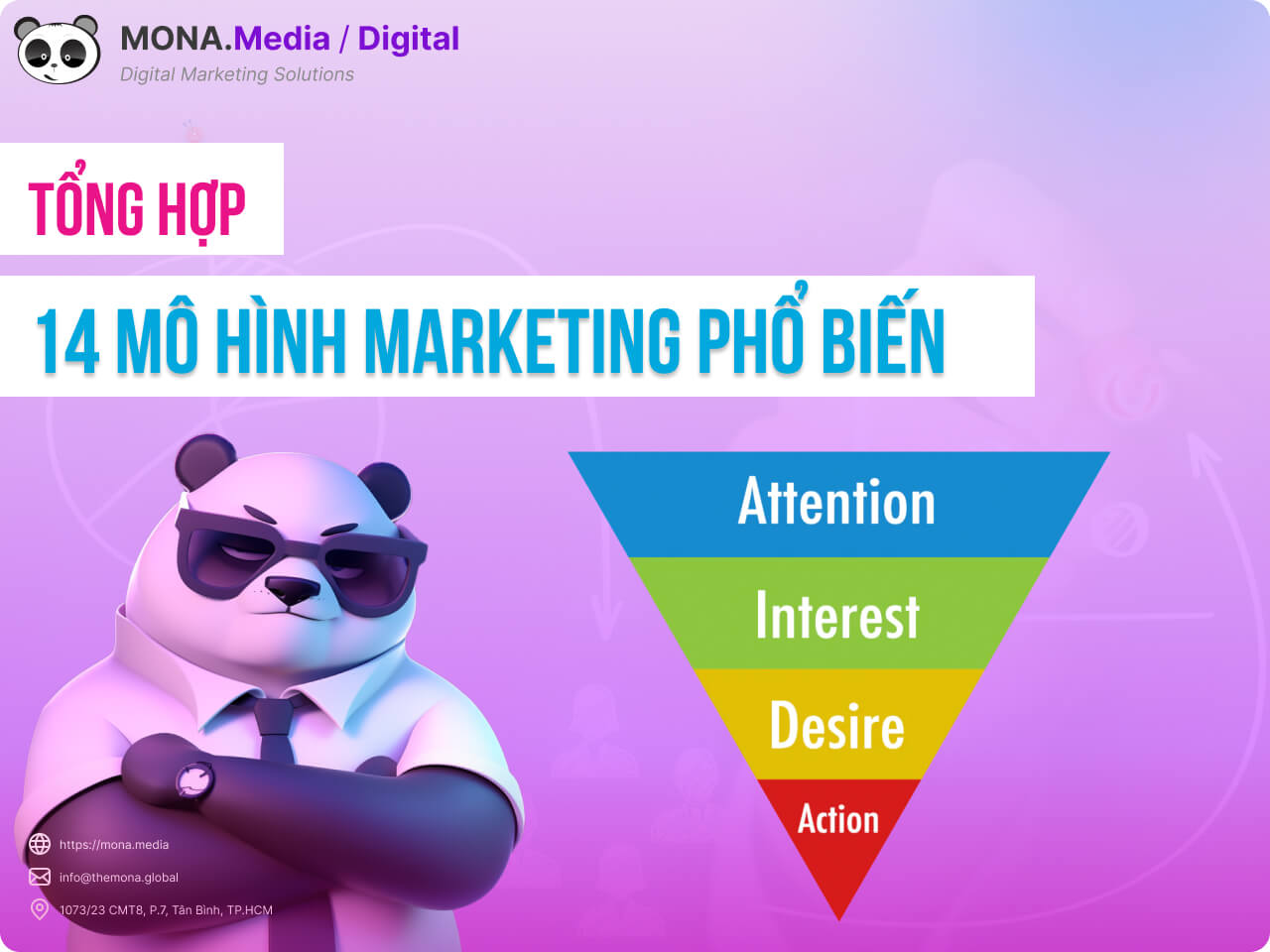
Applying the marketing model to your business is essential for staying ahead and holding a solid position in the market and in consumers' minds. According to experienced marketing professionals, many models have been refined to help you get the best results. You can look at the 14 most widely used marketing models that MONA Media suggested in the article below.
Choosing an effective marketing model depends not only on tools or strategy but on the right business mindset. Yet in Vietnam many people still avoid talking about business, and marketing is even branded negatively as ‘tricks’ or ‘gimmicks’. The video below helps you understand business and marketing thinking in a real-world context, so you can approach marketing models for your business more effectively.
SWOT is a word formed from the first letters of these English words: Strengths (Strengths), Weaknesses (Weaknesses), Opportunities (Opportunities) and Threats (Threats). It is one of the best-known marketing models that focus on analyzing and evaluating business strategies for a company effectively.
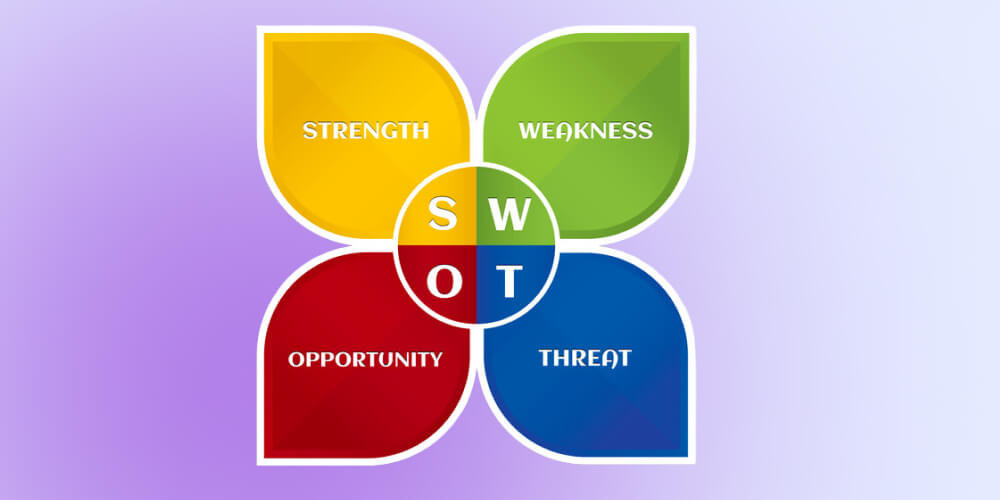
This model lets marketers review and assess their product and market more accurately. Most people who work in Marketing must study this model closely and apply it to building marketing strategies for their company.
In detail, the SWOT matrix analysis in marketing is the process of answering questions about strengths, weaknesses, opportunities and threats when launching a product to the outside market. It helps a business focus on its existing strengths to improve its chances of reaching its goals, while also improving or limiting weaknesses in the face of market challenges.
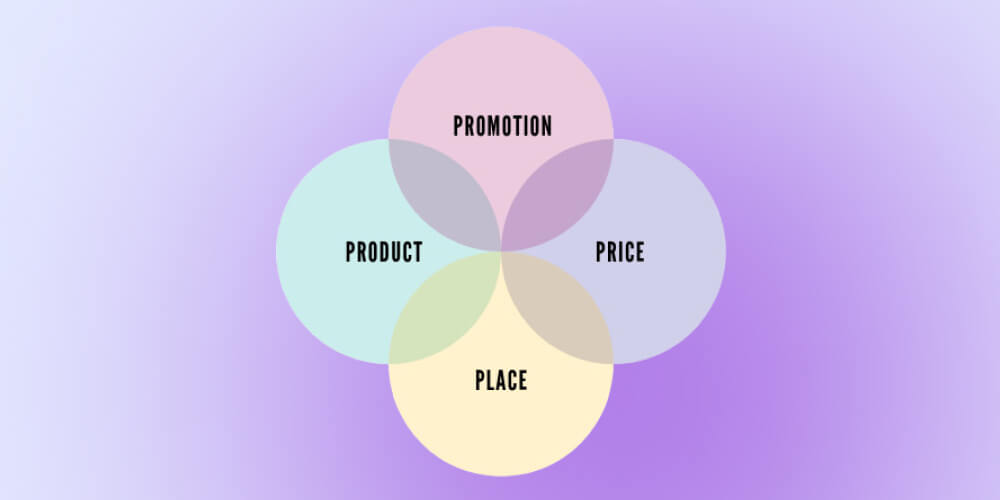
Along with the SWOT analysis model, the 4P model in marketing is also considered one of today's basic marketing models. Marketers use the 4P strategy model as a tool to carry out strategies covering: Product (product), Price (price), Promotion (promotion, or communication), Place (place, or distribution channel).
Depending on the market, you need to apply and combine the elements of this marketing strategy model in the best way, to deliver the right product, distribution channel, price and promotion for the customer group you are targeting.
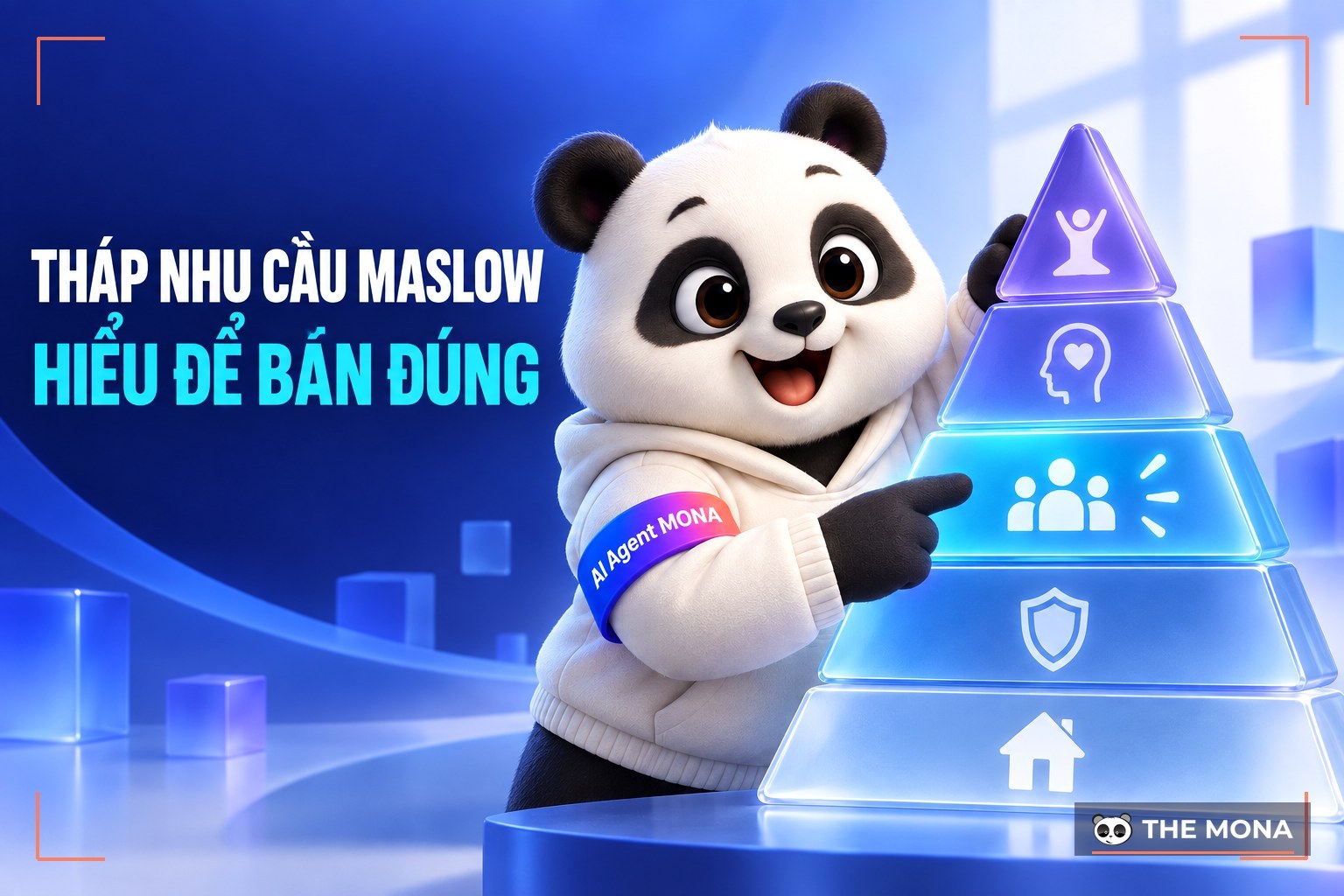
Marketing 5P is made up of elements developed from the theory of Maslow's hierarchy of needs: Purpose (Purpose), Pride (Pride), Partnership (Partners), Protection (Protection), Personalization (Personalization).
This is a marketing model is fairly new, built on Maslow's hierarchy of needs from motivational psychology. According to one survey, as many as 71% of consumers say that promotions and media advertising do not make them want to stay loyal to a brand long term. What makes them truly loyal is a close connection with the brand, and having their needs met and satisfied at each moment.
So a company's marketing team needs to use this marketing communication model to research the insight of the target audience and plan products/services that meet exactly what customers are looking for.
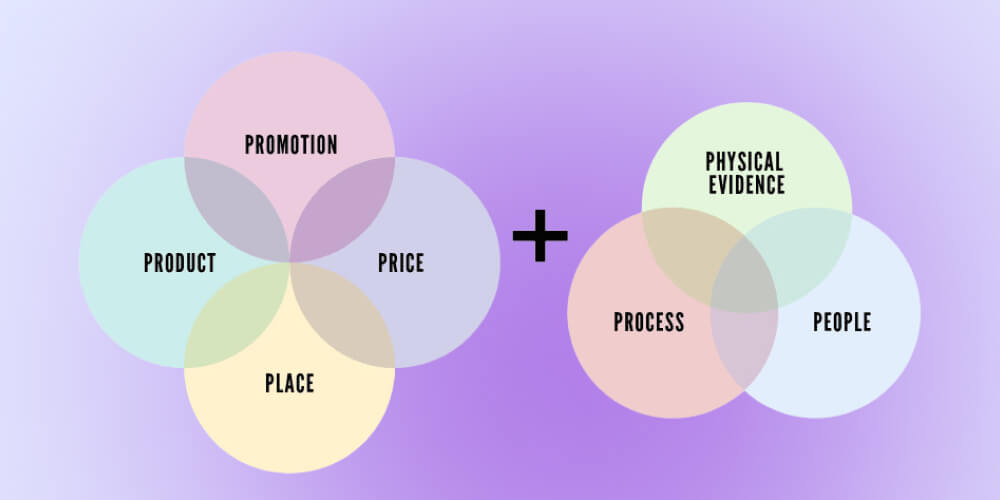
This can be seen as a “mixed” marketing strategy built from the 4P model with 3 added elements. Accordingly, the 7P model in marketing include: Product (Product), Price (price), Place (Place), Process (Process), Promo (Promotion), People (People), Physical Evidence (Physical facilities).
The the 7P digital marketing model, a business needs to combine all the elements smoothly to create positive effects across the buying and selling process. When this form of marketing communication works well, the business builds a full picture that helps optimize its communication strategies, improve customer satisfaction and retain talented employees more effectively.
3C model in marketing is a strategic triangle with 3 elements: Customer (Customer), Competitors (Competitor), Corporation (Corporation). According to Ohmae, who created this type of marketing strategy, these are the 3 basic elements every business must focus on to maintain and build a lasting competitive advantage.
In addition, 3C in online marketing can also stand for: Crisp (Concise), Customer Centric (Customer-centric) and Consistent (Consistent), helping a business create content and deliver messages that fit its customers best.
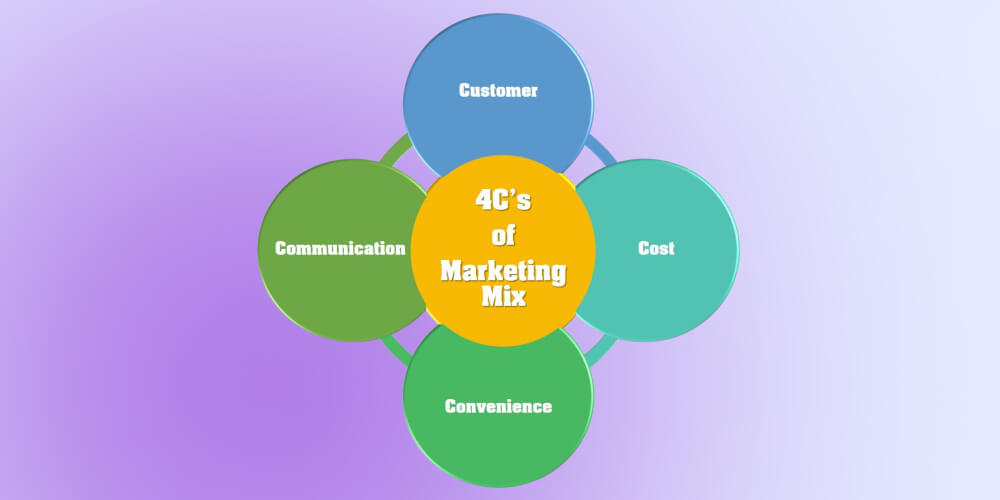
Marketing experts have introduced a new concept of 4C by pairing each C of this type of marketing communication with the Ps, level by level, to improve the results of marketing strategies. Specifically, the levels of P-C will be combined deliberately as follows:
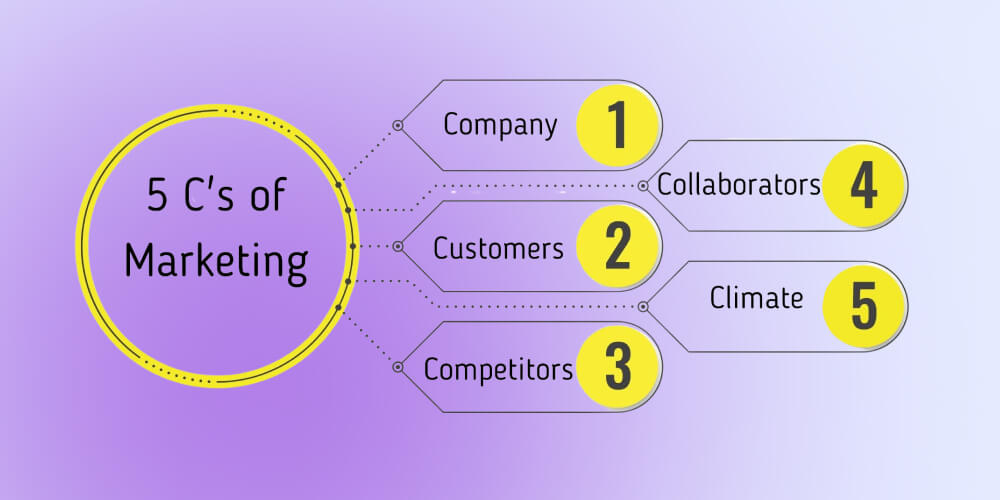
5C model in marketing is mainly used to analyze 5 key areas directly related to a business's marketing strategy, including: Company (Company), Customers (Customer), Competitors (Competitor), Collaborators (Partners), Climate (Business environment).
It is seen as an excellent foundation for research and sound decisions when building and planning future marketing.
In the modern marketing models described above with their specific functions, you can also look at other theoretical or academic frameworks to analyze the challenges that may arise in business.
However, there is another model made specifically for startups just getting going, which marketers usually call the 4S model, made up of:
This is one of the marketing research models that businesses pay a lot of attention to today.
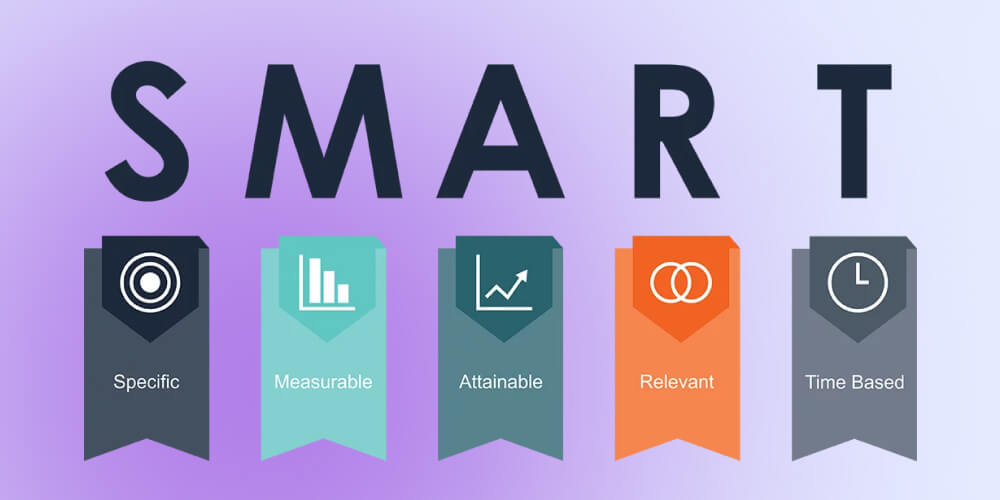
This is one of the best-known marketing models the most effective methods for setting purposeful goals in a business strategy. It is widely used in many fields. Accordingly, the SMART model in marketing acts as an “expert” that lets a business check and filter for itself the methods that work best. It also brings the business several pleasant surprises!
In detail, SMART marketing includes:
9P model is seen as a foundation for organizations worldwide that keep adapting quickly. It helps your business succeed faster and grow better in today's complex, fiercely competitive market. Businesses that handle the challenges set out in the 9P well will improve their results.
The elements of the 9P model in marketing include: People (People), Process (Process), Performance (Performance), Productivity (Productivity), Product (Product), Promotion (Promotion), Pricing (Price), Profitability (Profit), Property (Owned assets).
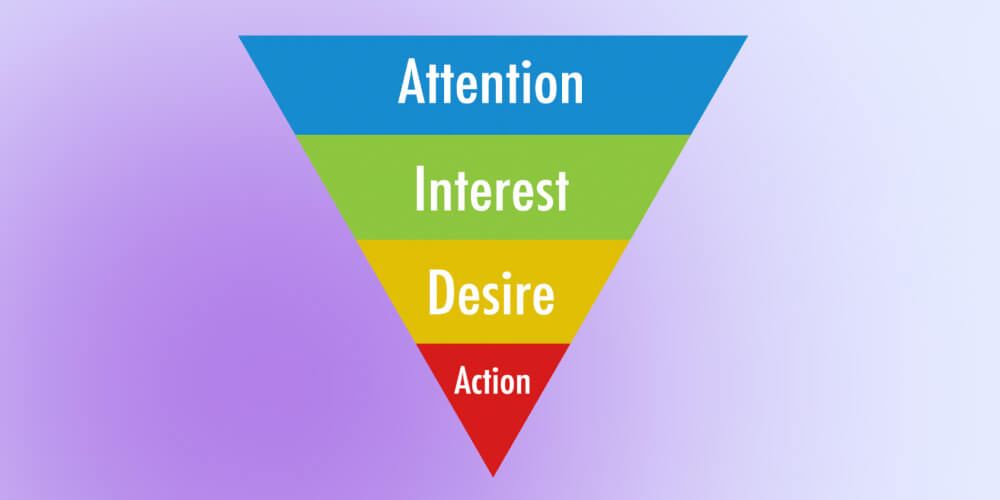
This is a classic marketing communication model that helps businesses succeed by analyzing consumer psychology at each step of the sales process.
AIDA marketing model has 4 elements: Attention, Interest, Desire, Action
Marketing funnel model is a journey of winning customers, with the consumer at the center. From filtering potential customers and promoting the product, to retaining customers and turning them into advocates for the business's service/product, each stage of this model aims at a specific goal.
The process of the marketing funnel model includes these steps:
Since the internet appeared, consumer behavior and the market have changed a lot. Today marketers don't only study traditional marketing; they also need to know how to apply it to model digital marketing, marketing online and to their marketing communication strategies as well.
>> Read more: What is SEM? An overview of SEM online marketing strategy
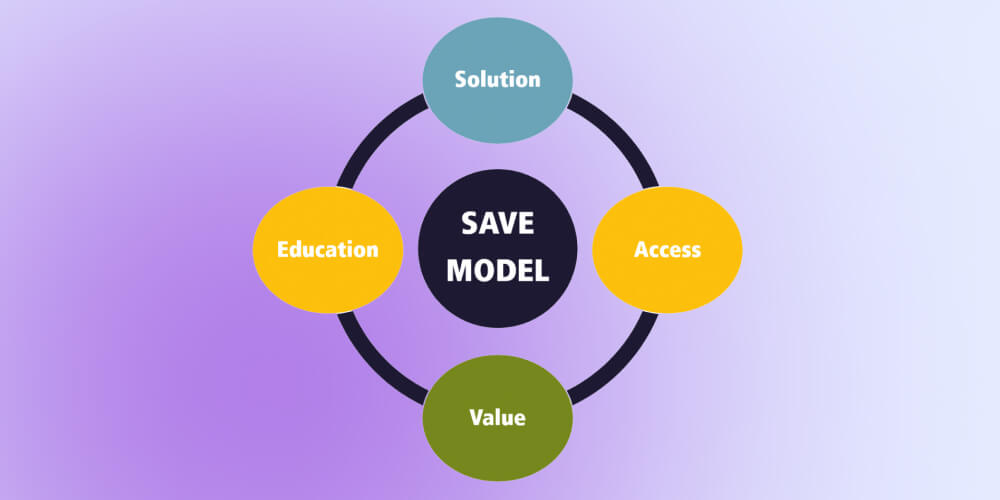
Today, with “a powerful helper” in technology and the rapid growth of the digital era, the SAVE marketing model is becoming more popular. The SAVE communication model was originally rebuilt from the definition of the 4P model and aimed at B2B. On deeper analysis, though, SAVE suits almost every business and is especially well suited to social media.
Specifically, the four key elements of the SAVE model are: Solution (Solution), Access (Access), Value (Value) and Education (Education).
This article rounds up 14 marketing models that deliver the best results for a business. Whichever model you use, don't apply it rigidly; stay flexible and combine it with other approaches depending on the stage you are at. We hope what MONA Media has shared is useful to your business.

CEO & Founder · The MONA
The founder of The MONA built a service company of 60+ staff with 14,000+ projects delivered. Khánh Hùng shares his thinking on building self-running systems, automating a business, and the real lessons behind MONA's projects.
 1,6K




Professional website
design services
Own a website with a beautiful, 100% exclusive design and a lifetime warranty, with the ability
to expand features flexibly as your business grows, starting today!






 MONA will never sell your information or send you spam


 MONA will never sell your information or send you spam
