
 MONA OS 2.0
 Partner with MONA


 Tự động hoá doanh nghiệp
 Cẩm nang SEO
 Digital Marketing
 Kinh nghiệm thiết kế website
 Hạ Tầng Server
 Giáo dục


 VI
 EN














Message us on
Zalo Official


 ProductsNew

 ProductsProducts
 Mới ra mắtKHA AI 2027App tự edit video, tự đăng mọi mạng xã hội, 2 phút mỗi ngày










 Website designLooks good and wins customers over.
SEO servicesBrings in customers searching for exactly what you sell.
 Tư vấn digital marketingKéo khách từ nhiều kênh, đo bằng số thật.
Corporate video productionVideos introducing your company, factory and team.
 NewAI video productionCompany story films made with AI.
 Custom software developmentCRM, ERP and HRM built for your business.
 Viết AI Agent theo yêu cầuĐặt riêng một trợ lý AI cho đúng việc của mình.
 Tư vấn chuyển đổi AIĐưa AI vào vận hành của cả công ty.
NewMONA LMSManagement for centers and schools.
MONA SkillHubInternal training for company staff.
 NHTQ systemEnd-to-end China–Vietnam shipping operations.
MONA JMSManagement for gold, diamond and pawn shops.
 MONA E-LearningA website with every feature you need to sell courses.
 How to sell online courses (course)More than 30 free lessons on selling courses on autopilot.
 MONA Cloudmonacloud.vnServers to get your apps and websites running.
 MONA Basemonabase.vnPostgres database, sign-in and file storage.
 MONA Mailmonamail.vnSend OTP, order and invoice emails from your software.
 MONA Paymonapay.vnAccept bank transfers via VietQR and notify your software when the money arrives.
 MONA eInvoiceComing soonIssue e-invoices that meet tax standards.
Gấu CườiTrả lời khách 24/7 trên web, Fanpage, Zalo và thu lead cho sale.
 Gấu TeleSalesGọi điện tư vấn, chăm khách như tổng đài viên thật.
Dê CườiTư vấn và chốt đơn cho shop ngay trong khung chat.
Gấu WebmasterNhắn nhóm Zalo là website được sửa xong.
 Gấu Pháp ChếSoạn hợp đồng, rà điều khoản trong vài phút.
 Gấu Báo GiáLên báo giá đúng mẫu và gửi khách ngay.
 AI chăm sóc khách hàngTheo dõi và giữ chân khách hàng cũ.
 Gấu Tuyển DụngLọc hồ sơ, hẹn lịch, phỏng vấn ứng viên.
 Mới ra mắt
KHA AI 2027
Xây kênh chuyên gia 2 phút mỗi ngày
Quay bằng điện thoại, AI tự edit video, tự đăng lên 16 nền tảng và tự trả lời bình luận, tin nhắn.
884.102lượt xem trên kênh CEO MONA sau 36 ngày
 Anh Khánh HùngCEO MONA đang dùng mỗi ngày
Xem app làm được gì
 AI
Gấu Cười MONA ĐANG TỰ XÀITrả lời khách 24/7 trên website, Zalo OA, Messenger và thu lead về cho sale.
Dê CườiChốt đơn bán lẻ và sàn: Shopee, TikTok Shop, web. Chăm cả khách sỉ, đại lý.
Gấu WebmasterCập nhật nội dung, tối ưu SEO website mỗi ngày.
Gấu TeleSalesGọi điện tư vấn, chăm khách như tổng đài viên thật.
Gấu Tuyển DụngLọc hồ sơ, hẹn lịch, phỏng vấn ứng viên tự động.
AI chăm sóc khách hàngGiữ khách cũ, cứu lead đã rớt cho phòng kinh doanh.
Gấu Pháp ChếSoạn hợp đồng, rà điều khoản trong vài phút.
Gấu Báo GiáLên báo giá đúng mẫu, gửi khách ngay khi có yêu cầu.
 Chuyển đổi AI toàn phầnGiải pháp tổng cho doanh nghiệp, 3 lớp triển khai.
 Viết AI Agent theo yêu cầuĐặt riêng một con AI gánh đúng nghiệp vụ của bạn.
 Custom softwareCRM, ERP and HRM with built-in AI automation.
 SEO & AEO thời đại AIĐược Google lẫn AI trích dẫn, không chỉ xếp hạng.
 Kiến thức AI cho doanh nghiệpBài phân tích, hướng dẫn ứng dụng AI vào vận hành.
 Free AI courses
 AI tools at work
App mới · KHA AI 2027
Xây kênh 2 phút mỗi ngày
AI tự edit video, tự đăng mọi mạng xã hội
Free consultation, 8am–10pm every day




Book a FREE demo
11 December, 2023
The 4.0 technology era is a new era for all of humanity, marking progress in every area. The shift of the 4.0 era connects the physical and the digital, making it easy for people to control data and ready to lead a civilized society. So what is 4.0 technology? What does the fourth industrial revolution include, and what are the opportunities and challenges of 4.0? Let's MONA Media find out in the article below!
4.0 technology has been developing in most countries around the world and is widely used across many industries. Before the 4.0 era there were the 1.0 to 3.0 technology revolutions. So what is 4.0?
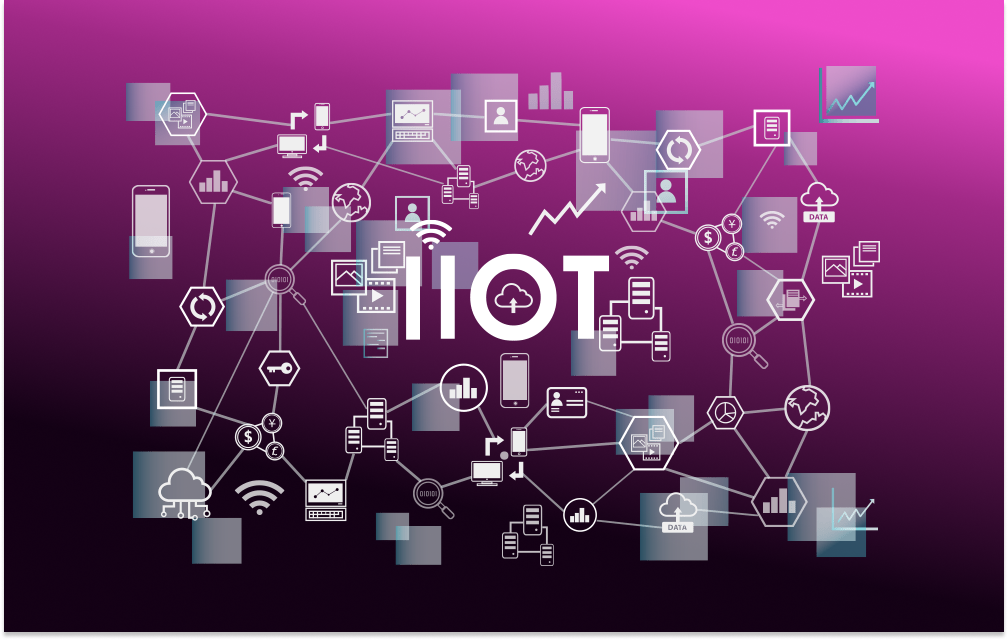
4.0 is a technology revolution that applies modern technology to improve service quality, run machines and bring the greatest benefit to people in every field. Industry 4.0 is also called smart manufacturing or IIoT (Industrial Internet of Things), combining real production and operations with digital technology, automation, machine learning, big data and more.
According to Klaus Schwab, chairman of the World Economic Forum, the Fourth Industrial Revolution builds on the three earlier revolutions. It combines technologies and blurs the lines between the physical, digital and biological worlds to create a leap in automation, machine learning and data.
The 4.0 era is the most advanced era in human history so far. In this new era, cyberspace and technology systems are linked together to form a digital age that connects everything through the internet.
So what are the features of the 4.0 era?
Most importantly, 4.0 technology suits young people. The 4.0 era will help Gen Z broaden their thinking and creativity, speed up their work and get better results.
Below are the four revolutions from Industry 1.0 to Industry 4.0 that the world has been through, which will help you understand why and how the fourth industrial revolution came about.
The first industrial revolution took place from 1700 to the early 1800s. In this period people moved from manual labor to metallurgy and began to use steam-powered engines.
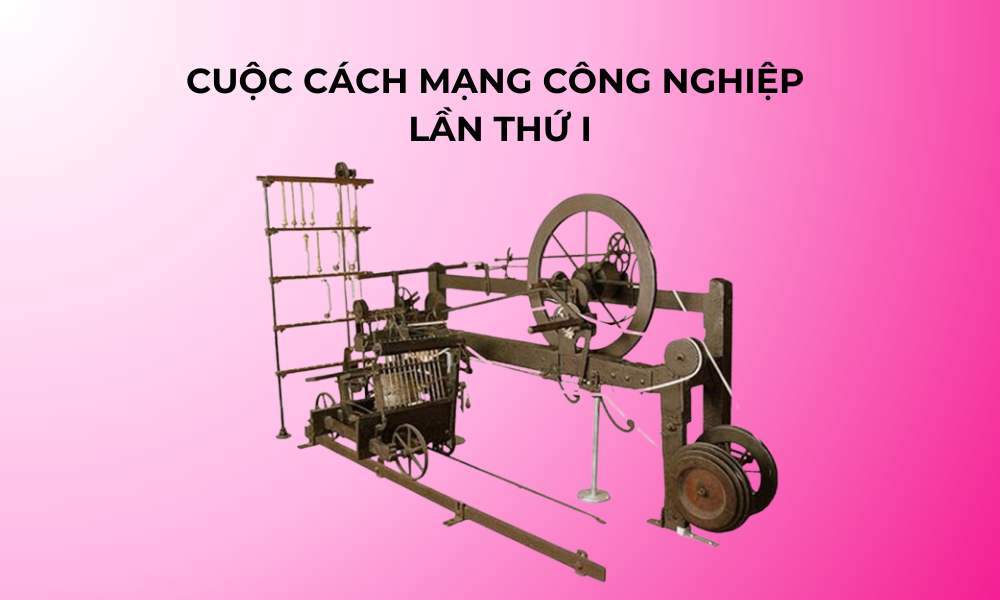
In the 1.0 technology era, humanity made huge leaps compared with before and achieved results such as:
The second industrial revolution began in the 1870s. This was around the time of the first world war, when industrial powers such as Britain, Germany and the United States rushed to invent new engineering and technology.
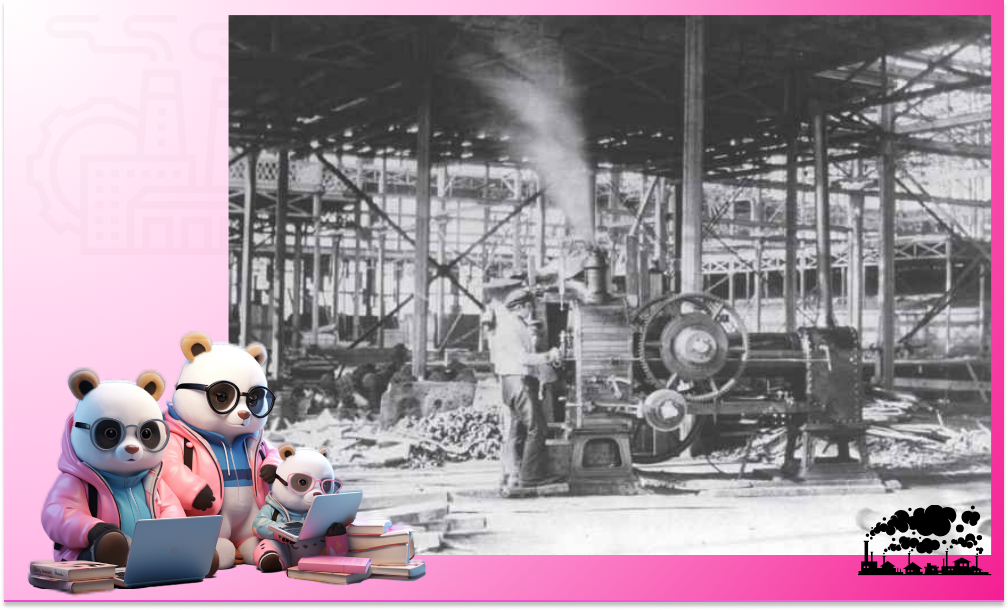
The 2.0 revolution opened a new era of electrical and mechanical infrastructure and a gradual move toward automation. Large-scale production lines were born. The world gained many great inventions in cars, airplanes and telephones, along with incandescent bulbs, steam turbines and more. This progress drove strong growth in transport, electric power and steel production.
The third industrial revolution built on 2.0 technology and began around 1950, lasting until the late 1970s. The Digital Revolution was born in this period and lifted human technology and civilization to more modern electrical, electronic and mechanical technologies.
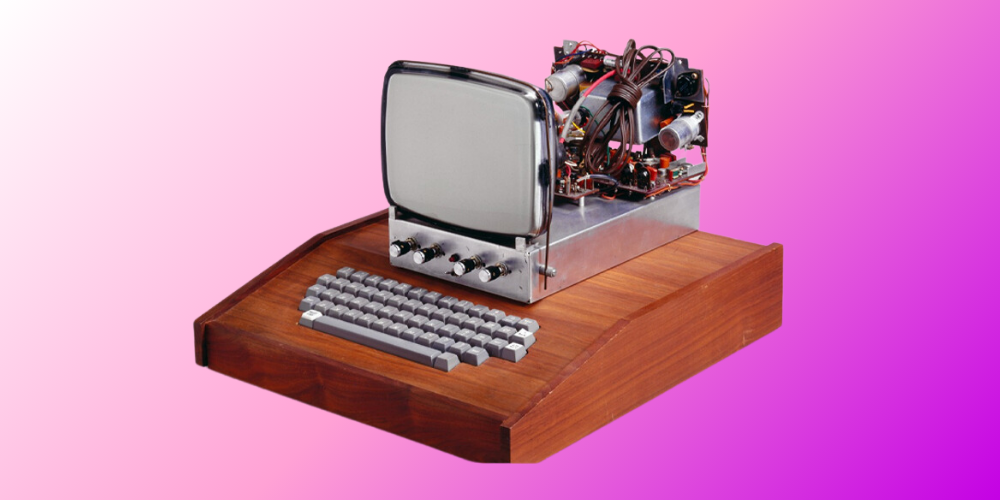
Under the influence of the digital era, the information age grew strongly, and many machines and data storage facilities appeared. This was a major leap with the arrival of the internet, computers and microprocessors.
This progress made machines run more flexibly and sped up control and processing. The 3.0 era also set the stage for the fourth technology breakthrough, the 4.0 era. So what is the 4.0 revolution?
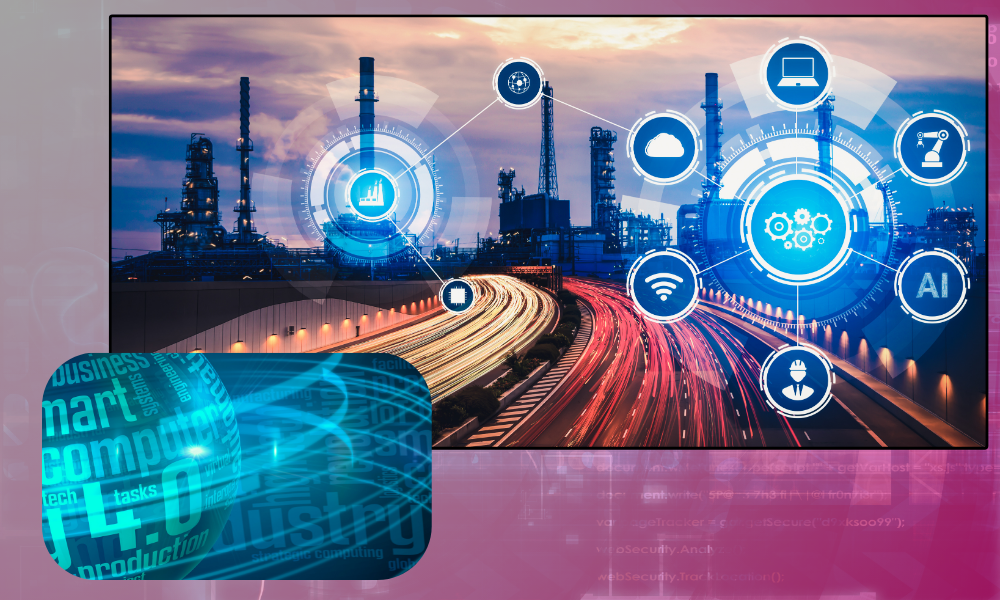
The fourth industrial revolution (also known as Industry 4.0, Industry 4.0, the 4.0 era) is the industrial revolution that brings the Internet of Things (IoT) into every field. This revolution makes it easy for businesses and operators to access data in real time to run all operations.
Over the digital technology era technologies such as AI, big data, cloud computing and 3D technologies have grown strongly so that manufacturing, medicine, space research, aviation and other fields can drive growth and run and control work as precisely as possible.
To find out whether your business is right for investing in 4.0 technology, first answer whether it fits the cases listed below. If you tick most of them, don't hesitate: start choosing a suitable Industry 4.0 solution provider and assigning people to roll it out.
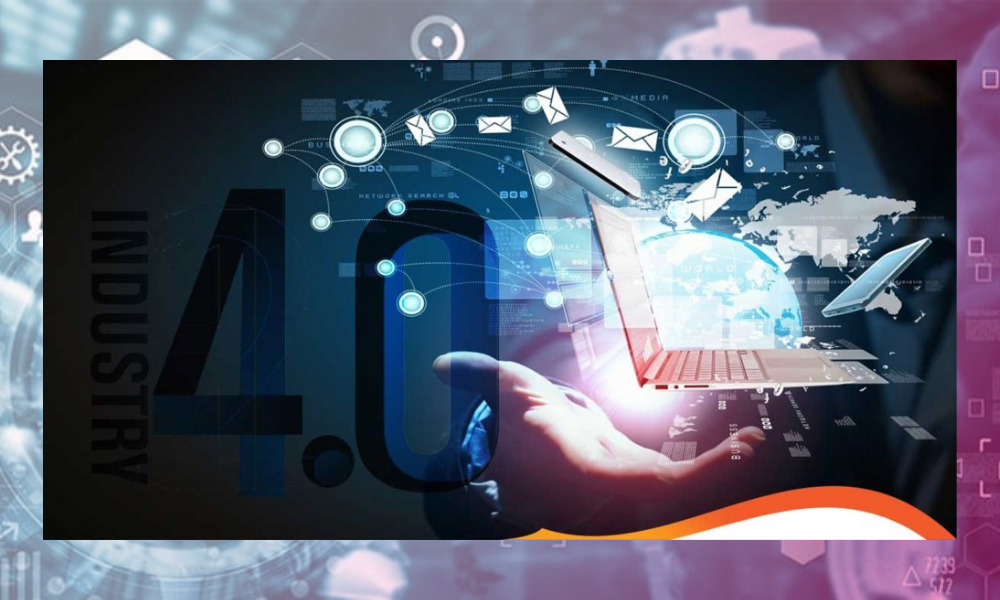
And in general, Industry 4.0 is now used in many fields, such as education, smart homes, smart cars, IIoT, retail systems, online services, healthcare, economics, finance and more.
* In education specifically:
Using modern 4.0 technologies such as AI in teaching, game-based learning, virtual reality (VR), augmented reality (AR) and more in your teaching methods to create fun and effective learning experiences.
|
The arrival of quality education software helps optimize every management task at training organizations today. One digital education solution that many education providers rate highly is MONA LMS – this is an center management app developed by MONA Software (a company with over 8+ years of experience in product development). Using MONA LMS software helps your organization:
And countless other useful features, whose value you only see when you try the product. Already more than 180+ education providers have chosen to use MONA LMS software. What about you? CONTACT US Contact MONA by Hotline: 1900 636 648 or by email: info@themona.global for detailed advice on the right package! 
|
What is Industry 4.0? It's fair to say that the 4.0 revolution opens a completely new era for both people and machines. Product life cycles, supply chains, sales, warehouse programming and more all need the Industry 4.0 model.

Digital technology will help businesses improve how machines operate, optimize the human resources function, and compile and analyze databases in the best possible way. Thanks to 4.0 technology, businesses get more professional workflows to compete fairly with others in the same field.
In the digital era, with Industry 4.0 moving as fast as it does today, any business that doesn't adopt modern 4.0 technology will be left behind.
Young workers are gradually replacing earlier generations. Businesses that adopt more Industry 4.0 will attract young candidates to apply. Modern 4.0 industry will keep new workers and help the business grow more sustainably.

Managing data the traditional way makes it hard to sync, data gets lost, and work across departments stays disconnected. With 4.0 technology solutions, data is updated, stored and run in real time.
Departments no longer struggle to connect data and have more ways to communicate and assign permissions to control the system more logically and systematically.
Applying the Internet of Things (IoT), big data and cloud computing in the fourth industrial revolution has helped businesses handle large volumes of data, run tests and analyze hidden risks to solve every problem quickly.

When 4.0 technology is part of the production process and supply chain, from the production line to delivering products to market, it helps cut a lot of general labor costs, drive business growth and get goods to users faster.
-> See also: Benefits of applying technology in education
So what is the challenge of the 4.0 era? What difficulties will businesses face in the early period of bringing the fourth industrial revolution into their operating systems?
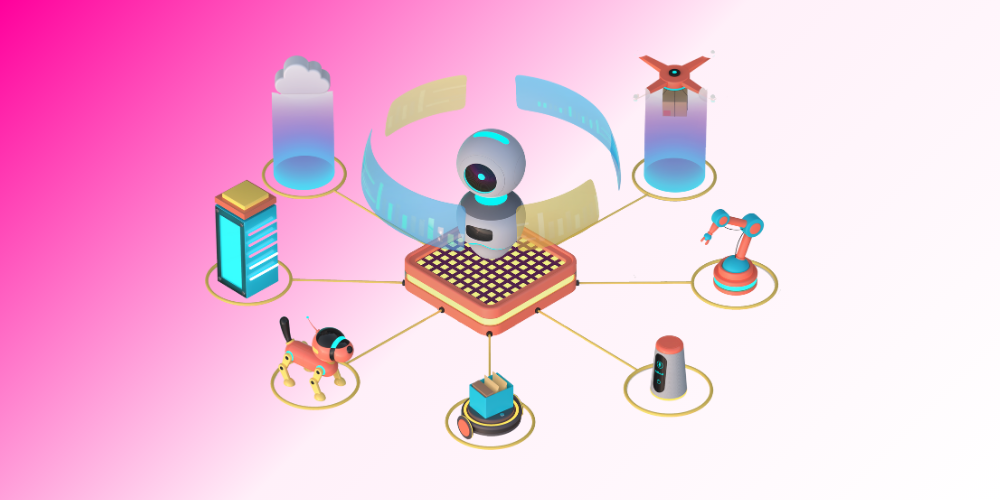
Businesses need to weigh the challenges they will face when bringing the Industry 4.0 mechanism into their management and operating systems. For example:
A business needs operating infrastructure compatible with Industry 4.0. Machines must connect to remote control, the Internet of Things (IoT), big data and more. In addition, the business needs some highly skilled workers who understand and can run modern machinery.
The cost of investing in production and operating systems suited to 4.0 technology is quite large. So a business needs to plan every detail and pick the modern technology solution that best fits its budget. It also needs measures to protect company and customer information.
What are the 3 main pillars of 4.0 technology?
The main pillars of the Industry 4.0 revolution include:
Is my business data safe?
Most quality Industry 4.0 platforms guarantee information security. With MONA LMS you can rest easy, because we always put this first when developing our product.
In particular, MONA LMS software has modern security technology and ways to handle cyberattacks in time.
Information about what is 4.0 technology, and the opportunities the Industry 4.0 revolution brings to businesses, has been shared in detail by MONA in the article above. We hope it gives you useful information so you can find timely solutions to grow your business to the best results.
->You might also be interested in: Challenges and risks of digital transformation in education

CEO & Founder · The MONA
Founder of The MONA, who built a services company of 60+ staff with 14,000+ projects delivered. Khánh Hùng shares how he thinks about building systems that run themselves, automating a business, and the real lessons from delivering projects at MONA.
 1,7K



Professional website
design services
Own a website with a beautiful, 100% exclusive design and a lifetime warranty, with the ability
to expand features flexibly as your business grows, starting today!






 MONA will never sell your information or send you spam


 MONA will never sell your information or send you spam
