
 MONA OS 2.0
 Partner with MONA


 Tự động hoá doanh nghiệp
 Cẩm nang SEO
 Digital Marketing
 Kinh nghiệm thiết kế website
 Hạ Tầng Server
 Giáo dục


 VI
 EN










Message us on
Zalo Official


 ProductsNew

 ProductsProducts
 Mới ra mắtKHA AI 2027App tự edit video, tự đăng mọi mạng xã hội, 2 phút mỗi ngày










 Website designLooks good and wins customers over.
SEO servicesBrings in customers searching for exactly what you sell.
 Tư vấn digital marketingKéo khách từ nhiều kênh, đo bằng số thật.
Corporate video productionVideos introducing your company, factory and team.
 NewAI video productionCompany story films made with AI.
 Custom software developmentCRM, ERP and HRM built for your business.
 Viết AI Agent theo yêu cầuĐặt riêng một trợ lý AI cho đúng việc của mình.
 Tư vấn chuyển đổi AIĐưa AI vào vận hành của cả công ty.
NewMONA LMSManagement for centers and schools.
MONA SkillHubInternal training for company staff.
 NHTQ systemEnd-to-end China–Vietnam shipping operations.
MONA JMSManagement for gold, diamond and pawn shops.
 MONA E-LearningA website with every feature you need to sell courses.
 How to sell online courses (course)More than 30 free lessons on selling courses on autopilot.
 MONA Cloudmonacloud.vnServers to get your apps and websites running.
 MONA Basemonabase.vnPostgres database, sign-in and file storage.
 MONA Mailmonamail.vnSend OTP, order and invoice emails from your software.
 MONA Paymonapay.vnAccept bank transfers via VietQR and notify your software when the money arrives.
 MONA eInvoiceComing soonIssue e-invoices that meet tax standards.
Gấu CườiTrả lời khách 24/7 trên web, Fanpage, Zalo và thu lead cho sale.
 Gấu TeleSalesGọi điện tư vấn, chăm khách như tổng đài viên thật.
Dê CườiTư vấn và chốt đơn cho shop ngay trong khung chat.
Gấu WebmasterNhắn nhóm Zalo là website được sửa xong.
 Gấu Pháp ChếSoạn hợp đồng, rà điều khoản trong vài phút.
 Gấu Báo GiáLên báo giá đúng mẫu và gửi khách ngay.
 AI chăm sóc khách hàngTheo dõi và giữ chân khách hàng cũ.
 Gấu Tuyển DụngLọc hồ sơ, hẹn lịch, phỏng vấn ứng viên.
 Mới ra mắt
KHA AI 2027
Xây kênh chuyên gia 2 phút mỗi ngày
Quay bằng điện thoại, AI tự edit video, tự đăng lên 16 nền tảng và tự trả lời bình luận, tin nhắn.
848.922lượt xem trên kênh CEO MONA sau 29 ngày
 Anh Khánh HùngCEO MONA đang dùng mỗi ngày
Xem app làm được gì
 AI
Gấu Cười MONA ĐANG TỰ XÀITrả lời khách 24/7 trên website, Zalo OA, Messenger và thu lead về cho sale.
Dê CườiChốt đơn bán lẻ và sàn: Shopee, TikTok Shop, web. Chăm cả khách sỉ, đại lý.
Gấu WebmasterCập nhật nội dung, tối ưu SEO website mỗi ngày.
Gấu TeleSalesGọi điện tư vấn, chăm khách như tổng đài viên thật.
Gấu Tuyển DụngLọc hồ sơ, hẹn lịch, phỏng vấn ứng viên tự động.
AI chăm sóc khách hàngGiữ khách cũ, cứu lead đã rớt cho phòng kinh doanh.
Gấu Pháp ChếSoạn hợp đồng, rà điều khoản trong vài phút.
Gấu Báo GiáLên báo giá đúng mẫu, gửi khách ngay khi có yêu cầu.
 Chuyển đổi AI toàn phầnGiải pháp tổng cho doanh nghiệp, 3 lớp triển khai.
 Viết AI Agent theo yêu cầuĐặt riêng một con AI gánh đúng nghiệp vụ của bạn.
 Custom softwareCRM, ERP and HRM with built-in AI automation.
 SEO & AEO thời đại AIĐược Google lẫn AI trích dẫn, không chỉ xếp hạng.
 Kiến thức AI cho doanh nghiệpBài phân tích, hướng dẫn ứng dụng AI vào vận hành.
 Free AI courses
 AI tools at work
App mới · KHA AI 2027
Xây kênh 2 phút mỗi ngày
AI tự edit video, tự đăng mọi mạng xã hội
Free consultation, 8am–10pm every day

18 March, 2023
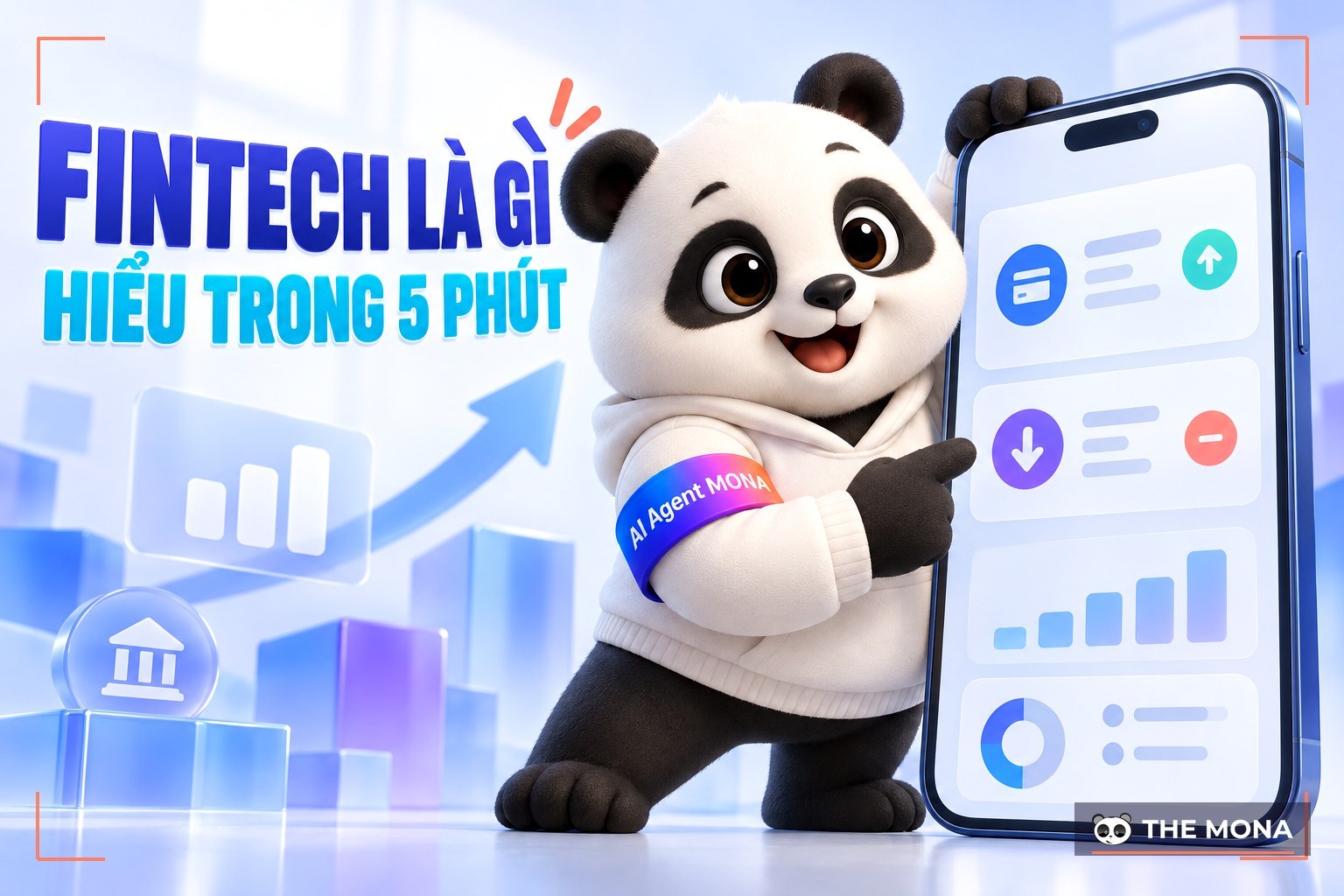
Fintech has become a prominent topic, even a very familiar one, especially in conversations among people in IT lately. If you are interested in technology, even without being passionate about it, you have probably heard the term "fintech" at least once.
You may wonder about the concept of fintech What does it mean? Why did fintech boom, and how does that affect society? In this article, let Mona Media answer those questions as clearly and simply as possible.
Information technology and the internet keep advancing at a remarkable pace, and they have reached almost every region of the world and every corner of social life.
Of course, a modern economic sector like finance and banking is not left out. Applications of information technology are like new waves that are reshaping the whole model of how financial services have been delivered and run for hundreds of years.
And The term fintech was born from those very waves.
Since the wave of startups focused on financial technology rose after the 2008 crisis, fintech has become the face of the digital revolution, rumored to be able to completely change how the banking industry does business.
Some statistics show that global investment in fintech was only around 4 billion USD in 2013, climbed to 20 billion USD by 2016, and was expected to reach 120 billion USD by 2020. That shows the huge potential of this field, but it also comes with a number of new problems.
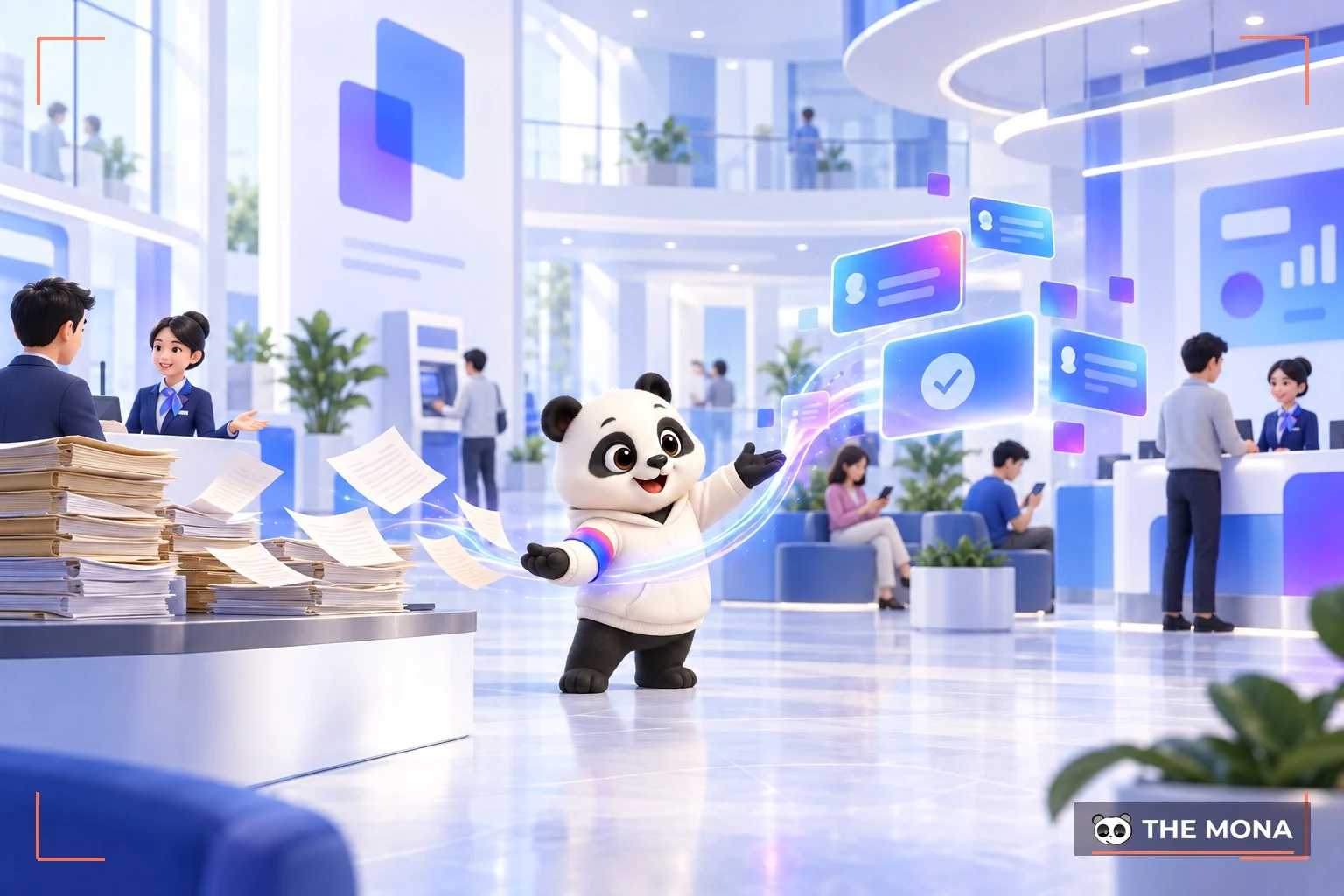
Fintech is rumored to be set to completely change how the banking industry does business.
Fintech is a combination of Finance (money, finance) and Technology, in plain words, financial technology. Put simply, fintech means using technological innovation in financial activities and services. Fintech does not grow out of existing monetary systems. It marks the arrival of IT inside those systems.
→ So if a financial company starts applying technology to its operations, is that fintech?
No. That is called applying IT in a financial company, and it cannot be called fintech.
Fintech is used in the opposite case: an IT company deploys a service in money or finance.
Example:
When Vietcombank launched its mobile phone appthat lets customers do mobile banking, it is not called Fintech.
MONA Media bringing new data security technology into the e-wallet services of some banks, to offer convenient and safe services to users, that is fintech.
Fintech today serves every company that uses the internet, mobile phones, open-source software, technology cloud solutions or cryptocurrencies such as Bitcoin, with the aim of making transactions simple and convenient and improving the efficiency of banking and investment activities.
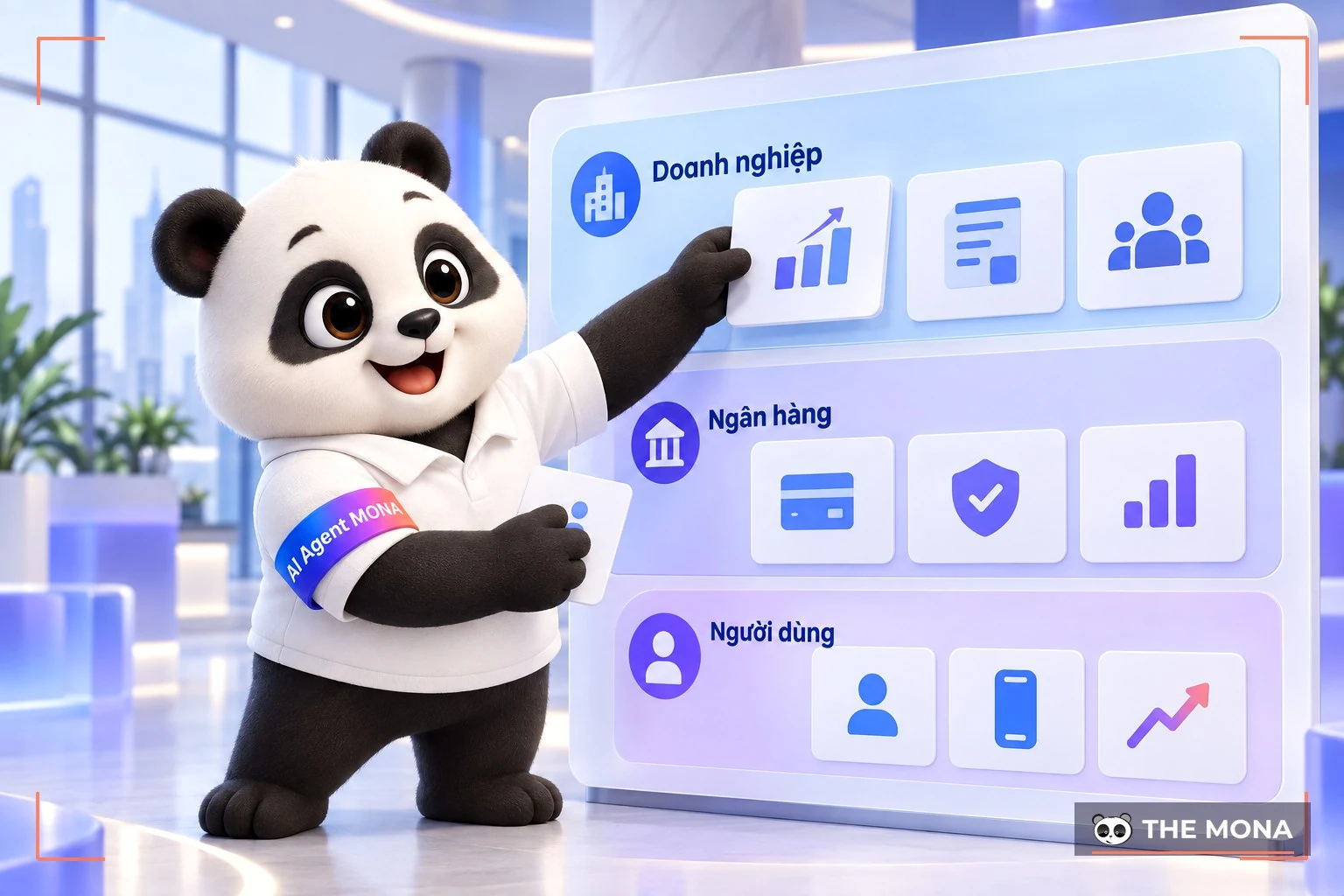
What does the term fintech actually mean?
A traditional financial market has 2 parties: financial institutions (banks, investment firms, insurers, securities firms, finance companies and so on) and customers.
In fintech there are 3 parties, each affecting the others:
These are independent companies working in information technology, offering new products and services in finance.
The customers of fintech companies can be end users, and can also be financial institutions.
These are important entities in the financial sector.
Institutions are cooperating ever more closely with fintech companies, because they see how important technology is. They also invest directly in fintech companies or in research, so they stay on top of new technology and take the market.
Customers here are people who use financial products and services in general.
With these new technologies, customers are the ones who benefit most from the competition among financial institutions, companies, and the conveniences new technology can bring.
By who uses them, fintech products fall into 2 different groups:
Products for consumers, digital tools and other technology. The aim is to improve how individuals borrow, manage money and fund startups.
Back-office technology products. This group supports the operations of financial institutions and of fintech companies themselves.
In practice, beyond ordinary services like lending, money transfers and payments, fintech offers a much wider range of services, for example:
Peer-to-peer lending
Crowdfunding
Personal finance advice
Data management
Insurance technology (insurtech)
Digital currency (crypto blockchain)
V,v,…

Fintech products are very diverse and cover many services.
The biggest impact is on banking services. You can see it clearly in the strong growth in recent years of social media, digital banks, mobile banking, tablet banking, internet sales channels and more.
As this trend spreads, it poses no small challenge to traditional financial services by gradually reducing the role of branches. At the same time, competition in modern financial technology among financial institutions will become fiercer.
Big Data helps analyze customer behavior and lets financial institutions collect data from outside and inside the company. This cuts costs, supports decision-making, and improves service quality and customer satisfaction.
The clearest sign is that banks have stayed completely out of the Bitcoin virtual currency business, a new monetary system growing larger worldwide.
Technology is predicted to replace a large number of staff at financial institutions, insurers, securities firms and banks. In their place, demand grows for highly skilled people who are strong in both information technology and financial expertise.
Fintech is so active because it can reshape the financial industry while strongly affecting the factors considered most important in that industry.
Today, companies lend on the P2P model, which connects lenders and borrowers directly over the internet. It has proven effective, cutting the time to approve loans at traditional banks from weeks to a few hours.
At the same time, many big players in the financial market are testing virtual currencies such as Bitcoin, Ethereum and Ripple in pay online to replace traditional payment methods and assets.

Fintech has a big impact on finance and banking.
Some people doubt that fintech can replace the role of traditional banks because of certain limitations, such as:
Low-income households cannot access banking services.
The ups and downs of fintech company stocks make many people question their stability and the risks of fintech is entirely a possible scenario.
Although fintech offers many kinds of financial services, too much convenience may leave some customers without a real understanding of their own rights and obligations.
Many issues about the safety and accuracy of fintech financial systems still need to be tightened and secured.
Even so, up to now this is still considered a safe and reputable financial field, not only in Vietnam's financial market but around the world.
Fintech also has certain risks and limitations.
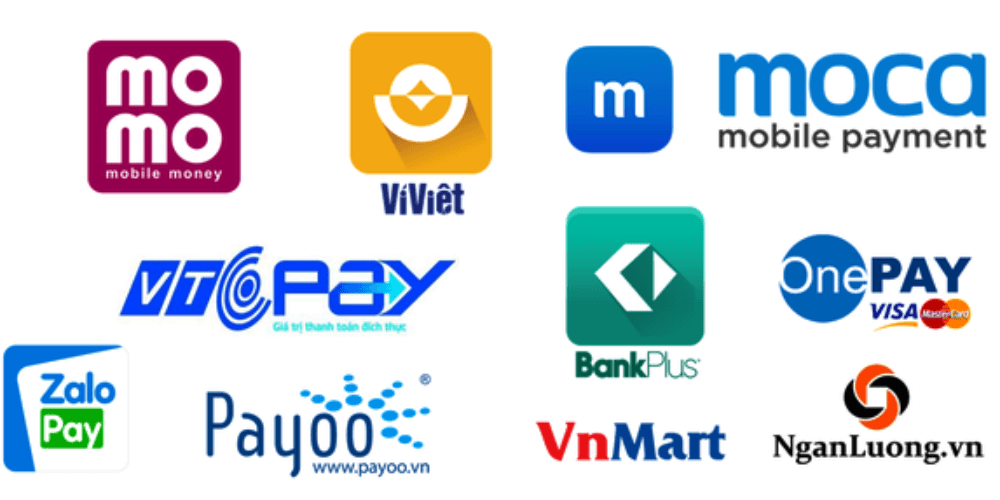

Because fintech has such a strong impact on finance, it is bound to become a major threat to traditional banks.
In addition, the fintech companies are also gaining the upper hand in the race for market share. Faced with these disadvantages, if traditional finance and banking do not keep up with the trend, they will surely be left far behind by fintech in the near future.
Worldwide, in 2016 alone venture capital firms put more than 17 billion USD into startups, 6 times the figure for the same period in 2012.
In Singapore alone there are already more than 100 startups working in the fintech field.
And it is not Silicon Valley in the US but China that is the hotspot for fintech investment, with Southeast Asia expected to be the next hotspot in 2019.
Only a small share of fintech companies have gone public so far, so investors expect a wave of M&A as banks compete to find technology they can use, while startups reach maturity. It is not hard to see that fintech will be one of the hottest investment fields in the global market in the coming years.

Fintech is a big bet by investors, but also a worry for big banks.
Fintech Although it is a field with some concerns, those concerns are in reality minor. Fintech is still a strongly growing financial technology, and the knowledge that Mona Media has provided in this article should be worth having if you are genuinely interested in the topic. We hope to bring you the most useful and necessary information about the new concept of fintech. Good luck!
')}
CEO & Founder · The MONA
The founder of The MONA built a service company of 60+ staff with 14,000+ projects delivered. Khánh Hùng shares his thinking on building self-running systems, automating a business, and the real lessons behind MONA's projects.
 219




Professional website
design services
Own a website with a beautiful, 100% exclusive design and a lifetime warranty, with the ability
to expand features flexibly as your business grows, starting today!






 MONA will never sell your information or send you spam


 MONA will never sell your information or send you spam
