
 MONA OS 2.0
 Partner with MONA


 Tự động hoá doanh nghiệp
 Cẩm nang SEO
 Digital Marketing
 Kinh nghiệm thiết kế website
 Hạ Tầng Server
 Giáo dục


 VI
 EN












Message us on
Zalo Official


 ProductsNew

 ProductsProducts
 Mới ra mắtKHA AI 2027App tự edit video, tự đăng mọi mạng xã hội, 2 phút mỗi ngày










 Website designLooks good and wins customers over.
SEO servicesBrings in customers searching for exactly what you sell.
 Tư vấn digital marketingKéo khách từ nhiều kênh, đo bằng số thật.
Corporate video productionVideos introducing your company, factory and team.
 NewAI video productionCompany story films made with AI.
 Custom software developmentCRM, ERP and HRM built for your business.
 Viết AI Agent theo yêu cầuĐặt riêng một trợ lý AI cho đúng việc của mình.
 Tư vấn chuyển đổi AIĐưa AI vào vận hành của cả công ty.
NewMONA LMSManagement for centers and schools.
MONA SkillHubInternal training for company staff.
 NHTQ systemEnd-to-end China–Vietnam shipping operations.
MONA JMSManagement for gold, diamond and pawn shops.
 MONA E-LearningA website with every feature you need to sell courses.
 How to sell online courses (course)More than 30 free lessons on selling courses on autopilot.
 MONA Cloudmonacloud.vnServers to get your apps and websites running.
 MONA Basemonabase.vnPostgres database, sign-in and file storage.
 MONA Mailmonamail.vnSend OTP, order and invoice emails from your software.
 MONA Paymonapay.vnAccept bank transfers via VietQR and notify your software when the money arrives.
 MONA eInvoiceComing soonIssue e-invoices that meet tax standards.
Gấu CườiTrả lời khách 24/7 trên web, Fanpage, Zalo và thu lead cho sale.
 Gấu TeleSalesGọi điện tư vấn, chăm khách như tổng đài viên thật.
Dê CườiTư vấn và chốt đơn cho shop ngay trong khung chat.
Gấu WebmasterNhắn nhóm Zalo là website được sửa xong.
 Gấu Pháp ChếSoạn hợp đồng, rà điều khoản trong vài phút.
 Gấu Báo GiáLên báo giá đúng mẫu và gửi khách ngay.
 AI chăm sóc khách hàngTheo dõi và giữ chân khách hàng cũ.
 Gấu Tuyển DụngLọc hồ sơ, hẹn lịch, phỏng vấn ứng viên.
 Mới ra mắt
KHA AI 2027
Xây kênh chuyên gia 2 phút mỗi ngày
Quay bằng điện thoại, AI tự edit video, tự đăng lên 16 nền tảng và tự trả lời bình luận, tin nhắn.
562.273lượt xem trên kênh CEO MONA sau 25 ngày
 Anh Khánh HùngCEO MONA đang dùng mỗi ngày
Xem app làm được gì
 AI
Gấu Cười MONA ĐANG TỰ XÀITrả lời khách 24/7 trên website, Zalo OA, Messenger và thu lead về cho sale.
Dê CườiChốt đơn bán lẻ và sàn: Shopee, TikTok Shop, web. Chăm cả khách sỉ, đại lý.
Gấu WebmasterCập nhật nội dung, tối ưu SEO website mỗi ngày.
Gấu TeleSalesGọi điện tư vấn, chăm khách như tổng đài viên thật.
Gấu Tuyển DụngLọc hồ sơ, hẹn lịch, phỏng vấn ứng viên tự động.
AI chăm sóc khách hàngGiữ khách cũ, cứu lead đã rớt cho phòng kinh doanh.
Gấu Pháp ChếSoạn hợp đồng, rà điều khoản trong vài phút.
Gấu Báo GiáLên báo giá đúng mẫu, gửi khách ngay khi có yêu cầu.
 Chuyển đổi AI toàn phầnGiải pháp tổng cho doanh nghiệp, 3 lớp triển khai.
 Viết AI Agent theo yêu cầuĐặt riêng một con AI gánh đúng nghiệp vụ của bạn.
 Custom softwareCRM, ERP and HRM with built-in AI automation.
 SEO & AEO thời đại AIĐược Google lẫn AI trích dẫn, không chỉ xếp hạng.
 Kiến thức AI cho doanh nghiệpBài phân tích, hướng dẫn ứng dụng AI vào vận hành.
 Free AI courses
 AI tools at work
App mới · KHA AI 2027
Xây kênh 2 phút mỗi ngày
AI tự edit video, tự đăng mọi mạng xã hội
Free consultation, 8am–10pm every day

18 March, 2023
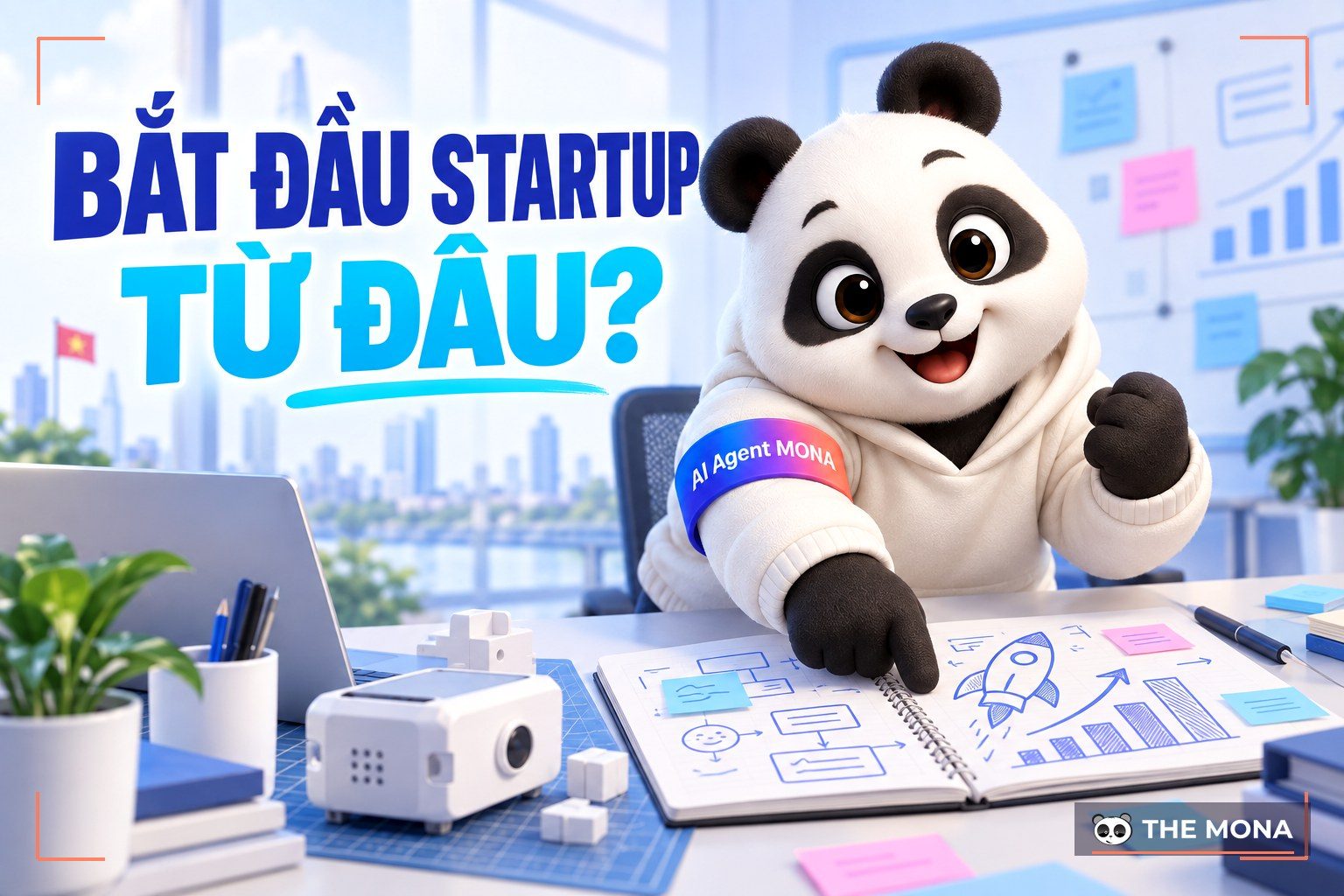
Many young people ask what a startup is? How do you build a successful startup? This article gathers advice drawn from the lessons of many people who started a startup and from founders who have already succeeded. It all comes down to one core principle: create value, as much as you can, as fast as you can.
Starting a business is not just about having an idea. It is also about facing countless challenges, especially procrastination. How do you stay motivated and keep acting consistently when no one is pushing you? The video below shares ways to beat procrastination, from investing in equipment and hiring a professional team to building a long-term plan. These lessons help your startup run efficiently and use its resources well.
https://www.youtube.com/watch?v=Cj6O4OemUgw
Here is some specific, practical advice that Mona Media has gathered while working on startups, company website design Startupin the hope that it helps you get started.
To start a startup, the first thing to do is research thoroughly. Get a solid understanding of how the company grows and how your role relates to that growth, so you can find the measures that show how the company is doing. Then list everything you can do in your role to move those numbers in a positive direction.
Staff at MONA Media
MONA Media is a startup that has been operating for more than 10+ yearsyears. We are enthusiastic, passionate people building the company together as it grows. Starting from 10 members, MONA keeps growing, and more people choose it as a place to work and grow together.
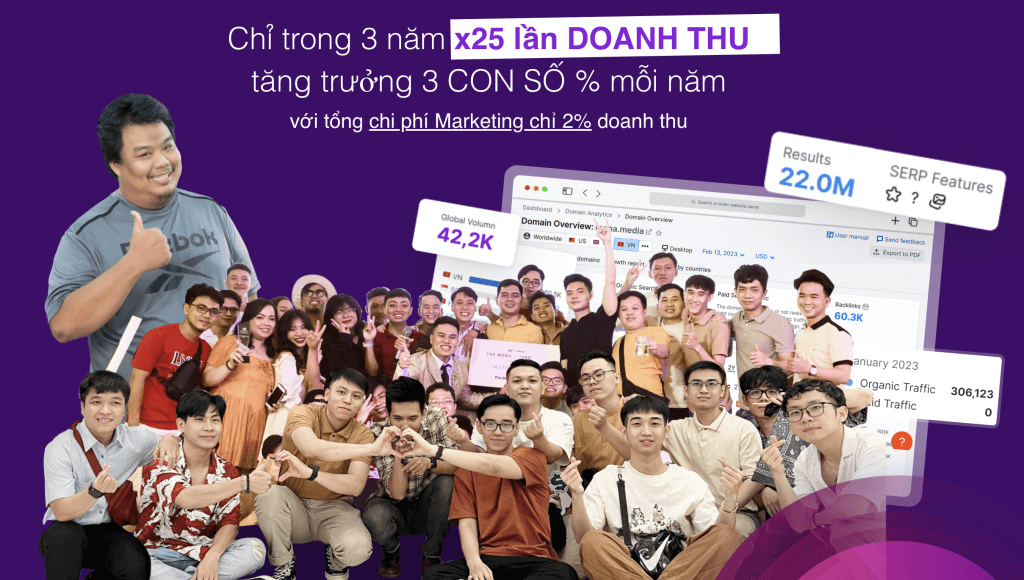
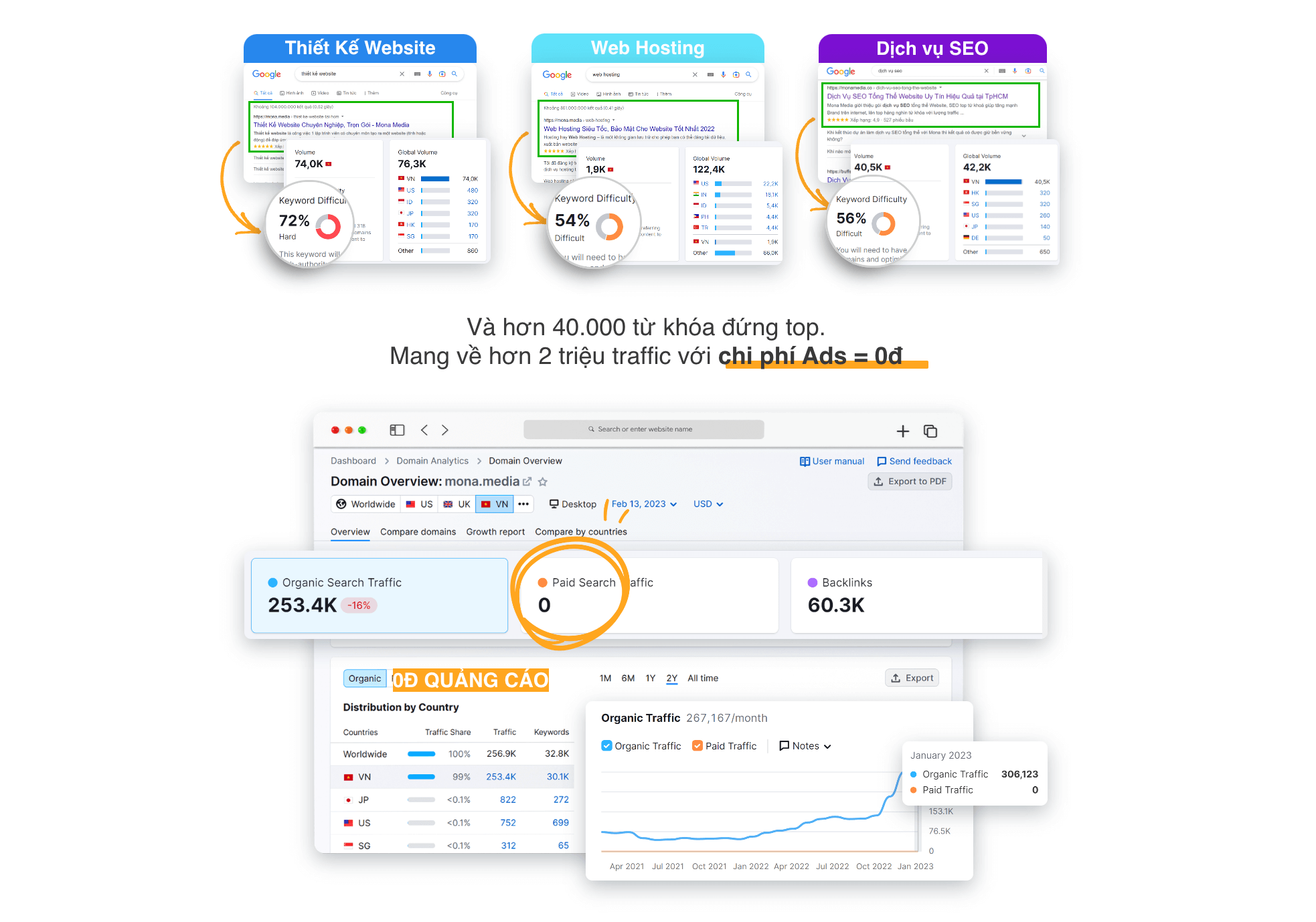
We have built a MONA Media ecosystem that is growing strongly in 3 demanding fields. You may find it hard to believe, but everything we do shows up in the numbers.

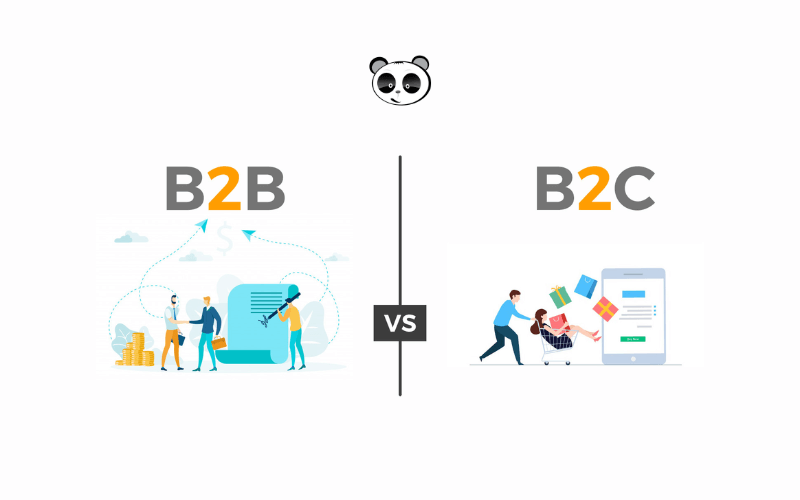
Take time to get familiar with the product or app you will work on. If it is a B2B product, read the reviews and talk to customers. If it is B2C, try it yourself and with your friends. Look at the different features and guess why those choices were made.
>>> See more: What are B2B and B2C e-commerce?
MONA Media is a startup with more than 10 years in website design and software. We have completed more than 7,000+ projects and helped businesses achieve real results. Our dedicated team has worked hard together to deliver for clients. These projects have helped businesses break through, going from zero to 200% of their starting revenue.
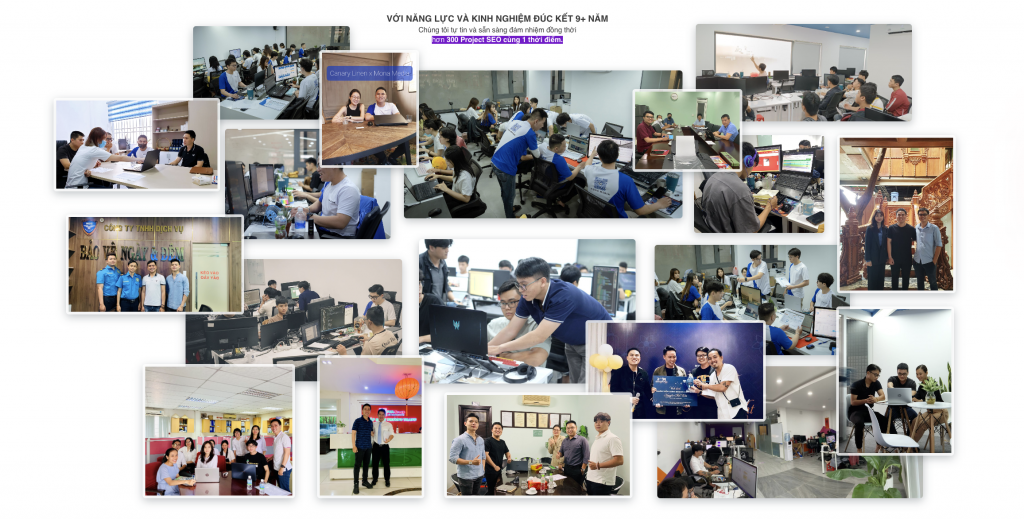
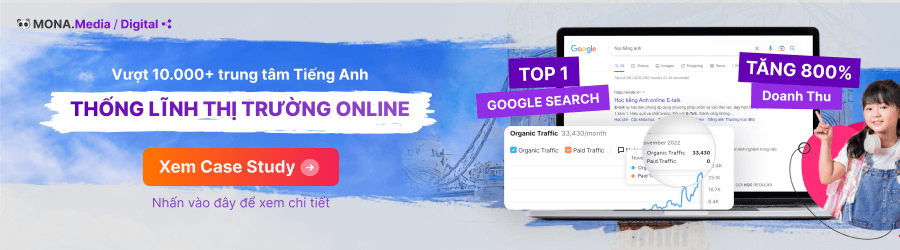
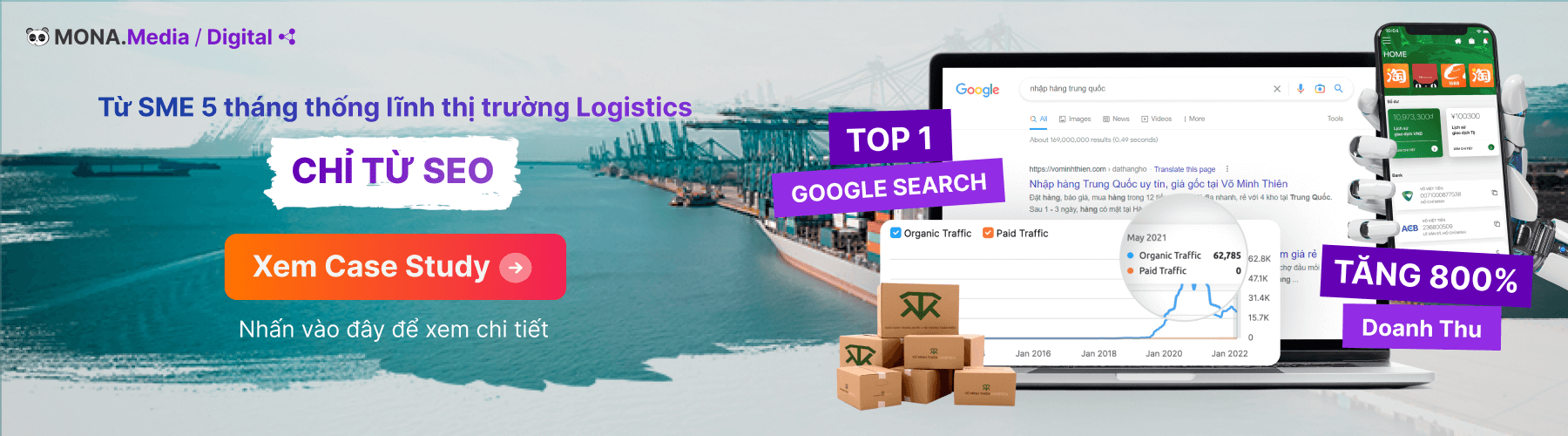
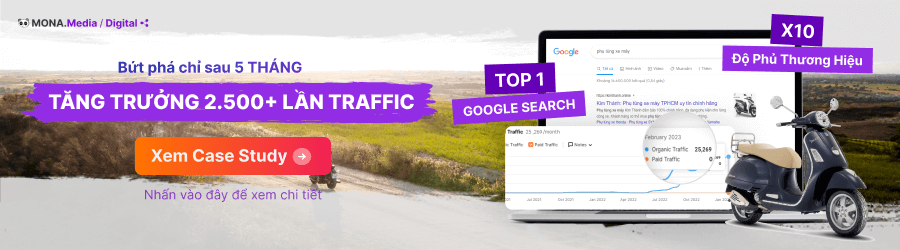
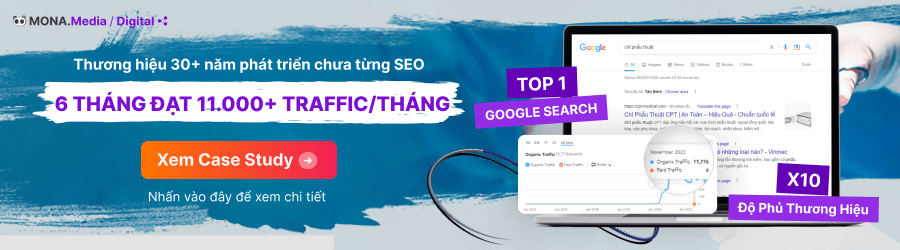
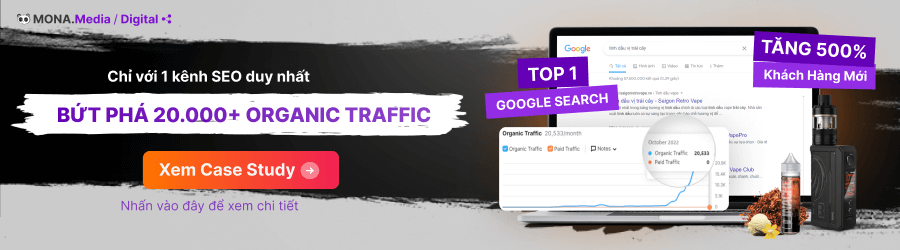
We have worked on thousands of projects, and each one has brought its business a measurable result. In every field, we research, build a strategy and deliver the project well. Here are some of our notable projects:
Education
Importing from China
Motorbike parts
Healthcare
Vape/pod
Office equipment
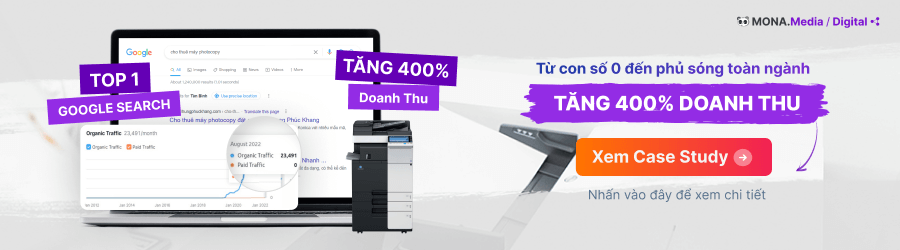
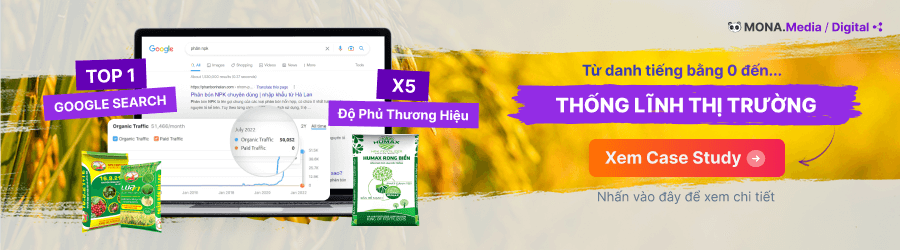
Agriculture
Use LinkedIn and other popular social networks to find out who your colleagues are, their names, what they do and how long they have done it. Try drawing an org chart so you know where you fit in the organization.
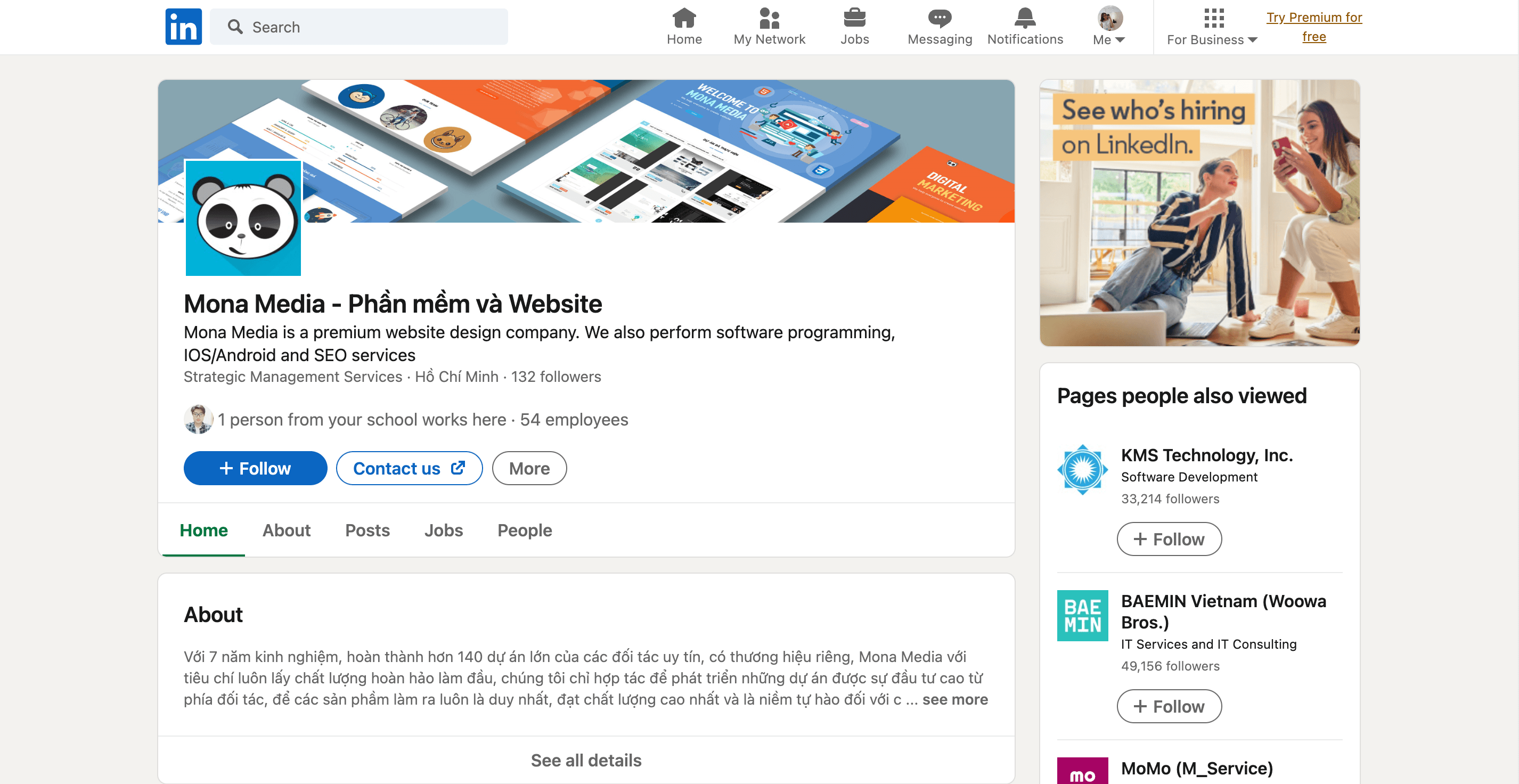
The LinkedIn interface
To start a startup successfully, the first thing to do is build a startup culture for your company. First, be a leader who understands each team member. You need a clear picture of the strengths, difficulties and requirements of every role in the company, so that problems can be solved easily when they come up.

A regular seminar at MONA Media
You should also start company traditions: hold anniversary events, trips, camping days and outings. In short, do things that make staff feel comfortable and proud, and feel they are part of the company.
Keep people smiling in your business. No one does their best work in a tense, exhausted environment. Try to create a cheerful working atmosphere, and performance will be better.
Business is not only about profit. It is also a journey of learning and growth. In Vietnam, though, talking about business, sales and marketing still comes with a lot of contradiction and prejudice. In this video, Hùng shares his views in detail for anyone who is starting, or plans to start, their own business.
https://www.youtube.com/watch?v=ciwAdE39WRY
No matter how much you prepare for your job, some parts can only be learned by studying and doing more. Your teammates expect you to bring new knowledge, but it only pays off if you have a determination to win alongside every other member.
It is like choosing a reputable SEO provider. Building an in-house team yourself takes a lot of time, while outsourcing gives you agencies with many years of experience delivering projects for their clients. One standout agency is Mona Media
Every startup is different, but here are some traits that will give you a culture that fits any startup stage of development:
A startup is like a ship that is always struggling to stay afloat. When you see a leak somewhere, don't ignore it just because it isn't "your job". Even if you didn't cause the problem, take responsibility and fix it as quickly as you can.
When people from big companies join small ones, they often assume they need a few months to settle in before doing anything of real value. Assume instead that your team expects real value from you on day one. Even if you plan a 3-month onboarding, quickly work out which skills set you apart and use them to get ahead of other members. Make friends with the people around you, collect product feedback from friends, join social channels of the company, and find product flaws to come up with new ideas. All of this will strengthen your long-term goals with startups.
A startup is never easy. Some people succeed the first time, while others fail even after several tries. What matters is that you don't lose heart and fix things where you went wrong. When a problem hits, stay calm, don't panic, and trust that you can solve it quickly and well. If you don't believe in yourself, who will? In a startup, apart from you and your co-founders, who else can you share with? People outside are always waiting to look down on you and watch how you fail. That much is certain.
Every problem has a solution. Believe that you will get through it and solve everything, and only then will startup your ship keep sailing on.
By nature, all startups begin as small businesses, but not every small business is a startup. The difference lies in the goal a startup sets: at some point in the future, it will no longer be a startup. Interestingly, the goal of a startup is to stop being a startup. It has to grow into something else: a full-fledged company or a large group.

Some startups reach that goal in just 3 to 5 years. Many others stay startups for longer, depending on business conditions and the economic environment.
So in the startup stage, the "ultimate goal" is not yet to maximize profit, win as many customers as possible or build brand value. Instead, the startup has to run many "experiments" and keep "adjusting" its business model until it settles on one that is viable, solid and profitable, and that can be standardized, scaled and sustained.
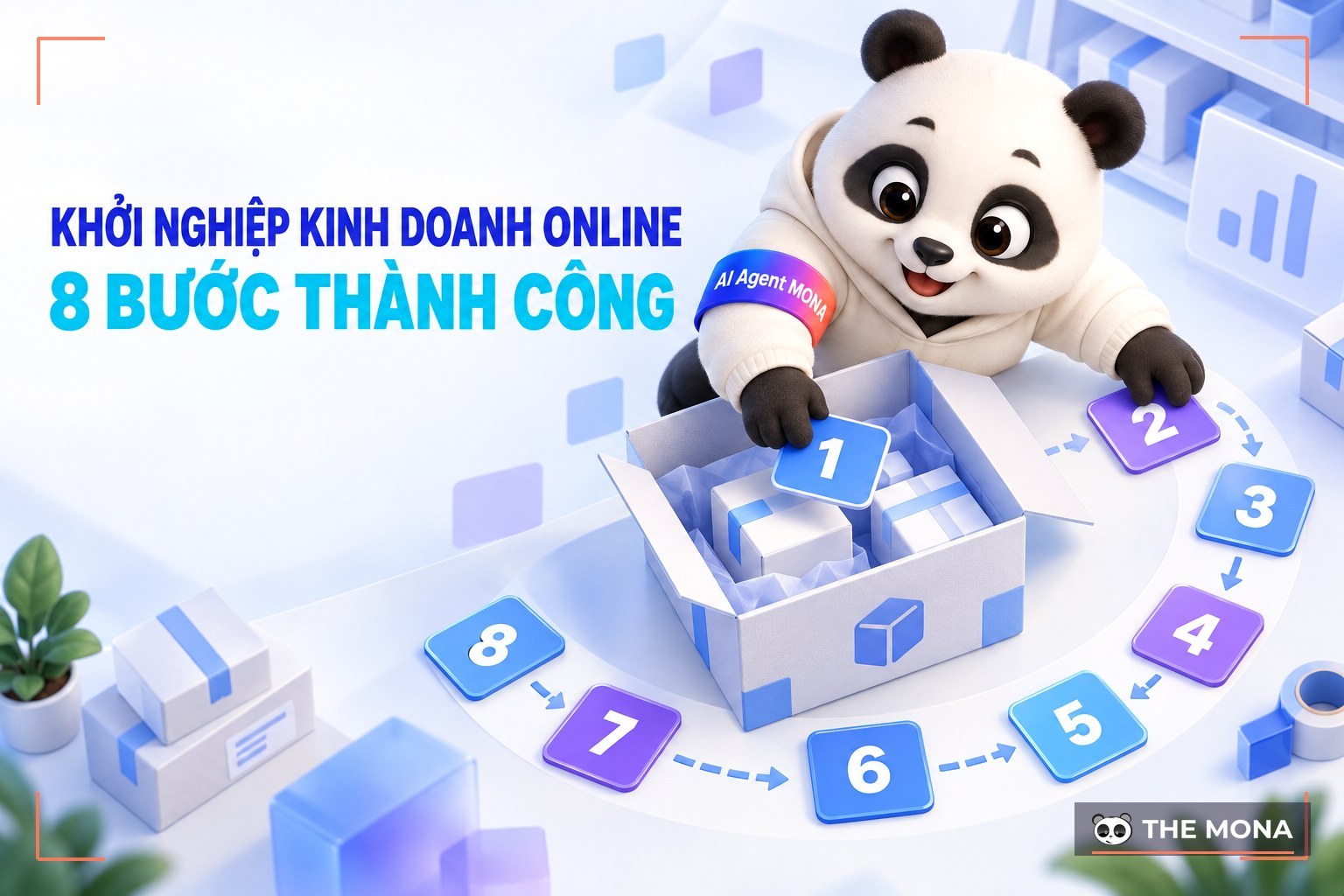
>>> See more: 8 steps to start an online business successfully
To get going, keep these principles in mind when you start:
Any business or startup that reaches peak performance usually goes through four basic stages. Each stage brings different challenges, and founders need the nerve, confidence and experience to steer the startup steadily through them.
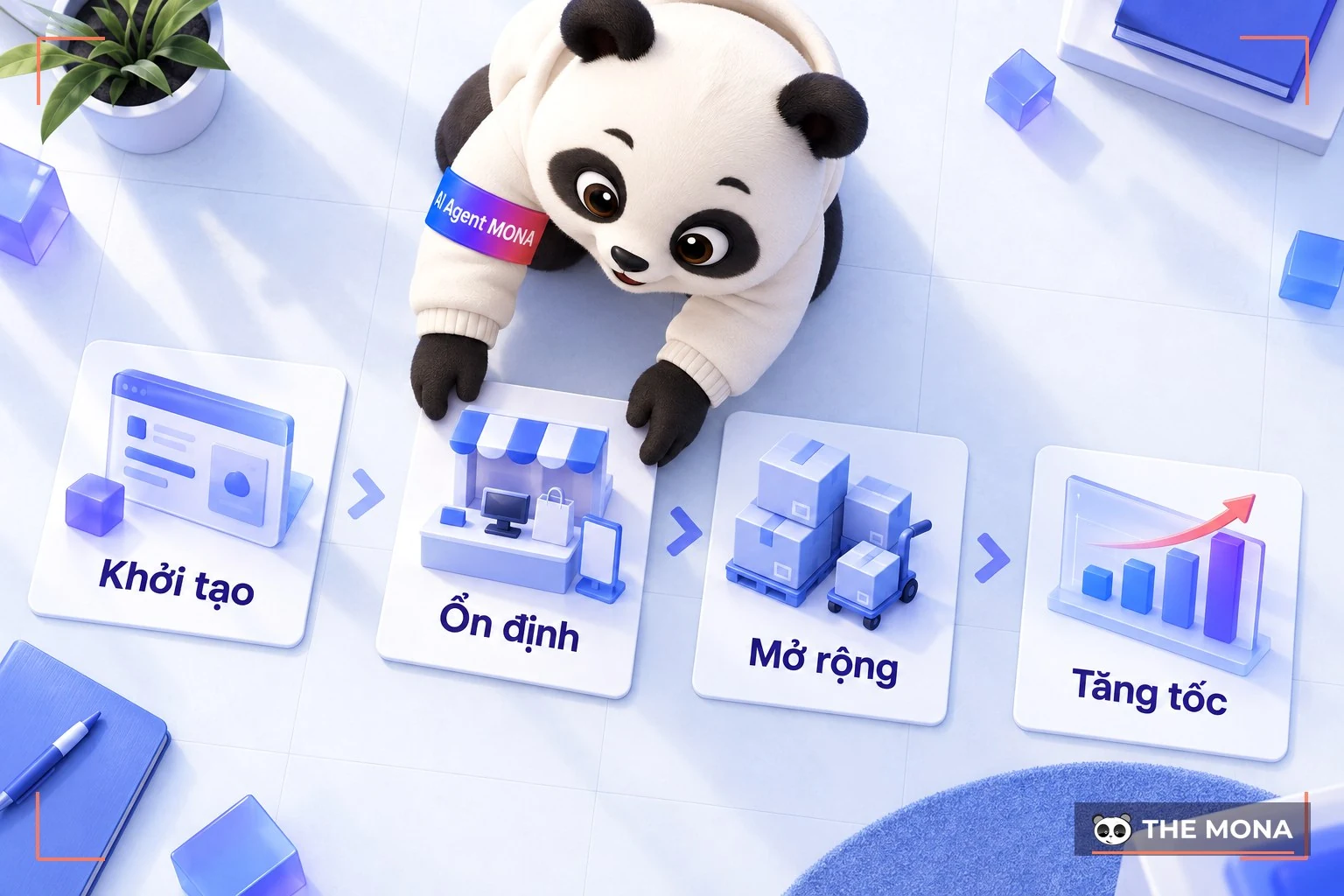
Planning is an extremely important stage, the foundation of the whole startup journey. It directly decides whether your startup plan succeeds in the future.
In this stage, you need to prepare the key details. Once you have settled on a business idea, ask yourself some important questions: What is your business purpose? Who are you selling to? What is your end goal? What value does your product or service bring? Many startups fail because they rush into everything without thinking through these questions. You need to find your target customers and be able to answer who will buy your product or service.
If you are thinking about starting a startup, start by looking at the existing companies in your chosen industry. Study what current brand managers are doing and find ways to do it better. Write a detailed business plan. Thorough market research on your field and the demographics of your potential customers is an important part of that plan.
Startups should not rush the planning stage. Put priority, time and effort into carrying out the plan as carefully and cautiously as possible.
By this stage, startups have been running for a short while under many outside and inside influences. You have customers, revenue and competition, which means new opportunities and new challenges. Many businesses know how to seize opportunities and keep their balance, but quite a few end up "disillusioned". This is the stage where most startups in Vietnam fail or change their business model to adapt to the environment.
Facing this, besides staying calm and decisive, a startup should make management a top priority. With the same opportunities and the same financial resources, the founder needs a method to manage money and people effectively. Learning to train staff, the art of delegation, and applying management systems and methods to operate better are the keys to success in this stage.
To keep investing in growth, funding cannot be ignored. You can use bank loans, grants, profits, partners, or even look for the right investors to secure stable capital.
In this stage, the company gradually recovers and begins to settle into its business model. But a business should not become overconfident too early. Unpredictable swings in the economy, competition and ever-changing customer tastes can leave your business outdated, so keep improving your product. You should also look at reallocating and improving resources, expanding the market to grow in scale, adopting technology and automation, and renewing modern equipment to improve business performance. These are the areas to invest in for steady progress in the next stages.
Acceleration is the dream stage for most startups. Here a startup can build on its success and push hard to capture market share by expanding distribution and other sales channels. The business should also develop new product and service lines for the current market, or expand abroad to become a multinational company.
A marketing strategy is hard to carry out without expertise in the field. And not every provider offers a free service package the way Mona Media does. When we do SEO for your website, we start with in-depth research on the market and your competitors.
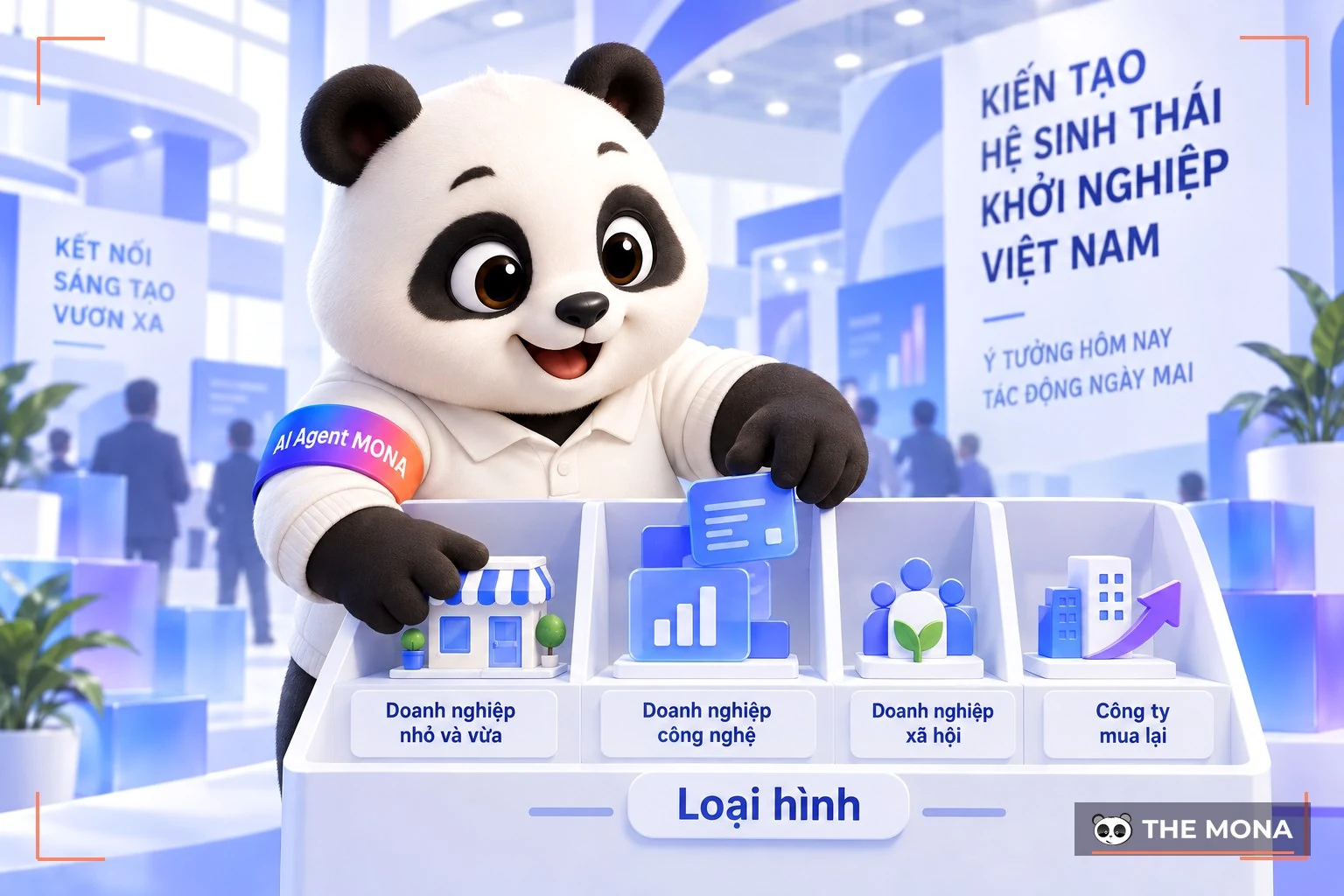
This is the classic example of the saying "Follow your passion and success will follow you". Put simply, a lifestyle startup is one where the founders choose to earn a living from what they love and are skilled at.
A lifestyle startup can use your experience and knowledge. You can even start by using media and the internet.
Examples include novelists who earn from their books, YouTubers whose main income comes from YouTube, artists, freelance developers, coaches, professional photographers, business consultants and financial advisors. Lifestyle startups are unlikely to grow fast into a business with many employees. Even so, this type of startup gives entrepreneurs a good and rewarding way of life.
So anyone can start a lifestyle startup idea. If you put your heart into it and work toward your goal, you may well become a lifestyle entrepreneur.
Small and medium businesses such as grocery stores, restaurants, cafes, consulting firms, hair salons, beauty spas, travel agencies, carpentry workshops, electricians, plumbers, insurance agencies, e-commerce shops and many others can all be considered startups.
The founders of these businesses can call themselves startups, simply because they may not want to work for someone else and want to run their own business and earn their own money.
Most traditional startups are funded by the founders' own savings, bank loans, or money from family and friends. This type of startup doesn't bring in much profit. In practice, though, it is the most common startup model in Vietnam.
>>> See more: 10 steps to build a successful small business
This type usually refers to growing tech companies such as TikTok and Facebook. Tech startups often have an elite team and can raise large amounts from venture capital investors to fuel rapid expansion.

Common traits of tech startups: a large potential target market, a new idea or business model, a business model that can scale, fast execution that can stay ahead of competitors, large outside funding, a complex capital structure across several funding rounds, and a need for active PR and wide press coverage.
Although scalable startups are only a small share of the 5 types listed, they attract much of the attention of media and business investors around the world.
See also:
Some startups are born with big ambitions but may be bought by "giants" as they grow. These are called buyable startups. The best-known example is Instagram, which Facebook bought for 1 billion USD in 2012.
Typically, these startups have a fairly small market, an undefined niche market, the ability to complement other large businesses, and an initial target market that turns out less profitable than first expected.
Social startups are companies created to make a difference and have a positive impact on lives. Unlike other types of startup, social startups usually generate less profit, although they can still earn a profit (except for non-governmental organizations).

In Vietnam, startups are usually tied to setting up a company, so founders need to understand the legal limits for their startup and the approvals they need from state agencies, as follows:

Many people running SMEs ask how much is reasonable to spend on marketing. The answer isn't about spending a little or a lot, but whether you reach the threshold that works. Watch the video to hear Hùng explain it in more detail.
Researching and learning startup skills is essential to succeed. If you work in new online sales channel or business development, learn to read body language and expressions on customers' faces. Learning negotiation skills is also an important requirement when starting an online business startup. You need to know how to negotiate a product at the lowest price and resell it at the highest. Negotiation skills don't come overnight; you have to learn and practice constantly.

A regular seminar at MONA Media
If you are a market developer, look for the latest material on optimizing conversion rate rates or marketing automation. Learn about market trends, attractiveness indicators, competition levels, growth rates and sales trends. You also need to learn how to define your customers by demographics, location, age, gender, occupation and more.
The market is getting more competitive, so you need to learn to accept failure, especially if you run a small business. Many people can't take the shock of failure, can't accept it, and so can't get back up, and some even close their company. Failure is a good thing: it lets you learn from experience, see where you went wrong and fix it. We hope that through this sharing of experience started a startup article, you will find ideas and motivation to work and to build your first business.
Please contact us via:

CEO & Founder · The MONA
The founder of The MONA built a service company of 60+ staff with 14,000+ projects delivered. Khánh Hùng shares his thinking on building self-running systems, automating a business, and the real lessons behind MONA's projects.
 1,6K




Professional website
design services
Own a website with a beautiful, 100% exclusive design and a lifetime warranty, with the ability
to expand features flexibly as your business grows, starting today!






 MONA will never sell your information or send you spam


 MONA will never sell your information or send you spam
