
 MONA OS 2.0
 Partner with MONA


 Tự động hoá doanh nghiệp
 Cẩm nang SEO
 Digital Marketing
 Kinh nghiệm thiết kế website
 Hạ Tầng Server
 Giáo dục


 VI
 EN












Message us on
Zalo Official


 ProductsNew

 ProductsProducts
 Mới ra mắtKHA AI 2027App tự edit video, tự đăng mọi mạng xã hội, 2 phút mỗi ngày










 Website designLooks good and wins customers over.
SEO servicesBrings in customers searching for exactly what you sell.
 Tư vấn digital marketingKéo khách từ nhiều kênh, đo bằng số thật.
Corporate video productionVideos introducing your company, factory and team.
 NewAI video productionCompany story films made with AI.
 Custom software developmentCRM, ERP and HRM built for your business.
 Viết AI Agent theo yêu cầuĐặt riêng một trợ lý AI cho đúng việc của mình.
 Tư vấn chuyển đổi AIĐưa AI vào vận hành của cả công ty.
NewMONA LMSManagement for centers and schools.
MONA SkillHubInternal training for company staff.
 NHTQ systemEnd-to-end China–Vietnam shipping operations.
MONA JMSManagement for gold, diamond and pawn shops.
 MONA E-LearningA website with every feature you need to sell courses.
 How to sell online courses (course)More than 30 free lessons on selling courses on autopilot.
 MONA Cloudmonacloud.vnServers to get your apps and websites running.
 MONA Basemonabase.vnPostgres database, sign-in and file storage.
 MONA Mailmonamail.vnSend OTP, order and invoice emails from your software.
 MONA Paymonapay.vnAccept bank transfers via VietQR and notify your software when the money arrives.
 MONA eInvoiceComing soonIssue e-invoices that meet tax standards.
Gấu CườiTrả lời khách 24/7 trên web, Fanpage, Zalo và thu lead cho sale.
 Gấu TeleSalesGọi điện tư vấn, chăm khách như tổng đài viên thật.
Dê CườiTư vấn và chốt đơn cho shop ngay trong khung chat.
Gấu WebmasterNhắn nhóm Zalo là website được sửa xong.
 Gấu Pháp ChếSoạn hợp đồng, rà điều khoản trong vài phút.
 Gấu Báo GiáLên báo giá đúng mẫu và gửi khách ngay.
 AI chăm sóc khách hàngTheo dõi và giữ chân khách hàng cũ.
 Gấu Tuyển DụngLọc hồ sơ, hẹn lịch, phỏng vấn ứng viên.
 Mới ra mắt
KHA AI 2027
Xây kênh chuyên gia 2 phút mỗi ngày
Quay bằng điện thoại, AI tự edit video, tự đăng lên 16 nền tảng và tự trả lời bình luận, tin nhắn.
935.119lượt xem trên kênh CEO MONA sau 42 ngày
 Anh Khánh HùngCEO MONA đang dùng mỗi ngày
Xem app làm được gì
 AI
Gấu Cười MONA ĐANG TỰ XÀITrả lời khách 24/7 trên website, Zalo OA, Messenger và thu lead về cho sale.
Dê CườiChốt đơn bán lẻ và sàn: Shopee, TikTok Shop, web. Chăm cả khách sỉ, đại lý.
Gấu WebmasterCập nhật nội dung, tối ưu SEO website mỗi ngày.
Gấu TeleSalesGọi điện tư vấn, chăm khách như tổng đài viên thật.
Gấu Tuyển DụngLọc hồ sơ, hẹn lịch, phỏng vấn ứng viên tự động.
AI chăm sóc khách hàngGiữ khách cũ, cứu lead đã rớt cho phòng kinh doanh.
Gấu Pháp ChếSoạn hợp đồng, rà điều khoản trong vài phút.
Gấu Báo GiáLên báo giá đúng mẫu, gửi khách ngay khi có yêu cầu.
 Chuyển đổi AI toàn phầnGiải pháp tổng cho doanh nghiệp, 3 lớp triển khai.
 Viết AI Agent theo yêu cầuĐặt riêng một con AI gánh đúng nghiệp vụ của bạn.
 Custom softwareCRM, ERP and HRM with built-in AI automation.
 SEO & AEO thời đại AIĐược Google lẫn AI trích dẫn, không chỉ xếp hạng.
 Kiến thức AI cho doanh nghiệpBài phân tích, hướng dẫn ứng dụng AI vào vận hành.
 Free AI courses
 AI tools at work
App mới · KHA AI 2027
Xây kênh 2 phút mỗi ngày
AI tự edit video, tự đăng mọi mạng xã hội
Free consultation, 8am–10pm every day

07 August, 2026
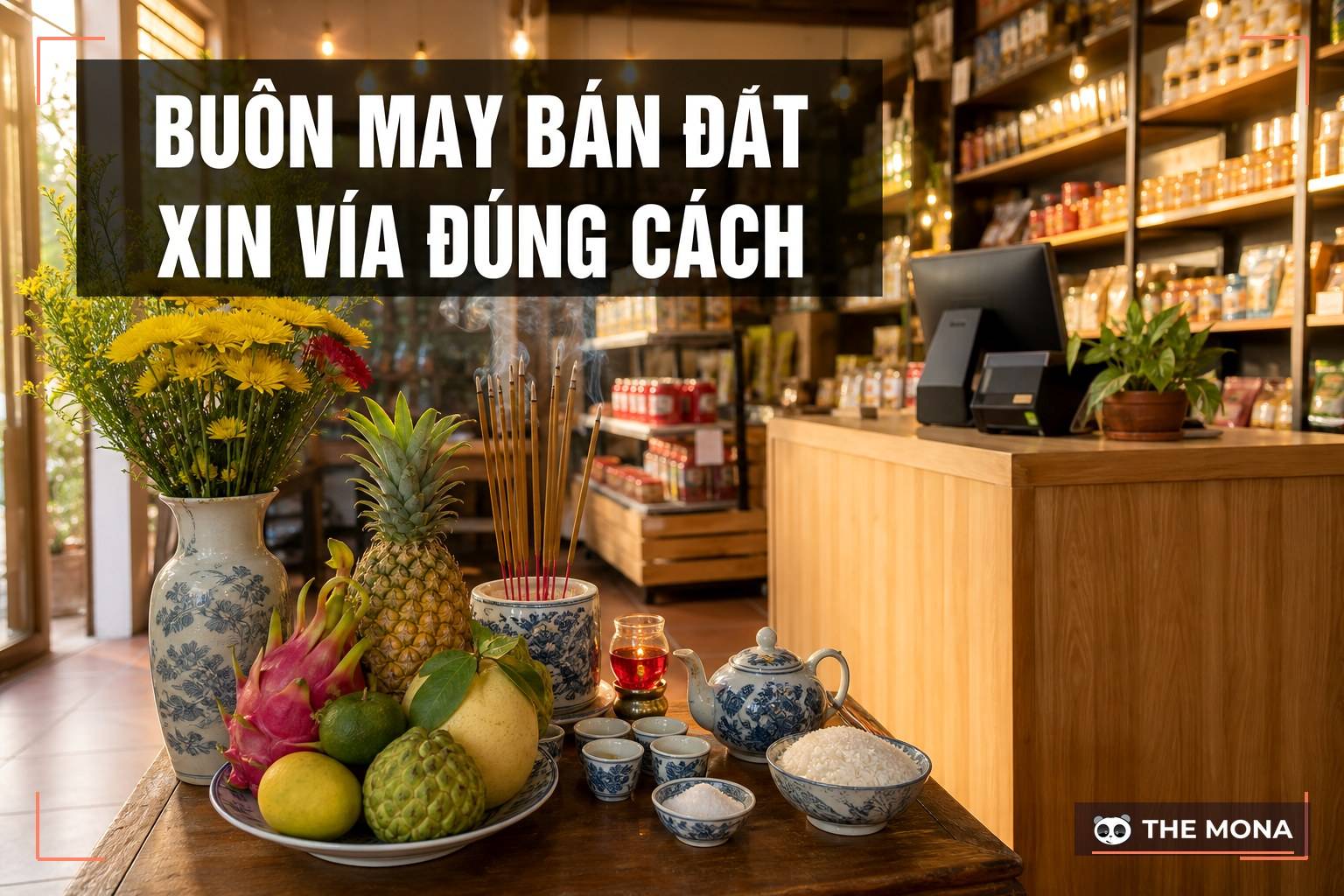
On opening day, shop owners often hope that an easygoing person will buy the first item to bring good luck, or "buôn may bán đắt" (wishing for brisk business). A graceful way to ask for that luck is to invite an acquaintance to buy something they genuinely need, pay for real, offer their good wishes, and let the sale happen naturally. You can also make offerings to the God of Wealth and the Earth God and read a prayer for business blessings. Asking for good luck does not mean pressuring customers to buy, creating fake orders, or blaming people who do not buy for bringing bad luck. We used to help my mother sell goods, and when the stall opened at 8 a.m., the first customer was invited 30 minutes ahead so neither side had to stand around waiting.
The first order must be a real order.
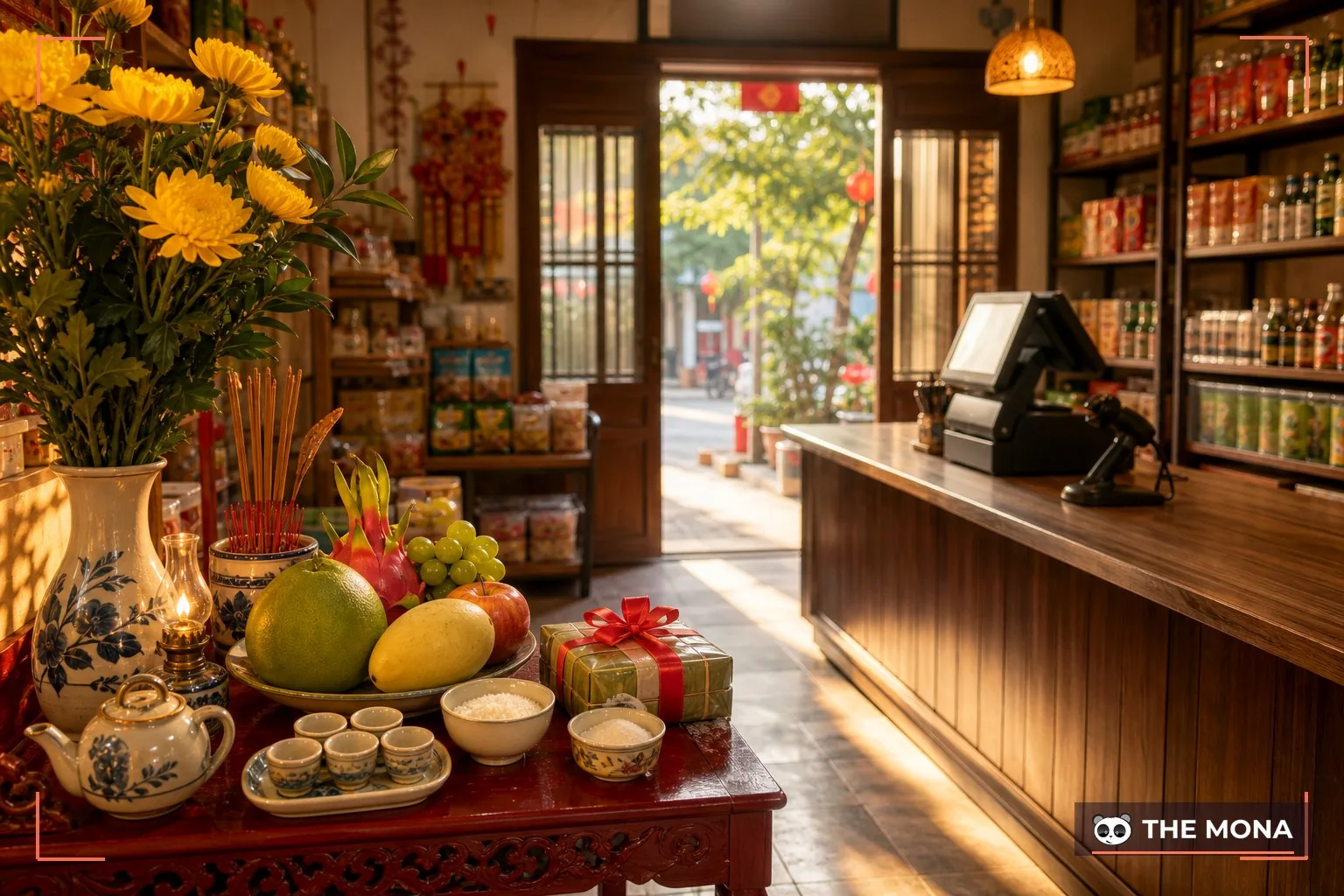
In market talk, "buôn may bán đắt" is a wish that the seller meets with good fortune, goods keep moving and customers come steadily. The word "đắt" here means selling well, not raising prices. A first customer who is cheerful and pleasant to talk to is seen as giving the selling day a gentle start. We still review the first 3 orders after 1 hour, because a happy wish only means something when the price, the money received and the goods delivered all add up.
A blessing does not replace sales.
The custom of asking for good luck exists because sellers value how the day begins. A clean first order with no back-and-forth takes the tension out of the whole counter. Staff get a rhythm for serving the next person. That psychological part is real, while the idea that luck passes from one person to another remains a folk belief.
The ritual is about sincerity, while whether the business sells still comes down to the goods, the price and how you look after customers. A good wish cannot fix a defective product, a blurry photo or a high shipping fee. A good ritual calms the seller so they can do those things right.
The first customer should know they are invited and what they will buy. Do not invite an acquaintance and only then say "buy something to bring luck," which makes it hard for them to say no. A small product that fits their need, at a clearly listed price, keeps the spirit of willing buyer and willing seller. We usually fix the time at 7:30, choose 1 order in advance with a listed price, and have the first customer pay exactly like any other customer.
Willing buyer and willing seller is enough.
There are three common ways to ask for good luck:
| Way of asking | How-to | What to keep in mind |
|---|---|---|
| Ask an acquaintance to be the first customer | Set a time, choose an item in advance that fits their budget, and make a real payment | Do not make the first customer pay for something they do not need |
| Ask for blessings from a successful seller | Meet in person, say clearly you are about to open a shop and ask for their good wishes | Do not ask for money, ritual items or personal belongings without their permission |
| Make offerings and recite the prayer | Prepare a simple tray and read the prayer at the shop | Do not promise that the ritual will bring a specific number of orders |
The first customer does not need to be wealthy, to match some formula for zodiac compatibility found online, or to hold a high position. A family that already has its own custom of checking ages should follow one trusted person. Otherwise, choosing someone who is punctual, cheerful and respectful of trade is enough.
The money from the first order must be recorded as normal. Some people keep the first banknote of the day as a lucky token, but if your shop uses QR codes, a cash register and bookkeeping, do not pull that money out of revenue and then forget to reconcile it. If you want a keepsake, photograph the receipt or set aside a separate coin beforehand.
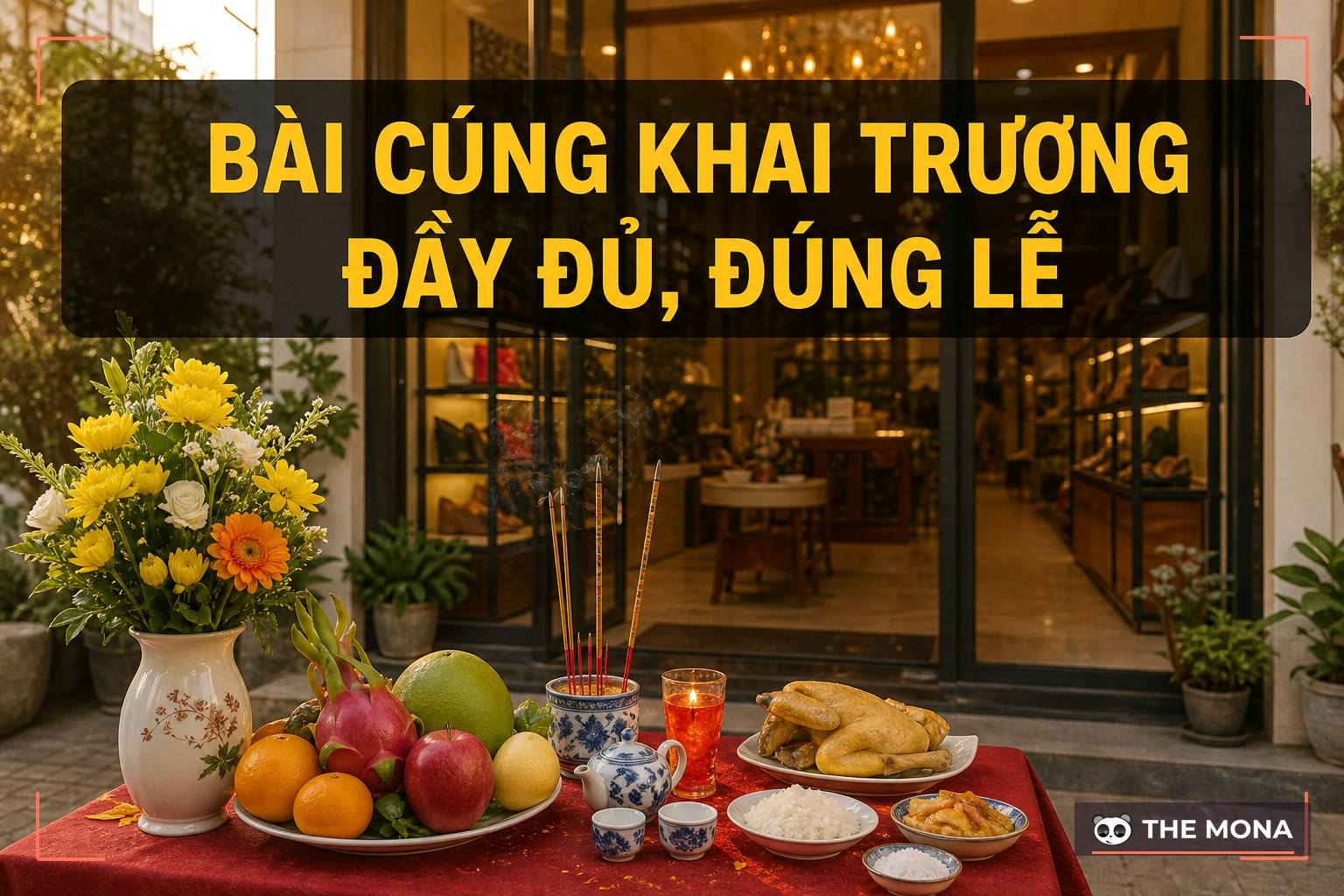
The offering tray does not need to be showy. Use a clean table with fresh fruit and flowers, water and incense; if your home has an altar to the God of Wealth, make the offering there. A new shop without an altar can hold a opening ritual in front of the shop following family custom. We budget about 300,000 VND for a simple tray, with around 150,000 VND for fruit and flowers and the rest split between sticky rice and sweet soup, incense and candles, and clean water.
| Offering group | Suggestion | Note |
|---|---|---|
| Base items | Incense, 2 lamps or candles, fresh flowers, fruit, 3 or 5 cups of water | Use electric lamps where open flames are banned |
| Common extras | Rice, salt, tea, cakes, betel and areca | Use a moderate amount and do not block the way to the counter |
| Vegetarian tray, by choice | Sticky rice, sweet soup, cakes, vegetarian dishes | Suits small shops or families that keep vegetarian offerings |
| Non-vegetarian tray, by choice | Boiled chicken, pork, eggs, shrimp, rice wine | Choose by family custom and keep it hygienic |
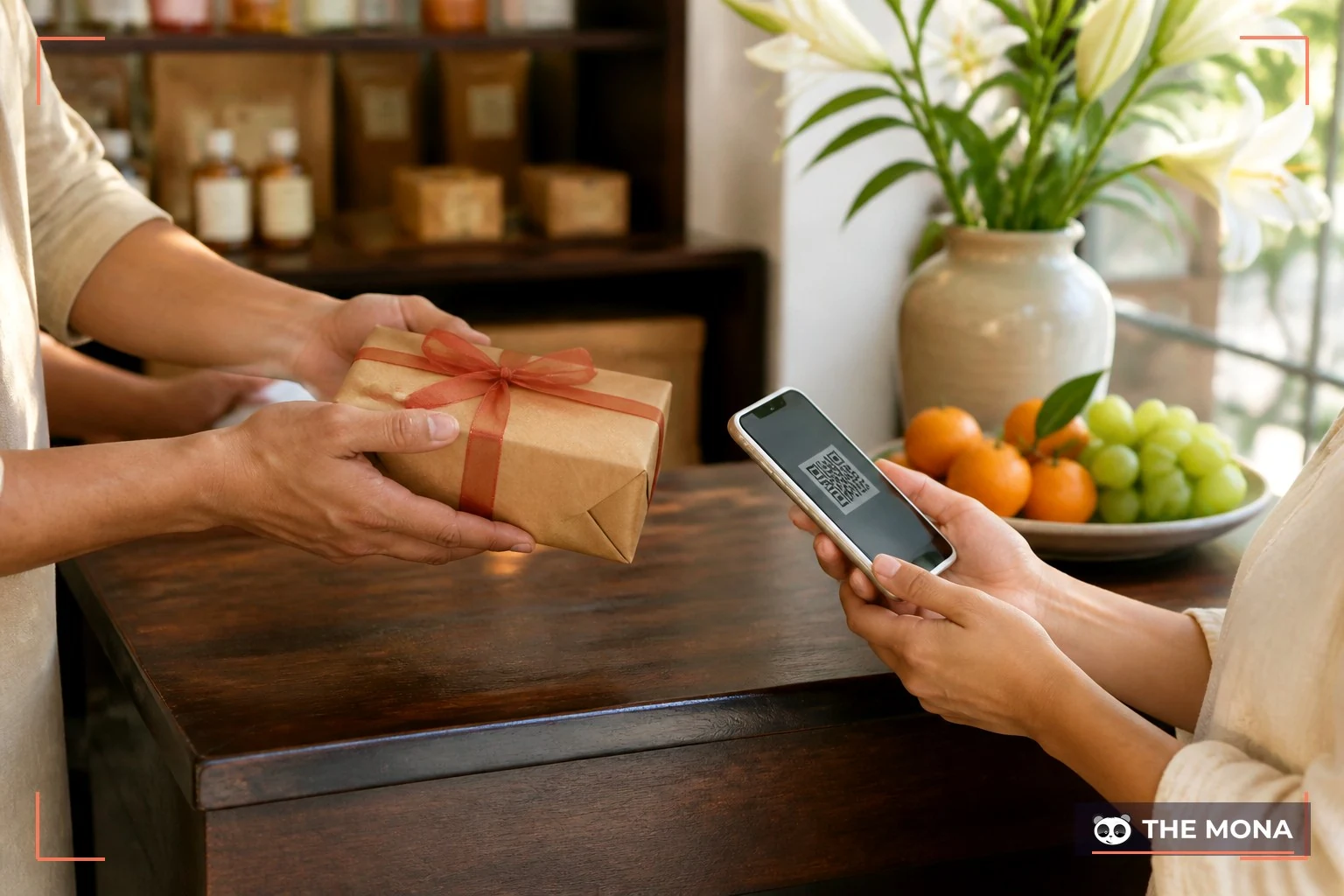
| First-sale luck | One real product, small change or a QR code ready | The price and terms are the same as for any customer |
Crushed flowers, spoiled fruit and water left too long must be replaced. Cover the food against dust. Keep incense and candles away from fabric, paper, alcohol, batteries and cardboard boxes. Someone should watch the flame from lighting to extinguishing.
A shop short on capital does not need to buy a large tray to pray for good sales. Keep the money for core stock, small change and shipping fees. Sincerity is not measured by how many dishes are on the table.
The day for the ritual often coincides with the opening day, the first selling session of the new year, the 1st, the full moon, or the 10th of the lunar month. Sellers also hold a small ritual when changing premises, adding a channel or restarting after a break. There is no need to pick a new day just because sales were slow last week. If the shop opens at 8 a.m., we usually start 45 minutes earlier to read the prayer, set out the offerings and run a test payment before welcoming the first customer.
Fix the time, then keep to the schedule.
The ritual should be about 30 to 60 minutes before you welcome customers. That is enough time to read the prayer, clear the offerings, tidy the walkway and run a test payment. The first customer is invited after the ritual part is wrapped up, so they are not left standing outside waiting.
If your family checks hours by age, fix the schedule before you promote the opening. Do not keep changing the time after you have told customers, staff and the delivery company. A clear operating schedule makes opening day less chaotic than an auspicious hour that everyone arrives late for.
The evening before, check the offering tray, the first-sale product, the QR code, small change and the prayer with your name filled in. In the morning you only need to set up, perform the ritual and welcome the first customer. Do not have one person read the prayer while also taking a delivery call. We test the QR code twice within 15 minutes, check the amount that comes back, and only then put the first-sale product on the counter so the buyer can do a real transaction.
Do not haggle for luck by pressing the first customer into a token price and then charging another amount. The first price of the day is also the selling price. Clarity brings more peace of mind than any trick for hiding prices.
If the first order has a problem, handle it by your policy: exchange properly, refund properly and record the inventory; do not keep a wrong item out of fear that a return will "lose the luck." A reputation on day one is worth more than the ceremony.
The section below is a prayer for business blessings based on traditional Vietnamese prayers handed down among the people, used to address the God of Wealth, the Earth God and the deities who watch over the place of business. The names of the deities and the way offerings are addressed vary between regions. If your family already has its own version, keep to your family's custom.
Nam mô A Di Đà Phật! (3 times)
I bow to the nine directions of Heaven and the ten directions of the Buddhas. I bow to the Lord of Heaven, the Earth Mother, and all the revered deities.
I bow to the Kitchen God, the Eastern Kitchen Lord who governs fate. I bow to the God of Wealth, and the household Earth God of the dragon vein.
I bow to all the deities who watch over this area.
I, the devotee, am…
Residing at…, running a shop of… at…
Today is the day… month… year…
I, the devotee, sincerely prepare incense, flowers, tea, fruit and offerings before the altar, and respectfully invite all the revered deities to come and bear witness. We are now beginning our business, and we humbly ask you to bless this place with peace, harmony among those who work here, willing customers, goods that keep moving, clear accounts, and a good name that lasts.
Please let us meet kind-hearted people, learn to value our buyers, keep our promises, weigh and measure honestly, never cheat, and never betray those who work alongside us. We vow to work hard, fix our own shortcomings, share when we can, and never harm others in pursuit of profit.
We respectfully invite the former owners, the later owners, and all the spirits who once lived in this place to come and enjoy the offerings and witness our sincerity.
I come with a modest offering and a sincere heart. I bow before the altar and humbly ask for your protection and blessing.
Nam mô A Di Đà Phật! (3 times)
Replace “shop” with your café, warehouse, office, or sales channel name. Wishing for a thriving business should still go together with a vow to keep your word and measure honestly. That is what ties the prayer to the work a seller does every day.
Taboos differ from home to home. Some families don't sweep right after opening, and some don't accept returns first thing in the morning. A shop must still follow hygiene, safety, and its published policies. A taboo is no reason to leave the floor dirty or refuse a customer's legitimate rights. We check the counter twice in the last minute before opening, because a cable across the floor or an unextinguished incense stick is a real risk, and word of mouth can't replace safety rules.
| Common mistake | Why it's a problem | How to fix it |
|---|---|---|
| Pressuring acquaintances to buy something expensive as the opening sale | It puts them in an awkward spot and the first order feels forced | Pick a small item that fits their real need, and arrange it in advance |
| Showing attitude toward someone who asks and doesn't buy | You lose the customer and may get bad feedback | Greet and advise them like any other customer |
| Keeping defective goods for fear of losing luck | It violates the buyer's rights | Handle returns per policy and update stock |
| Creating fake orders to “catch the luck” | It distorts revenue, inventory, and ad numbers | Use real orders from real buyers |
| Burning incense next to flammable goods | Fire risk and lingering smell | Separate the area, keep someone watching, or use an electric lamp |
| Keeping opening money out of the books | The till doesn't balance at the end of the day | Record the transaction like any other order |
One person walking in and not buying doesn't ruin the whole day's sales. Look at what they asked, where they stopped, and why they left. Sometimes the answer is a price tag that isn't clear or a staff member who doesn't know the product.
An online shop invites acquaintances to place an opening order on the very channel where it sells. The person picks a real item, pays for real, and receives the goods. You can use a small discount code if the program allows it, but never secretly refund money to create fake revenue, sales counts, or reviews. We once watched an accessories shop open its discount code at 8 p.m., run 2 test orders, and only then ask an acquaintance to place a real order from their own buyer account.
Don't stage numbers for show.
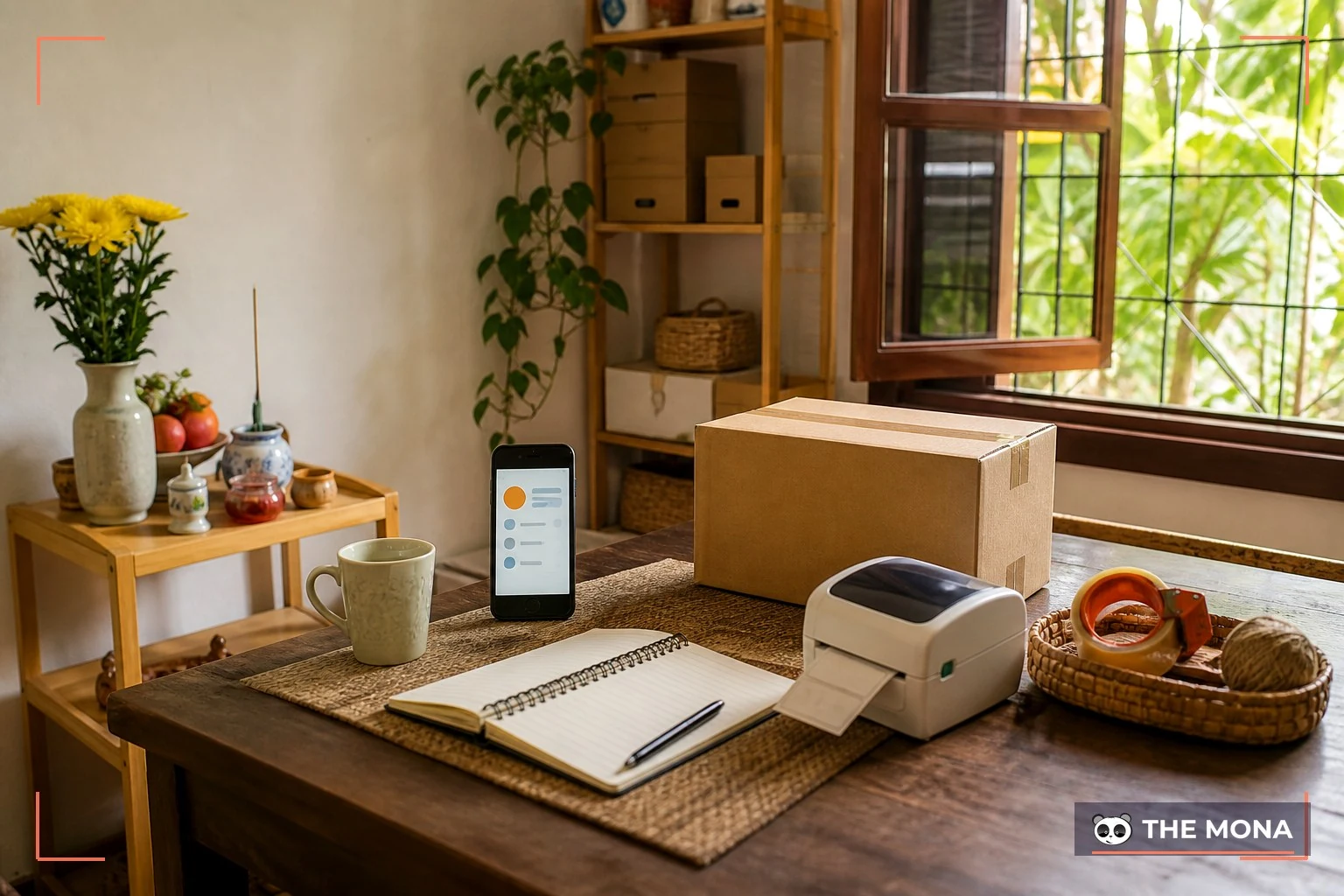
On the day you open the channel, test the flow from product page to checkout. Photos must be correct, variants in stock, shipping fees clearly shown, the confirmation message delivered, and stock reduced after the order. One opening order that runs through the entire process tells you the shop is ready better than ten canceled test orders.
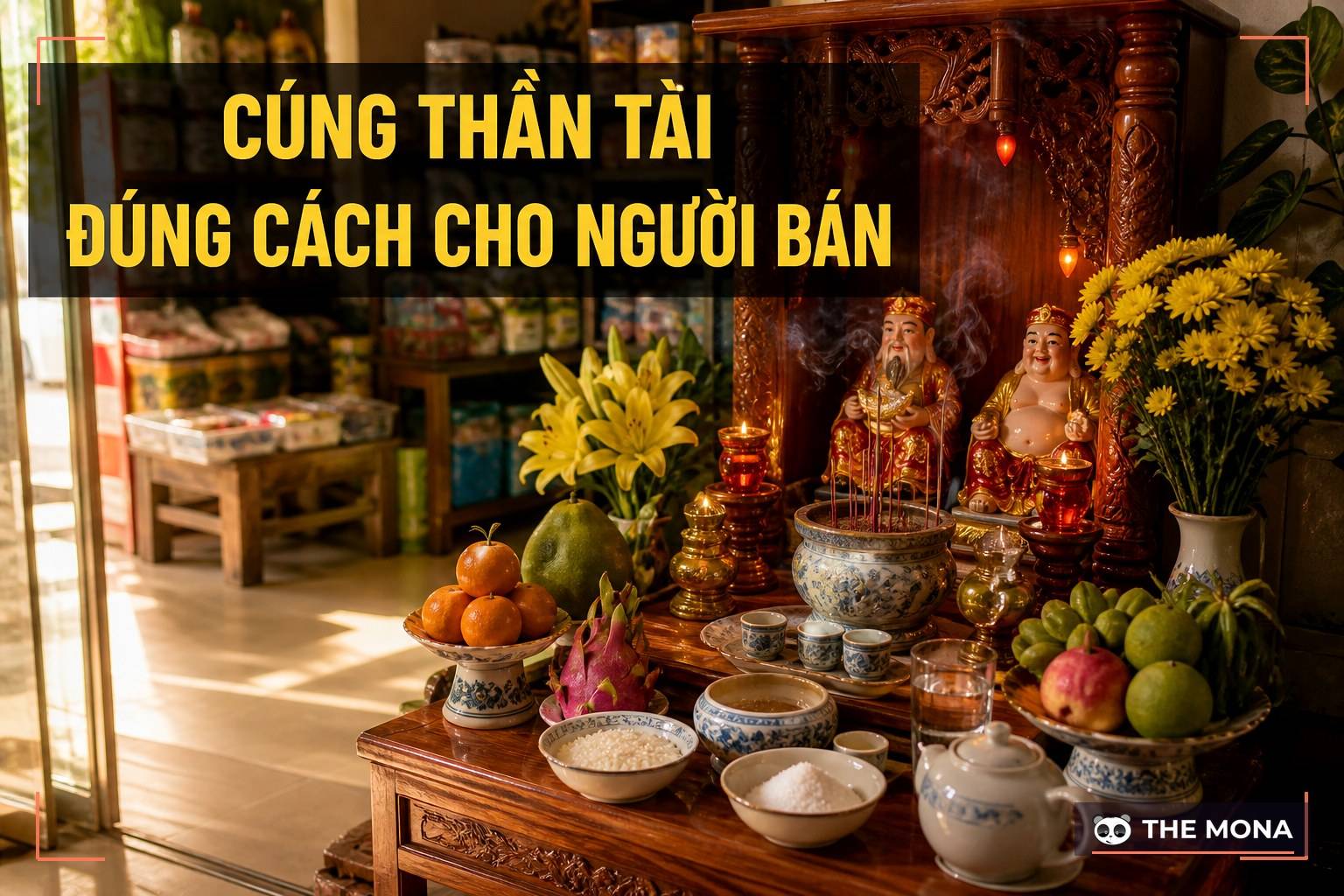
If your home has a Thần Tài (God of Wealth) altar, make the offering there and speak your online shop's name in the prayer. If you don't have an altar, there's no need to rush to set one up. Prepare a small tray in a respectful place following your family's custom, or simply tidy your desk, say your wish, and start taking orders. No need to hurry.
Asking for a lucky blessing sell online is not about posting mass “xin vía” comments under other shops' posts. If you want a blessing, ask someone you know in person and respect whether they agree. Luck shouldn't be bought with a nuisance.
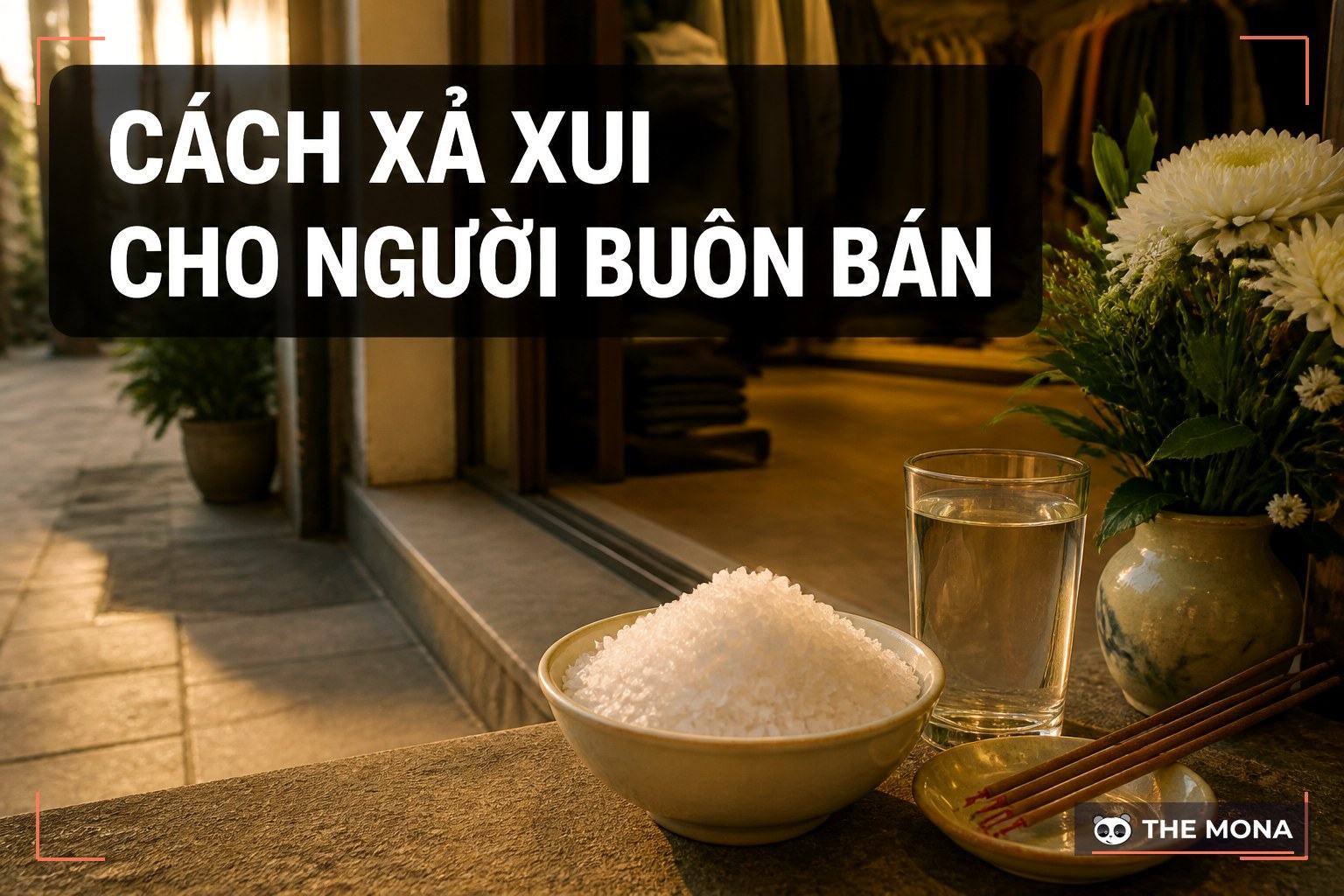
For more luck-bringing rituals for sellers, see: shop opening offering ritual · how to make daily and 10th-of-the-month offerings to Thần Tài for sellers · how to clear bad luck with salt for merchants.
You'd usually ask relatives, a fellow seller you respect, or invite a regular customer to open your shop. Someone cheerful, punctual, and willing matters more than giving them a title of wealth.
Something they genuinely need, at a comfortable price, and easy to deliver. Agree in advance on the product, arrival time, and payment method. It doesn't have to be expensive to bring luck. We check the payment code twice within 10 minutes before the appointed time, so the person arrives, buys the right item, gets the right price, and takes a receipt like any regular customer.
A small item still carries the full meaning.
There's no need to close up and redo it or wait for another day. Keep the altar clean and make the offering next time if your family keeps the custom. Selling that day carries on as normal.
The transaction must be recorded and reconciled like every other order. If the shop wants a keepsake, use a separate coin or red envelope prepared for that purpose, and never pull revenue out of the till and throw the cash count off.
Buôn may bán đắt (good luck, strong sales) is a warm wish for someone starting to sell. The ritual is the heart of it, but whether you sell still comes down to your goods, your prices, and how you look after customers. After the opening order, you still have to reconcile the money, deduct stock, call to confirm, and track returns. If these tasks sit across many ledgers and channels, take a look at MONA's sales management software to bring what you need into one place and keep every order clear, the way you kept your prayer whole. We reconcile after 1 day and check twice between the money received, the orders recorded, and the goods actually left in stock.
Getting each order right is enough.
Clear money, clear goods, clear orders.
Every order has to be real.

CEO & Founder · The MONA
The founder of The MONA built a service company of 60+ staff with 14,000+ projects delivered. Khánh Hùng shares his thinking on building self-running systems, automating a business, and the real lessons behind MONA's projects.
 284




Professional website
design services
Own a website with a beautiful, 100% exclusive design and a lifetime warranty, with the ability
to expand features flexibly as your business grows, starting today!






 MONA will never sell your information or send you spam


 MONA will never sell your information or send you spam
