
 MONA OS 2.0
 Partner with MONA


 Tự động hoá doanh nghiệp
 Cẩm nang SEO
 Digital Marketing
 Kinh nghiệm thiết kế website
 Hạ Tầng Server
 Giáo dục


 VI
 EN







Message us on
Zalo Official


 ProductsNew

 ProductsProducts
 Mới ra mắtKHA AI 2027App tự edit video, tự đăng mọi mạng xã hội, 2 phút mỗi ngày










 Website designLooks good and wins customers over.
SEO servicesBrings in customers searching for exactly what you sell.
 Tư vấn digital marketingKéo khách từ nhiều kênh, đo bằng số thật.
Corporate video productionVideos introducing your company, factory and team.
 NewAI video productionCompany story films made with AI.
 Custom software developmentCRM, ERP and HRM built for your business.
 Viết AI Agent theo yêu cầuĐặt riêng một trợ lý AI cho đúng việc của mình.
 Tư vấn chuyển đổi AIĐưa AI vào vận hành của cả công ty.
NewMONA LMSManagement for centers and schools.
MONA SkillHubInternal training for company staff.
 NHTQ systemEnd-to-end China–Vietnam shipping operations.
MONA JMSManagement for gold, diamond and pawn shops.
 MONA E-LearningA website with every feature you need to sell courses.
 How to sell online courses (course)More than 30 free lessons on selling courses on autopilot.
 MONA Cloudmonacloud.vnServers to get your apps and websites running.
 MONA Basemonabase.vnPostgres database, sign-in and file storage.
 MONA Mailmonamail.vnSend OTP, order and invoice emails from your software.
 MONA Paymonapay.vnAccept bank transfers via VietQR and notify your software when the money arrives.
 MONA eInvoiceComing soonIssue e-invoices that meet tax standards.
Gấu CườiTrả lời khách 24/7 trên web, Fanpage, Zalo và thu lead cho sale.
 Gấu TeleSalesGọi điện tư vấn, chăm khách như tổng đài viên thật.
Dê CườiTư vấn và chốt đơn cho shop ngay trong khung chat.
Gấu WebmasterNhắn nhóm Zalo là website được sửa xong.
 Gấu Pháp ChếSoạn hợp đồng, rà điều khoản trong vài phút.
 Gấu Báo GiáLên báo giá đúng mẫu và gửi khách ngay.
 AI chăm sóc khách hàngTheo dõi và giữ chân khách hàng cũ.
 Gấu Tuyển DụngLọc hồ sơ, hẹn lịch, phỏng vấn ứng viên.
 Mới ra mắt
KHA AI 2027
Xây kênh chuyên gia 2 phút mỗi ngày
Quay bằng điện thoại, AI tự edit video, tự đăng lên 16 nền tảng và tự trả lời bình luận, tin nhắn.
845.195lượt xem trên kênh CEO MONA sau 28 ngày
 Anh Khánh HùngCEO MONA đang dùng mỗi ngày
Xem app làm được gì
 AI
Gấu Cười MONA ĐANG TỰ XÀITrả lời khách 24/7 trên website, Zalo OA, Messenger và thu lead về cho sale.
Dê CườiChốt đơn bán lẻ và sàn: Shopee, TikTok Shop, web. Chăm cả khách sỉ, đại lý.
Gấu WebmasterCập nhật nội dung, tối ưu SEO website mỗi ngày.
Gấu TeleSalesGọi điện tư vấn, chăm khách như tổng đài viên thật.
Gấu Tuyển DụngLọc hồ sơ, hẹn lịch, phỏng vấn ứng viên tự động.
AI chăm sóc khách hàngGiữ khách cũ, cứu lead đã rớt cho phòng kinh doanh.
Gấu Pháp ChếSoạn hợp đồng, rà điều khoản trong vài phút.
Gấu Báo GiáLên báo giá đúng mẫu, gửi khách ngay khi có yêu cầu.
 Chuyển đổi AI toàn phầnGiải pháp tổng cho doanh nghiệp, 3 lớp triển khai.
 Viết AI Agent theo yêu cầuĐặt riêng một con AI gánh đúng nghiệp vụ của bạn.
 Custom softwareCRM, ERP and HRM with built-in AI automation.
 SEO & AEO thời đại AIĐược Google lẫn AI trích dẫn, không chỉ xếp hạng.
 Kiến thức AI cho doanh nghiệpBài phân tích, hướng dẫn ứng dụng AI vào vận hành.
 Free AI courses
 AI tools at work
App mới · KHA AI 2027
Xây kênh 2 phút mỗi ngày
AI tự edit video, tự đăng mọi mạng xã hội
Free consultation, 8am–10pm every day

16 June, 2023
What are sales? Businesses usually use this figure to reflect their finances at a given point in time. But many people still do not clearly understand what sales are, and confuse the concepts of revenue and sales. If you still have questions about this, Mona Media will explain it in detail in this article!
What are sales? Sales are the number of products a business has sold in a period, which can be a month, a quarter or a whole year. Sales represent the total value of money received from sales transactions in that period.
Sales include both profit already collected and profit not yet collected. They can include revenue from selling goods and other income. However, sales do not depend entirely on revenue; they depend on the number of products sold and their value.
Increasing sales is not just about selling more; it also takes a sound operating strategy to optimize business performance. One of a business's biggest challenges is delaying the rollout of plans, which wastes resources and growth opportunities. Read on for strategies that help a business grow sales effectively:
->See more: What Is Pricing Strategy? Choosing the Right Pricing Strategy for Your Business
Doanh thu, is the total economic value a business earns from its operations over a specific period, after excluding taxes. Revenue contributes to the growth of the business's owners' equity.
To understand more about what sales are, here is an example from Mona:
Mona's target of 700 million VND in December 2025 can be seen as a revenue target
If the target is revenue, the total money received from sales between 1/1/2025 and 30/12/2025 counts toward that month's revenue. This revenue includes money collected in the current month and money collected from earlier purchases that customers had not yet paid for.
However, if the target is sales, you must sell goods worth a total of 700 million VND between 1/12/2025 and 30/12/2025. In this case, the calculation is based only on the quantity of goods sold, excluding agent costs, investment costs and other factors. Whether the target is revenue or sales depends on how the business owner defines and measures the business's performance.
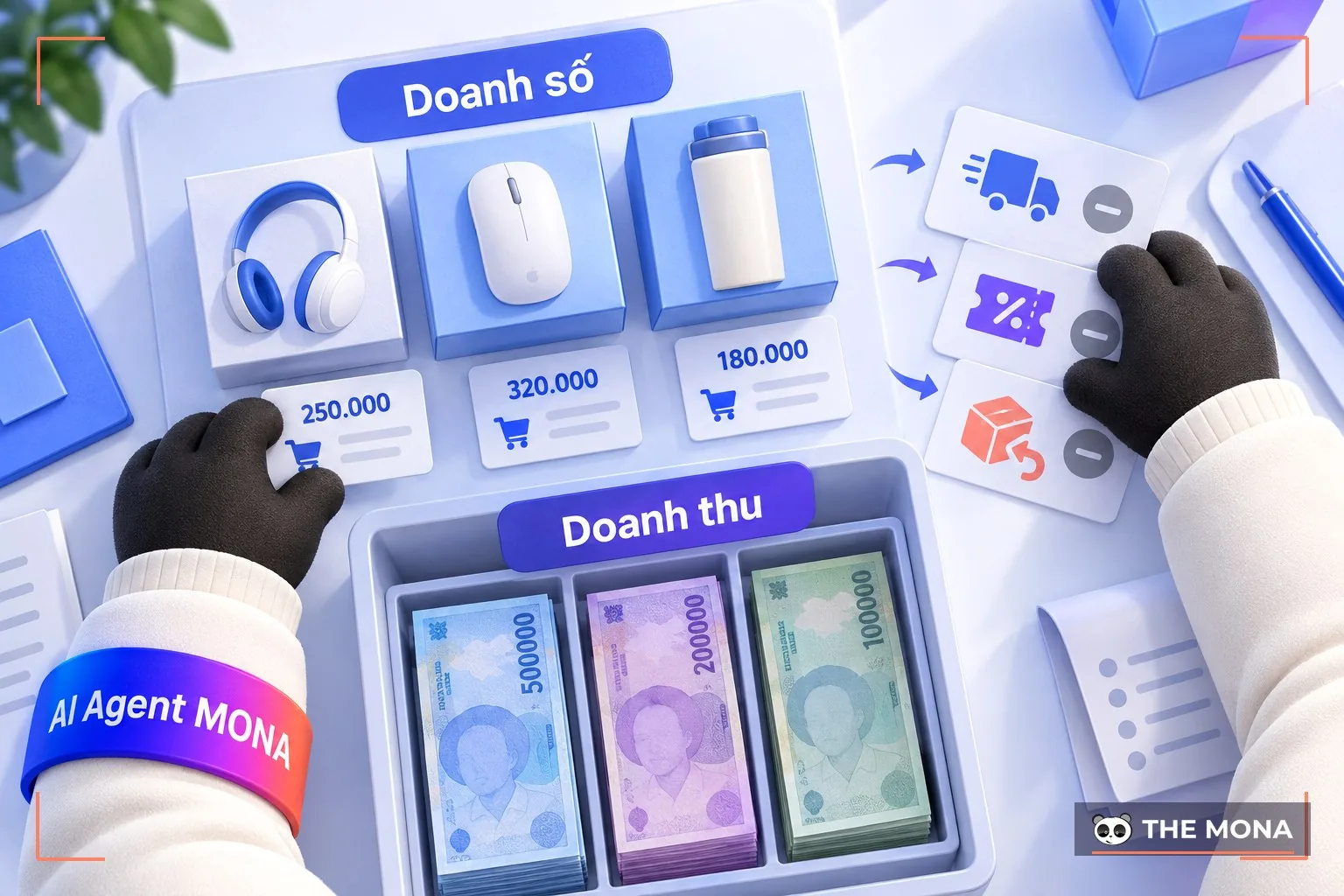
So what is the formula for sales? To calculate a business's sales, apply the formula below:
For revenue, use the following formula:
Here, costs include discount fees + shipping for returned goods (due to defects) + volume discounts (for bulk purchases)
Why do sales directly affect a business? Actual sales are one of the key factors in a business's development. They also show how effective the business's current plan is. Sales are not only an important figure but also a goal that staff work toward. When sales rise, they create a stable, strong financial resource for the business.
At the same time, sales let a business or company identify its strengths and weaknesses. By analyzing sales, businesses can build on their strengths and find ways to fix their weaknesses.
So what is the difference between revenue and sales? Let's find out!
How each is determined:
Role of sales and revenue for a business:
Position in the business's financial statements:
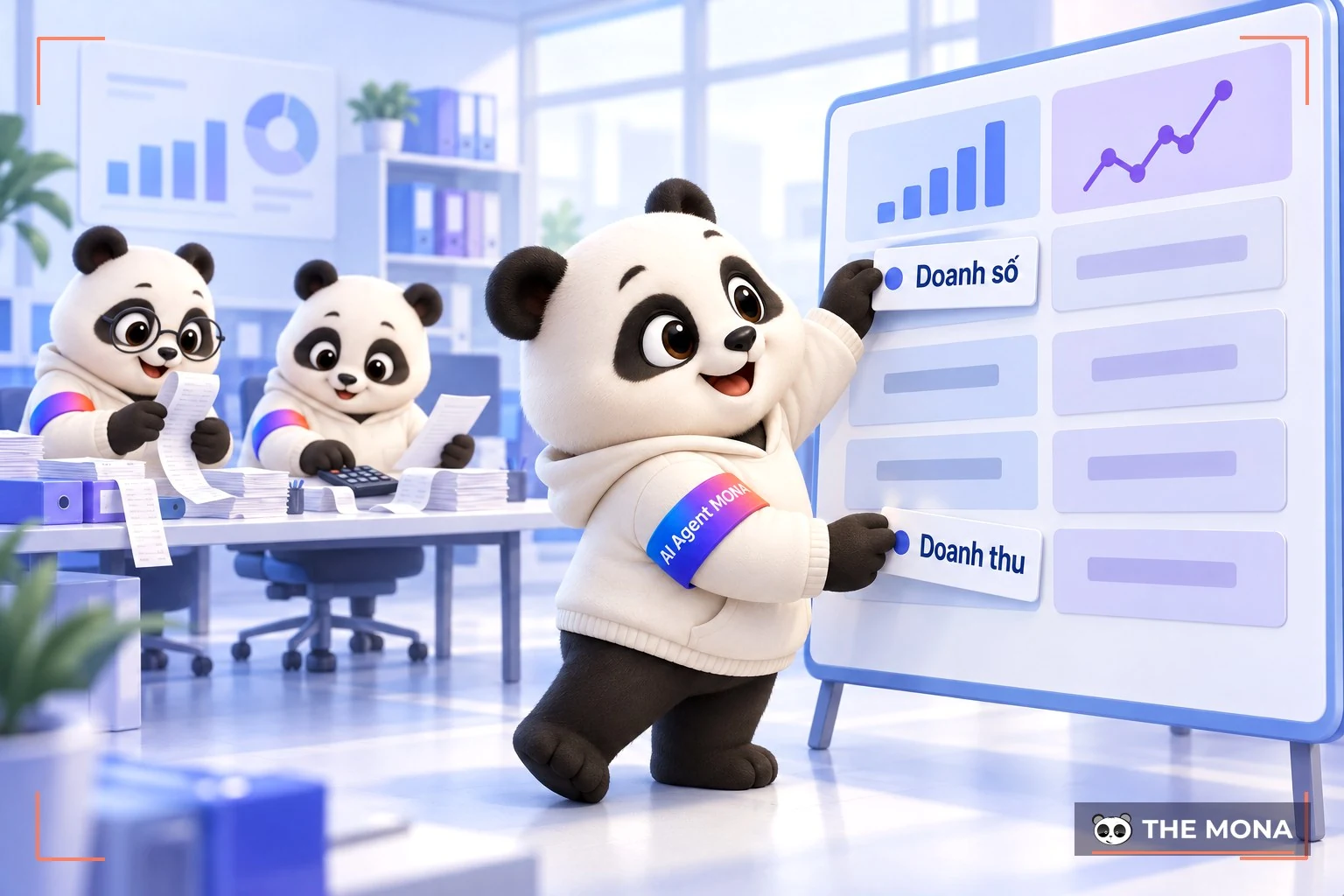
Here are some problems that can arise if you confuse the concepts of revenue and sales:
Now that you understand what sales are, in the last part Mona will walk you through 4 ways to help increase a business's sales
How does using a discount strategy increase sales? Discounting is an important strategy in Marketing to increase consumers' buying power. By lowering a product's original price by a set percentage, a business creates a strong incentive for customers to decide to buy. It gives customers short-term benefits, such as saving money and a chance to buy at an attractive price. It also benefits the business, such as higher sales, competitive room and stronger customer relationships.
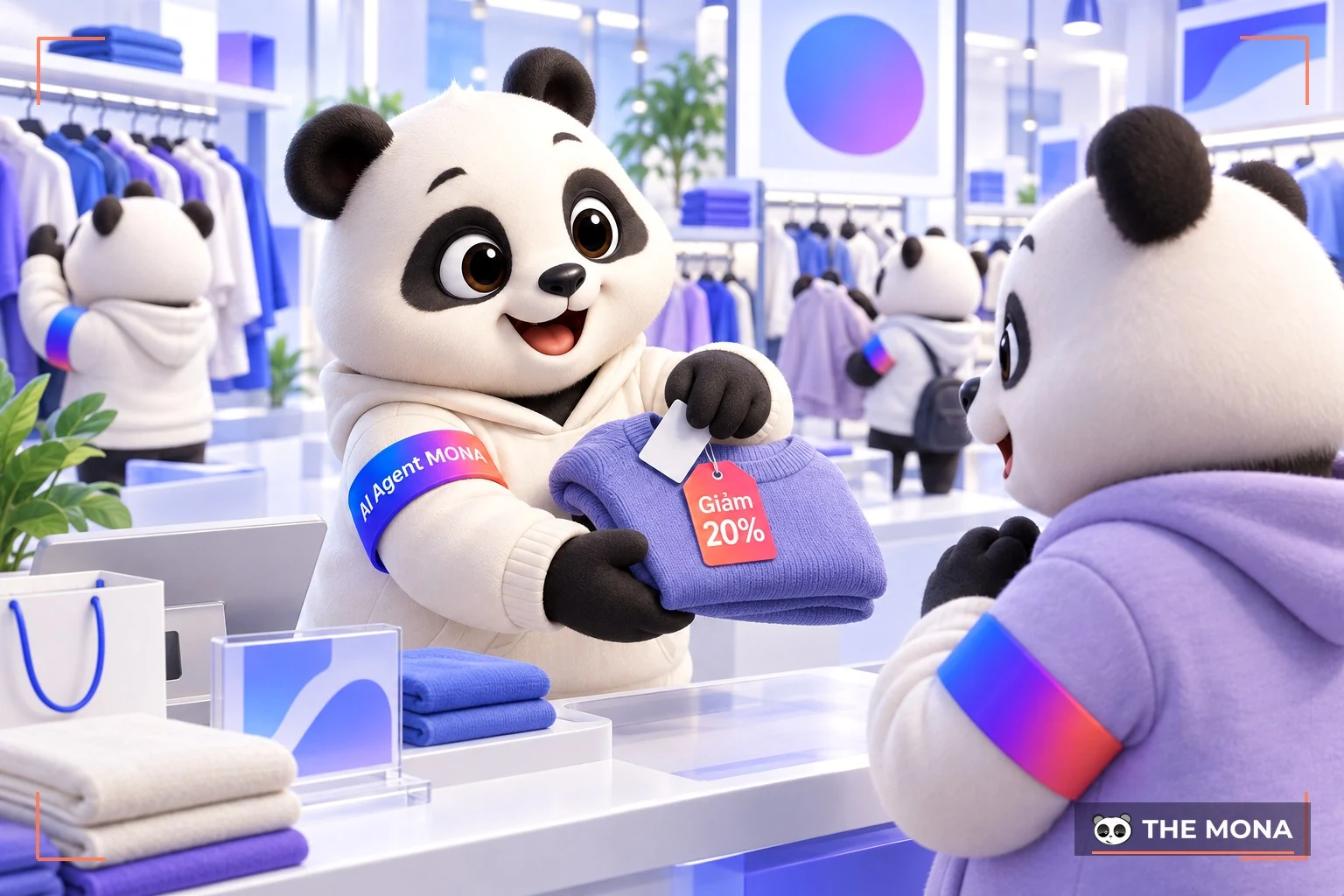
That said, discounts need careful management to avoid negative effects, such as weakening the brand's value or training customers to expect low prices all the time. So choosing the right scope and discount rate, and being clear about your goals and long-term benefits, is essential for the strategy to work.
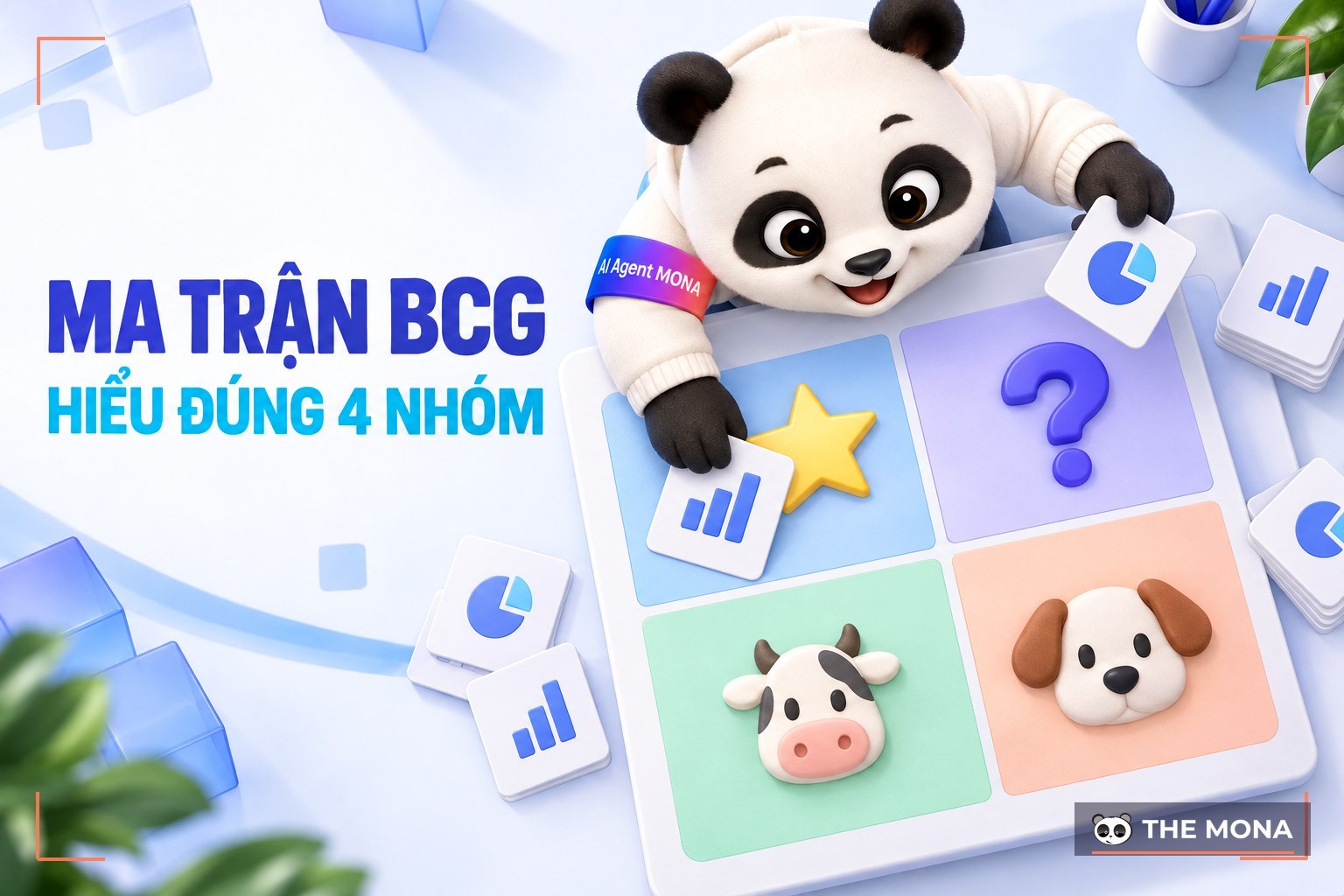
->See more: What is the BCG matrix? Pros and cons of using BCG in business
How do you raise sales? By running contests, games or giveaways, a brand creates excitement and fun for its customers. Valuable, attractive prizes such as gifts, free products or unique experiences usually draw customers in and get them taking part. This approach has several benefits:
That said, for the best results, a contest or giveaway has to be planned and run carefully and professionally. You need clear goals, a clear target audience, a clear way to take part and clear rules, so the process is transparent and fair to every participant.
How can you offer a free service and still increase sales? Letting customers try a product or service free for a short period is an effective way to drive sales. It gives customers a chance to experience the product first-hand, which builds trust and creates positive interaction on both sides.
Once customers have used the product for free, they may form a good impression and see its real value. This gives the brand a chance to present more attractive features and upgraded plans that customers can buy when the free trial ends.
However, for this to work well, the free service and the paid plans that follow need to be designed carefully. The brand must make sure the free service has real value and gives customers a good experience. Introducing new features and plans also needs to be clear and appealing, so it holds customers' interest.
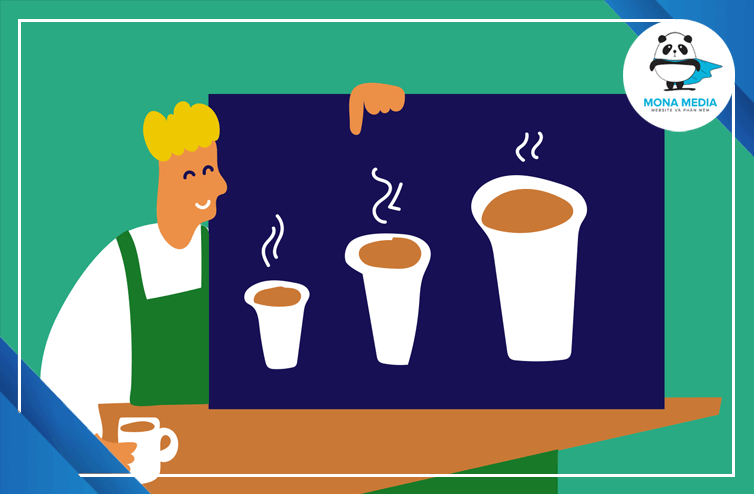
What is a marketing strategy for increasing sales? Creating scarcity is a marketing strategy common way to drive sales. When a business announces a limited promotion for the first group of customers, it creates curiosity and desire among the crowd.
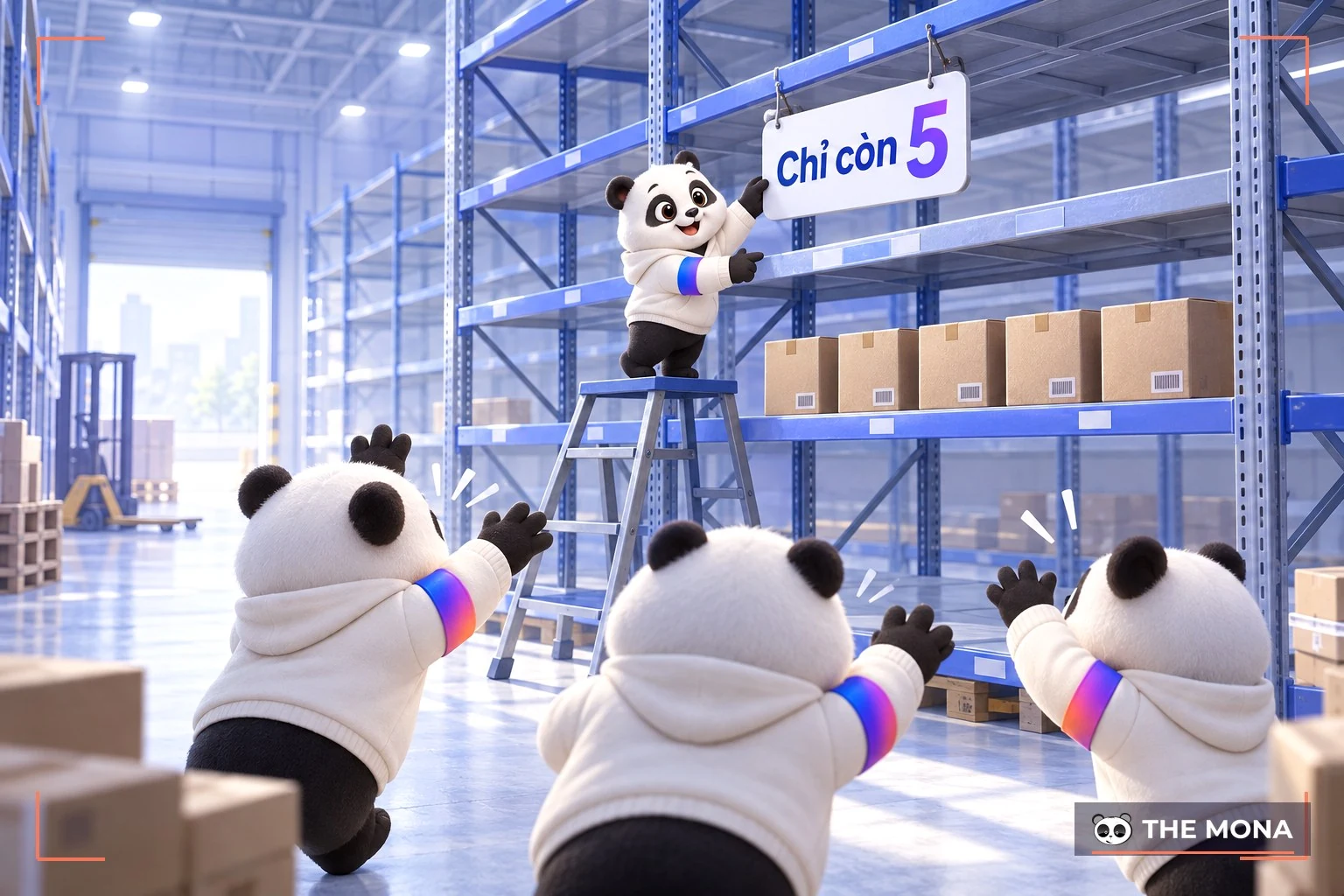
Limiting the number of customers this way creates scarcity, which makes buyers want to act quickly and not miss out. Consumers tend to feel pressure and worry about missing attractive deals or limited-edition products. This can push them to hurry to the store or Website of the business to buy and enjoy the offer.
At the same time, when using scarcity tactics, businesses must be transparent and honest. Information about the quantity and duration of a limited promotion should be stated clearly and without causing confusion. The offer and the product must also be genuinely worth it, so customers are not disappointed.
Through this article, Mona Media has shared very useful information on the topic of what are sales. We hope you've picked up some new knowledge you can apply in everyday life.
->See more: What is upselling? Up-selling vs. cross-selling in sales

CEO & Founder · The MONA
The founder of The MONA built a service company of 60+ staff with 14,000+ projects delivered. Khánh Hùng shares his thinking on building self-running systems, automating a business, and the real lessons behind MONA's projects.
 1,5K




Professional website
design services
Own a website with a beautiful, 100% exclusive design and a lifetime warranty, with the ability
to expand features flexibly as your business grows, starting today!






 MONA will never sell your information or send you spam


 MONA will never sell your information or send you spam
