
 MONA OS 2.0
 Partner with MONA


 Tự động hoá doanh nghiệp
 Cẩm nang SEO
 Digital Marketing
 Kinh nghiệm thiết kế website
 Hạ Tầng Server
 Giáo dục


 VI
 EN















Message us on
Zalo Official


 ProductsNew

 ProductsProducts
 Mới ra mắtKHA AI 2027App tự edit video, tự đăng mọi mạng xã hội, 2 phút mỗi ngày










 Website designLooks good and wins customers over.
SEO servicesBrings in customers searching for exactly what you sell.
 Tư vấn digital marketingKéo khách từ nhiều kênh, đo bằng số thật.
Corporate video productionVideos introducing your company, factory and team.
 NewAI video productionCompany story films made with AI.
 Custom software developmentCRM, ERP and HRM built for your business.
 Viết AI Agent theo yêu cầuĐặt riêng một trợ lý AI cho đúng việc của mình.
 Tư vấn chuyển đổi AIĐưa AI vào vận hành của cả công ty.
NewMONA LMSManagement for centers and schools.
MONA SkillHubInternal training for company staff.
 NHTQ systemEnd-to-end China–Vietnam shipping operations.
MONA JMSManagement for gold, diamond and pawn shops.
 MONA E-LearningA website with every feature you need to sell courses.
 How to sell online courses (course)More than 30 free lessons on selling courses on autopilot.
 MONA Cloudmonacloud.vnServers to get your apps and websites running.
 MONA Basemonabase.vnPostgres database, sign-in and file storage.
 MONA Mailmonamail.vnSend OTP, order and invoice emails from your software.
 MONA Paymonapay.vnAccept bank transfers via VietQR and notify your software when the money arrives.
 MONA eInvoiceComing soonIssue e-invoices that meet tax standards.
Gấu CườiTrả lời khách 24/7 trên web, Fanpage, Zalo và thu lead cho sale.
 Gấu TeleSalesGọi điện tư vấn, chăm khách như tổng đài viên thật.
Dê CườiTư vấn và chốt đơn cho shop ngay trong khung chat.
Gấu WebmasterNhắn nhóm Zalo là website được sửa xong.
 Gấu Pháp ChếSoạn hợp đồng, rà điều khoản trong vài phút.
 Gấu Báo GiáLên báo giá đúng mẫu và gửi khách ngay.
 AI chăm sóc khách hàngTheo dõi và giữ chân khách hàng cũ.
 Gấu Tuyển DụngLọc hồ sơ, hẹn lịch, phỏng vấn ứng viên.
 Mới ra mắt
KHA AI 2027
Xây kênh chuyên gia 2 phút mỗi ngày
Quay bằng điện thoại, AI tự edit video, tự đăng lên 16 nền tảng và tự trả lời bình luận, tin nhắn.
844.552lượt xem trên kênh CEO MONA sau 28 ngày
 Anh Khánh HùngCEO MONA đang dùng mỗi ngày
Xem app làm được gì
 AI
Gấu Cười MONA ĐANG TỰ XÀITrả lời khách 24/7 trên website, Zalo OA, Messenger và thu lead về cho sale.
Dê CườiChốt đơn bán lẻ và sàn: Shopee, TikTok Shop, web. Chăm cả khách sỉ, đại lý.
Gấu WebmasterCập nhật nội dung, tối ưu SEO website mỗi ngày.
Gấu TeleSalesGọi điện tư vấn, chăm khách như tổng đài viên thật.
Gấu Tuyển DụngLọc hồ sơ, hẹn lịch, phỏng vấn ứng viên tự động.
AI chăm sóc khách hàngGiữ khách cũ, cứu lead đã rớt cho phòng kinh doanh.
Gấu Pháp ChếSoạn hợp đồng, rà điều khoản trong vài phút.
Gấu Báo GiáLên báo giá đúng mẫu, gửi khách ngay khi có yêu cầu.
 Chuyển đổi AI toàn phầnGiải pháp tổng cho doanh nghiệp, 3 lớp triển khai.
 Viết AI Agent theo yêu cầuĐặt riêng một con AI gánh đúng nghiệp vụ của bạn.
 Custom softwareCRM, ERP and HRM with built-in AI automation.
 SEO & AEO thời đại AIĐược Google lẫn AI trích dẫn, không chỉ xếp hạng.
 Kiến thức AI cho doanh nghiệpBài phân tích, hướng dẫn ứng dụng AI vào vận hành.
 Free AI courses
 AI tools at work
App mới · KHA AI 2027
Xây kênh 2 phút mỗi ngày
AI tự edit video, tự đăng mọi mạng xã hội
Free consultation, 8am–10pm every day

18 March, 2023

Revenue is the basis for judging how well a business is performing. The higher the revenue, the more profit it earns. If you are not yet clear on this term, read on for an answer to what revenue is. Details about revenue and the revenue formula are Mona Media provided in full below.
By the accounting definition, revenue is the total value of the benefits a business earns in an accounting period. It comes from the business's trading and production activities and increases owner's equity. Put simply, revenue is the money collected after exchanging, selling or providing services.
Many people confuse revenue with a business's cash flow. Revenue is the total money collected from business activity, while cash flow includes revenue and other sources of money. Businesses use revenue to plan effective sales, and use cash flow to manage liquidity and money better.
Revenue is an important measure of a business's performance and growth. But to optimize revenue, consistent operations and overcoming procrastination are key. Don't let delay waste opportunities: act now to grow revenue! Watch the video below to discover effective methods.
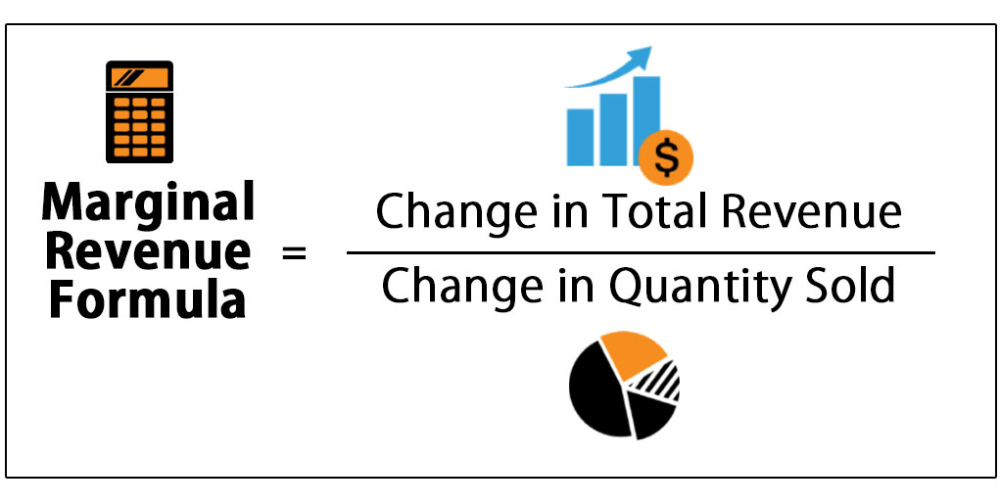
The revenue formula is based on a product's price and the quantity a business sells. It applies to every type of business. For more detail, it can be split into two formulas:
Revenue can be reduced within an accounting period for a number of reasons. For example, when a business sells a large order it often gives a trade discount to build a longer-term relationship with the buyer. Poor-quality goods and long-unsold stock that need discounting also affect revenue. When orders are returned because of contract breaches, wrong specifications and so on, the money the business actually collects also differs.
Doanh thu reflects how well a business produces and trades. It is the basis for deciding how to cover costs and how much tax to pay the state. Revenue at the end of the capital turnover cycle is the starting point for the next round of reproduction.
Revenue for a business is income that pays for the costs of keeping the business running, including rent, taxes, equipment and so on. Revenue also keeps capital turning over so operations stay stable. Higher revenue shows the business is doing well and has the potential to expand.
Revenue from sales is the money collected from selling the goods, products and services a business provides. It includes both main and secondary income. Revenue from selling products the business makes itself means it does not depend on outside loans, which reduces the pressure of maintaining capital.
Revenue from financial activities includes interest, dividends, income from investments and trading in securities. It also counts money recovered, proceeds from disposals, investments in other businesses and joint-venture capital contributions. Even exchange rates, foreign currency differences and capital transfers are counted as financial revenue.
Internal revenue is money collected from transactions inside a business, for example between units of the same company or between subsidiaries of a group. It can be understood as a transfer of profit from one area to another, so the risk stays within the organization.
Revenue from other sources, also called irregular revenue, is money that does not come in regularly. Examples are selling business supplies, disposing of surplus assets and equipment, or cost write-offs. This revenue is unstable and does not play an important role in the business's capital.

Doanh thu and income differ is a question many people ask today. Many assume the two terms mean the same thing, but they do not. Revenue covers all the assets a business collects in the course of trading. Income is calculated as sales revenue minus monthly expenses.
The main purpose of revenue is to keep the business running and pay for purchasing goods. Income is the real value the business receives after deducting the necessary costs. Both revenue and income matter to a business's operations.
To increase sales revenue effectively, a business must identify the customers who suit its products. From there, it can plan advertising – promotion and set a sales policy to match. While selling, collect customer feedback regularly so you can adjust quickly to social trends.
Boosting sales activity is also an effective way to raise revenue. A business should sell in several ways and on different platforms – omnichanel. Keep improving the quality of your products and services so each customer order is worth more. A business can also cut unnecessary costs to support revenue.
The article above has covered the basics of revenue and how to calculate it. We hope it has answered your question about what revenue is. Follow our website Mona.media for more useful business articles!
You may also be interested in: How to increase online sales effectively for your business

CEO & Founder · The MONA
The founder of The MONA built a service company of 60+ staff with 14,000+ projects delivered. Khánh Hùng shares his thinking on building self-running systems, automating a business, and the real lessons behind MONA's projects.
 1,5K




Professional website
design services
Own a website with a beautiful, 100% exclusive design and a lifetime warranty, with the ability
to expand features flexibly as your business grows, starting today!






 MONA will never sell your information or send you spam


 MONA will never sell your information or send you spam
