
 MONA OS 2.0
 Partner with MONA


 Tự động hoá doanh nghiệp
 Cẩm nang SEO
 Digital Marketing
 Kinh nghiệm thiết kế website
 Hạ Tầng Server
 Giáo dục


 VI
 EN





Message us on
Zalo Official


 ProductsNew

 ProductsProducts
 Mới ra mắtKHA AI 2027App tự edit video, tự đăng mọi mạng xã hội, 2 phút mỗi ngày










 Website designLooks good and wins customers over.
SEO servicesBrings in customers searching for exactly what you sell.
 Tư vấn digital marketingKéo khách từ nhiều kênh, đo bằng số thật.
Corporate video productionVideos introducing your company, factory and team.
 NewAI video productionCompany story films made with AI.
 Custom software developmentCRM, ERP and HRM built for your business.
 Viết AI Agent theo yêu cầuĐặt riêng một trợ lý AI cho đúng việc của mình.
 Tư vấn chuyển đổi AIĐưa AI vào vận hành của cả công ty.
NewMONA LMSManagement for centers and schools.
MONA SkillHubInternal training for company staff.
 NHTQ systemEnd-to-end China–Vietnam shipping operations.
MONA JMSManagement for gold, diamond and pawn shops.
 MONA E-LearningA website with every feature you need to sell courses.
 How to sell online courses (course)More than 30 free lessons on selling courses on autopilot.
 MONA Cloudmonacloud.vnServers to get your apps and websites running.
 MONA Basemonabase.vnPostgres database, sign-in and file storage.
 MONA Mailmonamail.vnSend OTP, order and invoice emails from your software.
 MONA Paymonapay.vnAccept bank transfers via VietQR and notify your software when the money arrives.
 MONA eInvoiceComing soonIssue e-invoices that meet tax standards.
Gấu CườiTrả lời khách 24/7 trên web, Fanpage, Zalo và thu lead cho sale.
 Gấu TeleSalesGọi điện tư vấn, chăm khách như tổng đài viên thật.
Dê CườiTư vấn và chốt đơn cho shop ngay trong khung chat.
Gấu WebmasterNhắn nhóm Zalo là website được sửa xong.
 Gấu Pháp ChếSoạn hợp đồng, rà điều khoản trong vài phút.
 Gấu Báo GiáLên báo giá đúng mẫu và gửi khách ngay.
 AI chăm sóc khách hàngTheo dõi và giữ chân khách hàng cũ.
 Gấu Tuyển DụngLọc hồ sơ, hẹn lịch, phỏng vấn ứng viên.
 Mới ra mắt
KHA AI 2027
Xây kênh chuyên gia 2 phút mỗi ngày
Quay bằng điện thoại, AI tự edit video, tự đăng lên 16 nền tảng và tự trả lời bình luận, tin nhắn.
838.259lượt xem trên kênh CEO MONA sau 28 ngày
 Anh Khánh HùngCEO MONA đang dùng mỗi ngày
Xem app làm được gì
 AI
Gấu Cười MONA ĐANG TỰ XÀITrả lời khách 24/7 trên website, Zalo OA, Messenger và thu lead về cho sale.
Dê CườiChốt đơn bán lẻ và sàn: Shopee, TikTok Shop, web. Chăm cả khách sỉ, đại lý.
Gấu WebmasterCập nhật nội dung, tối ưu SEO website mỗi ngày.
Gấu TeleSalesGọi điện tư vấn, chăm khách như tổng đài viên thật.
Gấu Tuyển DụngLọc hồ sơ, hẹn lịch, phỏng vấn ứng viên tự động.
AI chăm sóc khách hàngGiữ khách cũ, cứu lead đã rớt cho phòng kinh doanh.
Gấu Pháp ChếSoạn hợp đồng, rà điều khoản trong vài phút.
Gấu Báo GiáLên báo giá đúng mẫu, gửi khách ngay khi có yêu cầu.
 Chuyển đổi AI toàn phầnGiải pháp tổng cho doanh nghiệp, 3 lớp triển khai.
 Viết AI Agent theo yêu cầuĐặt riêng một con AI gánh đúng nghiệp vụ của bạn.
 Custom softwareCRM, ERP and HRM with built-in AI automation.
 SEO & AEO thời đại AIĐược Google lẫn AI trích dẫn, không chỉ xếp hạng.
 Kiến thức AI cho doanh nghiệpBài phân tích, hướng dẫn ứng dụng AI vào vận hành.
 Free AI courses
 AI tools at work
App mới · KHA AI 2027
Xây kênh 2 phút mỗi ngày
AI tự edit video, tự đăng mọi mạng xã hội
Free consultation, 8am–10pm every day

18 March, 2023
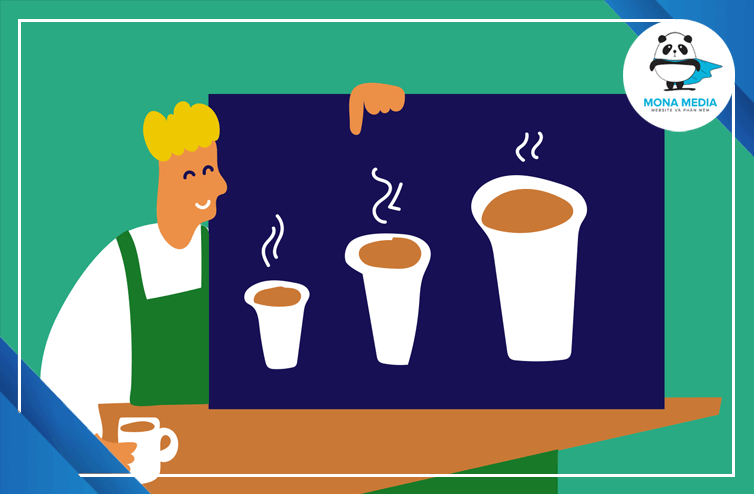
Upsell and cross-sell are two very common sales techniques today, but many people still mix them up. In this article, Mona Media will walk you through upsell sales technique.
Upsell, or more precisely up-selling, is a sales technique that gets customers to buy a "premium version" of a product they already own or want to own. The premium version may be a better product with more features and, most likely, a higher price.
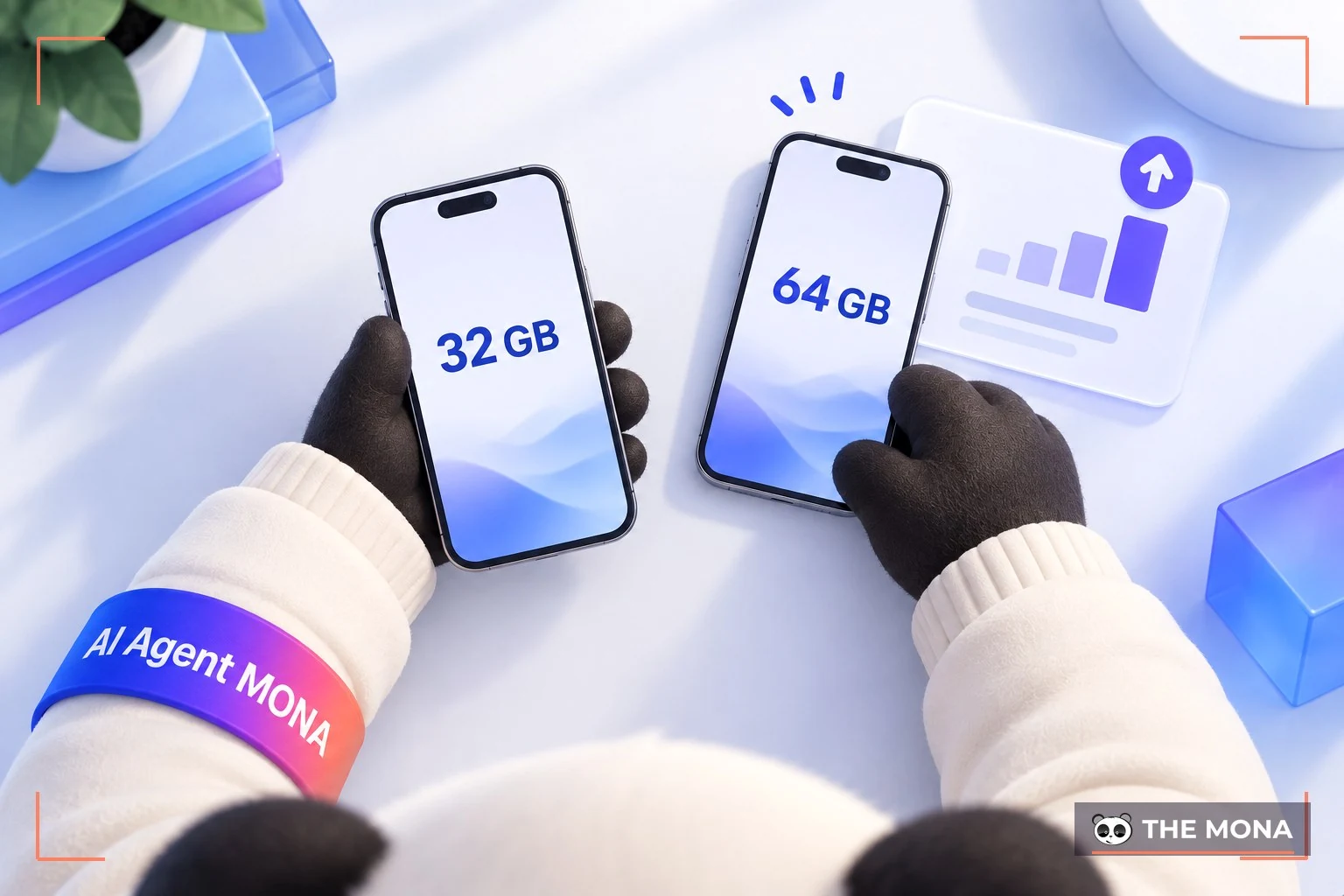
Think of up-selling as selling smartphones of the same model with different amounts of storage. You will always want to encourage customers to buy the 64GB iPhone instead of the 32GB one.
Up-selling also works for other types of products, such as mobile apps. Users can upgrade an app to a premium version to unlock new, advanced and unique features. A photo app, for example, can offer more filters and more fun stickers after an upgrade.
Some premium software removes watermarks, so the finished work (images, videos, PDFs and so on) looks cleaner and more professional. Premium versions can also remove the ads that appear in the free or basic version.
The defining feature of up-selling is that the price of the "premium version" should not be much higher than the previous one. This encourages users to upgrade, or to choose the higher version over the lower one.
Up-selling is an important sales technique for both traditional and sell online modern ways of selling. Every sales technique ultimately aims to increase revenue, but up-selling can bring you other significant benefits as well.
User experience is important, and for some products and brands it is critical. Customers are more likely to come back and buy again if they have a great experience with your business.
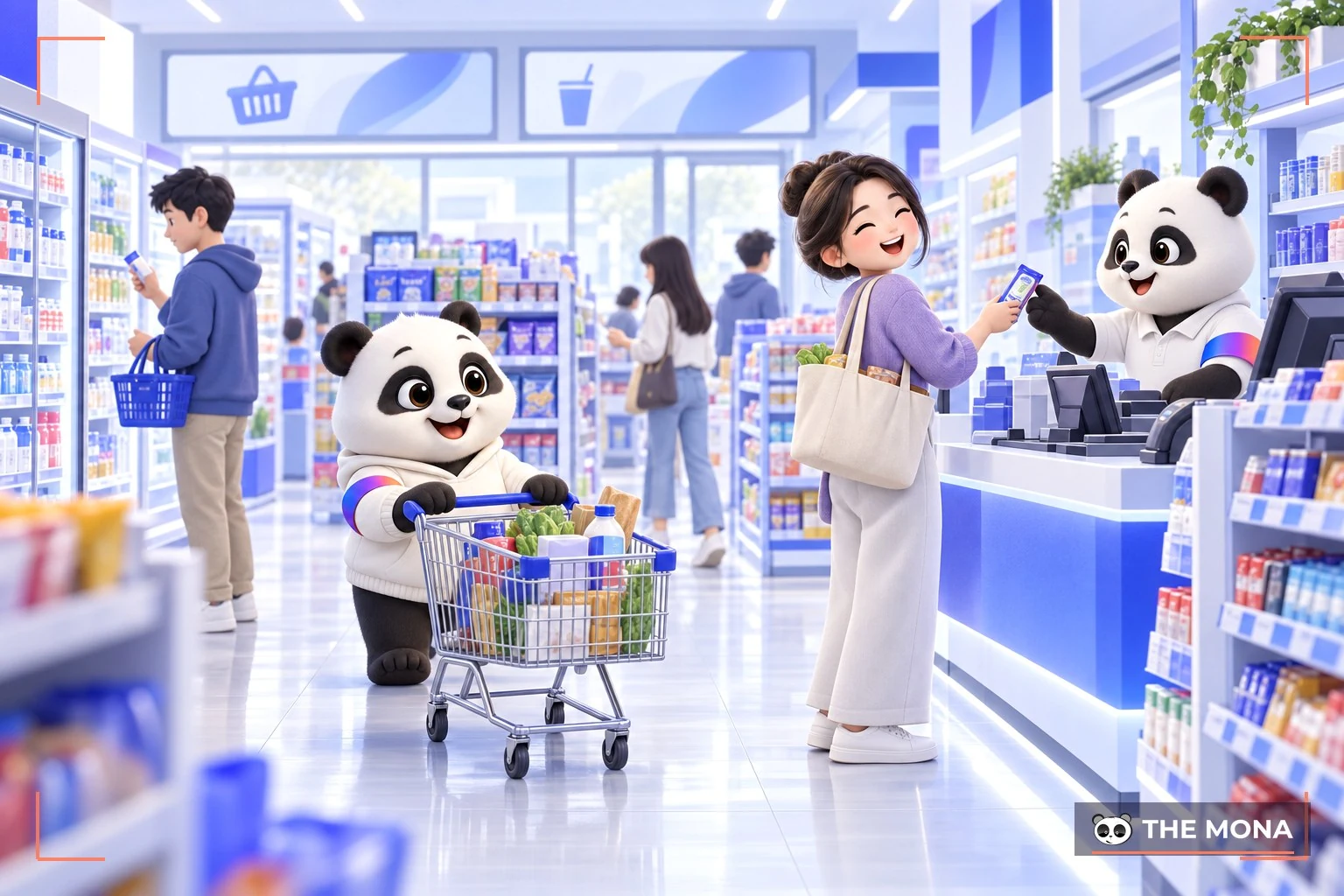
Sometimes they even help spread your brand and bring in more customers. Up-selling is one of the clearest ways to improve user experience, because customers are upgraded to a better, more complete and more appealing version of the product. They get more interesting features and capabilities they did not have before.
The annoying 30-second ads that cannot be skipped are gone, the sparkly star sticker is now usable, or the larger storage is finally enough to install a favorite game. These benefits are felt even more when users move up to premium after trying the "lower" version. Customers who buy the premium product straight away sometimes never get that feeling, so in some cases up-selling plays an extremely important role.
Up-selling helps you build a strong bond with customers. A better experience through upgrading makes them feel more positive about your brand.
Customers who have been up-sold are less likely to leave. Instead, they wait to see what the premium version offers. They notice that you keep improving and want to serve customers better, and as a result they easily become part of your loyal customer community.
Another factor that strongly affects the overall customer experience is flexibility. With up-selling, you sell different versions of one product, such as the different storage sizes of a smartphone.
If you run a SaaS business (Software as a Service), you need to split the application into different versions with limited features. All of this gives consumers useful flexibility and plenty of choices when they buy. It lets you reach customers who do not have a generous budget and gives them a chance to try the product.
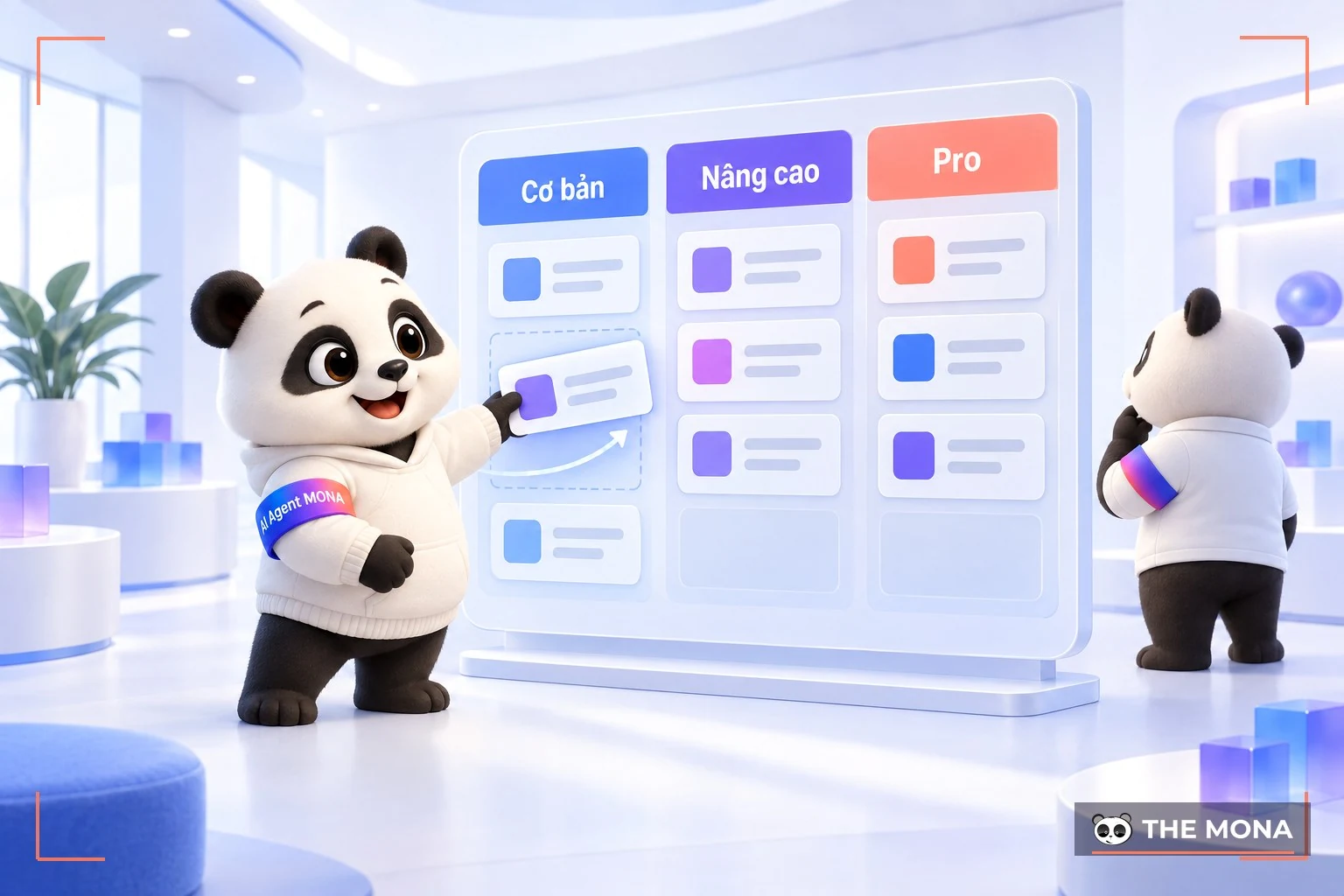
When their situation allows, these customers may come back to buy the premium product or upgrade their plan. Other customers deliberately start with a basic version and upgrade later, once they are happy with it. The flexibility of up-selling gives customers a sense of freedom and control over their buying decision, which earns more goodwill.
Experience shows that finding a brand-new customer is much harder than up-selling an existing one. The "Customer journey" from having no awareness of a brand to making a purchase is usually bumpy.
By offering a lower-tier, more affordable version, up-selling makes the customer journey easier and speeds up the decision to convert. And once customers are already on the buying journey, it is easier to encourage them to upgrade to a premium version than to make them start over.
In short, up-selling both draws customers in (a lead magnet) and increases the revenue you get from those already inside.
According to observations, 70% of people who have already used a product or service are likely to agree to upgrade to a premium version, compared with only 20% of users who want to buy premium the first time they come across it.
Another important role of upsell is to pick out your target customers from your wider customer base. Ordinary customers usually only want to try the product during a trial period, or use free or low-priced versions.
Prospects, on the other hand, are the people willing to upgrade to a higher, more expensive version. With up-selling you can serve many types of customers and also identify which ones are your real prospects. You can then offer them special policies and approaches (exclusive offers, direct conversations and so on) to focus on serving them.
Up-selling and cross-selling are two common sales techniques that are easy to confuse, but they are completely different. With up-selling, you split a product into different price levels, each with a different quality of service or set of features. With cross-selling, you sell your product together with add-ons, meaning accessories or extra products that complement the main one.
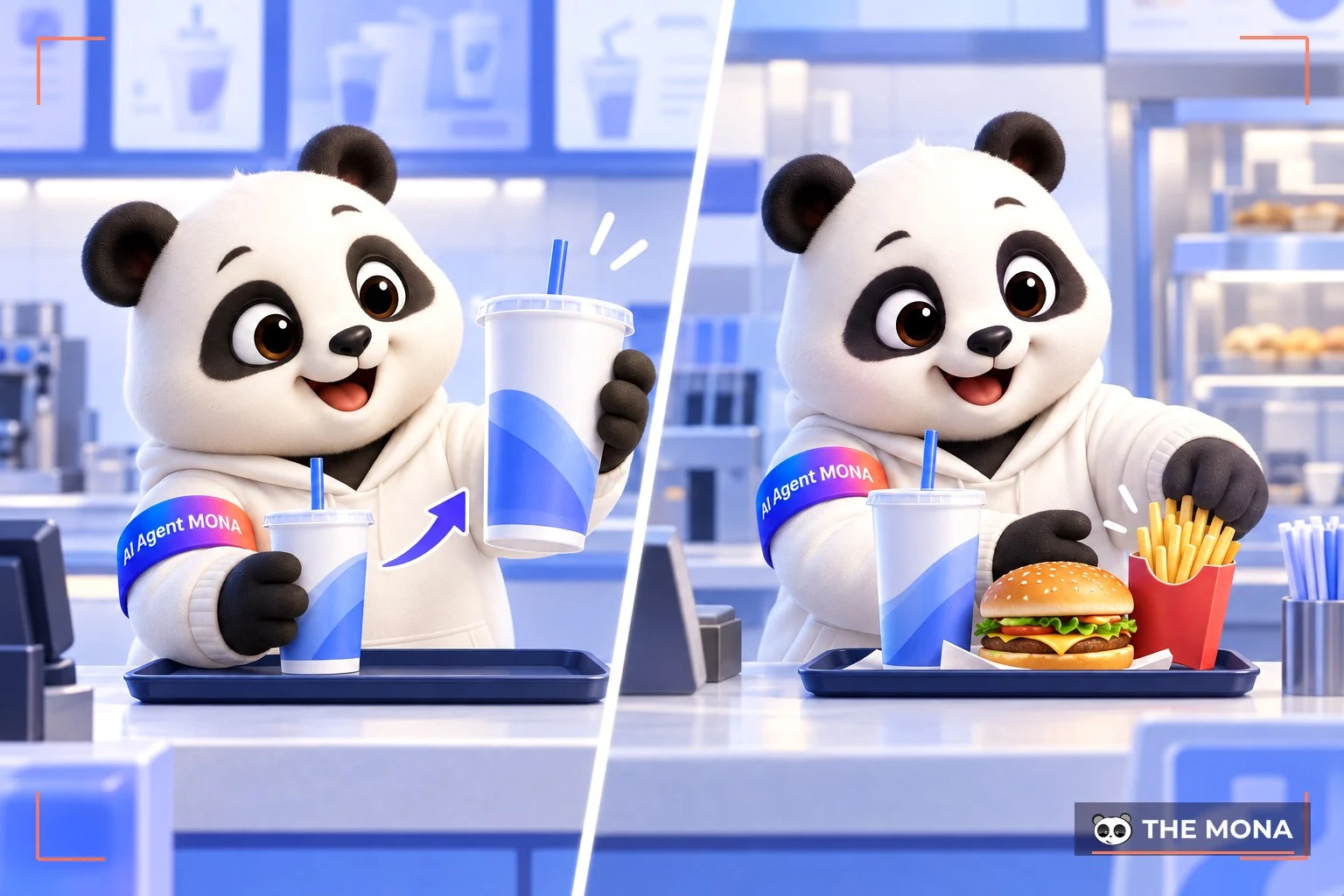
A very simple and common example of cross-selling is fried chicken.
Look at a fried chicken menu or ad and you rarely see chicken alone. More often, the picture shows fried drumsticks next to a portion of fries or a glass of soda. That is cross-selling!
Cross-selling is very effective at getting customers to buy extras that improve or upgrade the experience of the original product. Other examples include shoes sold with socks, phones sold with accessories (cases, earphones, portable chargers), and games sold with DLC.
Both upsell and cross-sell are very important for growing revenue, so they are often used together.
Some types of products make up-selling or cross-selling easier, but in general, to maximize revenue you need a strategy for both.
Here are some common up-selling strategies (which can also be used for cross-selling) that you can consider.
A pricing plan table that compares the versions of a product highlights what customers gain by upgrading or buying the premium version directly. It encourages them to spend more to get more features and benefits.
These pricing tables should be shown often and proactively. They can reappear when the app is opened or closed, or even at regular intervals while the user is using the app.
This is usually used with customers who do not own the product yet, most commonly in selling smartphones, home appliances, devices and other products.
Another example is beverage companies that discount when customers buy several products at once. A crate of beer or a carton of soft drinks costs noticeably less than buying each bottle separately.
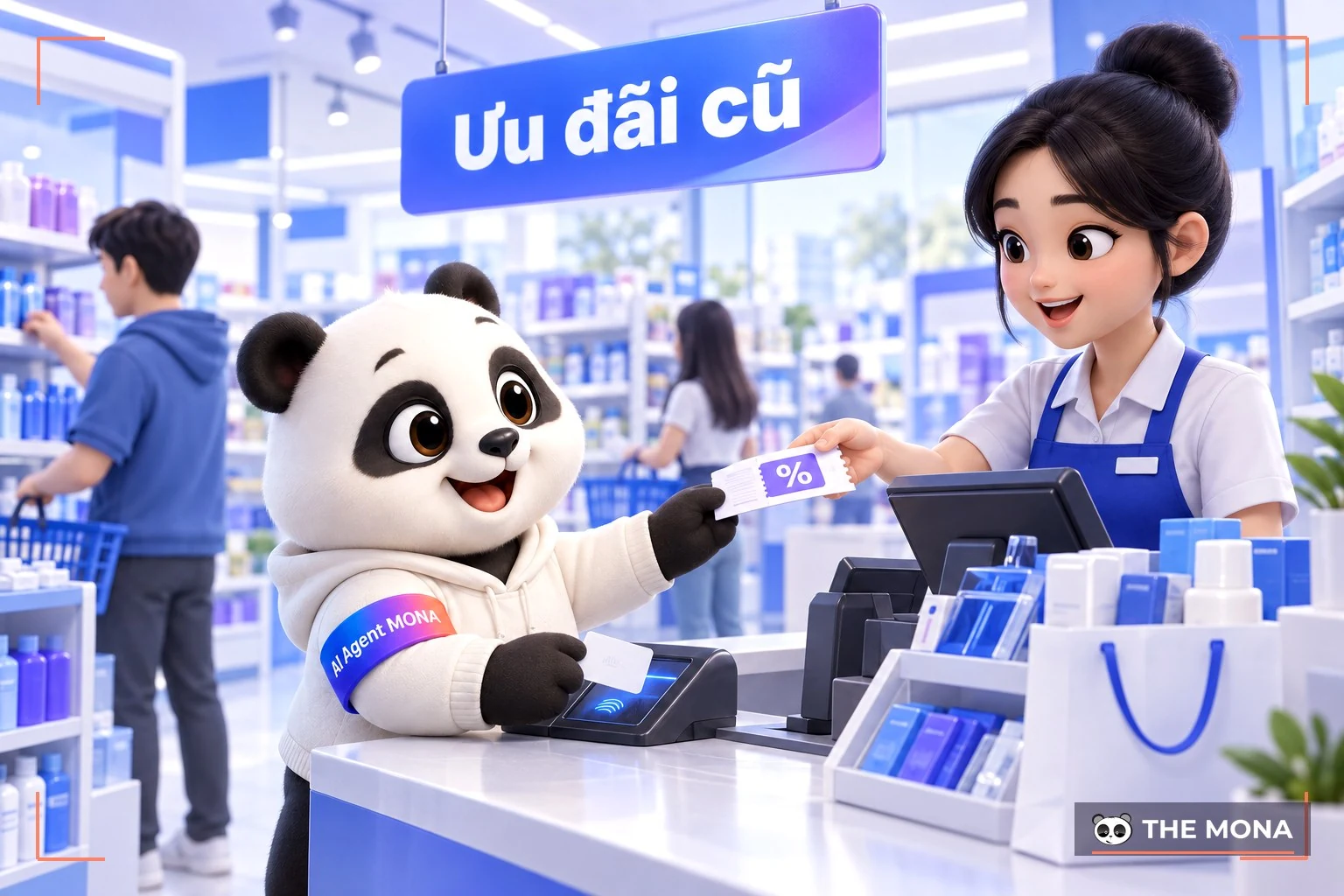
This method targets users who are already using the product and encourages them to upgrade to the premium version. They are invited to buy at a friendlier, more affordable price. Current users already have a reason to upgrade and are only waiting for a nudge like this to act on it.
These promotions should be exclusive offers that only current owners can get. This raises their standing and makes the offer feel more special and appealing.
Of course, it also helps to combine them with time-limited promotions to stress the exclusive offer, create time pressure and push users to decide quickly.
See more: 10 steps to a successful promotion
Social pressure is a common sales strategy that is not limited to up-selling or cross-selling. It works by suggesting products with the message "people who bought this also bought…"
This strategy is very effective with customers who want to keep up with trends or who fear being left behind (FOMO, fear of missing out) in the modern world.
That is the explanation of what upsell is, why upsell matters, and how upsell differs from cross-sell. In short, up-selling encourages customers to buy a "premium version" of a product or service. It can boost sales revenue, improve the user experience and bring many other benefits to your business.
See also: What is cross-selling? Boost sales with the cross-selling technique

CEO & Founder · The MONA
The founder of The MONA built a service company of 60+ staff with 14,000+ projects delivered. Khánh Hùng shares his thinking on building self-running systems, automating a business, and the real lessons behind MONA's projects.
 1,5K




Professional website
design services
Own a website with a beautiful, 100% exclusive design and a lifetime warranty, with the ability
to expand features flexibly as your business grows, starting today!






 MONA will never sell your information or send you spam


 MONA will never sell your information or send you spam
