
 MONA OS 2.0
 Partner with MONA


 Tự động hoá doanh nghiệp
 Cẩm nang SEO
 Digital Marketing
 Kinh nghiệm thiết kế website
 Hạ Tầng Server
 Giáo dục


 VI
 EN








Message us on
Zalo Official


 ProductsNew

 ProductsProducts
 Mới ra mắtKHA AI 2027App tự edit video, tự đăng mọi mạng xã hội, 2 phút mỗi ngày










 Website designLooks good and wins customers over.
SEO servicesBrings in customers searching for exactly what you sell.
 Tư vấn digital marketingKéo khách từ nhiều kênh, đo bằng số thật.
Corporate video productionVideos introducing your company, factory and team.
 NewAI video productionCompany story films made with AI.
 Custom software developmentCRM, ERP and HRM built for your business.
 Viết AI Agent theo yêu cầuĐặt riêng một trợ lý AI cho đúng việc của mình.
 Tư vấn chuyển đổi AIĐưa AI vào vận hành của cả công ty.
NewMONA LMSManagement for centers and schools.
MONA SkillHubInternal training for company staff.
 NHTQ systemEnd-to-end China–Vietnam shipping operations.
MONA JMSManagement for gold, diamond and pawn shops.
 MONA E-LearningA website with every feature you need to sell courses.
 How to sell online courses (course)More than 30 free lessons on selling courses on autopilot.
 MONA Cloudmonacloud.vnServers to get your apps and websites running.
 MONA Basemonabase.vnPostgres database, sign-in and file storage.
 MONA Mailmonamail.vnSend OTP, order and invoice emails from your software.
 MONA Paymonapay.vnAccept bank transfers via VietQR and notify your software when the money arrives.
 MONA eInvoiceComing soonIssue e-invoices that meet tax standards.
Gấu CườiTrả lời khách 24/7 trên web, Fanpage, Zalo và thu lead cho sale.
 Gấu TeleSalesGọi điện tư vấn, chăm khách như tổng đài viên thật.
Dê CườiTư vấn và chốt đơn cho shop ngay trong khung chat.
Gấu WebmasterNhắn nhóm Zalo là website được sửa xong.
 Gấu Pháp ChếSoạn hợp đồng, rà điều khoản trong vài phút.
 Gấu Báo GiáLên báo giá đúng mẫu và gửi khách ngay.
 AI chăm sóc khách hàngTheo dõi và giữ chân khách hàng cũ.
 Gấu Tuyển DụngLọc hồ sơ, hẹn lịch, phỏng vấn ứng viên.
 Mới ra mắt
KHA AI 2027
Xây kênh chuyên gia 2 phút mỗi ngày
Quay bằng điện thoại, AI tự edit video, tự đăng lên 16 nền tảng và tự trả lời bình luận, tin nhắn.
845.195lượt xem trên kênh CEO MONA sau 28 ngày
 Anh Khánh HùngCEO MONA đang dùng mỗi ngày
Xem app làm được gì
 AI
Gấu Cười MONA ĐANG TỰ XÀITrả lời khách 24/7 trên website, Zalo OA, Messenger và thu lead về cho sale.
Dê CườiChốt đơn bán lẻ và sàn: Shopee, TikTok Shop, web. Chăm cả khách sỉ, đại lý.
Gấu WebmasterCập nhật nội dung, tối ưu SEO website mỗi ngày.
Gấu TeleSalesGọi điện tư vấn, chăm khách như tổng đài viên thật.
Gấu Tuyển DụngLọc hồ sơ, hẹn lịch, phỏng vấn ứng viên tự động.
AI chăm sóc khách hàngGiữ khách cũ, cứu lead đã rớt cho phòng kinh doanh.
Gấu Pháp ChếSoạn hợp đồng, rà điều khoản trong vài phút.
Gấu Báo GiáLên báo giá đúng mẫu, gửi khách ngay khi có yêu cầu.
 Chuyển đổi AI toàn phầnGiải pháp tổng cho doanh nghiệp, 3 lớp triển khai.
 Viết AI Agent theo yêu cầuĐặt riêng một con AI gánh đúng nghiệp vụ của bạn.
 Custom softwareCRM, ERP and HRM with built-in AI automation.
 SEO & AEO thời đại AIĐược Google lẫn AI trích dẫn, không chỉ xếp hạng.
 Kiến thức AI cho doanh nghiệpBài phân tích, hướng dẫn ứng dụng AI vào vận hành.
 Free AI courses
 AI tools at work
App mới · KHA AI 2027
Xây kênh 2 phút mỗi ngày
AI tự edit video, tự đăng mọi mạng xã hội
Free consultation, 8am–10pm every day

18 March, 2023

Choosing a price that fits your business direction is very important. Using the wrong pricing tactic can directly affect the sales you want to reach. That is why, before applying any pricing strategy to a specific product or service, you need to understand the role of pricing strategies in Marketing. Then you can choose the strategy that best fits your business direction. If you are still not sure about the concept of what a pricing strategy is? Or about the pricing strategies in common use today, let's MONA Media go through them now.
Pricing strategy sets the direction for the price of a specific product or service over a defined period in order to reach marketing goals. These could include increasing boost market share, boosting sales and maximizing profit,…

A pricing strategy also depends on many factors such as business goals, brand positioning, target customers, marketing purpose and product attributes. Pricing is also affected by external factors such as competitor prices, user demand and market trends. These strategies are also applied in every marketing campaign. That is why knowing what a pricing strategy is matters greatly for every business and business project today.
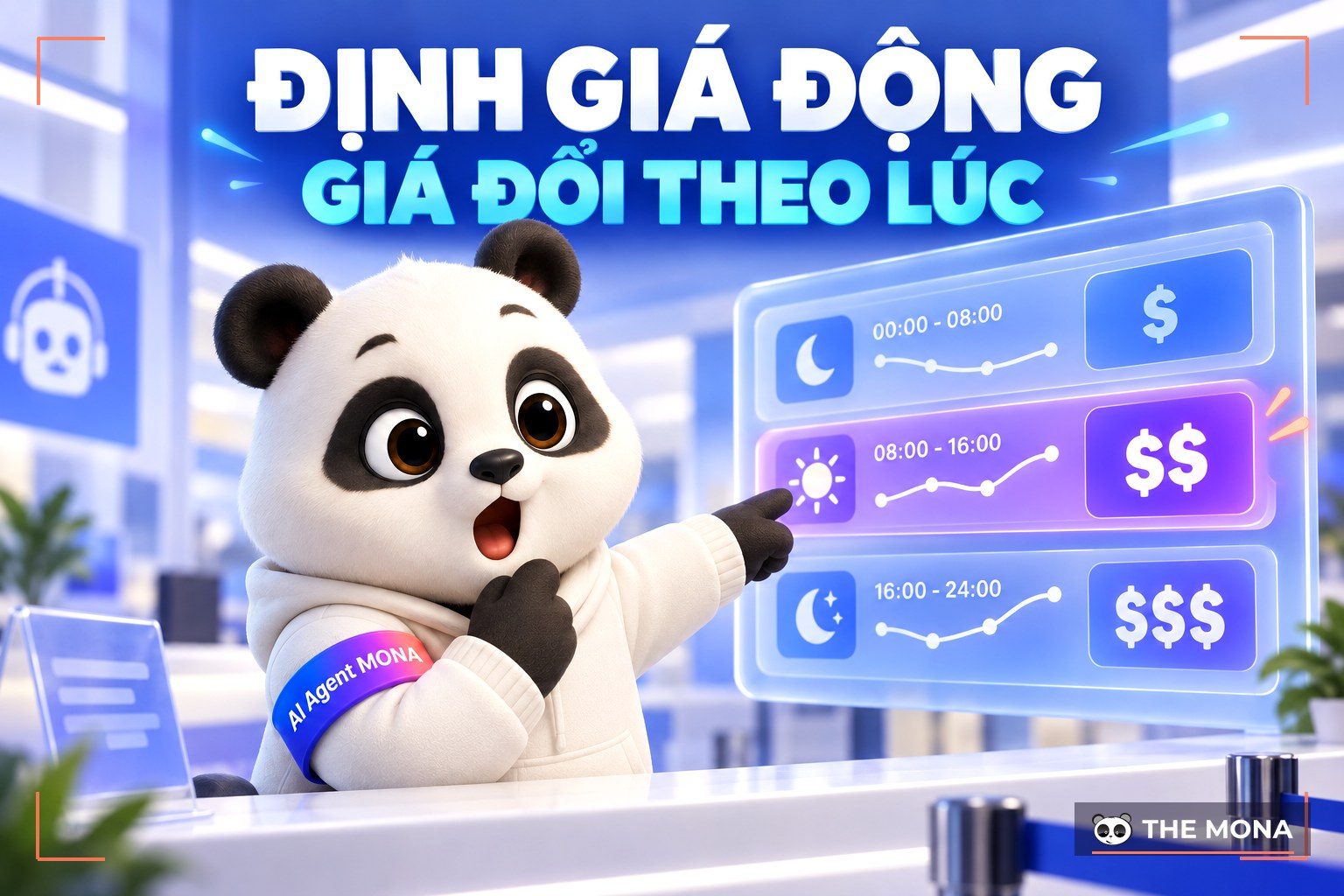
≫Further reading: What is dynamic pricing?
When learning about pricing strategies, you also need to understand what a pricing method is. These two marketing terms are similar, so they are easily confused.
| Comparison criteria | Pricing strategy | Pricing method |
| The concept of | The ways of pricing a product or service over a certain period to reach the marketing goals the business has set. | The method a business uses to calculate the price of a specific product or service. |
| Target | Aims at the marketing goals the business has set, such as raising awareness or maximizing profit. | Sets a reasonable price for each product or service so the business gains an edge over competitors. |
| Influencing factors | Mainly shaped by objective factors such as customer segment, market trends and the timing of the product launch. | Shaped by subjective factors such as production cost and brand value, as well as objective factors such as competitors and customer tastes. |
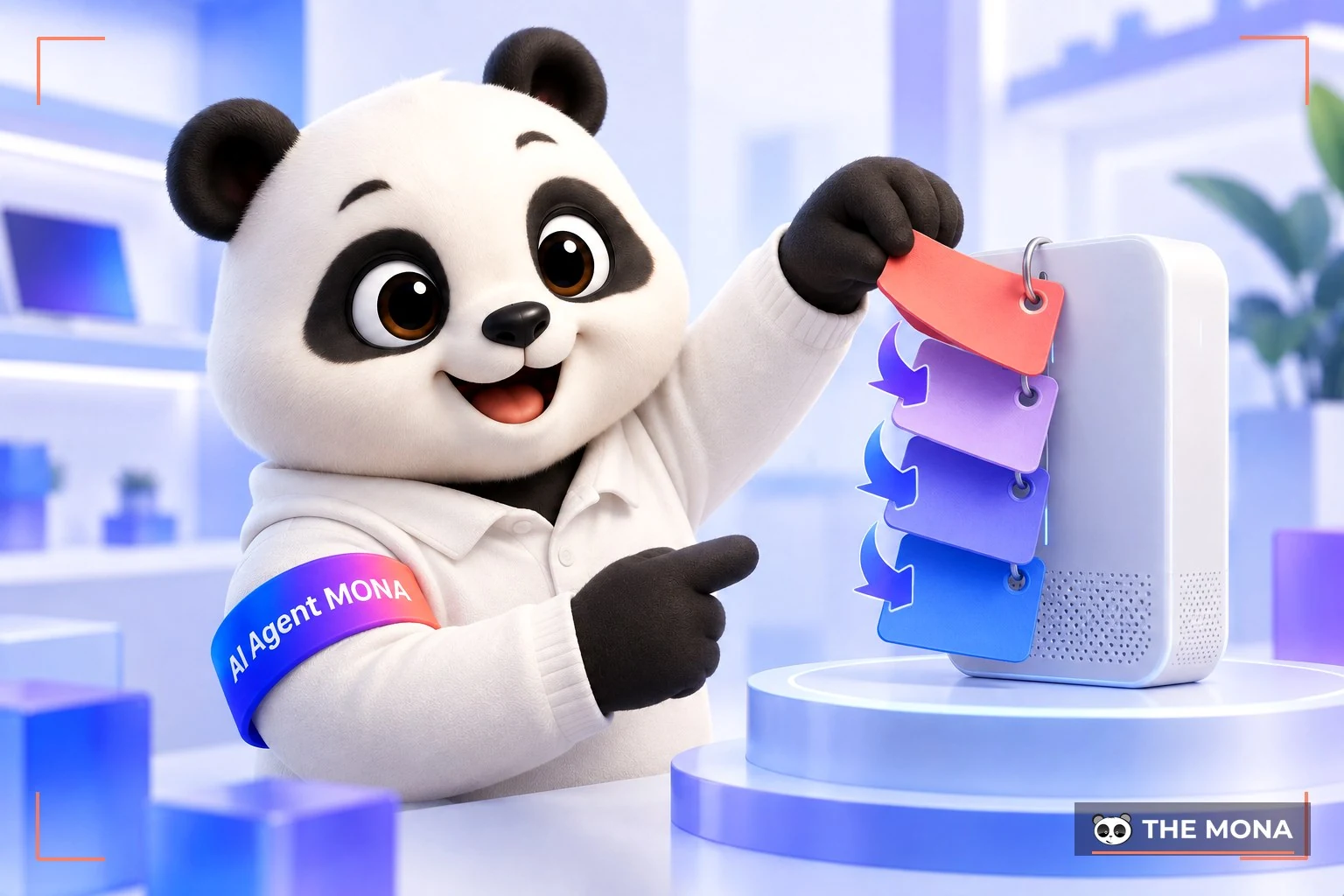
Pricing strategy plays an important role in business activity. Here are some reasons why you need to build a pricing strategy into your marketing campaigns.
Consumers are quite sensitive to price, so before deciding to buy a product or use a service, they look at the price first. A pricing strategy that fits consumer psychology therefore helps a business attract potential customers. That makes it easier to persuade them to become the business's customers.
As competition grows fiercer, businesses face difficulties not only from consumers but also from competitors. A reasonable price for a product or service helps a business gain an edge over others in the same industry.
If a business's product or service is very good but priced cheaply, consumers may doubt its quality. On the other hand, if the price its products is too high and the quality does not match what customers expect, the product will likely not sell.
So setting a price that matches the value the business provides reflects the true value of its brand. In turn, customers trust the product or service more.
Ideas for building a pricing strategy for products and services keep getting more varied. Each type has a different purpose and delivers different results. Here, MONA goes through the top 10 pricing strategies in marketing that large brands use most today.

Market-penetration pricing sets a low price for a product in the early period after a new launch. A low price helps stimulate market needs, then earns high profit through a large market scale.
The goal of this strategy is to put pressure on competitors and win a certain market share. Once the share target is met, the business needs to reposition the price to recover its investment and earn a profit.
Market-penetration strategy suits fast-moving consumer goods that keep growing in demand, such as laundry detergent and soap.
Example: Coca-Cola applied market-penetration pricing successfully (even though it came after Pepsi) by setting a market-share target, lowering its selling price to introduce its “taste” to target customers, and distributing even through street-vendor carts.
Combo pricing combines products that are similar or can be used together. Combos usually cost less than buying each item separately. The aim is to encourage consumers to buy several products at once.

Price skimming sets the highest price for a newly launched product in order to earn maximum profit from the group of customers willing to pay for it.
Applying price skimming to a new product is really about affirming the product's quality and increasing competitiveness in the industry. This strategy especially suits technology products with short life cycles.
Example: Apple's technology products are priced quite high at launch, then the price falls gradually as the same approach starts again with the next generation.
Strategies that play on customer psychology tend to deliver high marketing results. Among them, the “you get what you pay for” mindset is the one businesses use most in pricing.
The reason is that customers often assume a higher-priced product has better quality. Understanding this, many businesses price their products higher than similar products from competitors.
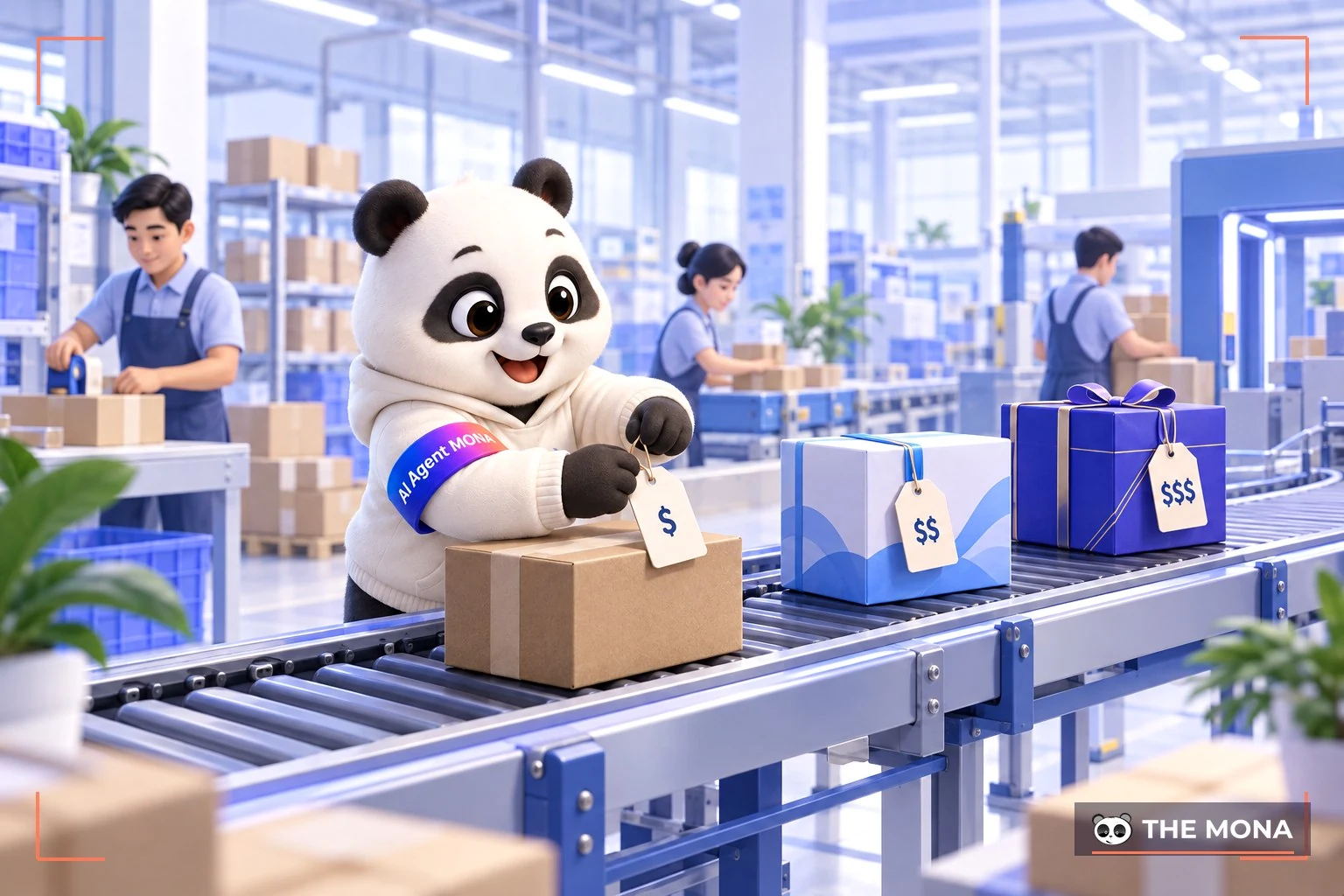
The purpose of this strategy is to give customers more choices. From one base product, the business creates several versions, usually ranked from lowest to highest value, with prices rising along with the value.
Example: With each iPhone generation, Apple releases a model in several storage versions such as 64GB, 128GB, 256GB or 516GB.
If you are a small business in the market, setting product prices based on competitors is a fitting approach. Its advantage is that the business does not spend much on price research yet still arrives at a reasonable price.
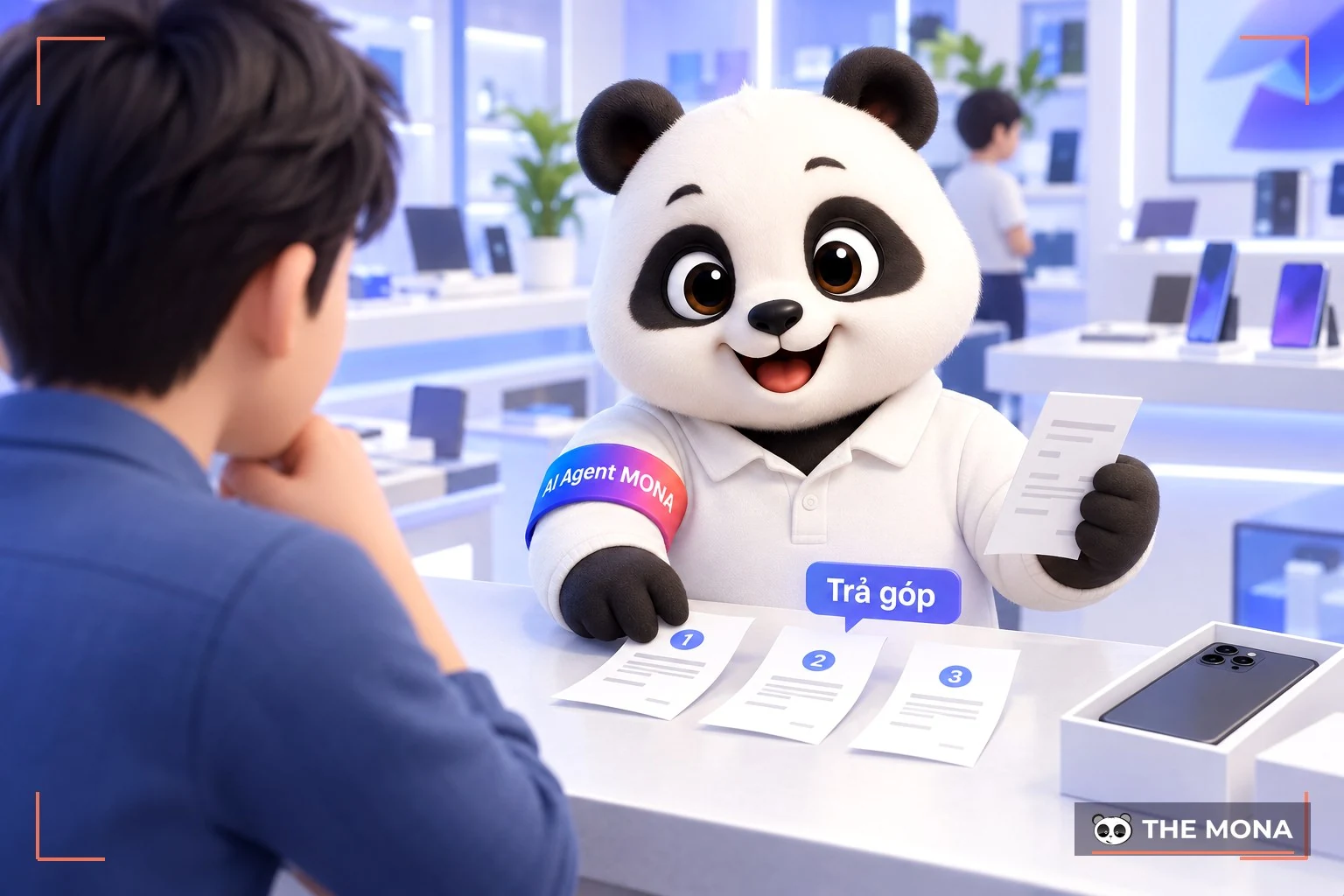
In recent years, buying in installments has become popular with many users. With attractive installment policies, customers can buy quickly when they need something but cannot yet pay the full price.
Offering promotions is a pricing tactic most businesses use today. Promotions such as discounts, vouchers, coupon or gifts encourage customers to buy, and the business sells more.

This is another pricing strategy many businesses use to raise revenue and make things more convenient for consumers. There are two kinds of add-on products: optional and mandatory.
A mandatory add-on must complement the main product to be useful. For optional add-ons, brands often offer deals to make the main product more competitive and to clear inventory effectively.
With this strategy, the business sets a different price for each region to match local income and spending levels. That makes the product or service easier for customers to reach.
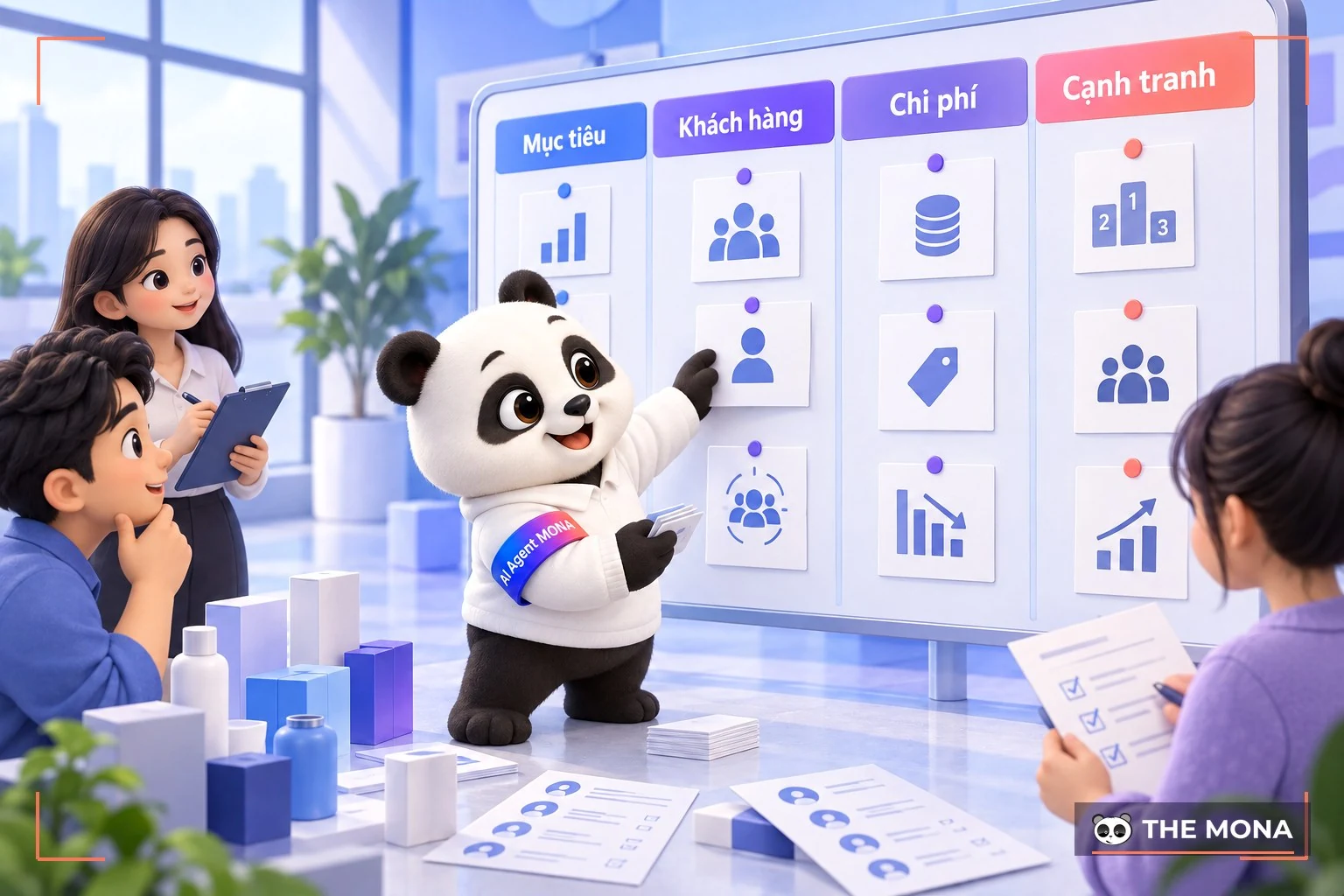
A pricing strategy is successful when it meets the business's marketing goals and makes good use of its existing resources. So, to choose the right product pricing strategy for any business, you need to be clear on the following factors:
Once these points are clear, the business has about a 70% chance of choosing a suitable pricing strategy for its product or service. The remaining 30% depends on other external factors such as changes in the macro environment, including political, social, cultural, technological and demographic factors.
This article has introduced the pricing strategies used in marketing and how to choose a pricing adjustment strategy that fits any field or your own business. It is one of the important factors that help you turn campaigns into revenue and profit and increase the customer conversion rate. We wish you success with your campaigns!

CEO & Founder · The MONA
The founder of The MONA built a service company of 60+ staff with 14,000+ projects delivered. Khánh Hùng shares his thinking on building self-running systems, automating a business, and the real lessons behind MONA's projects.
 1,5K




Professional website
design services
Own a website with a beautiful, 100% exclusive design and a lifetime warranty, with the ability
to expand features flexibly as your business grows, starting today!






 MONA will never sell your information or send you spam


 MONA will never sell your information or send you spam
