
 MONA OS 2.0
 Partner with MONA


 Tự động hoá doanh nghiệp
 Cẩm nang SEO
 Digital Marketing
 Kinh nghiệm thiết kế website
 Hạ Tầng Server
 Giáo dục


 VI
 EN










Message us on
Zalo Official


 ProductsNew

 ProductsProducts
 Mới ra mắtKHA AI 2027App tự edit video, tự đăng mọi mạng xã hội, 2 phút mỗi ngày










 Website designLooks good and wins customers over.
SEO servicesBrings in customers searching for exactly what you sell.
 Tư vấn digital marketingKéo khách từ nhiều kênh, đo bằng số thật.
Corporate video productionVideos introducing your company, factory and team.
 NewAI video productionCompany story films made with AI.
 Custom software developmentCRM, ERP and HRM built for your business.
 Viết AI Agent theo yêu cầuĐặt riêng một trợ lý AI cho đúng việc của mình.
 Tư vấn chuyển đổi AIĐưa AI vào vận hành của cả công ty.
NewMONA LMSManagement for centers and schools.
MONA SkillHubInternal training for company staff.
 NHTQ systemEnd-to-end China–Vietnam shipping operations.
MONA JMSManagement for gold, diamond and pawn shops.
 MONA E-LearningA website with every feature you need to sell courses.
 How to sell online courses (course)More than 30 free lessons on selling courses on autopilot.
 MONA Cloudmonacloud.vnServers to get your apps and websites running.
 MONA Basemonabase.vnPostgres database, sign-in and file storage.
 MONA Mailmonamail.vnSend OTP, order and invoice emails from your software.
 MONA Paymonapay.vnAccept bank transfers via VietQR and notify your software when the money arrives.
 MONA eInvoiceComing soonIssue e-invoices that meet tax standards.
Gấu CườiTrả lời khách 24/7 trên web, Fanpage, Zalo và thu lead cho sale.
 Gấu TeleSalesGọi điện tư vấn, chăm khách như tổng đài viên thật.
Dê CườiTư vấn và chốt đơn cho shop ngay trong khung chat.
Gấu WebmasterNhắn nhóm Zalo là website được sửa xong.
 Gấu Pháp ChếSoạn hợp đồng, rà điều khoản trong vài phút.
 Gấu Báo GiáLên báo giá đúng mẫu và gửi khách ngay.
 AI chăm sóc khách hàngTheo dõi và giữ chân khách hàng cũ.
 Gấu Tuyển DụngLọc hồ sơ, hẹn lịch, phỏng vấn ứng viên.
 Mới ra mắt
KHA AI 2027
Xây kênh chuyên gia 2 phút mỗi ngày
Quay bằng điện thoại, AI tự edit video, tự đăng lên 16 nền tảng và tự trả lời bình luận, tin nhắn.
889.183lượt xem trên kênh CEO MONA sau 36 ngày
 Anh Khánh HùngCEO MONA đang dùng mỗi ngày
Xem app làm được gì
 AI
Gấu Cười MONA ĐANG TỰ XÀITrả lời khách 24/7 trên website, Zalo OA, Messenger và thu lead về cho sale.
Dê CườiChốt đơn bán lẻ và sàn: Shopee, TikTok Shop, web. Chăm cả khách sỉ, đại lý.
Gấu WebmasterCập nhật nội dung, tối ưu SEO website mỗi ngày.
Gấu TeleSalesGọi điện tư vấn, chăm khách như tổng đài viên thật.
Gấu Tuyển DụngLọc hồ sơ, hẹn lịch, phỏng vấn ứng viên tự động.
AI chăm sóc khách hàngGiữ khách cũ, cứu lead đã rớt cho phòng kinh doanh.
Gấu Pháp ChếSoạn hợp đồng, rà điều khoản trong vài phút.
Gấu Báo GiáLên báo giá đúng mẫu, gửi khách ngay khi có yêu cầu.
 Chuyển đổi AI toàn phầnGiải pháp tổng cho doanh nghiệp, 3 lớp triển khai.
 Viết AI Agent theo yêu cầuĐặt riêng một con AI gánh đúng nghiệp vụ của bạn.
 Custom softwareCRM, ERP and HRM with built-in AI automation.
 SEO & AEO thời đại AIĐược Google lẫn AI trích dẫn, không chỉ xếp hạng.
 Kiến thức AI cho doanh nghiệpBài phân tích, hướng dẫn ứng dụng AI vào vận hành.
 Free AI courses
 AI tools at work
App mới · KHA AI 2027
Xây kênh 2 phút mỗi ngày
AI tự edit video, tự đăng mọi mạng xã hội
Free consultation, 8am–10pm every day

09 July, 2026
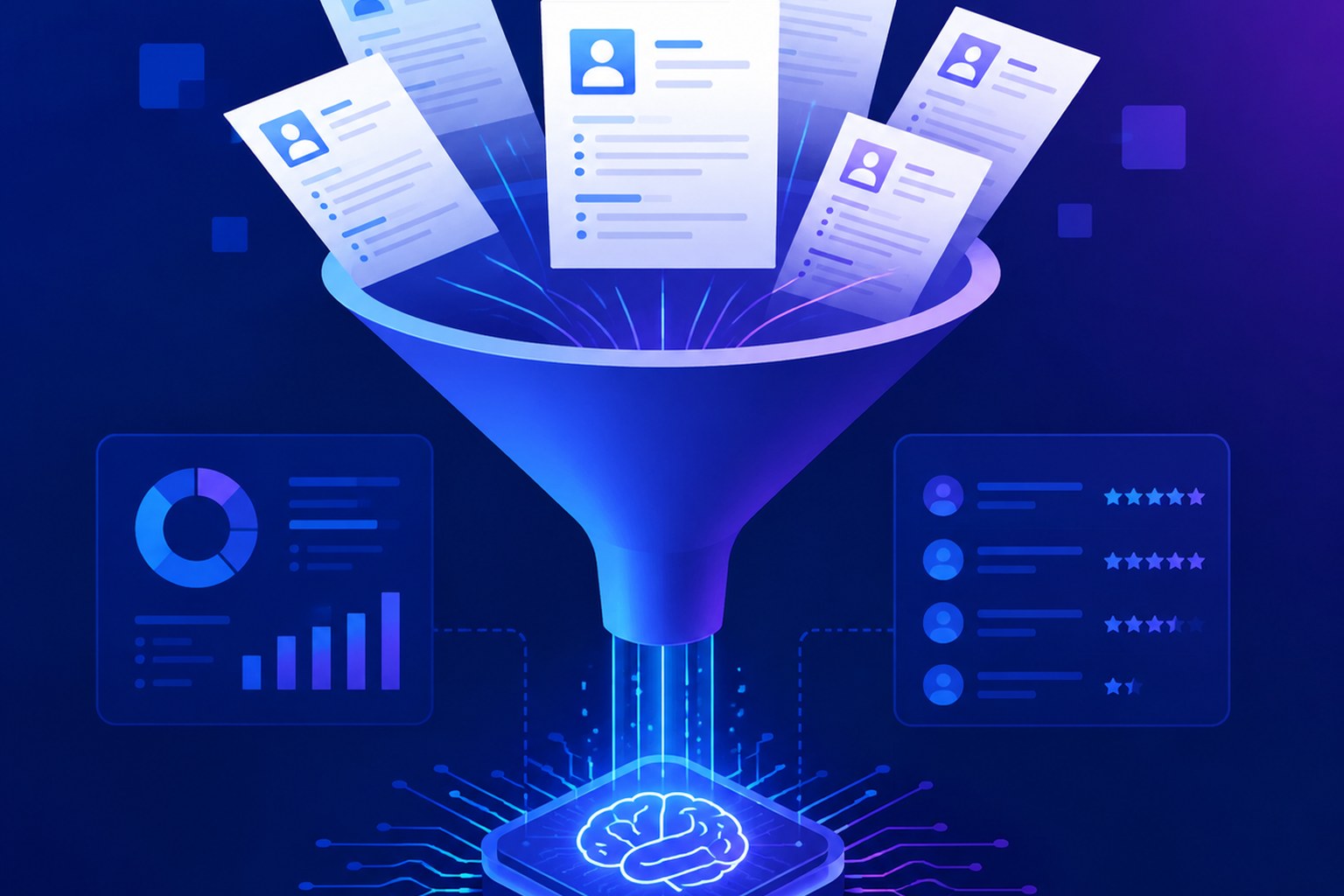
Strong candidates usually have many options, and they leave fast if a business replies slowly. A message asking about a role, sent in the evening and read the next morning, means the candidate has already applied elsewhere. A recruitment chatbot holds exactly this stretch: it replies to candidates instantly at any time, asks a few preliminary screening questions and sends reminders so nobody drops out midway. In this article we explain what a recruitment chatbot does, how it differs from a sales chatbot, and how to use it so candidates feel cared for rather than chased off by a machine.
Don't think of it as just a chat box answering rigid questions. A well-built recruitment chatbot carries the whole first stretch of the process, the part people tend to drop because they're busy.
Specifically, it instantly answers the questions candidates often ask about pay, working hours, location and benefits. It asks a few basic screening questions such as experience, area of residence and when they can start. It guides them through submitting an application, confirms receipt, then reminds them of the interview so they don't forget. It all happens in messages, no matter the hour. This piece sits right before the automated AI interviews step in the overall process.
In short, the chatbot handles retention and preliminary screening, so by the time candidates reach the real evaluation round they have enough information and still have their enthusiasm. It is a buffer against losing candidates at the point where people are easiest to lose.
Many of you are already familiar with chatbots that care for customers and close orders. A recruitment chatbot uses the same technology but serves a very different goal, so don't take one and fit it onto the other.
A sales chatbot aims to persuade customers to buy. A recruitment chatbot aims to evaluate and keep candidates, meaning it both nurtures and screens. It must collect screening information without making candidates feel interrogated, and it must be honest about the job rather than sugarcoating it to lure people in. A recruitment chatbot that oversells the role only makes new hires quit early. Candidate experience matters so much that Harvard Business Review treat it as part of the employer brand. Gartner notes that fast responses raise the share of candidates who move forward, while McKinsey shows that conversational AI keeps the dialogue going at a scale that people struggle to sustain.
If you're looking for a chatbot that cares for and closes customers, that's a different matter, and we have a separate article on multichannel AI chatbot. In recruitment, the goal is always to put the right person into the right round, not to sell.
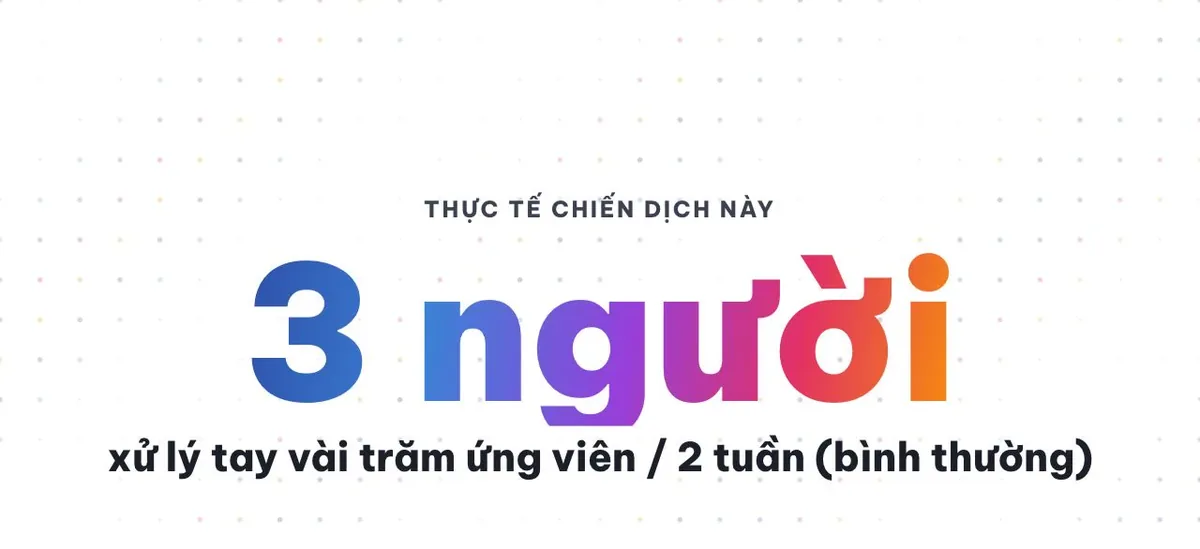
This is where many get it wrong. They build a stubby bot that asks flat questions, and a candidate who answers one beat wrong gets rejected, like talking to a wall. The result is losing good people and a bad reputation.
We do the opposite. The chatbot must address people properly, explain why it is asking, and always leave the door open to a real person whenever the candidate wants. It screens preliminarily rather than passing judgment, and unclear cases go to a person to review instead of being rejected outright. Polite phrasing and a decent greeting are what we apply to every MONA bot, just like how an AI chatbot for automatic replies and lead management cares for customers.
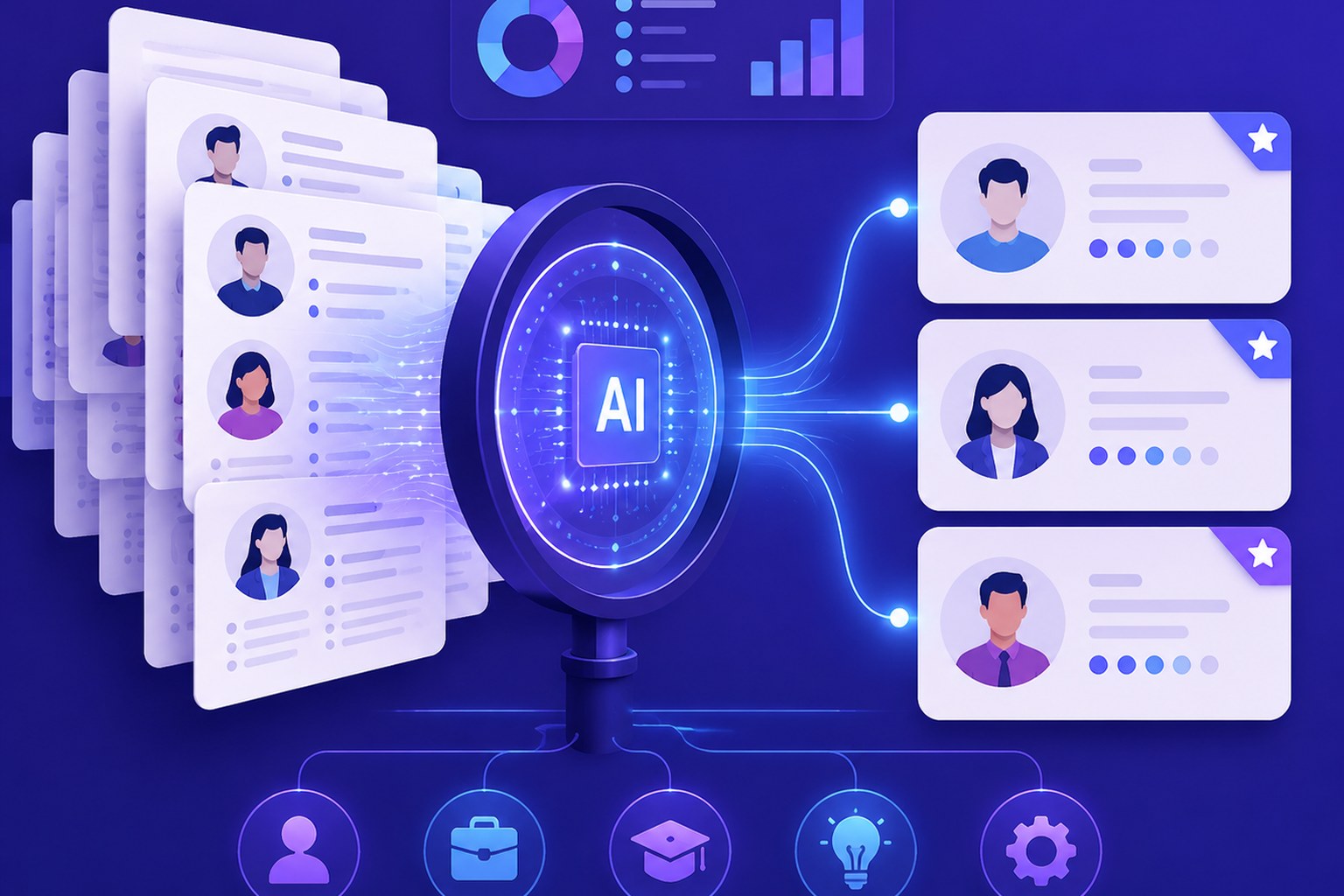
When candidates are answered quickly, treated with respect and answered honestly, they keep a good impression of the company even if they aren't hired. That is employer brand value which a sloppy bot will destroy. This preliminary screening part connects to the step of AI CV screening at the application stage.
A recruitment chatbot pays off most in industries where candidates have plenty of options and walk away if they wait too long.
What these have in common is that candidates ask a lot, ask outside office hours, and lose patience if no one answers. That is also why a recruitment chatbot usually sits inside a larger set of tools rather than standing alone applying AI in the HR department. It also needs an HR management system to store the conversations and a recruitment website as the place candidates message.
We don't promote what we haven't used ourselves. MONA is hiring Account staff with a setup where a chatbot holds candidates at the top of the funnel, replies instantly, does a first screen, then moves suitable people into an automated interview round.
As a result, no candidate is left hanging because HR is busy, and the people who reach the next round already have the full picture and are still interested. This is one piece of the a recruitment AI Agent in the AI Agent suite that MONA built for itself and then opened up to businesses. All of it belongs to the AI recruitment automation approach we pursue.
One honest word: don't stitch together a few loose drag-and-drop chatbot tools to build your own recruitment flow. They work when volume is low, but they depend on third parties and get flaky, and one wrong setting makes the bot answer nonsense, so candidates leave and your company's name takes the hit. MONA builds custom software where you control the bot's wording, it holds up day and night, and a team is accountable for it. If you want a fuller HR system, the team Mona Software also builds custom recruitment management software. For training people after they are hired, you can look at Khánh Hùng Academy.
🐻 MONA uses its own AI Agent for recruitment
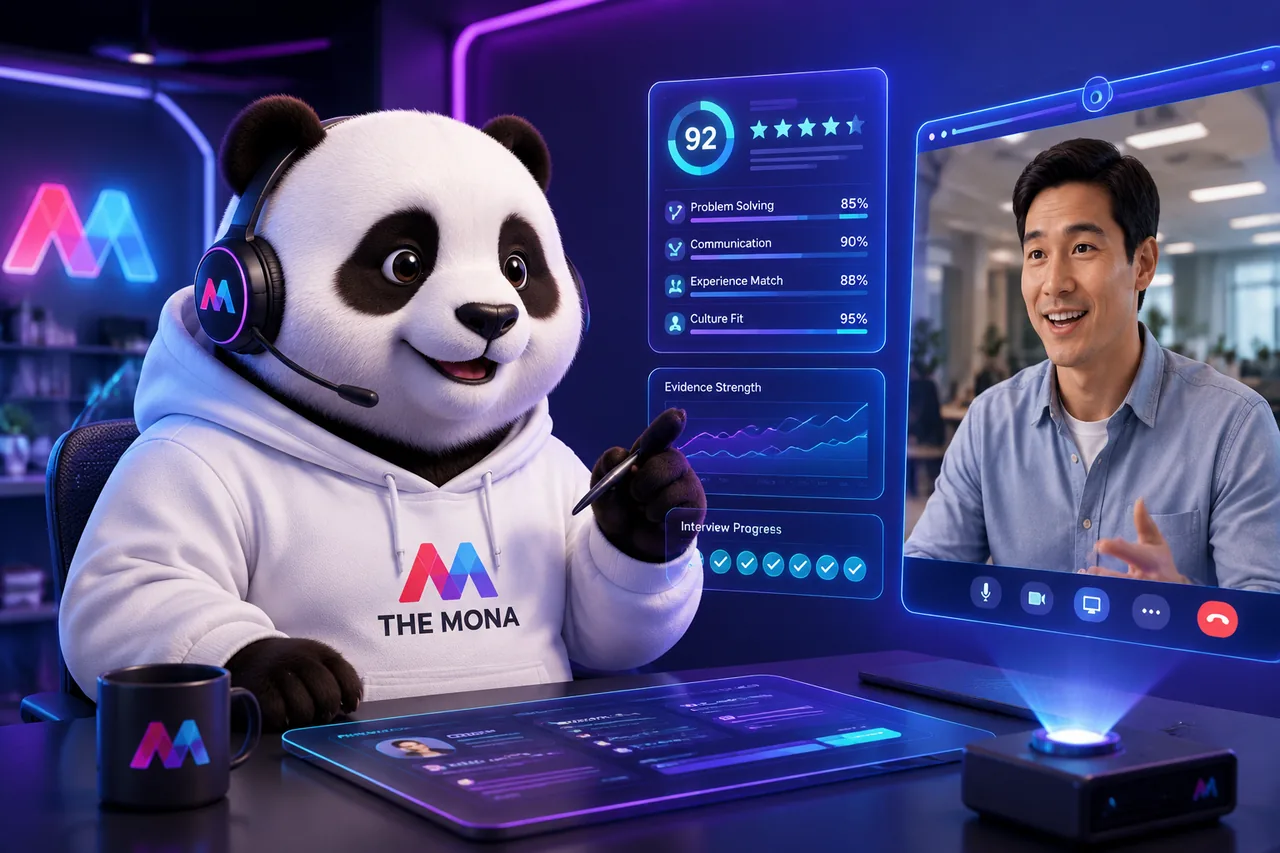
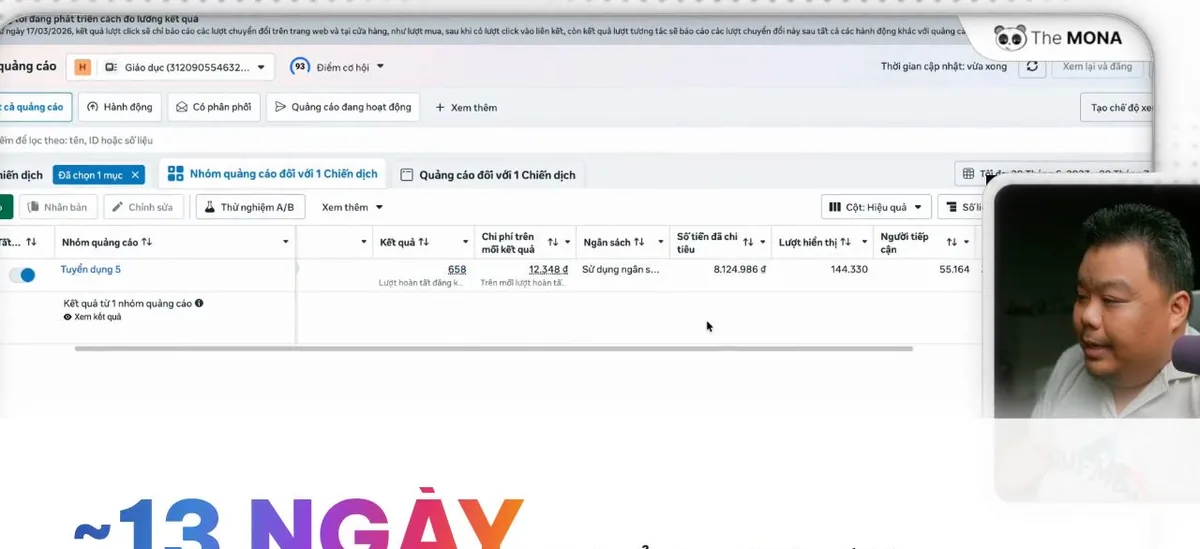
This isn't theory. Right now MONA is hiring Account staff with its own a recruitment AI Agent system: it runs on real ads, interviews and scores candidates automatically for about 80% of the outer-round process, at a real cost of about 12,000 VND per candidate who passes the first round. With the same method, MONA screened 1,000 worker applications in 3 hours. See the system running for real, then decide.
Book a demo of MONA's recruitment AI Agent →Hiring sales or customer care staff has a classic blind spot: candidates talk smoothly in the interview, then freeze when they meet a real customer on shift. An interview room is far gentler than the real thing. Real customers send curt messages, use abbreviations, throw three questions at once, and change their mind after complaining about the price. MONA closes this gap with a technical test round: a bot plays the customer.
Here is how it works. The system is loaded with conversation samples taken from MONA's real customer messages, keeping the tone, the way they ask and the way they push back, with only personal details removed. The AI learns from that library, so when it plays its role it writes like a real customer, not a polished, agreeable script written by a person. The candidate gets a link and chats with this "customer" just as if they were running a page: the customer asks about price, haggles, asks for an item that isn't on the list, goes silent, then comes back. The whole chat is recorded, and the AI scores the candidate's reflexes against preset criteria: fast or slow replies, how they handle a price complaint, whether they stay calm when questions pile up, and most important of all, whether they make things up just to close the conversation. This round's score is added to the total and compared with the interview threshold.
The technical advantage of a virtual customer is fairness: every candidate faces the same difficulty and the same type of customer, which verbal scenarios, different every session, cannot deliver.
No. It answers questions, does a first screen and keeps candidates at the top of the funnel. Deeper assessment of ability and the final choice still belong to the interview round and to people.
They hate it when the bot is curt, asks bare questions and feels robotic. If the bot is polite, replies fast and always leaves a way to reach a real person, most candidates find it convenient because they get an answer right away.
Usually the careers website and the messaging channels candidates already use. What matters is that the bot is present where candidates send their messages, so nobody has to wait.
It does a first screen through a few questions. Reading and scoring full CVs needs an additional AI screening layer. Put together, the two make a complete outer round.
Look back at the job inquiries from your latest hiring round and count how many arrived outside office hours and how many were answered after several hours. Every late reply is a candidate you may have lost. That is the part a recruitment chatbot keeps for you.
We invite you to book a call with MONA to see how a recruitment chatbot really runs. If you want the big picture first, read What is AI recruitment.
A recruitment chatbot is only one piece; the full machine, from ads to interview scheduling, is in the AI recruitment software Gấu Tuyển Dụng.

CEO & Founder · The MONA
The founder of The MONA built a service company of 60+ staff with 14,000+ projects delivered. Khánh Hùng shares his thinking on building self-running systems, automating a business, and the real lessons behind MONA's projects.
 334




Professional website
design services
Own a website with a beautiful, 100% exclusive design and a lifetime warranty, with the ability
to expand features flexibly as your business grows, starting today!






 MONA will never sell your information or send you spam


 MONA will never sell your information or send you spam
