
 MONA OS 2.0
 Hợp tác với MONA


 Tự động hoá doanh nghiệp
 Cẩm nang SEO
 Digital Marketing
 Kinh nghiệm thiết kế website
 Hạ Tầng Server
 Giáo dục


 VI
 EN











Message us on
Zalo Official


 ProductsNew

 ProductsProducts
 Mới ra mắtKHA AI 2027App tự edit video, tự đăng mọi mạng xã hội, 2 phút mỗi ngày










 Thiết kế websiteVừa đẹp vừa thuyết phục được khách.
Dịch vụ SEOKéo về khách đang tìm đúng thứ anh chị bán.
 Tư vấn digital marketingKéo khách từ nhiều kênh, đo bằng số thật.
Quay video doanh nghiệpVideo giới thiệu công ty, nhà xưởng, đội ngũ.
 MớiDựng video AIDựng phim câu chuyện công ty bằng AI.
 Custom software developmentCRM, ERP and HRM built for your business.
 Viết AI Agent theo yêu cầuĐặt riêng một trợ lý AI cho đúng việc của mình.
 Tư vấn chuyển đổi AIĐưa AI vào vận hành của cả công ty.
NewMONA LMSManagement for centers and schools.
MONA SkillHubInternal training for company staff.
 NHTQ systemEnd-to-end China–Vietnam shipping operations.
MONA JMSManagement for gold, diamond and pawn shops.
 MONA E-LearningA website with every feature you need to sell courses.
 How to sell online courses (course)More than 30 free lessons on selling courses on autopilot.
 MONA Cloudmonacloud.vnServers to get your apps and websites running.
 MONA Basemonabase.vnPostgres database, sign-in and file storage.
 MONA Mailmonamail.vnSend OTP, order and invoice emails from your software.
 MONA Paymonapay.vnAccept bank transfers via VietQR and notify your software when the money arrives.
 MONA eInvoiceComing soonIssue e-invoices that meet tax standards.
Gấu CườiTrả lời khách 24/7 trên web, Fanpage, Zalo và thu lead cho sale.
 Gấu TeleSalesGọi điện tư vấn, chăm khách như tổng đài viên thật.
Dê CườiTư vấn và chốt đơn cho shop ngay trong khung chat.
Gấu WebmasterNhắn nhóm Zalo là website được sửa xong.
 Gấu Pháp ChếSoạn hợp đồng, rà điều khoản trong vài phút.
 Gấu Báo GiáLên báo giá đúng mẫu và gửi khách ngay.
 AI chăm sóc khách hàngTheo dõi và giữ chân khách hàng cũ.
 Gấu Tuyển DụngLọc hồ sơ, hẹn lịch, phỏng vấn ứng viên.
 Mới ra mắt
KHA AI 2027
Xây kênh chuyên gia 2 phút mỗi ngày
Quay bằng điện thoại, AI tự edit video, tự đăng lên 16 nền tảng và tự trả lời bình luận, tin nhắn.
866.563lượt xem trên kênh CEO MONA sau 33 ngày
 Anh Khánh HùngCEO MONA đang dùng mỗi ngày
Xem app làm được gì
 AI
Gấu Cười MONA ĐANG TỰ XÀITrả lời khách 24/7 trên website, Zalo OA, Messenger và thu lead về cho sale.
Dê CườiChốt đơn bán lẻ và sàn: Shopee, TikTok Shop, web. Chăm cả khách sỉ, đại lý.
Gấu WebmasterCập nhật nội dung, tối ưu SEO website mỗi ngày.
Gấu TeleSalesGọi điện tư vấn, chăm khách như tổng đài viên thật.
Gấu Tuyển DụngLọc hồ sơ, hẹn lịch, phỏng vấn ứng viên tự động.
AI chăm sóc khách hàngGiữ khách cũ, cứu lead đã rớt cho phòng kinh doanh.
Gấu Pháp ChếSoạn hợp đồng, rà điều khoản trong vài phút.
Gấu Báo GiáLên báo giá đúng mẫu, gửi khách ngay khi có yêu cầu.
 Chuyển đổi AI toàn phầnGiải pháp tổng cho doanh nghiệp, 3 lớp triển khai.
 Viết AI Agent theo yêu cầuĐặt riêng một con AI gánh đúng nghiệp vụ của bạn.
 Custom softwareCRM, ERP and HRM with built-in AI automation.
 SEO & AEO thời đại AIĐược Google lẫn AI trích dẫn, không chỉ xếp hạng.
 Kiến thức AI cho doanh nghiệpBài phân tích, hướng dẫn ứng dụng AI vào vận hành.
 Free AI courses
 AI tools at work
App mới · KHA AI 2027
Xây kênh 2 phút mỗi ngày
AI tự edit video, tự đăng mọi mạng xã hội
Free consultation, 8am–10pm every day

15 June, 2026

Compositing product photos with Canva AI helps you handle quickly the jobs that usually take many rounds of edits, like removing backgrounds, changing scenes, adding drop shadows, adjusting lighting and exporting images for sales websites. This article goes straight to the real steps in Canva, prioritizing ways to get clean images that fit the marketing purpose and are easy to hand over to staff. MONA also uses Canva AI and many other AI tools internally and when training clients, but we always treat it as a layer that supports the work, not a replacement for the website, SEO, CRM or custom software that runs the cash flow.
Compositing product photos in Canva easily gets messy when you open too many features at once. Go to the right place. Don't wander through edits.
For this article, we keep only 3 areas you need: Magic Edit, Background Remover and Magic Grab. This is also how MONA guides its internal team when quick illustration images are needed for the website, SEO and content sales.
Open Canva, choose Create a design, then create a frame that matches where the image will be posted. If the ratio is wrong from the start, the image easily gets cropped and the product is cut off.
Get the frame right first. This step saves many rounds of edits later.
Upload the original product photo to Canva through Uploads. Then select the photo, go to Edit photo and use Background Remover to remove the background.
The clearer the edges of the original photo, the cleaner Canva's cutout. Shiny, transparent products, or ones with hair, fur or thin strings, usually need their edges checked after the cutout.
Don't delete the original file. The original file is your safety net.
After removing the background, choose your approach based on the goal of the image. Magic Edit works when you need to change a specific area in the photo.
For example, select the tabletop area and enter a description such as “light wood table, natural light, minimalist style”. Canva will generate a new scene around the product.
Magic Grab works when you want to pick out an object in the photo and drag it to another position. This feature is useful when you need to adjust the layout without rebuilding the whole image.
Few details still sell well. A photo with a clear product is always easier to use.
This section should include real screenshots so readers can follow along. We suggest capturing exactly 3 places in Canva.
Don't use fake illustrations. Readers need to see the exact button, the exact position and the exact interface.
Canva AI quickly handles small jobs like removing backgrounds, changing scenes and adjusting the layout of product photos. But when a business needs images that connect with the website, SEO, product catalog and content approval process, standalone tools still have a ceiling.
MONA often uses Canva AI and other AI tools in internal training, but serious operations still need a dedicated system. When data, permissions and processes have to run seamlessly, we prioritize custom software, sales websites and SEO designed according to cash flow.
Compositing product photos with Canva AI gets exposed when the background looks great but the product stands out awkwardly. Wrong shadows, a surface with no anchor and an overly sharp background make the image look cut and pasted.
It looks very fake. You notice it right away.
We usually fix this with a 3-layer background formula in Canva AI. Layer one is the main background, layer two is the placement surface, layer three is the background accent.
This formula gives the image more depth while keeping the product as the center of selling. MONA uses it when building quick illustration images for websites, landing pages and ads.
The main background sets the overall feel of the image. If the product has a warm tone, the background should go with beige, brown, terracotta or light yellow.
If the product has a cool tone, you should choose gray-blue, cool white, silver or light blue. Don't let the background get too greedy.
In Canva AI, you can create the background with Magic Media or pick a ready-made background image. Then lower the contrast if the background is pulling attention from the product.
Composite images often look fake because the product seems to float. The human eye needs a surface to believe the product is standing in a real space.
This layer is very important. It holds the image together.
We usually drag a rectangle or a tabletop photo under the product. Then MONA softens the edges and adjusts the color to match the background lighting.
If the light comes from left to right, the shadow should fall to the right. A shadow pointing the wrong way is enough to make a sales photo lose credibility.
A background accent gives the image front and back layers. But accent elements should only support, not compete with the product.
A light blur is enough.
In Canva, select the accent element, then reduce its transparency or apply a blur effect. This creates depth without making the image cluttered.
A sales photo needs a clear lead. The product must always be clearer than the background, brighter than the accessories and placed in an easy-to-see area.
Many composite images look good but are hard to use because there is no room left for text. When used in ads or website banners, text laid over the product is very hard to read.
You should leave space right from the moment you build the background. Don't fix it later.
When MONA builds images for websites or ads, we always check the text area before exporting. A beautiful image that can't sell isn't good enough.
Canva AI helps you composite individual images quickly. But when you need to manage many image templates, product data and an internal approval process, a business still needs custom software or a sales-ready website system.
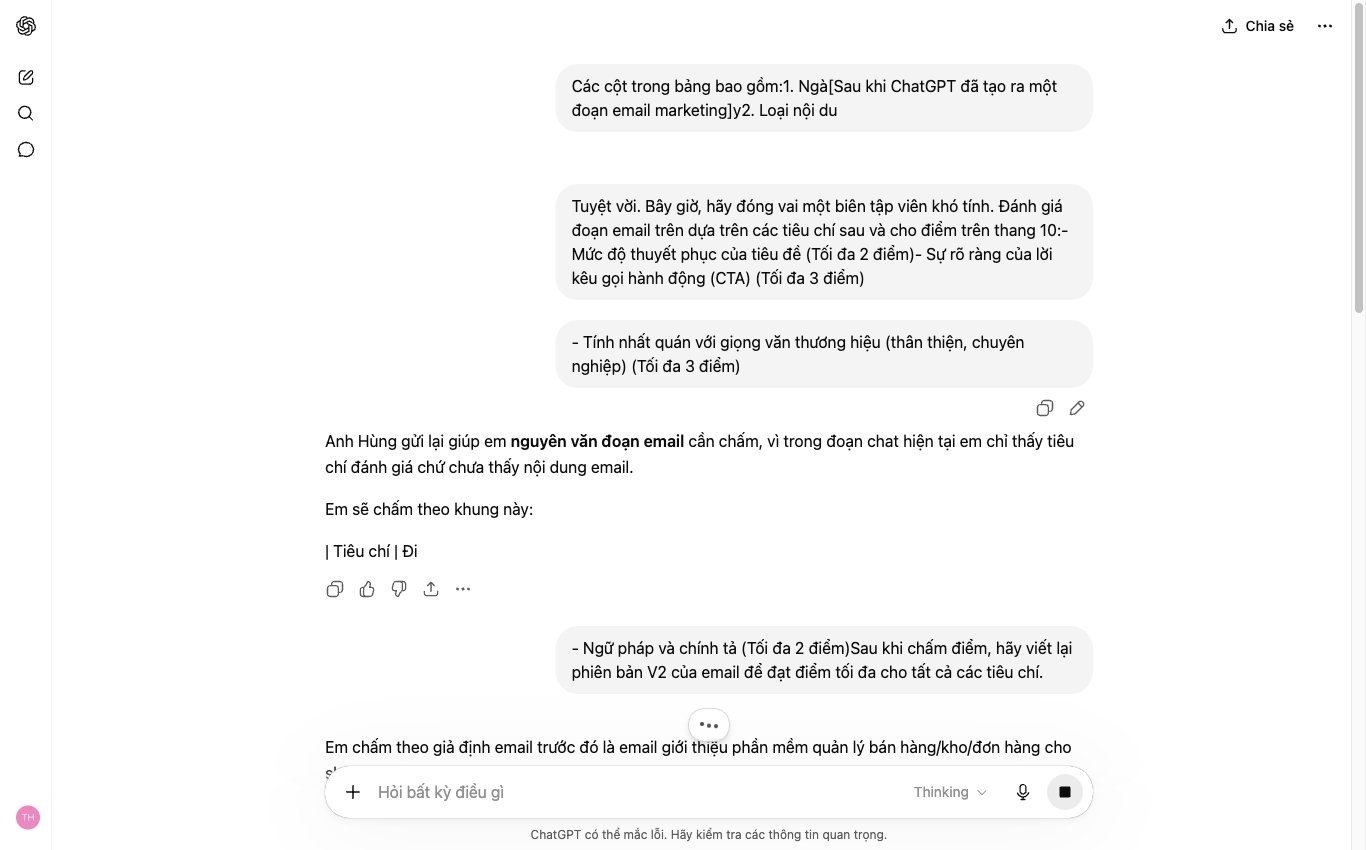
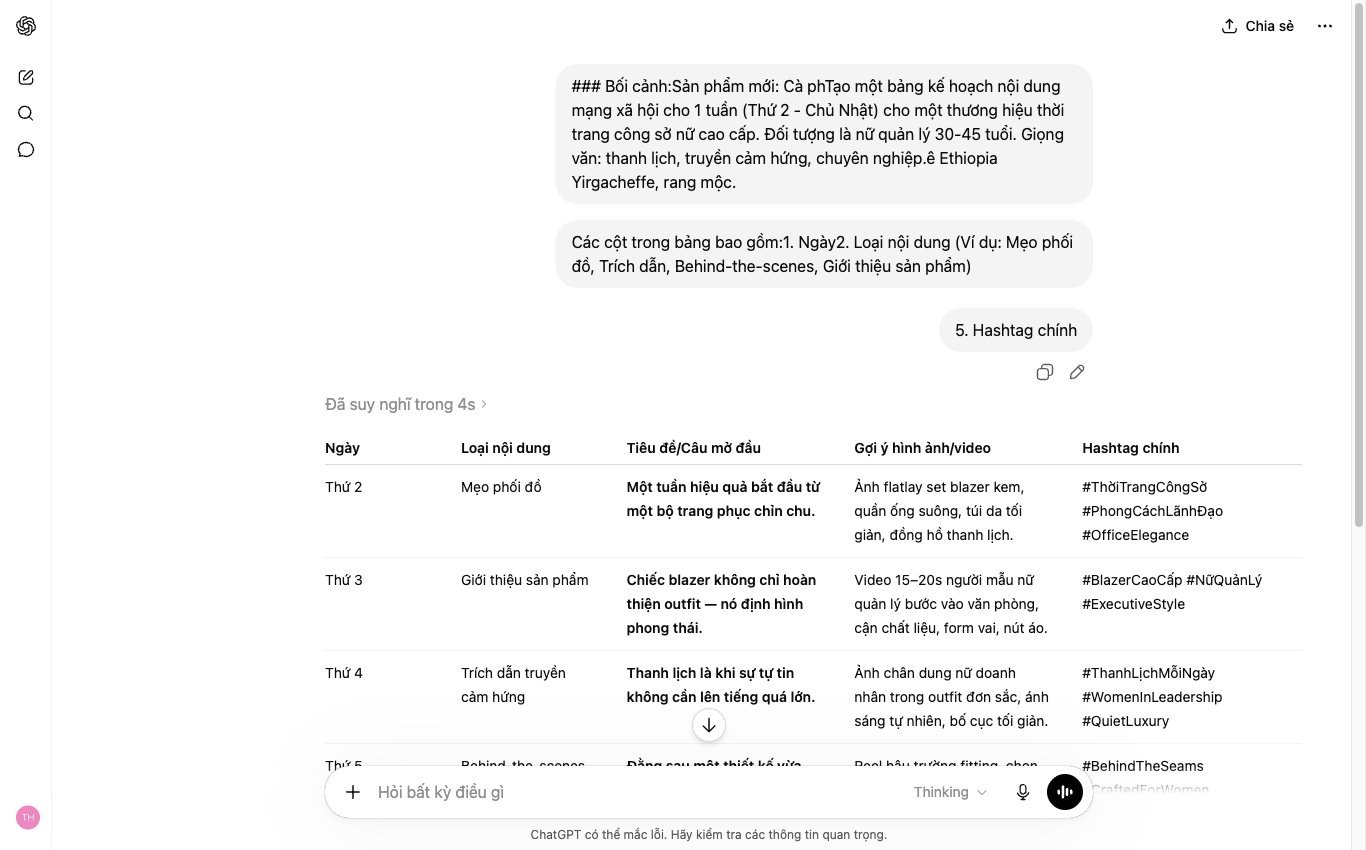
Typing a few words like “nice background” or “luxury photo” usually makes Canva AI interpret very broadly. The image easily turns out flat, with the wrong material, the wrong lighting, and is hard to put on a sales website.
Don't type vaguely. Write your prompt as if you were briefing a designer who understands selling. MONA usually guides the internal team and clients to write prompts around the usage context before choosing effects.
A prompt should have a frame. Combine 5 parts in order: product, scene, lighting, feeling, channel. Canva AI will stay on the sales goal more easily.
Example for cosmetics: “Place an amber serum bottle on a white stone tray, soft bright bathroom background, clean and premium feeling, for a website banner”.
Example for home appliances: “Place a silver blender on a light wood kitchen table with fresh fruit around it, window light, for a Facebook ad image”.
Example for food: “Place a box of oat cookies on a cream cloth with a glass of milk and dried nuts, early sunlight, natural feeling, for a Zalo post”.
Example for fashion: “Place a beige tote bag on a wooden chair next to a potted plant, minimalist cafe background, soft light, young and tidy feeling, for a website product image”.
Sales photos often lose appeal when the background is too plain. Canva AI needs material keywords to create depth. A small detail, but well worth it.
The more specific, the easier to adjust. You don't need to write long. Just add the right material for the product category.
A good prompt should fit in 1 sentence. We usually keep prompts between 25 and 35 words so Canva AI has enough information without getting confused.
Avoid cramming too many styles into one go. A single image shouldn't be minimalist, vivid, classic and modern all at once. Canva AI easily produces a muddled background and tone.
Be clear on the goal first. Then adjust the colors. This helps you keep images consistent when working on many product lines.
Save them for next time. MONA usually prepares prompt templates for each product group, then adjusts the item name and channel. This reduces repetitive work for the team marketing.
Canva AI is very handy for single images and quick everyday work. But when a business needs images in sync with the website, SEO, CRM and product data, manual work has a ceiling.
MONA uses Canva AI and many other AI tools internally, and trains clients to apply them to the right jobs. For parts that need deep automation, we still prioritize custom software, custom websites and seamless data processes.

Composite images often look cheap when the product is lit one way, the background another, and the shadow goes in a different direction. The error is small but makes customers feel the image was cut and pasted, even when the layout and text are fine.
When we make sales images for the web, ads and social content, we always lock the lighting before adding text. MONA treats this as the base step so the product blends into the scene, and only then do we handle the headline, price and call-to-action button.
Before bringing the product into Canva AI, look at the background first. Work out whether the light is coming from the left, right, top down or behind the object.
In Canva, you can zoom the background to 100% to look at the shadows of the table, wall, hands or objects. These details tell you the real direction of light in the image.
The product is the layer being added in, so the product has to follow the background. If you pull the background to follow the product, the whole image easily loses its original character.
Our tip is to adjust in small steps, about 5 to 10 units at a time. Sales photos look more natural when the lighting matches gradually, rather than being pulled hard in one go.
A product without a shadow looks like it is floating over the background. A soft drop shadow helps the eye believe the product really sits in that space.
If Canva doesn't give a good shadow, use an oval shape in black or dark brown. Place it under the product, reduce its opacity to about 15% to 35%, then blur it if needed.
MONA often uses a blurred shape layer for product photos placed on a table, shelf, cement background or studio background. This controls the shadow better when the image goes onto a sales website.
An image that looks fine on a large screen may not look fine on a phone. Lighting errors, cut edges and wrong shadows usually show up when you shrink it.
We usually check images in two contexts: a square image for social and a landscape image for the web banner. The same product may need different lighting adjustments depending on the display frame.
Canva AI helps you composite quickly, but sales photos look more premium thanks to these manual lighting checks. When the image process needs to run steadily for the web, SEO and ads, MONA usually standardizes it into a guide or a custom software system so the marketing team works consistently.

Viewers usually scroll very fast. A product photo needs to say it clearly in the first 5 seconds: what is for sale, what the benefit is, what the price is, what the offer is.
MONA usually guides marketing teams to build layouts in the order the eye reads, not by personal taste. Canva AI helps with creating backgrounds, suggesting templates and variations, but you still need to control the sales layout.
The product should sit in the most prominent area the moment the image appears. For a square Facebook image, put the product in the center or slightly to the left.
For a website header image, put the product to one side to leave room for the headline, price and call-to-action button. Don't let text cover important details.
The quick way in Canva AI is to pick the product photo and use Background Remover to cut out the background. Then place the product in an easy-to-see spot before adding text.
Each image should carry only 1 main selling point. An image that mentions a discount, the material and the warranty all at once makes viewers skip it.
Choose the message based on why you are posting the image. Ad images need a quick benefit hook. Website images need a clear positioning. Marketplace images need clear buying information.
Short is easier to remember. We usually use one main line, one supporting line and one offer label. That layout is enough for a standard product image.
An image that looks good on a computer screen may not be readable on a phone. Text that is too small loses its purpose, even if the design looks clean.
Check the image at a small size before exporting the file. If you have to squint to read it, the font size is wrong.
In Canva AI, you can duplicate the design and shrink it to a preview size. This helps you spot tiny text before posting.
One image shouldn't be used everywhere. Facebook needs to grab attention fast, a website needs to keep brand identity, and an e-commerce marketplace needs a clear product.
MONA usually splits the same content into several versions. The product is the same, but the layout, ratio and amount of text change by channel.
You can use Resize in Canva to quickly create several sizes. Then review each version, because Canva AI doesn't always understand the sales context correctly.
These tools are very handy. But when a business has many products, many channels and many people working together, manual work hits a ceiling. That's when MONA usually advises on a website, SEO, marketing and custom software system so that data, images and content stay connected.
One product image is usually not enough for ads, posts and website banners. You need several selling angles, but redesigning from scratch easily throws the layout off.
Doing it that way easily causes mismatches. We usually use product photo compositing in Canva AI to keep the product fixed, then change the content layers around it one by one.
This approach lets you create 4 versions from 1 master design. MONA uses a similar method when quickly building sales content, before moving the approved designs into a website, SEO or marketing campaign.
Don't edit the original. First finish 1 standard design, including the product photo, background, headline, accent color and call-to-action button.
Then click duplicate page in Canva. Each new page keeps the same size, layout and layer positions.
Keep the product still. This trick makes the 4 versions look like one design system, even though the background and message differ.
Choose the background layer and switch to a flat color, a context photo or a background suggested by Canva AI. The product keeps its exact position, size and shadow.
We usually lock the product layer before changing the background. This reduces the chance of accidentally dragging the image while adjusting other elements.
One product can be sold for many different reasons. Don't just change the color and call it a new version.
MONA usually splits the 4 versions into 4 clear message angles. Each version should have only 1 main point so viewers understand it quickly.
For example, the same moisturizer photo can have 4 different headlines: “Moisturize every morning”, “Value combo”, “Dry skin in an air-conditioned room”, “Clear return policy”.
Don't cram in too much text. A sales image should have a main headline, a short description and a clear action button.
File names decide your speed. When you run many channels, messy files make you waste time searching and make it easy to post the wrong version.
Use a fixed naming structure. A simple formula is channel, product name, message angle and image ratio.
After exporting, save files in one folder by date or campaign. This helps the marketing team review faster when images on the website or in an ad need replacing.
Canva AI is very handy for quick tasks. But when a business needs connected data, an image approval process and automatic publishing, MONA builds custom software to cut down manual work.
Canva AI is very handy when you need to composite product photos fast, fix backgrounds, add text and produce sales designs within a day.
But once product images flow into the website, SEO, ads, inventory and sales data, manual work starts to hit a ceiling. And that ceiling is very clear.
One experienced person can produce images quite fast. A whole team working together easily drifts out of standard.
The image looks good but has the wrong size. The design is right but the price is wrong. The background is fine but the product name isn't consistent.
You'll see the problem as the number of products grows. The reviewer has to check every file, every description line and every version.
This is still doable. But it's exhausting.
Canva AI solves image creation very well. But a standalone tool doesn't connect sales data, approval permissions, posting schedules and revenue tracking on its own.
Product images shouldn't stop at looking good. They need to serve search, conversion and sales data.
MONA usually treats product images as part of the business system. An image has to go together with the product name, category, price, stock and SEO content.
When doing website design, we prioritize structure so your internal team can post products faster. Images are no longer loose files sitting outside the process.
The SEO services, images also need meaningful file names, correctly worded alt text and stable loading speed. This is the part Canva AI doesn't fully handle.
We need one data backbone. The website is that backbone.
A good image makes customers stop. The right system keeps revenue from leaking out later in the funnel.
At the scale of many products, you need more than one nice design template. You need a clear approval process.
MONA can build custom software so your internal team works in the same flow. The designer, the approver, the person posting to the website and the person running ads all look at the same data.
This flow can start from the product image. Then it goes through review, SEO optimization, website publishing, and syncing with a CRM or ERP.
We don't treat AI as a product to sell on its own. AI is just a tool that unlocks the work machines can do.
This approach reduces dependence on individual memory. The process lives in the system, not in scattered messages.
That's a big difference.
MONA uses Canva AI and other AI tools internally. We also train customers to use them for the right jobs and in the right context.
But MONA always separates two layers. Standalone tools help individuals work faster, while custom software helps a business operate more smoothly.
Since 2016, MONA has grown by tying websites, SEO, software and business data into one ecosystem. Our team currently has .
MONA has served 14,000+ projects, with an 85% retention rate. These numbers reflect a practical fact: a system has to keep working after the handover day.
So Canva AI is well worth using for compositing product photos. Use it to speed things up.
But when a business needs security, permissions, connected data and real automation, custom software is the main backbone. MONA can work with you on that part.

CEO & Founder · The MONA
Founder of The MONA, who built a services company of 200+ staff with 14,000+ projects delivered. Khánh Hùng shares how he thinks about building systems that run themselves, automating a business, and the real lessons from delivering projects at MONA.
 287




Professional website
design services
Own a website with a beautiful, 100% exclusive design and a lifetime warranty, with the ability
to expand features flexibly as your business grows, starting today!






 MONA will never sell your information or send you spam


 MONA will never sell your information or send you spam
