
 MONA OS 2.0
 Partner with MONA


 Tự động hoá doanh nghiệp
 Cẩm nang SEO
 Digital Marketing
 Kinh nghiệm thiết kế website
 Hạ Tầng Server
 Giáo dục


 VI
 EN








Message us on
Zalo Official


 ProductsNew

 ProductsProducts
 Mới ra mắtKHA AI 2027App tự edit video, tự đăng mọi mạng xã hội, 2 phút mỗi ngày










 Website designLooks good and wins customers over.
SEO servicesBrings in customers searching for exactly what you sell.
 Tư vấn digital marketingKéo khách từ nhiều kênh, đo bằng số thật.
Corporate video productionVideos introducing your company, factory and team.
 NewAI video productionCompany story films made with AI.
 Custom software developmentCRM, ERP and HRM built for your business.
 Viết AI Agent theo yêu cầuĐặt riêng một trợ lý AI cho đúng việc của mình.
 Tư vấn chuyển đổi AIĐưa AI vào vận hành của cả công ty.
NewMONA LMSManagement for centers and schools.
MONA SkillHubInternal training for company staff.
 NHTQ systemEnd-to-end China–Vietnam shipping operations.
MONA JMSManagement for gold, diamond and pawn shops.
 MONA E-LearningA website with every feature you need to sell courses.
 How to sell online courses (course)More than 30 free lessons on selling courses on autopilot.
 MONA Cloudmonacloud.vnServers to get your apps and websites running.
 MONA Basemonabase.vnPostgres database, sign-in and file storage.
 MONA Mailmonamail.vnSend OTP, order and invoice emails from your software.
 MONA Paymonapay.vnAccept bank transfers via VietQR and notify your software when the money arrives.
 MONA eInvoiceComing soonIssue e-invoices that meet tax standards.
Gấu CườiTrả lời khách 24/7 trên web, Fanpage, Zalo và thu lead cho sale.
 Gấu TeleSalesGọi điện tư vấn, chăm khách như tổng đài viên thật.
Dê CườiTư vấn và chốt đơn cho shop ngay trong khung chat.
Gấu WebmasterNhắn nhóm Zalo là website được sửa xong.
 Gấu Pháp ChếSoạn hợp đồng, rà điều khoản trong vài phút.
 Gấu Báo GiáLên báo giá đúng mẫu và gửi khách ngay.
 AI chăm sóc khách hàngTheo dõi và giữ chân khách hàng cũ.
 Gấu Tuyển DụngLọc hồ sơ, hẹn lịch, phỏng vấn ứng viên.
 Mới ra mắt
KHA AI 2027
Xây kênh chuyên gia 2 phút mỗi ngày
Quay bằng điện thoại, AI tự edit video, tự đăng lên 16 nền tảng và tự trả lời bình luận, tin nhắn.
856.158lượt xem trên kênh CEO MONA sau 30 ngày
 Anh Khánh HùngCEO MONA đang dùng mỗi ngày
Xem app làm được gì
 AI
Gấu Cười MONA ĐANG TỰ XÀITrả lời khách 24/7 trên website, Zalo OA, Messenger và thu lead về cho sale.
Dê CườiChốt đơn bán lẻ và sàn: Shopee, TikTok Shop, web. Chăm cả khách sỉ, đại lý.
Gấu WebmasterCập nhật nội dung, tối ưu SEO website mỗi ngày.
Gấu TeleSalesGọi điện tư vấn, chăm khách như tổng đài viên thật.
Gấu Tuyển DụngLọc hồ sơ, hẹn lịch, phỏng vấn ứng viên tự động.
AI chăm sóc khách hàngGiữ khách cũ, cứu lead đã rớt cho phòng kinh doanh.
Gấu Pháp ChếSoạn hợp đồng, rà điều khoản trong vài phút.
Gấu Báo GiáLên báo giá đúng mẫu, gửi khách ngay khi có yêu cầu.
 Chuyển đổi AI toàn phầnGiải pháp tổng cho doanh nghiệp, 3 lớp triển khai.
 Viết AI Agent theo yêu cầuĐặt riêng một con AI gánh đúng nghiệp vụ của bạn.
 Custom softwareCRM, ERP and HRM with built-in AI automation.
 SEO & AEO thời đại AIĐược Google lẫn AI trích dẫn, không chỉ xếp hạng.
 Kiến thức AI cho doanh nghiệpBài phân tích, hướng dẫn ứng dụng AI vào vận hành.
 Free AI courses
 AI tools at work
App mới · KHA AI 2027
Xây kênh 2 phút mỗi ngày
AI tự edit video, tự đăng mọi mạng xã hội
Free consultation, 8am–10pm every day

23 May, 2023
Product marketing covers a fairly broad scope of work. It includes many important skills that make connecting with customers more effective. So what exactly is product marketing? How important is marketing for a product to a business? Let's find out with Mona Media in detail in the article below.
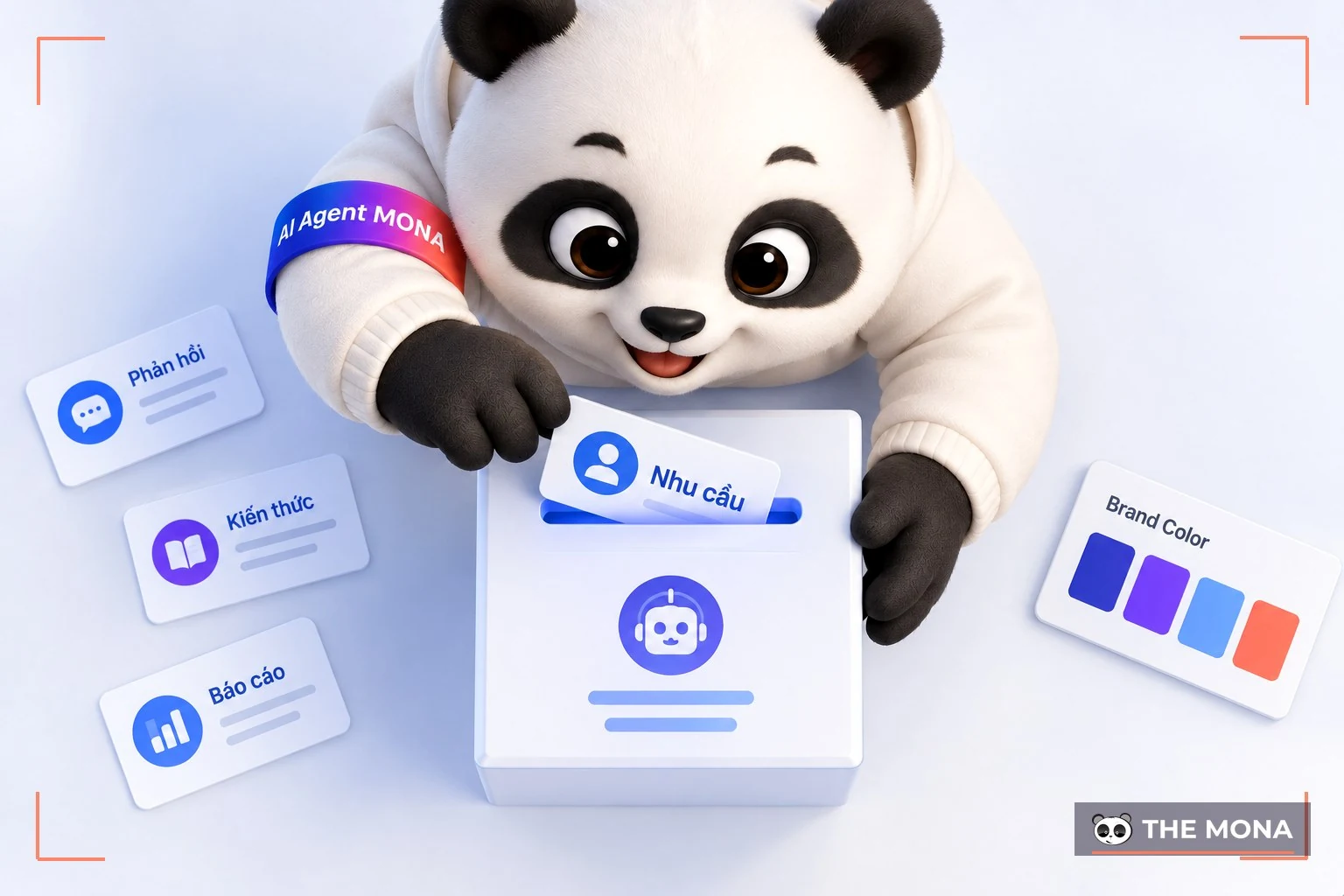
Product marketing is the process of developing and carrying out a marketing strategy. It helps a business introduce its product to the market and generate interest and positive engagement from customers.
A person who does product marketing is called a Product Marketer. By definition, product marketing covers all the activities involved in bringing a product to market. These include market research, competitor analysis, product pricing, advertising, PR and sales.
The goal of Product Marketing is to bring a company's product to potential customers. The aim is to raise awareness of the product and generate revenue for the company.
Product Marketing helps a business strengthen the presence of its products and services through these activities:
Product marketing is a key factor in the success of business campaigns. It is what drives customers to buy and maximizes the value of the product in the customer's eyes. Product marketing also puts product knowledge to work to bring revenue and growth to the business.
Website optimization service that makes products more visible in Google search
Optimizing product categories for keywords with high search volume. MONA Media also handles keyword optimization for products as well as it can be done. Ranking first for a set of industry-specific keywords.
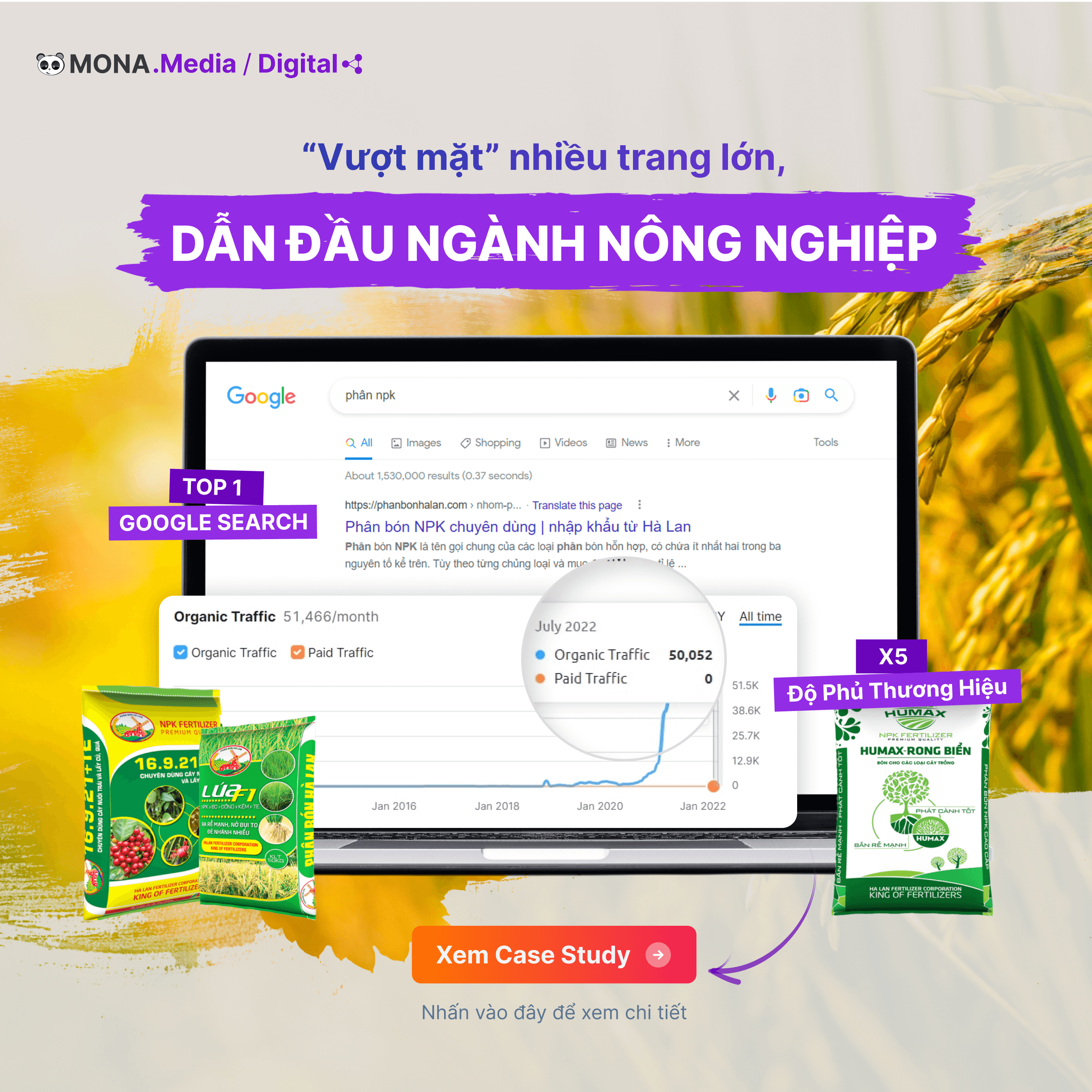
Learn more about keyword research and full-service SEO for the Phan bon Ha Lan brand at the link below:

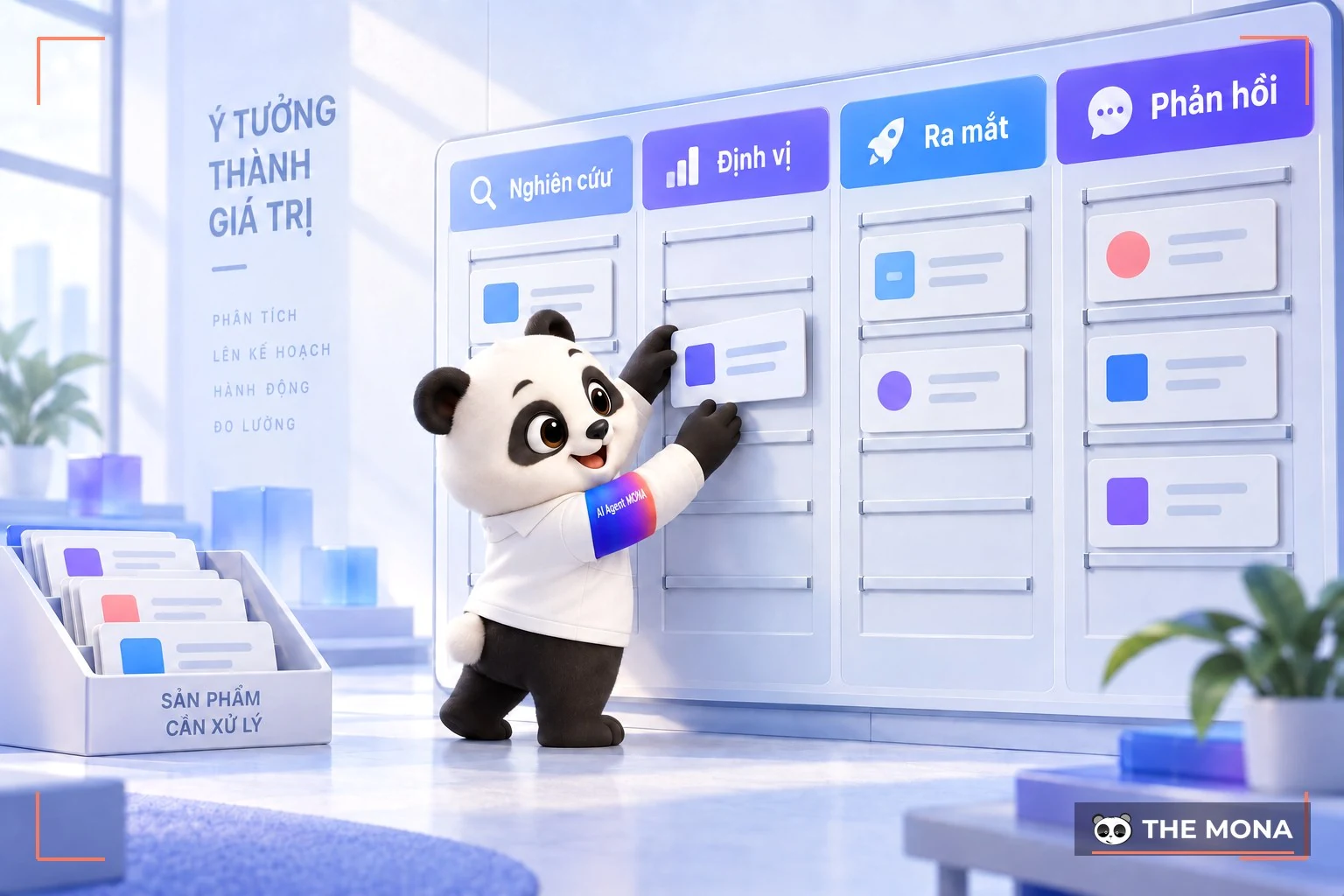
Other website SEO services at MONA Media:
Consider the selling price carefully, because it affects two things:
Budget management is very important in the course of doing business. Calculating the revenue for the full quantity of goods expected to sell is an essential step. You can add market research to learn about potential customers, then draw up a suitable sales plan.
You also need to set the investment costs for each item, such as marketing, staffing and operations management, to work out the overall cost. Setting the net profit target is also an important step in budget management.
To manage a project effectively: Define the business goals and the target users. Also track these KPIs:
To succeed in a project. You need to set up separate specialist teams and make sure every aspect of the project is managed and monitored closely. The key teams are:
To carry out the plan smoothly. You need to set the key milestones and the specific activities for each one. The milestones include:
To make sure the plan is completed fully and effectively. We need to define the items to carry out, as follows:
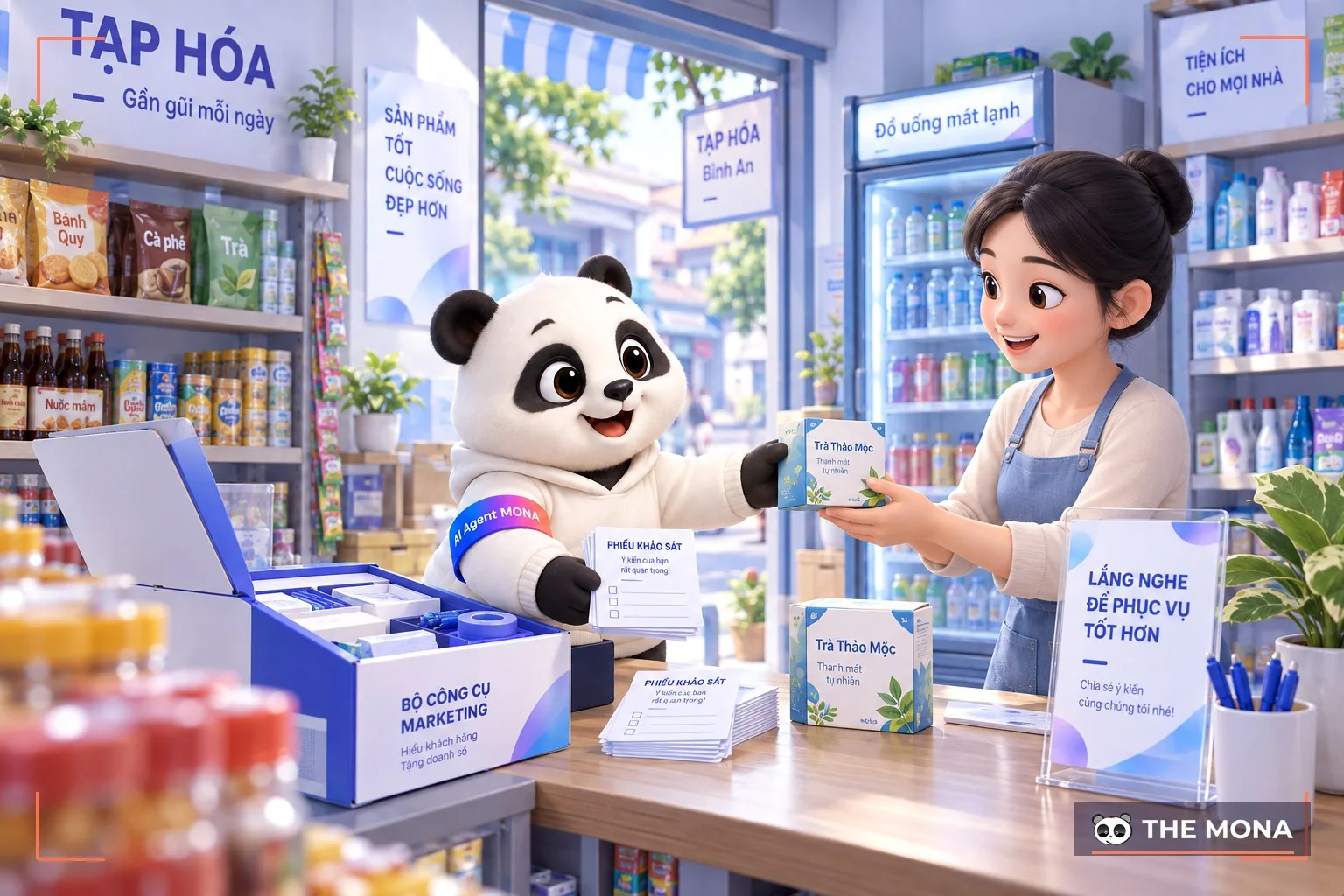
Three kinds of business can apply a Product Marketing strategy, all with the aim of improving business results and promoting the brand.
Here, Product Marketing plays an important role in researching and analyzing users' needs and tastes. As a result, the business will build a product strategy that meets customers' needs and expectations.
Sometimes a business wants to reach more target customer groups. It has to do this by changing the product positioning. Product marketing helps the business learn more about customer needs. From there it can build a strategy that reaches more potential customers.
All newly founded companies/businesses benefit. Positioning the brand in the market is essential to attract customers' attention. Product Marketing will help the business identify its target customers. It would also build a suitable strategy and strengthen brand recognition in the market.
However, for established businesses and startups alike, to get the most out of Product Marketing, you need a specific plan that points in the right direction. Investing time and resources in researching and analyzing the market and customer needs is very important, because it makes it possible to build the strategies that work best for the business.
Defining the customer profile is an important step in product marketing. The product marketing manager needs to understand the customer profile well to set a suitable marketing strategy and adjust features and quality. This meets consumers' and customers' needs. It also keeps the business on track and increases sales by using customer feedback.
Once the customer profile is drawn, the business needs to build a detailed Product Marketing plan. The plan covers goals, communication campaigns, the marketing strategy, channels, timeline and budget, and the results to be achieved.
With the product marketing plan in place, Marketing and Sales work together to market the product. The company needs to identify the right target audience and help customers understand the product (using catalogs, accompanying features and so on).
Coordination between departments keeps communication consistent and gives customers accurate information. This builds customers' trust when they use the company's products and services.
Product Marketing is a key factor in managing the launch of a new product, and in updating new features and services more effectively. Product Marketers need to make sure every department works quickly and flexibly, so the product launch succeeds.
In Product Marketing, a performance report is an important way to track and adjust the product marketing plan. A performance report includes the following information:
Among the 7 tasks of Product Marketing, making sure the product meets customer needs is very important. The business needs to understand customers' pain points and focus on solving them to meet their needs.
This is both an opportunity and a challenge for the business. If customer needs are met properly, the Product Marketing campaign will be highly effective.
To keep your product going over time, you need a flexible product marketing strategy that responds to customers' changing and growing needs, expectations and challenges.
To keep the strategy effective, manage every small change in your product marketing strategy. Update or revise the core product whenever needed.
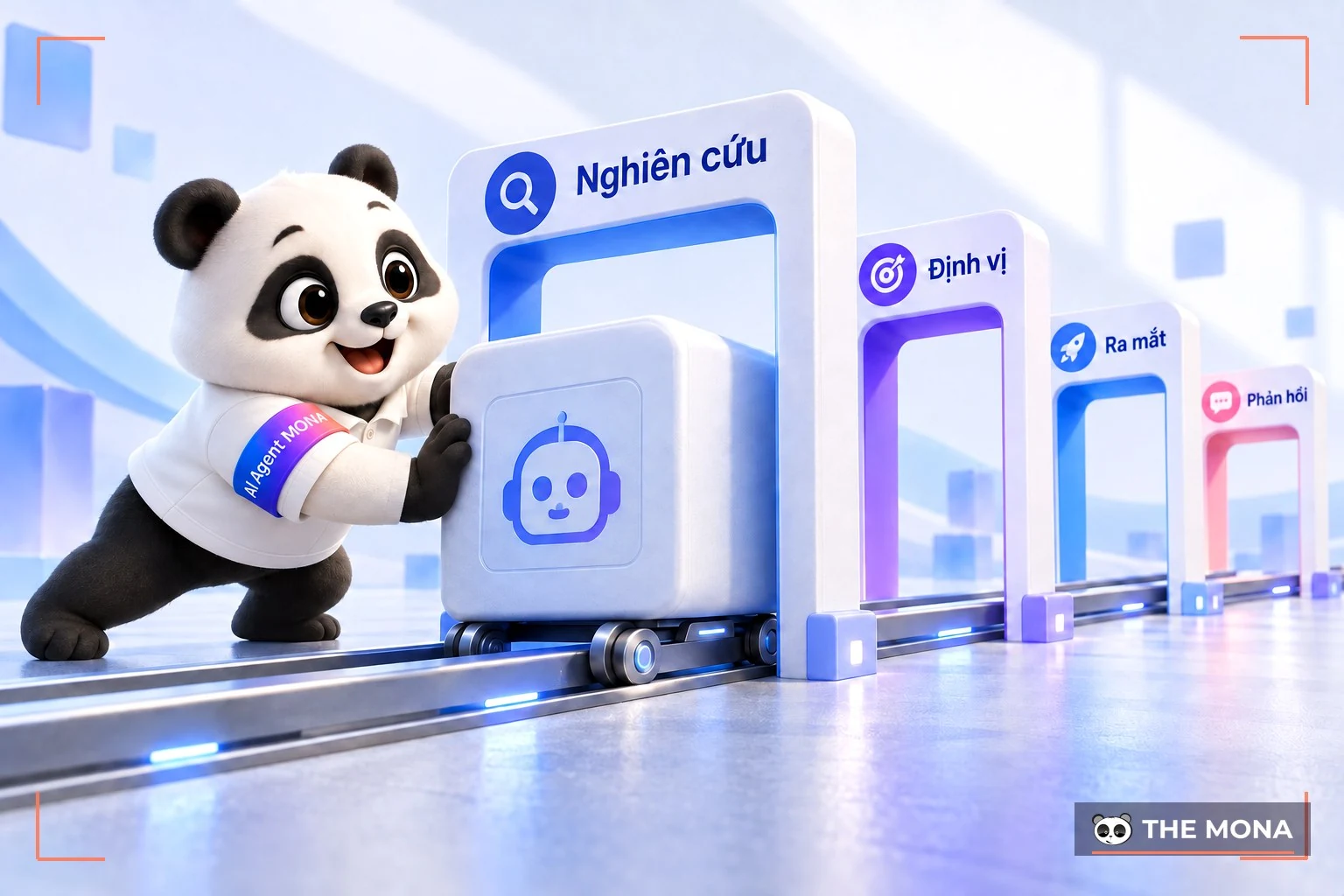
A business will have many market segments. Depending on the needs of each segment, choose the one that fits best. The better the segment, the more effective the strategy.
The purpose is to build a plan and a strategy that is more attractive to the target customers. To earn maximum profit, the target segment must be as precise as possible.
For a business to gain a competitive edge in the market, it has to focus on a positioning strategy. To bring out what is special about the product, there must be a complete plan. The goal is to raise awareness of a new product or new brand.
How do you raise awareness, secure the customer segment and earn the profit you want? This is a hard question for businesses that have just entered the market. A good promotion strategy helps the business optimize costs, especially for companies with limited finances.
Promotion tactics include:
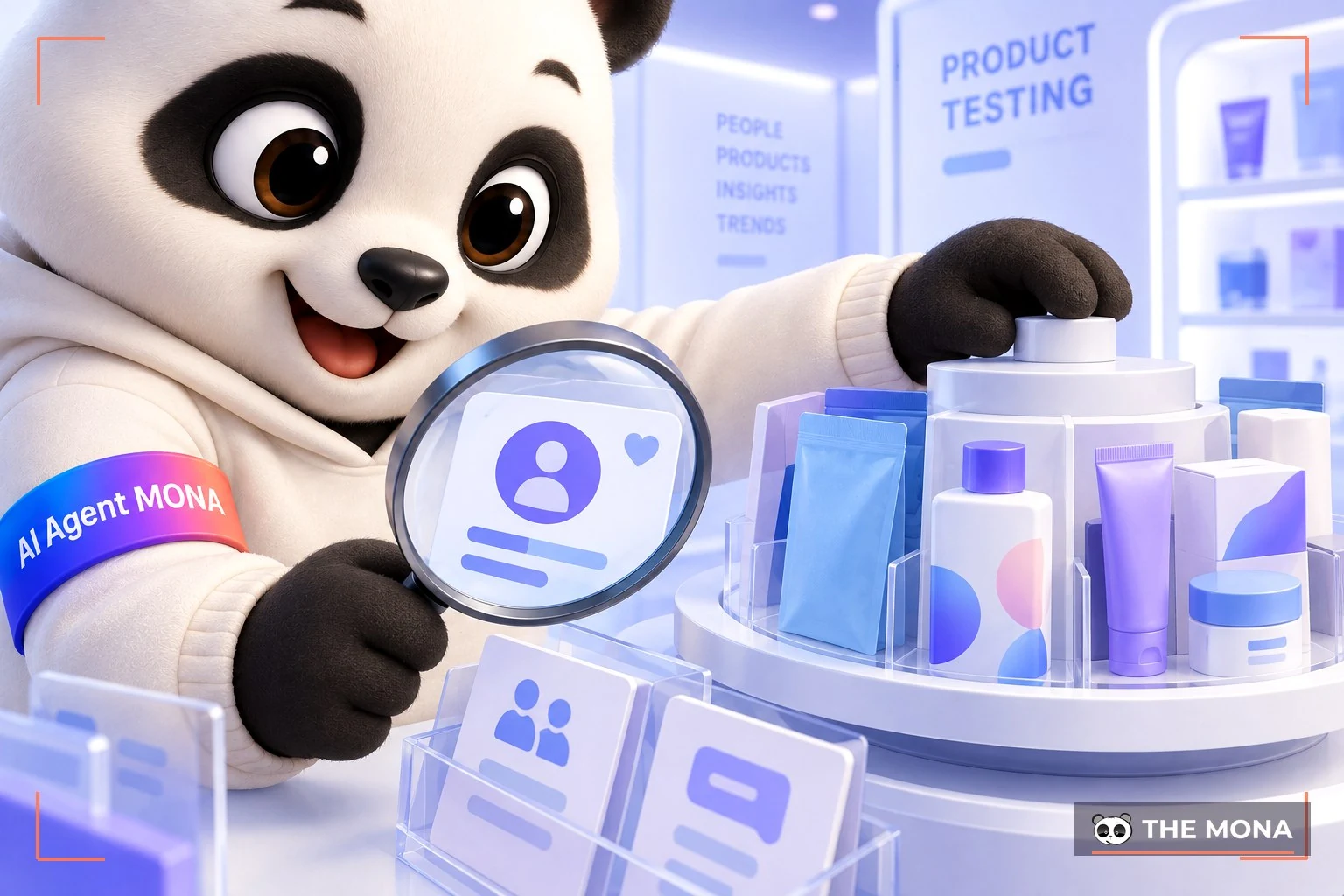
This marketing trend is also known as “Personalization” focusing on understanding and analyzing customer data to deliver personalized experiences.
Example: The #SpotifyWrapped from the Spotify app compiles each user's songs and listening statistics for the year. By personalizing the marketing campaign, you can increase engagement and attract new customers. This trend is likely to keep growing.
Video marketing is the future of the industry Digital Marketing. Right now, the most common form of video marketing is short vertical video on TikTok, Instagram, YouTube Shorts and similar platforms. Other social media platforms are also bringing video marketing to users. According to HubSpot research, short video is the most popular form of social media marketing and has the highest ROI. 30% of social media marketers plan to invest in it, ahead of other marketing trends in 2022.
Product-led growth is a model that focuses on end users and the product to attract, retain or expand customers. Customers can try the product or use the service free before deciding to buy. This Product Marketing trend has become the preferred growth strategy of SaaS (Software as a Service) companies worldwide.
Content Marketing Colocation is a an important strategy that helps companies connect directly with customers. With the growth of technology and social media, content marketing has become a very effective way to promote a business. By providing quality content, companies can attract customers' attention and build credibility for their brand.
Quality content also makes customers trust the brand more. It increases user conversion and sales.
Products
Market
Clients
Billie is a popular razor brand for women. It worked to hold its own in a competitive market by creating a unique competitive advantage.
By allowing body hair to be shown in its ads, Billie won consumers' attention and created a new approach to beauty and body care.
This advertising approach got Billie's audience talking about the brand and appreciating the honest portrayal of women's bodies and body hair. That difference is what made Billie stand out from other razor brands and products.
Apple is one of the world's leading technology and software brands, with well-designed products that are useful to users. Apple's Product Marketing focuses on user benefits more than product features. Apple uses the features in its products to build its brand identity and create a distinctive story. As a result, customers easily recognize the products and understand how to use them.
Apple encourages people to buy through this storytelling. Apple's success comes from these strategies:
Honda has succeeded in diversifying its products and building a well-known brand in the market thanks to:
Coca-Cola keeps researching and developing new products such as Joy bottled water and Samurai energy drink. It also still offers a wide range of traditional products to meet customer needs. Coca-cola applies a differentiation strategy in Product Marketing and has been successful over the years by:
Brand Marketing is a brand promotion strategy. It includes activities such as advertising, PR, sponsorship and others that increase brand recognition and the brand's value in customers' minds.
So what is the difference between Brand Marketing and Product Marketing?
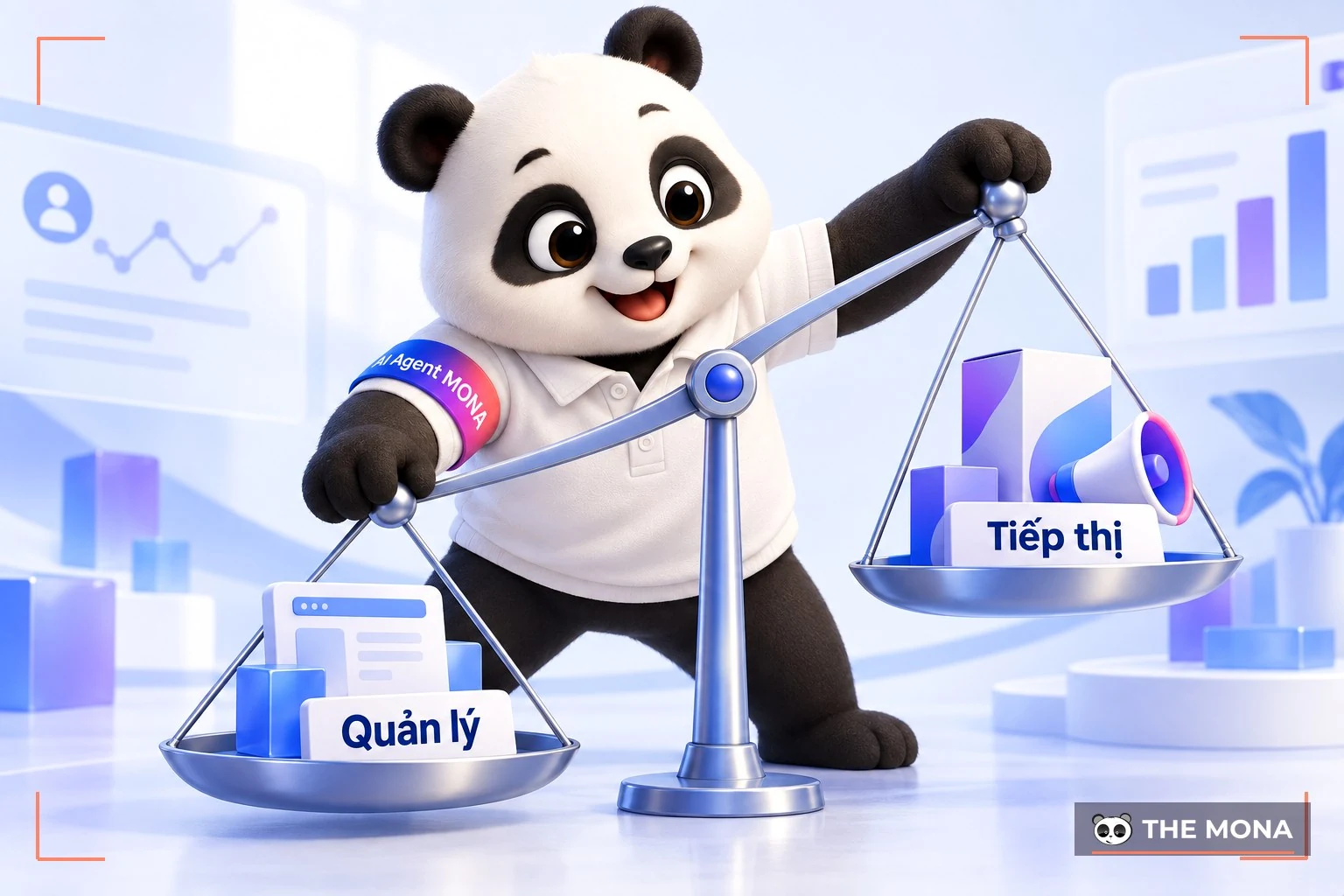
Product Marketing focuses on the product to attract customers. Brand Marketing builds influence through the brand's emotional connection with customers. Marketers at small companies are often responsible for both Product Marketing and Brand Marketing. Depending on the campaign, a marketer will combine the two.
What is the point of aligning Product Marketing and Brand Marketing? It is necessary to make sure the strategies and activities of the two functions are consistent and support each other. Product Marketing focuses on the product and the market, while Brand Marketing focuses on brand image and the company's long-term vision. Combining the two strengthens the brand and delivers better business results.
The article above makes clear that Product Marketing is a broad field that takes many kinds of knowledge and skills. Mona Media we hope you now understand the concept and the issues around it. Prepare well so you can carry out an effective strategy!

CEO & Founder · The MONA
Founder of The MONA, who built a services company of 200+ staff with 14,000+ projects delivered. Khánh Hùng shares how he thinks about building systems that run themselves, automating a business, and the real lessons from delivering projects at MONA.
 1,5K




Professional website
design services
Own a website with a beautiful, 100% exclusive design and a lifetime warranty, with the ability
to expand features flexibly as your business grows, starting today!






 MONA will never sell your information or send you spam


 MONA will never sell your information or send you spam
